
Reviewed · TEMPLE & SHRINE TOURS
Osaka: Mind & Spirit Balance Temple Reiki Healing
Peace can begin with a foot bath. This two-hour Osaka experience pairs a small temple visit with Reiki, an oil massage, Japanese sweets, and a matcha tea ceremony. I like the calm setting in the middle of the city, and I like that the program introduces simple parts of Japanese worship rather than offering only a standard spa treatment. The small group limit of three also helps keep the mood quiet and personal.
The main consideration is the price: $161 per person is a serious spend for two hours. You are paying for several treatments and cultural activities in one sitting, not simply a massage. Also, the treatments are individual, but the tea ceremony may be shared with other people. If complete privacy matters to you, ask the provider about a private arrangement before booking.
In This Review
- Key points to know before you book
- What the two-hour temple wellness visit is really like
- Changing into a yukata and settling in
- The temple visit, incense, and Japanese worship culture
- Foot bath and scrub massage before the main treatment
- Full-body oil massage with essential oils
- Reiki as a quiet, non-contact element
- Matcha, wagashi, and the shared tea ceremony
- Why the small group size matters
- The meeting point warning you should take seriously
- Is $161 a fair price for two hours?
- Who should book this Osaka experience?
- Should you book the temple Reiki experience?
- FAQ
- How long does the Osaka temple Reiki experience last?
- How much does the experience cost?
- What treatments are included?
- Is the Reiki treatment hands-on?
- Is a tea ceremony included?
- Do I wear Japanese clothing during the activity?
- Is the experience private?
- How should I find the meeting point?
Key points to know before you book
- The setting is a working temple in central Osaka: You begin with an incense offering and a short introduction to Japanese worship culture.
- The visit combines several gentle treatments: Expect a foot bath and scrub massage, a full-body oil massage with essential oils, and non-contact Reiki healing.
- You wear a yukata during the experience: A complimentary smartphone photo gives you a simple keepsake from the temple.
- The tea ceremony adds cultural context: You receive Japanese sweets, known as wagashi, while learning about the tradition and its background.
- The group is capped at three people: This is far quieter than a large sightseeing activity, though the tea portion may be shared.
- Finding the entrance requires care: Put Japanese Massage -the one&only- into Google Maps, not the temple name. The temple search can send you to the back entrance.
What the two-hour temple wellness visit is really like
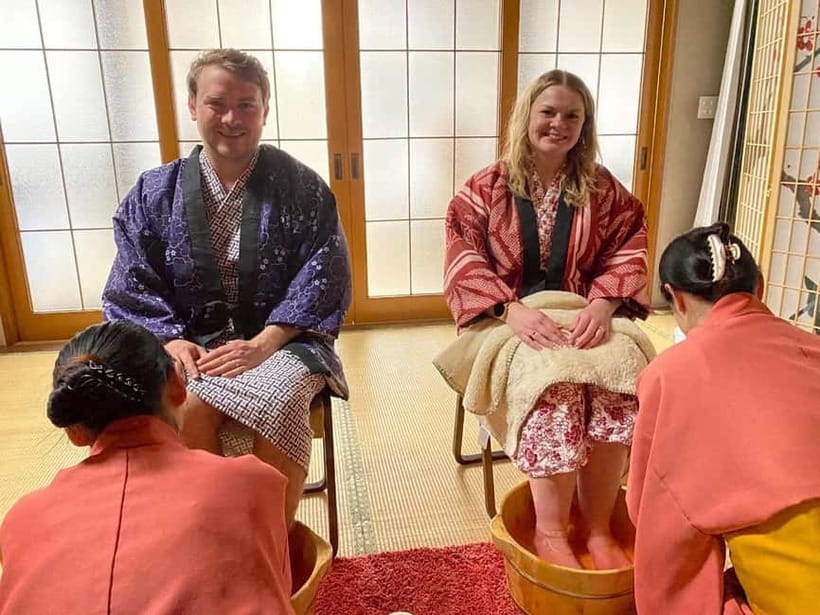
This is not a temple tour with a massage added at the end. It is a compact wellness ritual, with each stage designed to slow you down before the next one. You change into a yukata, settle with a welcome drink, take part in a temple visit, and then move through foot care, massage, Reiki, and tea.
That order matters. You are not expected to rush in from Osaka’s streets and lie straight on a massage table. The opening activities give you time to adjust to the quiet setting. I like that approach because the cultural portion does not feel tacked on. It gives the treatment a clear Japanese setting and purpose.
The whole program lasts 120 minutes. That is enough time for variety, but not enough for every part to be a long, leisurely session. If you want a two-hour full-body massage, this is not the right format. If you want one carefully arranged outing that blends relaxation with Japanese customs, the structure makes sense.
More Temple & Shrine Tours in Osaka
- Osaka: Minoh, Katsuoji Temple, & Minoh Falls Full-day Tour
★ 4.9 · 172 reviews - Sagano Romantic Train & Arashiyama, Kiyomizudera, Fushimi Inari Taisha Day Tour
★ 4.5 · 171 reviews - Full Day Kyoto Tour : Bamboo Forest, Golden Temple, Fushimi Inari
★ 5.0 · 84 reviews
Changing into a yukata and settling in
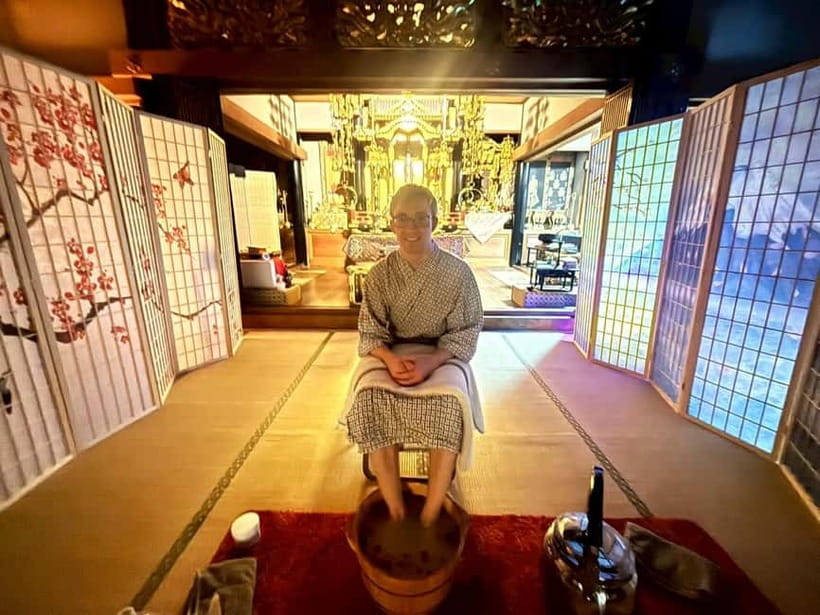
The visit begins with a welcome drink and a change into a yukata, the light cotton garment often worn at summer festivals, inns, and informal Japanese occasions. The yukata is part of the setting, not just a costume for a photograph. It helps mark the shift from ordinary sightseeing to a slower, more ceremonial pace.
You receive a complimentary smartphone photo during your time at the temple. This is a modest extra, but it gives you a useful souvenir without the pressure of buying a formal photo package. If you are visiting with a family member or friend, the photo also makes the activity feel more shared.
I would wear clothing that is easy to change in and avoid bringing bulky bags. The supplied details do not specify changing-room arrangements or storage, so keeping your belongings simple is sensible.
The temple visit, incense, and Japanese worship culture
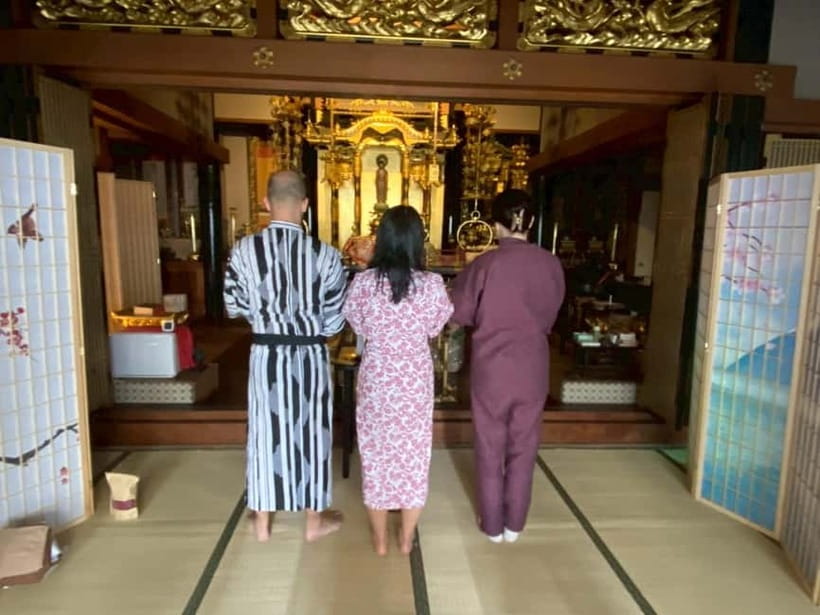
After changing, you visit the temple and make an incense offering. A guide explains the temple’s history and basic Japanese worship culture, helping you understand what you are doing instead of treating the ritual as a photo stop.
This is one of the strongest parts of the program for anyone who wants some cultural meaning with their relaxation. You are not asked to master Buddhist practice. You receive an introduction, take part in a simple offering, and gain a little context for the space around you.
The experience also includes meditation with a bell and kneaded incense. These details give the first part a clear sensory character: sound from the bell, the scent of incense, and a short period of quiet attention. I would not expect a long formal meditation class. Think of it as a guided pause that prepares you for the treatments.
A temple is also a functioning religious place, so respectful behavior matters. Keep your voice low, follow the guide’s instructions, and treat the ritual as more than a decorative backdrop. That small effort makes the visit feel more genuine.
Foot bath and scrub massage before the main treatment
The foot bath comes next, along with a scrub massage. This is a practical choice after a day of walking around Osaka. Your feet get attention first, and the warm-water portion gives you a clear physical signal that the busy part of your day is over.
I especially like this step for people who have spent hours on city streets. It is also a gentle entry point if you are unsure about massage. A foot bath is less intimidating than beginning with full-body treatment, and the scrub adds a little care without making the program feel clinical.
The supplied details do not give the exact length of the foot bath or describe the water temperature, so you should not plan around a specific treatment time. The important point is that it is part of a larger sequence, not the main event.
A completely different kind of day out in Osaka:
- Osaka Go Karting Tour with Funny Costume
★ 5.0 · 2,658 reviews - Osaka Castle: Museum and Tower Entry Ticket
★ 4.5 · 2,380 reviews - Osaka: Shinsekai Food Tour with 13-15 Dishes at 5 Eateries
★ 4.8 · 2,204 reviews - Osaka Food Tour: 13 Dishes at 5 Local Eateries
★ 5.0 · 2,149 reviews
Full-body oil massage with essential oils
The full-body oil massage is the most familiar spa element in the program. Essential oils add scent, while the oil allows smooth massage movements across the body. The treatment is intended for relaxation rather than medical care, and the experience does not present itself as a substitute for treatment by a health professional.
The strongest praise centers on the massage. Erin from the United States called it one of the best massages they had received. Catherine from Belgium described the foot and body massage as an ideal way to close a three-week trip through Japan. Brenda from Canada enjoyed the massage with her daughter and felt the combination of massage, Reiki, and tradition worked especially well.
Those comments point to the program’s main strength: the massage is not a token add-on. It is a serious part of the two hours. At the same time, the program has several components, so the full-body massage cannot occupy the entire visit. If massage quality is your only priority, a dedicated massage appointment may give you more hands-on time for less money.
The provider is Japanese Massage 唯一無二, also presented as the one&only. Arisa is named in one especially positive account, with her care described as professional and kind. Naomi and Arisa are also praised for treating a mother and son warmly. Staff manner matters in a close-contact treatment, and the available feedback points to a welcoming, attentive approach.
Reiki as a quiet, non-contact element
Reiki is described here as a Japanese, non-contact energy healing method intended to support deep relaxation and emotional balance. That distinction is important. You should not book this expecting another massage technique or firm physical pressure.
Some people find Reiki meaningful as a spiritual practice. Others simply appreciate lying quietly, breathing, and giving themselves permission to stop thinking about schedules. I would approach it with an open but practical mind. The value may come less from proving an invisible energy flow and more from the calm setting, the guided attention, and the complete break from sightseeing.
Ricardo from Germany described the combination of massage and Reiki as deeply relaxing and spiritually uplifting. That wording captures the program’s appeal for people who want something beyond a standard spa visit. Still, your response to Reiki will depend on your own beliefs and expectations. The provider promises relaxation and balance, not a medical cure.
Matcha, wagashi, and the shared tea ceremony
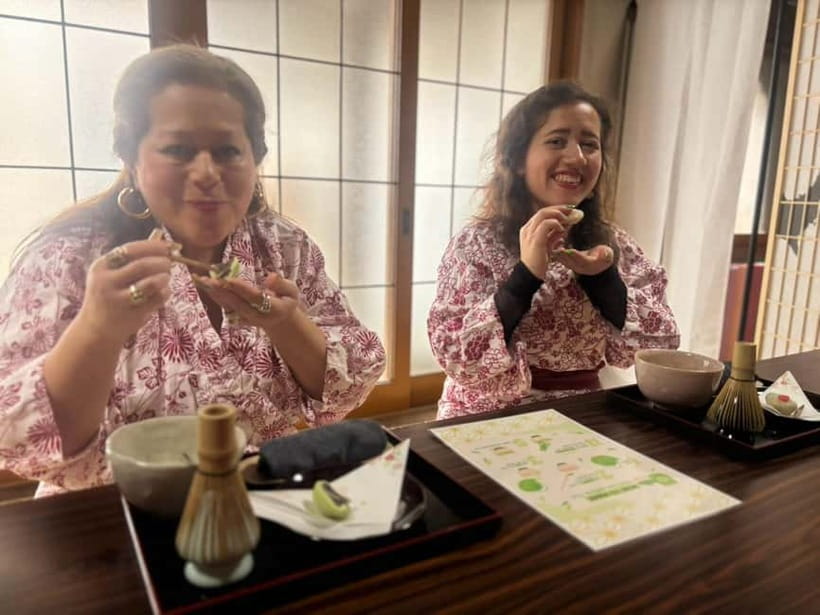
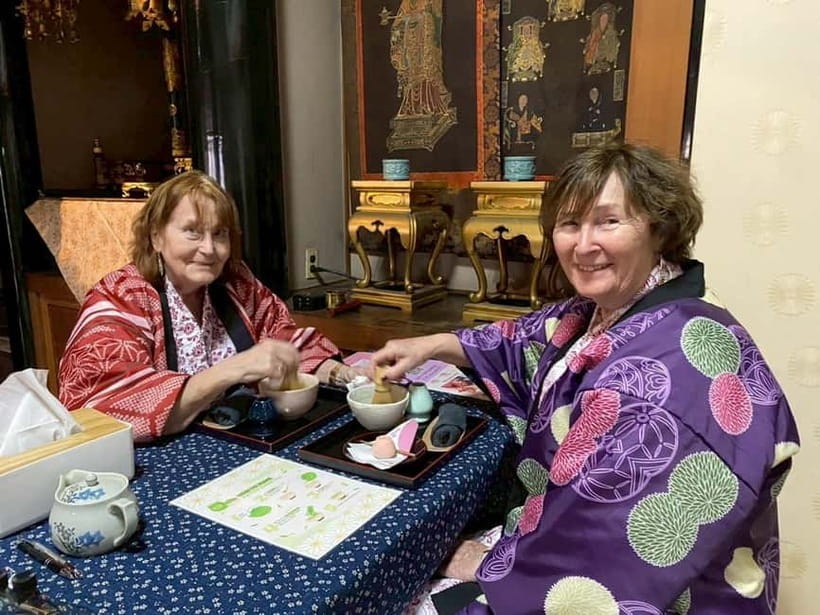
The final cultural element is a traditional Japanese tea ceremony with wagashi, or Japanese sweets. You receive an explanation of the ceremony’s cultural and historical background, so you can understand the gestures and objects instead of simply watching a cup being prepared.
The tea ceremony gives the visit a gentle ending. After the massage and Reiki, you have time to remain seated, taste something sweet, and reflect on the temple setting. It also makes this activity useful for people who want a first introduction to Japanese customs without committing to a long formal lesson.
There is one important privacy note. The treatments are individual, but the tea ceremony may be shared with other people. The group limit is three, so shared does not mean a large crowd. Still, a couple seeking a private, intimate occasion should contact the provider and request a fully private experience in advance.
The sweets are part of the cultural experience, not a meal. Do not arrive expecting lunch or a substantial snack. If you have allergies or dietary restrictions, the supplied information does not explain how substitutions are handled, so ask before reserving.
Why the small group size matters
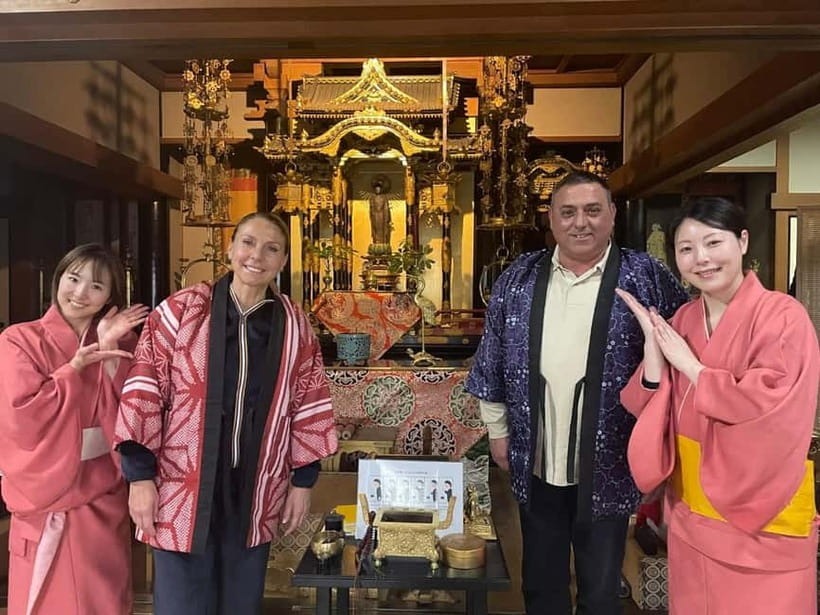
The activity is limited to three participants. That is a useful number for a temple-based treatment because the setting depends on quiet. A small group should also make it easier to hear the cultural explanations and ask a simple question without feeling lost in a crowd.
The limit does not guarantee that every moment is private. The tea ceremony can be shared, and the provider specifically notes this distinction. I would think of the format as small-group with individual treatments, not as a private villa-style spa booking.
This setup suits solo visitors who want some human contact without joining a large tour. It also works for a pair, such as a parent and child or two friends. The reviews include positive experiences for a mother and daughter and for a mother and son, suggesting that the activity is not limited to couples.
The meeting point warning you should take seriously
The meeting instructions are unusually specific, and you should follow them closely. In Google Maps, enter Japanese Massage -the one&only-. Do not search only for the temple’s name, because that may direct you to the back entrance and leave you wandering.
If you still cannot find the location, search for the restaurant Tossa de coracao. The meeting point is right next to it. This is the sort of small detail that can protect your calm before the treatment begins. Arriving confused at a temple’s rear entrance is not the ideal start to a meditation session.
The location is in Osaka on Honshu, but no exact station, neighborhood, or walking time is supplied. Give yourself enough time to find the correct entrance, especially if you are using a taxi or a map application. Keep the provider’s meeting-point wording available on your phone.
Is $161 a fair price for two hours?
At $161 per person, this is not a budget activity. The price covers a package with a temple visit, cultural explanation, yukata, welcome drink, meditation, incense, foot bath, scrub massage, full-body oil massage, Reiki, tea ceremony, wagashi, and a complimentary photo.
That is a lot of separate elements in one appointment. I see the value if you would otherwise pay for a massage and a tea ceremony, while also wanting a calm introduction to temple customs. The small group and named treatment staff add to the sense of personal service.
The value is weaker if you mainly want a long massage. You are paying for the whole sequence, and some of your 120 minutes will go toward changing, explanation, ritual, tea, and photography. The best buyer is someone who wants an all-in cultural wellness experience, not someone comparing massage minutes alone.
Free cancellation is available up to 24 hours before the start time for a full refund. You can also reserve now and pay later, which helps if your Osaka schedule is still moving around.
Who should book this Osaka experience?
I would recommend it to you if you:
- Want a quiet break from sightseeing
- Enjoy massage but also want cultural context
- Are curious about Reiki and comfortable with a non-contact treatment
- Like small-group activities rather than large tours
- Want a yukata photo and a simple Japanese tea experience
- Are visiting Osaka with a parent, adult child, partner, or friend
- Have enough budget for a premium two-hour activity
I would be more cautious if you want a fully private event, need a long massage, dislike scented oils or incense, or expect Reiki to provide medical results. The price also makes it less appealing as a casual last-minute spa stop.
Should you book the temple Reiki experience?
Book it if you want your relaxation time to feel connected to Japan. The temple setting, incense offering, bell meditation, yukata, wagashi, and tea ceremony give the massage a stronger sense of place than a regular hotel spa.
The best reason to choose it is the mix. I like that you can learn a little, sit quietly, receive hands-on care, and finish with tea in one short visit. The strongest praise focuses on the kindness of Arisa and Naomi, the quality of the massage, and the peaceful temple atmosphere.
Skip it if you want maximum treatment time or complete privacy without arranging it first. For everyone else, especially someone ending a long Japan trip or needing a calm reset in Osaka, the $161 price can make sense. Just enter the correct meeting point into Google Maps, arrive ready to slow down, and treat the temple with the respect it deserves.
FAQ
How long does the Osaka temple Reiki experience last?
The experience lasts 120 minutes, or two hours.
How much does the experience cost?
The listed price is $161 per person.
What treatments are included?
The program includes Reiki healing, a full-body oil massage with essential oils, a foot bath with scrub massage, and relaxation activities connected to the temple visit.
Is the Reiki treatment hands-on?
Reiki is described as a non-contact Japanese energy healing method. The full-body oil massage is a separate treatment.
Is a tea ceremony included?
Yes. The experience includes a traditional Japanese tea ceremony with wagashi, or Japanese sweets, along with cultural and historical explanations.
Do I wear Japanese clothing during the activity?
Yes. You are welcomed with a drink and change into a yukata. A complimentary smartphone photo is included as a keepsake.
Is the experience private?
The treatments are individual, but the tea ceremony may be shared with other people. The group size is limited to three participants. You can contact the provider if you want a completely private experience.
How should I find the meeting point?
Enter Japanese Massage -the one&only- into Google Maps. Searching only for the temple name may send you to the back entrance. If you cannot find it, search for the restaurant Tossa de coracao, which is next door.
Just added around Osaka
- Osaka Food Tour with 10 Classic Japanese Tastings & Drinks★ 5.0 · 38 reviews
- Osaka: Highlights & Hidden Gems Private Walking Tour★ 4.7 · 38 reviews
- Kyoto private tour (Shore excursion available from Osaka or Kobe port)★ 5.0 · 39 reviews
- Osaka Private Day Trip – Enjoy Your First-Time Visit to Osaka!★ 5.0 · 39 reviews
- Kyoto & Nara & Uji: Full Day Sightseeing Tour from Osaka or Kyoto★ 4.5 · 39 reviews
- Authentic SUSHI Course Cooking Class★ 5.0 · 39 reviews
- Osaka: Gluten-Free Ramen and Gyoza Cooking Class★ 5.0 · 42 reviews
- Osaka Afternoon Walking Tour with Osaka River Cruise★ 3.5 · 42 reviews
Temple & Shrine Tours, compared.
Fushimi Inari, Kinkakuji, Bamboo Grove 1 Day Bus Tour
Read our review →
Tea Ceremony in a Traditional Tea House in Kiyomizu
Read our review →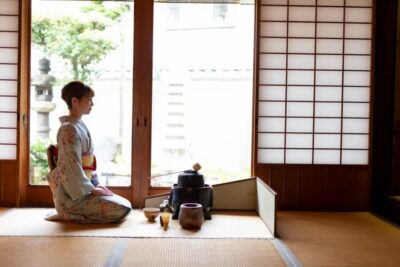
Meiji Shrine, Asakusa, Skytree Bus Tour and Cruise
Read our review →
Fushimi Inari Hidden Hiking Tour (Private Option Available)
Read our review →
Osaka/Kyoto:Kinkakuji,Arashiyama,FushimiInariShrine,NaraPark
Read our review →
Asakusa Walking Tour with Sensoji Temple Visit
Read our review →
Nikko: Kegon Falls, Lake Chuzenji & Toshogu Temple
Read our review →Browse the lists this tour appears in