
Reviewed · RAMEN & NOODLE TOURS
Ramen and Gyoza Cooking Class in Osaka
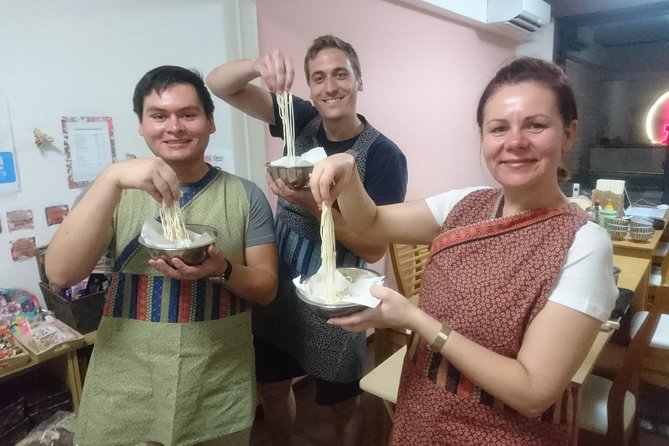
Great noodles begin with patient hands. This 2.5-hour class puts you to work making ramen from scratch and shaping two kinds of gyoza, rather than simply watching a chef perform. I like the small-group format and the practical recipes you can use at home, though you should confirm the exact meeting details because the class is described as being in Nishinomiya while the meeting point is listed in Osaka’s Kitahorie district.
I also like that the lesson covers the whole bowl, including noodles, soup, and toppings, then finishes with a shared meal, green tea, and a seasonal dessert. The instruction is praised for being clear and patient, especially by chef Keigo, but the class is still a cooking workshop, so it suits you best if you are happy to chop, knead, fold, and clean as part of the fun.
In This Review
- Key points to know before booking
- What this Osaka cooking class really offers
- Making ramen from flour, broth, and toppings
- Two gyoza styles, two different techniques
- A small kitchen makes the lesson personal
- Eating the food you just made
- Is $79.59 a fair price?
- Getting there and planning your day
- Vegetarian needs and seasonal ingredients
- Who will enjoy this class most?
- Should you book the Ramen and Gyoza Cooking Class?
- FAQ
- How long does the ramen and gyoza cooking class last?
- What food will I make?
- Is the meal included?
- Are vegetarian options available?
- Where does the class meet?
- Can I cancel for a full refund?
Key points to know before booking
- You make three Japanese dishes: Fresh ramen plus classic round pork gyoza and crispy rectangular vegetable gyoza.
- The advertised class size is intimate: The experience is described as having a maximum of six, although the additional tour information lists up to 12 participants.
- Chef-led instruction is a major strength: Keigo and other instructors are praised for clear explanations, humor, patience, and close attention to each person’s progress.
- The meal is made from scratch: You work on noodles, soup, fillings, dumpling shapes, and toppings before eating the finished food.
- You leave with useful cooking material: A printed recipe is included, and several participants received recipe copies and photos after class.
- Vegetarian adaptations are possible: Vegetarian choices, including soy meat and seaweed stock, can be arranged if you share dietary needs in advance.
What this Osaka cooking class really offers
Osaka is one of Japan’s best cities for eating, but restaurant meals only show you the finished result. This class lets you see how much work sits behind a bowl of ramen and a plate of gyoza.
The lesson is held in a private kitchen at Banix Kitahorie, listed at 3-chome 6-2, Systema Gallery, in Nishi Ward, Osaka. The setting is described as clean, homey, and well prepared, with enough room for cooking and eating. You meet there and return to the same place at the end.
The experience lasts about two hours and 30 minutes. That is enough time to cover several techniques without turning the class into a rushed demonstration. The format is hands-on from start to finish. You are not just given a bowl of noodles and told how it was made.
The class is led by a qualified local instructor. Keigo receives particular praise for explaining not only what to do, but why each step matters. That distinction is useful. Once you understand why dough needs patience, why a filling must be prepared a certain way, or how soup ingredients affect the final taste, you have a better chance of repeating the recipe at home.
More Cooking Classes in Osaka
- Osaka: Ramen and Gyoza Cooking Class in Dotonbori
★ 5.0 · 378 reviews - Osaka Cooking Class: Okonomiyaki &Japanese cuisines experience
★ 5.0 · 261 reviews - Osaka Sake Tasting with Takoyaki Cooking
★ 5.0 · 156 reviews
Making ramen from flour, broth, and toppings
The ramen portion includes the noodles, soup, and toppings. That is important because ramen is not one single recipe. The final bowl depends on how these parts work together.
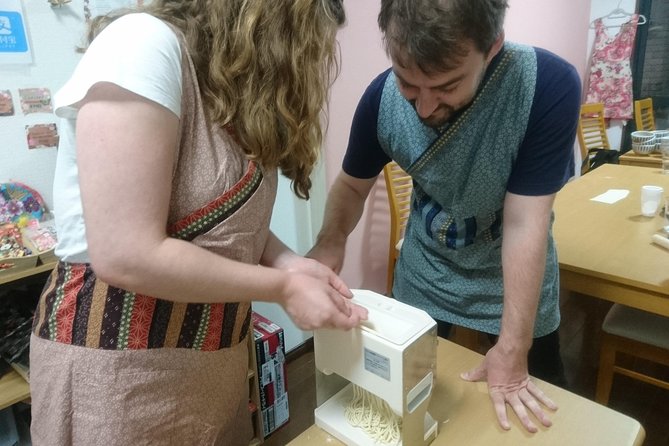
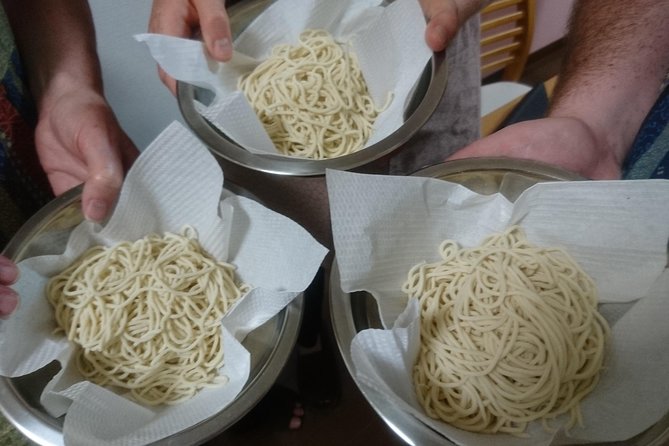
You learn to make noodles from scratch, which gives the class its strongest sense of craft. Fresh noodles also help explain why ramen at home can taste different from a packet or restaurant bowl. The process requires care and patience, a point Keigo reportedly explains while guiding the group.
The soup is prepared as part of the lesson, rather than treated as an afterthought. You also learn how ingredients contribute to the broth. One special example comes from the vegetarian adaptations: a participant was able to use soy meat and seaweed stock. This suggests that dietary changes are not limited to removing the pork and leaving you with a lesser meal.
Toppings complete the bowl. The supplied description does not list every topping, so I would not book this expecting a fixed ingredient list. Ingredients can change with the season, which is normal for a cooking class and may give different dates a slightly different feel.
The useful part for home cooks is the method. You gain a basic skill set and the confidence to try the food again. Several class participants specifically appreciated receiving a written recipe to take home. That turns the experience from a one-time lunch into something you can repeat in your own kitchen.
Two gyoza styles, two different techniques
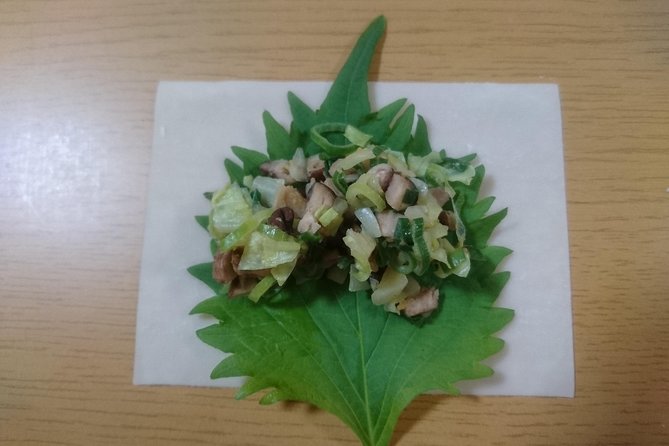
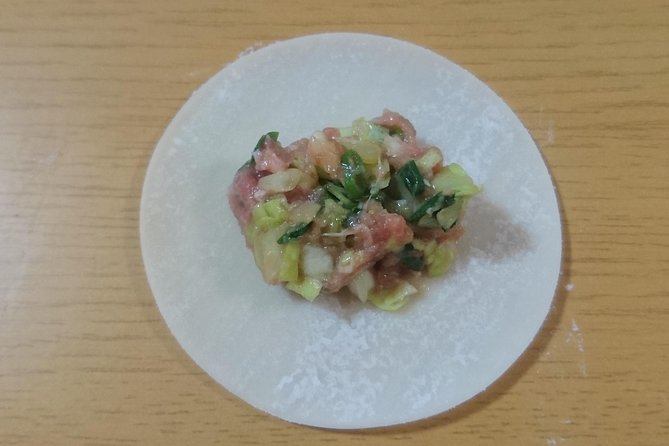
The class teaches two forms of gyoza. The first is a classic round pork dumpling. The second is a crispy rectangular vegetable gyoza.
That pairing makes the lesson more interesting than a single dumpling recipe. You can compare the filling, shape, folding method, and final texture. The round pork gyoza gives you the familiar Japanese dumpling style, while the rectangular vegetable version adds a different look and a crispier result.
Gyoza folding is the part many people expect to be easy until they try it. The instructor demonstrates the steps, then checks your progress. The teaching style is described as calm and encouraging, which matters when your first dumplings look more like small parcels than restaurant pieces.
You also get to see how shape affects cooking. The point is not just to make attractive dumplings for a photograph. It is to learn a repeatable process. The written recipe and step-by-step demonstrations should help you continue practicing after you return home.
I especially like that the class does not limit itself to an advanced cook’s version of Japanese food. You do not need extensive cooking experience to take part, but you should enjoy working with your hands and following instructions. Capable home cooks can still pick up useful tips from the chef.
A small kitchen makes the lesson personal
The advertised maximum of six is one of the best reasons to choose this class. A small group gives you more room to ask questions and makes it easier for the instructor to see how each person is progressing.
There is a minor point to clarify before booking. The additional tour information says the activity can have a maximum of 12 participants. That conflicts with the stated six-person maximum. Since group size affects how much direct help you receive, check the confirmation details if a very small class is important to you.
The instruction itself receives consistent praise for being organized and easy to follow. Keigo is described as entertaining, while other instructors, including Fumi, Sakura, and chef Keiko, are praised for warmth and patience. The provider is Sakura Cook, and the exact instructor may vary.
One useful extra is the way the staff help people find the kitchen. Tomiko reportedly waited outside the building for one group, making the arrival easier. That is a small service, but cooking classes in ordinary urban buildings can be harder to locate than famous sights.
The kitchen is described as clean, sanitary, and fitted with prepared tools and ingredients. Utensils and equipment are included, so you do not need to bring cooking gear. The class also takes photographs during the process in some cases, and photos have been sent to participants afterward.
More Ramen Tours in Osaka
- Osaka: Five Must-See Highlights Walking Tour & Ramen Lunch
★ 4.7 · 411 reviews - Walking Tour of Osaka’s 5 Must-See Sights, with Ramen for Lunch
★ 5.0 · 158 reviews - Cooking Ramen&Gyoza/KatsuCurry/Bento/Okonomiyaki+Store Tour@Osaka
★ 5.0 · 138 reviews - Three Types of Ramen Cooking Class in Osaka
★ 5.0 · 119 reviews
Eating the food you just made
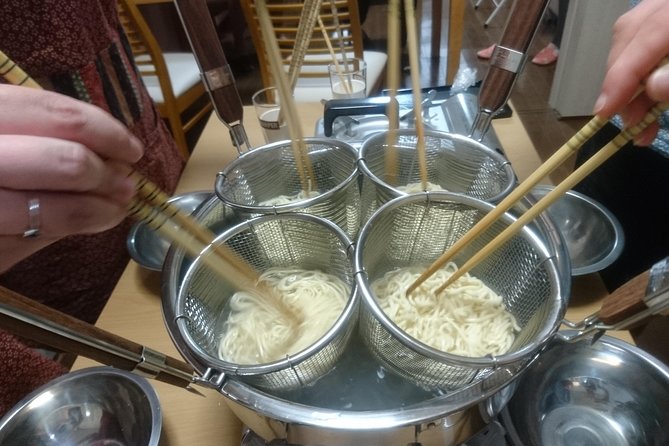
The best part comes after the work. You sit down with the group and eat the ramen and gyoza you prepared.
This shared meal gives the class a pleasant rhythm. You learn, cook, compare results, and then enjoy the finished food while the process is still fresh in your mind. It also lets you see how the separate parts come together in one meal.
Green tea is included, along with a seasonal dessert. The dessert is a nice touch because it gives the meal a proper finish, rather than ending with a bowl of noodles and a quick goodbye. Since ingredients may vary by season, do not expect a specific dessert on a particular date.
Food quality depends partly on your own work. That is part of the appeal. If a dumpling is not perfectly shaped, it still tastes good, and you can usually learn from the result. The class is less about producing a flawless restaurant plate than about gaining the confidence to make the food yourself.
Several people describe the final meal as tasty and rewarding. That is not surprising, but it is worth stressing: you are not paying only for a meal. You are paying for instruction, ingredients, equipment, the kitchen space, and the satisfaction of eating something you helped create.
Is $79.59 a fair price?
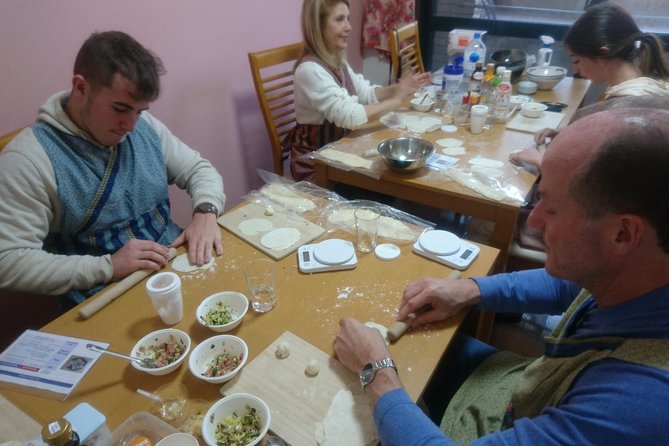
At $79.59 per person, this is not the cheapest way to eat ramen in Osaka. A restaurant bowl costs far less, and gyoza can be ordered as an inexpensive side dish throughout Japan.
The value comes from the amount of participation. The fee includes all class ingredients, use of kitchen equipment, the meal, green tea, seasonal dessert, and a printed recipe. You also receive instruction from a chef and may receive photographs afterward.
For a first-time cook, the price is reasonable if you want a practical cultural activity rather than another restaurant stop. You are learning recipes that can be made again, and the class gives you a clearer sense of the labor behind familiar Japanese comfort food.
For an experienced cook, the value depends on your interest in Japanese technique. The class is not presented as a professional culinary course. Still, the chef’s explanations of ingredients and method can add useful details even if you already cook often.
The class has been booked more than 10 times in the past week and carries a 99 percent recommendation rate with a five-star rating based on 202 reviews. Those numbers suggest strong demand, so I would not leave booking until the last minute if your Osaka schedule is tight.
Getting there and planning your day
The listed meeting point is Banix Kitahorie in Osaka’s Nishi Ward, near public transportation. The address is written as Banix北堀江Japan, 550-0014 Osaka, Nishi Ward, Kitahorie, 3-chōme62 システマギャラリー.
At the same time, the experience is described as a Nishinomiya cooking class. Because those are different place names, check the confirmation message carefully and follow the exact address provided for your date. Confirmation is sent within 48 hours of booking, subject to availability.
The class ends at the meeting point. Hotel pickup and drop-off are not included, so you must arrange your own way there and back. Personal expenses and additional drinks are also separate.
A practical advantage is that one participant was allowed to bring luggage to the location. This is not presented as a formal luggage service, so you should confirm before relying on it, but it may help if the class falls between hotel checkout and a train departure.
Allow enough time to arrive without rushing. A cooking class starts with preparation, and arriving late can mean missing the explanation of an important technique. The mobile ticket is convenient, but it does not replace checking the address.
Vegetarian needs and seasonal ingredients
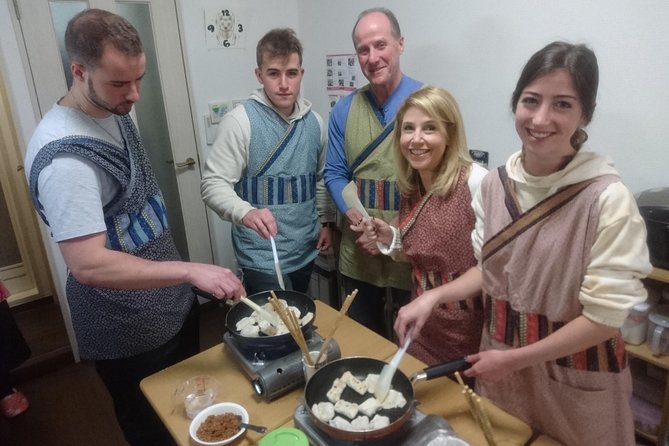
Vegetarian options are available if you provide advance notice. The class has also accommodated soy meat and seaweed stock for the ramen, showing that the chef can make thoughtful adjustments.
You should state all dietary restrictions before the class, not when you arrive. The information supplied does not promise options for every allergy or diet, so ask the provider for confirmation if you have a serious allergy or need strict avoidance of a particular ingredient.
Ingredients may vary by season. That is a normal feature of a local cooking lesson, but it means the exact contents of your ramen and dessert may not match photographs or another date’s menu.
The two gyoza styles are described as pork and vegetable. If you do not eat pork, ask how the recipe can be changed when you book. Vegetarian availability is confirmed, but every dietary variation should be agreed in advance.
Who will enjoy this class most?
You should consider booking if you want to do more than eat your way through Osaka. The class suits couples, families, solo visitors, and small groups who enjoy a relaxed activity with a meal at the end.
It is also a good choice for people who want something they can carry home. The printed recipe and clear instruction make this more useful than a short demonstration. You can try the ramen and gyoza again after your trip, perhaps with ingredients that are easy to find in your own country.
Families may like the format because each person has a job and the final meal is shared. The class is also a good rainy-day option, since the main activity takes place indoors. The supplied information does not give a specific child age requirement, so families should confirm suitability before booking for young children.
You may want to skip it if you are looking for a fast food tasting or a polished chef’s meal with no work. You will be preparing dough, fillings, noodles, and soup, so the experience asks for active participation.
Should you book the Ramen and Gyoza Cooking Class?
I would book this class if you have about two and a half hours in Osaka and want a hands-on food experience with lasting value. The strongest reasons are the small-group teaching, the chance to make fresh noodles, the two contrasting gyoza styles, and the recipe you can use at home.
Before paying, confirm the meeting location, the actual group size for your date, and any dietary changes. The Nishinomiya description and Kitahorie address should be checked carefully, as should the difference between the stated maximum of six and the separate maximum of 12.
Book it if you like learning by doing, enjoy Japanese food, or want a memorable family or honeymoon activity. Skip it if you only want to eat, but for most food-loving visitors, this offers a satisfying look at how simple ingredients become some of Japan’s most loved comfort food.
FAQ
How long does the ramen and gyoza cooking class last?
The class lasts approximately two hours and 30 minutes.
What food will I make?
You will make ramen from scratch, including noodles, soup, and toppings. You will also make two types of gyoza: classic round pork gyoza and crispy rectangular vegetable gyoza.
Is the meal included?
Yes. The class includes the ingredients for lunch or dinner, and you eat the meal you prepare. Green tea and a seasonal dessert are also included.
Are vegetarian options available?
Yes. Vegetarian options are available if you notify the provider in advance. Soy meat and seaweed stock have been used for dietary adaptations.
Where does the class meet?
The listed meeting point is Banix Kitahorie, 550-0014 Osaka, Nishi Ward, Kitahorie, 3-chōme62 システマギャラリー. The activity ends at the same meeting point.
Can I cancel for a full refund?
Yes, if you cancel at least 24 hours before the experience start time. Cancellations or changes made less than 24 hours in advance are not accepted for a refund.
Just added around Osaka
- Osaka Food Tour with 10 Classic Japanese Tastings & Drinks★ 5.0 · 38 reviews
- Osaka: Highlights & Hidden Gems Private Walking Tour★ 4.7 · 38 reviews
- Kyoto private tour (Shore excursion available from Osaka or Kobe port)★ 5.0 · 39 reviews
- Osaka Private Day Trip – Enjoy Your First-Time Visit to Osaka!★ 5.0 · 39 reviews
- Kyoto & Nara & Uji: Full Day Sightseeing Tour from Osaka or Kyoto★ 4.5 · 39 reviews
- Authentic SUSHI Course Cooking Class★ 5.0 · 39 reviews
- Osaka: Mind & Spirit Balance Temple Reiki Healing★ 5.0 · 41 reviews
- Osaka: Gluten-Free Ramen and Gyoza Cooking Class★ 5.0 · 42 reviews
Ramen & Noodle Tours, compared.

Ramen Cooking Class at Ramen Factory in Kyoto
Read our review →
Eat and Drink Like a Local: Tokyo Ueno Food Tour-Taverns&Ramen
Read our review →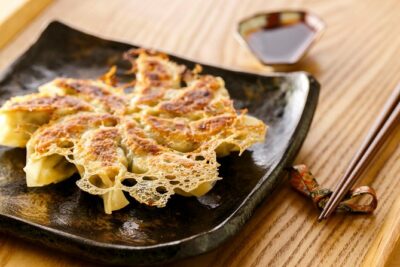
Ramen & Gyoza Cooking Class in Tokyo with Local Supermarket Visit
Read our review →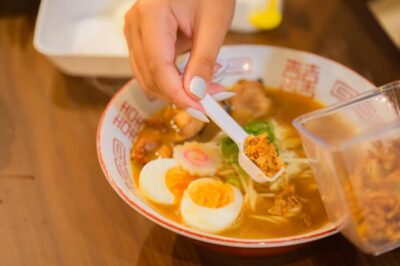
Ramen Cooking Class at a Ramen Factory with Souvenir
Read our review →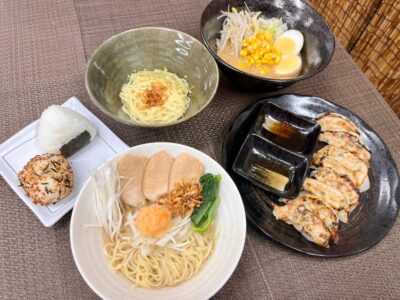
Five Must-See Highlights Walking Tour & Ramen Lunch
Read our review →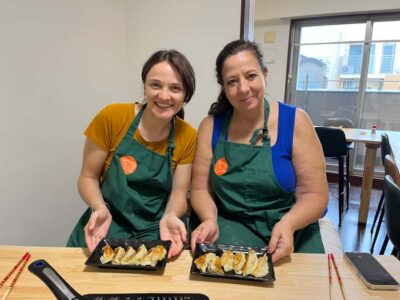
Browse the lists this tour appears in