
Reviewed · RAMEN & NOODLE TOURS
Three Types of Ramen Cooking Class in Osaka
Three bowls make one smart Osaka lunch. I like that you make the noodles from scratch rather than simply stirring a prepared broth, and I like the chance to prepare three distinct ramen styles in one 2.5-hour class. It is hands-on, friendly, and useful beyond the meal itself, since you receive a printed recipe to take home.
The main consideration is the amount of food and activity packed into the session. You make 100 grams of noodles in total, then prepare three bowls with different toppings, so this is a tasting-sized cooking experience rather than three full restaurant meals. The advertised group size is eight, though the additional information lists a maximum of 12, so confirm the size when booking if personal attention matters to you.
In This Review
- Key points about this Osaka ramen class
- Why three ramen styles make sense in Osaka
- Starting with handmade ramen noodles
- Salt ramen with pork, bean sprouts, and seaweed
- Soy sauce ramen with cabbage, greens, and corn
- Miso ramen with spicy chicken and egg
- Eating your own noodles at the table
- The instructors and teaching style
- Vegetarian requests and food flexibility
- Group size, timing, and meeting point
- What the $79.28 price includes
- Who should book this class
- Booking and cancellation advice
- FAQ
- How long does the ramen cooking class last?
- Where does the class meet?
- How many types of ramen will I make?
- Are ingredients and kitchen equipment included?
- Is a recipe provided?
- Can I cancel for a full refund?
- Should you book this Osaka ramen class?
Key points about this Osaka ramen class
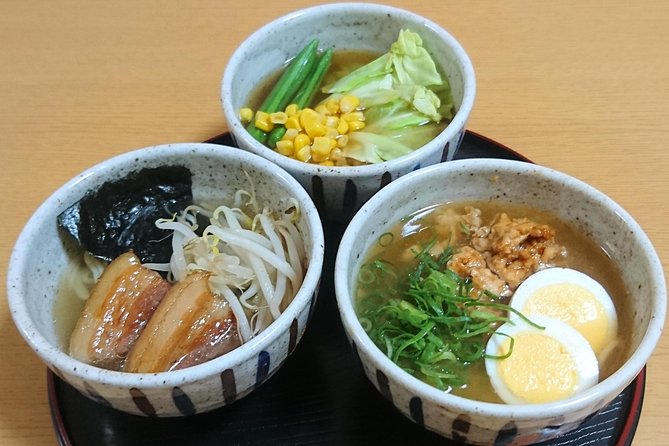
- Three ramen styles in one class: Prepare salt ramen, soy sauce ramen, and miso ramen, each with its own soup and toppings.
- Noodles made by hand: Learn the basic process from flour and dough to fresh ramen noodles.
- Small-group format: The class is promoted as limited to eight people, with the stated maximum elsewhere listed as 12.
- A full meal is included: Ingredients, equipment, dessert, seasonal fruit, and green tea are covered in the price.
- Helpful for home cooks: You receive a printed recipe, and the instruction focuses on techniques you can repeat at home.
- Good for families and vegetarians: The class has worked well for children as young as 10, and vegetarian adaptations have been provided when requested.
Why three ramen styles make sense in Osaka
Ramen is not one fixed dish. Change the seasoning, broth, protein, and vegetables, and you get a very different bowl. This class uses that simple idea as its teaching plan, allowing you to compare salt, soy sauce, and miso ramen side by side.
That makes the class more useful than a session devoted to only one recipe. You learn how the base seasoning affects the final taste, how toppings change the balance, and how the same fresh noodles can work with several soups.
The class lasts about two hours and 30 minutes. That is enough time for practical instruction without turning the cooking into an all-day project. You should expect to work throughout the session, but the instructions are designed for beginners. Several people with little or no cooking experience succeeded, and one family found that a 10-year-old child could follow along and stay interested.
I would describe this as a cooking lesson with a meal at the end, not simply a demonstration. You prepare the noodles, help cook the toppings, make the three soups, and then sit down to eat what you made.
More Cooking Classes in Osaka
- Osaka: Ramen and Gyoza Cooking Class in Dotonbori
★ 5.0 · 378 reviews - Osaka Cooking Class: Okonomiyaki &Japanese cuisines experience
★ 5.0 · 261 reviews - Ramen and Gyoza Cooking Class in Osaka
★ 5.0 · 202 reviews
Starting with handmade ramen noodles
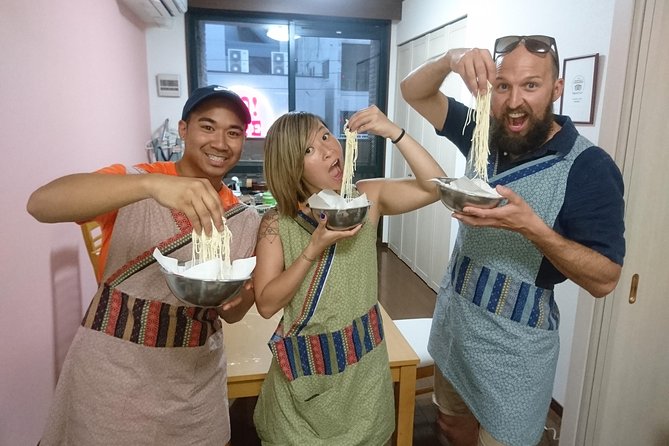
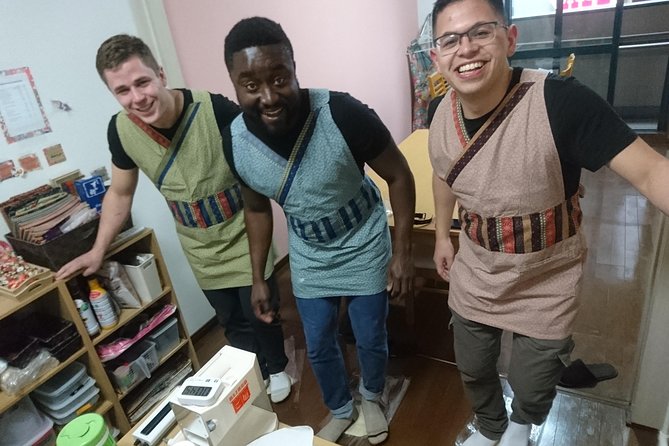
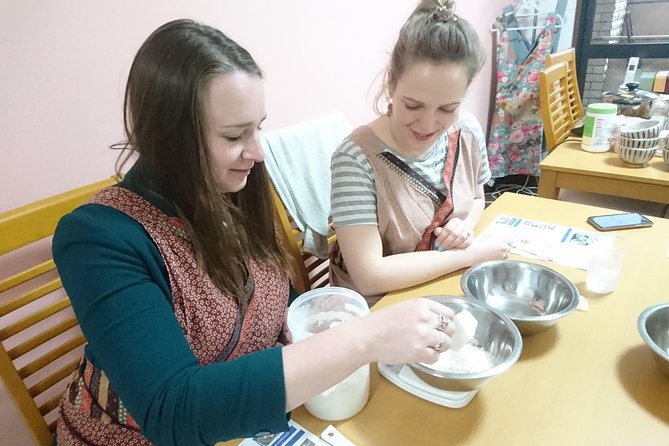
The class begins with an apron and noodle making. This is the part I find most valuable because fresh noodles are the foundation of the meal, yet many casual cooking classes skip that step.
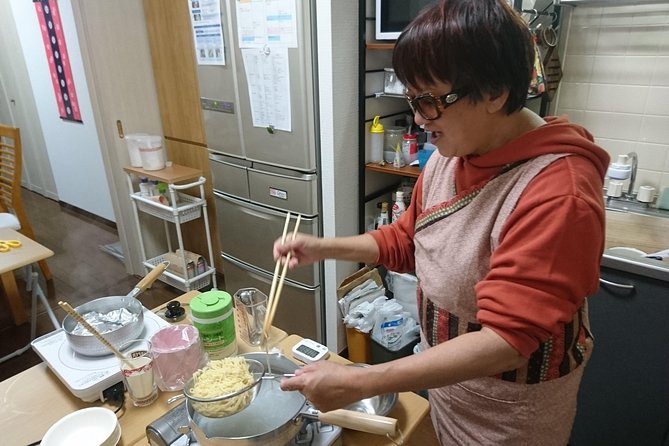
You learn the basic process of working the dough and shaping it into noodles. The total amount is 100 grams, divided among the three ramen styles. That amount is deliberately manageable, especially if you are cooking with children or have never made noodles before.
The goal is not to turn you into a noodle-shop professional in one afternoon. Instead, you leave with a clear sense of how ramen noodles are made and what the process requires. The recipe also gives you a way to try again at home without relying entirely on memory.
The instruction has been praised for being clear and easy to follow. That matters here. Handmade noodles can sound intimidating, but the class breaks the process into simple steps and provides guidance as you work.
Salt ramen with pork, bean sprouts, and seaweed
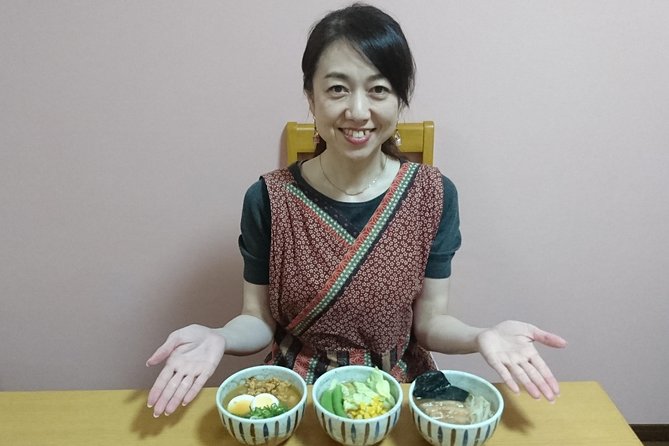
The first bowl is salt ramen. Its toppings include juicy sweet pork, bean sprouts, and seaweed.
Salt ramen gives you a clean starting point because the seasoning is less forceful than miso. You can pay attention to the broth, the texture of the noodles, and the way the pork adds body. The bean sprouts bring a fresh, crisp contrast, while seaweed adds a familiar Japanese flavor.
This bowl also helps you understand why toppings are not just decoration. Each ingredient changes the mouthfeel and balance of the soup. The pork brings richness, the sprouts add crunch, and the seaweed supplies a savory note.
If you are new to Japanese cooking, salt ramen is a good first lesson because it lets you taste the basic ingredients without a heavy sauce covering everything.
Soy sauce ramen with cabbage, greens, and corn
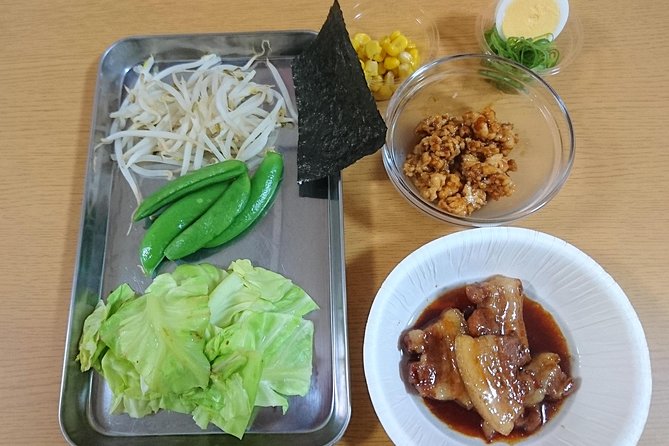
The second bowl uses soy sauce ramen with steamed cabbage, green vegetables, and sweet corn.
This combination offers a different profile from the salt ramen. Soy sauce gives the soup a deeper seasoning, while cabbage and green vegetables keep the bowl from feeling too heavy. The corn adds sweetness and a bright color.
The class uses the three bowls to show how much variety comes from small changes. You do not need three entirely different cooking systems. The foundation remains similar, but the seasoning and toppings shift the result.
For me, this is where the class becomes especially practical. At home, you can adapt the same basic noodle recipe to whatever vegetables or proteins you have available. The printed recipe and cooking tips help turn the lesson into something you can repeat rather than a meal that ends when you leave.
More Ramen Tours in Osaka
- Osaka: Five Must-See Highlights Walking Tour & Ramen Lunch
★ 4.7 · 411 reviews - Walking Tour of Osaka’s 5 Must-See Sights, with Ramen for Lunch
★ 5.0 · 158 reviews - Cooking Ramen&Gyoza/KatsuCurry/Bento/Okonomiyaki+Store Tour@Osaka
★ 5.0 · 138 reviews - Osaka: Cooking Class Ramen & Gyoza Course in Nanba
★ 4.9 · 86 reviews
Miso ramen with spicy chicken and egg
The third bowl is miso ramen, topped with spicy chicken, boiled egg, and green onion.
Miso gives this ramen a stronger, fuller taste. The spicy chicken adds heat, the egg softens the bowl with a creamy texture, and green onion adds a sharp, fresh finish.
This is likely to be the boldest of the three styles. You also need to pay attention to the chili oil. One person found that adding too much left a lasting burn on the lips, so start with a small amount and add more only if you need it.
The miso ramen finishes the main cooking sequence on a high note. After making three soups and several toppings, you have a useful comparison of how salt, soy sauce, and miso behave in ramen.
Eating your own noodles at the table
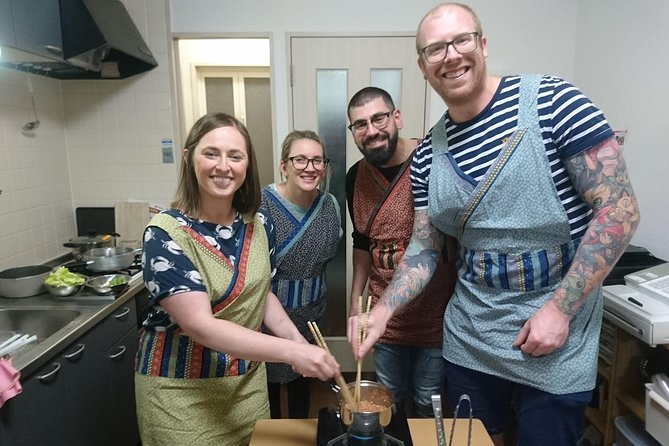
Once the cooking is finished, the bowls are arranged with chopsticks, and you say Itadakimasu before eating.
This simple closing ritual gives the class a satisfying shape. You have handled the ingredients, watched the noodles come together, and then get to eat the result while it is fresh. The meal is not an afterthought. It is the reward for the work.
The class includes all ingredients for lunch or dinner, plus dessert, seasonal fruit, and green tea. Personal expenses and extra drinks are not included, but the main meal is covered.
Keep the portion size in mind. The total noodle amount is 100 grams across all three types, so you are tasting several bowls rather than receiving three standard restaurant portions. The overall amount of food can still be substantial because you also prepare meat, vegetables, eggs, and dessert.
If you arrive very hungry, the cooking may feel slow at first because you are waiting for the final meal. That said, the meal is part of the class and gives you a chance to compare your three results immediately.
The instructors and teaching style
The strongest part of this experience is the teaching. Fumi, Keiyo, and other instructors are described as warm, patient, and attentive, with strong English communication noted repeatedly.
Names vary in the feedback, so the instructor present on your date may not be the same person. One practical detail is useful: Keigo has been seen outside wearing a red apron, which helped people identify the meeting point on a hot and crowded day.
The atmosphere is friendly without requiring you to be an experienced cook. People who described themselves as poor cooks still managed to make noodles and ramen they enjoyed. The instructors explain each stage clearly and provide cooking tips along the way.
You may also receive photos during the class. That is a pleasant extra, especially for families or couples who want a record of the activity but do not want to stop cooking to take pictures.
The class has worked for adults, families, couples, and children. One parent found that a 10-year-old could take part without trouble. Two people booking together may even find themselves in a very small group, depending on the date.
Vegetarian requests and food flexibility
Vegetarian cooking is possible, but you should request it in advance. The class has adapted the ramen carefully, including the broth, rather than simply removing the meat topping at the last minute.
That distinction matters. Ramen broth often contains animal products that are not obvious from the finished bowl. If you need vegetarian food, contact the provider before booking or as soon as possible after booking and confirm exactly what can be changed.
The available information specifically supports vegetarian adaptations. It does not give a full list of allergy substitutions or dietary guarantees, so you should ask about those directly rather than assume every request can be handled.
Group size, timing, and meeting point
The class takes place at Banix Kitahorie in Osaka, at 3-chōme 6-2, Systema Gallery, Nishi Ward, Osaka 550-0014. It is near public transportation, and the activity ends back at the same meeting point.
The stated group size is slightly inconsistent. The main description says the class is limited to eight people, while the additional information gives a maximum of 12 travelers. I would treat it as a small-group experience but confirm the expected number if you are booking mainly for one-on-one help.
Allow the full two hours and 30 minutes. The schedule includes changing into an apron, making noodles, preparing three soups, cooking the toppings, eating, and having dessert and tea. It is not a quick stop between sightseeing visits.
No hotel pickup or drop-off is included. You make your own way to the kitchen and leave from there. A mobile ticket is provided, and booking confirmation is sent within 48 hours, subject to availability.
The meeting location deserves a little care. One person was relieved to spot the instructor outside in a red apron, suggesting that it is wise to arrive with the address ready on your phone and a few spare minutes to find the entrance.
What the $79.28 price includes
At $79.28 per person, this is not the cheapest way to eat ramen in Osaka. A restaurant bowl costs far less, and you could easily spend less on a casual meal.
The value comes from what happens before you eat. You receive instruction, ingredients, kitchen equipment, three ramen preparations, dessert, seasonal fruit, green tea, and a recipe to take home. You also get the chance to ask questions and learn techniques that can be repeated later.
For a visitor who only wants a meal, the price may feel high. For someone who enjoys cooking, Japanese food, or hands-on activities, the cost is more reasonable because the meal is only one part of the experience.
The class also uses your Osaka time efficiently. Instead of taking a separate noodle lesson and a separate tasting, you compare three ramen styles in one session. That makes it a practical choice for a short visit.
Who should book this class
I would recommend it most strongly to:
- Ramen lovers who want to understand how different soup styles work
- First-time cooks who prefer clear, guided instruction
- Families with children old enough to follow kitchen directions
- Couples looking for a shared activity beyond sightseeing
- Visitors who want a recipe and techniques to use at home
- Vegetarians who confirm their requirements before the class
You do not need advanced cooking skills. The teaching is structured for beginners, and the hands-on work is part of the fun.
This may not suit you if you dislike group activities, have very limited time, or want a large restaurant-sized meal. It is also less suitable if you need complex allergy accommodations that have not been confirmed in advance.
Booking and cancellation advice
The experience offers free cancellation if you cancel at least 24 hours before the local start time. Cancellations made less than 24 hours before the start are not refunded, and changes inside that period are not accepted.
Confirmation arrives within 48 hours, subject to availability. Because the class may have limited places, book with enough notice if you need a certain date or want the smallest possible group.
FAQ
How long does the ramen cooking class last?
The class lasts approximately two hours and 30 minutes.
Where does the class meet?
The meeting point is Banix Kitahorie, Systema Gallery, 3-chōme 6-2, Nishi Ward, Osaka 550-0014. The activity ends at the same location.
How many types of ramen will I make?
You will make three types: salt ramen, soy sauce ramen, and miso ramen.
Are ingredients and kitchen equipment included?
Yes. Ingredients for the meal, kitchen utensils, and equipment are included.
Is a recipe provided?
Yes. You receive a printed recipe to take home.
Can I cancel for a full refund?
Yes, if you cancel at least 24 hours before the experience start time. Cancellations made less than 24 hours before the start are not refunded.
Should you book this Osaka ramen class?
I would book this class if you want to do more than eat ramen. The handmade noodles, three different soups, patient English-speaking instruction, and recipe make it a useful introduction to Japanese home cooking.
The best reason to go is the range. In one session, you learn how salt, soy sauce, and miso change the character of ramen, then taste the results with pork, vegetables, chicken, egg, and other toppings.
Before booking, check the group size and confirm any vegetarian or dietary needs. Also plan for a full two-and-a-half-hour activity and remember that the 100 grams of noodles are divided among three bowls. If that sounds like a fair trade for a practical Osaka memory, this is a strong choice for your itinerary.
Just added around Osaka
- Osaka Food Tour with 10 Classic Japanese Tastings & Drinks★ 5.0 · 38 reviews
- Osaka: Highlights & Hidden Gems Private Walking Tour★ 4.7 · 38 reviews
- Kyoto private tour (Shore excursion available from Osaka or Kobe port)★ 5.0 · 39 reviews
- Osaka Private Day Trip – Enjoy Your First-Time Visit to Osaka!★ 5.0 · 39 reviews
- Kyoto & Nara & Uji: Full Day Sightseeing Tour from Osaka or Kyoto★ 4.5 · 39 reviews
- Authentic SUSHI Course Cooking Class★ 5.0 · 39 reviews
- Osaka: Mind & Spirit Balance Temple Reiki Healing★ 5.0 · 41 reviews
- Osaka Afternoon Walking Tour with Osaka River Cruise★ 3.5 · 42 reviews
Ramen & Noodle Tours, compared.

Ramen Cooking Class at Ramen Factory in Kyoto
Read our review →
Eat and Drink Like a Local: Tokyo Ueno Food Tour-Taverns&Ramen
Read our review →
Ramen & Gyoza Cooking Class in Tokyo with Local Supermarket Visit
Read our review →
Ramen Cooking Class at a Ramen Factory with Souvenir
Read our review →

Five Must-See Highlights Walking Tour & Ramen Lunch
Read our review →
Browse the lists this tour appears in