
Reviewed · COOKING CLASSES
Osaka Sake Tasting with Takoyaki Cooking
Osaka tastes better when you cook it yourself. This two-hour class combines the city’s beloved takoyaki with a guided introduction to sake, led by Momo, an English-speaking sake sommelier and former brewer. You make your own octopus balls, try fillings such as wagyu beef and cheese, then sample a changing selection of Japanese sake.
I especially like the small group limit of six, which leaves room for questions and hands-on cooking rather than a show-and-tell demonstration. I also like that Momo explains sake in plain language, helping you choose bottles with more confidence later in Japan. The main consideration is that the class costs $70 per person, and the sake pours can be generous, so it may not suit anyone wanting only a light tasting.
The experience takes place at MOMO to SAKE, on the second floor of a building with easy access from Osaka Namba. It has earned a perfect 5.0 rating from 156 reviews, with Momo’s warmth, clear English, sake expertise, and fun cooking instruction receiving the strongest praise.
In This Review
- Key points at a glance
- Why this pairing works so well in Osaka
- Arriving at MOMO to SAKE near Namba
- The takoyaki lesson: Osaka street food in your hands
- What makes the cooking worthwhile
- Learning sake from Momo, a sommelier and former brewer
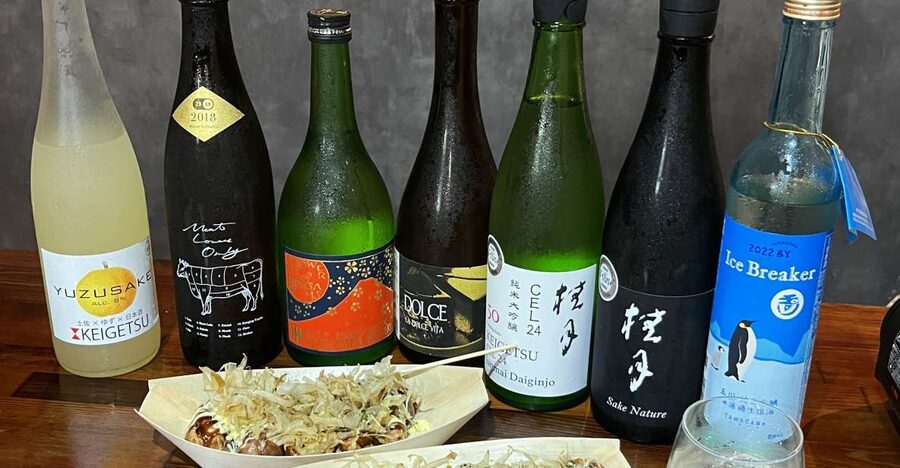
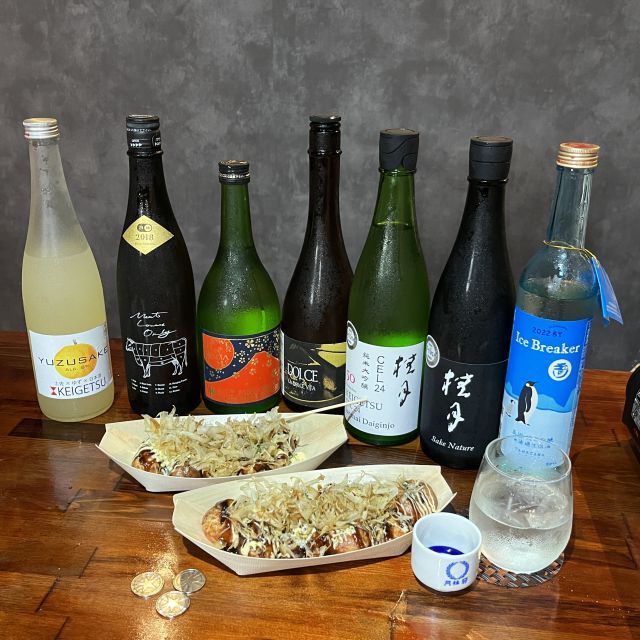
- More than 10 sake choices, with a personal tasting
- Eating and drinking together at the finish
- Is $70 a fair price?
- Who will enjoy this class most
- Practical details before you book
- Should you book the Osaka sake and takoyaki class?
- FAQ
- Where does the Osaka sake and takoyaki experience meet?
- How long does the experience last?
- How much does it cost?
- How many people can join the group?
- How many types of sake are available?
- Are soft drinks included?
- Can I cancel for a full refund?
Key points at a glance
- Momo brings brewer-level sake knowledge: Her background as a former brewer gives the tasting useful depth without turning it into a stiff lecture.
- You cook the takoyaki yourself: Expect real hands-on work, including learning how to turn the batter and fillings into neat, hot balls.
- The tasting is broad but personal: More than 10 types may be available, with a seasonal menu selected by the sake expert.
- The food goes beyond octopus: Wagyu beef, cheese, kimchi, corn, and other additional fillings allow you to make your own version.
- The six-person maximum matters: Small numbers create a relaxed setting where Momo can answer individual questions.
- It is a useful first Osaka activity: You leave with a better idea of what to order at sake bars and a new appreciation for takoyaki stalls.
Why this pairing works so well in Osaka
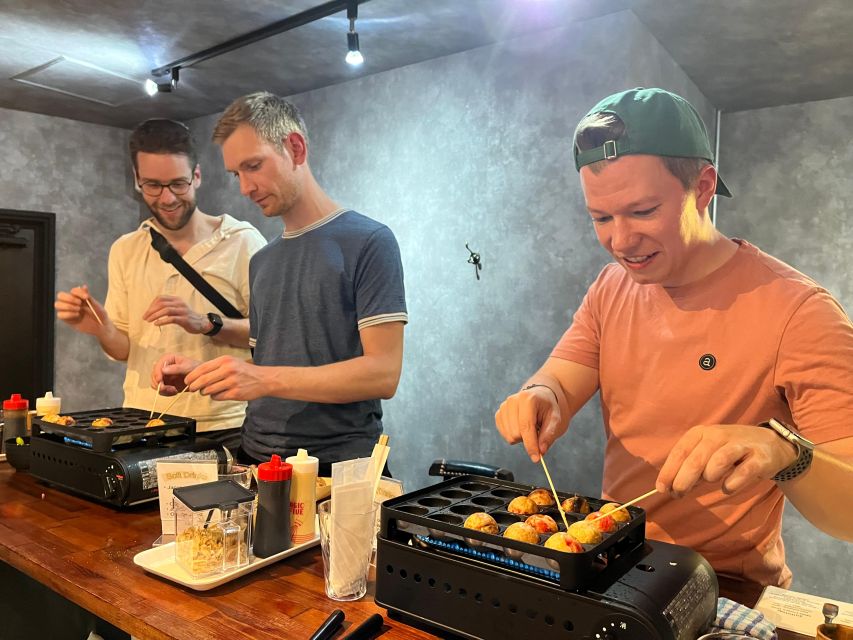
Takoyaki is not just a snack to grab beside the canal in Dotonbori. It is one of Osaka’s signature foods, and making it yourself shows why the cooking process is more skillful than it looks. The batter cooks in a special round mold, and you must turn each piece at the right moment so it develops a browned outside while staying soft inside.
Sake gives the class a second layer. Instead of simply drinking a few samples, you learn how rice, polishing, brewing methods, flavor, and serving choices affect what is in your glass. That makes the experience useful beyond the two hours. Later, when you face a long sake menu, you can describe what you like instead of pointing at a bottle and hoping.
I like this combination because the cooking keeps the class lively. Sake can feel intimidating when the terms and labels are unfamiliar, while takoyaki is playful and practical. One activity gives you context, the other gives you something to do with your hands.
More Cooking Classes in Osaka
- Osaka: Ramen and Gyoza Cooking Class in Dotonbori
★ 5.0 · 378 reviews - Osaka Cooking Class: Okonomiyaki &Japanese cuisines experience
★ 5.0 · 261 reviews - Ramen and Gyoza Cooking Class in Osaka
★ 5.0 · 202 reviews
Arriving at MOMO to SAKE near Namba
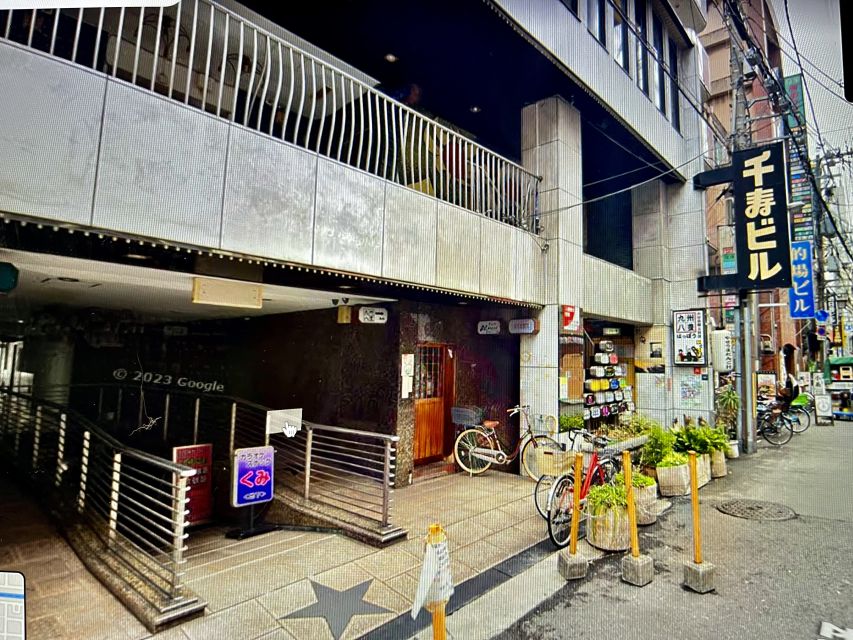
The meeting point is MOMO to SAKE, located on the second floor of the building. The location is described as easy to reach from the main Osaka Namba area, making it a practical choice on a day built around Namba, Shinsaibashi, or Dotonbori.
Because the venue is upstairs, look for the store name rather than expecting a large street-level cooking studio. Give yourself enough time to find the building and reach the second floor, especially if you are coming through one of Namba’s busy station areas.
The setting is cozy and intimate rather than built for a large tour group. With no more than six participants, you can expect a social class where questions and conversation are part of the experience. Solo visitors may get a particularly personal session if the group is small, while couples and families can share the cooking plate without feeling lost in a crowd.
The takoyaki lesson: Osaka street food in your hands
The class begins with the cooking portion. You receive the ingredients and instructions, then follow Momo’s guidance as the takoyaki cooks. This is not a demonstration where you sit back and watch someone else make the food. You take part in shaping and turning your own pieces.
That distinction matters. Turning takoyaki takes a bit of coordination, and the first few pieces may look less tidy than the ones made by a seasoned street vendor. That is part of the fun. The process tends to create plenty of laughter, and the end result is still delicious even when your technique needs work.
The recipe includes Momo’s local approach, plus extra ingredients for personal variations. Octopus is the traditional choice, but the class can include fillings such as wagyu beef and cheese. Other combinations mentioned by participants include kimchi and corn. One person who did not eat octopus was able to enjoy alternatives, while another family received soft drinks for children as the adults tasted sake.
You should come hungry. The finished takoyaki is not merely a sample to try before dinner. You eat the food you prepare, and the portions can be generous enough that some people find it difficult to finish everything alongside the sake.
What makes the cooking worthwhile
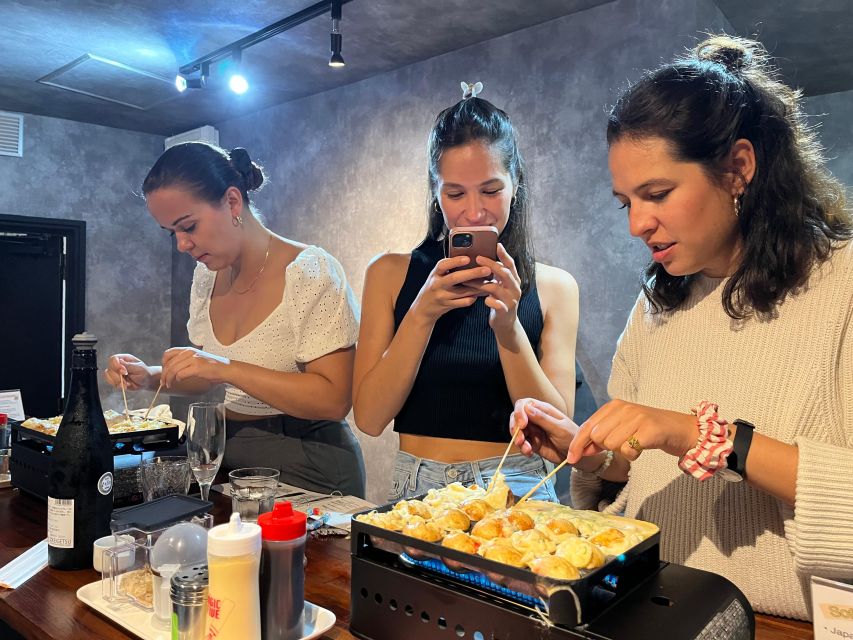
You may already have eaten takoyaki in Osaka and wonder why you need a class. The answer is appreciation. Once you have tried to judge the heat, manage the batter, and turn the pieces without tearing them, you will watch a street-food vendor with new respect.
The class also gives you a way to recreate the dish at home. Several participants left eager to buy a takoyaki pan or skillet, and one later wanted to continue making it after returning home. The ingredients are familiar enough to make the idea feel possible, even if your first home batch will require practice.
I would not book this solely as a formal cooking course. The instruction is designed to be social and enjoyable, not a professional culinary lesson. You will learn the method and get useful guidance, but the strongest part is the shared activity and the tasty reward.
More Food Tours in Osaka
- Osaka: Shinsekai Food Tour with 13-15 Dishes at 5 Eateries
★ 4.8 · 2,204 reviews - Osaka Food Tour: 13 Dishes at 5 Local Eateries
★ 5.0 · 2,149 reviews - Hungry Osaka Street Food Tour:15 Tastings & 3 Drinks with a Local
★ 5.0 · 1,727 reviews - Hungry Osaka Street Food Tour: 15 Dishes & 3 Drinks
★ 4.9 · 694 reviews
Learning sake from Momo, a sommelier and former brewer
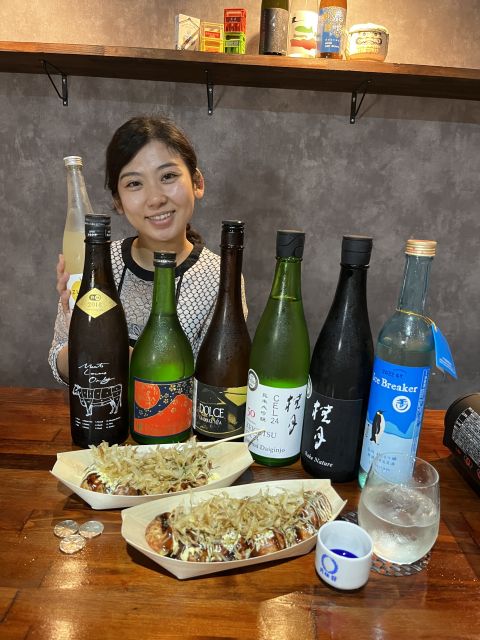
After the food is cooked, the sake lesson takes center stage. Momo covers the basics, including sake’s history, culture, and production process. Her former brewing experience gives her a firm grasp of how the drink is made, while her sommelier training helps her explain how to taste and compare it.
The most useful part is learning how to connect flavor with your own preferences. Some sake is dry, some is softer or fruitier, and some has a fuller character. You learn to notice these differences rather than treating all sake as one drink.
Momo’s English is praised repeatedly for being clear and easy to follow. She answers questions without making the subject feel formal or precious. That tone is important because sake labels can look daunting, especially when you are trying to understand terms in Japanese.
You can ask about production, grading, styles, and the qualities you prefer. Momo then helps you select samples from the seasonal menu. This is more helpful than moving through a fixed flight with no explanation, since your tasting can respond to your own taste.
More than 10 sake choices, with a personal tasting
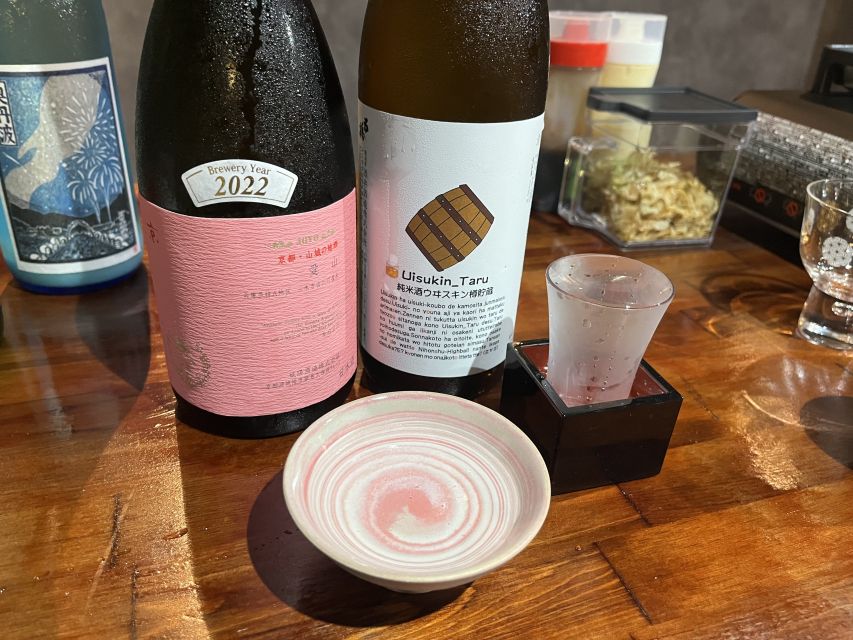
The venue offers more than 10 types of Japanese sake and soft drinks. The exact menu changes with the season, so you should think of the selection as a chance to compare styles rather than a fixed list of brands promised year-round.
The amount you taste appears to vary with the session and your choices. People have sampled around seven or eight different sake in a class, and some describe the pours as generous. That makes the $70 price easier to assess, but it also means you should pace yourself.
This is not a tasting where you merely wet your lips and move on. You drink the samples, usually after eating the takoyaki, and the food helps make the evening feel like a complete meal and activity. Water and snacks may also be provided during the session, though the core inclusions are the sake, soft drinks, ingredients, cooking instruction, and English-speaking local expert.
Momo’s role is not simply to hand you glasses. She explains what you are tasting and helps you identify patterns. If you prefer one style over another, she can point you toward similar choices for the rest of your trip. That practical advice is one of the class’s best features.
Eating and drinking together at the finish
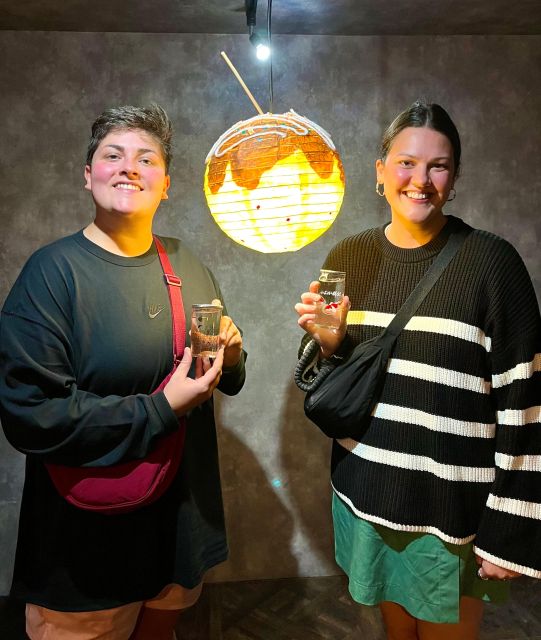
The final stage brings the two parts together. You eat your handmade takoyaki while enjoying the sake you have chosen. This makes sense from both a culinary and practical point of view. You taste the drink with food, not in isolation, and you get a better sense of which combinations appeal to you.
The class is scheduled for two hours, which gives enough time for instruction, cooking, questions, and tasting without requiring a full evening. Still, the pace depends on the group. A one-on-one session can focus closely on your preferences, while a full group may spend more time sharing the cooking and conversation.
The atmosphere appears warm and relaxed. Momo is often praised for making people feel comfortable quickly, and her sense of humor helps balance the technical material. The experience is as much about conversation and hospitality as it is about memorizing sake terms.
Some sessions include a dessert, though that should not be treated as a guaranteed part of the booking since it is not listed among the standard inclusions.
Is $70 a fair price?
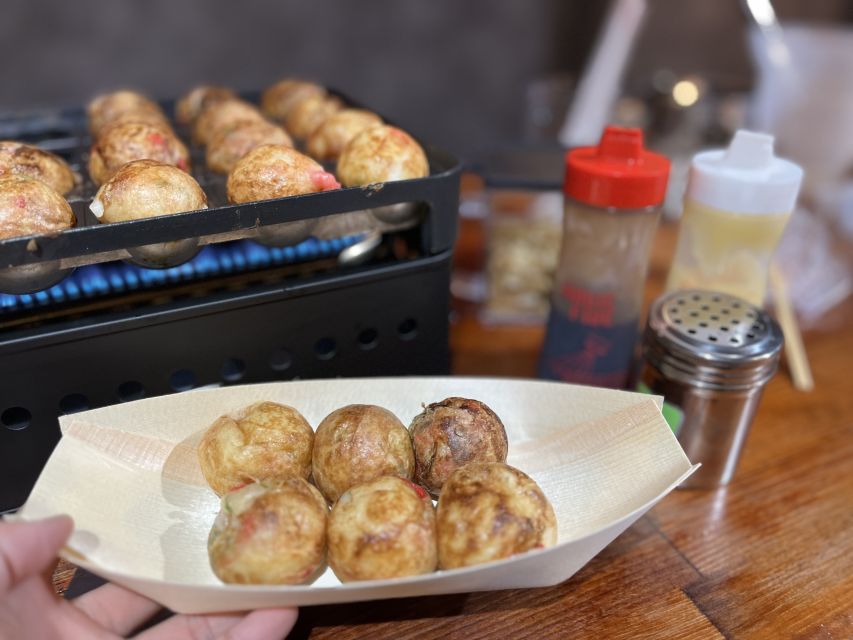
At $70 per person, this is not the cheapest way to eat takoyaki or try sake in Osaka. You can buy both at casual restaurants for much less. The value comes from combining food, instruction, expert guidance, and a small-group setting in one two-hour experience.
For a visitor new to sake, the price is easier to justify. You are not paying only for drinks. You are paying for a fast education that can improve the rest of your time in Japan, especially if you plan to visit sake bars or buy bottles as gifts.
The value is also stronger for people who enjoy active experiences. If you would rather sit quietly at a bar and order from a menu, this class may feel expensive. If you like cooking, asking questions, and learning the story behind what you drink, it offers more than a standard meal.
The high number of samples needs careful handling. A report of seven generous pours means the tasting may be closer to a substantial drinking session than a restrained wine flight. Eat the takoyaki, use the water provided, and avoid planning a demanding activity immediately afterward.
Who will enjoy this class most
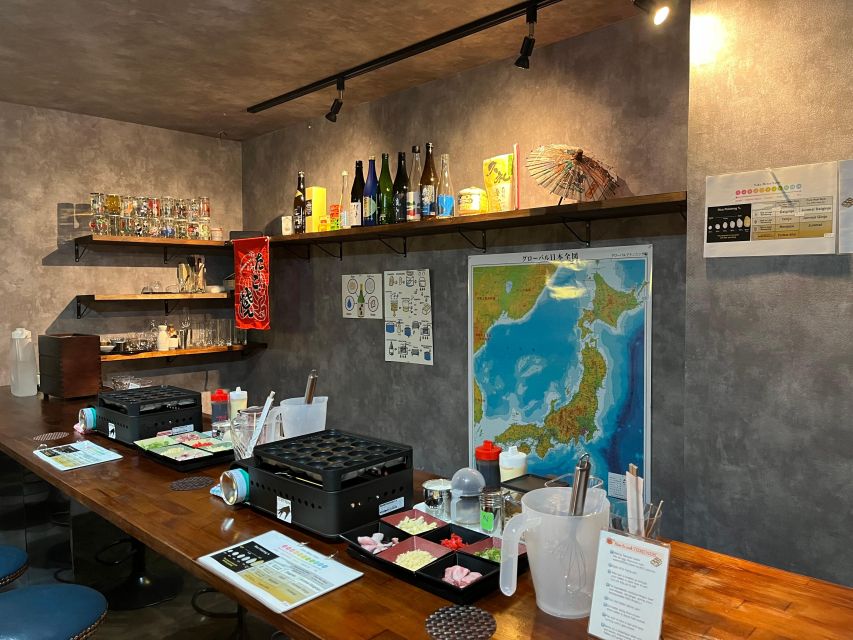
I would recommend it to first-time sake drinkers, curious food lovers, couples, solo visitors, and small families. Children can take part in the takoyaki cooking and have soft drinks while adults taste sake, so the activity is not limited to adults-only groups.
It also suits people who have already tried sake but want a clearer way to understand it. Wine drinkers in particular may enjoy comparing aromas, textures, and styles, though you do not need prior tasting experience.
The class is a good choice if you want a friendly introduction rather than a technical seminar. Momo can discuss brewing and grading in detail, but the teaching remains accessible. You can ask basic questions without feeling out of place.
You may want to skip it if you dislike octopus, hot-plate cooking, or alcohol. Alternatives such as beef and cheese are available, and soft drinks are included, but the experience is built around takoyaki and sake. It is also not ideal for anyone who wants a large, energetic group event. The small size creates its charm.
Practical details before you book
The experience lasts two hours and is offered in English and Japanese. Starting times vary, so check availability for your preferred date.
The group is limited to six participants. That is a real advantage for hands-on instruction, particularly if you want Momo to explain your sake preferences or help with your cooking technique.
All cooking ingredients and instructions are included. More than 10 sake options may be available, along with soft drinks. The menu is seasonal, so do not expect the same bottles on every visit.
You can cancel up to 24 hours in advance for a full refund. The reserve-now, pay-later option also lets you hold a place without paying immediately, which is useful when your Osaka schedule is still changing.
If you have a dietary restriction, tell the provider in advance. One class was adapted successfully for a person with coeliac disease, but you should not assume every ingredient or preparation is suitable without checking first.
Should you book the Osaka sake and takoyaki class?
I would book this if you want to understand Osaka through food and leave with practical sake skills. The strongest reasons are Momo’s personal teaching, the unusually small group, the chance to make several kinds of takoyaki, and the useful guidance for ordering sake later.
The $70 cost is fair for a two-hour class with food, multiple tastings, soft drinks, and a former brewer leading the lesson. Just remember that it is an active tasting with potentially generous pours, not a quick snack stop.
Book it early in your Osaka stay if you plan to visit sake bars afterward. Book it later if you want a relaxed food memory near the end of your trip. Either way, come hungry, ask questions, and expect your first takoyaki turns to be entertainingly imperfect.
FAQ
Where does the Osaka sake and takoyaki experience meet?
The meeting point is MOMO to SAKE, located on the second floor of the building.
How long does the experience last?
The activity lasts two hours.
How much does it cost?
The listed price is $70 per person.
How many people can join the group?
The group is limited to six participants.
How many types of sake are available?
More than 10 types of Japanese sake are available, with a seasonal menu selected by the sake expert.
Are soft drinks included?
Yes. Soft drinks are included along with the sake.
Can I cancel for a full refund?
Yes. You can cancel up to 24 hours in advance for a full refund.
More Drinking Tours
- Osaka Bar Hopping Night Walking Tour in Namba (3 bars, 6 tastes)
★ 5.0 · 958 reviews - Osaka: Namba Pub Bar Crawl with a Local Guide
★ 4.9 · 424 reviews - Osaka: Izakaya Bars Guided Walking Tour
★ 4.9 · 385 reviews - Osaka: Guided Pub Crawl
★ 4.4 · 331 reviews
More Sake Tastings
- Osaka Sake Tasting & Takoyaki Cooking Experience
★ 5.0 · 149 reviews - Osaka Cooking Class and Sake Tasting with Local Supermarket Visit
★ 5.0 · 79 reviews - Osaka: Cooking Class & Sake Tasting with Local Market Visit
★ 4.8 · 31 reviews - Kyoto Night Foodie Tour in Gion (9+ dishes + 6 Sake tastings)
★ 5.0 · 1,762 reviews
Just added around Osaka
- Osaka Food Tour with 10 Classic Japanese Tastings & Drinks★ 5.0 · 38 reviews
- Osaka: Highlights & Hidden Gems Private Walking Tour★ 4.7 · 38 reviews
- Kyoto private tour (Shore excursion available from Osaka or Kobe port)★ 5.0 · 39 reviews
- Osaka Private Day Trip – Enjoy Your First-Time Visit to Osaka!★ 5.0 · 39 reviews
- Kyoto & Nara & Uji: Full Day Sightseeing Tour from Osaka or Kyoto★ 4.5 · 39 reviews
- Authentic SUSHI Course Cooking Class★ 5.0 · 39 reviews
- Osaka: Mind & Spirit Balance Temple Reiki Healing★ 5.0 · 41 reviews
- Osaka: Gluten-Free Ramen and Gyoza Cooking Class★ 5.0 · 42 reviews
Cooking Classes, compared.
Ramen Cooking Class at Ramen Factory in Kyoto
Read our review →
Ramen & Gyoza Cooking Class in Tokyo with Local Supermarket Visit
Read our review →
Ramen Cooking Class at a Ramen Factory with Souvenir
Read our review →
Japanese Washoku Bento Small Group Cooking Class
Read our review →

Easy Ramen Cooking Experience in Kabukicho, Shinjuku
Read our review →
Ramen and Sushi Cooking Class with Sake Pairing Set in Tokyo
Read our review →Browse the lists this tour appears in