
Reviewed · FOOD & DRINK
Hungry Osaka Street Food Tour: 15 Dishes & 3 Drinks
Osaka rewards a hungry evening. This three-hour food walk takes you through Shinsekai, a retro neighborhood where you can sample 15 local dishes across five small eateries instead of guessing at menus on your own. I like the mix of familiar favorites such as takoyaki and karaage with less obvious dishes like doteyaki and oden. I also like the personal touch from guides including Andy, Anna, Tim, Scott, and Kenzo, who explain what you are eating and help order in Japanese.
The main thing to watch is the drink count. The tour title and description say three drinks, while the included information says two, so I would confirm exactly what is covered before booking. You also need to arrive hungry, and this is not the right choice for vegans or anyone who needs gluten-free food.
In This Review
- Key points at a glance
- Why Shinsekai is the right setting for a food tour
- Five stops, 15 dishes, and plenty of variety
- Kushikatsu and doteyaki begin the evening
- Karaage at a dedicated chicken stop
- Takoyaki, Osaka’s signature snack
- Yakitori in a cozy restaurant
- Oden, udon, dessert, and the final drink
- The guides are a major part of the value
- Is $79 a fair price?
- What the evening feels like in practice
- Dietary needs and drink choices
- Best time to book it
- Should you book the Hungry Osaka Street Food Tour?
- FAQ
- Where does the Hungry Osaka Street Food Tour begin?
- Where does the tour end?
- How many dishes are included?
- How many drinks are included?
- Are vegetarian options available?
- Can the tour accommodate vegan or gluten-free diets?
- Is the tour suitable for young children?
- Can I cancel for a full refund?
Key points at a glance
- Five local food stops: Visit an izakaya, food stall, standing bar, and two restaurants in Shinsekai.
- A serious amount of food: The menu includes kushikatsu, doteyaki, karaage, takoyaki, yakitori, oden, udon, dessert, and more.
- Guides make the difference: Andy, Anna, Tim, Scott, and Kenzo are praised for humor, warmth, local stories, and help with ordering.
- Good first-night activity: The route helps you get oriented in Osaka while introducing dishes you may not recognize.
- Small-group social feel: The evening is built around sharing food, conversation, and a few drinks with other people.
- Dietary limits matter: Vegetarian options are possible with advance notice, but vegan and gluten-free diets cannot be accommodated.
Why Shinsekai is the right setting for a food tour
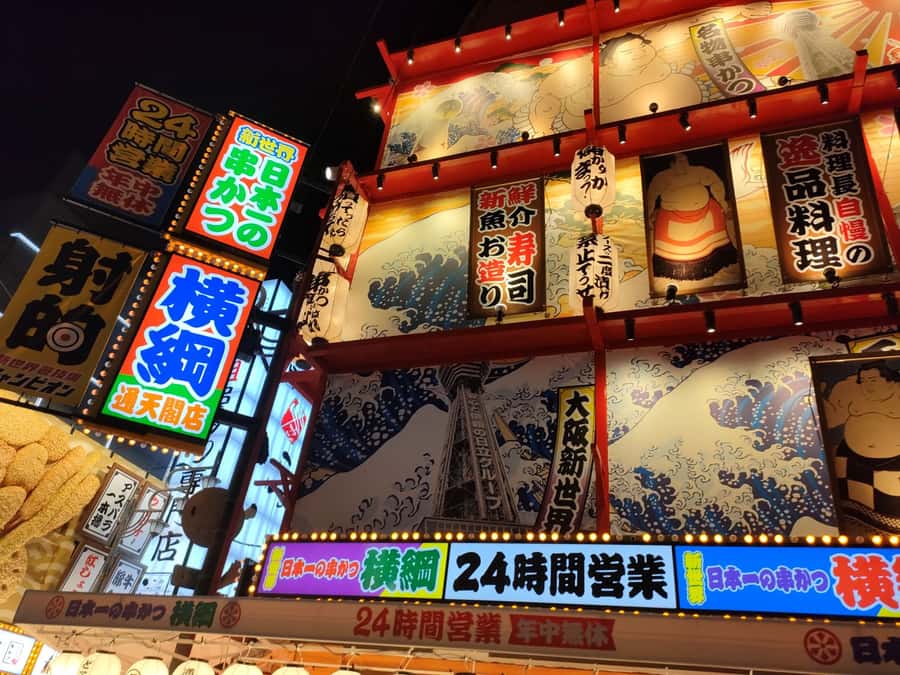
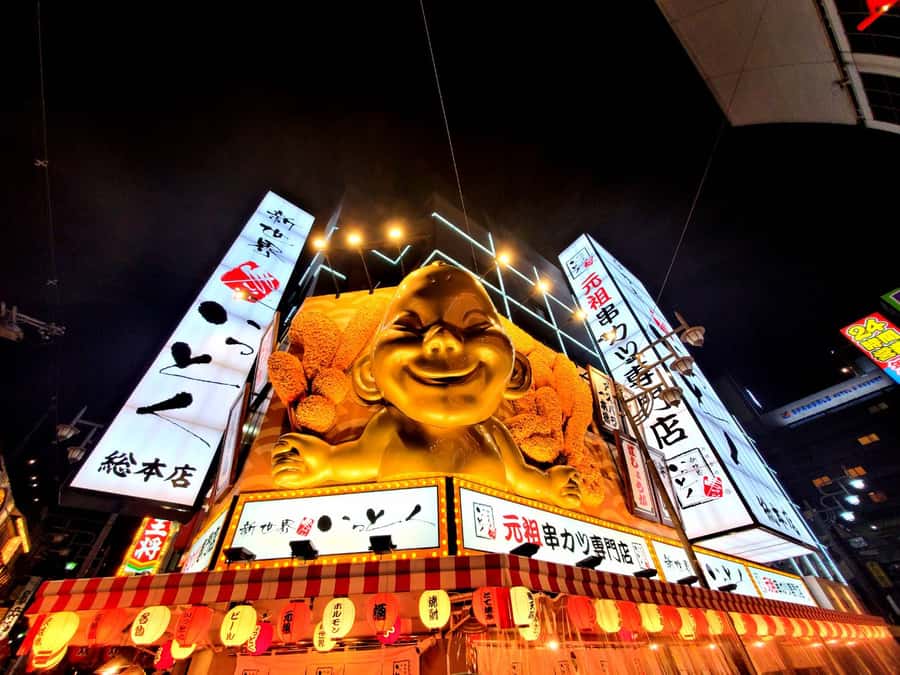
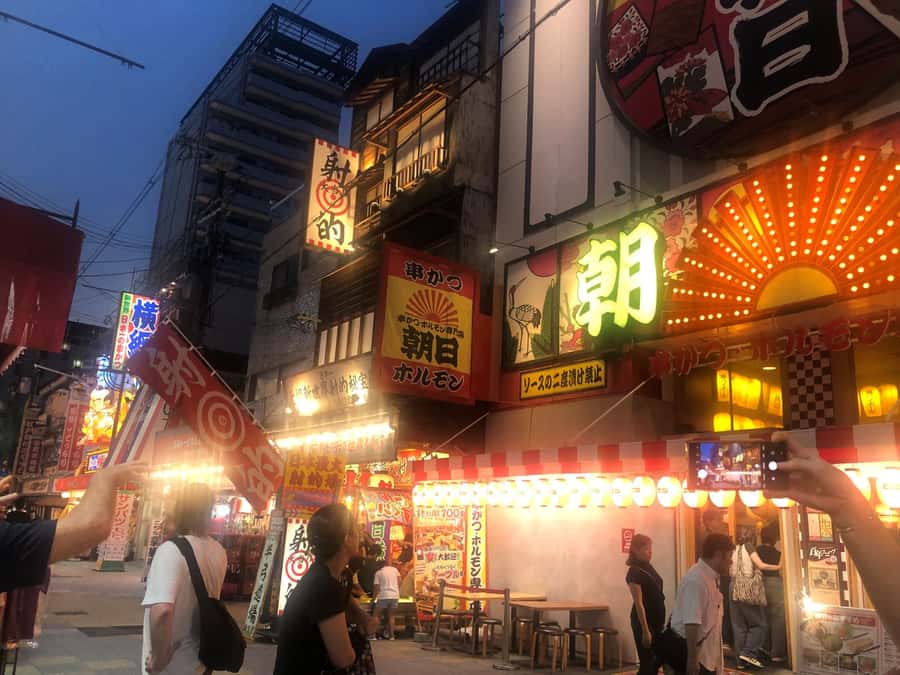
Shinsekai gives the evening a strong sense of place. This retro district preserves the feel of early twentieth-century Osaka, with narrow backstreets, small restaurants, old-fashioned food counters, and a local atmosphere that feels different from the city’s large shopping zones.
I like that the tour does not treat food as a series of isolated samples. Your guide connects the dishes to the neighborhood and to Osaka’s eating culture. As you walk between stops, you hear about Shinsekai’s past, local habits, and the small details that are easy to miss when you are simply following a map.
This matters most if you have just arrived in Osaka. Several people have used the tour as their first activity in the city because it gives them a useful orientation, introduces the food culture, and leaves them with ideas for later meals.
The route is also practical for visitors who feel uneasy entering tiny Japanese eateries. Your English-speaking guide handles communication, explains the menu, and helps the group understand what is being served. That removes much of the guesswork without turning the meal into a classroom exercise.
More Food Tours in Osaka
- Osaka: Shinsekai Food Tour with 13-15 Dishes at 5 Eateries
★ 4.8 · 2,204 reviews - Osaka Food Tour: 13 Dishes at 5 Local Eateries
★ 5.0 · 2,149 reviews - Hungry Osaka Street Food Tour:15 Tastings & 3 Drinks with a Local
★ 5.0 · 1,727 reviews
Five stops, 15 dishes, and plenty of variety
The tour visits five establishments, each with a different character. You are not sitting in one restaurant for the entire evening. Instead, you move through the neighborhood and eat in several places, which keeps the pace lively and lets you compare different styles of Osaka food.
The exact order can change, and the food count may vary slightly if a restaurant is unavailable. Very occasionally, a venue may be closed or fully booked, in which case the guide takes you somewhere else. That flexibility is sensible in a neighborhood tour, but it means you should think of the published menu as a guide rather than a rigid guarantee.
Kushikatsu and doteyaki begin the evening
The opening stop introduces two dishes that fit Shinsekai especially well: kushikatsu and doteyaki.
Kushikatsu consists of meat and vegetables on skewers, coated in a light batter and fried. It is simple, salty, crisp, and designed for casual eating. This is the kind of food that makes sense in a neighborhood built around inexpensive, sociable meals.
Doteyaki is a very different experience. Beef tendon is simmered in a thick miso-based sauce until tender, creating a hearty dish with a deep savory flavor. Roasted garlic is served alongside it, giving the first course an extra punch.
I like this pairing because it shows two sides of Osaka comfort food. Kushikatsu is quick and crunchy, while doteyaki is slow-cooked and substantial. Your first drink comes in here, with alcoholic and non-alcoholic choices available.
Karaage at a dedicated chicken stop
Next comes karaage, Japan’s beloved fried chicken. The pieces are crisp outside and juicy inside, with seasonings that can add a stronger savory or spicy note.
One particularly popular stop is Johnny’s Karaage Bar Stand, where you may find several versions of fried chicken. The appeal is easy to understand: it is familiar enough for cautious eaters, but the seasonings and setting make it feel different from ordinary takeaway chicken.
This is also a useful stop for families and mixed groups. Children often recognize fried chicken, while more adventurous eaters can try different flavors. Still, remember that the overall tour contains a great deal of food, so a full serving here can be more filling than expected.
A completely different kind of day out in Osaka:
- Osaka Go Karting Tour with Funny Costume
★ 5.0 · 2,658 reviews - Osaka Castle: Museum and Tower Entry Ticket
★ 4.5 · 2,380 reviews - Osaka: teamLab Botanical Garden Entry Ticket
★ 4.5 · 1,710 reviews - Osaka: Tea Ceremony Experience
★ 4.9 · 1,426 reviews
Takoyaki, Osaka’s signature snack
Takoyaki is the dish most closely tied to Osaka’s street-food reputation. These round batter balls are cooked in cast-iron molds with pieces of octopus inside, then finished with sauces and toppings.
The contrast is the point. The outside is browned and lightly crisp, while the center stays soft and hot. Follow your guide’s advice before taking a large bite. Fresh takoyaki can be extremely hot inside.
For first-time visitors, this stop is valuable because your guide can explain how the dish is made and how locals eat it. You get more from the experience than simply checking takoyaki off a list. You also see how a basic batter-based snack became one of Osaka’s most recognizable foods.
Yakitori in a cozy restaurant
The yakitori stop changes the pace again. Here you eat charcoal-grilled skewers of meat and vegetables, along with marinated side dishes and another drink.
The charcoal gives the skewers a smoky flavor, and the smaller portions let you try several cuts and combinations without committing to one large plate. This was a favorite part of the meal for some diners, especially because the meat was described as tender and strongly flavored.
I find this stop important for another reason: it shows the social side of Japanese dining. Yakitori restaurants are places for conversation, drinks, and small plates shared over time. Your guide’s relationship with the staff also adds to the welcome. The group is not simply handed food and sent away. You have someone explaining the dishes and helping the meal flow.
Oden, udon, dessert, and the final drink
The last stage takes you to a standing bar for oden and Osaka-style udon.
Oden is a warming broth with simmered vegetables and fish cakes. It is gentle, salty, and comforting, particularly after several fried dishes. The ingredients are cooked slowly in a seaweed-based broth, so the flavor is more subtle than the bold seasonings earlier in the evening.
Udon provides a filling finish. Thick noodles sit in a savory Osaka broth, making this final course feel more like a proper meal than another snack. If you have been pacing yourself, it is a satisfying ending. If you arrived only mildly hungry, this is where the food count may catch up with you.
Dessert follows, with an optional final local drink depending on the arrangement. This is where the listing information becomes unclear. Some details promise three drinks, while the included section specifies two. Ask the operator to confirm whether the final drink is included or optional.
The guides are a major part of the value
The food is the reason to book, but the guide can determine how well the evening works. The strongest praise is directed at the guides’ personality, humor, and ability to keep a mixed group involved.
Andy is repeatedly described as warm, funny, and full of useful information about Osaka and Japan. He is also comfortable switching between English and Japanese when ordering, and he has a friendly connection with the restaurant staff.
Anna brings energy and a welcoming manner. She is praised for getting people talking, answering questions about food and culture, and making groups feel comfortable quickly. If you are traveling alone or arriving in Osaka with a small group, that social ease can be especially helpful.
Tim is noted for his humor, cultural stories, and small acts of care, such as remembering names and orders. Scott is described as relaxed, approachable, and well informed about both Osaka’s food scene and the area itself. Kenzo is praised for making an effort to speak with everyone and for explaining the food in a clear, friendly way.
Guides can vary by departure, so you cannot select one of them based on these descriptions. What you can reasonably expect is an English-speaking guide who does more than point out dishes. The best part of the guiding style appears to be the mix of explanation and relaxed conversation.
Is $79 a fair price?
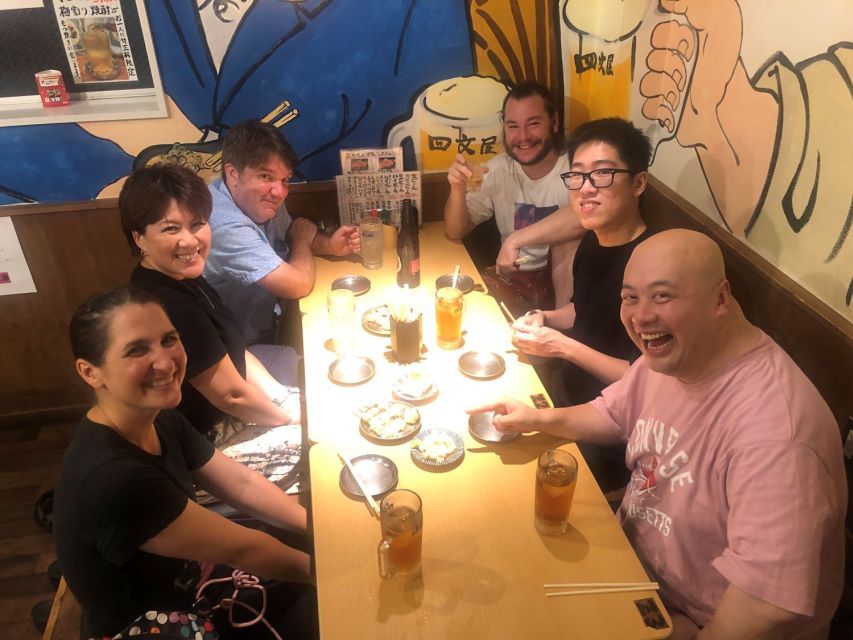
At $79 per person, this is not the cheapest way to eat in Osaka. You could certainly buy individual snacks for less, especially if you already know where to go and can order comfortably in Japanese.
The value comes from the range and the organization. You get up to 15 dishes at five different venues, an English-speaking guide, local interpretation, help with ordering, and a planned route through places you might not find easily on your own. Transportation to and from Shinsekai is not included, and extra drinks cost more.
I would consider the price fair if you want a broad introduction to Osaka food in one evening. It is also good value if you would otherwise spend time searching menus, choosing restaurants, and wondering what to order.
The value is weaker for very selective eaters. If you only want one dish, avoid fried food, or already have a detailed Osaka food plan, you may prefer to explore independently. The tour works best when you are open to trying small portions of many local dishes.
What the evening feels like in practice
Meet 15 minutes before the start at the top of the stairs at Exit 3 of Ebisucho Station on the Metro Sakaisuji Line. The activity ends back at the same meeting point, which makes the route easy to plan.
You should wear comfortable shoes because the evening includes walking between food stops. No separate transport is provided, and the tour takes place in active neighborhood streets and compact restaurants rather than in a private dining room.
The group format is part of the appeal. You share tables, compare reactions, and often end up talking with people from different countries. Several descriptions of the evening emphasize that the group itself became part of the fun.
Do not treat this as a quiet, slow dinner. It is a moving meal with multiple stops, quick explanations, and several changes of setting. You should arrive ready to eat, listen, walk, and make room for more food.
The activity is not suitable for children under five. Older children can enjoy it, and one family had a good experience with children ranging from six to seventeen, but younger diners may struggle with the late timing, walking, or unfamiliar dishes.
Video and audio recording are not allowed. You can still take part in the evening as a social experience, but you should not plan on recording the guide’s commentary.
Dietary needs and drink choices
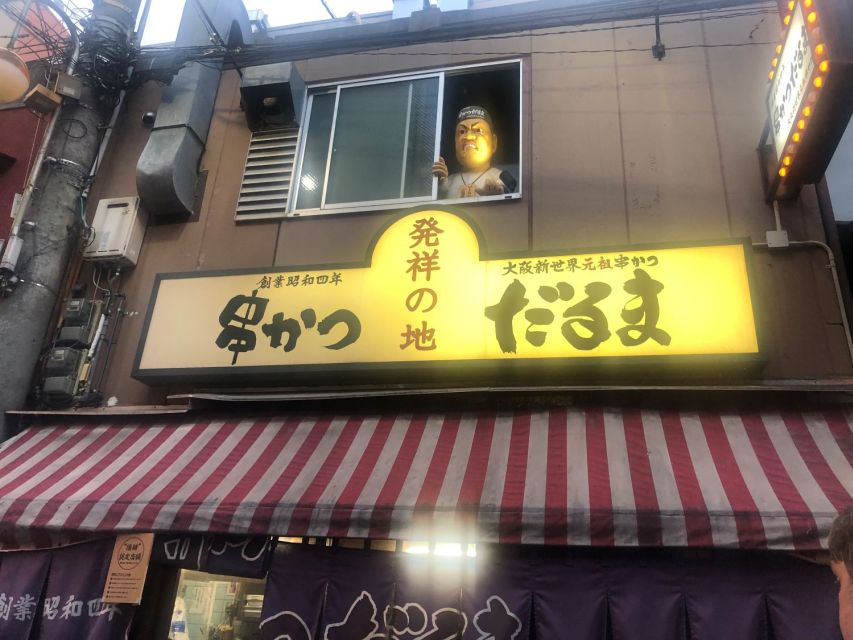
Vegetarians may be accommodated if you contact the operator before booking. Do not assume that a vegetarian request can be handled on the night itself, since the venues and dishes need advance planning.
Vegan diets and gluten intolerance cannot be accommodated. This is a firm reason to choose another food experience if either applies to you.
The included information says two drinks, with alcoholic and non-alcoholic options. Elsewhere, the tour is presented as including three drinks, so I would ask for clarification before paying. Extra drinks beyond the included amount are not covered.
A seafood allergy also deserves advance notice. One guide was able to arrange alternatives for a child with a fish and seafood allergy, but you should contact the operator before booking rather than rely on a last-minute adjustment.
Best time to book it
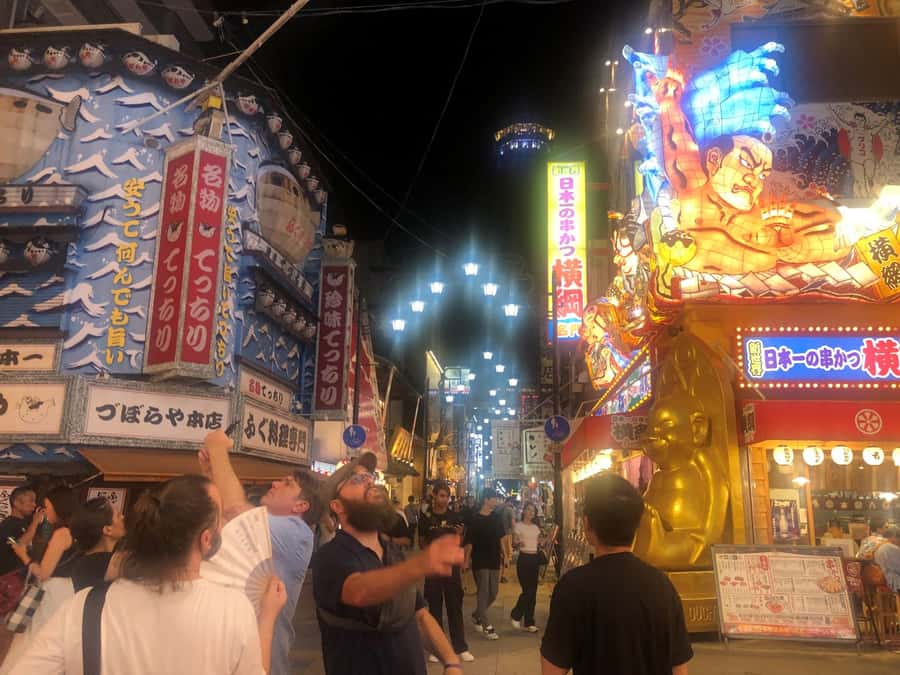
I would choose this tour for your first or second evening in Osaka. You get an introduction to Shinsekai, learn the basics of several local dishes, and can ask your guide for food suggestions for the rest of your stay.
It also works well near the end of a Japan trip if you want one last generous meal and a social evening. The food is substantial enough to feel celebratory, and the neighborhood setting gives the night a strong local character.
Book it if you like variety, casual restaurants, and trying dishes you would not confidently order alone. It is especially useful for solo visitors, couples, families with older children, and anyone who wants a friendly introduction to Osaka’s food customs.
Skip it if you need a strict diet, dislike fried food, or prefer to spend an entire evening at one restaurant. The tour is generous, but it is not minimalist.
Should you book the Hungry Osaka Street Food Tour?
I would book this tour if you want to understand Osaka through its everyday food rather than through a checklist of famous sights. The combination of five venues, 15 dishes, Shinsekai stories, and a warm English-speaking guide gives you a strong first taste of the city.
The biggest reasons to book are the variety and the guides. Andy, Anna, Tim, Scott, and Kenzo are consistently praised for making the group feel welcome, explaining unfamiliar dishes, and adding humor without overwhelming the meal.
Before booking, confirm the number of included drinks and contact the operator about allergies or vegetarian needs. Arrive very hungry, wear comfortable shoes, and leave room for udon at the end. If those conditions suit you, $79 buys much more than a meal. It buys a guided evening of eating, neighborhood exploration, and useful confidence for the rest of your Osaka stay.
FAQ
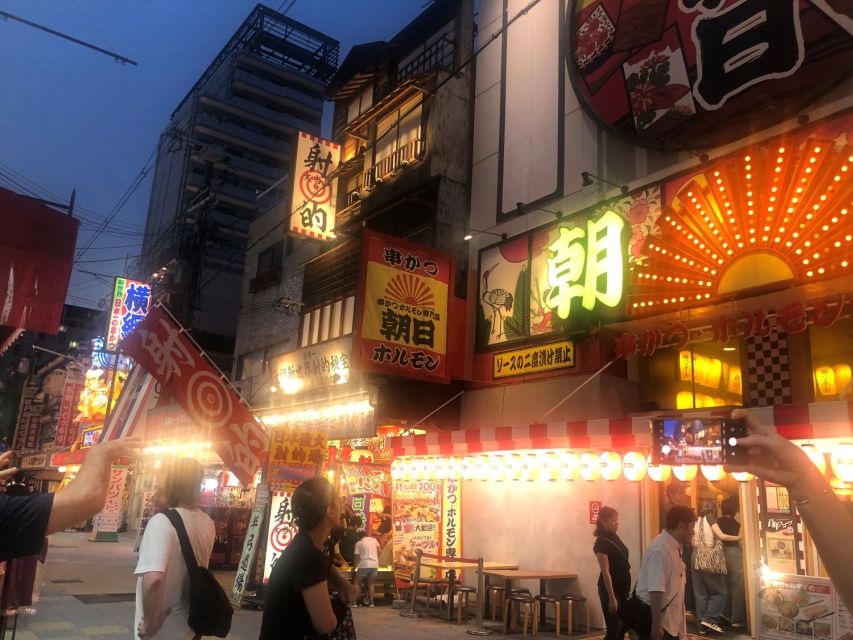
Where does the Hungry Osaka Street Food Tour begin?
Meet at the top of the stairs at Exit 3 of Ebisucho Station on the Metro Sakaisuji Line, 15 minutes before the tour begins.
Where does the tour end?
The activity ends back at the original meeting point at Ebisucho Station.
How many dishes are included?
The tour includes up to 15 dishes across five food stops, including an izakaya, stall, standing bar, and two restaurants.
How many drinks are included?
The included information states that two drinks are covered, with alcoholic and non-alcoholic options. The tour description also refers to three drinks, so confirm the exact allowance before booking.
Are vegetarian options available?
Vegetarian options may be available, but you must contact the operator before booking so arrangements can be confirmed.
Can the tour accommodate vegan or gluten-free diets?
No. The tour is not suitable for vegans or people with gluten intolerance.
Is the tour suitable for young children?
The tour is not suitable for children under five. Older children may take part, provided they are comfortable with the food, walking, and group format.
Can I cancel for a full refund?
Yes. You can cancel up to 24 hours in advance for a full refund.
Just added around Osaka
- Osaka Food Tour with 10 Classic Japanese Tastings & Drinks★ 5.0 · 38 reviews
- Osaka: Highlights & Hidden Gems Private Walking Tour★ 4.7 · 38 reviews
- Kyoto private tour (Shore excursion available from Osaka or Kobe port)★ 5.0 · 39 reviews
- Osaka Private Day Trip – Enjoy Your First-Time Visit to Osaka!★ 5.0 · 39 reviews
- Kyoto & Nara & Uji: Full Day Sightseeing Tour from Osaka or Kyoto★ 4.5 · 39 reviews
- Authentic SUSHI Course Cooking Class★ 5.0 · 39 reviews
- Osaka: Mind & Spirit Balance Temple Reiki Healing★ 5.0 · 41 reviews
- Osaka Afternoon Walking Tour with Osaka River Cruise★ 3.5 · 42 reviews
Food & Drink, compared.
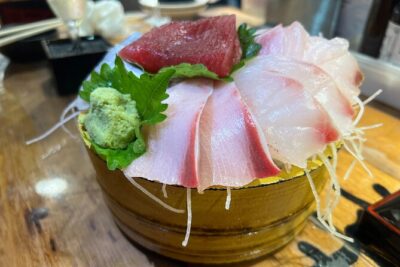
Shinjuku Food Tour (13 Dishes at 4 Local Eateries)
Read our review →
Tokyo Tsukiji Fish Market Food and Culture Walking Tour
Read our review →
Shinsekai Food Tour with 13-15 Dishes at 5 Eateries
Read our review →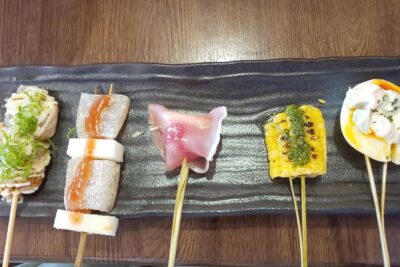
Osaka Food Tour: 13 Dishes at 5 Local Eateries
Read our review →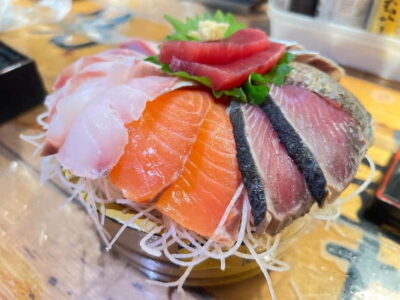
Shinjuku Food Tour (15 Dishes and 4 Eateries)
Read our review →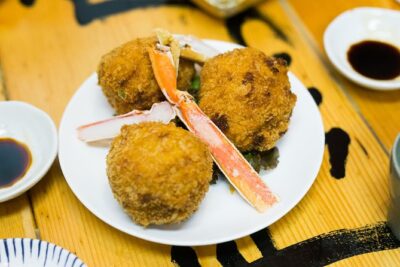
Best of Shinjuku: Izakaya Food Tour (4 Stops, 14+ Tastings)
Read our review →
Kyoto Night Foodie Tour in Gion (9+ dishes + 6 Sake tastings)
Read our review →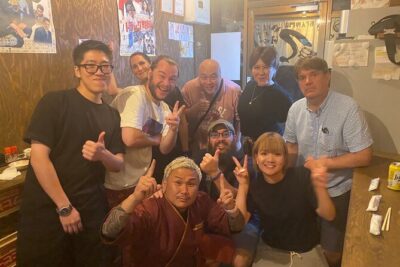
Hungry Osaka Street Food Tour:15 Tastings & 3 Drinks with a Local
Read our review →Browse the lists this tour appears in