
Reviewed · TICKETS
Osaka: teamLab Botanical Garden Entry Ticket
Nature gets a nighttime makeover. At Osaka’s teamLab Botanical Garden, the 240,000-square-meter Nagai Botanical Garden becomes an open-air art space after dark, with glowing installations, music, projections, and plants all sharing the same stage.
I like the beautiful mix of light and living plants, and I like that you can wander at your own pace instead of being pushed from room to room. The roughly 1,200 plant species give the art a natural setting that feels calmer than a typical digital exhibition. The main drawback is simple: this is outdoors, so weather, darkness, uneven roots, and insects can affect your evening.
You should also set your expectations before buying. This is not the same kind of enclosed digital show as teamLab’s famous Tokyo attractions. It is quieter, more spread out, and more dependent on the garden itself. At about $11 per person, it offers good value if you want a gentle evening activity with striking visuals rather than a full-scale theatrical production.
In This Review
- Key points to know before you go
- Starting with Osaka’s Nagai Botanical Garden
- The central pond brings the project together
- Interactive lights make you part of the artwork
- Music and darkness shape the mood
- A good activity for couples and families
- The walk from the station and getting home
- What to wear for an outdoor art show
- Is the $11 ticket good value?
- How long should you spend inside?
- Who should book teamLab Botanical Garden Osaka?
- Should you book it?
- FAQ
- Where is teamLab Botanical Garden located?
- How much does entry cost?
- How long is the ticket valid?
- Is the experience indoors or outdoors?
- What should I wear?
- Are children allowed to enter?
- Can wheelchair users and children in strollers enter?
- Can I eat at the botanical garden?
- Can I take photographs?
Key points to know before you go
- The garden covers 240,000 square meters, so expect a real walk rather than a quick indoor exhibit.
- Around 1,200 plant species give the projections and lights a changing natural backdrop.
- The central pond is one of the calmest spots, especially when the water and surrounding trees catch the light.
- Some installations react to people and nearby nature, making you part of the artwork instead of simply watching it.
- The experience is outdoors, so wear long pants, a long-sleeved shirt, comfortable shoes, and insect repellent.
- Arrive before the final entry time, since late arrivals can be refused and re-entry is not allowed.
Starting with Osaka’s Nagai Botanical Garden

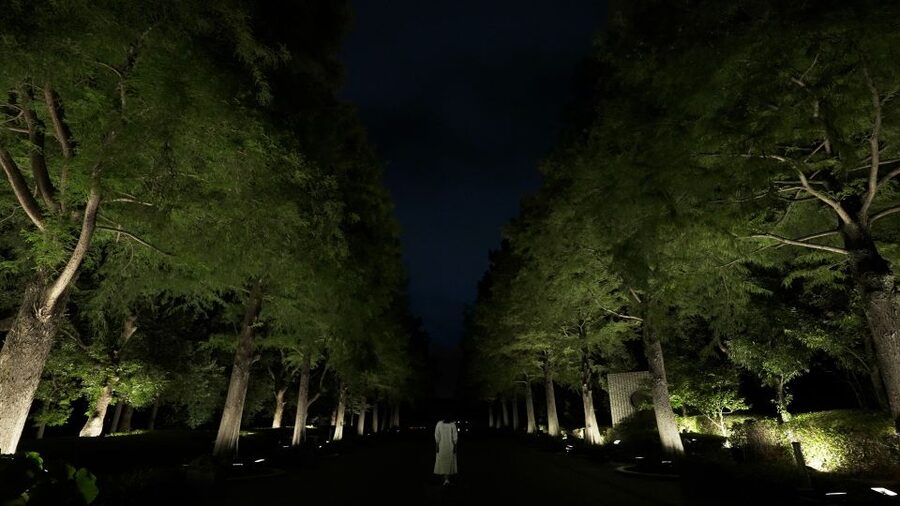
The experience begins in Nagai Botanical Garden, not in a purpose-built gallery. That distinction matters. In daylight, or around the transition into evening, you first see a broad public garden with paths, trees, flowers, and water. The setting gives you a chance to notice the plants before the digital art takes over.
The garden contains about 1,200 species across 240,000 square meters. You will not study every plant in one visit, of course, but the scale makes this feel more like a walk through a living collection than a short photo stop. The garden’s work cultivating and protecting its plant species also gives the project a useful foundation: the technology is placed around nature rather than used to replace it.
I would allow enough time to walk without rushing. The most enjoyable approach is to notice the ordinary garden first, then watch how familiar trees, pond edges, and plant beds change once the lights become the focus. The contrast is part of the experience.
The paths can involve exposed roots and dark borders around flower beds. Keep your eyes on the ground, especially when you are looking up at a projection or trying to frame a photograph. Comfortable shoes are not optional here. You are visiting a large garden, not strolling through a small museum.
A few more Osaka experiences worth weighing up
- Osaka Go Karting Tour with Funny Costume
★ 5.0 · 2,658 reviews - Osaka Castle: Museum and Tower Entry Ticket
★ 4.5 · 2,380 reviews - Osaka: Shinsekai Food Tour with 13-15 Dishes at 5 Eateries
★ 4.8 · 2,204 reviews
The central pond brings the project together
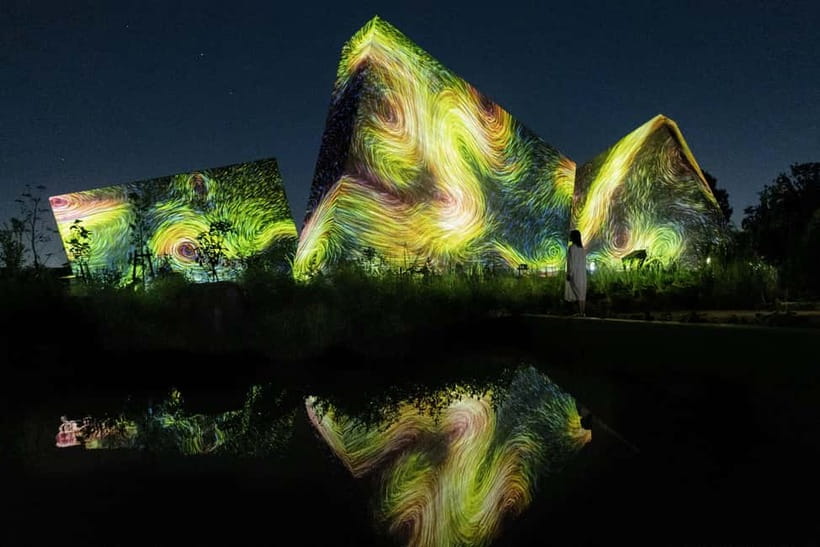
The central pond is a natural pause point. Water reflects light in a way that makes the art feel less like a collection of separate installations and more like one connected night walk. The pond also gives you a quieter place to slow down after moving through brighter or busier displays.
Several people find the water especially memorable. That makes sense, since reflections add movement without requiring another screen or projector. The effect can change with the weather, the amount of wind, and the number of people nearby, so this is a place to spend a few minutes rather than snap one picture and move on.
I like this part because it shows the project’s main idea clearly. Digital light can alter how you see the garden without physically damaging the trees or plants. The technology remains temporary, while the living collection stays in place.
The experience may feel most peaceful if you resist treating it as a checklist. There is no need to rush from one glowing object to the next. Pause beside the pond, listen to the music, and let your eyes adjust to the darkness.
Interactive lights make you part of the artwork
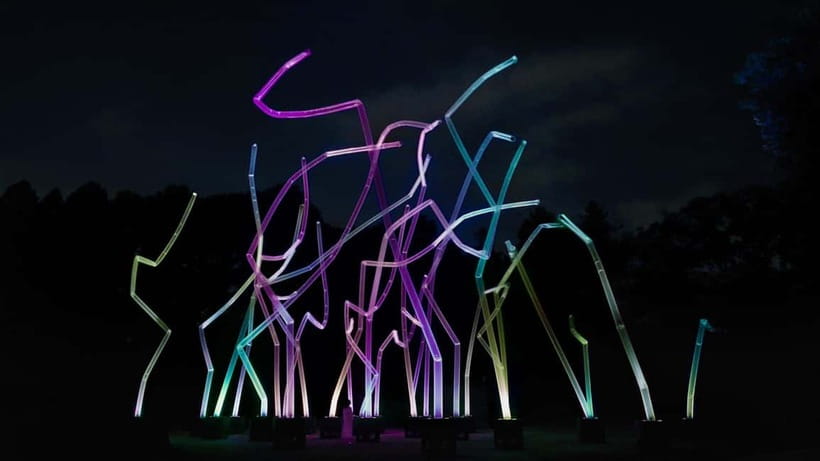
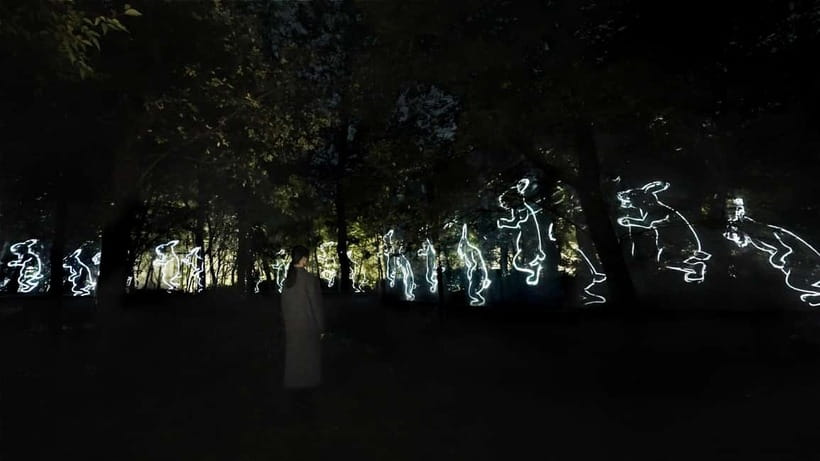
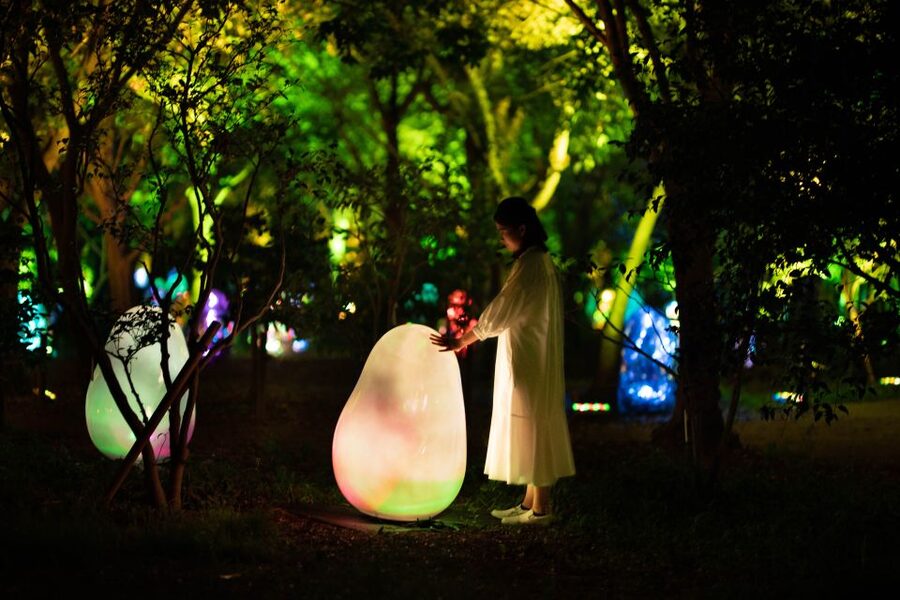
The installations are not only decorative. Light displays interact with the surrounding plants, animals, and people. Your movement can change what you see, and the presence of other visitors becomes part of the visual scene.
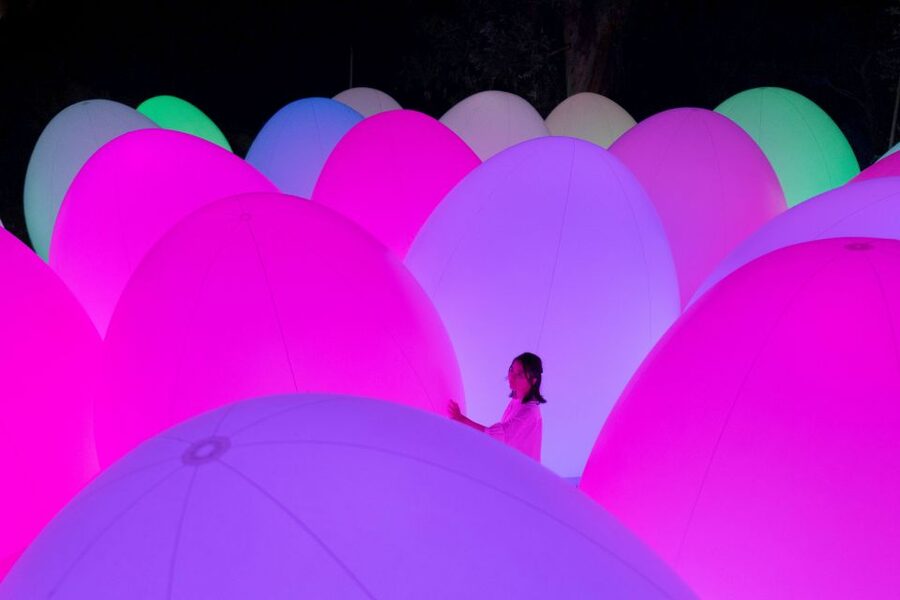
That interaction is especially fun for families. Children have enjoyed moving around large egg-shaped lights, and the installations invite gentle play without requiring a complicated explanation. Adults may prefer the slower, more atmospheric sections, where sound and light blend with tree trunks, foliage, or open paths.
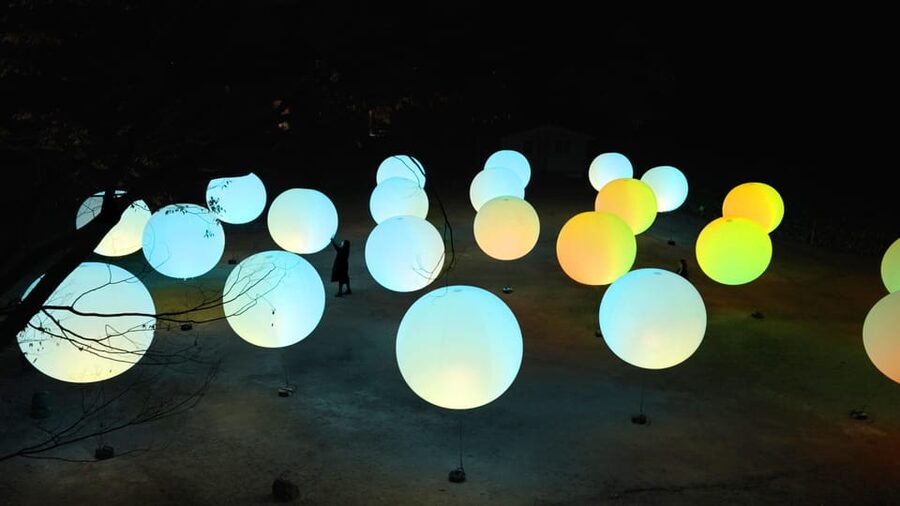
The project also has a playful side. Some areas may seem modest at first, with small bubbles or points of light. Give the experience time to develop. The walk becomes more interesting as you move farther through the grounds and encounter different types of light, sound, and projection.
This gradual structure is both a strength and a weakness. If you want an immediate, high-impact show from the first minute, the opening may feel underwhelming. If you enjoy discovering an exhibition by walking through it, the slower start works well.
Do not expect every installation to be equally powerful. Some will appeal to you more than others, and the outdoor setting means the effect can vary from one evening to the next. The strongest moments come when the technology seems to cooperate with the garden instead of sitting on top of it.
Music and darkness shape the mood
Music is a major part of the evening. Visitors describe the combination of classical instruments, Japanese drums, electronic sounds, and visual effects as especially memorable. The sound helps turn a simple walk into something more emotional and atmospheric.
The mood is usually peaceful rather than frantic. That makes teamLab Botanical Garden a good choice after a busy day in central Osaka, when you want an activity that does not demand constant concentration. One visitor described it as a relaxing first-night activity, and that is a useful way to think about it.
The darkest part of the evening tends to show the lights at their best. One practical tip is to consider an entry around 6 p.m. when the season allows enough darkness. The ideal time changes with the date, so check the available starting times and sunset conditions when booking.
Arriving earlier can also help you get oriented and avoid feeling rushed. The park may fill more quickly later in the evening. At the same time, the installation is designed for wandering, so a busy period does not automatically ruin the experience.
The music and lights can feel magical, strange, or even slightly surreal. That variety is part of the appeal. This is not a traditional botanical garden visit, and it is not a standard concert. It asks you to experience sound, plants, movement, and darkness together.
A completely different kind of day out in Osaka:
- Osaka Food Tour: 13 Dishes at 5 Local Eateries
★ 5.0 · 2,149 reviews - Hungry Osaka Street Food Tour:15 Tastings & 3 Drinks with a Local
★ 5.0 · 1,727 reviews - Osaka: Tea Ceremony Experience
★ 4.9 · 1,426 reviews - Osaka Kickstart: Hotspots & Hidden Gems Tour
★ 5.0 · 1,306 reviews
A good activity for couples and families
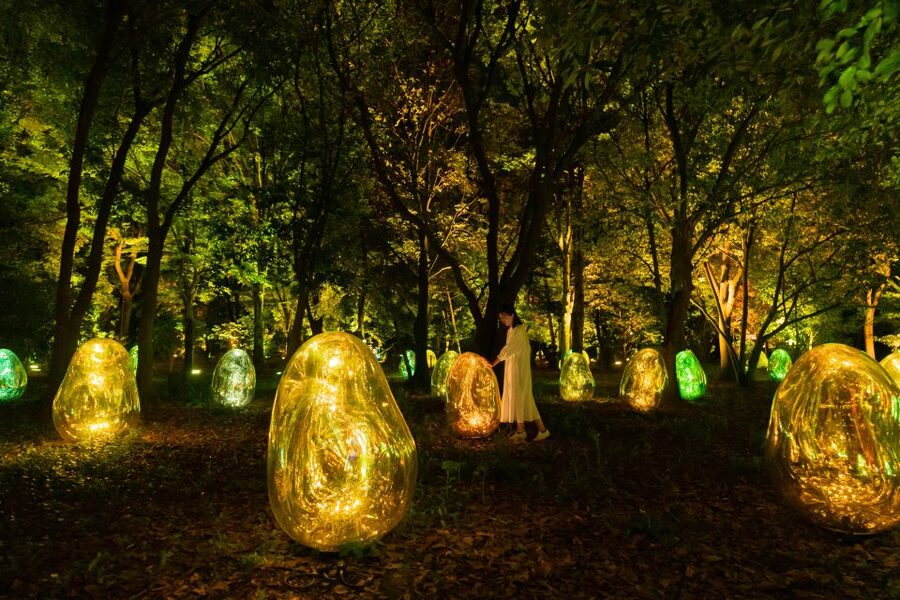
Couples may like the gentle pace, reflective pond, and romantic night setting. The garden can feel especially attractive during spring, when cherry blossoms are lit after sunset. The blossoms take on a different character at night, with branches and flowers becoming silhouettes or glowing forms.
Families have a different reason to enjoy it. Children can move through interactive displays and watch the lights respond around them. Still, this is a large outdoor area with dark paths, so adults need to stay close and keep children in sight.
The child supervision rules are strict. Anyone under 18 must be accompanied by an adult, with one accompanying adult required for every three children. Plan your group accordingly rather than assuming one adult can manage a larger group.
Wheelchair users and children in strollers may enter, but some installations may not be accessible. If accessibility is important for your party, contact the venue by phone before you go. The combination of roots, dark edges, and outdoor paths means that access may vary from one artwork to another.
This experience also suits older visitors who are comfortable walking outdoors. The pace is not a forced march, and several areas invite you to stop. But the garden is large, and darkness can make footing less certain, so take your time.
The walk from the station and getting home
Plan for a walk from the subway station. One person found the walk roughly 15 minutes and manageable, but it can feel longer after the exhibition, especially if you are tired or unfamiliar with the area.
The return journey deserves some thought. Finding a taxi late at night can be difficult in this part of Osaka, and you may need to walk back to the nearest station. I would check the route before entering the garden and keep your phone charged.
Do not assume you can leave for dinner and come back. Re-entry is not allowed. Since there are no restaurants or cafes on site, eat beforehand or plan a meal elsewhere after the visit. Vending machines may be available inside, but they are not a substitute for dinner.
The venue also bans luggage and large bags. Leave bulky items at your accommodation or make another plan before arriving. Pets, drones, selfie sticks, tripods, flashlights, food, alcohol, drugs, and smoking are not allowed.
Photography is permitted, but flash photography is prohibited. You will get better results by taking a few steady shots and then putting your phone away. A tripod or selfie stick would be useful in theory, but both are banned, so plan on handheld photographs.
What to wear for an outdoor art show
Your clothing can make or break the evening. Wear comfortable walking shoes, long pants, and a long-sleeved shirt. Bring insect repellent, especially during warmer months.
The long sleeves and pants are practical for more than temperature. They offer some protection from insects and plants along the paths. The garden remains an outdoor environment even when the artwork is glowing around you.
Check the weather before booking. The attraction is outside, and rain or unpleasant conditions can change the experience considerably. Since the ticket is non-refundable, booking on a day with a favorable forecast is a sensible choice.
A full moon can add another layer to the setting, though you should not rely on moonlight to illuminate the paths. The artworks provide much of the evening’s visual focus, and some garden edges remain dark.
Is the $11 ticket good value?
At around $11 per person, the ticket is reasonably priced for an evening attraction in Osaka. You receive access to the full teamLab Botanical Garden experience for one day, and the site gives you time to walk, stop, take pictures, and return to favorite areas during the visit.
The value is strongest if you appreciate outdoor art, music, botanical gardens, or unusual night activities. You are paying for a changing atmosphere, not a long guided tour or a meal. There is no guide-led explanation built into the basic ticket, although one visitor praised a guide named Tomoko Matsukiyo, suggesting that guided support may sometimes be connected with particular arrangements.
The price may feel less compelling if you expect a huge indoor teamLab production filled with wall-to-wall digital effects. This Osaka experience is more open, quieter, and less densely packed with technology. One useful comparison is to think of it as a botanical garden walk with an art project woven through it.
For many people, that is exactly the point. You get fresh air, room to move, music, trees, water, and interactive lights for less than the cost of many major Osaka attractions. It is a good-value night out, but only if you want the outdoor format.
How long should you spend inside?
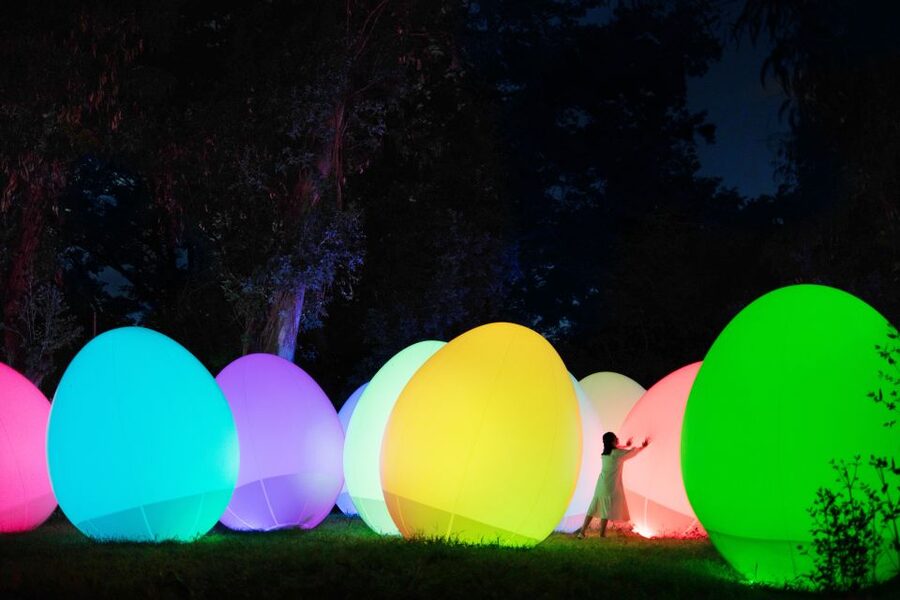
The ticket is valid for one day, and you should check availability for the starting times. The exact length of your visit is not fixed in the supplied information, but the garden’s size and the number of installations mean you should avoid scheduling something immediately afterward.
I would treat it as a relaxed evening activity rather than a quick stop. Give yourself time to walk from the station, pass through the garden, pause at the pond, and experience the displays without rushing.
Some people move through quickly to photograph everything. Others stay much longer, listening to the music and returning to installations they liked. Your ideal visit depends on how much you enjoy atmosphere versus active sightseeing.
Arrive before the final entry time. If you arrive after it, you can be denied entry, and there is no second chance through re-entry.
Who should book teamLab Botanical Garden Osaka?
I recommend it if you want a calm, unusual night in Osaka and enjoy the meeting point between art and the natural world. It works well for couples, families with sensible adult supervision, photographers who can work without tripods, and anyone looking for something different from temples, shopping streets, and indoor museums.
I would also choose it for a first evening in Osaka. The pace is gentle, and the combination of music, trees, water, and light can help you settle into the city after a long journey.
Think twice if you dislike walking outdoors at night, have limited tolerance for insects, need completely even paths, or want a powerful digital show from the moment you enter. The exhibit begins quietly, and some sections may feel more atmospheric than spectacular.
Should you book it?
Yes, if you understand what you are buying. teamLab Botanical Garden Osaka is a peaceful outdoor art walk, not a full indoor projection spectacular. Its best moments come from the way light, music, water, trees, and people affect one another.
Book it for the garden setting, the large glowing forms, the pond, and the chance to slow down. Wear the right clothes, check the weather, plan your route home, and arrive on time. At about $11, it is an easy recommendation for an evening that feels different without putting a heavy strain on your Osaka budget.
FAQ
Where is teamLab Botanical Garden located?
It is located in Osaka, on Honshu, Japan, within Nagai Botanical Garden.
How much does entry cost?
The listed price is about $11 per person.
How long is the ticket valid?
The ticket is valid for one day. You should check availability for the starting times.
Is the experience indoors or outdoors?
It is an outdoor experience in Nagai Botanical Garden, so weather can affect your visit.
What should I wear?
Wear comfortable shoes, long pants, and a long-sleeved shirt. Insect repellent is also recommended.
Are children allowed to enter?
Yes. Children must be accompanied by an adult aged 18 or older, with one accompanying adult required for every three children.
Can wheelchair users and children in strollers enter?
Yes, wheelchair users and children in strollers may enter, but some artworks may not be accessible. Contact the venue by phone for more information.
Can I eat at the botanical garden?
There are no restaurants or cafes on site. Food is not allowed, and vending machines may be available inside.
Can I take photographs?
Yes, photography is allowed. Flash photography, drones, tripods, selfie sticks, and flashlights are prohibited.
Just added around Osaka
- Osaka Food Tour with 10 Classic Japanese Tastings & Drinks★ 5.0 · 38 reviews
- Osaka: Highlights & Hidden Gems Private Walking Tour★ 4.7 · 38 reviews
- Kyoto private tour (Shore excursion available from Osaka or Kobe port)★ 5.0 · 39 reviews
- Osaka Private Day Trip – Enjoy Your First-Time Visit to Osaka!★ 5.0 · 39 reviews
- Kyoto & Nara & Uji: Full Day Sightseeing Tour from Osaka or Kyoto★ 4.5 · 39 reviews
- Authentic SUSHI Course Cooking Class★ 5.0 · 39 reviews
- Osaka: Mind & Spirit Balance Temple Reiki Healing★ 5.0 · 41 reviews
- Osaka: Gluten-Free Ramen and Gyoza Cooking Class★ 5.0 · 42 reviews
Tickets, compared.

teamLab Planets TOKYO Digital Art Museum Entry Ticket
Read our review →

Japanese Dance Cabaret Theater Asakusa-Kaguwa Ticket
Read our review →

Kamakura & Enoshima Day Trip including Temple Tickets
Read our review →Browse the lists this tour appears in