
Reviewed · GEISHA & GION DISTRICT TOURS
Kyoto Gion Cultural Walk & Geisha Show with Dining Options
Gion is best understood on foot. This three-hour Kyoto experience combines a guided walk through the city’s geiko district with a meeting and performance by an apprentice maiko. I like the way the tour gives you cultural context before the show, and I like the small maximum group of nine, which makes questions and conversation easier. The main consideration is the price: at $121.37 per person, the value depends heavily on whether your booking includes dinner and how much you want the personal maiko meeting.
I also like the care shown by guides such as Akari, Ken, and Kenta, who explain customs, translate questions, and help visitors avoid common misunderstandings about geisha culture. The walking route includes Kabuki, Shinto, Zen, and several Gion streets, rather than treating the district as a backdrop for photographs. Dinner portions can vary, however, and one diner found the meal too small for the price, so check the exact dining option before booking.
In This Review
- Five details that shape the experience
- Why this Gion walk is more than a geisha photo hunt
- Starting with Kabuki at Izumo-no-Okuni’s statue
- Minamiza Theater and the changing face of stage tradition
- Gion Shirakawa: the prettiest stretch of the route
- Tatsumi-jinja and the basics of Shinto
- Hanamikoji Street and the chance of a maiko sighting
- Kennin-ji Temple and Kyoto’s Zen tradition
- Zenkyoan and its unusual boar guardians
- The 45-minute meeting with an apprentice maiko
- Dining options and the question of value
- Timing, walking, and who will enjoy it most
- Should you book Ken’s Tours Kyoto?
- FAQ
- How long does the Kyoto Gion Cultural Walk and Geisha Show last?
- What is included in the experience?
- Is a meal included?
- Are temple admission fees included?
- How many people can join the tour?
- Can I cancel for a full refund?
Five details that shape the experience
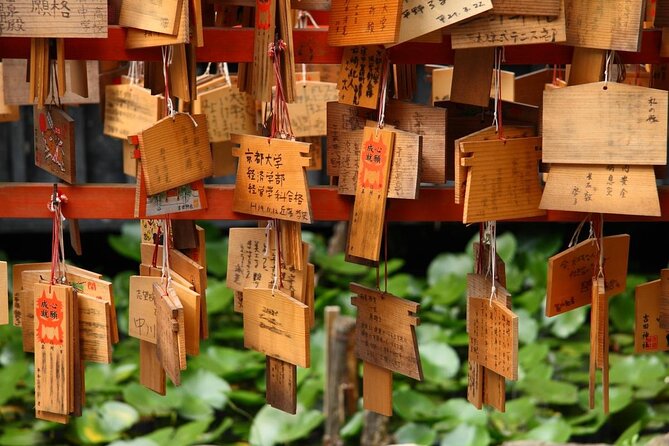
- A two-part evening: Spend about 1.5 to 2 hours walking through Gion, followed by a 45-minute maiko meeting and show.
- A small group: The maximum is nine people, a useful size for questions, translation, and conversation.
- Seven meaningful stops: The route links Kabuki theater, Shinto, Zen Buddhism, shrines, temples, and Gion’s historic streets.
- A real cultural exchange: An apprentice geisha, properly called a maiko, performs one or two dances and answers questions.
- Guides who add real value: Akari, Ken, and Kenta are praised for their explanations, warmth, interpretation, and practical care.
- A price that needs careful checking: The advertised cost is $121.37, but meal inclusion and portion expectations deserve attention before you pay.
Why this Gion walk is more than a geisha photo hunt
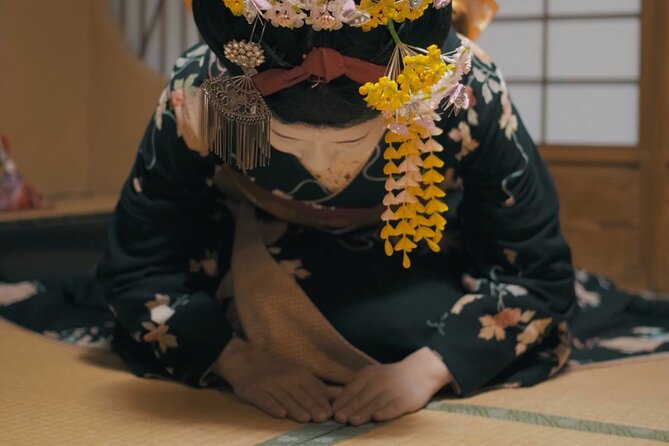
Gion is easy to visit badly. You can stroll along Hanamikoji Street, hope to spot a maiko, take a few pictures, and leave without learning much about the district. This tour gives you a guide, a sequence of stops, and the background needed to understand what you are seeing.
The most useful part is the connection between different parts of Kyoto culture. You hear about Kabuki at the start, then Shinto at Tatsumi-jinja Shrine, and Zen Buddhism at Kennin-ji Temple. By the time the maiko appears, the performance has a place within a wider story about traditional arts, religion, etiquette, and apprenticeship.
I especially value the effort to correct popular misunderstandings. The terms geisha, geiko, and maiko are explained in relation to Kyoto, and the guide helps you separate the real profession from the simplified picture often presented in films and tourist advertising. You are not simply watching a costumed performer. You are given a chance to ask questions and hear answers through an interpreter.
The group limit of nine matters here. A large crowd would make a personal exchange feel staged and distant. With a smaller group, you have a better chance to follow the conversation and ask something useful, although the exact amount of time available for individual questions will depend on the evening.
More Walking Tours in Kyoto
- Kyoto Geisha Walking Tour: Gion District & Hidden Gems
★ 4.7 · 3,273 reviews - Kyoto: Gion Magical Night Walking Tour with Geisha Trivia
★ 4.9 · 2,393 reviews - Kyoto: Gion Geisha District Walking Tour – Stories of Geisha
★ 4.7 · 2,187 reviews
Starting with Kabuki at Izumo-no-Okuni’s statue
The meeting point is at the Statue of Izumo-no-Okuni in Kawabatacho, in Kyoto’s Higashiyama Ward. This is a fitting place to begin because the statue links the area to the origins of Kabuki theater.
Your guide explains that early Kabuki was associated with women, even though modern Kabuki is performed by men. That detail gives the tour an immediate historical twist and helps you see traditional theater as something that changed over time, rather than as a fixed custom handed down unchanged.
The stop lasts about 15 minutes and does not require an admission ticket. It is a short introduction, but it sets up one of the tour’s main ideas: Kyoto’s performing arts have complicated roots, and the polished traditions you see today developed through many stages.
Minamiza Theater and the changing face of stage tradition
The next stop is Minamiza Theater, one of Kyoto’s best-known Kabuki venues and an important example of traditional theater architecture. You spend about 10 minutes looking at the building and hearing about its place in Kyoto’s performance culture.
The guide also discusses the connection between Kabuki and modern technology, including the theater’s use of virtual reality. That contrast is useful. Kyoto’s traditional arts are not simply preserved behind glass. They can adapt while keeping older forms, gestures, and stories in view.
You do not receive an admission ticket for a performance at Minamiza. This is an exterior and cultural explanation stop, not a separate Kabuki show. If you were hoping to see a full play, you would need another ticket and a separate visit.
Gion Shirakawa: the prettiest stretch of the route
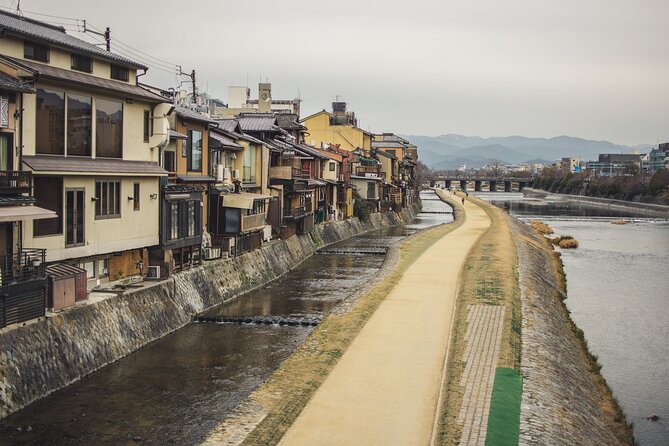
Gion Shirakawa is one of the most atmospheric sections of the walk. The route follows old-fashioned streets, traditional buildings, theaters, and the riverside. The guide uses this setting to explain the geiko district and the work that takes place behind its quiet facades.
You spend about 15 minutes here. That may sound brief, but a guided introduction is more useful than simply wandering without direction. The guide points out the character of the district and explains why the area has become associated with geiko and maiko.
This is also a place where you should be respectful. The tour’s educational tone is important because Gion is a working neighborhood, not an open-air stage. You might see a maiko walking between appointments, but the itinerary does not promise a sighting, and you should not treat a chance encounter as permission to crowd around or photograph someone.
Guides such as Ken and Kenta are praised for explaining customs with respect. That quality matters in Gion, where a little cultural awareness makes the walk more rewarding and less intrusive.
More geisha district walks in Kyoto:
- Best of Kyoto: Gion, Geisha, Pagodas & Cobblestones
★ 4.9 · 2,058 reviews - Night Walk in Gion: Kyoto’s Geisha District
★ 4.5 · 2,003 reviews - Kyoto Night Foodie Tour in Gion (9+ dishes + 6 Sake tastings)
★ 5.0 · 1,762 reviews - Kyoto Gion Geisha District Walking Tour – The Stories of Geisha
★ 5.0 · 1,441 reviews
Tatsumi-jinja and the basics of Shinto
At Tatsumi-jinja Shrine, the focus shifts from performing arts to Shinto, Japan’s native religious tradition. The guide explains the idea that Japan is home to eight million gods, a phrase that helps introduce the many spirits and sacred presences associated with Shinto belief.
The stop takes about 15 minutes. You are not expected to become an expert in Shinto from one brief visit, but the explanation gives you a practical way to understand small neighborhood shrines, ritual spaces, and the role of religion in everyday Japanese life.
This is one of the tour’s strengths. The walk does not present geisha culture as an isolated curiosity. It connects the district to wider Japanese traditions, including religion and theater. If you enjoy learning how a place fits together, this stop adds useful context.
Hanamikoji Street and the chance of a maiko sighting
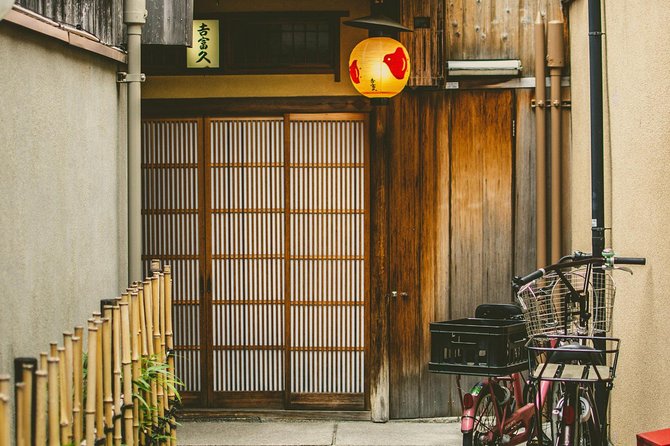
Hanamikoji Street is the main road through Gion and one of the places most associated with geiko culture. The scheduled stop lasts about 10 minutes, with an explanation of the area and the possibility of seeing a geisha or maiko walking nearby.
Keep your expectations sensible. You might see one, but no responsible tour can guarantee it. The real value is the guide’s explanation of the district and its customs, not a photograph.
The street can feel more crowded than the quieter riverside sections. Your guide leads the way, which helps you stay oriented and keeps the group moving together. That is especially useful after dark, when side streets can look similar and the difference between a public street and a private establishment is not always obvious.
Kennin-ji Temple and Kyoto’s Zen tradition
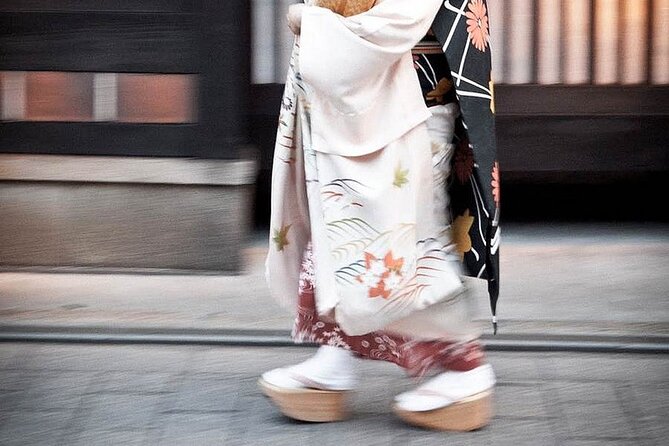
The tour continues to Kennin-ji, a Zen Buddhist temple founded in 1202. The visit lasts about 15 minutes and gives the guide a chance to explain Zen Buddhism and its place in Kyoto.
Admission to Kennin-ji is not included, so check whether your selected departure or route requires you to pay an entrance fee separately. The supplied details do not state the exact amount, and you should not assume it is covered by the $121.37 price.
The temple stop adds a quieter note after the streets of Gion. It also broadens the cultural picture. A walk centered only on geiko would miss the religious traditions that shaped Kyoto’s art, architecture, and daily life. You may find the visit especially useful if you are new to Zen and want a clear introduction rather than an abstract lecture.
Zenkyoan and its unusual boar guardians
Zenkyoan, also known as Marishitendo, is a subtemple connected with Kennin-ji. It is known for boar guardians and associations with luck and safety. The stop takes about 15 minutes, and admission is not included.
This is the kind of detail that can make a small-group walk memorable. You see another side of Gion, one that is easy to miss if you follow only the district’s most photographed streets. The boar guardians give the guide a concrete object to discuss, making the explanation easier to remember.
The route includes several short stops rather than one long temple visit. That keeps the pace varied, but it also means you should not expect extended time at every site. The experience is designed as an introduction to Gion’s culture, not as a full temple tour.
The 45-minute meeting with an apprentice maiko
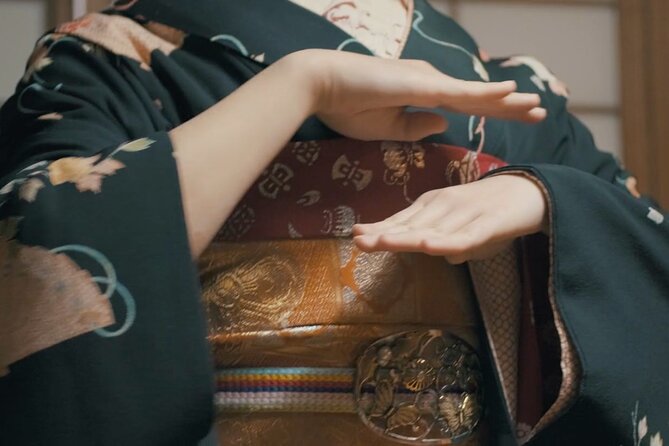
The final section is the reason most people book this experience. An apprentice geisha, known in Kyoto as a maiko, joins the group for about 45 minutes. You watch one or two dances, share tea or a meal depending on the option selected, and have time to ask questions.
This is not just a stage performance. The strongest part is the meeting itself, especially when the guide translates and helps the conversation along. Several guides, including Akari, Ken, and Kenta, receive particular praise for interpreting questions, explaining answers, and making sure solo participants and families feel included.
The dances are short, so adjust your expectations. You are not attending a full theatrical production. You are seeing a traditional performance as part of a personal cultural exchange. That format can be more revealing than a longer show because you hear about the maiko’s training and daily life directly.
Photography rules deserve attention. One participant appreciated the experience but was disappointed that photographs could not be shared on social media. The precise policy can depend on the setting and the performer, so follow the guide’s instructions rather than assuming you can post every picture you take.
A tip for the maiko is not included. Plan for that additional expense if you want to offer one. The listing does not specify an amount, so ask the guide or provider about the accepted practice.
Dining options and the question of value
The advertised price is $121.37 per person. For that amount, you are paying for the guided Gion walk, the small group, the interpreter, and the meeting and show. If your chosen version includes a meal, the value becomes more attractive, provided you care about dining as part of the cultural setting.
The food feedback is mixed. Some people describe the meal as delicious, high quality, and generous in options, including considerate handling of dietary restrictions. One diner felt the meal was too small for the price and left hungry. That difference is important.
Do not book this primarily as a dinner bargain. Book it for the access, explanation, and conversation with the maiko. If you have a large appetite, eat a light snack beforehand or confirm exactly what the dining option includes. Family-style service may offer several dishes, but the quantity can still feel modest depending on your expectations.
The guide can also affect your sense of value. Akari is praised for warmth, translation, and making solo participants feel part of the group. Ken and Kenta are praised for clear explanations, respect for geiko culture, and practical help. One guide even supplied cold cloths and icy drinks in hot weather, then produced umbrellas and rain ponchos during a sudden storm. Those small acts can make a long walk much easier.
Timing, walking, and who will enjoy it most
The full experience lasts about three hours. The walking portion takes 1.5 to 2 hours, followed by the 45-minute meeting and show. Because the route includes streets, a shrine, Kennin-ji, and Zenkyoan, wear comfortable shoes and expect to be on your feet for much of the evening.
The activity is near public transportation, and the meeting point is clearly given at the Statue of Izumo-no-Okuni. The ending location is different from the starting point, so pay attention to the final instructions and avoid scheduling a tight connection immediately afterward.
Most people can participate, but the experience is not recommended if you have leg problems. The provided information does not give an exact walking distance or guarantee seating throughout the route, so anyone with mobility concerns should ask the operator before booking.
I would recommend this tour to:
- First-time visitors who want a clear introduction to Gion.
- People interested in Japanese theater, religion, and traditional arts.
- Families and solo visitors who value a guide and a small group.
- Anyone who wants to ask questions rather than watch a distant performance.
- Visitors willing to pay for access and interpretation, not just a meal.
I would be more cautious if you mainly want a full Kabuki performance, a long formal dinner, or guaranteed photographs with a maiko. This experience offers none of those as its central promise.
Should you book Ken’s Tours Kyoto?
I would book it if meeting an apprentice maiko is high on your Kyoto list and you want the cultural explanation to come first. The combination of Gion streets, Kabuki background, Shinto and Zen context, translation, questions, and dance makes the evening more substantial than a simple district stroll.
The strongest reasons to choose it are the small group, the guides’ care, and the chance for a genuine exchange. Akari, Ken, and Kenta are repeatedly praised for warmth, clear interpretation, and respect for the subject. Those qualities matter more here than flashy sightseeing.
Before paying, confirm the dining option, check whether Kennin-ji admission applies, and budget for a maiko tip. If you can accept a modest meal and a short performance, this is a thoughtful and memorable way to meet Gion on its own terms.
FAQ
How long does the Kyoto Gion Cultural Walk and Geisha Show last?
The experience lasts approximately three hours. The guided walk takes about 1.5 to 2 hours, followed by a 45-minute meeting and show with an apprentice maiko.
What is included in the experience?
The price includes the guided Gion walk and the 45-minute maiko meeting and show. The performance includes one or two dances. Dining depends on the option selected when booking.
Is a meal included?
Dining options are available, but you should confirm the exact option you select. Food is described as family-style in some experiences, with several options and attention to dietary restrictions, while one account found the portion too small for the price.
Are temple admission fees included?
Admission is not included for Kennin-ji Temple or Zenkyoan. The early stops, including the Statue of Izumo-no-Okuni, Minamiza Theater, Gion Shirakawa, Tatsumi-jinja Shrine, and Hanamikoji Street, do not list an admission charge.
How many people can join the tour?
The group has a maximum of nine people. This small size allows more room for questions and interaction during the maiko meeting.
Can I cancel for a full refund?
You can cancel at least 24 hours before the experience starts for a full refund. Cancellations or changes made less than 24 hours before the start time are not accepted for a refund. If poor weather or an insufficient number of participants cancels the activity, you will be offered another date or experience, or a full refund.
More Dining Experiences
- Kyoto Evening Gion Food Tour Including Kaiseki Dinner
★ 5.0 · 62 reviews - Kyoto: Maiko Dinner in Traditional Restaurant and Tour
★ 4.8 · 55 reviews - Kyoto: Lunch or Dinner with Maiko
★ 4.2 · 52 reviews - Tokyo Bar Hopping Tour in Shinjuku (All-You-Can-Drink + Dinner)
★ 5.0 · 3,587 reviews
More Dinner Experiences
- Kyoto Gion Cultural Walk & Geisha Show with Dining Options
★ 5.0 · 518 reviews - Dinner with Maiko in a Traditional Kyoto Style Restaurant Tour
★ 5.0 · 175 reviews - Kyoto: Geisha Dinner & Gion Cultural Walk
★ 5.0 · 73 reviews - Private Dinner with a Geisha
★ 5.0 · 65 reviews
Just added around Kyoto
- Kyoto: Private Customizable Day Trip by Car★ 5.0 · 38 reviews
- Kyoto: Gion Night Walking Tour with Geisha Insight★ 5.0 · 39 reviews
- Kyoto: Full Day Bike Tour★ 4.9 · 39 reviews
- Private Japanese Calligraphy in Kyoto – Learn Shodō with a Master★ 5.0 · 39 reviews
- Experience a tea ceremony in an authentic tearoom, in Kyoto!★ 4.5 · 41 reviews
- Kyoto: Gion Evening Walk with Hidden Gems, Geisha & Sake★ 5.0 · 41 reviews
- Kyoto Private Photo Shoot & Tour by SnapKyoto★ 5.0 · 41 reviews
- The Way of Tea: Kyoto Crafts, Hidden Temples & Wabi-Sabi Walk★ 5.0 · 41 reviews
Geisha & Gion District Tours, compared.
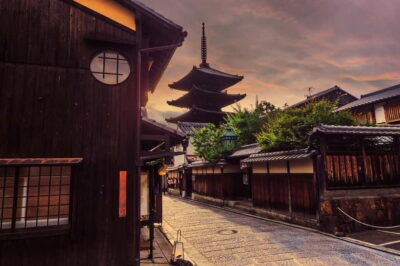
Kyoto Geisha Walking Tour: Gion District & Hidden Gems
Read our review →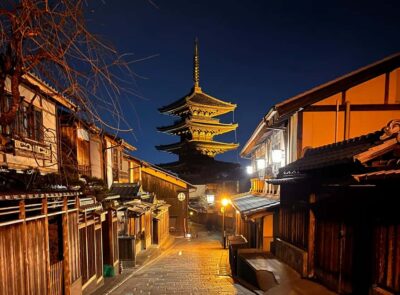
Gion Magical Night Walking Tour with Geisha Trivia
Read our review →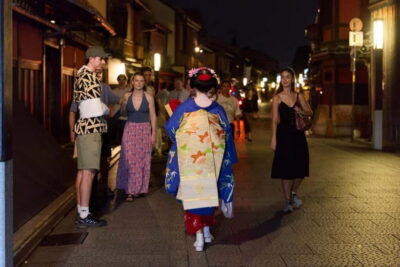
Gion Geisha District Walking Tour – Stories of Geisha
Read our review →
Best of Kyoto: Gion, Geisha, Pagodas & Cobblestones
Read our review →
Kyoto Night Foodie Tour in Gion (9+ dishes + 6 Sake tastings)
Read our review →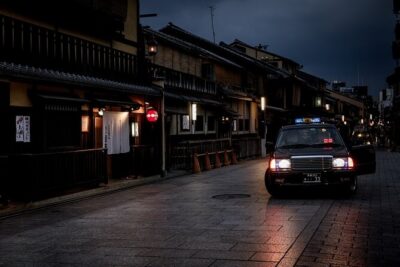
Kyoto Gion Geisha District Walking Tour – The Stories of Geisha
Read our review →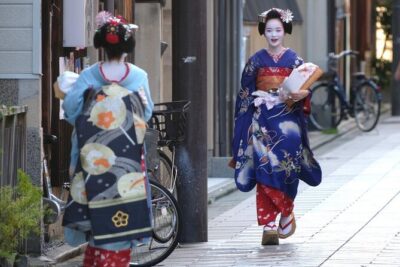
Kyoto Gion: 2-Hour Geisha Culture & History Walking Tour
Read our review →Browse the lists this tour appears in