
Reviewed · GEISHA & GION DISTRICT TOURS
Kyoto: Lunch or Dinner with Maiko
Kyoto’s living traditions take center stage. I like the graceful two-dance performance and the chance to ask a Maiko direct questions about her daily life. The close-up photo and Senjyafuda lucky charm make the evening feel personal rather than purely theatrical.
I also like the mix of tea ceremony, Kyoto cooking, and simple games. The main consideration is the setting: this is a relaxed room in a modern building, not an old ochaya or decorated Japanese house, and the meal may feel plain to diners used to strongly seasoned food.
In This Review
- Quick takeaways
- Meeting a Maiko without the Kyoto price tag
- Finding the room near Gojo Station
- The opening tea ceremony sets the tone
- Kyoto dinner with dashi and shidashi traditions
- Ask questions about a Maiko’s daily life
- A close photo and the Senjyafuda gift
- Two dances show the Maiko’s skill
- Games turn the formal show into a social evening
- Optional seats and the real cost
- Who should book this Kyoto experience?
- Should you book it?
- FAQ
- How long does the Maiko experience last?
- Where does the experience meet?
- Is dinner included in the price?
- Is the tea ceremony included?
- Can I take a photo with the Maiko?
- What gift do I receive?
- Will a Maiko definitely appear?
- Is the activity held in an ochaya?
- Is the venue accessible by elevator?
- Can children under two attend free?
Quick takeaways
- Two traditional dances: Watch elegant movements linked to seasons, love stories, and everyday Japanese life.
- Direct conversation: The Q&A gives you a rare chance to ask a Maiko about her work and routine.
- Photo and Senjyafuda: Stand beside the Maiko for a keepsake photograph and receive a small lucky charm.
- Kyoto-style meal: Expect traditional dishes prepared by a long-established restaurant, with dashi used often.
- Simple games: Join a friendly contest with the Maiko, or clap along from your seat.
- Easy Gojo location: The venue is one minute from Exit 1 of Gojo Station, though you must use stairs.
Meeting a Maiko without the Kyoto price tag
A Maiko is an apprentice entertainer trained in the arts of dance, music, conversation, and hospitality. Her elaborate kimono, carefully arranged hair, and formal gestures are only the visible part of the role. The daily discipline behind that appearance is what gives this experience its interest.
For $63 per person, you receive a 90-minute program with dinner, a tea ceremony demonstration, two dances, conversation, a photograph, a charm, and a game. That is a fair price if you want several cultural elements in one evening. You are not paying only for a meal or a stage show. You are paying for access to a tradition that can be difficult to encounter on your own.
The experience has a solid overall rating of 4.2 from 52 bookings. That fits the program well. The Maiko interaction and performances are the strongest parts. The room and food are less consistent points, so you should book it for the cultural encounter first and the dinner second.
Depending on the schedule, a Geiko may appear instead of a Maiko. This happened for Tina from Australia, who described the occasion as amazing. A Geiko is a fully trained entertainer, while a Maiko is still in apprenticeship. Either appearance gives you a view into Kyoto’s traditional performing world, but the exact person is not guaranteed.
More geisha district walks in Kyoto:
- Kyoto Geisha Walking Tour: Gion District & Hidden Gems
★ 4.7 · 3,273 reviews - Kyoto: Gion Magical Night Walking Tour with Geisha Trivia
★ 4.9 · 2,393 reviews - Kyoto: Gion Geisha District Walking Tour – Stories of Geisha
★ 4.7 · 2,187 reviews
Finding the room near Gojo Station
The meeting point is one minute from Exit 1 of the Subway Karasuma Line’s Gojo Station. The entrance faces Gojo-dori, the main street, so the location is practical if you are using Kyoto’s subway rather than a taxi.
The building has no elevator. You need to take stairs to reach the room, which matters if you have limited mobility or are carrying a stroller. Children under two can sit on a parent’s lap without charge. If a child needs a seat or meal, the regular per-person fee applies.
Do not cut the timing close. The organizers cannot hold the program for late arrivals, and a missed connection can cost more than a few minutes of your evening. The cancellation policy allows a full refund only when you cancel at least eight days ahead. If you change the date after a cancellation charge applies, another specified fee may be due.
The room itself is not an ochaya, the traditional tea house associated with Maiko and Geiko entertainment. It is in a building and has a friendly, relaxed atmosphere, but it may feel more functional than atmospheric. One French booking described a basement-like room with classroom-style lighting and furniture, while another noted the lack of decorative screens. Set your expectations accordingly.
The opening tea ceremony sets the tone
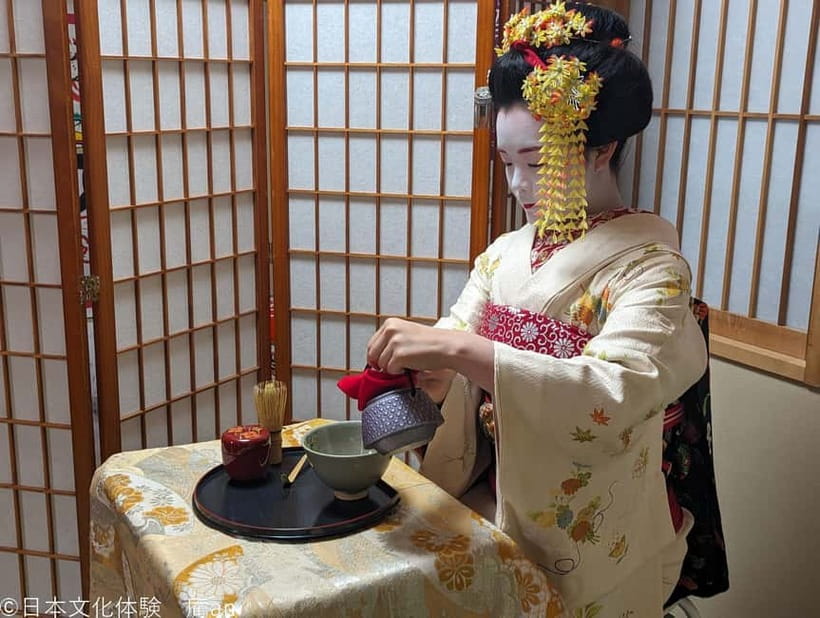
The program begins with a tea ceremony demonstration. You watch the Maiko handle the bowl, utensils, and movements with care. The value here is not simply learning how to drink tea. It is seeing how much attention goes into small gestures, posture, and hospitality.
You can add a hands-on tea-making option for 1,600 yen. It is not included in the base price, so select it when you apply or contact the organizer about adding it. If you have always wanted to whisk your own bowl of matcha, this is the part worth paying extra for.
The tea ceremony also helps you understand the Maiko’s training. Her movements are controlled but not stiff, and the formal sequence gives you a clear example of an art based on patience and precision. English translation is offered as much as possible, but the instructor language is Japanese. Contact the organizer ahead of time if you want English support.
Kyoto dinner with dashi and shidashi traditions
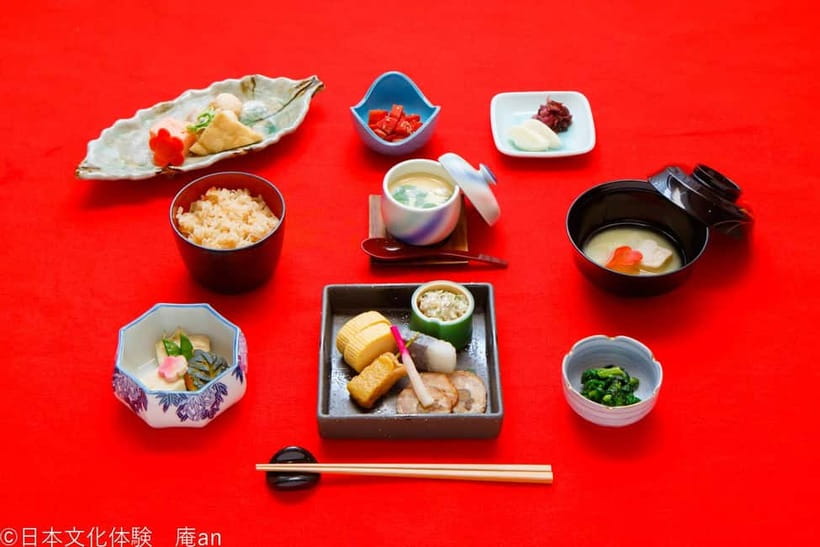
After the tea demonstration, you receive a traditional Kyoto dinner prepared by a long-established restaurant. Kyoto cooking often relies on dashi, a soup stock that brings flavor without heavy seasoning. If you prefer delicate tastes, this may be a pleasant introduction to the city’s food culture.
The meal is also connected to shidashi, the traditional practice of ordering prepared food for delivery. That detail gives the dinner a local context. You are not simply eating a generic Japanese meal attached to a performance.
Still, food is the most uncertain part of the experience. One French diner found the meal barely thawed and unpleasant, while another thought it was typical but lacked much aroma and flavor. Those are serious complaints, though they do not describe every booking. I would treat the dinner as part of the cultural program rather than the main reason to reserve it.
The meal may also be served in a room shared by people taking different options. Some participants may be eating while others are having tea prepared. One booking found this mixture less enjoyable, particularly because it reduced the feeling of a single, unified event.
A few more Kyoto experiences worth weighing up
- Bike Tour Exploring North Kyoto plus Lunch
★ 5.0 · 1,087 reviews - Osaka/Kyoto: Arashiyama, Nara & Fushimi Inari Shrine w/Lunch
★ 4.4 · 754 reviews - Kyoto Zen Meditation & Garden Tour at a Zen Temple with Lunch
★ 5.0 · 441 reviews - 4.5-Hour Kyoto Bike Tour with Lunch and UNESCO Zen Temples
★ 5.0 · 122 reviews
Ask questions about a Maiko’s daily life
The Q&A is one of the most valuable sections. Instead of watching a distant performance, you can ask the Maiko about the world behind the kimono, hairstyle, etiquette, and training.
This is your chance to ask practical questions about her daily routine and the demands of maintaining a traditional lifestyle in modern Kyoto. The exact questions depend on the group, and English help is provided as much as possible, but the program language is Japanese.
Keep your questions respectful and curious. Ask about training, performance, clothing, or daily customs rather than treating the Maiko as a costume display. The point is to meet a working professional and learn about a living tradition.
The Q&A also adds human warmth to the program. Without it, two dances could feel like a short show. With it, you gain some understanding of the person performing them.
A close photo and the Senjyafuda gift
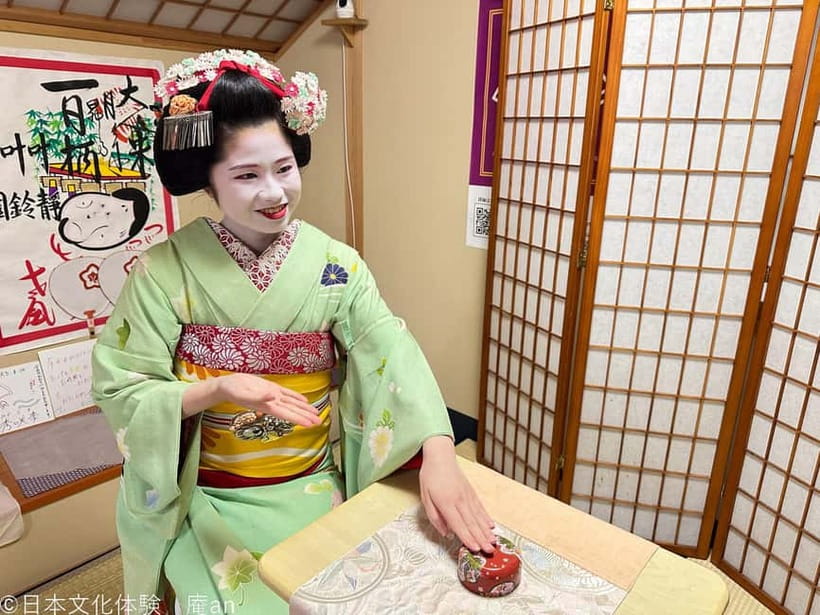
You receive a chance to take a commemorative photo beside the Maiko. For many people, this will be the most memorable physical souvenir of the evening. The encounter is close and organized, so you do not have to rely on a distant stage photograph.
The Maiko also gives you a Senjyafuda, a small lucky charm. It is a thoughtful touch because it connects the photo opportunity to a traditional custom rather than ending the meeting with a quick snapshot.
Keep your camera ready, but follow the staff’s instructions. The program has several timed sections, and the photo portion is not an open-ended private meeting. People who do not participate in the experience cannot enter, so everyone in your group should be included in the booking.
Two dances show the Maiko’s skill
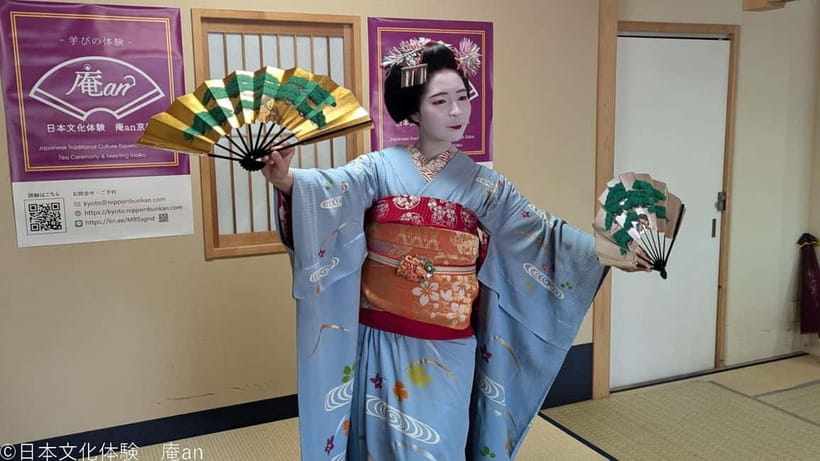
The performance includes two traditional dances. Their themes may express the beauty of the seasons, love stories, or scenes from ordinary life. Watch the hands, eyes, posture, and controlled footwork. The movements can appear simple until you notice how precisely they are held.
This is the part that received the clearest praise. Zina from Denmark specifically appreciated the Maiko and the beautiful dancing. A French booking also found the show and games more enjoyable than the meal.
The room may not provide the visual setting you imagine from photographs of Kyoto’s old entertainment districts. There may be no folding screens or ornate interior. That makes the dance itself more important. If you need a historic room with lanterns, polished wood, and theatrical atmosphere, this program may disappoint. If you can focus on the performer, the dances still offer a graceful look at Japanese culture.
Games turn the formal show into a social evening
After the dancing, the Maiko leads a simple interactive game. Volunteers can join, but you are equally welcome to watch, clap, and cheer. The games are designed as light entertainment rather than a serious test of Japanese knowledge.
This section changes the mood. The tea ceremony and dance ask you to watch quietly. The game lets you laugh, support the players, and become part of the room’s shared energy. The playful question behind it is simple: can anyone beat a professional at her own hospitality game?
The game is especially useful for families and small groups who want more than a lecture or stage performance. It also gives shy people an easy way to participate without having to ask a question or volunteer.
At about 75 minutes, the Maiko leaves the room. The remaining time is for chatting before you depart at the 90-minute mark. That final period gives you a little breathing room instead of ending the moment the performance finishes.
Optional seats and the real cost
The base price is $63 per person. Children under two are free when sitting on a parent’s lap, but a required seat or meal costs the full individual fee.
You can pay extra for a closer seat:
- SS seat, first row: 3,300 yen
- S2 seat, second row: 2,200 yen
- S3 seat, third row: 1,100 yen
- Tea ceremony participation: 1,600 yen
The seat upgrades make the most sense if you care strongly about seeing the dance details. The first row costs a noticeable amount on top of the admission price, so I would not add it automatically. The standard experience already includes the performance and photo opportunity.
The tea option is easier to justify if you want to do rather than only observe. For everyone else, the demonstration provides enough context without adding to the cost.
Because the setting is plain and the meal has received mixed reactions, the value depends on your priorities. For a visitor who wants an affordable introduction to Maiko culture, the price is reasonable. For someone seeking a luxury dinner in a historic tea house, it is the wrong product.
Who should book this Kyoto experience?
I would recommend it to you if you want a compact cultural activity near central Kyoto. The 90-minute length fits neatly before another evening plan, and Gojo Station makes the meeting point easy to reach by subway.
It suits first-time visitors who may not know how to find a Maiko performance independently. It also works well for families with older children, couples, and anyone interested in Japanese arts, etiquette, and food customs.
You should think twice if your top priority is gourmet dining, elaborate interiors, or a private meeting. People eating and taking tea together may share the room, English support is limited unless arranged in advance, and the building requires stairs.
Plan to arrive early, especially if you are unfamiliar with Gojo Station. Reserve the tea option or upgraded seat at the time of booking if you want either. Also, remember that a Geiko may appear instead of a Maiko, which can be a pleasant surprise but is not something you can request with certainty.
Should you book it?
Book this if you want the Maiko herself to be the focus. The Q&A, two dances, photo, Senjyafuda, and game create a fuller experience than a short performance alone.
Skip it if you expect a refined restaurant setting or a memorable multi-course dinner. The room is practical rather than historic, and the food may be mild or disappointing for some palates.
For most people, I would call it a good-value cultural introduction, with the strongest moments coming from the performer and the weakest from the surroundings. Go for the living tradition, the careful dancing, and the chance to ask questions. Treat the meal as a useful extra, not the headline.
FAQ
How long does the Maiko experience last?
The full program lasts 90 minutes. The Maiko portion ends at about 75 minutes, followed by chatting time before room departure.
Where does the experience meet?
It meets one minute from Exit 1 of Gojo Station on Kyoto’s Subway Karasuma Line. The entrance faces Gojo-dori.
Is dinner included in the price?
Yes. Dinner with the Maiko is included in the $63 per-person price.
Is the tea ceremony included?
A tea ceremony demonstration is included. Making your own tea is an optional addition costing 1,600 yen.
Can I take a photo with the Maiko?
Yes. The program includes a commemorative photo opportunity beside the Maiko.
What gift do I receive?
The Maiko presents a Senjyafuda, a traditional lucky charm.
Will a Maiko definitely appear?
The program may feature a Geiko instead, depending on the situation. A specific Maiko is not guaranteed.
Is the activity held in an ochaya?
No. The venue is in a building and is not an ochaya or traditional Japanese house.
Is the venue accessible by elevator?
No. The building has no elevator, and you need to use stairs to reach the venue.
Can children under two attend free?
Children under two can attend free when sitting on a parent’s lap. If they need their own seat or meal, the regular per-person fee applies.
More Dining Experiences
- Private Dinner with a Geisha
★ 5.0 · 65 reviews - Kyoto Evening Gion Food Tour Including Kaiseki Dinner
★ 5.0 · 62 reviews - Kyoto: Maiko Dinner in Traditional Restaurant and Tour
★ 4.8 · 55 reviews - Tokyo Bar Hopping Tour in Shinjuku (All-You-Can-Drink + Dinner)
★ 5.0 · 3,587 reviews
More Dinner Experiences
- Kyoto Gion Cultural Walk & Geisha Show with Dining Options
★ 5.0 · 518 reviews - Kyoto Gion Cultural Walk & Geisha Show with Dining Options
★ 5.0 · 483 reviews - Dinner with Maiko in a Traditional Kyoto Style Restaurant Tour
★ 5.0 · 175 reviews - Kyoto: Geisha Dinner & Gion Cultural Walk
★ 5.0 · 73 reviews
Just added around Kyoto
- Kyoto: Private Customizable Day Trip by Car★ 5.0 · 38 reviews
- Kyoto: Gion Night Walking Tour with Geisha Insight★ 5.0 · 39 reviews
- Kyoto: Full Day Bike Tour★ 4.9 · 39 reviews
- Private Japanese Calligraphy in Kyoto – Learn Shodō with a Master★ 5.0 · 39 reviews
- Experience a tea ceremony in an authentic tearoom, in Kyoto!★ 4.5 · 41 reviews
- Kyoto: Gion Evening Walk with Hidden Gems, Geisha & Sake★ 5.0 · 41 reviews
- Kyoto Private Photo Shoot & Tour by SnapKyoto★ 5.0 · 41 reviews
- The Way of Tea: Kyoto Crafts, Hidden Temples & Wabi-Sabi Walk★ 5.0 · 41 reviews
Geisha & Gion District Tours, compared.
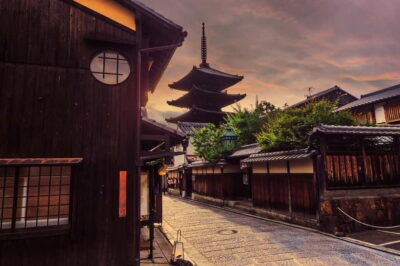
Kyoto Geisha Walking Tour: Gion District & Hidden Gems
Read our review →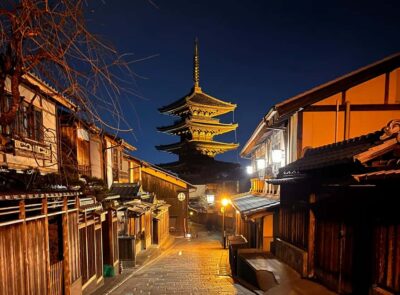
Gion Magical Night Walking Tour with Geisha Trivia
Read our review →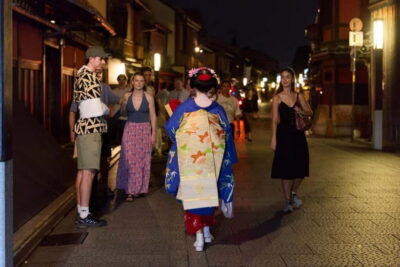
Gion Geisha District Walking Tour – Stories of Geisha
Read our review →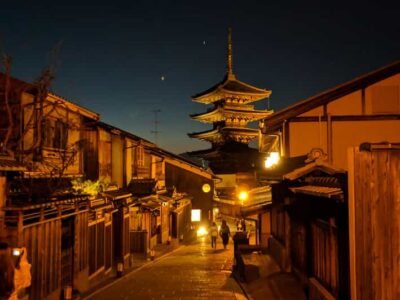
Best of Kyoto: Gion, Geisha, Pagodas & Cobblestones
Read our review →

Kyoto Night Foodie Tour in Gion (9+ dishes + 6 Sake tastings)
Read our review →
Kyoto Gion Geisha District Walking Tour – The Stories of Geisha
Read our review →
Kyoto Gion: 2-Hour Geisha Culture & History Walking Tour
Read our review →Browse the lists this tour appears in