
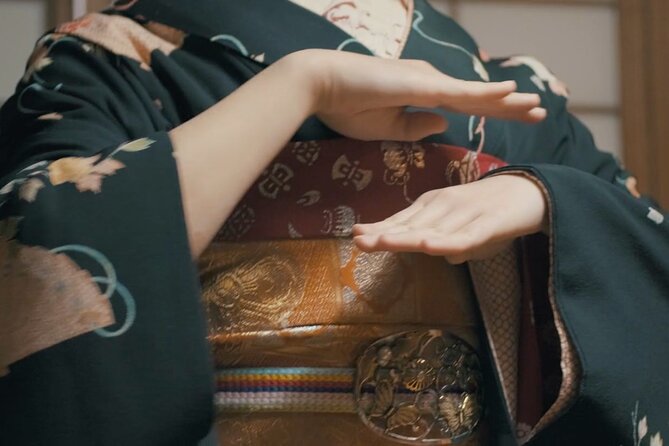
Reviewed · GEISHA & GION DISTRICT TOURS
Kyoto Gion Cultural Walk & Geisha Show with Dining Options
Gion reveals its secrets slowly. This three-hour Kyoto experience pairs a guided walk through the city’s famous geisha district with a private-style meeting and performance by a maiko, or geisha apprentice. I especially like the small group of up to eight, which makes it easier to ask questions, and the choice of lunch, tea, or dinner. The guides, including Kenta, Ken, and Akari, are praised for explaining the culture clearly and correcting common Hollywood myths.
The main consideration is pace and physical access. You walk around Gion for 1.5 to 2 hours before sitting down, so comfortable shoes matter. The tour is not suitable for people with mobility impairments, and large bags or luggage are not allowed. At $108 per person, it is not a cheap sightseeing walk, but the maiko meeting, performance, and included food or tea give it solid value for a special Kyoto evening.
In This Review
- Key details at a glance
- Why the Gion walk matters
- Meeting the maiko in Miyagawasuji
- Three dining choices, three different moods
- Lunch with the maiko at 10:30 a.m.
- Tea break at 2:30 p.m.
- Dinner with the maiko at 6:30 p.m.
- What makes the guide important
- Is $108 a fair price?
- Practical points before you book
- Who will enjoy this Kyoto experience most?
- Should you book the Gion Cultural Walk?
- FAQ
- Where does the Kyoto Gion Cultural Walk begin?
- How long does the experience last?
- What language is the tour conducted in?
- How many people are in the group?
- What dining choices are available?
- What happens during the maiko meeting?
- Can I bring luggage?
- Is the tour suitable for people with mobility impairments?
- What is the cancellation policy?
Key details at a glance
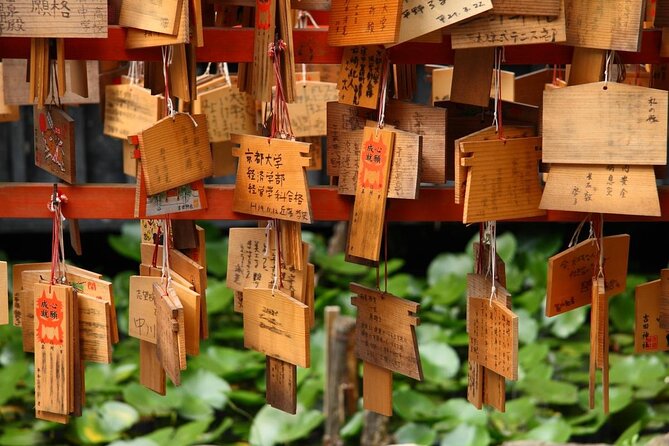
- Meet beside Izumo-no-Okuni: Start in front of the statue near Exit 4 of Keihan Gion-Shijo Station.
- See Gion with context: The 1.5-hour walk explains the district’s past and its present-day geiko and maiko traditions.
- Meet a working maiko: Ask questions, take part in a conversation, and watch one or two traditional songs and dances.
- Choose your timing: Select a Japanese lunch at 10:30 a.m., tea at 2:30 p.m., or dinner at 6:30 p.m.
- Keep the group intimate: The experience is limited to eight participants, though one recent comment referred to a group of nine.
- Plan for a walking tour: Leave large bags behind and avoid booking if mobility is a serious concern.
Why the Gion walk matters
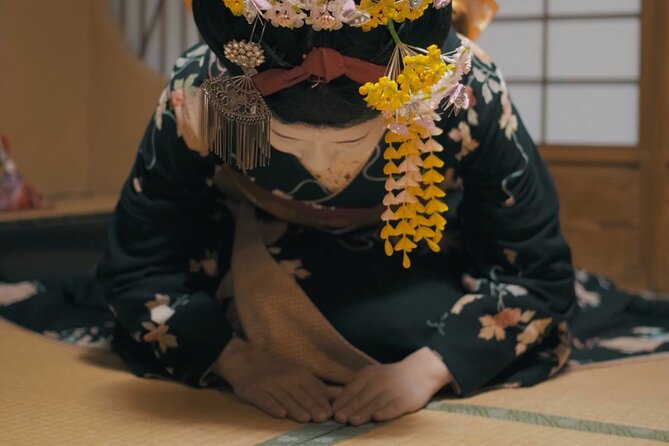
Gion can be reduced to a photo stop: wooden buildings, narrow lanes, and the hope of catching sight of a geiko or maiko. This tour gives you a better way to understand what you are seeing. Your guide explains the history, rituals, training, and working life connected with Kyoto’s traditional entertainment districts.
The starting point is the statue of Izumo-no-Okuni, near Keihan Gion-Shijo Station. Meeting here is practical because the station provides a clear transport landmark, and the statue gives the group a visible place to gather.
From there, the walk moves through Gion. The guide points out important locations, including places connected with the education and daily life of geiko and maiko. The walk also includes temples and a shrine, along with the historic streets of Gion and Miyagawa-cho.
That combination is useful. You are not simply walking past attractive buildings. You are learning how the district functions, how the tradition developed, and how it continues today. Kenta, Ken, and Akari receive repeated praise for speaking clear English, taking questions, and explaining the subject with respect.
I particularly value the effort to separate geiko culture from inaccurate popular images. In Kyoto, geisha are often called geiko, while maiko are apprentices. The terms are not interchangeable, and understanding that distinction makes the later meeting more meaningful.
The walking portion lasts about 1.5 hours, with some descriptions allowing up to two hours. Expect a moderate pace rather than a strenuous hike, but you will be on your feet for a while. One useful tip from the experience is to consider a daylight departure if you want to see the streets and buildings clearly. The evening option has its own atmosphere, but darkness makes architectural details harder to notice.
More Walking Tours in Kyoto
- Kyoto Geisha Walking Tour: Gion District & Hidden Gems
★ 4.7 · 3,273 reviews - Kyoto: Gion Magical Night Walking Tour with Geisha Trivia
★ 4.9 · 2,393 reviews - Kyoto: Gion Geisha District Walking Tour – Stories of Geisha
★ 4.7 · 2,187 reviews
Meeting the maiko in Miyagawasuji
The second half takes place in Miyagawasuji, another traditional Kyoto entertainment area. Here, the atmosphere changes from street walking to a seated cultural presentation.
The maiko meeting lasts about 50 minutes. It includes a conversation, a question-and-answer session, and a performance with one or two songs. You can ask about her life, training, routine, and reasons for entering the profession. The exchange is not just a stage show. The chance to hear answers directly from a maiko is the heart of the experience.
The performance is designed to be watched at close range, which lets you notice the details of her kimono, hairstyle, makeup, and controlled movements. Several people describe the dance as graceful, memorable, and deeply moving. The tone is appreciative rather than loud or theatrical, so you should treat it as a cultural meeting, not a casual photo opportunity.
Photography is permitted according to the supplied information and comments, although one participant noted that photos should not be shared online. Follow the guide’s instructions carefully. A picture may be allowed for personal memory without being suitable for public posting.
The question session also gives the tour a human scale. Instead of treating the maiko as a mysterious figure from a distant world, you can learn about the discipline behind the art. The meeting is likely to appeal to anyone who wants more than a short dance performance.
Three dining choices, three different moods
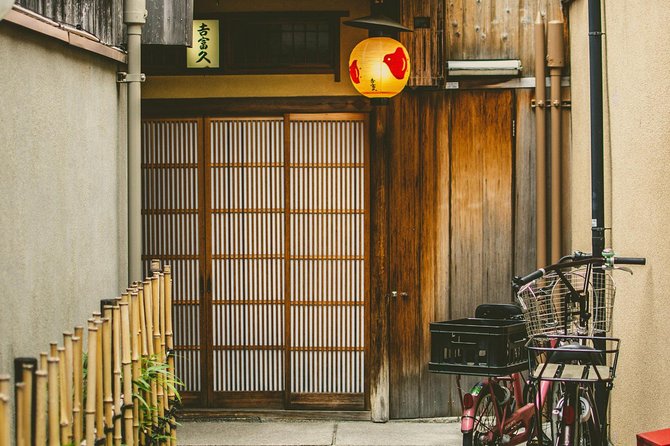
The experience offers three versions, and your choice changes the shape of the outing.
Lunch with the maiko at 10:30 a.m.
The lunch option includes a Japanese lunch plate. This is a good fit if you want the clearest views during the Gion walk or if your evenings are already filled with dinner plans.
Lunch also suits families and visitors who prefer to finish cultural activities before the city gets dark. One parent described the experience as a strong cultural activity for children, though you should still consider the walking time and whether younger children can sit quietly during the performance.
More geisha district walks in Kyoto:
- Best of Kyoto: Gion, Geisha, Pagodas & Cobblestones
★ 4.9 · 2,058 reviews - Night Walk in Gion: Kyoto’s Geisha District
★ 4.5 · 2,003 reviews - Kyoto Night Foodie Tour in Gion (9+ dishes + 6 Sake tastings)
★ 5.0 · 1,762 reviews - Kyoto Gion Geisha District Walking Tour – The Stories of Geisha
★ 5.0 · 1,441 reviews
Tea break at 2:30 p.m.
The tea option includes one cup of tea. It is the lightest choice and may work well between morning sightseeing and an evening meal elsewhere.
The tea setting keeps the focus firmly on the conversation and dance. One participant specifically enjoyed the orange tea, but the included item is described simply as a cup of tea, so do not book this version expecting a full meal.
Dinner with the maiko at 6:30 p.m.
The dinner version includes sharing plates with eight different foods. The meal is described in one account as kaiseki style, with beautifully arranged dishes and good drinks. Another person found the food delicious but not especially filling, which is useful to know.
Think of dinner as a cultural meal rather than a large feast. The courses may be small, with the emphasis on variety, presentation, and the setting. If you have a large appetite, you might want to plan a later snack, but no extra meal should be assumed as part of the booking.
The evening version offers a more atmospheric walk through Gion after dark. The tradeoff is visibility. If the streets and architecture are a priority, the lunch or tea departure may serve you better. If you want a memorable Kyoto night, dinner is the natural choice.
What makes the guide important
The guide shapes the experience more than the route does. A good explanation is essential here because geiko and maiko culture can be misunderstood quickly. The strongest feedback focuses on Kenta, Ken, and Akari for their clear English, warmth, humor, and respect toward the community.
Kenta is especially praised for explaining the origins of the tradition, the meaning of geiko, maiko, and geisha, and the difference between historical ideas and modern reality. He also helped keep the group considerate around the district, an important point in a residential and working neighborhood.
Akari is described as enthusiastic and patient, with the ability to answer a wide range of questions. She also helped participants with other Kyoto suggestions after the tour. Ken is praised for his calm manner, clear English, and strong command of Kyoto’s entertainment history.
Guides have also shown practical care. On hot days, participants received cold or frozen drinks. That is a small detail, but it matters during a summer walking tour. The experience takes place outdoors for a substantial first half, so weather can affect your enjoyment.
The group size is advertised as no more than eight. That limit gives you a better chance to hear the guide and speak during the question session. It also helps the walk feel less like a large procession through Gion. Confirm the final group size when booking if that matters to you, since one comment referred to nine participants.
Is $108 a fair price?
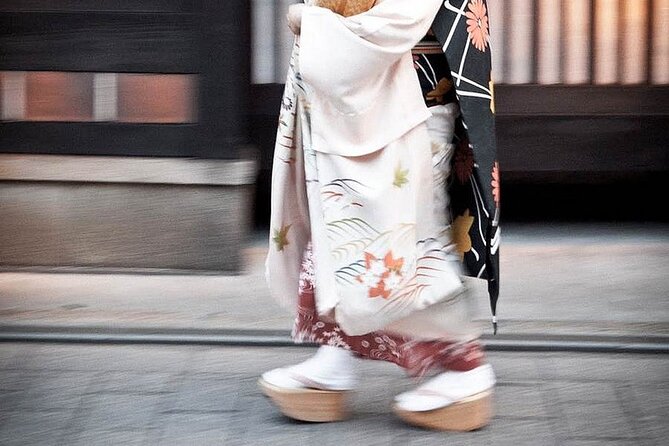
At $108, this experience costs more than a basic walking tour of Gion. You are paying for several parts at once: an English-language guided walk, access to a 50-minute maiko meeting, a live performance, and either a lunch plate, tea, or eight-course sharing dinner.
The value is strongest if you already planned to attend a cultural show or eat a Japanese meal. The tour combines those activities with an explanation of the district, so you do not have to arrange separate bookings or try to find a reputable presentation on your own.
The lunch and dinner options offer the most obvious value because food is included. The tea option is less substantial from a dining point of view, but it may be the right choice if you care most about the conversation and performance.
I would not choose this tour simply because you want a cheap way to walk through Gion. You can see the streets without paying for a guided experience. I would choose it if you want a structured introduction to geiko culture and a rare chance to meet a maiko in a respectful setting.
Practical points before you book
Allow the full 210 minutes, or three and a half hours, even though the experience is also described as three hours. The walk, transfers, seated meeting, meal, and performance need time, and rushing would weaken the experience.
Wear shoes you can walk in comfortably. The first part takes place around Gion and related districts, and there is no indication that the route is suitable for people with mobility impairments.
Do not bring luggage or a large bag. This is especially important if you are arriving in Kyoto by train or moving between hotels. Store your bags before meeting at the statue.
The live tour is conducted in English. If you need very slow or simple explanations, tell the guide at the start. The guides have been praised for speaking clearly and adjusting their explanations for different participants.
Free cancellation is available up to 24 hours before the start for a full refund. You can also reserve now and pay later, which helps if your Kyoto schedule is still changing.
Who will enjoy this Kyoto experience most?
This tour suits first-time visitors who want cultural background before taking photographs in Gion. It also works well for couples, small families, and solo visitors who prefer an intimate group rather than a large bus tour.
You do not need to arrive with a strong interest in geisha culture. The walking tour gives enough background to make the performance easier to understand. Still, you should enjoy conversation, history, and traditional arts, since the experience is built around listening and asking questions.
It may not suit you if you want a quick attraction, a filling dinner, or a fully accessible route. The meal is part of the experience, but it is not presented as a lavish banquet. And the walk requires you to stay on your feet for a considerable time.
Should you book the Gion Cultural Walk?
I would book this if meeting a maiko and learning how the tradition works are high on your Kyoto list. The best feature is not only the dance. It is the combination of a respectful neighborhood walk, careful explanations, direct questions, and a performance in a small setting.
Choose lunch or tea if you want better daylight for the streets. Choose dinner if you prefer an evening mood and like the idea of sharing several Japanese dishes during the cultural meeting.
At $108, this is a special-event purchase, not a budget stroll. For many visitors, though, it can serve as the cultural centerpiece of a Kyoto visit. Book it for the access and explanation, not just the costume and photographs, and you are more likely to find the price worthwhile.
FAQ
Where does the Kyoto Gion Cultural Walk begin?
Meet in front of the statue of Izumo-no-Okuni near Exit 4 of Keihan Gion-Shijo Station.
How long does the experience last?
The stated duration is three hours, or 210 minutes. The Gion walking portion takes about 1.5 to 2 hours, followed by a 50-minute maiko meeting and performance.
What language is the tour conducted in?
The live tour guide speaks English.
How many people are in the group?
The activity is described as a small group limited to eight participants. One supplied comment referred to a group of nine, so you may wish to confirm the final number when booking.
What dining choices are available?
You can select Japanese lunch, a tea break, or dinner. Lunch includes a Japanese lunch plate, tea includes one cup of tea, and dinner includes sharing plates with eight different foods.
What happens during the maiko meeting?
You watch a traditional dance performance with one or two songs, take part in a question-and-answer session, and have time to speak with the maiko during the selected meal or tea break.
Can I bring luggage?
Large bags and luggage are not allowed. Bring only what you need for the walking tour and seated meeting.
Is the tour suitable for people with mobility impairments?
No. The experience is listed as unsuitable for people with mobility impairments because it includes an extended walking portion.
What is the cancellation policy?
You can cancel up to 24 hours before the experience for a full refund. A reserve-now, pay-later option is also available.
More Dining Experiences
- Kyoto Evening Gion Food Tour Including Kaiseki Dinner
★ 5.0 · 62 reviews - Kyoto: Maiko Dinner in Traditional Restaurant and Tour
★ 4.8 · 55 reviews - Kyoto: Lunch or Dinner with Maiko
★ 4.2 · 52 reviews - Tokyo Bar Hopping Tour in Shinjuku (All-You-Can-Drink + Dinner)
★ 5.0 · 3,587 reviews
More Dinner Experiences
- Kyoto Gion Cultural Walk & Geisha Show with Dining Options
★ 5.0 · 483 reviews - Dinner with Maiko in a Traditional Kyoto Style Restaurant Tour
★ 5.0 · 175 reviews - Kyoto: Geisha Dinner & Gion Cultural Walk
★ 5.0 · 73 reviews - Private Dinner with a Geisha
★ 5.0 · 65 reviews
Just added around Kyoto
- Kyoto: Gion Night Walking Tour with Geisha Insight★ 5.0 · 39 reviews
- Kyoto: Private Customizable Day Trip by Car★ 5.0 · 38 reviews
- Kyoto: Full Day Bike Tour★ 4.9 · 39 reviews
- Private Japanese Calligraphy in Kyoto – Learn Shodō with a Master★ 5.0 · 39 reviews
- Experience a tea ceremony in an authentic tearoom, in Kyoto!★ 4.5 · 41 reviews
- Kyoto: Gion Evening Walk with Hidden Gems, Geisha & Sake★ 5.0 · 41 reviews
- Kyoto Private Photo Shoot & Tour by SnapKyoto★ 5.0 · 41 reviews
- The Way of Tea: Kyoto Crafts, Hidden Temples & Wabi-Sabi Walk★ 5.0 · 41 reviews
Geisha & Gion District Tours, compared.
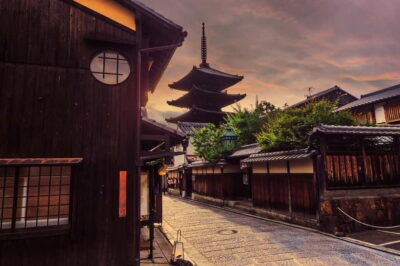
Kyoto Geisha Walking Tour: Gion District & Hidden Gems
Read our review →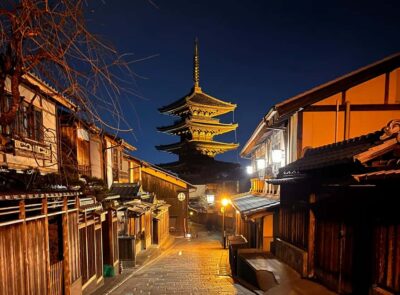
Gion Magical Night Walking Tour with Geisha Trivia
Read our review →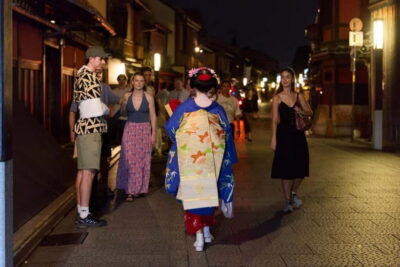
Gion Geisha District Walking Tour – Stories of Geisha
Read our review →
Best of Kyoto: Gion, Geisha, Pagodas & Cobblestones
Read our review →

Kyoto Night Foodie Tour in Gion (9+ dishes + 6 Sake tastings)
Read our review →
Kyoto Gion Geisha District Walking Tour – The Stories of Geisha
Read our review →
Kyoto Gion: 2-Hour Geisha Culture & History Walking Tour
Read our review →Browse the lists this tour appears in