
Reviewed · SUSHI-MAKING CLASSES
Tokyo: Tsukiji Fish Market Sushi Making Class with Pro Chef
Sushi tastes better when you make it. This hands-on class puts you in Tsukiji Outer Market, where an English-speaking host and professional sushi chef explain the craft, prepare fresh ingredients, and guide you through four nigiri sushi and one maki roll. I especially like the direct access to market culture and the chance to compare your sushi with one made by the chef. The main drawback is practical: the classroom sits on the third floor of a traditional building with stairs only, and the session can run longer than planned.
The class costs about $63 per person, which is fair for Tokyo if you value instruction as much as lunch. You receive fresh ingredients, proper utensils, tea, dashi soup, a hat, your own sushi, and an extra serving prepared by the chef. It is not a full tour of Tsukiji unless you book an option that includes market guidance, so check the exact version before booking.
In This Review
- Key points to know before you book
- Why Tsukiji is the right place for a sushi lesson
- The optional market introduction and meeting point
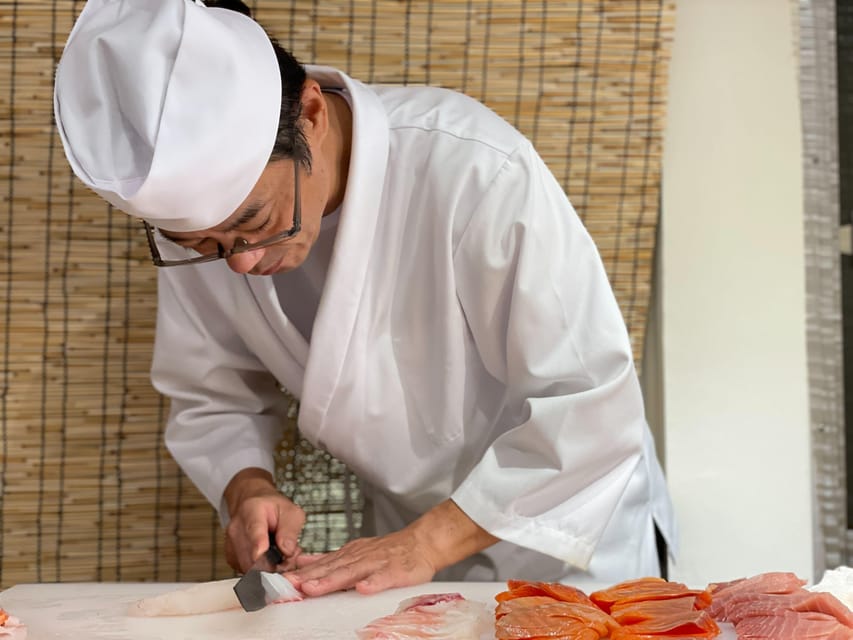
- Watching the sushi master prepare the fish
- Making nigiri and maki step by step
- Eating your own sushi beside the chef’s version
- How much personal attention can you expect?
- Is $63 a good price in Tokyo?
- Timing, stairs, and useful planning advice
- Who should book this sushi class?
- Should you book the Tsukiji sushi class?
- FAQ
- How long does the sushi-making class last?
- What sushi will I make?
- Is the class taught in English?
- Is a Tsukiji market tour included?
- Can vegetarians or vegans join?
- Is the classroom accessible by wheelchair?
Key points to know before you book
- You make five pieces or types of sushi: The standard class includes four different nigiri sushi and one maki sushi, followed by a tasting of sushi prepared by the chef.
- The fish preparation demonstration comes first: You watch the sushi master break down fish and explain Japanese knives before handling ingredients yourself.
- The classroom is inside Tsukiji Outer Market: You are in a traditional Japanese building near the food stalls, shops, shrines, and market streets.
- English support is built into the experience: A host interprets the chef’s explanations, answers questions, and keeps the class moving.
- Small groups make a difference: Several sessions described groups of around six people, giving each person room to ask questions and get corrections.
- Dietary limits are important: Vegan and vegetarian diets are not accepted, and halal, kosher, and gluten-free requests cannot be guaranteed.
Why Tsukiji is the right place for a sushi lesson
Tsukiji is more than a place to grab a quick breakfast. The former inner wholesale market moved to Toyosu, but Tsukiji Outer Market remains a major food district with seafood shops, knives, Japanese ingredients, restaurants, and small specialty stores.
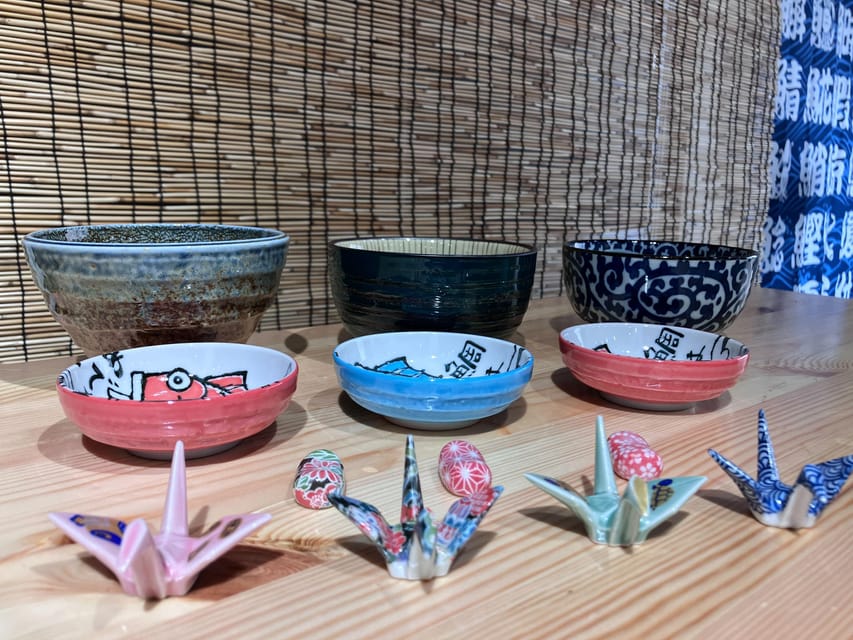
That setting gives the class useful context. You are not learning sushi in a generic cooking studio far from the source. The utensils and tableware come from local Tsukiji shops, and the ingredients are sourced from the market area. You can connect the fish on your plate with the stalls and shops outside.
I like this kind of location because it turns lunch into a lesson about place. You learn why freshness matters, see the tools used by sushi cooks, and then walk outside into the food district where similar ingredients are sold.
The class itself takes place in a hidden local building in the center of the outer market. The room has a classic Japanese style, but you should not picture a large modern culinary school. It is a more intimate setting, which helps the chef work directly with each person. The tradeoff is the staircase. The classroom is on the third floor, with no elevator mentioned, so this is not suitable for wheelchair users or anyone who has trouble with stairs.
More Market Tours in Tokyo
- Tokyo Tsukiji Fish Market Food and Culture Walking Tour
★ 5.0 · 3,184 reviews - Tokyo: Tsukiji Fish Market Food and Walking tour
★ 5.0 · 1,724 reviews - Tokyo: Tsukiji Fish Market Guided Walking Tour
★ 4.9 · 1,397 reviews
The optional market introduction and meeting point
Some booking options include a market walk before the sushi lesson. Others may take you straight to the classroom, and the meeting point can change depending on the option you select.
If your package includes the market portion, allow extra time and expect more than a simple escort to the classroom. Guides such as Tack, Sean, Shoko, Tadashi, and AJ have been praised for explaining fish, food types, market customs, nearby shrines, and Japanese religious traditions. That added walk can help you understand what you are about to eat.
You might learn about different seafood sold in the market, see recommended foods, and visit nearby shrines. However, market guidance is not included in every version, and the activity description specifically says that guidance through the market is not included as a standard feature. Read the option details carefully rather than assuming the market walk comes with every $63 booking.
The location makes it easy to explore before or after class on your own. I would plan some free time for this. Tsukiji is best enjoyed slowly, with room to browse food shops and decide what to eat next. Just remember that any extra snacks, meals, or drinks are your responsibility.
Watching the sushi master prepare the fish
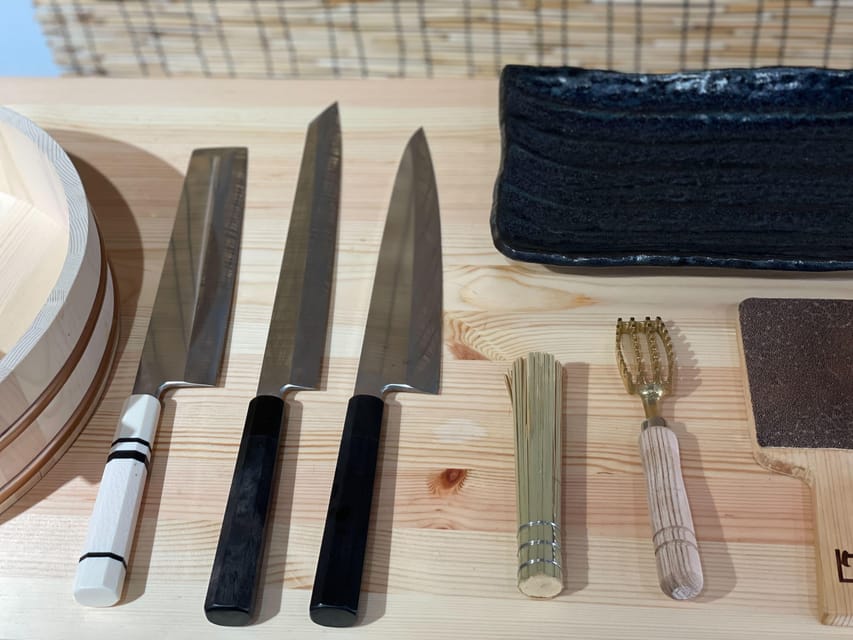
The lesson begins with a fish disassembly demonstration. This is one of the strongest parts of the experience because it shows the work behind the neat slices and tidy sushi pieces you usually see at a counter.
The chef explains how fish is prepared for sushi and introduces the Japanese knives used in the process. You get to watch the sequence before trying your own techniques. That order matters. It gives beginners a better sense of why sushi preparation requires control, clean cuts, and careful handling.
You may also learn how fish is prepared for sashimi. Several class descriptions from participants specifically mention cutting sushi and sashimi as a bonus part of the lesson. The main focus remains sushi making, but the fish preparation demonstration adds a useful look at another part of Japanese food culture.
Chef names vary by session. Tanaka, Kate, Koro, Ike, Kana, Ishii, and others have led classes, while hosts including Yuko, AJ, Micky, Eri, Shoko, and Satoko have helped with interpretation and instruction. That rotating team means your exact personality mix will depend on the day, but the repeated praise for patience, clear English, and friendly teaching is encouraging.
Making nigiri and maki step by step
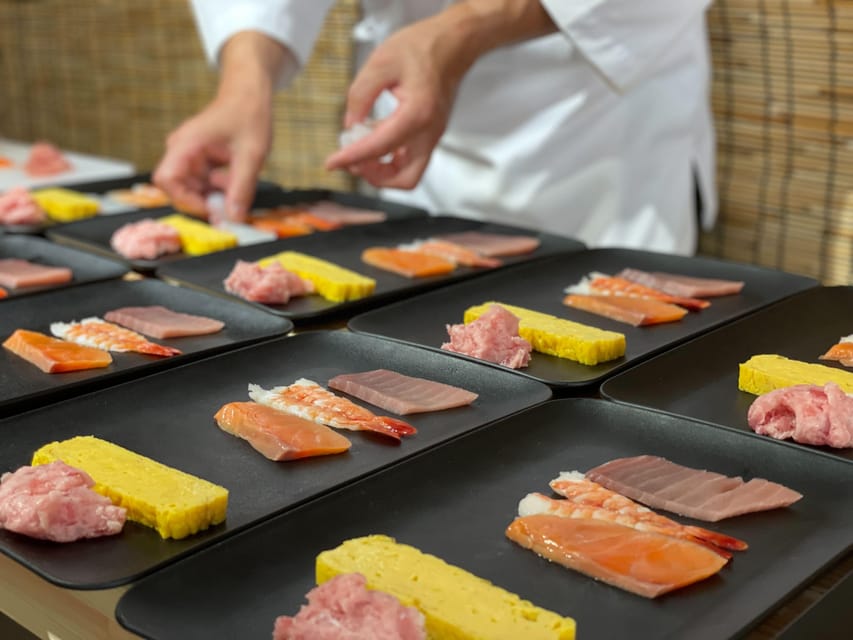
After the demonstration, you learn what sushi is and how the main styles differ. The class covers nigiri, where fish is placed over shaped rice, and maki, the rolled style wrapped with nori.
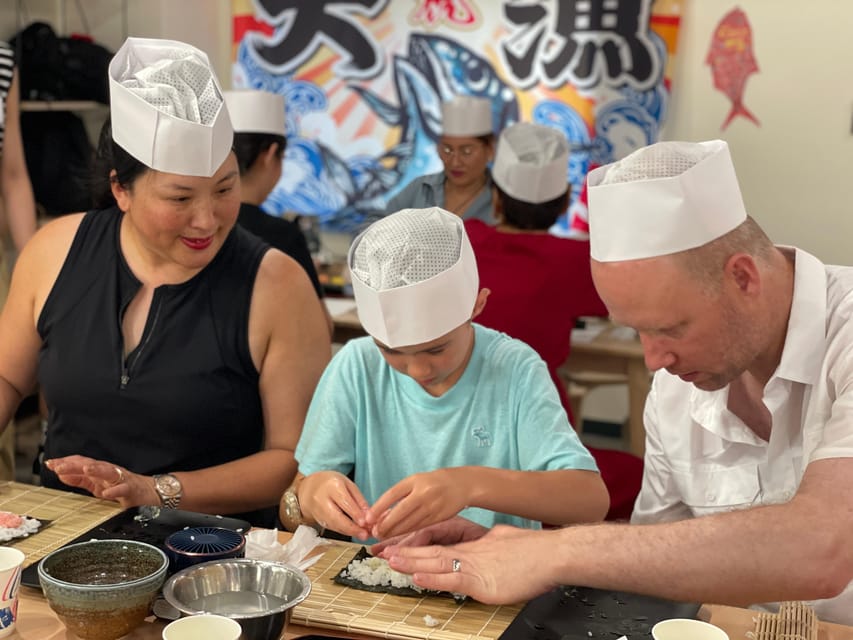
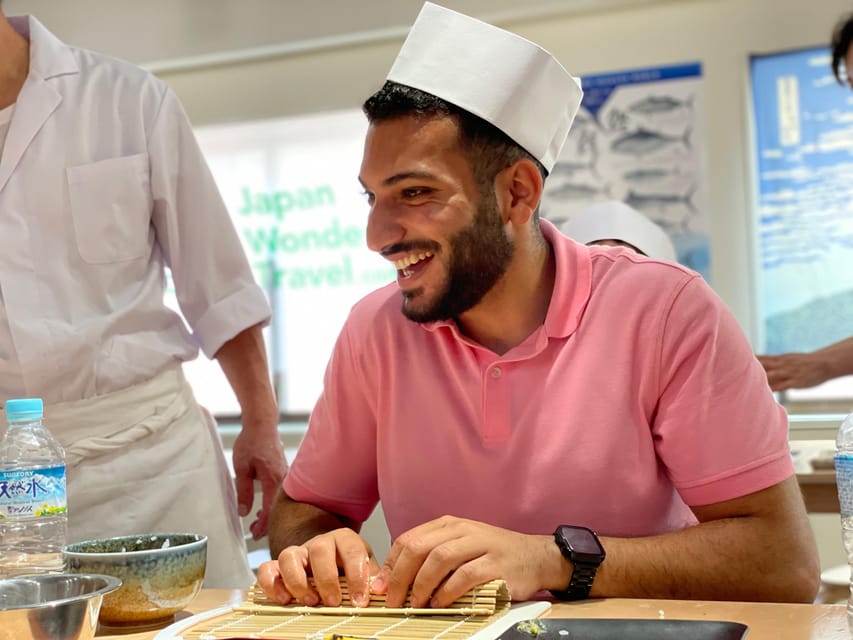
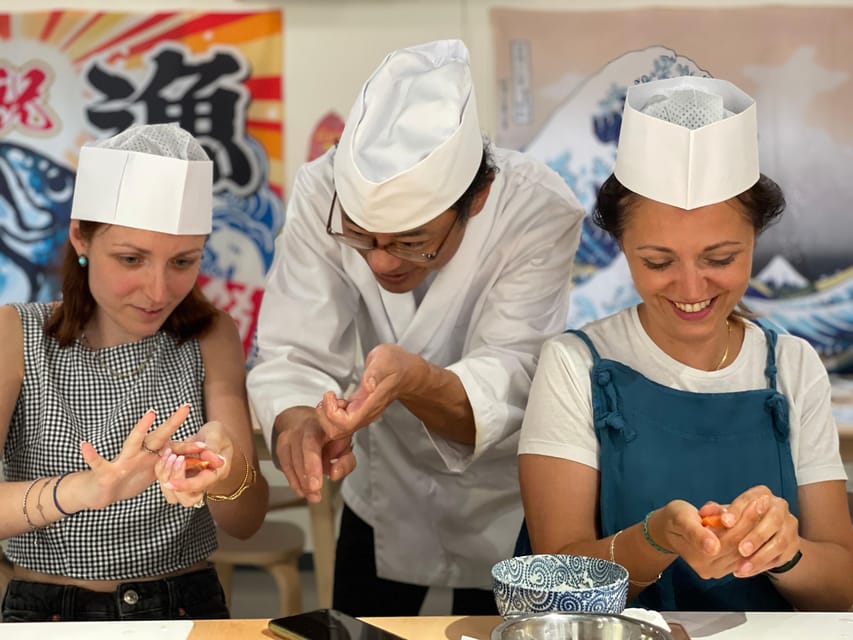
You make four different nigiri sushi and one maki sushi. The chef and assistants demonstrate the steps, then help you work through them. You are not simply watching a professional make lunch while you take notes. The point is to shape, assemble, and present your own food.
This is basic sushi making, not professional chef training. You will not leave ready to work behind a Tokyo sushi counter. You should leave with a better understanding of rice, fish, nori, presentation, and the careful hand movements that make sushi hold together.
That distinction is useful. Beginners often want an activity they can enjoy immediately, and this class keeps the techniques manageable. Several participants said the instructions were easy to follow, even for children and people who had never made sushi before. One family used the class as a highlight for children aged nine and thirteen, while another parent appreciated the small group and the extra origami made for a curious ten-year-old.
Children under four are not allowed. The experience may suit older children who can listen and pay attention, but the official guidance is more cautious about accessibility and does not set a broad minimum age beyond excluding children under four. If you are bringing children, consider their ability to sit through demonstrations and follow food preparation instructions.
More Sushi-Making Classes in Tokyo
- Sushi Making Tokyo Roll and Authentic Japanese Sushi Class
★ 5.0 · 3,971 reviews - Tokyo: Roll and Authentic Sushi Making Class in Asakusa
★ 4.9 · 1,957 reviews - Make Sushi and Create Unforgettable Memories in Tokyo
★ 5.0 · 1,413 reviews - Tokyo: Sushi Making Class in a Happi Coat near a Famous Spot
★ 4.9 · 1,377 reviews
Eating your own sushi beside the chef’s version
The best part comes after the work. You eat the sushi you made, then receive additional sushi prepared by the sushi master.
That comparison is valuable. Your pieces may look respectable, but the chef’s version lets you see the difference in shaping, speed, knife work, and presentation. The class description highlights the chef preparing sushi with expertly handled fresh wasabi, giving you a close look at professional technique.
Tea and traditional dashi soup round out the meal. These are modest additions, but they make the tasting feel like a proper Japanese food experience rather than a cooking demonstration followed by a few samples.
The ingredients are described as fresh and sourced from Tsukiji. Exact fish varieties can change, so do not book expecting a particular species unless the operator confirms it. You should also tell the provider about allergies when making your reservation. Allergy requests may be accommodated, but they cannot always be guaranteed.
Vegetarians and vegans should skip this activity. Halal, kosher, and gluten-free requests are not accommodated as standard, though one participant with gluten restrictions received assistance. That positive example should not be treated as a promise. Contact the provider before booking if an allergy or restriction affects what you can safely eat.
How much personal attention can you expect?
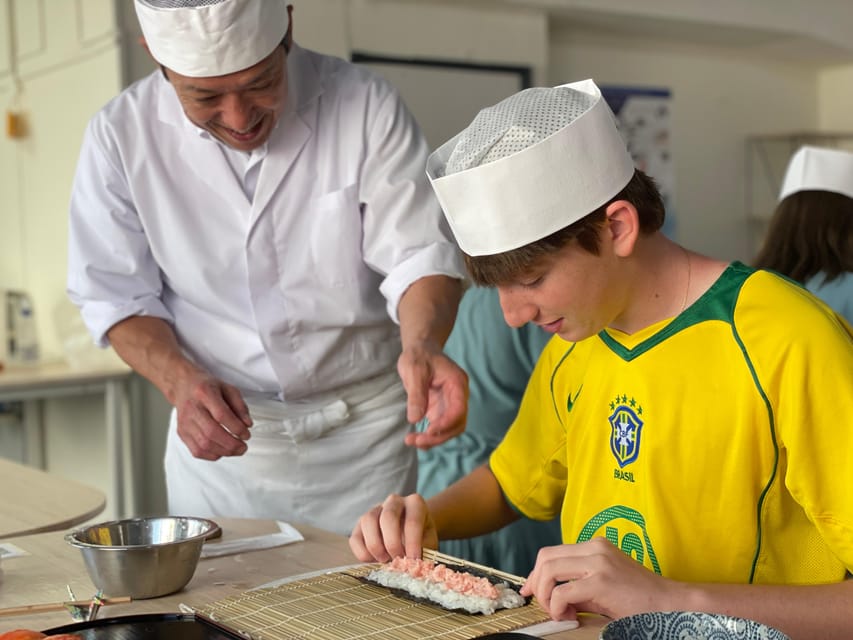
The English-speaking host is an important part of the class. The sushi chef may be focused on technique, while the host interprets, explains cultural details, checks that everyone understands, and answers questions.
The strongest praise goes to this combination of chef skill and patient interpretation. Yuko, AJ, Ike, Kayo, Micky, Eri, and others have been described as warm, clear, funny, and attentive. Different hosts lead different sessions, but the format gives you two kinds of help: professional instruction at the counter and language support beside you.
Group size affects the experience. Several sessions were described as small, including one group of six and another with only a few people. A smaller class means the chef can watch your hands, correct your technique, and respond to questions without rushing. The advertised group size is not provided here, so you should not assume every session will be identical.
Solo visitors can book, and the activity suits groups of one to four particularly well. Couples, families, friends, and small private groups can share the work without turning the room into a noisy production line.
Is $63 a good price in Tokyo?
At $63 per person, this is not the cheapest meal you will find in Tsukiji. It is also not meant to be. You are paying for a 90-minute class at minimum, fresh ingredients, a professional chef, an English-speaking host, equipment, soup, tea, your own sushi, and extra sushi prepared for you.
The value is strongest if you want to understand the food rather than simply eat it. A casual sushi lunch may cost less, but it will not show you how the fish is prepared, let you use proper tools, or give you a chance to ask questions.
The price is harder to justify if you only want a market tour. Market guidance is not standard, and the activity does not include hotel pickup, drop-off, or extra food and drink. If you want a broader Tsukiji experience, choose an option that includes the walking portion, then budget separately for snacks and purchases.
The reserve-now, pay-later option can help if your Tokyo schedule is still shifting. You can also cancel up to 24 hours in advance for a full refund. Since sessions may run beyond the scheduled finish, avoid booking a tight appointment immediately afterward.
Timing, stairs, and useful planning advice
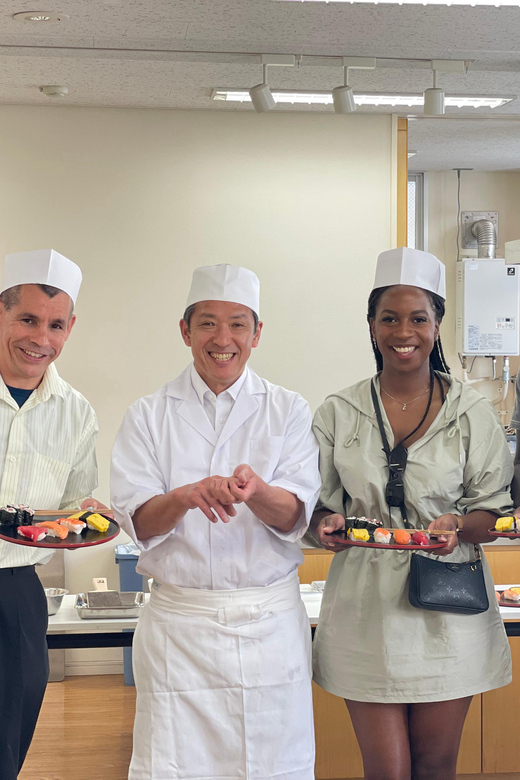
The listed duration ranges from 90 minutes to four hours. That wide range almost certainly reflects different options, especially versions with a market walk, so check the starting time and duration for your chosen package.
I would keep the rest of the morning or afternoon flexible. The class may go beyond the scheduled ending point, and a market walk adds time. This is not a good activity to place directly before a train reservation, timed museum entry, or airport transfer.
Wear clothes that allow comfortable movement and be ready to work with food. The provider supplies a hat and the proper utensils, so you do not need to bring cooking equipment. The classroom is reached by stairs only, which is the most important practical limitation.
Plan to explore Tsukiji before or after the class. If your booking includes a guide, let that walk introduce the district. If not, use the central location to browse the outer market on your own, but do not confuse self-guided exploration with an included tour.
Who should book this sushi class?
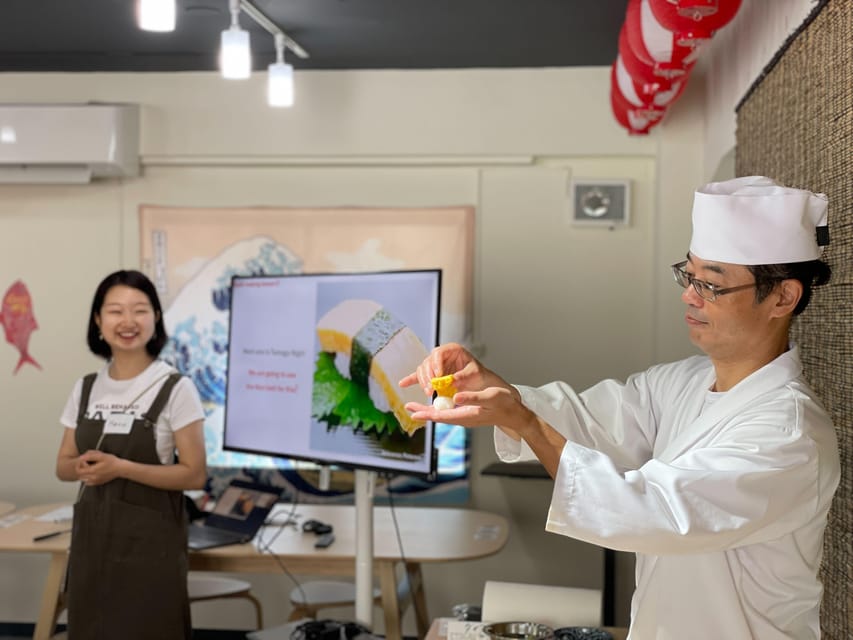
I would recommend it to first-time sushi makers, food-focused visitors, couples, families with attentive older children, and anyone who wants a structured activity in Tsukiji. It also works well for people who are curious about raw fish but not yet confident ordering unfamiliar sushi. One participant who normally avoids raw fish still found the fresh ingredients and guided format enjoyable.
It is a good match for a small group because everyone gets a turn and can ask questions. The class also gives you a skill to take home. Several participants left feeling able to make sushi again, which is a better souvenir than another photograph.
I would not choose it if you want a long, detailed tour of the entire market, a fully vegetarian meal, wheelchair access, or guaranteed accommodation for gluten-free, halal, or kosher diets. I would also skip it if you have a packed schedule and cannot tolerate a session running late.
Should you book the Tsukiji sushi class?
Book it if you want to connect Tokyo’s food culture with your own hands. The combination of market ingredients, fish preparation, English guidance, professional instruction, and a meal you assemble yourself gives the $63 price real value.
Choose the market-walk option if learning about Tsukiji is as important to you as the cooking. Otherwise, the 90-minute class is a focused choice for a fun meal and a practical introduction to nigiri and maki. Check the meeting point, exact duration, dietary rules, and stair access before paying, then leave your schedule open afterward.
FAQ
How long does the sushi-making class last?
The available options run from 90 minutes to four hours. Check the selected option for its exact starting time and duration, especially if it includes a market walk.
What sushi will I make?
You will make four different nigiri sushi and one maki sushi. The chef also prepares additional sushi for you to taste.
Is the class taught in English?
Yes. An English-speaking host interprets and guides the session, while the professional sushi chef demonstrates and teaches the techniques.
Is a Tsukiji market tour included?
Market guidance depends on the option booked. The standard activity does not include guidance through the market, but some options and sessions include a walking tour before the class.
Can vegetarians or vegans join?
No. The activity is not suitable for vegans or vegetarians. Halal, kosher, and gluten-free requests are also not accommodated as standard.
Is the classroom accessible by wheelchair?
No. The classroom is on the third floor of a traditional building and can only be reached by stairs. The activity is not suitable for wheelchair users or people with mobility impairments.
More Shopping Tours in Tokyo
- Tsukiji Fish Market Small-Group Food Walking Tour
★ 5.0 · 621 reviews - Tokyo Food Tour Taste Fresh Delights at Tsukiji Market
★ 5.0 · 429 reviews - Tokyo Tsukiji Fish Market Tour and Sushi Making Lesson
★ 5.0 · 390 reviews - Tsukiji Fish Market: Street Food & Culture Walking Tour
★ 4.8 · 259 reviews
More Fish Market Tours in Tokyo
- Tokyo Sushi Making Class in Tsukiji with Professional Chef
★ 5.0 · 1,177 reviews - Tsukiji Fish Market Guided Tour and Sushi Making with Pro Chef
★ 5.0 · 775 reviews - Tokyo: Tsukiji Fish Market Food and Culture Walking Tour
★ 4.7 · 757 reviews - Tsukiji Fish Market: Street Food & Culture Walking Tour
★ 5.0 · 669 reviews
Just added around Tokyo
- Tokyo 6hr Instagram Highlights Private Tour with Licensed Guide★ 5.0 · 38 reviews
- Tokyo Small Group Tour with Guide★ 4.5 · 38 reviews
- Tokyo Sumo Experience with Live Show & Audience Challenge★ 5.0 · 38 reviews
- Very popular in Harajuku♡Animal petting zoo★ 4.6 · 39 reviews
- Japanese Food Cooking Class in Asakusa, Tokyo★ 5.0 · 39 reviews
- Ramen Making from Scratch with Tokyo Mom(Vegan Option Available)★ 5.0 · 39 reviews
- Tokyo: Kimono Rental inside Shinjuku Gyoen National Garden★ 4.9 · 39 reviews
- Tokyo JDM Night: 600hp C63s AMG Edition 1 (Private)★ 4.9 · 39 reviews
Sushi-Making Classes, compared.
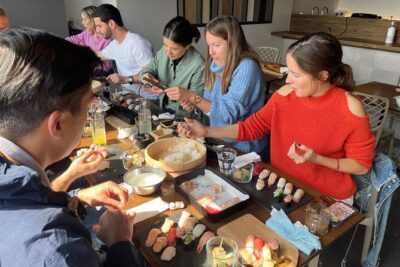
Sushi Making Tokyo Roll and Authentic Japanese Sushi Class
Read our review →
Roll and Authentic Sushi Making Class in Asakusa
Read our review →
Make Sushi and Create Unforgettable Memories in Tokyo
Read our review →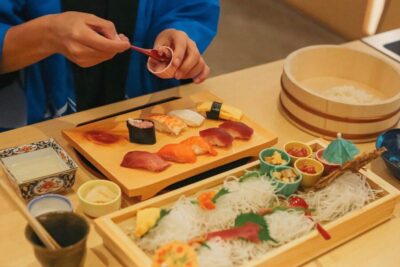
Sushi Making Class in a Happi Coat near a Famous Spot
Read our review →
Sushi Making Osaka Roll and Authentic Japanese Sushi Class
Read our review →
Tokyo Sushi Making Class in Tsukiji with Professional Chef
Read our review →
Tsukiji Fish Market Guided Tour and Sushi Making with Pro Chef
Read our review →
Sushi Making in Kyoto! Same-day bookings welcome!
Read our review →Browse the lists this tour appears in