
Reviewed · FISH MARKET TOURS
Tsukiji Fish Market: Street Food & Culture Walking Tour
Tsukiji rewards the curious eater. I like the mix of fresh tuna, wagyu, and traditional street food, and I like that the tour begins at Tsukiji Hongwanji Temple instead of treating the market as just a place to eat. The main drawback is the calendar: about half the outer-market shops may close on Wednesdays, Sundays, and national holidays.
At $22 per person, this is an unusually affordable introduction to one of Tokyo’s best food neighborhoods. Guides such as Kawa, George, Mao, Tomo, Chihiro, and Kenny are praised for explaining ingredients, cooking methods, customs, and good-value food stops in clear English. Bring cash, wear comfortable shoes, and arrive ready to make room for several small bites.
In This Review
- Key points to know before booking
- Why Tsukiji still matters to Tokyo’s food culture
- Starting at Tsukiji Hongwanji Temple
- The 80-minute walk through the outer market
- Tuna, wagyu, wasabi, and the value of small bites
- The guides make the difference
- Choosing the right day and time
- How this compares with exploring alone
- Who will enjoy this Tsukiji food tour
- Practical advice for a smooth visit
- Should you book the Tsukiji walking tour?
- FAQ
- How long does the Tsukiji Fish Market tour last?
- What is the price of the tour?
- Is food included in the experience?
- What foods might I try?
- Is fresh wasabi included?
- Does the tour visit Tsukiji Hongwanji Temple?
- Is the tour offered in English?
- What happens if I book on a Wednesday, Sunday, or national holiday?
- Is the tour wheelchair accessible?
- Can I cancel the tour for a refund?
Key points to know before booking
- Fresh wasabi changes the meal: A special grated-wasabi set from the guide adds a sharp, fragrant lift to seafood and other bites.
- The temple gives the tour cultural balance: Tsukiji Hongwanji takes about 20 minutes and introduces local customs before the food tasting begins.
- You choose your level of eating: You can sample a little or spend more at the market stalls, with guides pointing out worthwhile choices.
- The tour focuses on the outer market: Expect ingredient shops, prepared foods, seafood, and culinary traditions rather than a full wholesale-market visit.
- Timing affects the experience: Wednesdays, Sundays, and national holidays can leave roughly half the shops closed.
- Small groups make a difference: The format may be intimate, sometimes with only a few people, which allows more questions and personal food suggestions.
Why Tsukiji still matters to Tokyo’s food culture
Tsukiji has more than 80 years of market history and remains one of Tokyo’s best places to see food treated as craft rather than mere fuel. The market area is closely tied to the city’s seafood trade, restaurant culture, and the careful handling of ingredients that shapes Japanese cooking.
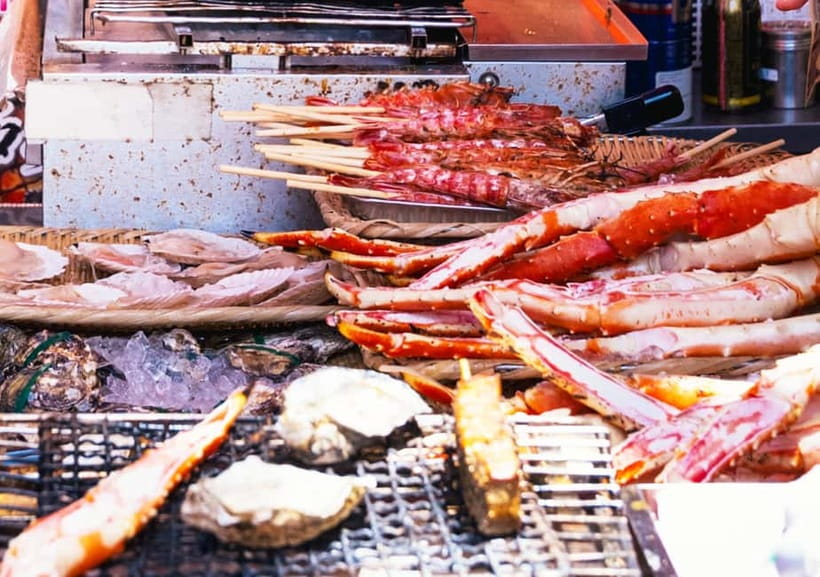
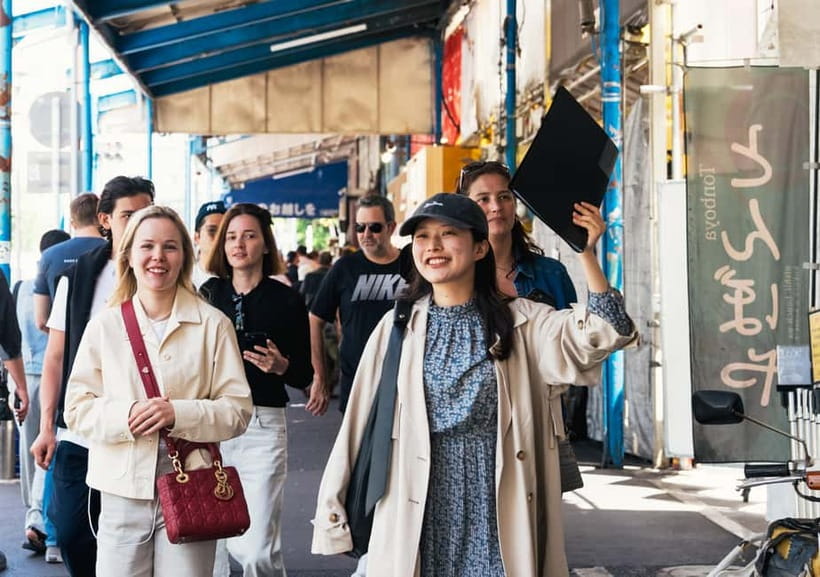
Today, this experience centers on the Tsukiji Outer Market, where shops sell seafood, spices, specialty ingredients, prepared snacks, and cooking supplies. You get a working food district rather than a polished attraction built only for sightseeing. Shopkeepers are busy, displays change with the day, and the narrow lanes can feel crowded at popular stops.
That is also why a guide helps. If you walk alone, you can certainly enjoy Tsukiji, but it may be hard to know what a particular ingredient is, how it is used, or which food is worth trying first. Your guide gives the market a storyline and helps you make better choices with limited time.
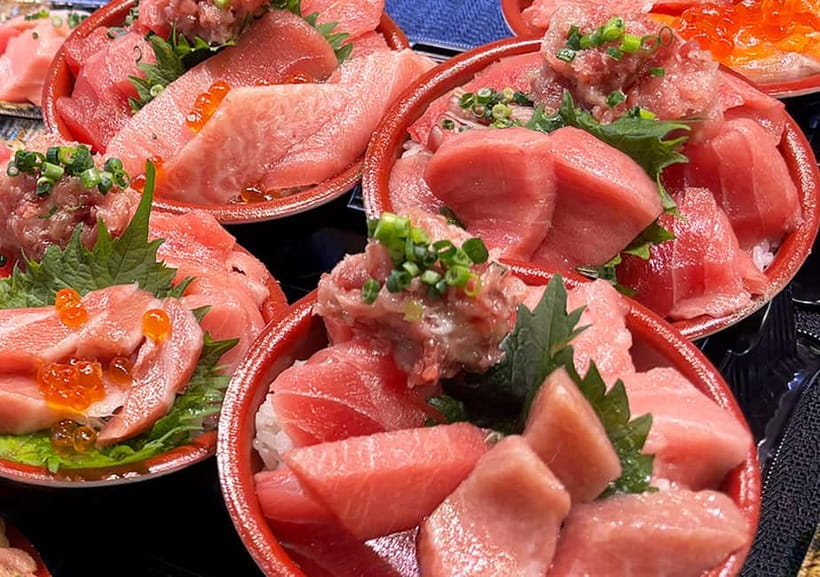
The strongest part of the experience is the link between eating and explanation. A piece of tuna is not just a snack. You can learn how freshness matters, how preservation brings out umami, and why certain ingredients are treated with such care. That context makes each bite more memorable.
More Food Tours in Tokyo
- Tokyo: Shinjuku Food Tour (13 Dishes at 4 Local Eateries)
★ 5.0 · 6,603 reviews - Tokyo Tsukiji Fish Market Food and Culture Walking Tour
★ 5.0 · 3,184 reviews - Tokyo: Shinjuku Food Tour (15 Dishes and 4 Eateries)
★ 4.9 · 2,033 reviews
Starting at Tsukiji Hongwanji Temple
The tour begins at Tsukiji Hongwanji Temple, also written as Tsukiji Hongan-ji. The meeting point is at the main temple, and the exact starting option can vary, so check your booking details carefully before setting out. The listed coordinates are 35.66661467955698, 139.77199430835137.
The temple visit lasts about 20 minutes. It gives you a quiet opening before the market’s food stalls take over your attention. The architecture, carvings, and interior provide a useful reminder that Tsukiji is part of an older cultural district, not simply a collection of seafood counters.
Your guide may explain how to enter respectfully and how purification works at temples and shrines. That small lesson is valuable because Japanese religious customs can seem mysterious when you first encounter them. You do not need a long lecture. A few clear instructions help you look, behave, and participate with more confidence.
I especially like this beginning because it prevents the tour from becoming a simple eating race. You see a place of worship, hear about the area, and then move into the food market with a better sense of where you are.
The 80-minute walk through the outer market
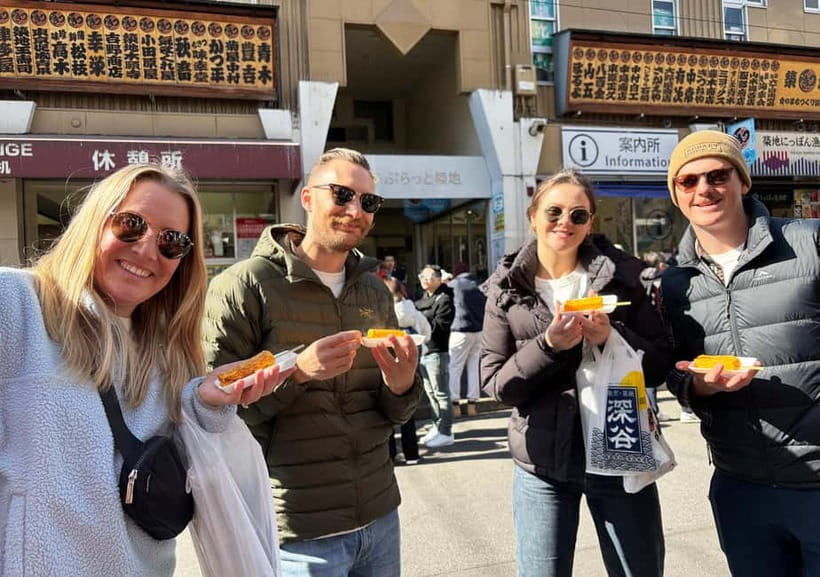
Most of the activity takes place in the outer market, with roughly 80 minutes for walking, explanations, and food tasting. That is enough time to try several items, ask questions, and pause at shops, but it is not enough to inspect every lane or vendor.
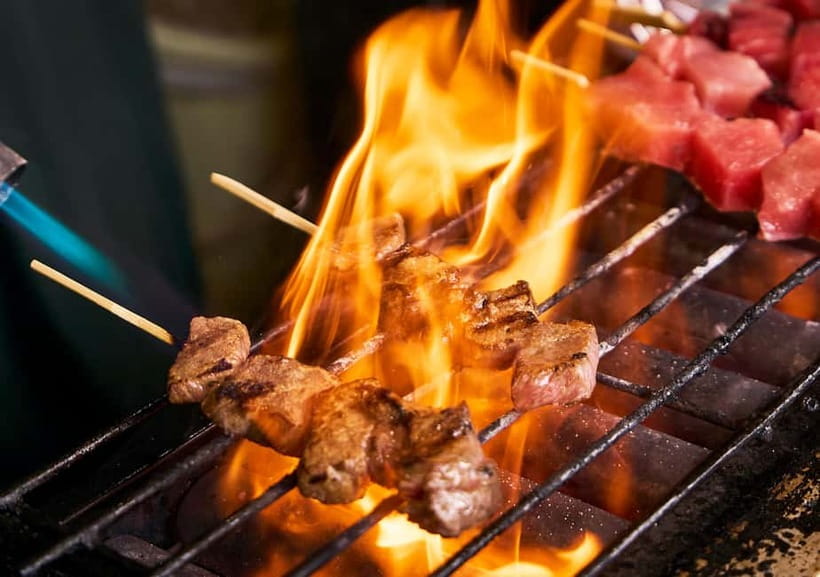
Expect to see seafood, traditional Japanese ingredients, specialty spices, and prepared foods. The precise tasting route can change with shop hours, availability, and your group’s preferences. That flexibility is a strength. Guides have directed people toward tuna sushi, eel, grilled scallops, wagyu skewers, octopus, fish cake, omelet, dumplings, and other market foods.
The food is served in small portions or individual purchases, so you can decide how adventurous or hungry you want to be. One useful feature is that you are not locked into a fixed menu. If you dislike a certain ingredient, have an allergy, or simply want to focus on seafood, tell the guide early.
The market also works well for shoppers. You might find rice snacks, cooking ingredients, ceramics, and specialty products to take back to your accommodation or home. Guides have helped people identify what an ingredient is used for and how it is prepared, which can be more useful than simply seeing a Japanese label you cannot read.
The market portion is not a formal cooking class, but it does offer a close look at Japanese food preparation. You may see fish being cut, learn about preservation methods, or watch how a vendor presents an ingredient for eating. Some groups have enjoyed a fish-cutting demonstration, while others have focused more on tasting and shopping.
Tuna, wagyu, wasabi, and the value of small bites
The most praised feature of the tour is the food. Fresh tuna and sushi are natural highlights, but the route can include a broader selection than seafood alone. Wagyu, grilled scallops, eel, skewered octopus, fish cake, omelet, and dumplings give you a useful spread of textures and flavors.
The special wasabi set is a particularly nice touch. Freshly grated wasabi has a cleaner heat and more aromatic character than the familiar green paste served with many inexpensive sushi meals. Used carefully, it sharpens the flavor of tuna and other foods without drowning them.
Preservation is another important theme. Japanese food culture often relies on methods that develop flavor over time, and the guide explains how these techniques can increase umami. You gain a better understanding of why dried, cured, fermented, or otherwise preserved ingredients are so important in Japanese cooking.
Do not assume every bite is included as a large set meal. The tour includes food tasting, but the market also offers many optional purchases. Several people have appreciated being able to spend as much or as little as they wished. Bring cash so you can take advantage of a stall that catches your eye, and keep a little room in your appetite for an unexpected recommendation.
At the $22 price, the value is strong. You are paying for a two-hour English-language guide, the temple visit, market orientation, food guidance, and tastings. A self-guided visit can cost less if you only browse, but the price difference is modest when you consider the time saved and the help with unfamiliar foods.
More Market Tours in Tokyo
- Tokyo: Tsukiji Fish Market Food and Walking tour
★ 5.0 · 1,724 reviews - Tokyo: Tsukiji Fish Market Guided Walking Tour
★ 4.9 · 1,397 reviews - Tsukiji Fish Market Guided Tour and Sushi Making with Pro Chef
★ 5.0 · 775 reviews - Tokyo: Tsukiji Fish Market Food and Culture Walking Tour
★ 4.7 · 757 reviews
The guides make the difference
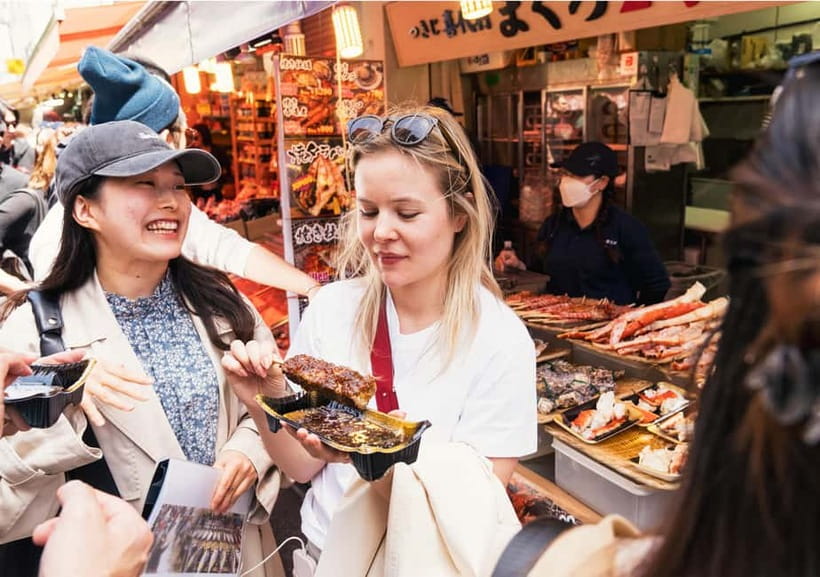
This tour depends heavily on the person leading it. Fortunately, the guide team receives consistent praise for friendly service, clear English, and strong knowledge of the market area.
Kawa is often singled out for detailed explanations and for adjusting the route to individual preferences. George is praised for his English, local food suggestions, and ability to direct people toward good food at reasonable prices. Mao has helped hesitant eaters feel comfortable trying unfamiliar dishes, while Tomo is noted for warmth, food advice, and tailoring the route to the group.
Chihiro has explained temple customs, market history, and food choices with an easy manner. Kenny has been especially good at making an intimate tour feel personal, taking photos and helping people avoid long waits. Other guides, including Naoto, Daichi, Ayaka, Kaana, Mal, and Keni, have also been praised for their patience and practical recommendations.
That range of names tells you something useful: the company has several strong guides, but your exact experience will depend on who is assigned that day. The common thread is personal attention rather than a memorized speech. Guides have answered questions about ingredients, cooking methods, local customs, and where to shop after the tour.
A guide can also help with the social side of eating in Japan. You may be unsure how to order, how much wasabi to use, or whether a food is eaten hot or cold. A quick explanation removes the guesswork.
Choosing the right day and time
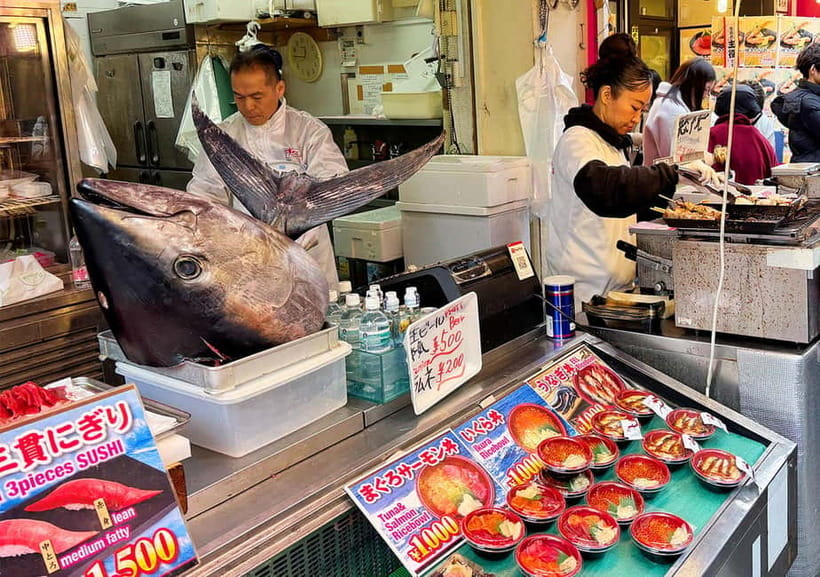
The biggest planning issue is the market calendar. On Wednesdays, Sundays, and national holidays, about half of the Tsukiji Outer Market shops may be closed. The tour can still operate, but the route and food selection will differ from a normal day.
If you have flexibility, choose a day when more stalls are open. That gives you a fuller look at the market and improves your chance of seeing demonstrations or finding a wider range of ingredients. One group specifically wished it had avoided Wednesday because fewer shops were operating.
The tour lasts two hours, and starting times depend on availability. Check the schedule before booking because an early or later departure can change the feel of the market. The supplied information does not promise a particular fish-cutting demonstration, vendor, or tasting list, so treat those as possible highlights rather than guarantees.
The experience is wheelchair accessible, which is useful in principle, though market lanes and crowds can still make movement more complicated than in a standard museum or temple. If you use a wheelchair, contact the provider for current route details before booking.
How this compares with exploring alone
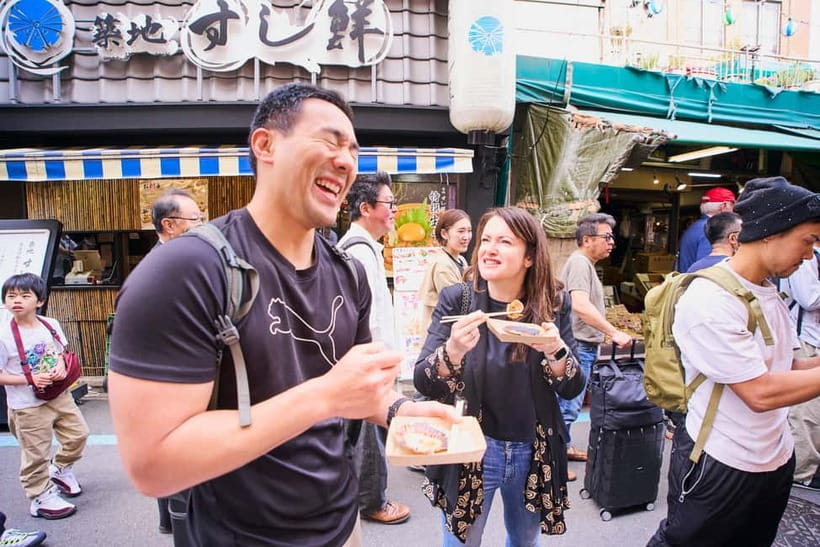
You can visit Tsukiji without a guide. The area is easy to recognize, and wandering between food stalls can be enjoyable. If you have plenty of time, enjoy researching ingredients, and are comfortable ordering without much explanation, a self-guided visit may suit you.
The tour earns its price through efficiency and interpretation. In two hours, you visit the temple, learn how to approach the market, taste several foods, and receive suggestions for later browsing. You also avoid spending your first hour wondering which stall is worth the queue.
The guide does not remove all the market’s spontaneity. You still see the lanes, smells, displays, and shop activity for yourself. Instead, you get a helpful companion who can explain what you are looking at and steer you toward choices that fit your budget.
For a first Tokyo visit, I think the guided option is the better use of time. For a repeat visit, you might prefer to explore alone after taking this tour once, using the guide’s advice to return to shops that suited you.
Who will enjoy this Tsukiji food tour
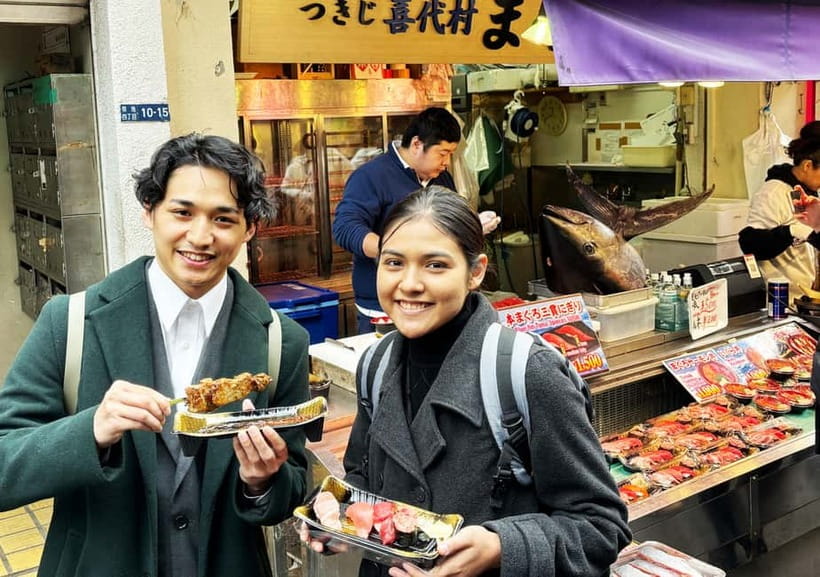
This is a good match for first-time visitors to Tokyo who want food and culture in one compact experience. It also suits people who are curious about Japanese ingredients but do not know where to begin.
You will get the most from it if you:
- Enjoy tasting several small portions rather than one large meal
- Want explanations in English
- Like trying seafood, wagyu, and traditional snacks
- Prefer local guidance when shopping for unfamiliar ingredients
- Have only a few hours for Tsukiji
- Want temple customs included with the food experience
It may be less suitable if you want a long sit-down meal, a fixed tasting menu, or a wholesale fish auction visit. The schedule is built around walking through the outer market, and the food stops can change.
People with strict dietary limits should ask about available options before booking. The supplied details confirm a range of foods but do not provide a complete allergy, vegetarian, vegan, or religious-diet menu.
Practical advice for a smooth visit
Bring cash. It is specifically required advice for this experience, and cash gives you the freedom to buy extra bites or market goods without hesitation.
Wear comfortable shoes and keep your belongings manageable. You will spend about two hours walking, standing, eating, and moving through market lanes. Summer heat can also matter. One guide made a point of finding shade for the group during a 30-degree day, but light clothing, water, and sun protection remain sensible choices.
Do not eat a heavy breakfast. You may try tuna, sushi, eel, grilled seafood, wagyu, dumplings, and sweets or snacks depending on the route. Small portions add up quickly.
Tell your guide what you like before the food stops begin. Good guides have adjusted recommendations for personal preferences and encouraged cautious eaters without pressuring them. If you want more seafood, less meat, fewer unfamiliar items, or time to shop, say so.
Meeting details deserve attention. There are two listed starting options at Tsukiji Hongwanji, and the meeting point may vary with the option booked. One person experienced some confusion but was contacted by the guide and successfully met the group, so double-check the exact instructions rather than relying only on the temple name.
Free cancellation is available up to 24 hours before the tour for a full refund, and you can reserve now and pay later. Those terms are helpful if your Tokyo schedule is still shifting.
Should you book the Tsukiji walking tour?
I would book this tour if you want an affordable, friendly introduction to Tsukiji with real food and useful cultural context. The best reasons are the fresh wasabi, the broad range of possible tastings, and the guides’ ability to explain what you are eating rather than simply pointing at it.
Choose a day other than Wednesday, Sunday, or a national holiday whenever possible. You will have a better chance of seeing more open shops and a wider selection of food.
Skip it if you prefer to wander slowly on your own or want a formal restaurant meal. Otherwise, $22 for two hours, an English-speaking guide, temple visit, market orientation, and tastings is excellent value. For many people, this is an easy way to get their bearings in Tsukiji before returning later to shop independently.
FAQ
How long does the Tsukiji Fish Market tour last?
The tour lasts two hours. The planned schedule includes about 20 minutes at Tsukiji Hongwanji Temple, about 80 minutes in the outer market with food tasting, and another 20 minutes in the market area.
What is the price of the tour?
The listed price is $22 per person.
Is food included in the experience?
Food tasting is included as part of the tour. You may also wish to bring cash for additional food or market purchases, since the route includes optional stalls and shops.
What foods might I try?
Possible foods include fresh tuna, sushi, eel, grilled scallops, wagyu, skewered octopus, fish cake, omelet, dumplings, and other traditional market foods. The exact selection can vary.
Is fresh wasabi included?
The guide provides a special wasabi set, and several tour experiences have included freshly grated wasabi. It is intended to enhance the flavor of the food.
Does the tour visit Tsukiji Hongwanji Temple?
Yes. The experience includes a guided visit to Tsukiji Hongwanji Temple, which takes about 20 minutes.
Is the tour offered in English?
Yes. It includes a live English-speaking guide.
What happens if I book on a Wednesday, Sunday, or national holiday?
About half of the Tsukiji Outer Market shops may be closed on those days. The tour can still operate, but the route and overall experience may differ from usual.
Is the tour wheelchair accessible?
Yes, the activity is listed as wheelchair accessible.
Can I cancel the tour for a refund?
You can cancel up to 24 hours in advance for a full refund. You can also reserve now and pay later, according to the supplied booking terms.
More Fish Market Tours in Tokyo
- Tokyo Sushi Making Class in Tsukiji with Professional Chef
★ 5.0 · 1,177 reviews - Tsukiji Fish Market: Street Food & Culture Walking Tour
★ 5.0 · 669 reviews - Tsukiji Fish Market Small-Group Food Walking Tour
★ 5.0 · 621 reviews - Tokyo: Tsukiji Fish Market Sushi Making Class with Pro Chef
★ 4.9 · 506 reviews
More Walking Tours in Tokyo
- Tokyo: Imperial Palace and Shogun Historical Walking Tour
★ 5.0 · 2,251 reviews - Tokyo: Shinjuku Local Bar and Izakaya Guided Walking Tour
★ 4.9 · 1,794 reviews - Tokyo: Asakusa Walking Tour with Sensoji Temple Visit
★ 4.8 · 1,583 reviews - Tokyo Castle & Imperial PalaceーShogun Walking Tour
★ 4.7 · 1,068 reviews
Just added around Tokyo
- Tokyo Small Group Tour with Guide★ 4.5 · 38 reviews
- Tokyo 6hr Instagram Highlights Private Tour with Licensed Guide★ 5.0 · 38 reviews
- Tokyo Sumo Experience with Live Show & Audience Challenge★ 5.0 · 38 reviews
- Very popular in Harajuku♡Animal petting zoo★ 4.6 · 39 reviews
- Japanese Food Cooking Class in Asakusa, Tokyo★ 5.0 · 39 reviews
- Ramen Making from Scratch with Tokyo Mom(Vegan Option Available)★ 5.0 · 39 reviews
- Tokyo: Kimono Rental inside Shinjuku Gyoen National Garden★ 4.9 · 39 reviews
- Tokyo JDM Night: 600hp C63s AMG Edition 1 (Private)★ 4.9 · 39 reviews
Fish Market Tours, compared.

Tokyo Tsukiji Fish Market Food and Culture Walking Tour
Read our review →


Tokyo Sushi Making Class in Tsukiji with Professional Chef
Read our review →
Tsukiji Fish Market Guided Tour and Sushi Making with Pro Chef
Read our review →Tsukiji Fish Market Food and Culture Walking Tour
Read our review →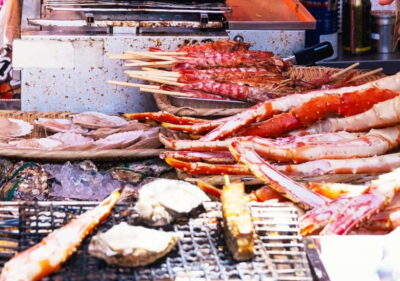
Tsukiji Fish Market: Street Food & Culture Walking Tour
Read our review →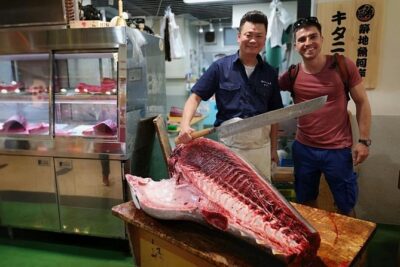
Tsukiji Fish Market Small-Group Food Walking Tour
Read our review →Browse the lists this tour appears in