
Reviewed · SUSHI-MAKING CLASSES
Tokyo Sushi Making Class in Tsukiji with Professional Chef
Sushi tastes better when you make it. This 90-minute class places you in a traditional Japanese building near Tsukiji’s famous market, where a professional sushi chef demonstrates fish preparation, knife skills, nigiri, and rolled sushi. You then eat what you make, which turns a simple cooking lesson into a fresh Japanese lunch.
I like the class’s hands-on format and its convenient location beside the Tsukiji markets. I also like the friendly English-speaking support, with hosts such as Yuko, Yugo, Kanon, and Emma praised for making the chef’s instruction easy to follow. The main drawback is practical: the classroom is on the third floor with no elevator, and allergy requests may not always be possible to meet.
In This Review
- Key points at a glance
- Why this short Tsukiji class works so well
- Finding the class in the Tsukiji market area
- Stop 1: Tsukiji Fish Market and the fish-cutting show
- Stop 2: Tsukiji Jogai Market and the ingredients
- Stop 3: Tsukiji Nippon Fish Port Market and the local setting
- Making five nigiri and one rolled sushi
- Eating your own sushi for lunch
- English instruction and the human touch
- The price and what you receive for $49.74
- Important practical details before you book
- Who will enjoy this sushi class most?
- Should you book the Tsukiji sushi class?
- FAQ
- How long does the sushi-making class last?
- Where does the class meet?
- What sushi will I make?
- Is the class taught in English?
- Is hotel pickup included?
- Can the class accommodate allergies or halal and kosher requests?
Key points at a glance
- Five nigiri and one roll: You prepare six pieces or styles of sushi, then eat your own work.
- A real fish-cutting demonstration: The chef shows how fish is prepared and explains the Japanese knives used.
- A traditional Tsukiji setting: The classroom is in a classic Japanese-style building near the Outer Market.
- English help throughout: A host assists with translation and guides beginners through each step.
- A useful 90-minute activity: It fits neatly into a morning or afternoon in Tokyo.
- A few limits to plan around: The room is upstairs, the group can reach 20 people, and hotel transport is not included.
Why this short Tsukiji class works so well
Tokyo offers enough food activities to fill an entire holiday. Some require half a day, a long train ride, or a serious appetite. This one keeps things simple. You make your own way to Tsukiji, spend about an hour and a half learning from a sushi master, and finish with lunch.
That short length is a real advantage. You can schedule it before exploring the market, after a morning there, or between other central Tokyo sights. Since the class ends back at its starting point, you do not have to arrange a second pickup.
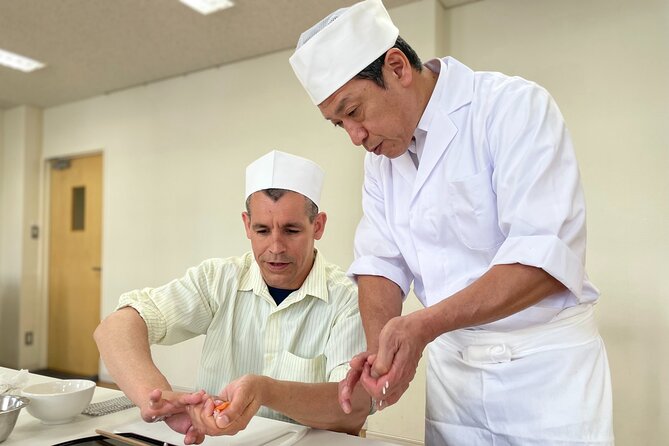
I especially like the way the lesson combines explanation with action. You do not just watch a chef shape rice. You see how fish is handled, hear about sushi and its place in Japanese food culture, and then try the techniques yourself. The chef and support staff help as you work, so beginners are not left to guess why their rice is falling apart or their roll is coming loose.
The class has received a 5 out of 5 rating from 1,177 ratings, with a 99 percent recommendation rate. That suggests a very consistent experience, though you should still judge it against your own needs. It is a beginner-friendly introduction, not a full professional culinary course.
More Sushi-Making Classes in Tokyo
- Sushi Making Tokyo Roll and Authentic Japanese Sushi Class
★ 5.0 · 3,971 reviews - Tokyo: Roll and Authentic Sushi Making Class in Asakusa
★ 4.9 · 1,957 reviews - Make Sushi and Create Unforgettable Memories in Tokyo
★ 5.0 · 1,413 reviews
Finding the class in the Tsukiji market area
The meeting point is at 4-chōme-16-2 Tsukiji, Chuo City, Tokyo 104-0045. The activity is near public transportation, but you should allow time to find the exact building. Tsukiji is made up of narrow streets, food stalls, shops, and market buildings, so the area can feel confusing on a first visit.
This is part of the fun. You are not meeting at a generic hotel conference room. You are entering a local market district that has long been linked with Tokyo’s seafood culture. The classroom is described as a traditional Japanese-style space inside a local building, which gives the lesson a more grounded setting than a polished tourist kitchen.
The setting also makes the class easy to combine with the Tsukiji Outer Market, officially known as Tsukiji Jogai Market. You can arrive early to look around, but do not fill up on snacks before class. Your finished sushi is intended to serve as lunch, and you will want room to enjoy it.
Stop 1: Tsukiji Fish Market and the fish-cutting show
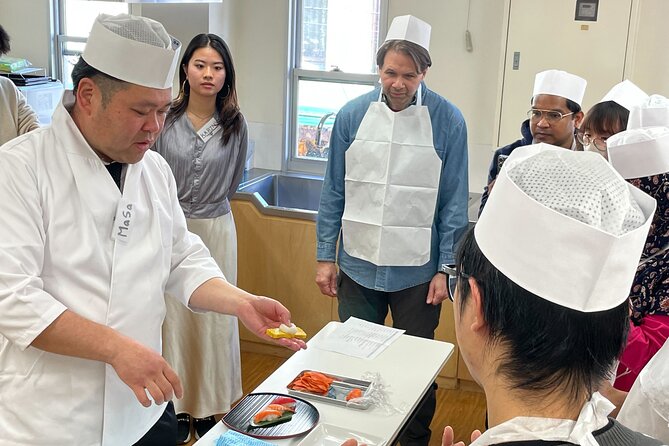
The first major part of the experience is the chef’s fish disassembly demonstration. This is more than a quick flourish before the cooking begins. You see the steps involved in preparing fish for sushi and learn why the knife matters so much.
For many people, this is the most revealing part of the lesson. Sushi can look simple on the plate, but the clean slices and precise shapes depend on preparation that most home cooks never see. The chef also explains Japanese knives, giving you a better sense of the tools behind the finished dish.
The demonstration is performed by a professional sushi master, with an English-speaking host helping explain the details. Names of hosts and chefs vary by session, but previous classes have included Chef Tanaka, Chef Kate, Yuko, Yugo, Kanon, Miky, Nao, AJ, Ishi, and Emma. The important point is that the language support is built into the class rather than left to chance.
You should expect to watch closely at first. The demonstration gives you a visual guide for the work that follows, so pay attention to how the chef handles the fish, rice, and knife. You will not be expected to reproduce every professional movement. The goal is to understand the basic method and make sushi you can proudly eat.
Stop 2: Tsukiji Jogai Market and the ingredients
The class uses fresh ingredients and utensils sourced from local market shops. That gives the food a direct connection to Tsukiji rather than making the market merely a backdrop for photographs.
The Outer Market is one of Tokyo’s best places to see the food side of the city. Even if you do not study every shop, you can appreciate the link between the ingredients on your worktable and the stalls outside. This helps explain why location matters here. The class would still teach sushi in another neighborhood, but Tsukiji gives the lesson a stronger sense of place.
The chef explains different types of sushi before focusing on the two forms you will prepare: nigiri sushi and rolled sushi. Nigiri is the familiar hand-shaped mound of rice topped with fish or another ingredient. Rolled sushi uses nori and fillings shaped into a maki-style roll.
The ingredients are prepared for the class, so this is not a market-shopping exercise. You are there to learn the techniques, not to search for individual fish or negotiate with vendors. Still, the nearby market helps make the food feel connected to the neighborhood.
More fish market tours in Tokyo:
- Tokyo Tsukiji Fish Market Food and Culture Walking Tour
★ 5.0 · 3,184 reviews - Tokyo: Tsukiji Fish Market Food and Walking tour
★ 5.0 · 1,724 reviews - Tokyo: Tsukiji Fish Market Guided Walking Tour
★ 4.9 · 1,397 reviews - Tsukiji Fish Market Guided Tour and Sushi Making with Pro Chef
★ 5.0 · 775 reviews
Stop 3: Tsukiji Nippon Fish Port Market and the local setting
The itinerary also identifies the Tsukiji Nippon Fish Port Market area. Together with the Fish Market and Outer Market, it places the experience in the working food district around Tsukiji.
Do not expect a long guided walking tour of every market section. The central activity is the sushi class, and the market stops provide the setting and context. If you want extensive market exploration, plan extra time before or after the class.
That is one reason this activity works well in a larger Tokyo schedule. You can treat the class as the anchor for a Tsukiji visit, then continue on your own. Since there is no hotel pickup, transportation between other attractions is also your responsibility.
Making five nigiri and one rolled sushi
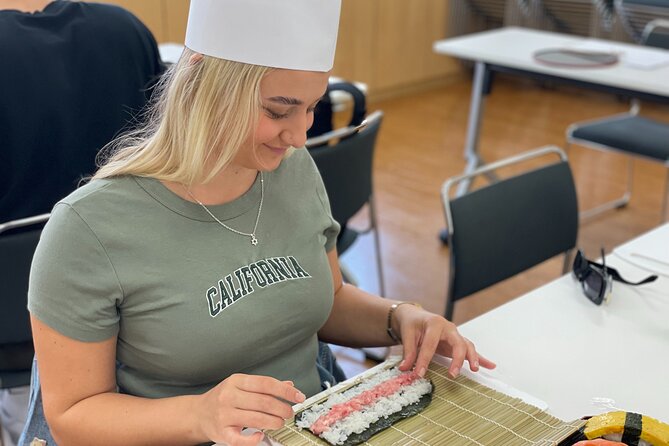
After the demonstration and introduction, you begin the practical lesson. The chef takes you through the proper steps for shaping nigiri and making a roll. The staff helps one step at a time, which matters because sushi rice has a habit of making beginners feel less skilled than they expected.
You will make five different nigiri sushi and one rolled sushi. That is enough variety to teach the basic ideas without turning the session into a race. You get repeated practice with nigiri, then a change of pace with the rolled version.
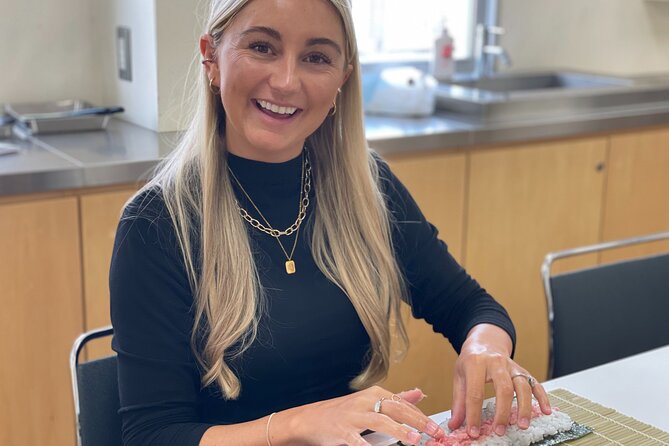
This is not a class where you sit at the back and watch someone else do the work. You handle the utensils, shape the rice, add the fish, and assemble the roll. The finished pieces may not have the perfect uniformity of a sushi counter, but that is part of the charm. The staff is there to help you produce attractive, edible sushi, not to judge your first attempt.
Several details add value:
- You learn how to handle sushi rice.
- You practice the shape and size of nigiri.
- You learn the basic steps for rolled sushi.
- You work with proper utensils and tableware.
- You receive help from the chef when your technique needs correction.
- You learn about wasabi, including expertly prepared fresh wasabi served with the meal.
The class is suitable for first-timers. It also works for people who already eat sushi but want to understand what happens before the plate arrives. The lesson gives you enough skill to try making sushi at home, though you will still need suitable ingredients and tools.
Eating your own sushi for lunch
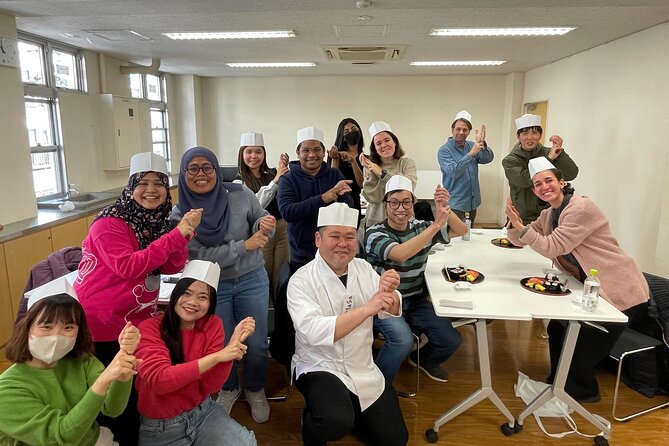
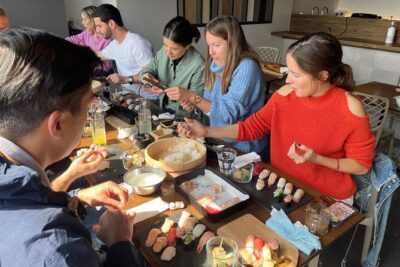
The best reward comes at the table. You eat the sushi you have prepared, including the five nigiri and one roll. This makes the food feel more personal than a standard tasting menu. You remember the awkward rice shaping because it is sitting right in front of you.
While you eat your own creations, the sushi master prepares another serving. Fresh wasabi is included, adding a sharper and more direct flavor than the mild green paste found in many casual restaurants.
Arrive with a moderate appetite. One participant gave the useful advice to leave your stomach slightly empty because the sushi is part of the activity, not an extra snack. The food is meant to function as lunch, but the exact amount may not satisfy someone expecting a large restaurant meal.
The eating portion also gives you a chance to compare your work with the chef’s. That is a nice teaching moment. You see how professional shaping, rice portions, and toppings affect the final appearance, while still getting to enjoy your own handmade version.
English instruction and the human touch
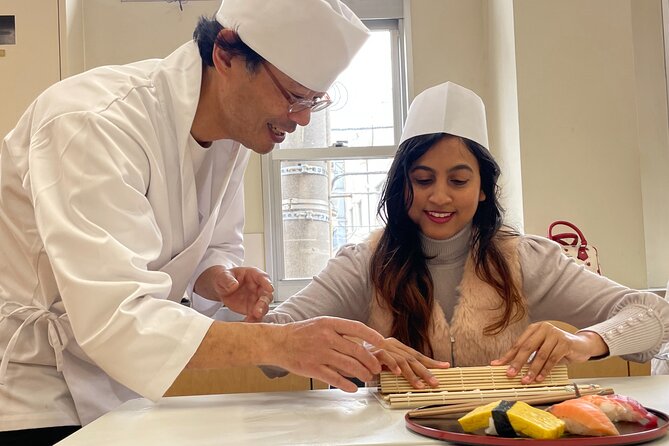
The English-speaking host is a key part of the experience. The sushi chef may focus on the hands-on work and technical demonstration, while the host translates, explains, and keeps the session moving.
That arrangement has received strong praise. Hosts such as Yuko and Yugo have been described as clear, warm, and lively, while Chef Tanaka and Chef Kate have been praised for making the technical parts approachable. Other sessions have included Kanon, Emma, Nao, AJ, Miky, and Ishi.
You should not book this expecting a formal lecture. The tone is friendly and practical. Families with children have found the class easy to enjoy, and the hands-on format can encourage younger participants to try sushi they might otherwise avoid. One especially useful benefit is that children get to make their own rolls and nigiri, turning an unfamiliar food into something they helped create.
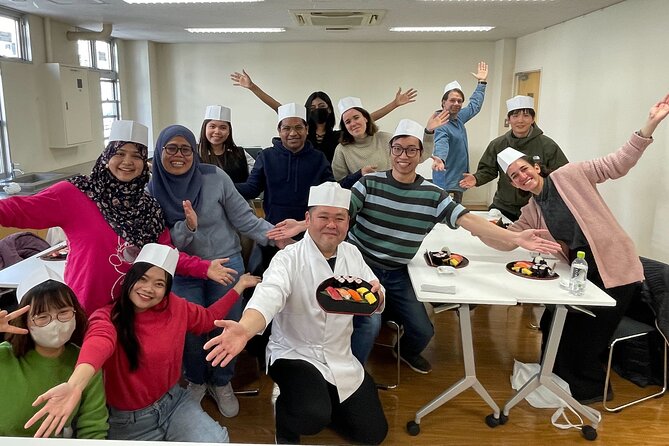
The maximum group size is 20 people. That is not a tiny private lesson, so the amount of personal attention can vary. Still, the chef and assistants provide step-by-step help, and the intimate traditional room has been appreciated for keeping the activity personal.
The price and what you receive for $49.74
At $49.74 per person, this is a fair price for a central Tokyo food activity. You are paying for a professional chef, an English-speaking host, fresh market-sourced ingredients, utensils, instruction, and a meal of five nigiri plus one roll.
The value is strongest if you were already planning to visit Tsukiji. You do not need a separate restaurant lunch immediately afterward, and the lesson gives you a cultural experience that a simple sushi meal cannot provide. You also leave with a practical skill and photographs of your finished sushi may be possible, depending on the session and staff.
The value is weaker if you want a full market tour, a large meal, or advanced chef training. This is a compact introduction. It does not include hotel pickup, transportation, extra food, or drinks. You make your own way to Tsukiji and cover anything outside the listed sushi meal.
The free cancellation policy is helpful: you can receive a full refund if you cancel at least 24 hours before the start time. Changes or cancellations made less than 24 hours before the activity are not accepted for a refund, and the cutoff follows Tokyo local time.
Important practical details before you book
The classroom is on the third floor of a traditional building and is reached only by stairs. If stairs are difficult for you, this activity may not be a good fit.
Tell the operator about food allergies when you reserve. The team will try to accommodate allergy-related requests, but it cannot guarantee that every request will be possible. Halal and kosher requests are not accommodated.
The activity is scheduled for about 90 minutes, but it may run beyond the stated ending time. Do not book a tight appointment immediately afterward. This is particularly important if you have a train, show, restaurant reservation, or timed attraction planned across town.
You receive confirmation at booking, and the ticket is mobile. The tour ends back at the meeting point, which makes it easier to continue exploring Tsukiji or return to nearby transportation.
Who will enjoy this sushi class most?
I would recommend it most strongly to:
- First-time sushi makers
- Japanese food fans
- Families with children
- Couples looking for a shared activity
- People who want a meal and cultural lesson together
- Anyone with a free morning or afternoon near Tsukiji
- Visitors who want to learn a skill they can try at home
It is also a good rainy-day plan because most of the activity takes place indoors. The market area remains interesting in poor weather, but bring appropriate clothing if you plan to explore outside before or after class.
I would think twice if you need strict dietary control, cannot manage stairs, or want a long, advanced cooking course. The class centers on fish, rice, wasabi, and standard sushi preparation, so it is not designed around halal or kosher requirements.
Should you book the Tsukiji sushi class?
Book it if you want a friendly, practical introduction to sushi in a genuine market district. The 90-minute length is easy to fit into a Tokyo itinerary, and the combination of fish preparation, hands-on practice, fresh ingredients, and lunch makes the price sensible.
The best plan is to visit Tsukiji with an appetite, arrive early enough to find the meeting point, and leave open time afterward. You will get the most from the class if you treat the imperfect pieces as part of the fun, listen closely to the chef, and enjoy the fact that lunch came from your own hands.
FAQ
How long does the sushi-making class last?
The class lasts approximately 1 hour and 30 minutes. The activity may run beyond the scheduled ending time, so avoid making an appointment immediately afterward.
Where does the class meet?
The meeting point is at 4-chōme-16-2 Tsukiji, Chuo City, Tokyo 104-0045, Japan. The activity ends back at the same meeting point.
What sushi will I make?
You will make five different nigiri sushi and one rolled sushi. You will then eat the sushi you prepare as part of the experience.
Is the class taught in English?
Yes. An English-speaking host assists with the lesson, alongside a professional sushi master.
Is hotel pickup included?
No. Hotel pickup and drop-off are not included. You must make your own way to the meeting point, and transportation to or from other attractions is also not included.
Can the class accommodate allergies or halal and kosher requests?
You should report allergies when making your reservation. The operator will try to accommodate allergy-related requests, but cannot guarantee every request. Halal and kosher requests are not accommodated.
Just added around Tokyo
- Tokyo 6hr Instagram Highlights Private Tour with Licensed Guide★ 5.0 · 38 reviews
- Tokyo Small Group Tour with Guide★ 4.5 · 38 reviews
- Tokyo Sumo Experience with Live Show & Audience Challenge★ 5.0 · 38 reviews
- Japanese Food Cooking Class in Asakusa, Tokyo★ 5.0 · 39 reviews
- Very popular in Harajuku♡Animal petting zoo★ 4.6 · 39 reviews
- Ramen Making from Scratch with Tokyo Mom(Vegan Option Available)★ 5.0 · 39 reviews
- Tokyo JDM Night: 600hp C63s AMG Edition 1 (Private)★ 4.9 · 39 reviews
- Tokyo: Kimono Rental inside Shinjuku Gyoen National Garden★ 4.9 · 39 reviews
Sushi-Making Classes, compared.
Sushi Making Tokyo Roll and Authentic Japanese Sushi Class
Read our review →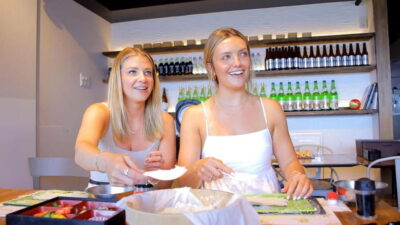
Roll and Authentic Sushi Making Class in Asakusa
Read our review →
Make Sushi and Create Unforgettable Memories in Tokyo
Read our review →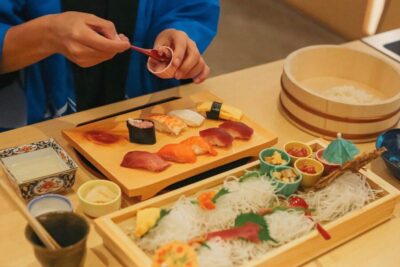
Sushi Making Class in a Happi Coat near a Famous Spot
Read our review →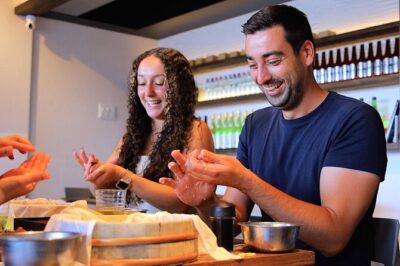
Sushi Making Osaka Roll and Authentic Japanese Sushi Class
Read our review →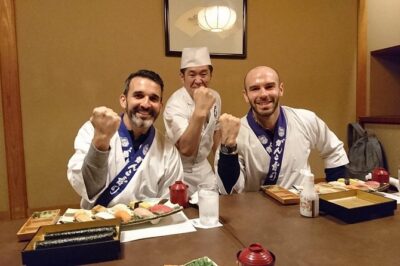
Tsukiji Fish Market Guided Tour and Sushi Making with Pro Chef
Read our review →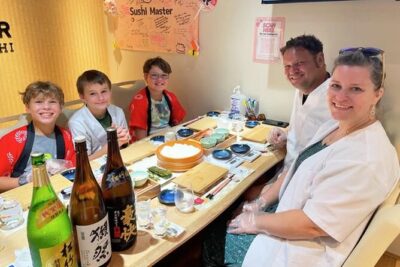
Sushi Making in Kyoto! Same-day bookings welcome!
Read our review →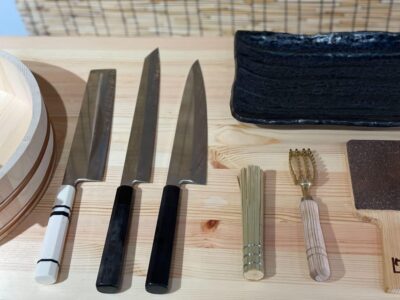
Tsukiji Fish Market Sushi Making Class with Pro Chef
Read our review →Browse the lists this tour appears in