
Reviewed · SUSHI-MAKING CLASSES
Tokyo: Roll and Authentic Sushi Making Class in Asakusa
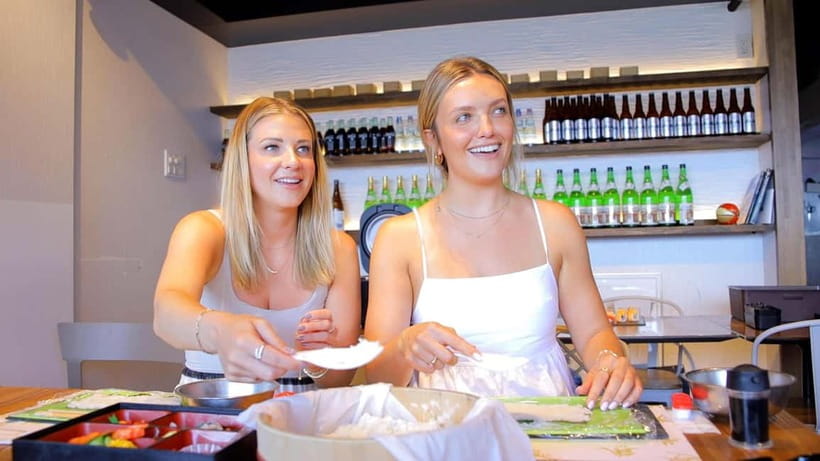
Sushi school meets Tokyo sightseeing. This 100-minute class in historic Asakusa gives you a hands-on way to learn about sushi, make both maki rolls and nigiri, and eat the results near Sensoji Temple and Tokyo Skytree. I especially like the lively teaching style and the chance to join in as a solo visitor, couple, or family. The main consideration is time: some people may find the session slightly rushed, especially if you want to practice each technique slowly.
The English-speaking instructors make the class easy to follow, even for complete beginners. I also like that the experience includes a lighthearted sushi-history quiz instead of treating food culture like a lecture. The format is cheerful and social, though the clapping and energetic presentation may feel more tourist-friendly than traditional to visitors seeking a quiet Japanese cooking lesson.
In This Review
- Key points to know before booking
- Why Asakusa is the right place for a sushi class
- The welcome: an easy start for first-time sushi makers
- The sushi quiz: history without the lecture hall
- Making maki sushi: the most forgiving part
- Making nigiri: where the real challenge begins
- Fresh ingredients and the reward at the table
- What the $58 price gets you
- Timing, pace, and the small drawbacks
- Dietary needs and accessibility
- Who should book this Asakusa activity?
- Should you book the sushi class?
- FAQ
- How long does the sushi-making class last?
- How much does the experience cost?
- Where does the class meet?
- Is the class taught in English?
- What types of sushi will I make?
- Do I need previous sushi-making experience?
- Can the class accommodate dietary requirements?
Key points to know before booking
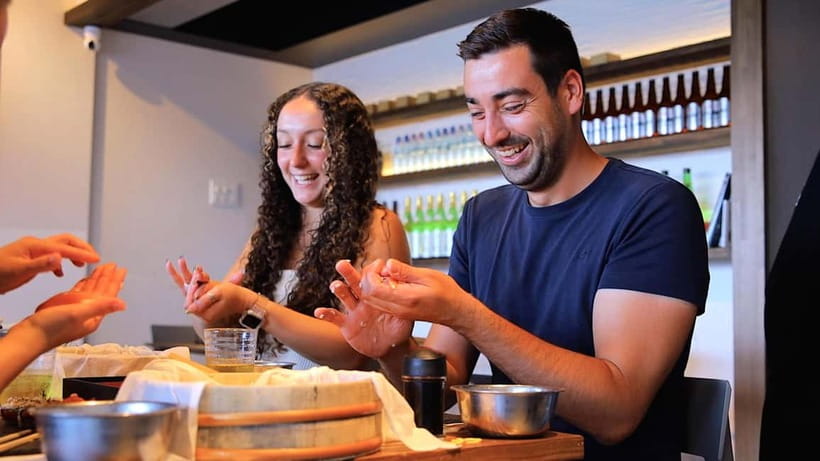
- Make two sushi styles: You prepare maki sushi rolls and authentic Japanese nigiri sushi, then eat what you create.
- Learn through play: A quiz introduces the history and development of sushi before the practical work begins.
- Three minutes from Asakusa Station: The class is easy to pair with Sensoji Temple, Nakamise-dori, and Tokyo Skytree.
- Friendly English instruction: Guides such as Hitomi, Moe, Jun, Kaori, Ken, and Ryouko are praised for clear explanations and warm encouragement.
- Suitable for solo visitors and families: The upbeat format works well for children, teenagers, couples, and people attending alone.
- Dietary requests need advance notice: Vegan, vegetarian, gluten-free, halal, and allergy accommodations are available, but changes must be arranged during booking.
Why Asakusa is the right place for a sushi class
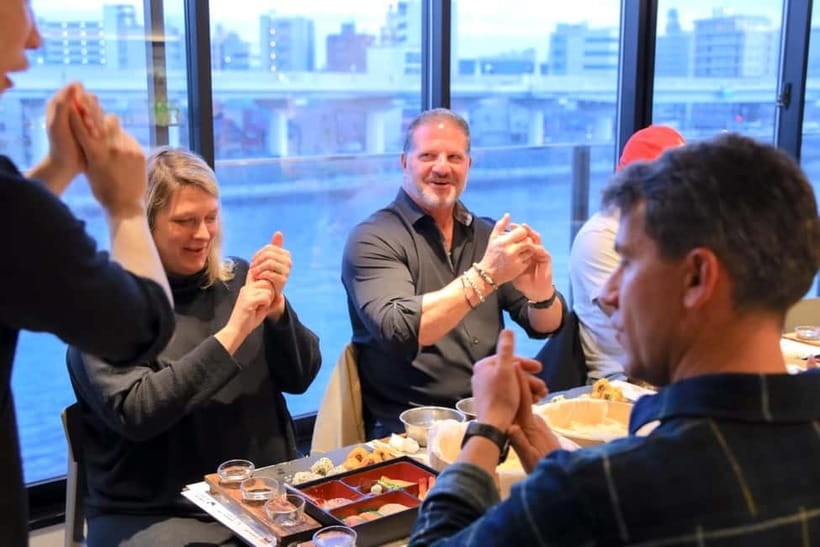
Asakusa gives this food activity a useful sense of place. You are not heading to an anonymous cooking studio far from the sights. The meeting point is about three minutes from Asakusa Station and close to Sensoji Temple, so you can build the class into a day of old Tokyo streets, temple grounds, and riverside views.
That location matters because Asakusa is one of the best areas in Tokyo for seeing a more traditional side of the city. You can visit Sensoji before class, make sushi, then walk toward the Tokyo Skytree area afterward. The class does not include transportation or hotel pickup, but the central meeting point makes that less of a problem.
I would avoid scheduling it at the exact moment you need to catch a train or timed attraction. The advertised duration is 100 minutes, while one family described its session as about 80 minutes and another person wished for an extra 30 minutes. Allow some breathing room around the class, especially if you are visiting with children or want to linger over your meal.
More Sushi-Making Classes in Tokyo
- Sushi Making Tokyo Roll and Authentic Japanese Sushi Class
★ 5.0 · 3,971 reviews - Make Sushi and Create Unforgettable Memories in Tokyo
★ 5.0 · 1,413 reviews - Tokyo: Sushi Making Class in a Happi Coat near a Famous Spot
★ 4.9 · 1,377 reviews
The welcome: an easy start for first-time sushi makers
You do not need prior cooking experience. The instructors guide you through the process in English, using explanations, demonstrations, and physical examples to show what to do. That combination is helpful because sushi looks simple from a restaurant table, but rice handling, filling placement, rolling, and shaping all require a little care.
The atmosphere is deliberately friendly. Guides are described as patient, funny, enthusiastic, and encouraging, with Hitomi, Moe, Jun, Kaori, Ken, Ryouko, Hide, Kazu, Kenshin, and others singled out for making the class comfortable. Names may vary by session, but the teaching style appears consistent: plenty of help, plenty of smiles, and no expectation that your first sushi will look perfect.
That is good news if you are traveling alone. One solo participant found the staff welcoming and enjoyed meeting other people in the class. You are not left standing awkwardly at the edge while families and couples do all the work.
The class also suits families. Parents described making sushi with children, and teenagers were considered a particularly good fit. The hands-on tasks give younger participants something to do, while the quiz and cultural explanations add enough substance for adults.
The sushi quiz: history without the lecture hall
The class begins with an interactive introduction to sushi history. Instead of simply listening to a long explanation, you take part in a lighthearted quiz that covers how sushi developed and how modern varieties differ from older forms.
I like this approach because it gives you useful context before you start handling the ingredients. You learn that sushi is more than raw fish placed on rice, and you get a clearer sense of the difference between maki and nigiri. One participant also appreciated learning about authentic sushi compared with varieties that developed outside Japan.
The quiz is not a serious academic lesson. It is designed to get the room talking and laughing. The energetic delivery, including clapping in some sessions, may not suit everyone. One person felt the presentation was a little too tourist-oriented and wished for a more distinctly Japanese tone. That is a fair caution. You are booking a social cooking activity, not a formal apprenticeship with a sushi chef.
Still, the history portion adds value. At $58 per person, the class would be less appealing if it were only a quick assembly exercise. The cultural background helps turn lunch into an introduction to one of Japan’s most familiar foods.
Making maki sushi: the most forgiving part
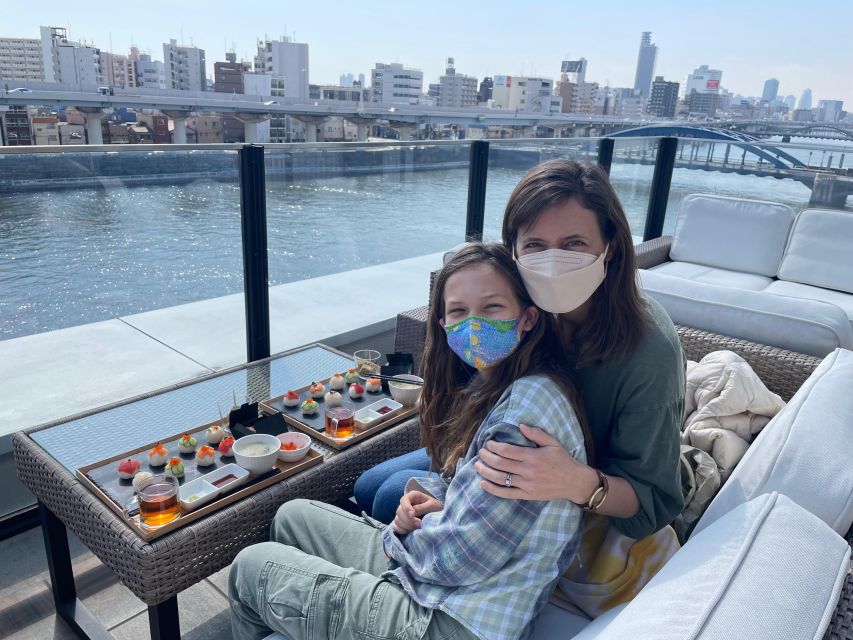
Maki sushi is the rolled variety. You work with sushi rice and fillings, arrange them on seaweed, and roll the ingredients into a finished piece. The instructors demonstrate each stage and then help you correct the common problems that beginners encounter.
This is usually the more forgiving of the two techniques because the bamboo mat and seaweed help hold everything together. Even so, the class lets you see why the proportions matter. Too much filling makes a roll difficult to close. Too much rice can overwhelm the other ingredients. A neat roll takes more control than it appears to require.
The teaching team receives particularly high marks for making the steps simple and humorous. That tone helps when your first roll is uneven or the filling shifts to one side. Instead of turning the exercise into a test, the instructors keep you moving and help you finish something worth eating.
You will make enough sushi for a proper meal rather than a single sample. Several people described having plenty of maki and nigiri, while one person wanted more rice. Portions can feel generous, but very hungry diners should not assume this replaces a large restaurant meal.
A completely different kind of day out in Tokyo:
- Mt Fuji and Hakone 1-Day Bus Tour Return by Bullet Train
★ 5.0 · 26,383 reviews - 1-Day Tokyo Bus Tour
★ 5.0 · 14,250 reviews - Tokyo: TOKYO SKYTREE® Admission ticket
★ 4.5 · 11,192 reviews - Tokyo: teamLab Planets TOKYO Digital Art Museum Entry Ticket
★ 4.6 · 9,779 reviews
Making nigiri: where the real challenge begins
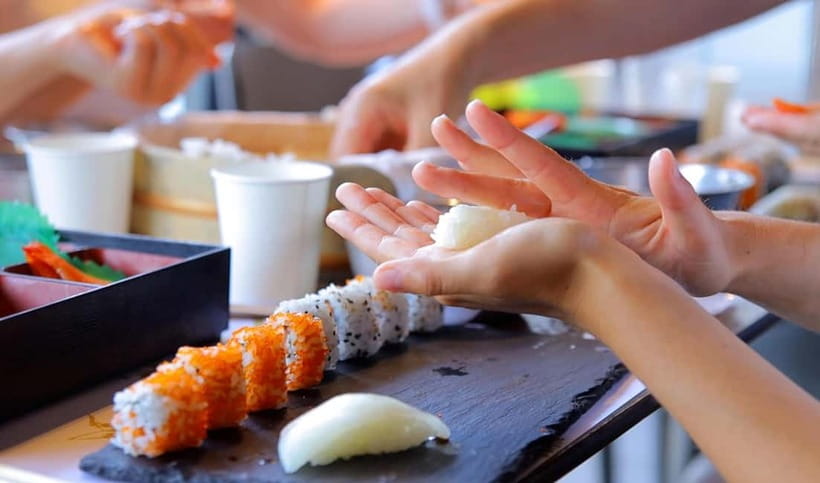
Nigiri is the hand-shaped sushi associated with a small mound of rice topped with fish or another ingredient. This is the part that can feel harder than it looks. You need to shape the rice without crushing it, keep the portion together, and place the topping neatly.
The class gives you a useful introduction to the balance involved. Nigiri is not about packing the rice into a tight ball. The texture and shape matter, and the instructors show you how to form each piece without overworking it.
This section is especially valuable because it brings you closer to the basic craft of sushi. You are not just rolling ingredients into a tube. You are learning how a sushi piece is assembled and why the rice, topping, and presentation need to work together.
Do not expect to leave with restaurant-chef precision. The goal is to understand the method and enjoy the process. Your pieces may look a little irregular, but that becomes part of the fun when you sit down to eat them.
Fresh ingredients and the reward at the table
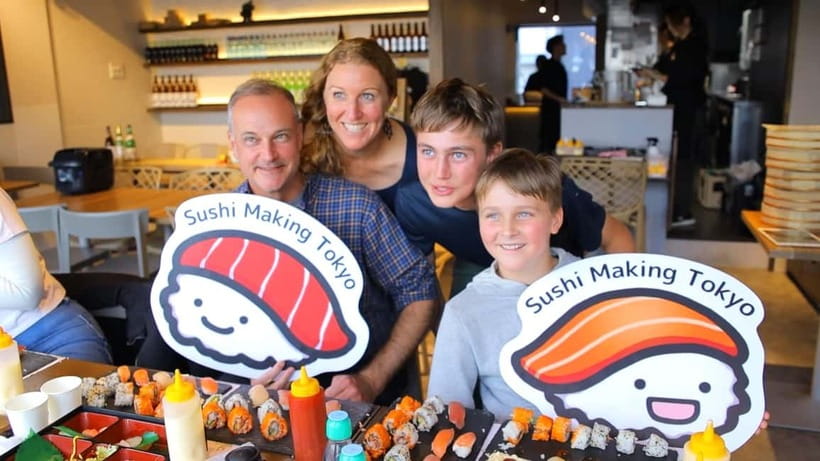
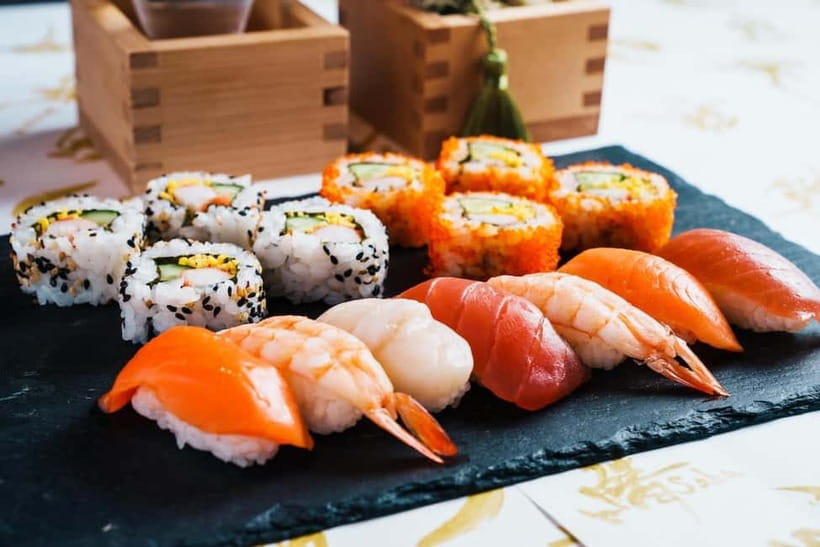
The strongest part of the experience is eating what you have made. The ingredients are described as fresh and high quality, and many participants particularly enjoyed the fish. You prepare both styles, then sit down with a substantial plate of your own maki and nigiri.
This changes the class from a demonstration into a meal. You can see the direct result of each step, compare your pieces with those of the people around you, and appreciate the difference between homemade sushi and the polished pieces served in a restaurant.
There is also a small lesson in taste here. When you make the sushi yourself, you pay more attention to the rice, the texture of the topping, and the proportion of filling. That awareness is one of the better souvenirs you can take home. Several people left eager to try making sushi again.
Some sessions may also have sake flights and beer available, according to participant experiences. Treat these as optional extras rather than part of the core package, since the included items are the cooking class, ingredients, and instructor.
What the $58 price gets you
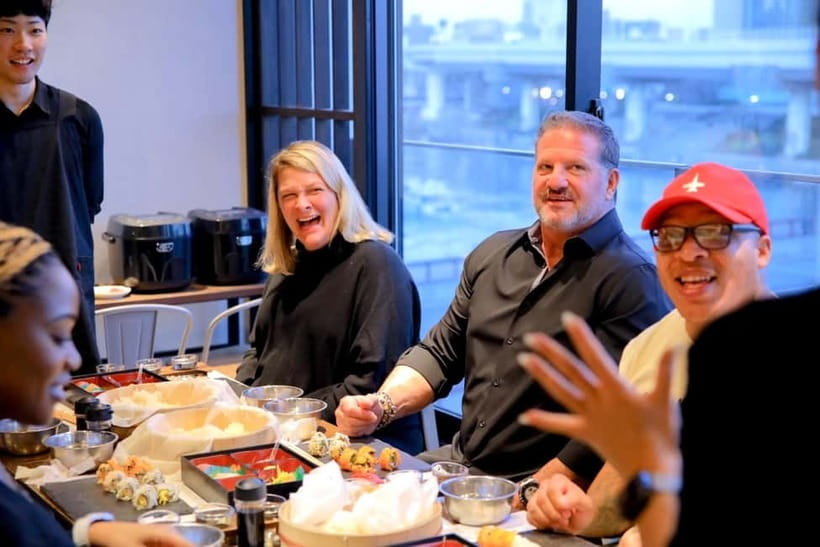
At $58 per person, this is not the cheapest way to eat sushi in Tokyo. You can buy prepared sushi for much less, especially at a supermarket or casual restaurant. The value here comes from the combination of food, instruction, cultural background, and a planned activity in a convenient sightseeing district.
I think the price works best for visitors who want more than a meal. You receive ingredients, guidance in English, time to make two types of sushi, and the chance to eat the finished food. The class also solves a common Tokyo problem: deciding what to do when you have already seen several temples and shopping streets but still want an activity connected to Japanese culture.
The value is stronger for families and couples. A family can share a project, and a couple gets an easy, low-pressure activity with a meal built in. Solo participants also receive social value from the group setting, particularly if you want to meet people without joining a long walking tour.
The value is weaker if you already make sushi regularly or want advanced knife skills. The supplied details do not promise professional chef training, detailed fish-cutting instruction, or a market visit. This is a beginner-friendly preparation class, not a specialist culinary course.
Timing, pace, and the small drawbacks
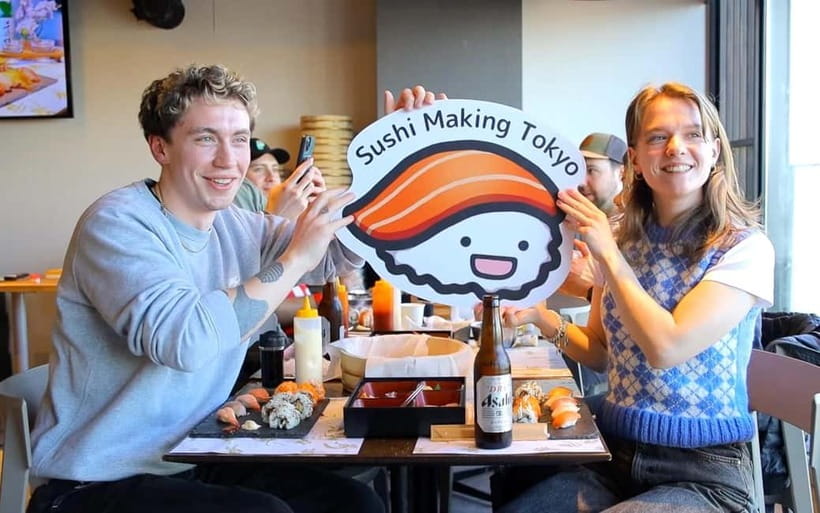
The advertised duration is 100 minutes, which is enough for an introduction and meal but not enough for a slow, detailed workshop. The class needs to keep a group moving through the quiz, demonstrations, preparation, and eating. If you want repeated practice, the schedule may feel tight.
One practical tip is to choose an earlier time if the schedule allows. A participant who attended an early session found fewer people and received extra attention, almost like a private lesson. That will depend on attendance, but quieter times may give you more room to ask questions.
The atmosphere is another matter of taste. Most of the feedback praises the young, dynamic staff and the humor. A small minority may find the enthusiasm, group responses, and clapping a little too performative. If you prefer calm instruction and a silent kitchen, this may not be your ideal class.
On the other hand, the energy helps families and first-time cooks relax. You are less likely to feel embarrassed by a crooked roll when the instructors are laughing with you and offering practical help.
Dietary needs and accessibility
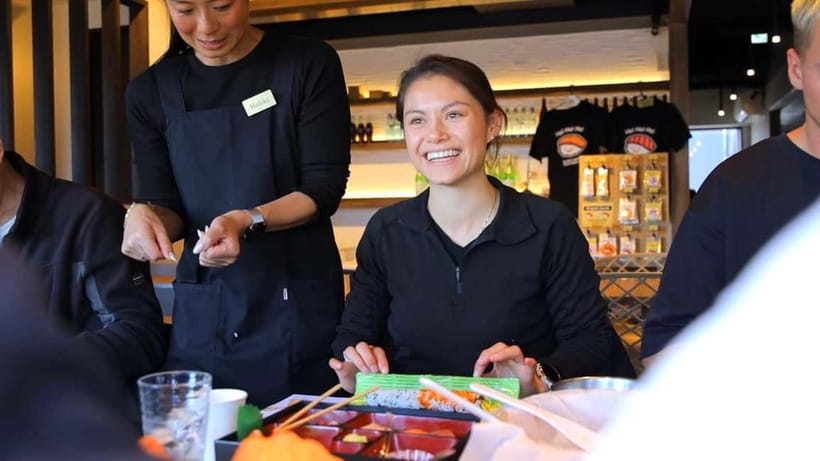
The class can accommodate vegan, vegetarian, gluten-free, halal, and allergy-related requests. Meat, nuts, fruits, and dairy are listed as ingredients that are not used. You must contact the provider when making the reservation if you need a menu change.
Do not wait until the day of the class. Same-day changes cannot be handled, and the provider does not accept individual ingredient specifications. If you have a serious allergy or strict dietary requirement, give the details early and confirm that the available menu meets your needs.
The activity is listed as wheelchair accessible. Hotel pickup and drop-off are not included, so you arrange your own way to the meeting point near Asakusa Station.
Who should book this Asakusa activity?
I would recommend it most strongly to:
- Families looking for a hands-on Tokyo activity
- Couples who want a shared meal and cultural experience
- Solo visitors who enjoy friendly group activities
- First-time sushi makers
- Teenagers who may prefer doing something over sitting through a museum
- Visitors already planning to see Sensoji or Tokyo Skytree
You may want to skip it if you dislike group participation, prefer quiet instruction, or already have advanced sushi-making skills. The class is designed to be fun and accessible, not private, technical, or chef-focused.
Should you book the sushi class?
Yes, if you want a friendly introduction to Japanese food culture with a meal at the end. The staff’s patience and humor are the clearest strengths, and the chance to make both maki and nigiri gives the class enough variety to justify the price.
Book it as part of an Asakusa day, and leave extra time around the 100-minute session. Contact the provider early for dietary needs, and choose an earlier class if you would value a smaller crowd. If you can accept a cheerful, tourist-friendly style and a brisk pace, this is a memorable way to turn sushi from something you order into something you understand.
FAQ
How long does the sushi-making class last?
The advertised duration is 100 minutes. Starting times vary, so you should check availability when booking.
How much does the experience cost?
The price is $58 per person.
Where does the class meet?
The meeting point is about three minutes from Asakusa Station, close to Sensoji Temple and Tokyo Skytree.
Is the class taught in English?
Yes. The instructor language is English, and English-speaking local staff guide you through the activity.
What types of sushi will I make?
You will make two types: maki sushi rolls and authentic Japanese nigiri sushi.
Do I need previous sushi-making experience?
No. The class is designed for beginners, and the instructors guide you through each step.
Can the class accommodate dietary requirements?
Vegan, vegetarian, gluten-free, halal, and allergy-related menu changes are available. You must contact the provider when making your reservation, because same-day changes are not accepted and individual ingredient specifications cannot be accommodated.
Just added around Tokyo
- Tokyo 6hr Instagram Highlights Private Tour with Licensed Guide★ 5.0 · 38 reviews
- Tokyo Small Group Tour with Guide★ 4.5 · 38 reviews
- Tokyo Sumo Experience with Live Show & Audience Challenge★ 5.0 · 38 reviews
- Japanese Food Cooking Class in Asakusa, Tokyo★ 5.0 · 39 reviews
- Very popular in Harajuku♡Animal petting zoo★ 4.6 · 39 reviews
- Ramen Making from Scratch with Tokyo Mom(Vegan Option Available)★ 5.0 · 39 reviews
- Tokyo JDM Night: 600hp C63s AMG Edition 1 (Private)★ 4.9 · 39 reviews
- Tokyo: Kimono Rental inside Shinjuku Gyoen National Garden★ 4.9 · 39 reviews
Sushi-Making Classes, compared.
Sushi Making Tokyo Roll and Authentic Japanese Sushi Class
Read our review →
Make Sushi and Create Unforgettable Memories in Tokyo
Read our review →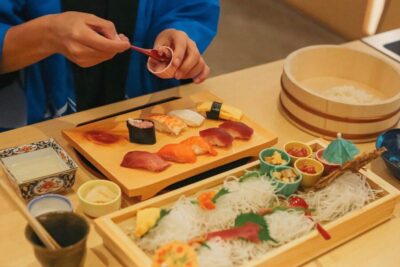
Sushi Making Class in a Happi Coat near a Famous Spot
Read our review →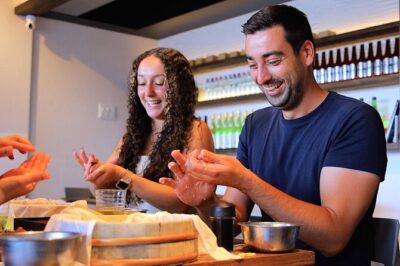
Sushi Making Osaka Roll and Authentic Japanese Sushi Class
Read our review →
Tokyo Sushi Making Class in Tsukiji with Professional Chef
Read our review →
Tsukiji Fish Market Guided Tour and Sushi Making with Pro Chef
Read our review →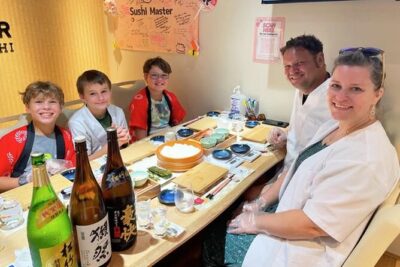
Sushi Making in Kyoto! Same-day bookings welcome!
Read our review →
Tsukiji Fish Market Sushi Making Class with Pro Chef
Read our review →Browse the lists this tour appears in