
Reviewed · SUSHI-MAKING CLASSES
Tokyo: Sushi Making Class in a Happi Coat near a Famous Spot
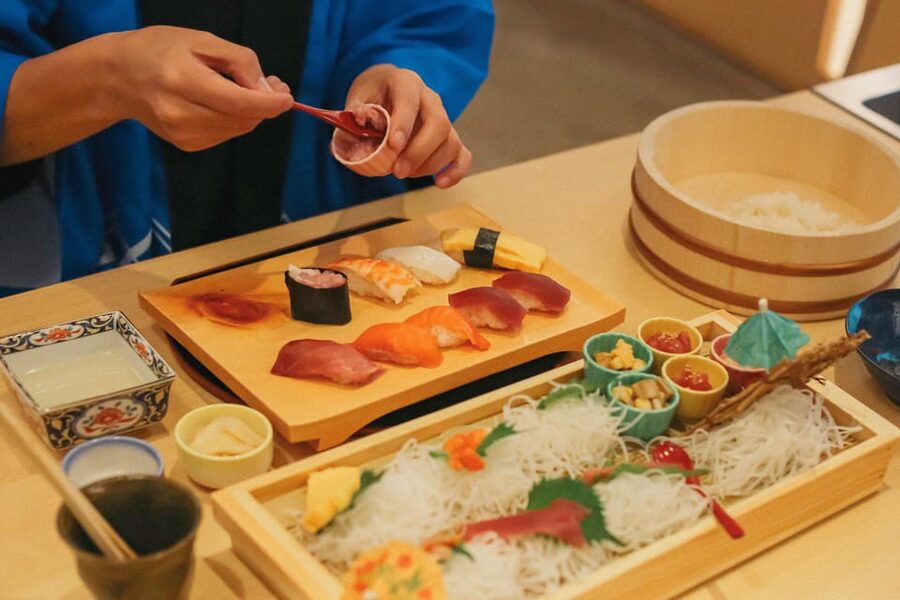
Sushi is easier than it looks. This 90-minute Tokyo class gives you a hands-on lesson in shaping nigiri with tuna and salmon, while a skilled chef explains the basic techniques and the food customs behind them. I like that you do not just watch a demonstration, and I like that you eat what you prepare, making the $42 price feel closer to a meal plus a lesson than a simple sightseeing stop. The main consideration is that the meeting point can vary by booking option, and busy sessions may seat you with other people.
The happi coat adds a playful Japanese touch and makes the class especially good for photos, families, and a casual date. English and Japanese instruction is available, and past teaching has included friendly, patient instructors such as Hide, Mikoto, Kohji, Ami, Mai, and Masa. If you need vegetarian, vegan, or gluten-free food, send that request in advance, since same-day changes may not be possible.
In This Review
- Key points before you book
- Why this short Tokyo class works so well
- Arriving and getting settled near a famous Tokyo sight
- Putting on the happi coat
- The chef’s lesson: rice, fish, and hand pressure
- Making tuna and salmon nigiri yourself
- Eating your work instead of just taking pictures
- What the $42 price really buys you
- Dietary needs and family planning
- Who will enjoy this sushi workshop most
- Small details that can shape your experience
- Should you book SUSHI GARYU?
- FAQ
- How long does the sushi-making class last?
- How much does the experience cost?
- What type of sushi will I learn to make?
- Is the class suitable for beginners?
- Is the class taught in English?
- Do I get to eat the sushi I make?
- Can I request vegetarian, vegan, or gluten-free food?
- What should I do about a food allergy?
- Can children join the activity?
Key points before you book
- You shape real nigiri sushi: Learn the hand movements for forming rice and placing tuna or salmon on top.
- A happi coat is part of the fun: Put on a traditional Japanese-style coat for a chef-like feel and memorable photos.
- The class can fill you up: The amount of sushi made is described as generous, so this can double as lunch.
- Instruction is beginner-friendly: Teachers break the process into clear steps and help when your first pieces look less than perfect.
- Group size can affect the feel: Some sessions are intimate, while busy classes may seat you with other customers.
- Dietary requests need advance notice: Vegetarian, vegan, and gluten-free options are available if arranged ahead of time.
Why this short Tokyo class works so well
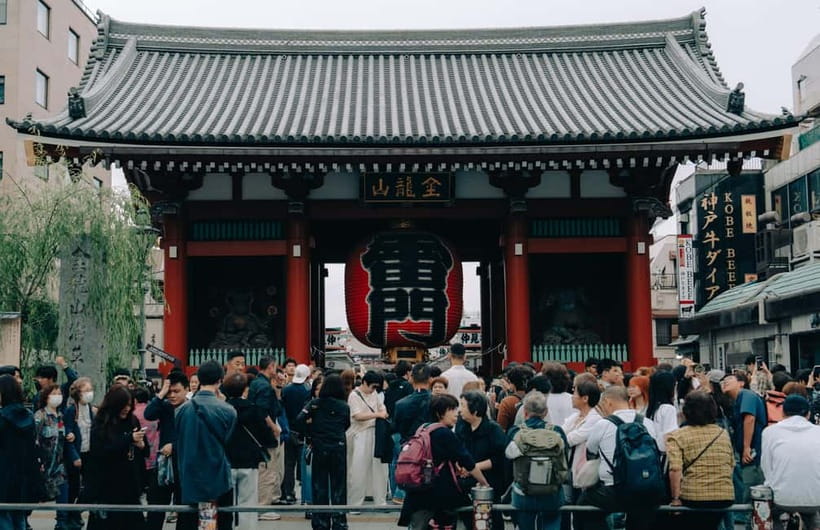
A sushi lesson can easily become a passive demonstration, with the chef doing all the clever work while you hold a camera. This experience takes a better route. You watch the technique, then repeat it yourself, piece by piece, with the instructor nearby to correct your hands and answer questions.
The class focuses on nigiri, the small hand-shaped mound of seasoned rice topped with fish. Tuna and salmon are the familiar stars, which is useful for first-timers because you can concentrate on shape, pressure, and balance rather than trying to identify a long list of unusual ingredients.
Some sessions also include maki or other rolled sushi. The exact mix may depend on the class arrangement, so book this mainly for the chance to make nigiri, with rolls as a possible extra rather than a guaranteed feature.
I especially like the practical nature of the lesson. You leave with a skill you can try in your own kitchen, even if your first rice bundle is a little lopsided. Several instructors are praised for making the process feel much easier than expected, and that is important: sushi looks precise, but a good teacher turns it into a series of manageable steps.
More Sushi-Making Classes in Tokyo
- Sushi Making Tokyo Roll and Authentic Japanese Sushi Class
★ 5.0 · 3,971 reviews - Tokyo: Roll and Authentic Sushi Making Class in Asakusa
★ 4.9 · 1,957 reviews - Make Sushi and Create Unforgettable Memories in Tokyo
★ 5.0 · 1,413 reviews
Arriving and getting settled near a famous Tokyo sight
The meeting point varies according to the option you choose, so check your booking details closely before setting out. This is not the kind of activity where I would rely on finding the venue at the last minute, especially if you are navigating an unfamiliar Tokyo neighborhood.
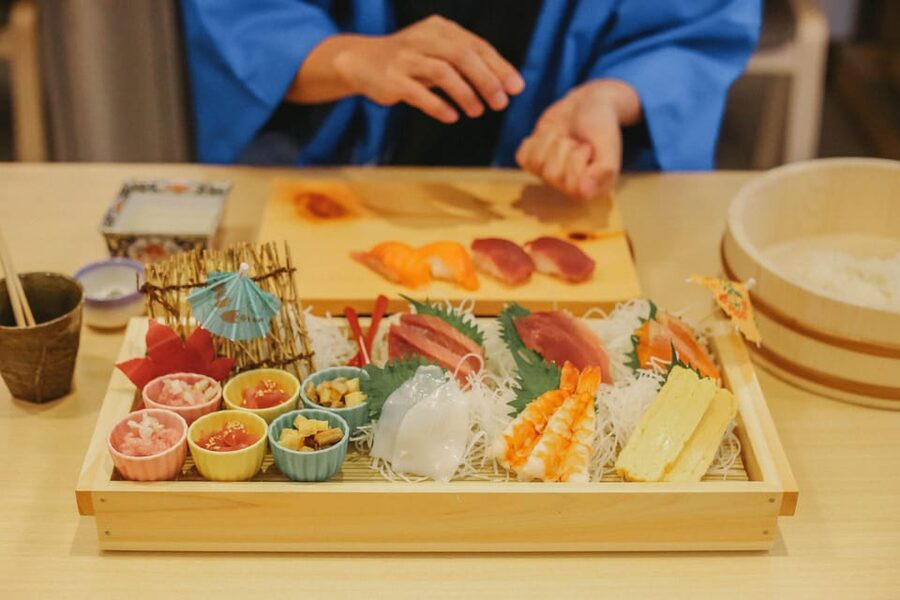
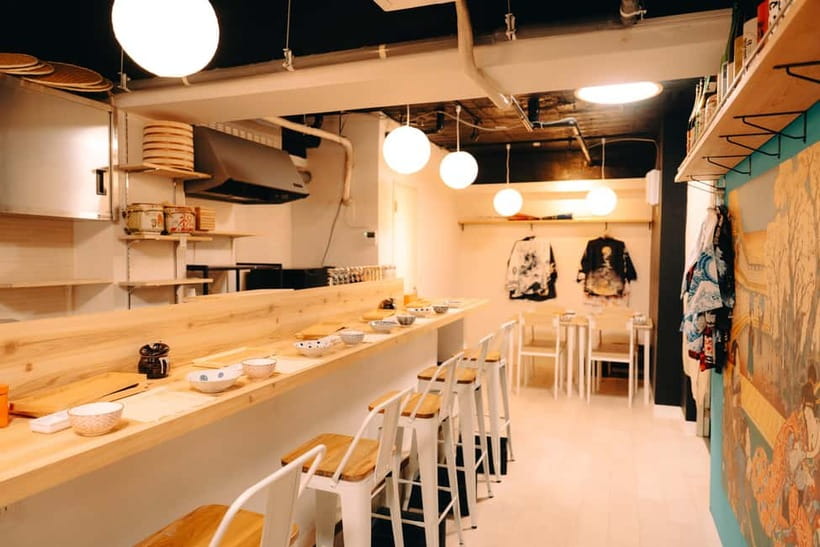
Once inside, expect a Japanese-style setting prepared for cooking. Ingredients and equipment are included, and the food is laid out before or around the start of the lesson. The setting is described as clean, cozy, welcoming, and well organized, with some attractive spots for photos.
The location near a famous Tokyo spot adds value to the outing. You can pair the class with nearby sightseeing before or after, and one useful pattern is to schedule the sushi session around a temple and market visit. Since the exact meeting point changes by option, I would not plan a tight route until you know the address.
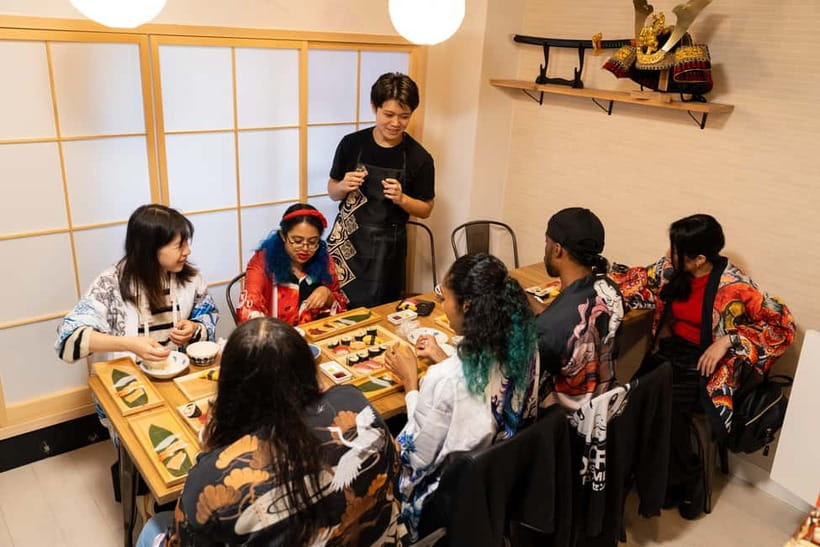
A little flexibility helps here. One session may feel almost private if only a few people book that time, while another may place you at a shared table. If you prefer personal attention, an off-peak time may give you more chances to ask questions, though the class does not promise a private lesson.
Putting on the happi coat
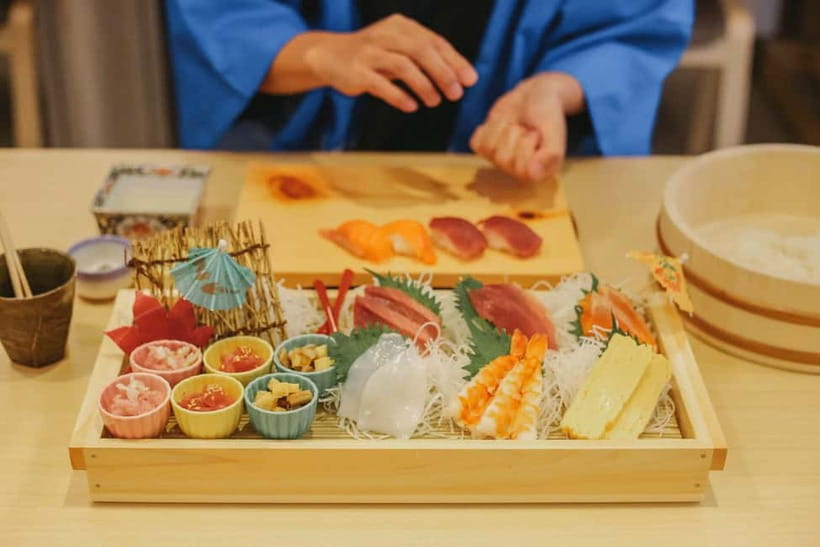
The happi is a traditional Japanese coat with wide, tube-like sleeves. It is not simply a costume handed over for a quick photograph. Wearing it helps set the mood and gives the class a little theater without turning the food lesson into a staged show.
I see this as a strong feature for families and couples. Children can get into the role of sushi chef, and adults get a cheerful photo that feels more connected to the activity than a standard group snapshot. Instructors have also taken photos and videos during the class, according to the experience details shared by past participants.
The coat is practical in one sense, too. It marks the transition from sightseeing mode to workshop mode. You are not just eating sushi in Tokyo. You are stepping into a small food tradition and trying the craft with your own hands.
Do not expect a formal professional kitchen uniform or an advanced chef apprenticeship. The happi is there for atmosphere, cultural context, and photographs. That is part of the appeal, but serious cooks should see it as a friendly introduction rather than a technical culinary course.
The chef’s lesson: rice, fish, and hand pressure
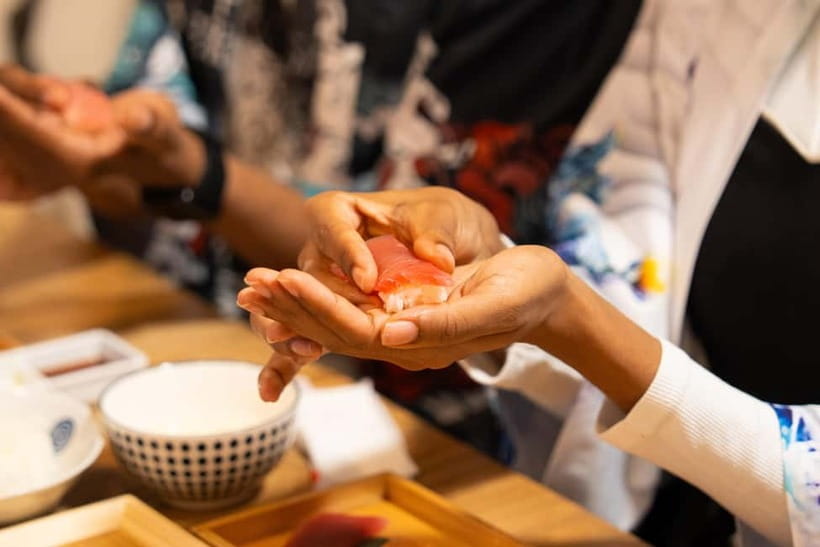
The instructor begins with an explanation of the sushi-making process. You learn how the components fit together, how to handle the rice, and how to shape the nigiri without crushing it.
This is where the teacher makes the biggest difference. The strongest sessions have been led by instructors who explain each move clearly, stay patient, and use humor to keep the room relaxed. Chef Hide, Mikoto, and Mai are among the names praised for clear teaching and friendly help, while other sessions have featured Kohji, Ami, Masa, Emi, Miwa, and Mizuki.
You may also hear about Japanese customs and the place sushi holds in Japanese food culture. That context matters. You begin to understand that nigiri is not merely rice with fish placed on top. The shape, amount of rice, handling, and presentation all affect the final bite.
The class is taught in English and Japanese. English ability can vary by instructor, but the teaching is described as clear, and the hands-on format helps bridge any language gap. You can watch the demonstration, copy the movement, and ask for help as you go.
The lesson is suitable for beginners because no prior cooking skill is required. Your first attempt may not look like the chef’s, but that is exactly why the guided practice matters. The goal is not perfection. It is to understand the basic method well enough to repeat it.
A completely different kind of day out in Tokyo:
- Mt Fuji and Hakone 1-Day Bus Tour Return by Bullet Train
★ 5.0 · 26,383 reviews - 1-Day Tokyo Bus Tour
★ 5.0 · 14,250 reviews - Tokyo: TOKYO SKYTREE® Admission ticket
★ 4.5 · 11,192 reviews - Tokyo: teamLab Planets TOKYO Digital Art Museum Entry Ticket
★ 4.6 · 9,779 reviews
Making tuna and salmon nigiri yourself
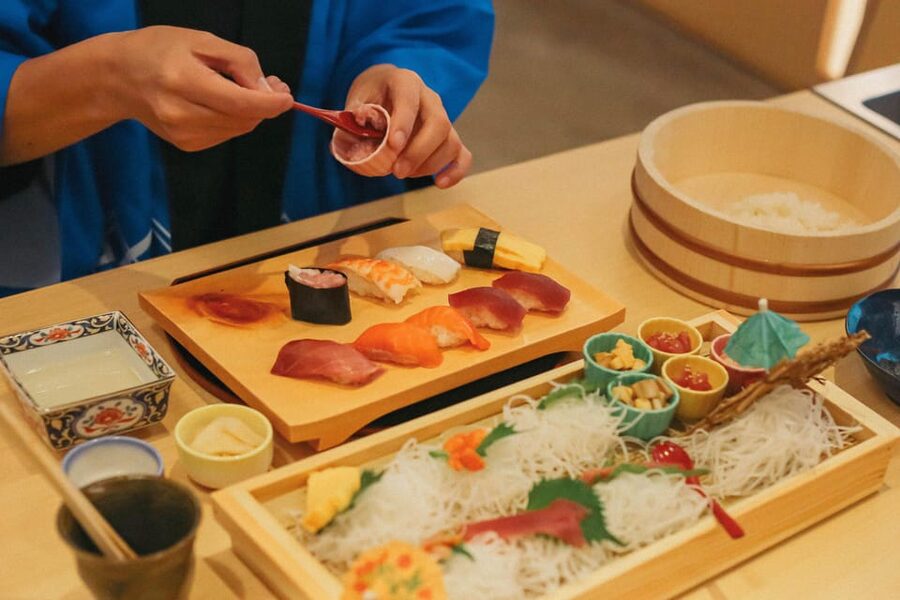
After the demonstration, you make your own pieces. You work with the supplied ingredients, shaping the rice and adding popular fish such as tuna and salmon.
The tactile part is the real point of the class. Sushi rice can be sticky and surprisingly delicate, so you quickly learn that a light touch works better than squeezing hard. The chef can show you how to keep the rice together while avoiding a dense, heavy texture.
The pace is brisk but not rushed. The activity lasts 90 minutes, with roughly an hour often spent on making sushi in some sessions, followed by eating and conversation. That leaves enough time for instruction, practice, questions, and photographs without taking half a day from your Tokyo schedule.
You should expect a generous amount of food. Several accounts describe making enough sushi for a satisfying meal, and one couple found the portion more than enough to leave them full. At $42 per person, that is good value if you were planning to buy lunch anyway.
Food quality is another strong point. Tuna and salmon are familiar choices, but freshness still matters, and the ingredients are repeatedly described as fresh and tasty. You are also likely to enjoy the meal more because you have just made it yourself. A slightly uneven piece somehow tastes better when your own hands are responsible for it.
Eating your work instead of just taking pictures

At the end, you eat the sushi you prepared. This closes the loop nicely: demonstration, practice, meal.
I like this better than a class where you make one token piece and receive a separate lunch. Here, the food is part of the reward for paying attention. You can see which pieces held their shape, which rice portions were too large, and how small changes affect the bite.
The meal can be generous enough to function as lunch, though appetites differ and the exact selection may vary. If you are planning another major meal immediately afterward, allow for the possibility that you will not need it.
The shared table can also make the meal more social. Busy sessions may seat you with other customers, which can be pleasant if you enjoy meeting people. If you want a quiet, private cooking lesson, that arrangement may feel less personal.
Several instructors keep the conversation going after the food is finished. You may have time to ask about Japanese culture, sushi techniques, or places to eat during the rest of your trip. That informal exchange is one of the better parts of the experience, but it depends on the group size and the day’s pace.
What the $42 price really buys you
At $42, this is not the cheapest way to eat sushi in Tokyo. You can buy prepared sushi for less, especially at a casual restaurant or food market.
But that comparison misses the point. The fee includes the cooking class, ingredients, and instructor, plus the happi coat experience and the meal you make. You are paying for food, instruction, cultural explanation, and a structured activity that fits into a 90-minute gap.
I consider the value good for three reasons. First, you actively participate instead of simply watching. Second, the portion can be substantial enough to replace lunch. Third, the technique is useful after you return home, assuming you can find suitable ingredients.
The value is strongest for couples, families, first-time visitors, and anyone who wants a break from temples, shopping, and train rides. It is less compelling for an experienced sushi chef or for someone seeking an advanced lesson on fish cutting, rice seasoning, knife work, or professional restaurant technique. Those subjects are not promised here.
The reserve-now-and-pay-later option also helps if your Tokyo schedule is still shifting. Free cancellation is available up to 24 hours before the activity for a full refund, according to the booking terms. Still, I would read the exact option details carefully because the meeting point can change.
Dietary needs and family planning
Vegetarian, vegan, and gluten-free versions are available, but you must send the request in advance. Do not wait until you arrive. The organizers warn that they may not be able to accommodate a same-day request.
Food allergies should also be shared ahead of time by message. This is especially important in a class involving fish and prepared ingredients, where substitutions need to be planned before the session begins.
Children over four are charged according to the listed child policy. For a child under four, share a dish rather than booking a separate charged place. The activity can suit children, particularly those who enjoy making things with their hands, but young children may need help with the rice and fish handling.
For a family, I would choose a time when everyone is rested and not hungry enough to become impatient. The class is short, but it still requires listening, copying movements, and waiting for instructions.
Who will enjoy this sushi workshop most
I would book this for you if you want a relaxed food activity with a clear result. You do not need to be a cook, and you do not need to know much about sushi before arriving.
It is a good fit for:
- Couples looking for a friendly shared activity
- Families with children over four
- Solo visitors who enjoy small-group lessons
- First-time visitors who want cultural context with lunch
- Home cooks who want basic sushi skills
- People with a free morning or afternoon near the class location
The class also works well for a short Tokyo stopover. One person booked it during a delayed connection and found it a worthwhile way to use a single day in the city. You can finish the lesson and continue to nearby sights, provided you allow enough time to locate the meeting point.
I would hesitate if you dislike group activities, have a severe allergy that has not been cleared in advance, or want a specialist course. The experience is friendly and practical, not formal or highly technical.
Small details that can shape your experience
Book early or choose your time with care if personal attention matters to you. Some sessions have only a handful of participants per instructor, while busy periods may involve shared seating.
Arrive with enough time to find the venue. One participant found the location a little hard to locate, even though it became manageable once they had their bearings. Since the meeting point varies, this is a simple detail that can prevent unnecessary stress.
Keep your schedule loose after the class. The lesson itself is 90 minutes, but photos, conversation, and the nearby sights may tempt you to stay in the area. It is better to treat this as part of a neighborhood outing than as a quick meal squeezed between two distant Tokyo attractions.
Finally, ask questions. The instructors are there to help, and the best part of a hands-on lesson is the chance to correct your technique while the rice is still in front of you. You will learn more by making three imperfect pieces and asking why than by silently watching the chef make ten perfect ones.
Should you book SUSHI GARYU?
I would book SUSHI GARYU if you want to make sushi, eat a generous lunch, and enjoy a light cultural activity without committing half a day. The $42 cost is fair for the food, instruction, happi coat, and practical skill you take home.
The strongest reasons to go are the patient teaching, friendly atmosphere, fresh ingredients, and chance to make both the process and the meal your own. The main cautions are the variable meeting point, possible shared seating, and the need to arrange dietary substitutions in advance.
Choose a less busy time if you want a more personal lesson. Choose this class over a standard sushi restaurant if you want to understand what is on your plate and try shaping it yourself. For many visitors, that combination makes a simple lunch one of the more memorable parts of a Tokyo day.
FAQ
How long does the sushi-making class last?
The class lasts 90 minutes. Starting times vary, so check availability for the date you want.
How much does the experience cost?
The listed price is $42 per person.
What type of sushi will I learn to make?
The class teaches you to make nigiri sushi using ingredients such as tuna and salmon. Some sessions also include maki or other rolled sushi.
Is the class suitable for beginners?
Yes. The workshop is designed for beginners, and the instructor explains the process step by step before you try it yourself.
Is the class taught in English?
Instruction is available in English and Japanese.
Do I get to eat the sushi I make?
Yes. You eat the sushi you prepare during the class, and the amount may be enough to serve as a meal.
Can I request vegetarian, vegan, or gluten-free food?
Yes, those options are available if you notify the organizer in advance by message. Same-day requests may not be possible.
What should I do about a food allergy?
Tell the organizer about any food allergy in advance by message.
Can children join the activity?
Children over four are charged according to the listed child policy. Children under four can share a dish.
Just added around Tokyo
- Tokyo 6hr Instagram Highlights Private Tour with Licensed Guide★ 5.0 · 38 reviews
- Tokyo Small Group Tour with Guide★ 4.5 · 38 reviews
- Tokyo Sumo Experience with Live Show & Audience Challenge★ 5.0 · 38 reviews
- Japanese Food Cooking Class in Asakusa, Tokyo★ 5.0 · 39 reviews
- Very popular in Harajuku♡Animal petting zoo★ 4.6 · 39 reviews
- Ramen Making from Scratch with Tokyo Mom(Vegan Option Available)★ 5.0 · 39 reviews
- Tokyo JDM Night: 600hp C63s AMG Edition 1 (Private)★ 4.9 · 39 reviews
- Tokyo: Kimono Rental inside Shinjuku Gyoen National Garden★ 4.9 · 39 reviews
Sushi-Making Classes, compared.
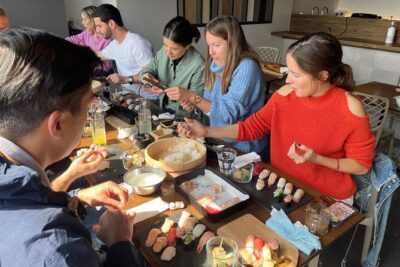
Sushi Making Tokyo Roll and Authentic Japanese Sushi Class
Read our review →
Roll and Authentic Sushi Making Class in Asakusa
Read our review →
Make Sushi and Create Unforgettable Memories in Tokyo
Read our review →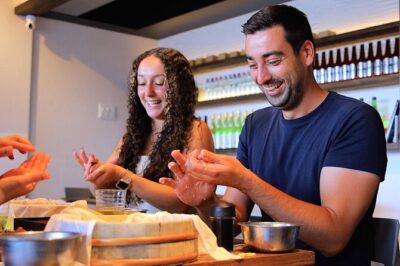
Sushi Making Osaka Roll and Authentic Japanese Sushi Class
Read our review →
Tokyo Sushi Making Class in Tsukiji with Professional Chef
Read our review →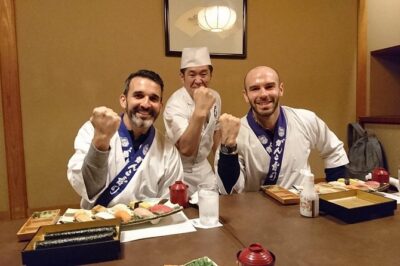
Tsukiji Fish Market Guided Tour and Sushi Making with Pro Chef
Read our review →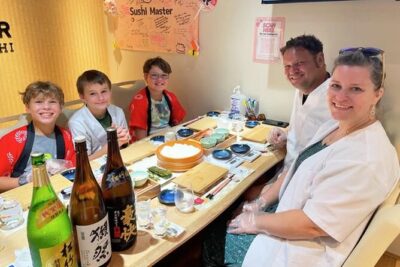
Sushi Making in Kyoto! Same-day bookings welcome!
Read our review →
Tsukiji Fish Market Sushi Making Class with Pro Chef
Read our review →Browse the lists this tour appears in