
Reviewed · SUSHI-MAKING CLASSES
Make Sushi and Create Unforgettable Memories in Tokyo
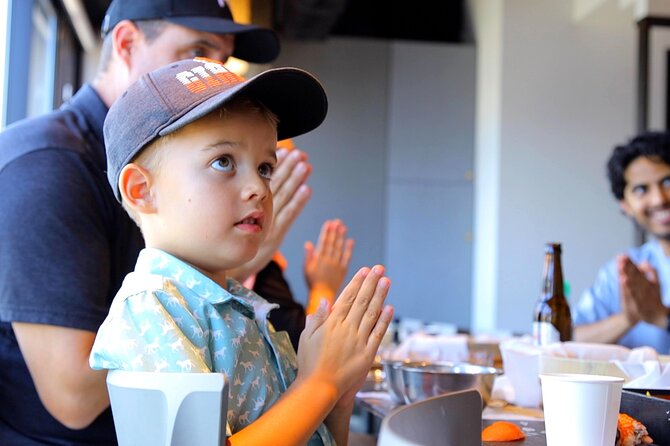
Come hungry and ready to roll. This 1-hour-40-minute class near Sensoji Temple gives you a friendly introduction to Japanese sushi, from shaping nigiri to rolling maki. I especially like the English-speaking instruction and the fact that you eat the food you prepare, rather than watching a demonstration and leaving hungry.
I also like the way the class works for solo visitors, couples, and families. Children as young as 10 have managed the techniques, and non-raw-fish options have helped younger diners take part. The main consideration is group size: the class can hold up to 30 people, so it feels more like a social food activity than a quiet lesson for aspiring sushi chefs.
In This Review
- Key Points at a Glance
- Starting Near Sensoji Temple in Asakusa
- Learning Sushi Without Needing Kitchen Skills
- Friendly English-Speaking Instructors
- Making Enough Sushi for Lunch
- Why the Class Works for Families
- The Group Size and Overall Atmosphere
- What the Price Means at $79.59
- Who Should Book This Asakusa Activity?
- Practical Tips Before You Go
- Should You Book Sushi Making Tokyo?
- FAQ
- Where does the sushi-making class begin?
- Where does the activity finish?
- How long does Sushi Making Tokyo last?
- Is the class taught in English?
- Do I need previous cooking experience?
- What types of sushi can I learn to make?
- Is food included in the price?
- Are drinks included?
- Can I cancel for a full refund?
Key Points at a Glance
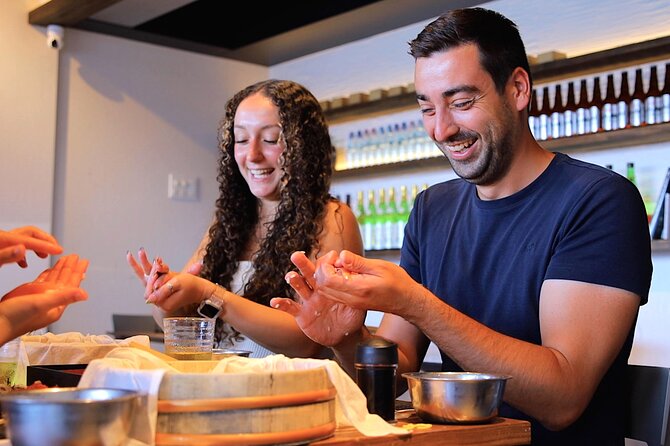
- Location beside Sensoji Temple: Meet at 2-chōme-17-9 Kaminarimon in Asakusa, an easy place to pair with temple sightseeing.
- Three sushi styles: You learn nigiri, rolled maki, and hand rolls, with temari-style sushi included in some sessions.
- English instruction: Local instructors explain the techniques, sushi background, and useful food trivia in clear English.
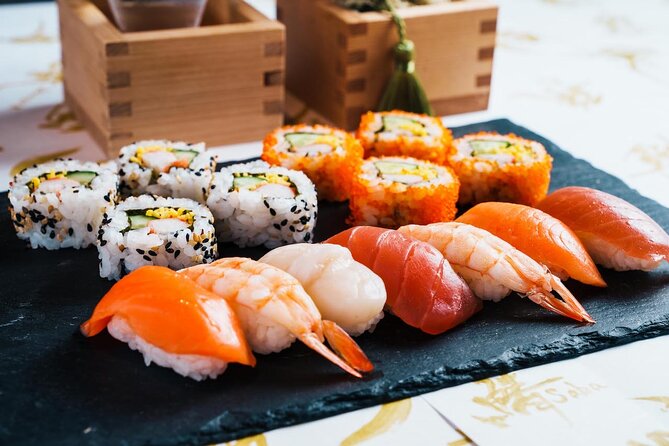
- A filling meal: A typical portion described in the class includes eight maki pieces and eight nigiri pieces per person.
- Good for families and solo visitors: The tone is social and welcoming, with no cooking experience needed.
- Bring allergy questions early: Shellfish and gluten-free substitutions have been accommodated, but you should confirm your needs before booking.
Starting Near Sensoji Temple in Asakusa
The class begins at 2-chōme-17-9 Kaminarimon, Taito City, Tokyo 111-0034. This puts you in Asakusa, one of Tokyo’s most useful neighborhoods for seeing traditional sights, eating casual Japanese food, and getting a feel for old Tokyo.
The location matters. You can plan the cooking class around Sensoji Temple, Kaminarimon Gate, and the nearby shopping streets. Since the class lasts about 100 minutes and ends where it begins, it fits neatly into a morning or afternoon without taking over your day.
There is no hotel pickup or drop-off. You need to make your own way to the meeting point, but the address is near public transportation. I would allow extra time to find the entrance, especially if you are combining the class with a visit to Sensoji and its crowded approach streets.
Once inside, you should expect a prepared cooking station with ingredients and utensils ready to use. That setup keeps the class moving. You are not spending half the session washing rice, chopping fish, or waiting for equipment.
More Sushi-Making Classes in Tokyo
- Sushi Making Tokyo Roll and Authentic Japanese Sushi Class
★ 5.0 · 3,971 reviews - Tokyo: Roll and Authentic Sushi Making Class in Asakusa
★ 4.9 · 1,957 reviews - Tokyo: Sushi Making Class in a Happi Coat near a Famous Spot
★ 4.9 · 1,377 reviews
Learning Sushi Without Needing Kitchen Skills
The class is built for beginners. You do not need to know how to handle a bamboo mat, shape rice, or judge the right pressure for nigiri. The instructors break the process into manageable steps, then help you correct the shape when your sushi looks more like a small rice sculpture than something from a sushi counter.
The class usually covers several styles:
- Nigiri: Hand-shaped rice topped with fish or another ingredient.
- Maki: Rolled sushi made with seaweed, rice, and fillings.
- Hand rolls: A simpler cone-shaped style that is easy to understand and fun to assemble.
- Temari sushi: Small, round sushi with a cute presentation and a different shaping method.
Nigiri is often the trickiest part. The rice must hold together without being squeezed too hard, and the topping needs to sit neatly on top. That small task gives you a useful respect for sushi chefs. It looks simple until you try it.
Maki is more familiar to many people, but it still has its traps. Too much filling makes the roll split. Too much rice makes it bulky. The instruction helps you find the balance, and the prepared ingredients let you focus on technique rather than prep work.
The class also includes background about sushi and the origins of different types. This is not a long cultural lecture, which is a good thing for a hands-on activity. You get enough context to understand what you are making, then return to the practical work.
Friendly English-Speaking Instructors
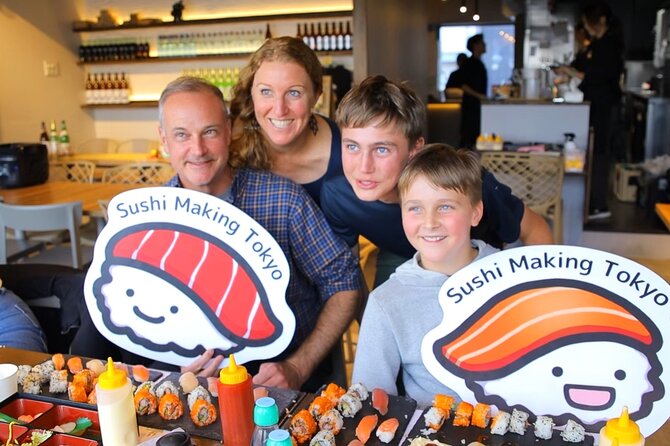
The teaching is one of the strongest parts of the experience. Instructors named in the class feedback include Rino, Ken, Sato, Momo, Yuto, Yui, Ayu, Madoka, Yusuke, Yuhi, Kento, Matti, Emi, and Mikoki. Names and staff assignments may vary, but the pattern is clear: the team is warm, energetic, and comfortable working with international visitors.
English is used throughout the lesson. Explanations are generally simple and easy to follow, and the instructors add humor and sushi trivia along the way. That makes the activity feel less like a formal cooking school and more like an enjoyable cultural class.
Pacing can vary by instructor. One participant found that Ken could speak a little more slowly, while another praised Yuto’s timing and clear teaching. If you have trouble following a step, ask for help right away. The staff are there to guide your hands, not merely point at a screen.
The class may divide a larger group into smaller working sections. That helps, but you should keep your expectations realistic. With up to 30 people, you will not receive the same uninterrupted attention you would in a private lesson.
Making Enough Sushi for Lunch
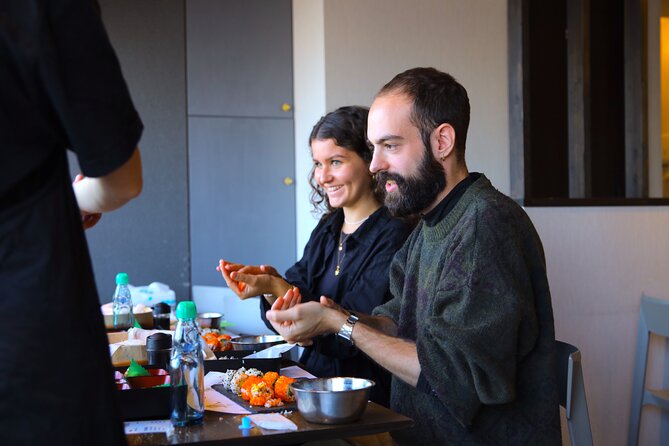
The best part comes after the work: you eat what you made. This gives the class a clear payoff. Even imperfect sushi tastes good when you have shaped it yourself, and the meal can be surprisingly filling.
A portion described for one session included eight pieces of maki and eight pieces of nigiri per person. That is a substantial amount for a 100-minute activity. The ingredients have been described as fresh and good quality, with a useful range of fillings and traditional Japanese sushi types.
The class is not simply a photo opportunity with one tiny roll at the end. You make enough food to count as a light meal or lunch, depending on your appetite. One practical note: if you order drinks, sake costs extra. The beverage choices can include several options, but they are not part of the basic price.
The food also makes the class easier for mixed groups. One family appreciated having choices without raw fish, allowing everyone to prepare and eat something. Shellfish substitutions and gluten-free accommodations have also been handled successfully. Still, food restrictions should be discussed with the provider before you rely on a substitution.
A completely different kind of day out in Tokyo:
- Mt Fuji and Hakone 1-Day Bus Tour Return by Bullet Train
★ 5.0 · 26,383 reviews - 1-Day Tokyo Bus Tour
★ 5.0 · 14,250 reviews - Tokyo: TOKYO SKYTREE® Admission ticket
★ 4.5 · 11,192 reviews - Tokyo: teamLab Planets TOKYO Digital Art Museum Entry Ticket
★ 4.6 · 9,779 reviews
Why the Class Works for Families
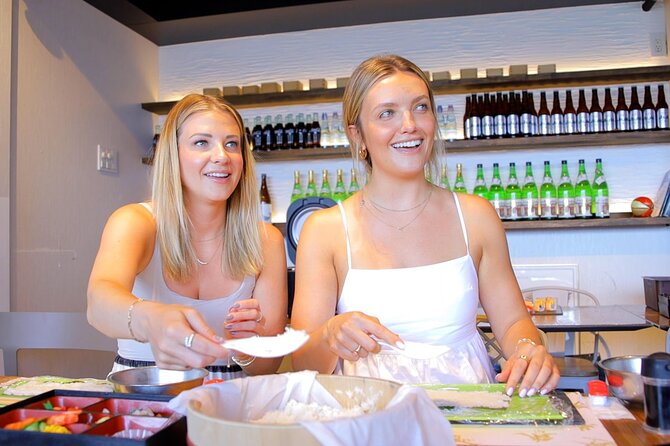
This is a strong family activity because it gives children a clear job. They measure, place, roll, press, and decorate instead of sitting through a long explanation. Children around 10 and 11 have been able to follow the steps, and teenagers have especially enjoyed the friendly teaching style.
The cute presentation helps, too. Temari sushi offers an easier entry point than perfectly shaped nigiri, and the finished pieces are fun to photograph. You get a souvenir image without needing to stage a formal photo session.
Parents should remember that sushi-making involves food handling, small steps, and some patience. The instructors provide help, but a child who dislikes unfamiliar foods may enjoy the making more than the eating. The non-raw options make the class more flexible, but they do not turn it into a completely separate children’s menu.
For adults, the family-friendly tone may feel a little light. One person found the class less professional than expected and better suited to families with children. That criticism is fair if you want a serious chef-training session. This is a relaxed introduction, not a master class in sushi craft.
The Group Size and Overall Atmosphere
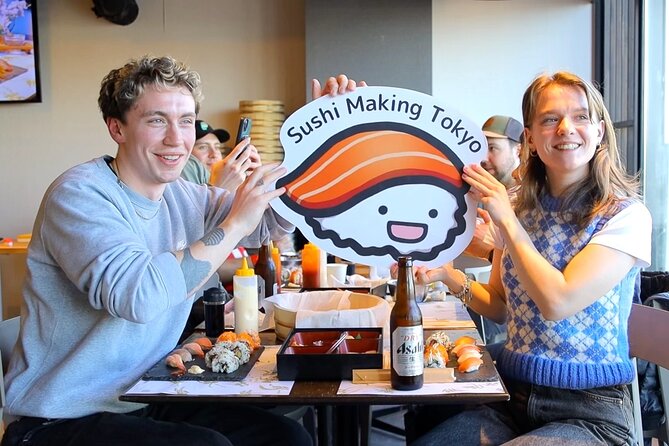
The advertised maximum is 30 people. That is large enough to create a lively room, and it also means solo visitors do not feel stranded at a table by themselves. You can share the activity with people from different parts of the world, then compare your sushi results.
The tradeoff is personal attention. A smaller group would make it easier to receive detailed feedback on rice pressure, rolling technique, and knife work. The class handles the larger number by breaking people into smaller sections, but one participant still found the instruction could have been clearer.
I would book this for the social atmosphere, the food, and the chance to do something active in Asakusa. I would not book it expecting a silent, highly technical lesson with a sushi master correcting every finger movement.
The class has earned a 5.0 rating from 1,413 reviews, with 99 percent recommending it, and it has received TripAdvisor’s Best of the Best award twice. Those figures point to a very dependable experience, though they do not change the basic nature of the class: cheerful, accessible, and designed for a broad audience.
What the Price Means at $79.59
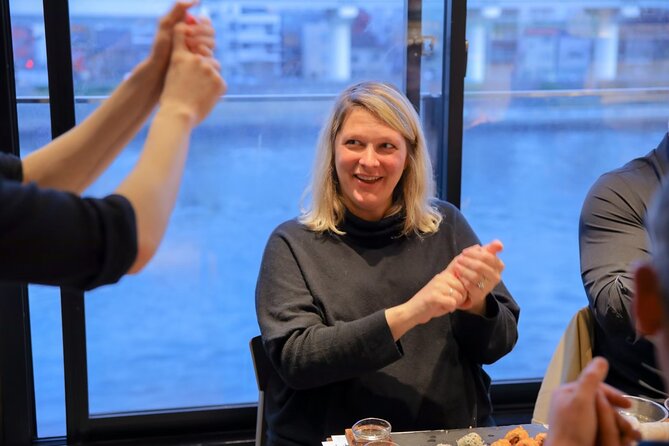
At $79.59 per person, this is not the cheapest meal you will eat in Tokyo. You can buy excellent sushi for much less, especially at a neighborhood restaurant or food hall. You are paying for instruction, ingredients, an organized activity, and the chance to make the meal yourself.
The value improves if you want more than food. The class gives you a practical skill, a structured cultural experience, and an easy way to spend part of your Asakusa sightseeing day. It is also useful for a group that needs an activity everyone can share, rather than another meal where people simply sit at a table.
For a solo visitor, the price buys a ready-made social setting. For a family, it covers a memorable activity and a filling meal. For a serious home cook, the value depends on your goals. You will gain confidence and learn basic methods, but you should not expect professional-level knife skills or advanced sushi theory.
The mobile ticket keeps arrival simple, but you still need to get to the meeting point on time. The activity requires a minimum number of participants, so a cancellation is possible if that number is not met. In that case, you receive another date or experience, or a full refund.
Who Should Book This Asakusa Activity?
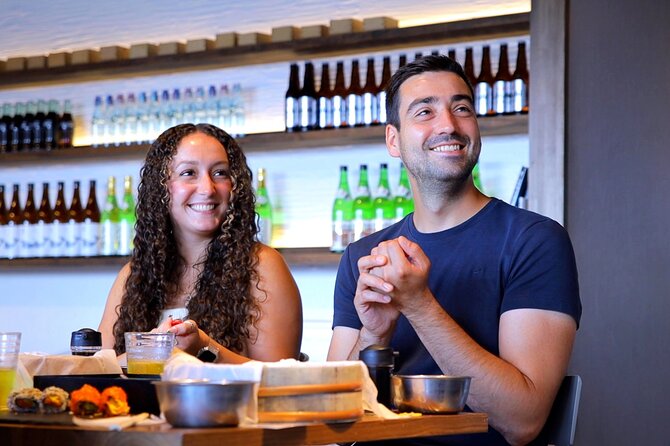
I would recommend it most strongly to:
- First-time visitors who want a hands-on introduction to Japanese food.
- Families with children or teenagers.
- Couples looking for a shared activity beyond sightseeing.
- Solo visitors who enjoy meeting people through food.
- Sushi fans who want to learn basic maki, nigiri, hand-roll, or temari methods.
- Diners who appreciate clear English instruction.
You may want something else if you are seeking a private class, advanced chef training, or a quiet lesson with intensive individual feedback. The large-group format and playful tone may feel too basic for experienced cooks.
The class also makes sense early in your Tokyo itinerary. You can use what you learn later when ordering sushi, and you may feel more confident recognizing different forms and styles. Just remember that a short class cannot turn you into a professional sushi chef. It can, however, make your next sushi meal more interesting.
Practical Tips Before You Go
Plan your route before class day. The meeting point is in a busy part of Asakusa, and the nearby temple area can take longer to cross than the map suggests. Since there is no transportation service included, arriving early is your responsibility.
Eat lightly beforehand. The class can provide a generous portion, with one format offering eight maki pieces and eight nigiri pieces per person. You will want room for the food you make.
Tell the provider about allergies and dietary needs before attending. Shellfish and gluten-free substitutions have been possible, and non-raw options have helped families, but arrangements should never be treated as automatic.
Ask about drink costs if you want sake. Sake is available for an additional charge. One useful language point from the class setting: set in Japan often means a combination meal, so check what you are ordering rather than assuming it means one small drink.
Wear something comfortable for a hands-on food activity. You will be working with rice, seaweed, and fillings, then stopping for photos and the meal. The class includes ingredients and the meal, but not hotel transfers.
Cancellation is free up to 24 hours before the scheduled start time. Inside that window, refunds and changes are not accepted. Cutoff times use Tokyo local time.
Should You Book Sushi Making Tokyo?
Yes, if you want a friendly, tasty, and easy-to-follow activity near Sensoji Temple. The English instruction, kind staff, generous food portions, and family-friendly format make this a safe choice for most first-time sushi makers.
Book with the right expectations. You are signing up for a social cooking activity, not an intensive professional course. A group of up to 30 can mean less individual coaching, and the lesson may feel too simple if you already make sushi at home.
For most visitors, the combination of food, culture, and shared fun justifies the $79.59 price. I would especially choose it for a family day in Asakusa or for a solo afternoon when you want more structure than simply wandering from temple to restaurant.
FAQ
Where does the sushi-making class begin?
It begins at 2-chōme-17-9 Kaminarimon, Taito City, Tokyo 111-0034, Japan.
Where does the activity finish?
The class ends back at the meeting point.
How long does Sushi Making Tokyo last?
The experience lasts approximately 1 hour and 40 minutes.
Is the class taught in English?
Yes. An English-speaking instructor guides you through the sushi-making process.
Do I need previous cooking experience?
No. The class is designed for beginners, and no cooking experience is required.
What types of sushi can I learn to make?
The class covers sushi rolls and authentic nigiri. The experience also includes hand rolls, and some sessions teach temari-style sushi.
Is food included in the price?
Yes. The ingredients used in the cooking class and the meal are included.
Are drinks included?
Drinks are not listed among the included items. Sake costs extra.
Can I cancel for a full refund?
Yes, if you cancel at least 24 hours before the experience start time. Cancellations made less than 24 hours before the start time are not refunded.
Just added around Tokyo
- Tokyo Small Group Tour with Guide★ 4.5 · 38 reviews
- Tokyo 6hr Instagram Highlights Private Tour with Licensed Guide★ 5.0 · 38 reviews
- Tokyo Sumo Experience with Live Show & Audience Challenge★ 5.0 · 38 reviews
- Very popular in Harajuku♡Animal petting zoo★ 4.6 · 39 reviews
- Japanese Food Cooking Class in Asakusa, Tokyo★ 5.0 · 39 reviews
- Ramen Making from Scratch with Tokyo Mom(Vegan Option Available)★ 5.0 · 39 reviews
- Tokyo: Kimono Rental inside Shinjuku Gyoen National Garden★ 4.9 · 39 reviews
- Tokyo JDM Night: 600hp C63s AMG Edition 1 (Private)★ 4.9 · 39 reviews
Sushi-Making Classes, compared.
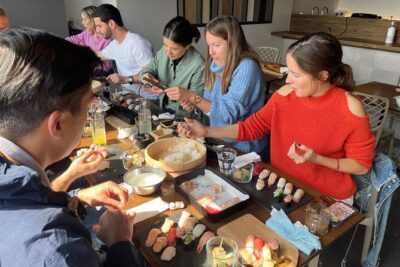
Sushi Making Tokyo Roll and Authentic Japanese Sushi Class
Read our review →
Roll and Authentic Sushi Making Class in Asakusa
Read our review →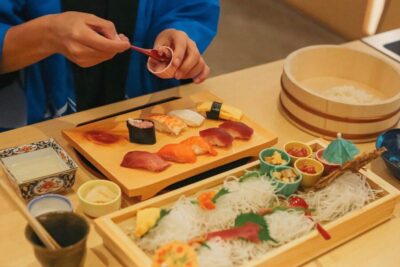
Sushi Making Class in a Happi Coat near a Famous Spot
Read our review →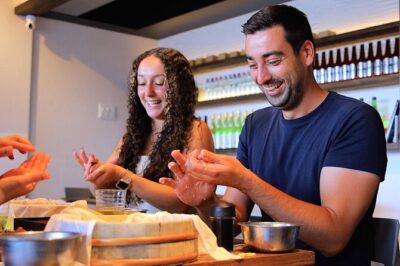
Sushi Making Osaka Roll and Authentic Japanese Sushi Class
Read our review →
Tokyo Sushi Making Class in Tsukiji with Professional Chef
Read our review →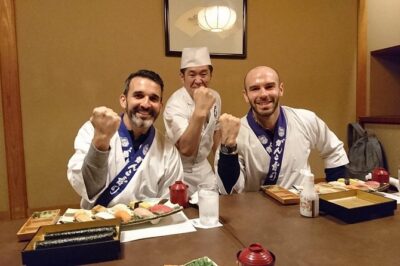
Tsukiji Fish Market Guided Tour and Sushi Making with Pro Chef
Read our review →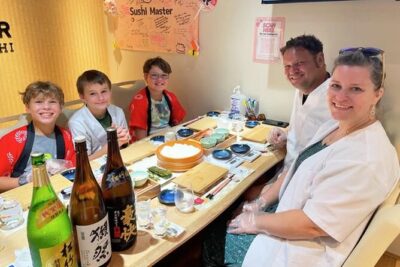
Sushi Making in Kyoto! Same-day bookings welcome!
Read our review →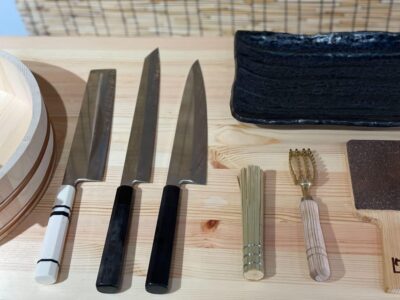
Tsukiji Fish Market Sushi Making Class with Pro Chef
Read our review →Browse the lists this tour appears in