
Reviewed · FISH MARKET TOURS
Tokyo: Tsukiji Fish Market Food and Culture Walking Tour
Come hungry, leave full of Tokyo stories. This three-hour walk through Tsukiji Outer Market mixes Japanese food, local customs, and market history in a small group of just two to eight people. I like the easy way the tour turns a confusing maze of stalls into a clear food adventure, and I like that the final sushi or seafood bowl gives the morning a proper finish.
The strongest part is the guide. Guides such as Shun, Nazu, Miki, Robert, Luna, Yuki, and Yoshiko have been praised for explaining food, shrine etiquette, and the changing market area in friendly English. The main drawback is that this is not a vegetarian-friendly outing, and the market can be very crowded, noisy, and difficult in the rain.
In This Review
- Key points before you book
- Meeting at Tsukiji Hongwanji Temple
- Finding order in Tsukiji’s food maze
- What you actually eat during the three hours
- Why the guide matters here
- Understanding Tsukiji beyond the seafood
- How crowded and physical is the walk?
- When to go, and when to avoid it
- Is $96 a fair price?
- Who should book this experience?
- My verdict: book it for guidance, not just lunch
- FAQ
- Where does the Tsukiji food tour begin?
- How long does the tour last?
- How many people are in each group?
- What food is included?
- Do I receive sushi or a seafood bowl?
- Is the tour suitable for vegetarians or vegans?
- Which days is the fish market closed?
- What should I bring?
Key points before you book
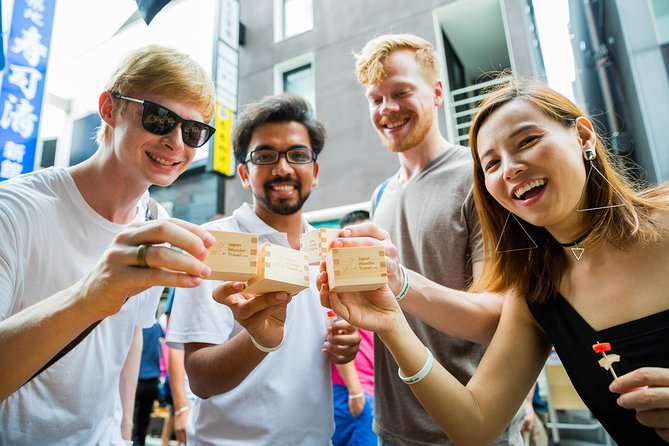
- Wagyu is the headline bite: The high-grade beef skewer is one of the most praised tastings, and some people return to buy another after the tour.
- The final meal changes by day: You receive either a fresh seafood bowl or sushi, depending on the day and restaurant availability.
- Small groups make a real difference: With two to eight people, your guide can help you order, explain unfamiliar foods, and keep the group moving through tight lanes.
- Tsukiji is more than fish: Expect Japanese omelet, fried fish cake, seasonal fruit, fish, shellfish, and other market snacks.
- Check the market calendar: The fish market is closed on Wednesdays, Sundays, and other market closure days. Several listed tastings are unavailable then.
- Plan for walking and crowds: Comfortable shoes matter, and this tour is not suitable for wheelchair users or people with mobility impairments.
Meeting at Tsukiji Hongwanji Temple
The tour begins at the main gate of Tsukiji Hongwanji Temple, formally associated with the Jodo Shinshu Hongwanji-ha tradition. That is a useful meeting point, since it gives you a landmark that is easier to recognize than a random street corner near the market.
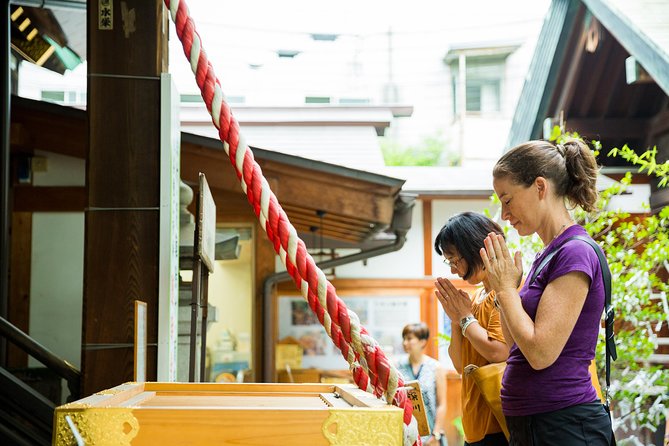
Some guides include a short explanation of the temple and its place in the neighborhood before leading you toward the food stalls. One guide also showed guests the cleansing ritual and explained proper shrine etiquette. That small cultural lesson adds value, since the tour is not just a string of tastings.
You should arrive ready to walk. The meeting point is near Tsukiji Station, and the group eventually returns there after the market visit. The exact balance between temple explanation, food stops, and market exploration can vary with the guide and the day.
More Food Tours in Tokyo
- Tokyo: Shinjuku Food Tour (13 Dishes at 4 Local Eateries)
★ 5.0 · 6,603 reviews - Tokyo Tsukiji Fish Market Food and Culture Walking Tour
★ 5.0 · 3,184 reviews - Tokyo: Shinjuku Food Tour (15 Dishes and 4 Eateries)
★ 4.9 · 2,033 reviews
Finding order in Tsukiji’s food maze
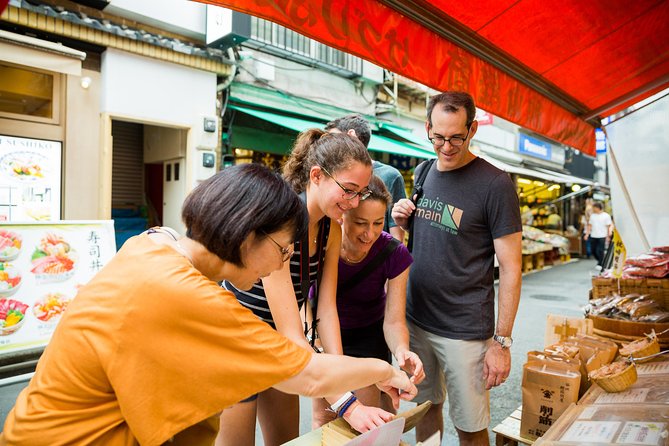
Tsukiji’s outer market is not one tidy indoor hall. It is a network of narrow lanes, small shops, food counters, specialist vendors, and displays of ingredients. If you arrive alone, you can certainly browse, but knowing what to try, where to stop, and how to order is not always obvious.
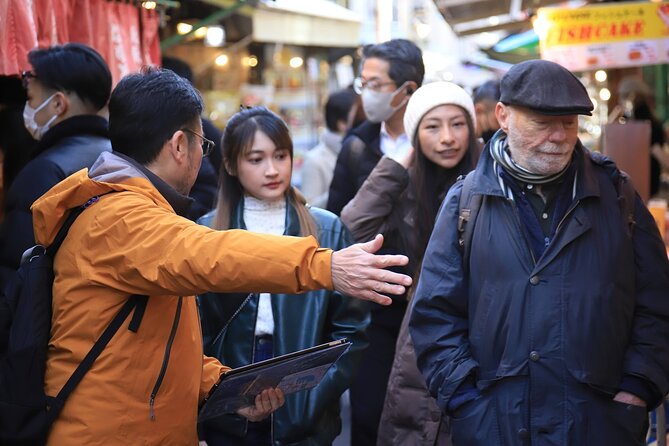
That is where this tour earns its keep. Your English-speaking guide leads you from stall to stall, explains what you are seeing, and helps make the market less intimidating. You are not simply handed a snack and moved along. The better guides explain how an item fits into Japanese cooking or why chefs come to this area for ingredients.
The market is also a working food district, not only a sightseeing attraction. You should be polite, keep close to the group, and avoid blocking shop entrances while taking photographs. The tight lanes can become especially hard to manage on a rainy Saturday morning, when umbrellas, crowds, and conversation compete for space.
The tour description gives about 30 minutes for the initial market visit and another two and a half hours for guided tasting and exploration. In practice, the experience feels like one continuous walk, with food stops spread through the market and a sit-down meal near the end.
What you actually eat during the three hours
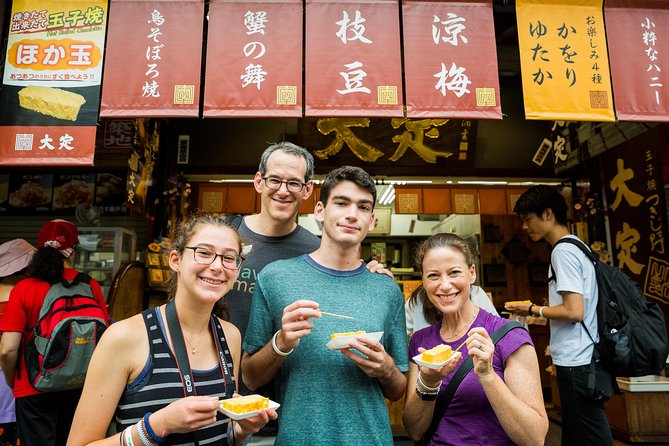
The included menu is broad enough to make this feel like lunch rather than a single sample platter. The advertised tastings include:
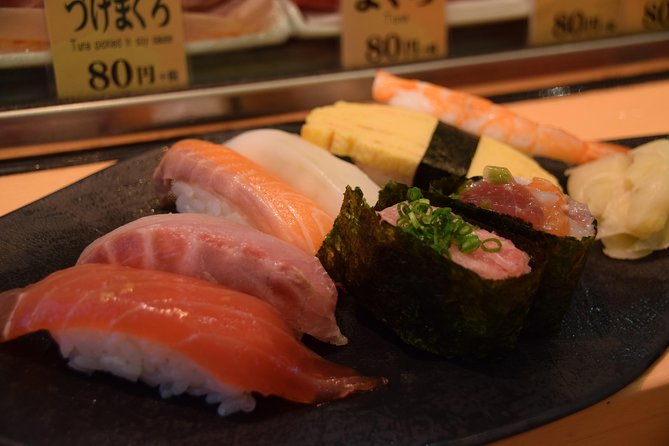
- High-grade Wagyu beef skewers
- Fresh fish bowl or sushi
- Japanese omelet
- Seasonal fruit
- Fried fish cake
The Wagyu skewer is usually the most memorable bite. It gives you a chance to taste premium beef in a simple street-food format, without committing to a full expensive steak meal. The portion is a tasting, not a feast by itself, but it is one of the stops that can justify part of the ticket price.
The Japanese omelet, often called tamagoyaki, offers a useful contrast. It is soft, slightly sweet, and very different from the savory egg dishes many visitors expect. Fried fish cake adds another texture, while fruit shows the care Japanese vendors often put into presentation and seasonal produce.
You may also encounter extra options along the route, such as squid, sea urchin, oysters, matcha ice cream, tea, or other seafood. These are not guaranteed inclusions, so you should carry some extra money if you want to buy something that catches your eye.
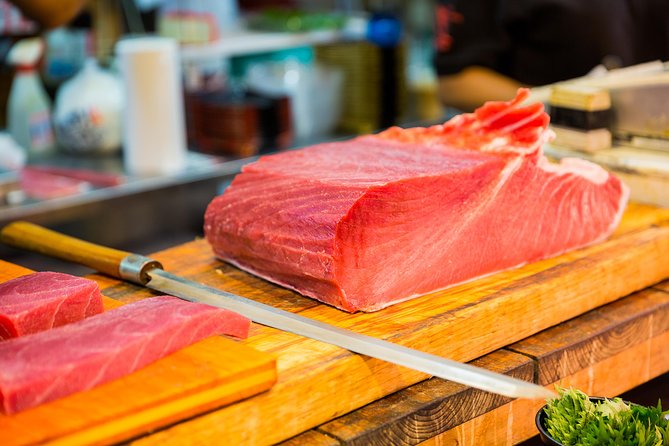
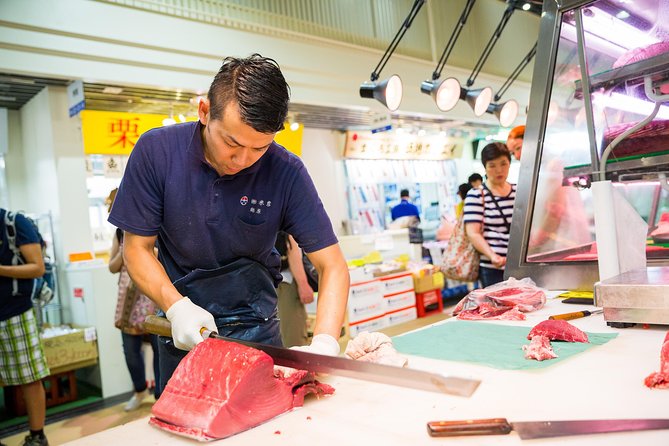
The final dish is the most substantial food stop. Depending on the day, you receive either sushi or a seafood bowl. Several guides have included a preparation demonstration, with a sushi chef cutting and preparing fish before serving the meal. That turns lunch into a small lesson rather than just another plate.
The food is generally a strong point, but expectations should be sensible. The menu includes a mixture of premium bites and ordinary market foods. One part of the tasting may feel more special than another, and the exact selection depends on open shops, available ingredients, and the day’s schedule.
Alcohol is not listed among the included items. If you order sake or beer, expect to pay separately. The minimum drinking age is 20.
Why the guide matters here
A market food tour rises or falls on its guide, and this one appears to have a strong record in that area. Shun is repeatedly praised for being warm, entertaining, and clear when discussing food and culture. Nazu has been appreciated for explaining the market’s past and helping people understand what they were tasting.
Other guides bring different strengths. Robert has helped with shrine etiquette, local suggestions, and market navigation. Miki, Luna, Yuki, Yoshiko, Kenji, Miki, and Chi Haru have all been praised for friendly explanations and personal attention. One guide, Miwako, was especially valued for knowing the Tsukiji area personally and making a crowded market feel less daunting.
That variety matters because the group is small. A guide can pause when someone has a question, help a hesitant eater choose, or point out a shop you might otherwise pass. Small groups also make it easier to hear explanations, though that advantage fades when the market is packed or rain forces everyone under umbrellas.
The tour is conducted in English. The guide’s role is not only translation. It is also interpretation: how to behave at a shrine, what a particular fish product is, which foods are seasonal, and how Tsukiji serves professional cooks as well as curious visitors.
More Market Tours in Tokyo
- Tokyo: Tsukiji Fish Market Food and Walking tour
★ 5.0 · 1,724 reviews - Tokyo: Tsukiji Fish Market Guided Walking Tour
★ 4.9 · 1,397 reviews - Tsukiji Fish Market Guided Tour and Sushi Making with Pro Chef
★ 5.0 · 775 reviews - Tsukiji Fish Market: Street Food & Culture Walking Tour
★ 5.0 · 669 reviews
Understanding Tsukiji beyond the seafood
Tsukiji is closely linked with Tokyo’s food culture and with the fish trade that made the district famous. The wholesale market’s main operations moved to Toyosu, but Tsukiji’s outer market remains a major place to shop, eat, and see specialist food businesses.
This tour focuses on the outer market. Some routes may include a look at the wholesale side when conditions allow, but you should not assume that every departure offers the same access. The most dependable part is the guided walk through the outer market and its food stalls.
The historical explanations help you read the neighborhood. Instead of seeing only rows of fish and snack counters, you gain a sense of why chefs still visit, how the area developed, and how ingredients move from market sellers to restaurant kitchens.
One useful detail is the distinction between browsing and buying. Your guide may suggest items to take home, such as tea, but the tour is not a shopping excursion with purchases included. It is a guided introduction, with time for you to note places you may want to revisit after the group finishes.
How crowded and physical is the walk?
You will spend much of the three hours on your feet. The tour involves a moderate amount of walking through market lanes, so comfortable shoes and light, comfortable clothing are the sensible choice.
The market’s surface and crowd conditions can make the walk feel harder than the distance suggests. You may need to stop, squeeze past other shoppers, or wait while a vendor serves someone. People who walk slowly should tell the guide at the start. A guide has waited for guests who needed more time, but the tour is not suitable for wheelchair users or people with significant mobility impairments.
Weather matters. Rain can make the market harder to hear and navigate, especially when everyone carries umbrellas. The food stops still operate when conditions permit, but the experience is less relaxed when you are trying to protect a camera and keep up with the group.
Bring a camera if you like food photography, but ask before photographing vendors or people. The market is a place where businesses are working, and a little courtesy goes a long way.
When to go, and when to avoid it
The most important scheduling point is the market calendar. The fish market is closed on Wednesdays, Sundays, and other closure days. On those days, the Japanese omelet, fried fish cake, and fruit stops cannot be served because the relevant shops are closed.
The tour may still run on a closure day, including some public holidays. That means you could receive a reduced food selection and miss parts of the market atmosphere. Check the date carefully before booking, especially if you are planning around a short Tokyo visit.
A weekday departure is likely to feel easier than a crowded weekend morning, based on the practical experience of people who have taken the walk. Early starts give you the freshest market feel, but they can also bring heavier crowds at popular stalls. The best choice depends on whether you value a livelier scene or more breathing room.
Because sushi and seafood bowl service changes by day, you should treat the final meal as a choice made by the operator rather than a guaranteed dish. If the restaurant closes unexpectedly, an alternative meal is provided.
Is $96 a fair price?
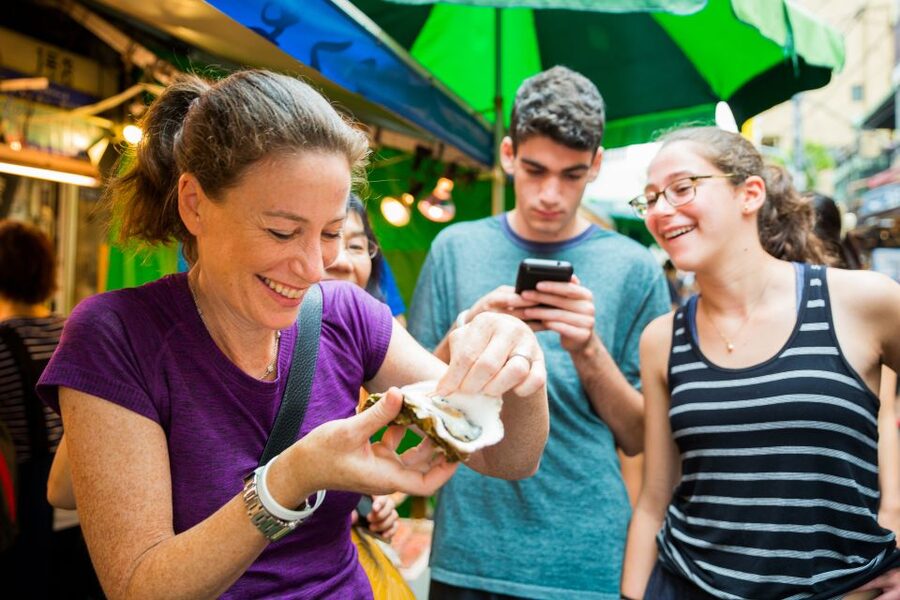
At $96 per person, this is not a cheap way to grab breakfast in Tokyo. You are paying for more than the food. The price covers a three-hour English-language walk, a small group, a local guide, several tastings, help with unfamiliar vendors, and a final sushi or seafood bowl.
The value is strongest if you are visiting Tsukiji for the first time and want structure. A solo visitor or couple could spend less by choosing individual snacks, but you would need to research stalls, manage the crowds, interpret menus, and make your own cultural connections.
The value is weaker if you already know Tsukiji well or mainly want one specific meal. You also need to budget for drinks and extra purchases. The included food should leave you satisfied, but the quality and number of smaller tastings can vary with market closures and vendor availability.
The cancellation terms are practical: you can cancel up to 24 hours before the start for a full refund, and you can reserve without paying immediately. Those terms help if your Tokyo schedule is still shifting.
Who should book this experience?
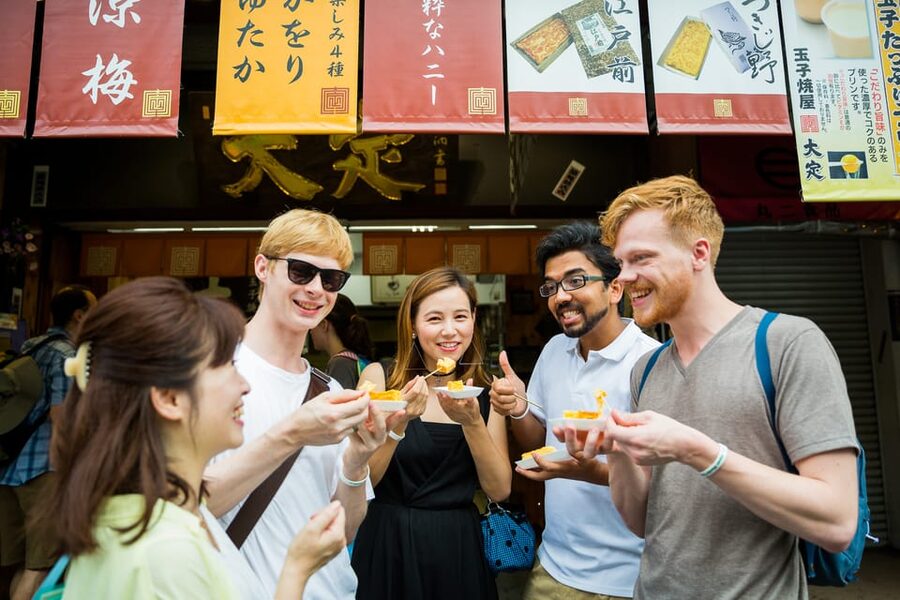
I would recommend it to first-time visitors who enjoy trying food but do not want to guess their way through a crowded market. It also suits people who want cultural context, not just a list of snacks, and families with older children who can manage three hours of walking.
It is a good fit for adventurous eaters. The menu centers on seafood and meat, and optional purchases may include items such as sea urchin or oysters. If you prefer familiar food or need a carefully controlled diet, the tour is less suitable.
The operator does not accommodate vegetarian, vegan, halal, or gluten-free requests. Infants do not receive meals, and the tour is not designed for wheelchair users or people with mobility impairments.
My verdict: book it for guidance, not just lunch
Book this Tsukiji tour if you want a friendly introduction to Tokyo’s food culture, especially if the market feels confusing or intimidating. The small group, strong English-speaking guides, Wagyu skewer, and final seafood dish make it a useful first visit.
Skip it if you are vegetarian, need strict dietary accommodation, dislike crowds, or prefer to explore at your own pace. Also avoid market closure days unless you are comfortable with fewer food stops.
For the best chance at the full experience, choose an open market day, wear good walking shoes, arrive at the temple gate early, and leave time afterward to revisit the stalls that caught your attention.
FAQ
Where does the Tsukiji food tour begin?
It begins at the main gate of Tsukiji Hongwanji Temple, the Jodo Shinshu Hongwanji-ha temple near Tsukiji Station.
How long does the tour last?
The tour lasts three hours and returns to Tsukiji Hongwanji Temple near the end.
How many people are in each group?
The tour is offered in small groups of two to eight people.
What food is included?
Included tastings are high-grade Wagyu beef skewers, a fresh fish bowl or sushi, Japanese omelet, seasonal fruit, and fried fish cake.
Do I receive sushi or a seafood bowl?
You receive either sushi or a seafood bowl, depending on the day. If the restaurant closes unexpectedly, an alternative meal is provided.
Is the tour suitable for vegetarians or vegans?
No. The tour does not accommodate vegetarian, vegan, halal, or gluten-free requests.
Which days is the fish market closed?
The fish market is closed on Wednesdays, Sundays, and other designated market closure days. On those days, the omelet, fish cake, and fruit tastings cannot be served.
What should I bring?
Bring comfortable shoes, comfortable clothing, and a camera. Expect a moderate amount of walking through crowded market areas.
More Fish Market Tours in Tokyo
- Tokyo Sushi Making Class in Tsukiji with Professional Chef
★ 5.0 · 1,177 reviews - Tsukiji Fish Market Small-Group Food Walking Tour
★ 5.0 · 621 reviews - Tokyo: Tsukiji Fish Market Sushi Making Class with Pro Chef
★ 4.9 · 506 reviews - Tokyo Food Tour Taste Fresh Delights at Tsukiji Market
★ 5.0 · 429 reviews
More Walking Tours in Tokyo
- Tokyo: Imperial Palace and Shogun Historical Walking Tour
★ 5.0 · 2,251 reviews - Tokyo: Shinjuku Local Bar and Izakaya Guided Walking Tour
★ 4.9 · 1,794 reviews - Tokyo: Asakusa Walking Tour with Sensoji Temple Visit
★ 4.8 · 1,583 reviews - Tokyo Castle & Imperial PalaceーShogun Walking Tour
★ 4.7 · 1,068 reviews
Just added around Tokyo
- Tokyo 6hr Instagram Highlights Private Tour with Licensed Guide★ 5.0 · 38 reviews
- Tokyo Small Group Tour with Guide★ 4.5 · 38 reviews
- Tokyo Sumo Experience with Live Show & Audience Challenge★ 5.0 · 38 reviews
- Japanese Food Cooking Class in Asakusa, Tokyo★ 5.0 · 39 reviews
- Very popular in Harajuku♡Animal petting zoo★ 4.6 · 39 reviews
- Ramen Making from Scratch with Tokyo Mom(Vegan Option Available)★ 5.0 · 39 reviews
- Tokyo JDM Night: 600hp C63s AMG Edition 1 (Private)★ 4.9 · 39 reviews
- Tokyo: Kimono Rental inside Shinjuku Gyoen National Garden★ 4.9 · 39 reviews
Fish Market Tours, compared.
Tokyo Tsukiji Fish Market Food and Culture Walking Tour
Read our review →


Tokyo Sushi Making Class in Tsukiji with Professional Chef
Read our review →
Tsukiji Fish Market Guided Tour and Sushi Making with Pro Chef
Read our review →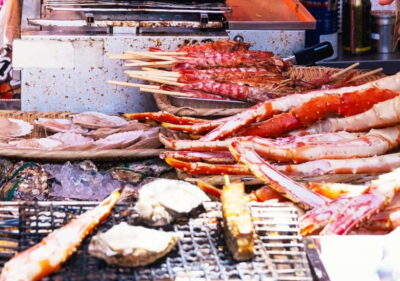
Tsukiji Fish Market: Street Food & Culture Walking Tour
Read our review →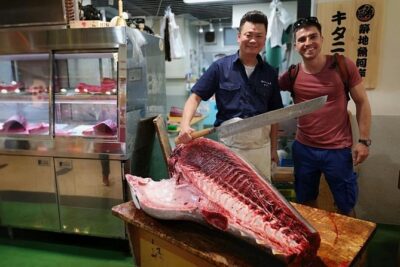
Tsukiji Fish Market Small-Group Food Walking Tour
Read our review →
Tsukiji Fish Market Sushi Making Class with Pro Chef
Read our review →Browse the lists this tour appears in