
Reviewed · SAKE TASTING
Sake Tasting Masterclass in Shinjuku (8+ Varieties with a Pro)
Sake gets much easier after one good lesson. This two-hour Shinjuku workshop combines eight or more sake tastings, Japanese snacks, and clear instruction from a professional sommelier, making it a useful first step into Japan’s national drink. I like the small maximum of eight people, which gives you room to ask questions, and I like the practical advice on buying bottles and ordering sake in restaurants. The main catch is simple: this is a generous amount of alcohol for two hours, and some first-timers may find the pace or information heavy.
The session costs $72.29 per person, with drinks and snacks included. That is not cheap for an afternoon activity, but the tasting range, personal attention, and take-home buying advice give it solid value for anyone who wants more than a single drink at a restaurant. Eat beforehand, drink water, and remember that the snacks are not a full meal.
In This Review
- Key points to know before booking
- What the Shinjuku sake class is really like
- Meeting in Nishishinjuku at 1 pm
- Sake 101: brewing, labels, and flavor
- Eight or more pours, plus paired snacks
- Why the guides make or break the afternoon
- Turning the lesson into better restaurant orders
- Is $72.29 a fair price?
- Who should book, and who should think twice?
- Should you book the Shinjuku sake masterclass?
- FAQ
- How long does the Sake Tasting Masterclass last?
- How much does the class cost?
- How many types of sake will I taste?
- Are beverages and snacks included?
- Where does the class meet?
- What time does the experience start?
- How large is the group?
- What is the minimum drinking age?
- Can I cancel for a refund?
Key points to know before booking
- Taste a broad range of sake: You will sample at least six varieties, with many sessions reaching nine or ten.
- Learn the useful basics: Brewing methods, rice polishing, labels, flavor styles, history, and tasting technique are all part of the class.
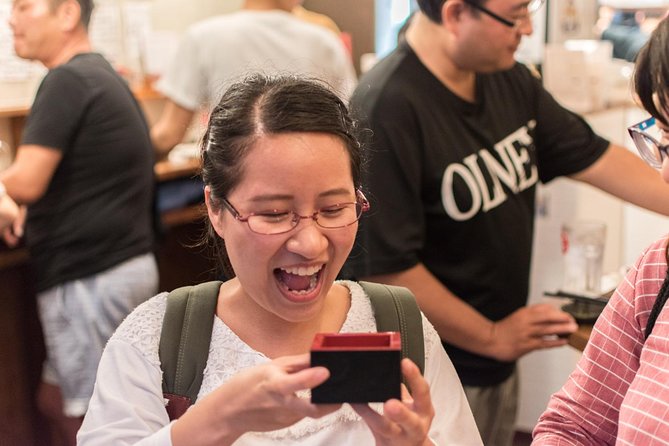
- Small groups make questions easy: The maximum is eight people, and some sessions may be even smaller.
- Guides bring different personalities: Max, Joe, Tadashi, Megan, Cassy, Andrea, and Hawaii Joe have all led sessions praised for energy, warmth, and clear teaching.
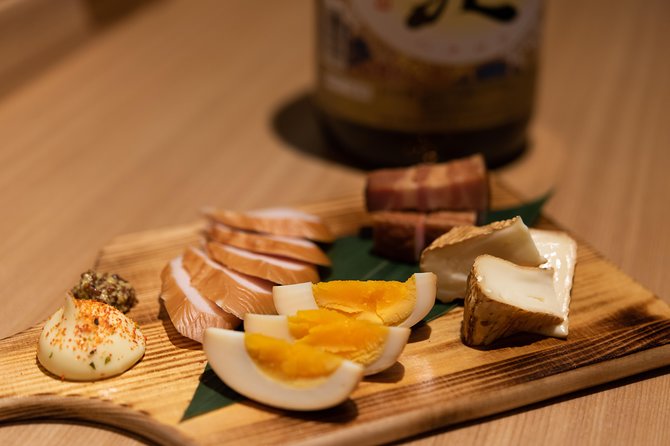
- Food pairing is built in: Locally sourced snacks are selected to show how sake works with food.
- Plan for a strong pour of education and alcohol: Have a meal first, pace yourself, and use the water advice seriously.
What the Shinjuku sake class is really like
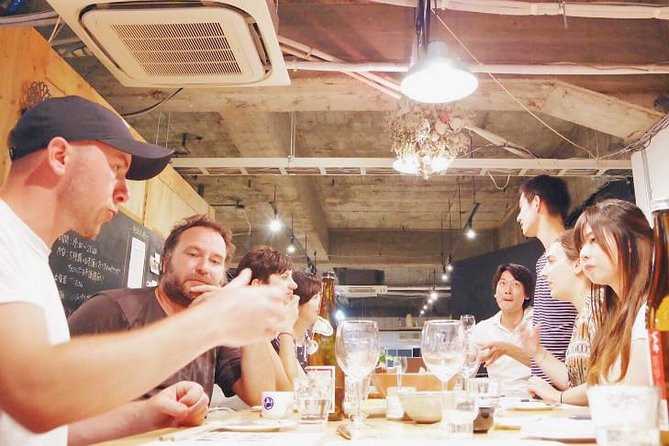
This is not simply a bar crawl with a few samples. You stay in one place and work through the building blocks of sake with a sommelier from the international sake sommelier team in Tokyo.
The class covers Sake 101: how sake is brewed, how its labels work, how styles differ, and how to taste with more purpose. You also create your own tasting chart, which helps turn a blur of unfamiliar Japanese terms into something you can use later.
That practical angle is the strongest reason to book. By the end, you should have a better idea of what you like and more confidence ordering or buying sake. Several people have left able to choose a bottle or style at a restaurant instead of simply pointing at the menu.
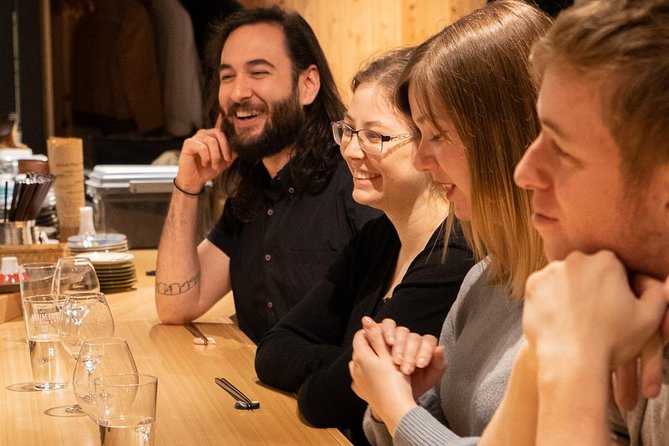
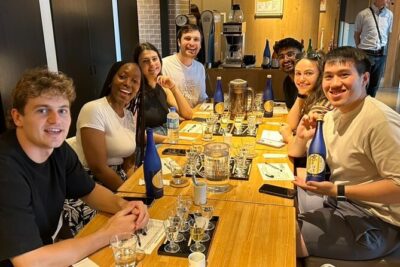
The atmosphere is described as casual and social. You may meet Japanese sake enthusiasts, and the small group gives the session a friendly feel rather than a classroom mood. The guides are not just pouring glasses. They answer questions, explain the differences between bottles, and often share food and drink suggestions for the rest of your time in Japan.
More Food Tours in Tokyo
- Tokyo: Shinjuku Food Tour (13 Dishes at 4 Local Eateries)
★ 5.0 · 6,603 reviews - Tokyo Tsukiji Fish Market Food and Culture Walking Tour
★ 5.0 · 3,184 reviews - Tokyo: Shinjuku Food Tour (15 Dishes and 4 Eateries)
★ 4.9 · 2,033 reviews
Meeting in Nishishinjuku at 1 pm
The activity begins at 1:00 pm in Nishishinjuku, at Ushinobi Shinjuku, Wagyu & Sake, in the NSK Building, room 201. The address provided is 1-chōme-22-1 Hyakuninchō, Shinjuku City, Tokyo 169-0073.
You need to make your own way there. Hotel pickup, drop-off, and transportation are not included, so allow enough time to locate the building and room. One past participant had trouble because the meeting place appeared different from the expected location. I would check the confirmed address carefully before leaving and keep the mobile ticket handy.
The location matters because Shinjuku is a practical place to put this class into your day. You can schedule it before an evening meal or use it as a gentle first-day introduction to Japanese food and drink. The workshop ends back at the meeting point, so you do not need to arrange a separate pickup.
Sake 101: brewing, labels, and flavor
The first part gives you the framework needed to make sense of the tasting. You learn about sake’s history and brewing techniques, then get help reading labels and understanding what those words mean in the glass.
That foundation is especially useful if you arrive knowing little about sake. Terms can feel like alphabet soup when you first see them on a menu or bottle. The instructor focuses on the points that matter most when you are choosing what to drink, rather than expecting you to memorize every technical detail.
You also learn about flavor profiles. The class explores differences such as light and full-bodied styles, as well as more traditional and modern approaches. The tasting chart gives you a place to note what you prefer, which is valuable because sake can be difficult to compare once several glasses are in front of you.
For experienced sake drinkers, the benefit is different. You may already know the broad categories, but a professional guide can help connect brewing choices, labels, and flavor. The session is designed to work for beginners and people who already enjoy sake, although the level of detail can feel high if you are completely new to the subject.
Eight or more pours, plus paired snacks
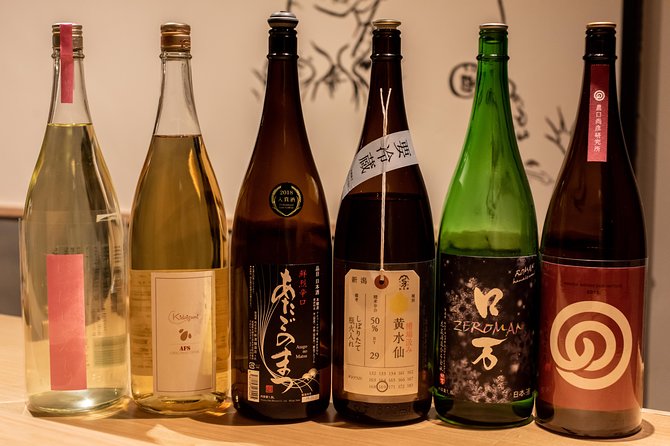
The advertised format promises more than six different sakes. Actual sessions described by participants included nine or ten tastings, so you should expect a wide sample rather than one token sip.
The range is one of the class’s best features. You get to compare bottles side by side and find out how much sake can vary. Someone who claims not to like sake may discover a style that suits them, while a regular drinker can identify new directions to explore.
The alcohol level is also the biggest practical warning. Ten tastings in two hours can leave a first-timer quite intoxicated, especially without food. One participant found the amount too much, while others described finishing the session pleasantly buzzed. I would treat this as a drinking event with instruction, not as a lecture where alcohol is an afterthought.
Eat a proper meal before arriving and drink water during the class. The included snacks help, but they are intended as pairings rather than lunch. They are selected to complement particular sakes, letting you see how food can change the drink’s flavor and feel.
This is more useful than a random plate of bar food. Pairing helps you understand why a sake works well with a meal and gives you ideas for ordering in Japan. It also slows the experience down a little, although you should still monitor your own pace.
More Sake Tastings in Tokyo
- Ramen and Sushi Cooking Class with Sake Pairing Set in Tokyo
★ 5.0 · 291 reviews - Sake Omakase in Tokyo: Guided Tasting by Certified Sommeliers
★ 5.0 · 239 reviews - Tasting All Types of Sake with Sommelier
★ 5.0 · 151 reviews - Wagyu & Sake Pairing in Shinjuku – Steak, Shabu-Shabu & More
★ 5.0 · 112 reviews
Why the guides make or break the afternoon
The strongest praise goes to the instructors. Max is repeatedly singled out for his passion, humor, and ability to make history, brewing, and tasting techniques easy to follow. Joe is praised for turning complex sake details into useful highlights, while Hawaii Joe is described as energetic and entertaining.
Tadashi receives especially warm praise for combining strong instruction with a welcoming manner. Megan is noted for answering every question patiently, and Andrea is praised for making several sake styles easy to compare. Cassy is described as fun and informative.
The guide assigned to your session may vary, so you should not assume that Max or any other named instructor will lead your class. Still, the pattern is encouraging. The teaching style appears to be personal and conversational, not a recorded presentation delivered at you.
A small group helps here. With a maximum of eight people, you can ask about a flavor you dislike, request advice for a restaurant order, or compare notes with the other people at the table. One session had six people and was described as intimate and easy to navigate. Another became a private tasting when only one person booked.
That smaller format is a real part of the price. You are paying not only for the sake, but also for access to someone who can respond to your tastes instead of giving a fixed speech.
Turning the lesson into better restaurant orders
The most lasting benefit is confidence. After the class, you should understand enough to ask for a style you prefer, recognize useful label information, and avoid choosing blindly.
The buying advice is particularly handy. Participants received reference material to take home, and one person used the new vocabulary to order Junmai Daiginjo on a flight home. You should not expect the class to make you a sake scholar in two hours, but it can give you a working vocabulary and a sense of direction.
The instructor may also offer suggestions for food and drink elsewhere in Japan. Joe, for example, was praised for giving useful recommendations beyond the class. These tips can be valuable early in your trip, when you still need help choosing restaurants and local specialties.
I would book this near the beginning of your Japan visit if sake interests you. The lessons can improve later meals, bottle shopping, and izakaya visits. If your schedule is tight, the class is still worthwhile, but its value is greatest when you have several days left to use what you learned.
Is $72.29 a fair price?
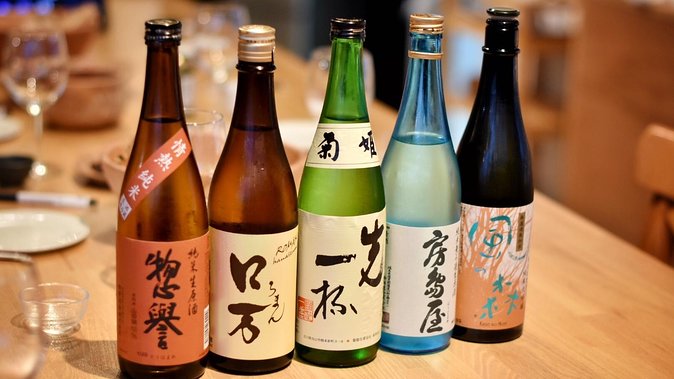
At $72.29 per person, this sits above the cost of simply ordering sake at a bar. But that comparison is not quite fair. Your fee includes at least six pours, often more, snacks, a two-hour lesson, a tasting chart, and a professional guide in a group of no more than eight.
Sake can also become expensive when you order unfamiliar bottles one glass at a time and discover they are not to your taste. This class lets you compare several styles before spending more on bottles or restaurant pours. That makes the price easier to justify for anyone who plans to keep exploring sake in Japan.
The value is lower if you already have extensive sake training or dislike structured instruction. You may know much of the brewing and label material already. The class is also less attractive if you want a full meal, a brewery visit, or a tour that moves through several Tokyo neighborhoods. This is a focused tasting workshop, not a broad food tour.
The high rating, 5 out of 5 from 271 ratings and a 99 percent recommendation rate, supports the idea that most people find the experience worthwhile. Even so, the alcohol warning should carry more weight than the score. A fun class can still be too much if you arrive hungry or try to keep up with every pour.
Who should book, and who should think twice?
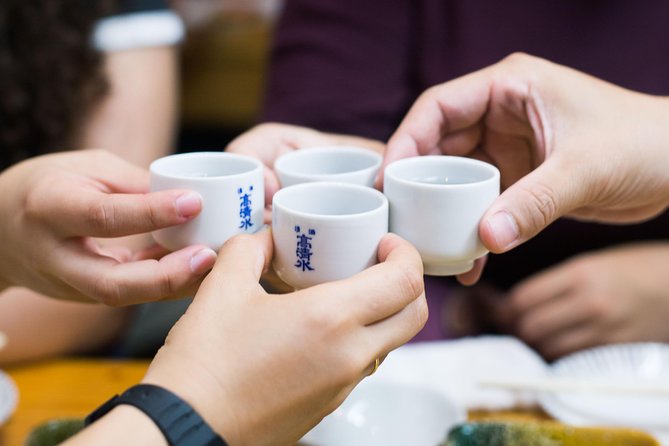
I would recommend this to you if you enjoy Japanese food, want to understand sake menus, or need an indoor activity in Shinjuku. It works well for couples, friends, solo participants, and curious beginners. The social format can also be a pleasant way to meet people during a Tokyo stay.
Beginners should not feel excluded. Several participants arrived knowing nothing and left ready to order sake with confidence. But you should be comfortable asking the instructor to slow down or repeat a term if the material moves quickly.
People who already know sake may enjoy the broad selection and the chance to compare bottles with an expert. The value depends on how much of the basic material you have already covered.
I would think twice if you do not drink alcohol, need a substantial meal, or prefer a slow tasting with only a few small samples. You may also want to skip it if you have food restrictions and cannot notify the operator at least a week ahead.
You must be at least 20 years old to participate. The tour offers a mobile ticket, confirmation arrives at booking, and the meeting point is near public transportation. Free cancellation is available if you cancel at least 24 hours before the 1:00 pm start. Within 24 hours, you will not receive a refund, and last-minute changes are not accepted.
Should you book the Shinjuku sake masterclass?
Yes, if you want a practical introduction rather than a fancy drink with no explanation. The class gives you a useful base in brewing, labels, tasting, and food pairing, then lets you test that knowledge across a generous range of sake.
Book it early in your Japan trip, eat first, and plan to drink water. At $72.29, it is best for you if you expect to use the advice at restaurants and shops afterward. If that sounds appealing, this is a smart two-hour stop in Shinjuku and a much better way to meet sake than ordering one unfamiliar bottle at random.
FAQ
How long does the Sake Tasting Masterclass last?
The experience lasts approximately two hours.
How much does the class cost?
The listed price is $72.29 per person.
How many types of sake will I taste?
You will taste at least six different types. Some sessions include nine or ten tastings.
Are beverages and snacks included?
Yes. Beverages and snacks are included, but the snacks are not a full-size meal.
Where does the class meet?
The class begins at Ushinobi Shinjuku, Wagyu & Sake, room 201 in the NSK Building, at 1-chōme-22-1 Hyakuninchō, Shinjuku City, Tokyo 169-0073, Japan.
What time does the experience start?
The scheduled start time is 1:00 pm.
How large is the group?
The maximum group size is eight people. The group may be smaller, depending on bookings.
What is the minimum drinking age?
The minimum drinking age for this experience is 20.
Can I cancel for a refund?
Yes. You can cancel at least 24 hours before the start time for a full refund. Cancellations or changes made within 24 hours are not accepted for a refund.
More Drinking Tours
- Tokyo Bar Hopping Tour in Shinjuku (All-You-Can-Drink + Dinner)
★ 5.0 · 3,587 reviews - Best of Shinjuku: Izakaya Food Tour (4 Stops, 14+ Tastings)
★ 5.0 · 1,863 reviews - Tokyo: Shinjuku Local Bar and Izakaya Guided Walking Tour
★ 4.9 · 1,794 reviews - Shibuya Meltdown Nightlife Tour: All-You-Can-Drink Bar Hopping
★ 5.0 · 1,058 reviews
Just added around Tokyo
- Tokyo 6hr Instagram Highlights Private Tour with Licensed Guide★ 5.0 · 38 reviews
- Tokyo Small Group Tour with Guide★ 4.5 · 38 reviews
- Tokyo Sumo Experience with Live Show & Audience Challenge★ 5.0 · 38 reviews
- Japanese Food Cooking Class in Asakusa, Tokyo★ 5.0 · 39 reviews
- Very popular in Harajuku♡Animal petting zoo★ 4.6 · 39 reviews
- Ramen Making from Scratch with Tokyo Mom(Vegan Option Available)★ 5.0 · 39 reviews
- Tokyo JDM Night: 600hp C63s AMG Edition 1 (Private)★ 4.9 · 39 reviews
- Tokyo: Kimono Rental inside Shinjuku Gyoen National Garden★ 4.9 · 39 reviews
Sake Tasting, compared.
Kyoto Night Foodie Tour in Gion (9+ dishes + 6 Sake tastings)
Read our review →
1-Day Snow Monkeys, Zenko-ji Temple & Sake in Nagano
Read our review →
3-Hour Kyoto Insider Sake Brewery Tour with Tastings & Pairings
Read our review →
Arashiyama Bamboo, Temple, Monkeys, or Secret Sake Brewery
Read our review →

Insider Sake Brewery Tour with Sake and Food Pairing
Read our review →
1.5-Hour Kyoto Insider Sake Experience with 7 Tastings & Pairings
Read our review →Browse the lists this tour appears in