
Reviewed · COOKING CLASSES
Tokyo: Wagyu and 7 Japanese Dishes Cooking Class
Japanese cooking is easier than it looks. This three-hour class gives you a friendly, practical introduction to everyday Japanese food, not just sushi, in a small Tokyo studio where you cook eight dishes from appetizer through dessert. I especially like the hands-on format and the chance to learn dashi, miso, omelette, sukiyaki, and Japanese sweets in one sitting. The main consideration is the packed schedule: you cook many dishes, so this is more about useful foundations than advanced knife skills.
The class costs $67 per person and includes ingredients, equipment, an apron, towel, welcome tea, recipes, and the meal you prepare. I also like the small group size, limited to eight people, and the clear English instruction from local teachers such as Yuki, Yuko, Kaori, and Bifuka. Finding the residential studio takes care, though, and you should not expect hotel pickup or transportation.
In This Review
- Key points at a glance
- What the three-hour class actually gives you
- Starting with Japanese basics: dashi, miso, and small dishes
- Rolling omelette and working with tofu
- The Wagyu centerpiece: sukiyaki in a home kitchen
- Finishing with dorayaki-style Japanese sweets
- Friendly teaching in a spotless studio
- Why the recipes are useful after Tokyo
- Who will get the most from this cooking class
- Location tips for reaching the Shinanomachi studio
- Is $67 a fair price for three hours?
- Small drawbacks to consider before booking
- Should you book the Cooking Sun Wagyu class?
- FAQ
- How long does the Wagyu and seven-dish cooking class last?
- How many dishes do you prepare?
- Is the class taught in English?
- What is included in the price?
- Can dietary requirements be accommodated?
- How do you find the studio?
Key points at a glance
- Eight dishes in about three hours: Prepare a full Japanese meal, including Wagyu beef, soup, side dishes, and dessert.
- Wagyu sukiyaki is the star: Cook and eat tender Wagyu in a Japanese hotpot-style main course.
- A useful everyday menu: Learn dashi miso soup, Japanese omelette, cucumber salad, sesame potato salad, stuffed tofu, and dorayaki-style pancakes.
- Small English-speaking class: With a maximum of eight participants, the instructors can offer personal help without making the lesson feel private or formal.
- Recipes you can use at home: The dishes rely on sensible techniques and substitutions that are easier to repeat outside Japan.
- Residential Tokyo setting: The studio is in Shinanomachi, away from the usual sightseeing circuit, but the entrance can be tricky to spot.
What the three-hour class actually gives you
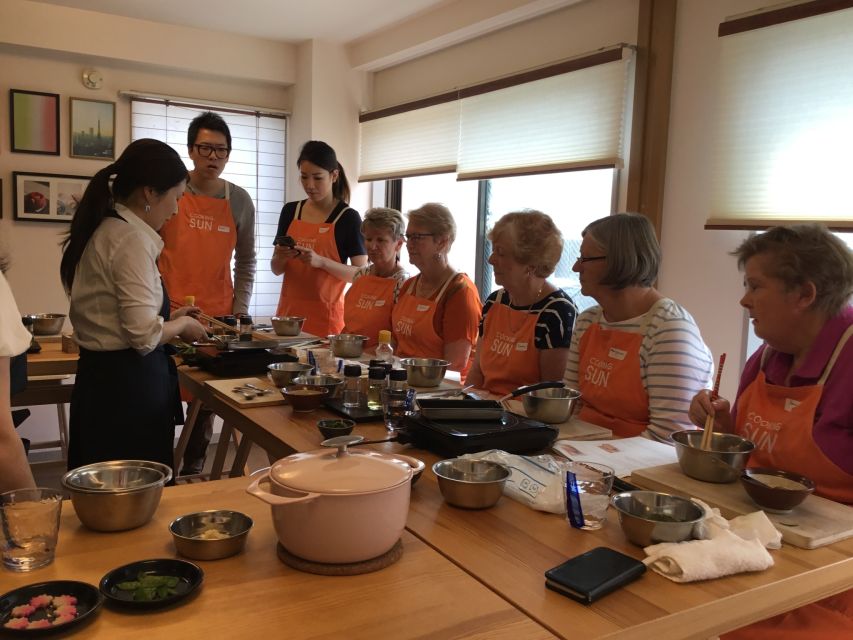
This is not a quick demonstration followed by a restaurant meal. You take part in preparing the food, with instructors showing each step and then helping you do it yourself. The full session lasts three hours, while the cooking portion is described as roughly two and a half hours, followed by time to sit down and eat.
The menu covers eight parts of a traditional Japanese meal. That variety is the clever part of the class. Instead of spending the whole morning on one complicated dish, you get a working feel for several basic Japanese methods: making stock, seasoning vegetables, shaping egg, cooking tofu, handling beef, and preparing a sweet.
The pace is active but designed for beginners. You do not need to arrive with professional cooking skills. One useful point from the class format is that the instructors prepare some elements in advance, which leaves you enough time to take part without turning the lesson into a frantic race against the clock.
You should arrive ready to cook rather than ready for a large breakfast. The smell of dashi, cooked beef, and sweet pancakes builds throughout the session, and the meal at the end is substantial. If you eat a full meal immediately beforehand, you may have trouble doing justice to everything you make.
More Cooking Classes in Tokyo
- Ramen & Gyoza Cooking Class in Tokyo with Local Supermarket Visit
★ 5.0 · 823 reviews - Tokyo: Easy Ramen Cooking Experience in Kabukicho, Shinjuku
★ 4.6 · 321 reviews - Ramen and Sushi Cooking Class with Sake Pairing Set in Tokyo
★ 5.0 · 291 reviews
Starting with Japanese basics: dashi, miso, and small dishes
A strong feature of this class is that it explains the building blocks of Japanese food instead of treating each dish as an isolated recipe. You may make dashi from scratch for miso soup, which gives you a better idea of why Japanese soups taste light but savory.
The lesson also covers the difference between white miso and red miso, a small detail that can make Japanese recipes less mysterious when you try them at home. The instructors explain how ingredients are used and why they suit a particular dish, rather than simply telling you to follow a list of steps.
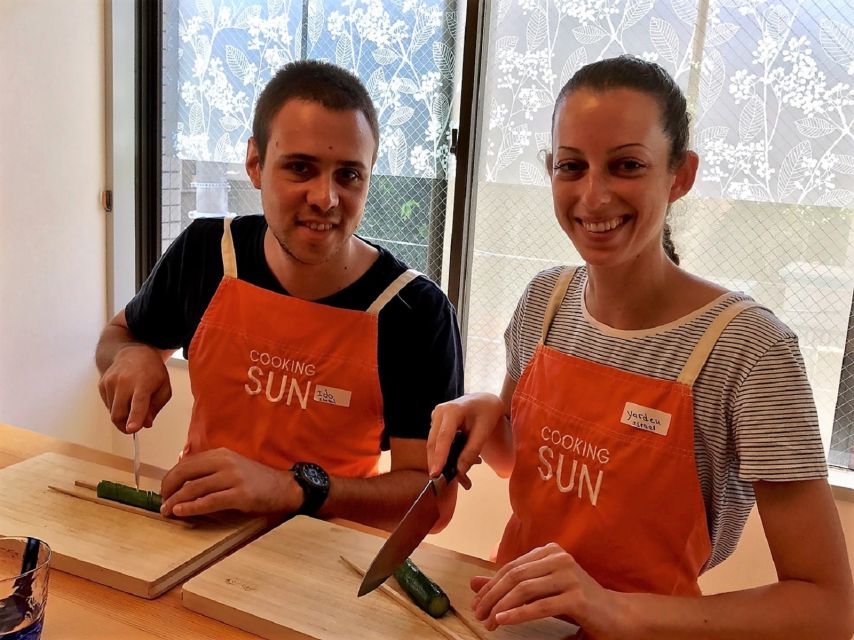
The smaller dishes give you a chance to practice without too much pressure. One example is cucumber cut in an accordion style for a salad. It looks decorative, but the cuts also help the seasoning reach more of the vegetable.
You may also prepare a sesame potato salad. This is a useful home recipe because it shows how a familiar ingredient can take on a Japanese flavor through seasoning and texture. These early dishes help fill out the final meal while introducing the balance of salty, sweet, savory, and fresh flavors found across Japanese home cooking.
Rolling omelette and working with tofu
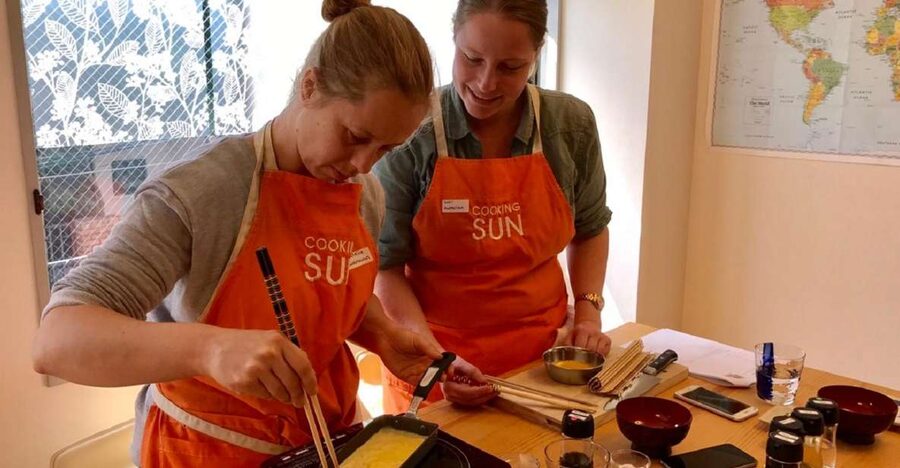
Japanese omelette is another practical lesson. Rolling the egg takes a little coordination, but the technique is approachable and gives you something specific to practice. You are not simply whisking eggs and putting them in a pan. You learn how to build the omelette in layers and shape it as it cooks.
The class can also include tofu stuffed with ground chicken, ginger, and edamame. This dish brings together soft tofu, seasoned filling, and a few more substantial ingredients. It is a good example of the way Japanese cooking often values contrast, using different textures in one bite.
I like this part of the menu because it moves beyond the dishes most people already know from Japanese restaurants. Sushi and ramen are famous outside Japan, but these recipes feel closer to the sort of food you might make for a family meal. You leave with ideas that are less showy but more useful.
The instructors demonstrate first and then guide you through the work. That matters if you are unsure about the order of operations or unfamiliar with Japanese ingredients. The teaching has been described as clear and patient, with plenty of explanation about both cooking methods and food customs.
The Wagyu centerpiece: sukiyaki in a home kitchen
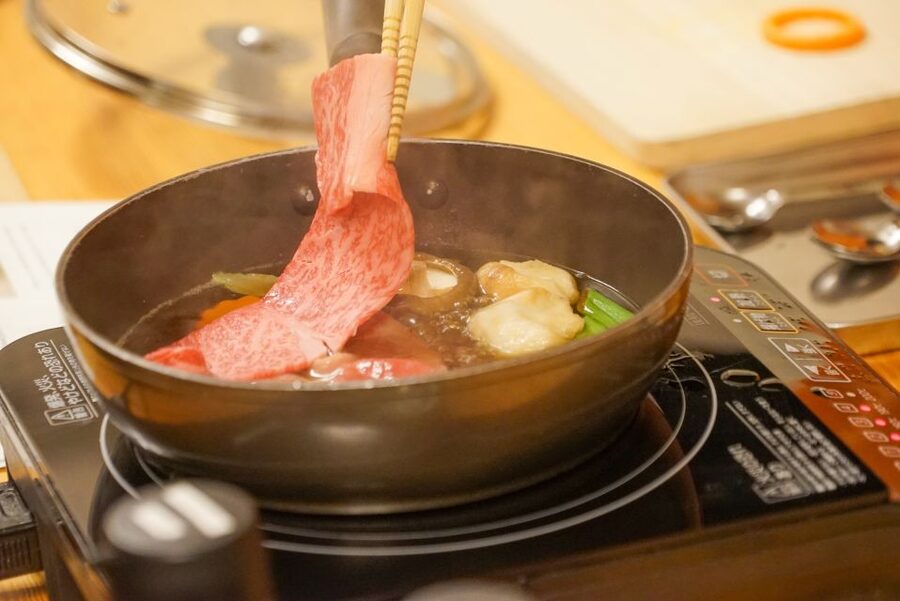
The main event is the Wagyu beef, prepared as a sukiyaki-style hotpot dish. Wagyu is known for its marbling and tender texture, and here you get to cook it yourself rather than simply receive it on a restaurant plate.
That hands-on step gives you a better sense of how quickly the beef cooks and how it works with the sweet and savory flavors of sukiyaki. The class emphasizes the tender, juicy quality of the meat, and the Wagyu is the dish most likely to make the experience feel special.
Still, it is worth keeping expectations sensible. This is a cooking lesson with a shared meal, not a dedicated Wagyu tasting. The value comes from pairing the beef with seven other dishes and learning the method, not from receiving a huge portion of premium meat.
Several people who have taken the class found the Wagyu especially tender, even compared with a restaurant meal elsewhere in Tokyo. That is a useful reminder that the cooking method and timing matter. You are not only learning about the ingredient. You are learning how to handle it.
A completely different kind of day out in Tokyo:
- Mt Fuji and Hakone 1-Day Bus Tour Return by Bullet Train
★ 5.0 · 26,383 reviews - 1-Day Tokyo Bus Tour
★ 5.0 · 14,250 reviews - Tokyo: TOKYO SKYTREE® Admission ticket
★ 4.5 · 11,192 reviews - Tokyo: teamLab Planets TOKYO Digital Art Museum Entry Ticket
★ 4.6 · 9,779 reviews
Finishing with dorayaki-style Japanese sweets
Dessert gives the class a cheerful finish. You may make dorayaki using rice flour pancakes, a Japanese sweet with a soft pancake texture and a filling between two rounds.
This is a good choice for a cooking class because it is recognizable, manageable, and different from the savory dishes that come before it. It also shows that Japanese home cooking is not limited to miso soup, rice, and grilled meat.
By the time the sweet is ready, the class has covered a surprising range of techniques. You have worked with stock, eggs, vegetables, tofu, ground chicken, beef, and batter. None of these tasks is presented as impossibly difficult, which is why the class suits first-time cooks and families with older children.
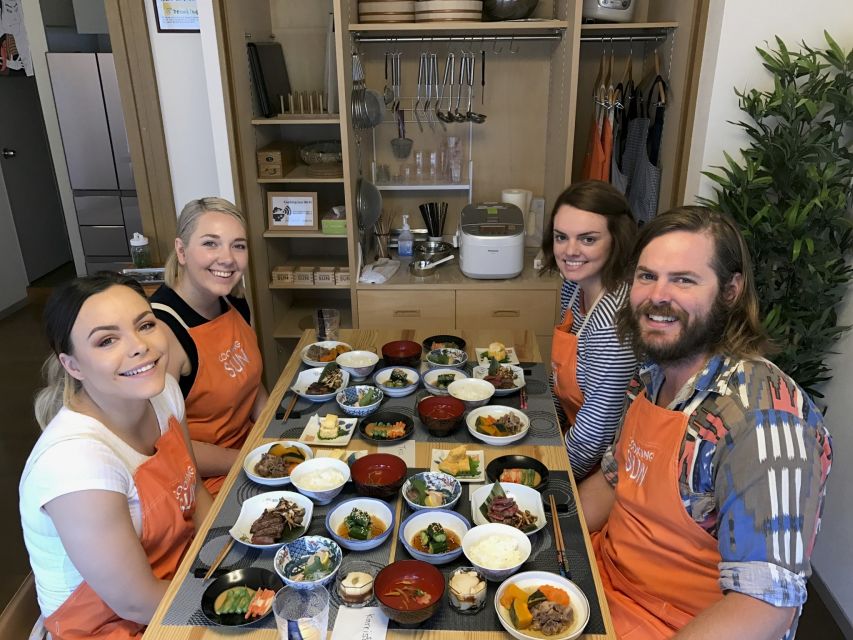
The final meal is the reward for all that activity. You sit down and eat what you have prepared, including the Wagyu main course and the smaller dishes. The result feels more satisfying than a standard food demonstration because you know exactly how each plate came together.
Friendly teaching in a spotless studio
The teaching is one of the strongest reasons to book this class. The English-speaking instructors explain the dishes, ingredients, cooking methods, and cultural background in plain terms. They also answer practical questions, including where to find ingredients and what substitutions may work when you return home.
The atmosphere is warm rather than stiff. You cook alongside the other participants, and the small group makes it easy to talk while you work. For a solo visitor, this is a particularly comfortable activity because the cooking gives everyone an easy reason to interact.
The studio itself is described as clean, bright, and well prepared. You receive an apron and towel, and the utensils, knives, pans, and other equipment are supplied. That means you can focus on the food instead of wondering what to bring.
Do not expect a polished television kitchen or a private chef experience. This is a compact teaching studio in a residential building. That homey setting is part of its appeal, but anyone looking for a formal culinary school may find it more casual than expected.
Why the recipes are useful after Tokyo
Many cooking classes are fun for a morning and then fade from memory. This one has better odds of following you home because the recipes are simple enough to repeat and the ingredients are explained carefully.
The instructors offer sensible tips about finding Japanese ingredients abroad and making substitutions. That is especially helpful for dashi, miso, sesame seasoning, and other items that may be unfamiliar once you leave Japan.
You also learn small techniques that can improve ordinary meals. Accordion-cut cucumbers make a simple salad more interesting. Layered omelette teaches control and presentation. Dashi gives soup a savory base without relying on heavy seasoning.
The class does not promise advanced culinary training, and you should not book it mainly to master professional cutting technique. One participant specifically noted that the cutting work is fairly easy. That is a limitation for experienced cooks, but a benefit for beginners who want confidence rather than a test.
Who will get the most from this cooking class
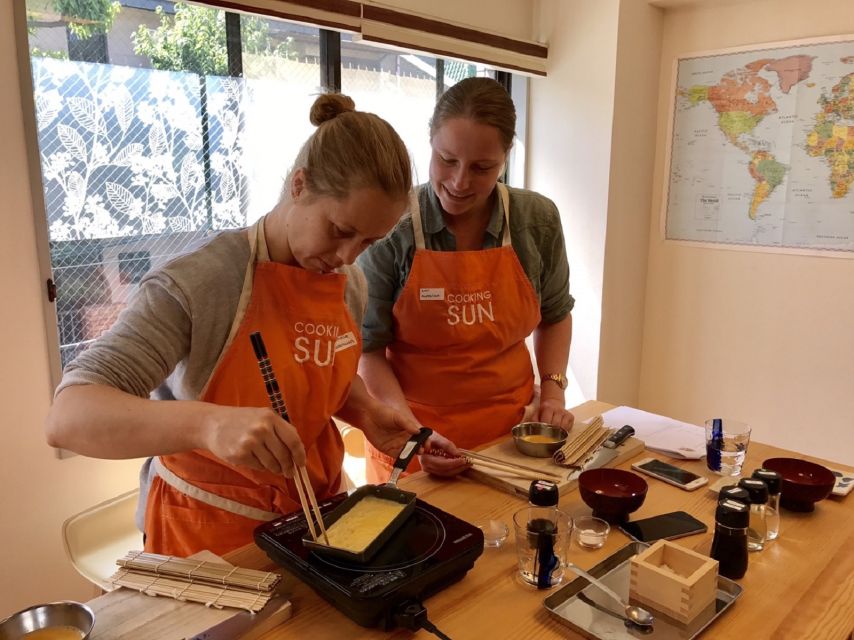
I would recommend this experience to couples, solo visitors, families with older children, and anyone who wants a break from sightseeing. It works particularly well early in your Japan trip, since learning about dashi, miso, Japanese meal structure, and common ingredients can sharpen your understanding of the food you eat afterward.
It is also a good choice if you want to eat Japanese food but do not eat fish. The menu centers on Wagyu and includes meat, tofu, vegetables, soup, and sweets. Dietary substitutions are available for allergies, gluten-free diets, vegetarian preferences, religious restrictions, and other needs, but you must provide those details when booking.
The class suits people with little or moderate cooking experience. You take part, but the instruction keeps the tasks manageable. Experienced home cooks may still enjoy the cultural explanations and the chance to work with Japanese ingredients, though they should not expect advanced technique.
The social side is another plus. With no more than eight participants, the group is small enough for help and conversation without the intensity of a private lesson. It can be a pleasant way to meet people without signing up for a loud bar crawl or a long group tour.
Location tips for reaching the Shinanomachi studio
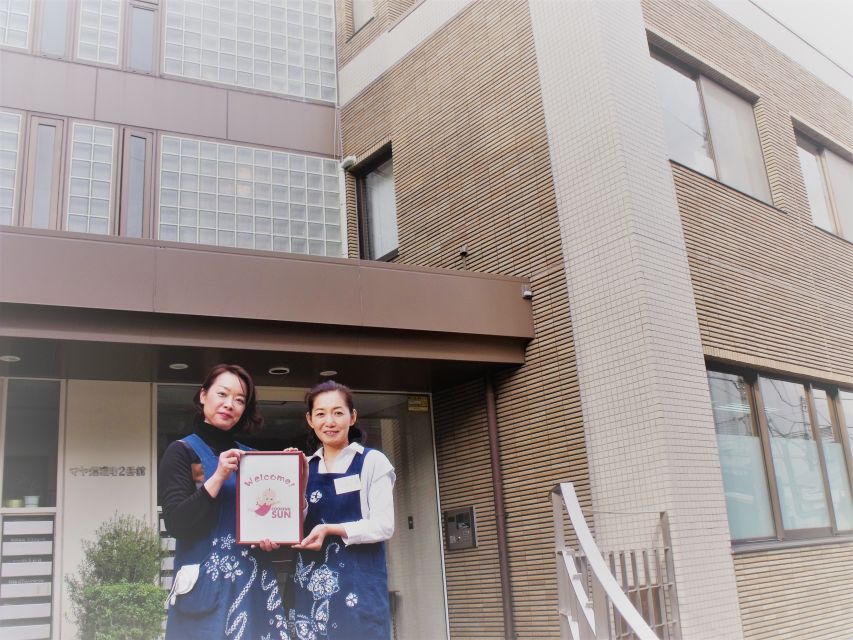
The studio is at Shinanomachi 18-39, Shinjuku-ku, Tokyo, in a residential neighborhood. Search for Cooking Sun Tokyo in Google Maps if you have Wi-Fi.
The building is beige and the studio is on the second floor. At the entrance, you will see two doors. Use the door on the right, then press 314 on the intercom to call the studio.
This is one part of the experience where preparation pays off. The building can be difficult to find, so save the address and directions before leaving your hotel. If you will not have Wi-Fi, check the detailed directions in advance rather than trying to solve the puzzle on the street.
If you arrive by a private vehicle, ask the driver not to wait in front of the building or stop in the neighborhood. The studio is in a quiet residential area. A nearby coin-operated parking lot is the better place for a driver to wait.
There is no hotel pickup or included transportation, so you need to make your own way there. Allow enough time to find the entrance without arriving flustered and late.
Is $67 a fair price for three hours?
At $67 per person, the class offers good value if you plan to take part fully. The price includes all ingredients and utensils, apron and towel rental, welcome tea, recipes, instruction in English, and a complete meal afterward.
You are effectively paying for three things at once: a meal, a cooking lesson, and cultural context. The Wagyu adds appeal, but the broader menu makes the price more reasonable because you also learn seven other dishes and several basic Japanese techniques.
The value is strongest if you will use the recipes later. A restaurant meal might give you more Wagyu, but it would not teach you how to make dashi, roll omelette, season side dishes, or prepare dorayaki. On the other hand, if you dislike cooking or mainly want a premium beef tasting, a restaurant may suit you better.
The class has a 4.9 rating from 273 reviews, with repeated praise for the organization, friendly teachers, clean studio, fresh ingredients, and tasty final meal. The praise is consistent enough to suggest that the experience is reliable, not dependent on one unusually good day.
You can cancel up to 24 hours in advance for a full refund, and the reserve-now, pay-later option keeps your plans flexible. Those policies are useful when a Tokyo itinerary is still changing.
Small drawbacks to consider before booking
The schedule covers a lot. Eight dishes in one session means you will move from one task to the next, and you may not get long periods to practice one technique repeatedly.
The class also takes place in a residential building that is not instantly obvious from the street. This is manageable, but you should treat the directions as part of your preparation rather than assuming Google Maps will lead you straight to a visible shopfront.
The experience is not focused on sushi, and it is not an advanced knife-skills course. If your main goal is sushi-making or professional technique, choose a different class. If you want everyday Japanese food, cultural explanation, and a meal you helped create, this menu is much better suited.
Should you book the Cooking Sun Wagyu class?
Book it if you want a practical introduction to Japanese home cooking, especially if you enjoy learning by doing. The combination of Wagyu sukiyaki, dashi miso soup, rolled omelette, vegetable sides, stuffed tofu, and dorayaki gives you a broad taste of Japanese food in one well-paced morning or afternoon.
I would choose this class early in a Tokyo visit, save the directions before setting out, and tell the school about dietary needs at booking. It is not for someone seeking advanced culinary training or a long Wagyu tasting, but for most visitors who want useful recipes, friendly English instruction, and a satisfying meal, the $67 price is well spent.
FAQ
How long does the Wagyu and seven-dish cooking class last?
The activity lasts three hours. The cooking portion takes about two and a half hours, followed by time to sit down and enjoy the meal you prepared.
How many dishes do you prepare?
You prepare eight dishes in total. The menu includes appetizers, dashi-based soup, side dishes, a Wagyu main course, and a Japanese sweet.
Is the class taught in English?
Yes. The local instructors teach in English and explain the ingredients, cooking methods, and cultural background of the dishes.
What is included in the price?
The price includes recipes, all ingredients and utensils, towel and apron rental, and welcome tea. Hotel pickup and transportation are not included.
Can dietary requirements be accommodated?
Yes. Ingredient substitutions can be arranged for food allergies, gluten-free diets, religious dietary restrictions, vegetarian preferences, and other needs. You need to provide this information when booking.
How do you find the studio?
The studio is on the second floor of a beige residential building at Shinanomachi 18-39, Shinjuku-ku, Tokyo. Use the right-side entrance door and press 314 on the intercom. Search for Cooking Sun Tokyo in Google Maps, and prepare directions in advance if you will not have Wi-Fi.
Just added around Tokyo
- Tokyo 6hr Instagram Highlights Private Tour with Licensed Guide★ 5.0 · 38 reviews
- Tokyo Small Group Tour with Guide★ 4.5 · 38 reviews
- Tokyo Sumo Experience with Live Show & Audience Challenge★ 5.0 · 38 reviews
- Japanese Food Cooking Class in Asakusa, Tokyo★ 5.0 · 39 reviews
- Very popular in Harajuku♡Animal petting zoo★ 4.6 · 39 reviews
- Ramen Making from Scratch with Tokyo Mom(Vegan Option Available)★ 5.0 · 39 reviews
- Tokyo: Kimono Rental inside Shinjuku Gyoen National Garden★ 4.9 · 39 reviews
- Tokyo JDM Night: 600hp C63s AMG Edition 1 (Private)★ 4.9 · 39 reviews
Cooking Classes, compared.
Ramen Cooking Class at Ramen Factory in Kyoto
Read our review →
Ramen & Gyoza Cooking Class in Tokyo with Local Supermarket Visit
Read our review →
Ramen Cooking Class at a Ramen Factory with Souvenir
Read our review →
Japanese Washoku Bento Small Group Cooking Class
Read our review →

Easy Ramen Cooking Experience in Kabukicho, Shinjuku
Read our review →
Ramen and Sushi Cooking Class with Sake Pairing Set in Tokyo
Read our review →Browse the lists this tour appears in