
Reviewed · GEISHA & GION DISTRICT TOURS
Kyoto : Geiko Maiko Dance of Kyoto & Visits of Gion Museum
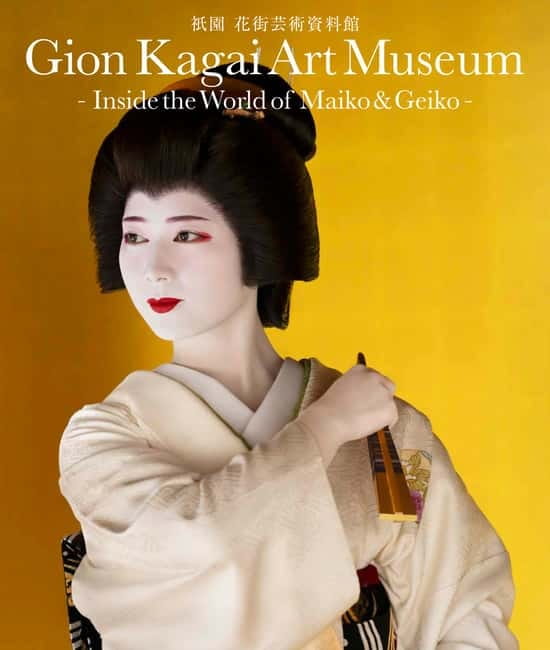
Kyoto’s quietest performance may leave the biggest impression. This short visit pairs a graceful Kyomai dance by a geiko or maiko with a well-presented museum devoted to Gion’s traditional arts. I especially like the intimate scale of the performance and the chance to see fine kimono, obi sashes, hair ornaments, and makeup tools at close range. The main drawback is simple: the dance lasts only about 15 minutes, so you should not expect a full stage production.
The $25 price works well for a compact Kyoto activity. You get the museum admission and the live performance, then you can remain in the museum after the two dances to see the exhibits, garden, cafe, and shop at your own pace. I would plan carefully, though, because the performance is scheduled at set times and the activity cannot be canceled for a refund.
In This Review
- Five details worth knowing before you go
- Entering Gion’s world through art
- What the 15 minute Kyomai performance is like
- The right order for your visit
- Why the museum matters as much as the dance
- A garden, cafe, and shop without extra rushing
- Photography rules and the optional photo session
- Is $25 good value for Kyoto?
- Who will enjoy this most?
- Practical advice for making the visit smooth
- Should you book the Gion geiko and maiko dance?
- FAQ
- How long does the Kyomai performance last?
- How many performers appear during the dance?
- What is the difference between a geiko and a maiko?
- What performance times are available?
- Is museum admission included?
- Can I remain in the museum after the performance?
- Can I take photographs during the performance?
- Can I record the dance?
- Are photo sessions with a geiko or maiko included?
- How early should I arrive?
- Is English information available?
Five details worth knowing before you go
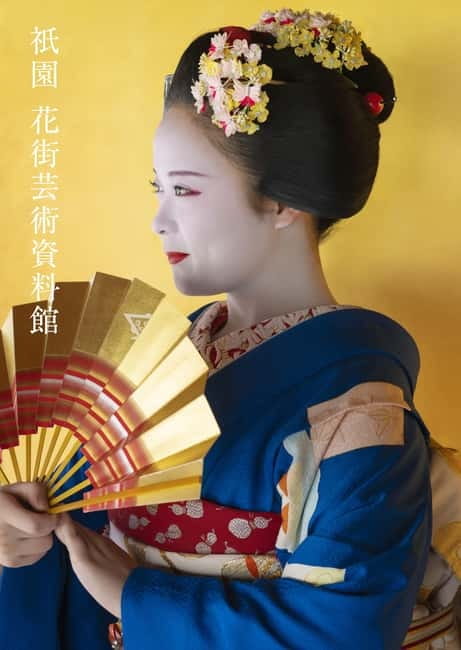
- The dance follows the Inoue style: One geiko or maiko usually performs two Kyomai songs, lasting about 15 minutes in total.
- The museum corrects a common mistake: In Kyoto, the women who perform in traditional banquet rooms and on stage are called geiko. Women training to become geiko are called maiko.
- English help is available through QR codes: Scan the museum information to read translations while viewing the displays.
- The garden adds breathing room: The Chisen water garden gives you a quiet place to pause after the performance.
- Photography is restricted during the dance: Optional photo sessions with a geiko or maiko are arranged separately at the museum.
- Five performance times are offered: Sessions are scheduled at 13:30, 14:20, 15:00, 16:00, and 16:30.
Entering Gion’s world through art
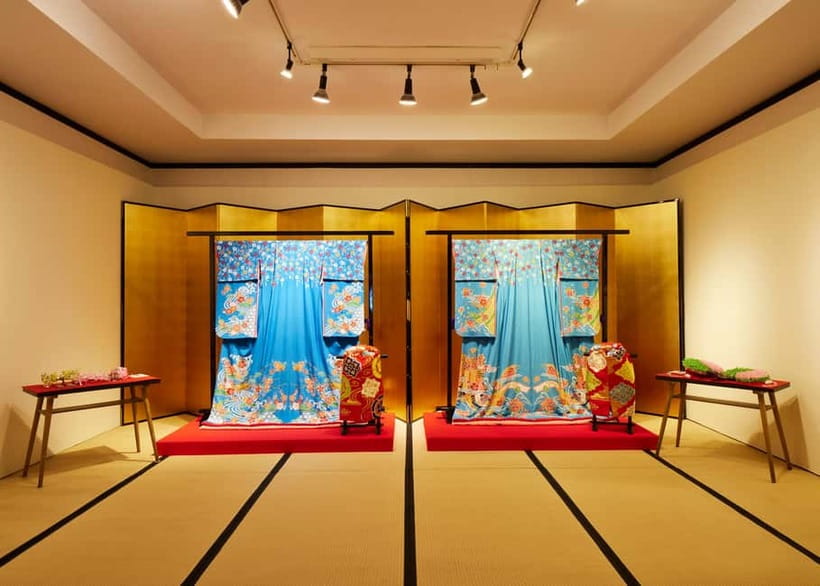
The Gion Kagai Art Museum offers a focused look at the culture of Kyoto’s kagai districts. Kagai refers to the entertainment quarters where geiko and maiko perform traditional dance and music for guests. This is not a broad survey of all Japanese performing arts. Instead, it concentrates on the clothing, objects, customs, and working world connected with Gion.
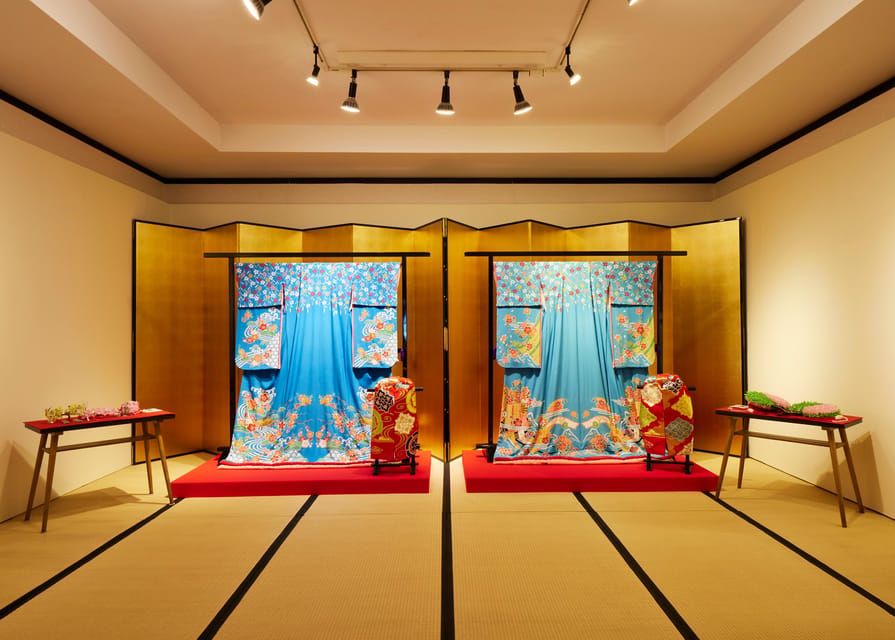
That narrow focus is useful. You can look closely at hand-painted Yuzen kimono and Nishijin brocade obi sashes, then see the smaller objects that complete a performer’s appearance. Seasonal kanzashi hair ornaments show how clothing and accessories change through the year. Black crested formal kimono give you a sense of the formal side of the profession, pieces that are rarely seen casually in the Gion quarter.
The displays also include personal belongings and makeup used by maiko. These everyday objects help turn an unfamiliar tradition into something easier to understand. Rather than seeing only a glamorous costume from a distance, you get clues about the preparation and discipline behind the appearance.
Photographs of the kagai districts add atmosphere and context. They help connect the objects in the cases with the streets, banquet rooms, and stages where geiko and maiko work. The museum is not large, so you will not need half a day to see it. That is part of its appeal if your Kyoto schedule is already crowded.
More Museum Visits in Kyoto
- Kyoto: Tea Museum Tickets and Matcha Grinding Experience
★ 4.9 · 739 reviews - Skip the lines Basic Ticket at SAMURAI NINJA MUSEUM KYOTO
★ 4.5 · 632 reviews - Kyoto Sword Experience – includes Museum Ticket/Ninja Experience
★ 4.5 · 149 reviews
What the 15 minute Kyomai performance is like
The live element is the heart of the visit. A geiko or maiko performs Kyomai, also called Kyoto Mai, in the Inoue style. The style is associated with the refined, controlled movement of Kyoto dance, and the short performance gives you a close view of gestures, posture, facial expression, and the handling of the costume.
You see two songs, with a total running time of about 15 minutes. That makes the event easy to add between other plans, but it also sets a clear limit on what you are buying. This is an introduction, not an evening of dance and music.
Most sessions feature one performer. On some days, the third and fourth sessions may feature two maiko or geiko. If you happen to see two performers together, the contrast can make the movements easier to appreciate. When one person performs, you can focus more closely on small details such as the turn of the head or the placement of a hand.
The performance is intentionally restrained. You should not expect a lively folk dance or a spoken explanation between songs. The beauty comes from precision and patience. Several people have found the movement hypnotic, especially after a busy day of sightseeing. That description makes sense: the slow pace asks you to stop rushing and pay attention.
One limitation is the lack of a fuller introduction. A printed sheet provides background, and museum material can be accessed in English by scanning a QR code, but the dance itself may not come with a detailed explanation of each song. If you want to understand the story or symbolism behind the movement, read the museum material before the show.
The right order for your visit
You are told to find the museum entrance as your meeting point and arrive 10 minutes before the scheduled performance. Follow that advice. A short show leaves little room for late arrival, and the staff may need to seat or direct people before the performer begins.
A sensible plan is to arrive early, see at least part of the permanent exhibition, attend the dance, then return to the displays afterward. This gives you visual context before you watch the performance. You may notice more in the kimono and hair ornaments once you have seen how the performer moves.
You can also reverse the order if your timing requires it. The key point is to allow time for the entrance and not treat the 15 minute duration as the total length of your museum visit. The performance is fixed, but the museum portion gives you more flexibility.
The listed sessions are:
- 13:30
- 14:20
- 15:00
- 16:00
- 16:30
Check the available time when booking, since the schedule may determine how well this fits with nearby plans. The five daily options are helpful, but the gaps are not evenly spaced. A 14:20 show, for example, may fit very differently from a 16:30 show.
Why the museum matters as much as the dance
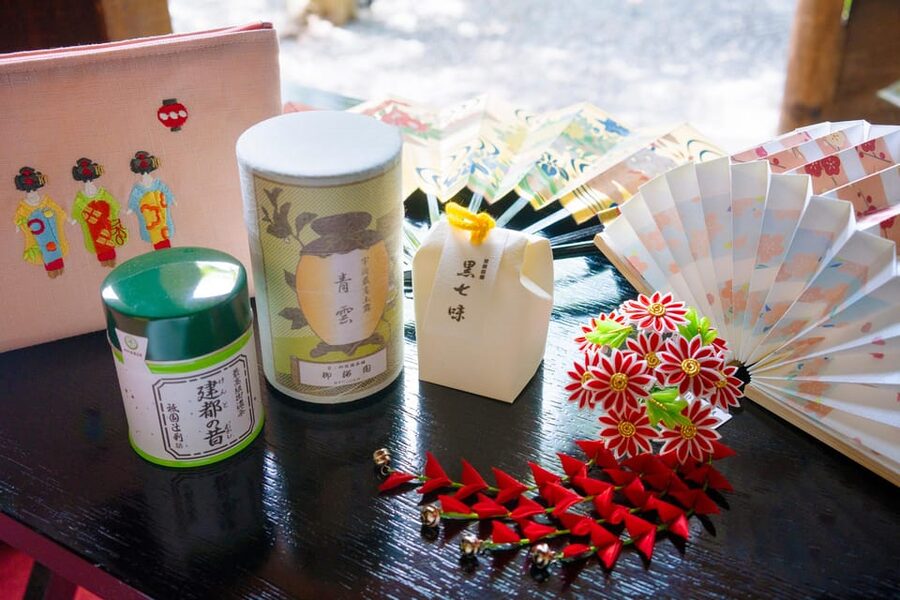
The dance is the memorable moment, but the museum gives it meaning. Without the displays, you might see an elegantly dressed performer and admire the movement without understanding how much preparation goes into the role of a geiko or maiko.
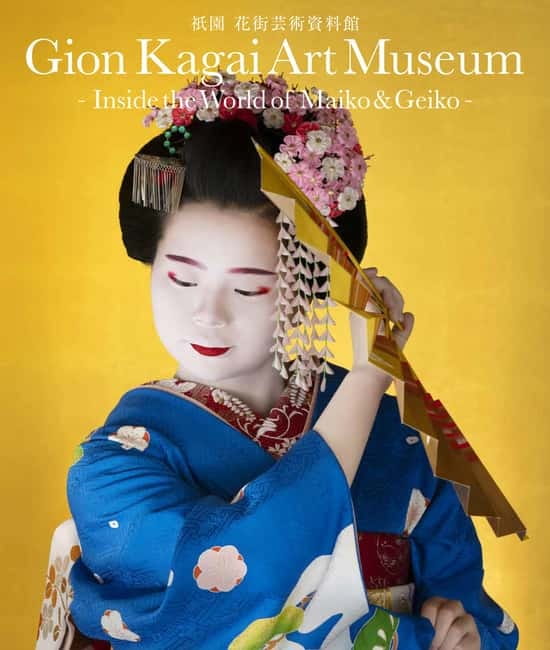
The distinction between the two terms is worth keeping clear. A geiko is an established female performer of traditional dance and music in Kyoto’s kagai districts. A maiko is a woman in training to become a geiko. The museum helps explain this professional path and the visual details associated with it.
The clothing displays are especially valuable because traditional garments are often seen only briefly on the street. Here, you can study the painted design of a Yuzen kimono or the woven detail of a Nishijin obi at your own pace. Seasonal hair ornaments also show that the appearance is not one fixed costume. Details change with the time of year and the occasion.
A film on the lower level provides another useful layer. It explains the dance and helps place the live performance in a wider cultural setting. If you have time, watch it before or after the show. It may answer some of the questions that a simple flyer cannot.
English information is available by QR code. Bring a charged phone if you want to use it. The translated material is particularly useful for visitors who cannot read Japanese, though it may not explain the meaning of every lyric performed during the dance.
More geisha district walks in Kyoto:
- Kyoto Geisha Walking Tour: Gion District & Hidden Gems
★ 4.7 · 3,273 reviews - Kyoto: Gion Magical Night Walking Tour with Geisha Trivia
★ 4.9 · 2,393 reviews - Kyoto: Gion Geisha District Walking Tour – Stories of Geisha
★ 4.7 · 2,187 reviews - Best of Kyoto: Gion, Geisha, Pagodas & Cobblestones
★ 4.9 · 2,058 reviews
A garden, cafe, and shop without extra rushing
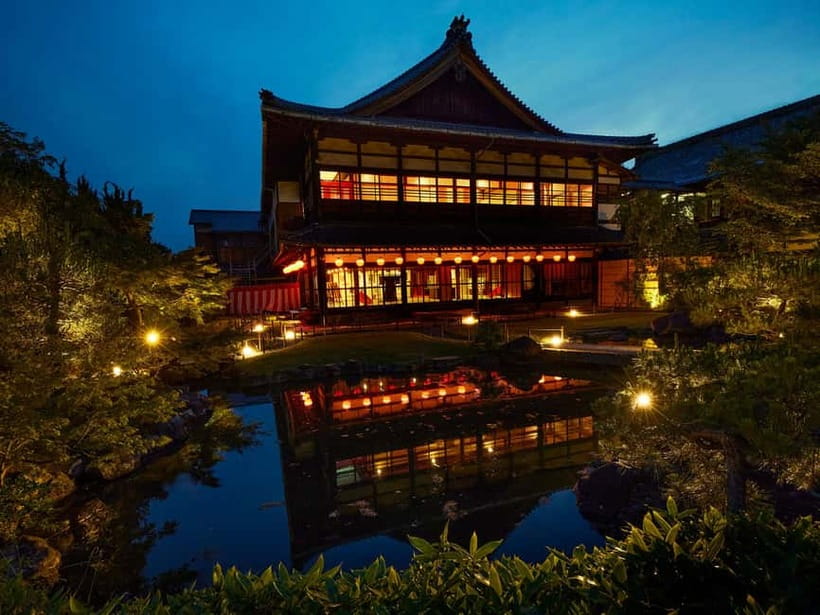
The Chisen water Japanese garden gives the museum a welcome change of pace. After the concentrated movement of the dance and the visual detail of the exhibits, the garden offers a quieter stop. It is not the reason to book the activity by itself, but it helps make the visit feel less like a quick theater appointment.
You can also look for the art cafe. The available information does not describe its menu or seating in detail, so I would regard it as an optional pause rather than build a meal plan around it. The museum shop is another small bonus, with items connected to the art and culture presented inside.
These extras matter because they extend the visit beyond the exact performance time. You are not paying $25 for a show that ends and sends you straight back onto the street. You are paying for a compact cultural visit with several parts, although the dance remains the main attraction.
Photography rules and the optional photo session
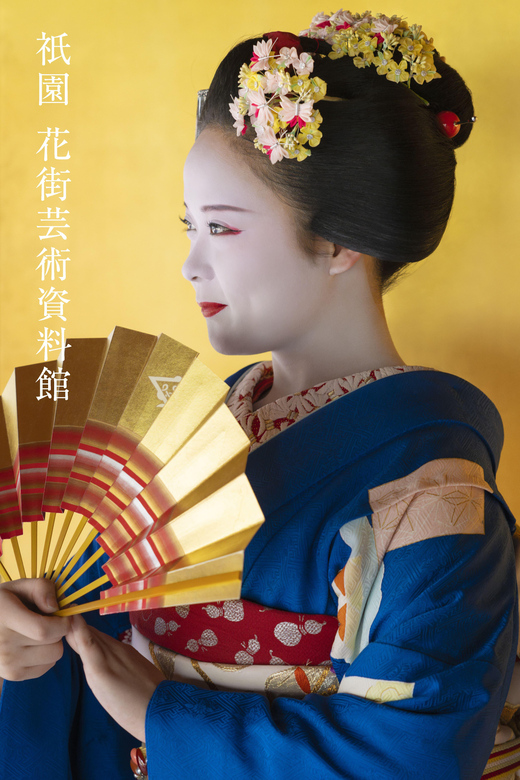
You cannot take photographs during the dance. Audio recording is also not allowed. These rules protect the performance atmosphere and mean you should prepare to watch rather than document the two songs.
If a photograph with a geiko or maiko is important to you, ask about it at the museum. Photo sessions are not included in the basic admission and are available only through the museum. A practical allowance is about 2,000 yen for the optional session. One reported format included a Polaroid and photographs taken on a phone, but confirm the current arrangement on the day.
Do not assume you can decide at the last second and still get a photo. The extra session may need to be arranged in advance, and availability is handled at the museum. If you want a keepsake, ask as soon as you arrive.
The photography restriction is the clearest disappointment for some people. Anyone hoping to capture the costume or dance should adjust expectations before entering. You will have to rely on memory during the performance, then use the museum’s photo option if it is available and suits your budget.
Is $25 good value for Kyoto?
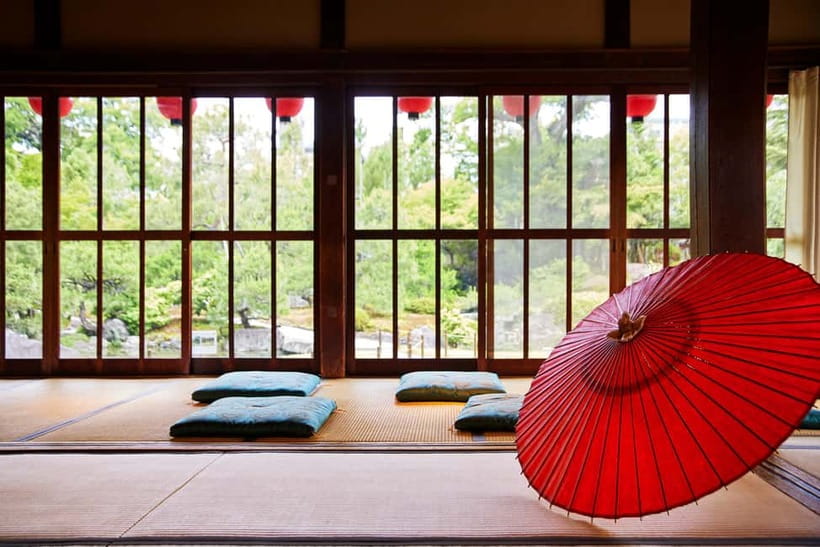
At $25 per person, this is not the cheapest short stop in Kyoto. The performance itself lasts only 15 minutes, so judging the price by minutes alone would make it look expensive.
The better measure is the complete visit. Admission to the Gion Kagai Art Museum and the dance fee are included. You can also spend additional time with the permanent displays, lower-level film, garden, cafe, and shop. If you value cultural context and want a close view of Kyomai without booking a longer evening event, the price is reasonable.
I would call it good value for three types of people. First, it suits anyone with a tight schedule who wants a genuine traditional performance without committing an entire evening. Second, it works for visitors who want to learn about geiko and maiko culture in a setting designed around the subject. Third, it suits anyone who appreciates costume, craft, and quiet visual detail.
The value is weaker if you want a long show, extensive audience interaction, or a detailed explanation of every dance. There is no promise of a question and answer session, and the performance may feel too brief for the price if the museum does not interest you.
Who will enjoy this most?
I would recommend the experience to first-time Kyoto visitors who want a respectful introduction to geiko and maiko culture. It also suits couples, families with older children, and solo visitors who prefer a compact cultural activity over a long formal performance.
It is a good choice after a morning of temples and shopping. The controlled movement and calm venue offer a useful change from Kyoto’s crowded sights. The 15 minute format also makes it easier to fit into a full afternoon.
You may want to skip it if your main goal is photography, since no photos are permitted during the dance. It may also disappoint you if you expect to meet and speak at length with the performer. The optional photo session provides some personal contact, but it is separate from the basic visit.
The museum can also help younger visitors understand what they are seeing. Costumes, ornaments, film, and photographs give them something concrete to study. The live dance then becomes more than a quick spectacle.
Practical advice for making the visit smooth
Arrive 10 minutes early and go directly to the museum entrance. Keep your luggage modest, since oversize luggage is not allowed. Pets, drones, alcohol, and drugs are also prohibited.
Turn off your recording devices before the performance begins. Do not take photographs during the dance, even if the performer’s costume looks especially striking in the moment.
Use the QR code information if you need English translations. A printed English information sheet may also be provided, but the QR material gives you more to read about the museum and its subject.
If you want the optional photograph, bring about 2,000 yen and ask at the museum early in your visit. That extra cost is not part of the $25 admission. Also remember that the basic activity is non-refundable, so choose your performance time carefully.
Should you book the Gion geiko and maiko dance?
Book it if you want a short, polished introduction to Kyoto’s traditional performing arts, especially if you are already planning to visit Gion. The strongest combination is the close-up Kyomai performance, the carefully chosen costume displays, and the quiet garden. You get culture, craft, and a live performance in a manageable visit.
I would not book it solely for a long dance show or guaranteed photographs. For those priorities, the 15 minute performance and no-camera rule may feel restrictive. For most visitors who see the museum as part of the experience, though, the $25 admission is a sensible use of an afternoon, particularly when you have limited time in Kyoto.
FAQ
How long does the Kyomai performance last?
The performance lasts about 15 minutes and includes two Kyomai songs.
How many performers appear during the dance?
Usually one geiko or maiko performs. On some days, the third and fourth sessions may feature two performers.
What is the difference between a geiko and a maiko?
In Kyoto, a geiko is a woman who performs traditional dance and music in kagai districts. A maiko is a woman training to become a geiko.
What performance times are available?
The listed sessions begin at 13:30, 14:20, 15:00, 16:00, and 16:30.
Is museum admission included?
Yes. Admission to the Gion Kagai Art Museum and the performance fee are included in the $25 price.
Can I remain in the museum after the performance?
Yes. You can stay and continue viewing the museum after the dance.
Can I take photographs during the performance?
No. Photography is not allowed during the dance.
Can I record the dance?
No. Audio recording is not allowed.
Are photo sessions with a geiko or maiko included?
No. Photo sessions are separate and can be arranged at the museum. They are not part of the standard admission.
How early should I arrive?
You should arrive at the museum 10 minutes before your scheduled performance.
Is English information available?
Yes. English information is accessible by scanning QR codes at the museum.
Just added around Kyoto
- Kyoto: Private Customizable Day Trip by Car★ 5.0 · 38 reviews
- Kyoto: Gion Night Walking Tour with Geisha Insight★ 5.0 · 39 reviews
- Kyoto: Full Day Bike Tour★ 4.9 · 39 reviews
- Private Japanese Calligraphy in Kyoto – Learn Shodō with a Master★ 5.0 · 39 reviews
- Experience a tea ceremony in an authentic tearoom, in Kyoto!★ 4.5 · 41 reviews
- Kyoto: Gion Evening Walk with Hidden Gems, Geisha & Sake★ 5.0 · 41 reviews
- Kyoto Private Photo Shoot & Tour by SnapKyoto★ 5.0 · 41 reviews
- The Way of Tea: Kyoto Crafts, Hidden Temples & Wabi-Sabi Walk★ 5.0 · 41 reviews
Geisha & Gion District Tours, compared.

Kyoto Geisha Walking Tour: Gion District & Hidden Gems
Read our review →
Gion Magical Night Walking Tour with Geisha Trivia
Read our review →
Gion Geisha District Walking Tour – Stories of Geisha
Read our review →
Best of Kyoto: Gion, Geisha, Pagodas & Cobblestones
Read our review →

Kyoto Night Foodie Tour in Gion (9+ dishes + 6 Sake tastings)
Read our review →
Kyoto Gion Geisha District Walking Tour – The Stories of Geisha
Read our review →
Kyoto Gion: 2-Hour Geisha Culture & History Walking Tour
Read our review →Browse the lists this tour appears in