
Reviewed · GOVERNMENT-LICENSED GUIDE TOURS
Kyoto 6hr Private Tour with Government-Licensed Guide
Kyoto rewards a smart plan. This six-hour private tour gives you a local guide, public transportation, and the freedom to choose three or four sights instead of following a fixed group route. I like the personal format and the chance to shape the day around your interests. I also like that your guide can help you handle Kyoto’s trains, buses, and walking routes. The main drawback is simple: you cannot see every place on the long attraction list in six hours, so your choices matter.
This tour is best viewed as a custom introduction to Kyoto, not a race through 35 attractions. Guides such as Yuka, Rie, Kazuhiko Goto, Yasu, and Noriko have been praised for planning ahead, adjusting the pace, and explaining temples and shrines in clear English. Still, one poor experience included lost contact, weak communication, and no lunch break, so discuss the plan before the morning begins.
In This Review
- Key things to know before booking
- What this Kyoto tour really offers
- Fushimi Inari and Kyoto’s southern temples
- Kiyomizu-dera and the old streets of Higashiyama
- Nijo Castle and the Imperial Palace
- Nishiki Market, Pontocho, and the food side of Kyoto
- Kyoto’s famous northern temples
- Arashiyama, bamboo, and the western hills
- Northern mountain escapes and Uji
- How guides shape the experience
- Practical value, costs, and timing
- Who should book this private Kyoto day?
- FAQ
- How long is the Kyoto private tour?
- Is the tour private?
- How many attractions can I choose?
- Is transportation included?
- Is pickup available?
- Are entrance fees included?
- Is lunch included?
- What language does the guide speak?
- Can I cancel for a full refund?
Key things to know before booking
- You choose three or four places: The long selection includes major temples, shrines, gardens, markets, old districts, and even nearby Uji.
- The tour uses public transportation: You travel much as local residents do, with walking between stations and sights.
- Your guide can shape the day: Past guests have arranged routes around food, gardens, Buddhist temples, Shinto shrines, family interests, and photography.
- Six hours goes quickly: A route with Fushimi Inari, Kiyomizu-dera, and Arashiyama is very different from one covering northern Kyoto.
- Entrance fees and lunch cost extra: The price covers the licensed English-speaking guide, not most temple admissions or meals.
- The experience is private: Only your party participates, with group discounts available.
What this Kyoto tour really offers
The advertised price is $155.86 per person. That is not a bargain if you are a solo visitor comparing it with a cheap bus pass and a guidebook. For a family or small group, though, the private format can make good sense, especially when the per-person cost drops through a group discount.
You are paying for planning, explanations, route choices, and help with Kyoto’s public transport. That matters here. Kyoto’s sights are spread across the city, and a day that looks simple on a map can involve several train lines, buses, long walks, and crowded streets.
Your guide meets you on foot within a designated part of Kyoto. A private vehicle is not included, and this is a walking tour. Pickup and drop-off are therefore on foot rather than by car, so confirm the meeting point and allow time to reach it.
The strongest feature is flexibility. One family visited Kinkaku-ji, Ryoan-ji, and Arashiyama, while another party arranged Fushimi Inari, Byodoin Temple in Uji, and Nijo Castle. A couple interested in a broad introduction visited the Imperial Palace, To-ji Temple, and the Senbon Torii gates.
That freedom lets you avoid wasting time at places that do not interest you. It also puts some responsibility on you. The more you try to add, the less time you have inside each site.
More Licensed Guide Tours in Kyoto
- Kyoto 4hr Private Tour with Government-Licensed Guide
★ 5.0 · 629 reviews - Kyoto: Private Tour with Local Licensed Guide
★ 4.8 · 463 reviews - Private Kyoto Tour with Licensed Guide & Vehicle (Max 15 persons)
★ 5.0 · 417 reviews
Fushimi Inari and Kyoto’s southern temples
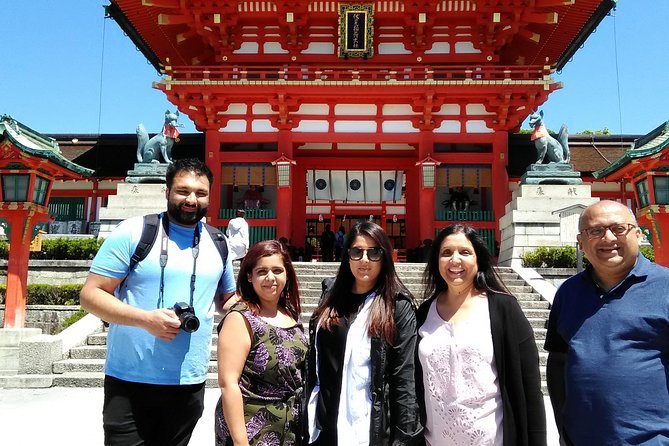
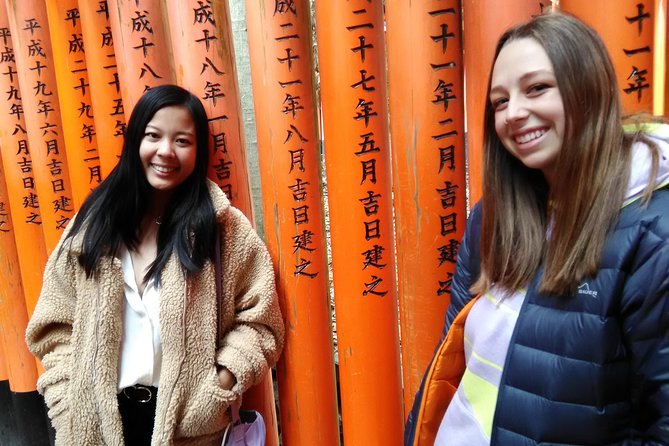
Fushimi Inari-taisha is one of Kyoto’s most recognizable sights, with rows of vermilion torii gates climbing into the wooded hills. The gates create the famous tunnel effect, but the shrine is more than a photo stop. Your guide can explain the shrine’s connection with Inari, the Shinto deity associated with rice and prosperity, along with the stories and customs tied to the site.
The full mountain trail takes much longer than a quick visit to the lower gates. Tell your guide how far you want to walk. If you are short on time, seeing the first section may be the sensible choice.
To-ji, formally the East Temple, offers a very different mood. Its origins reach back to the early Heian period, soon after Kyoto became the imperial capital. The temple is known for its large Buddhist figures and five-story pagoda, and it can pair well with Fushimi Inari if you want religious art and early Kyoto history in one southern route.
Tofuku-ji is another southern option. It is a large Zen temple, especially famous for autumn color. The temple grounds can be rewarding in other seasons too, but the tour’s short schedule means you should not try to combine every nearby temple.
Sanjusangendo is an excellent choice if you want something dramatic indoors. Its main hall contains 1,001 statues of Kannon, the Buddhist figure associated with mercy. Admission is not included, so add the fee to your budget.
Kiyomizu-dera and the old streets of Higashiyama
Kiyomizu-dera is among Kyoto’s essential stops. The temple sits on the eastern hills and is reached through the historic Higashiyama area, where sloping lanes, traditional buildings, shops, and tea stops create one of the city’s most recognizable old-town walks.
A guide adds value here because the temple grounds and surrounding streets can feel confusing on a first visit. You can ask about the temple’s name, its religious traditions, and the meaning of features you might otherwise pass without noticing.
The approach can be crowded, and the stone streets require steady walking. Wear shoes that you can comfortably use for several hours. Admission is extra.
Higashiyama Ward is not a single attraction with one entrance. It is an area to explore on foot, especially around the lanes leading toward Kiyomizu-dera. If you want old Kyoto, traditional architecture, and time for small shops, this may be a better use of six hours than attempting a distant northern temple.
Gion lies nearby and is Kyoto’s best-known geisha district. Your guide can help you understand the difference between the district’s historic entertainment culture and the assumptions often created by popular images of geisha. The narrow lanes are atmospheric, but please remember that Gion is a living neighborhood, not a stage set.
Kennin-ji is another eastern Kyoto option, close to Hanamikoji and Shijo streets. Its spacious grounds and dry gardens offer a quieter change from the surrounding streets. It is a sensible pick if you want a temple with gardens without traveling across the entire city.
Nijo Castle and the Imperial Palace
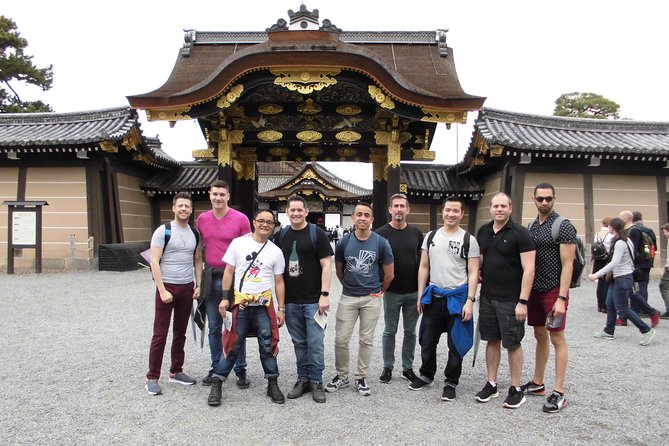
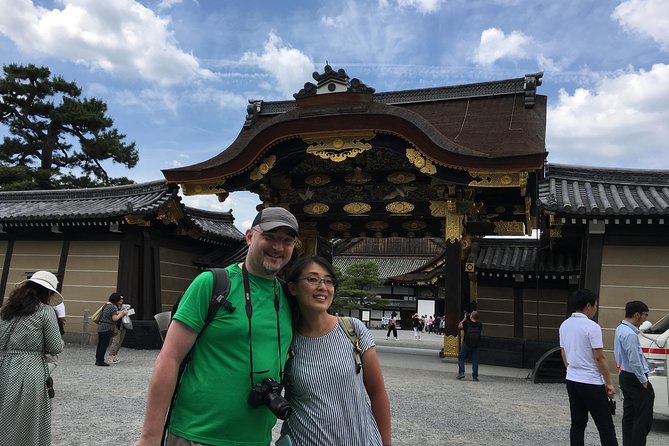
Nijo Castle gives the day a political and military chapter. Built in connection with Tokugawa Ieyasu, the castle helped display the power of the shogunate. Its decorated interiors and famous nightingale floors offer details that are easy to miss without explanation.
The castle is a strong choice for first-time visitors who want more than temple architecture. It also pairs well with the Kyoto Imperial Palace, though visiting both may leave little time for distant sights.
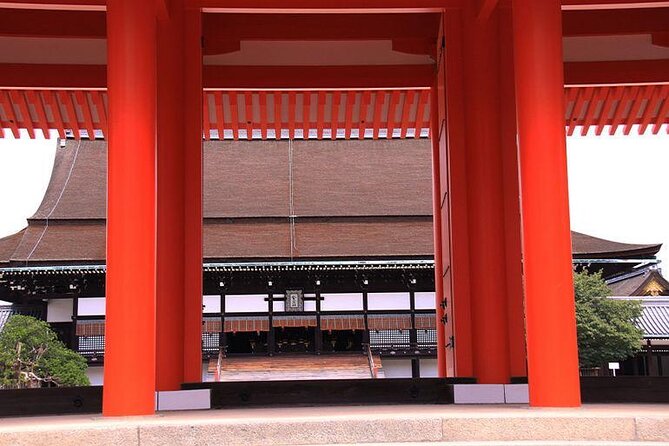
The Imperial Palace was the residence of Japan’s imperial family until 1868, when the emperor and capital moved to Tokyo. It sits in a spacious park, giving you a sense of scale and a quieter break from Kyoto’s denser streets.
This is one place where a guide’s planning can prevent disappointment. The palace grounds are broad, and crossing them takes time. If you choose the Imperial Palace, ask how much of the surrounding area and interior access fits the day’s plan.
A completely different kind of day out in Kyoto:
- PERFECT KYOTO 1-Day Bus Tour
★ 5.0 · 13,518 reviews - Kyoto: Fushimi Inari, Kinkakuji, Bamboo Grove 1 Day Bus Tour
★ 4.8 · 4,316 reviews - Kyoto: Tea Ceremony in a Traditional Tea House in Kiyomizu
★ 4.9 · 3,519 reviews - Kyoto Geisha Walking Tour: Gion District & Hidden Gems
★ 4.7 · 3,273 reviews
Nishiki Market, Pontocho, and the food side of Kyoto
Nishiki Market is a narrow, five-block shopping street often called Kyoto’s Kitchen. More than 100 shops and restaurants sell food and local goods. It is a useful stop if you want to taste Kyoto rather than only photograph it.
The market can be crowded, and a six-hour tour does not automatically include lunch. Food purchases are personal expenses, and lunch is not included. Ask your guide to build in a meal break. One well-planned private day included lunch in Uji, showing how useful that conversation can be.
Pontocho is a narrow dining lane between Shijo and Sanjo, close to the Kamogawa River. It is most atmospheric later in the day, when restaurants begin to open, but the tour timing and your chosen route determine how much you see.
A guide’s restaurant suggestions may be one of the most practical benefits of the day. Kaeko, for example, was praised for useful food and shopping recommendations. Those tips can save you from choosing a restaurant only because its sign is written in English.
Kyoto’s famous northern temples
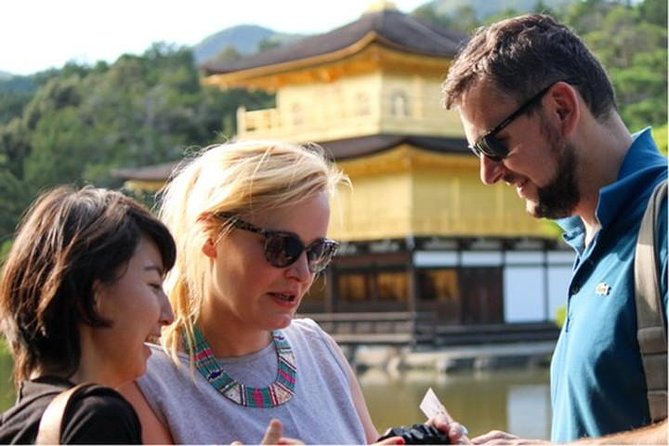
Kinkaku-ji, the Golden Pavilion, is one of Kyoto’s great visual stops. The upper two floors are covered in gold leaf, and the building reflects across the pond in the surrounding garden. It is popular for good reason, but the setting can be crowded and the route through the grounds is controlled.
Ryoan-ji is known for Japan’s most famous rock garden. Its stripped-down design encourages a slower look, though the number of people around it can make quiet reflection difficult. If you choose Kinkaku-ji and Ryoan-ji together, you get two major northern sights with very different styles.
Ninna-ji is a World Heritage temple and the head temple of the Omuro School of Shingon Buddhism. Its scale and religious importance make it a good choice for anyone who wants a less familiar major temple rather than only the city’s most photographed sites.
Daitoku-ji and Myoshin-ji are large temple complexes with many subtemples. They reward visitors interested in Zen history and architecture, but they require careful route planning. You will not see every subtemple in a short visit.
Arashiyama, bamboo, and the western hills
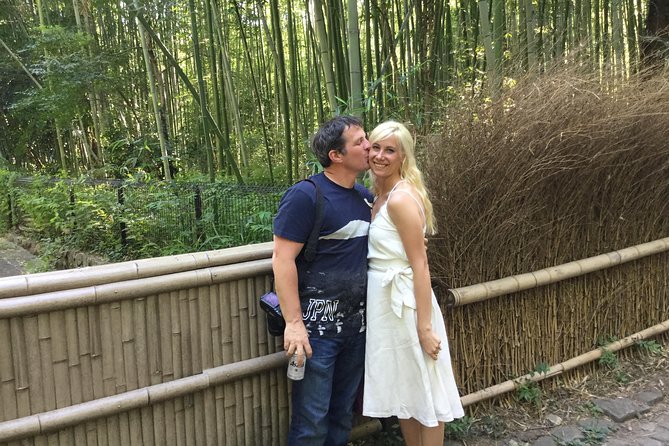
Arashiyama is one of Kyoto’s most popular districts, set in the western outskirts beside the mountains. The area includes the Togetsukyo Bridge, Tenryu-ji, the bamboo grove, and a long list of smaller temples and gardens.
The famous bamboo paths are pleasant, but they are not a solitary wilderness walk. Go with realistic expectations, and ask your guide which parts of Arashiyama suit your interests.
Tenryu-ji is the district’s most important temple and a World Heritage site. Its garden and Zen buildings make it a logical anchor for an Arashiyama route. The Togetsukyo Bridge adds a broad river view and is an easy landmark for understanding the district.
Okochi Sanso Garden sits behind the bamboo grove and was the former villa of actor Okochi Denjiro. Jojakko-ji, Nison-in, Gio-ji, Adashino Nenbutsu-ji, and Otagi Nenbutsu-ji offer smaller-scale temple visits. Otagi is particularly unusual for its 1,200 stone rakan figures, each with a different expression.
These western stops are not sensible additions to a route that already includes Fushimi Inari, Kiyomizu-dera, and Kinkaku-ji. Arashiyama alone can fill much of your six hours.
Northern mountain escapes and Uji
Shugakuin Imperial Villa, managed by the Imperial Household Agency, includes upper, middle, and lower villas built in the 17th century. Katsura Imperial Villa is another major choice, known for Japanese architecture and garden design.
These imperial sites are important but need thoughtful timing. Ask your guide what access and time requirements apply before making one the center of your day. They are not casual drop-in sights in the same way as a market or historic street.
Kibune and Kurama offer a change from central Kyoto. Kibune developed around Kifune Shrine in a forested northern valley, while Kurama is known for Kurama-dera and its hot spring. The trip from central Kyoto takes time, so choose this route for mountain scenery and quieter surroundings, not for checking off many central landmarks.
Byodoin Temple in Uji is another special option. Its Phoenix Hall is a National Treasure and part of a World Heritage site. The extra travel time is significant because Uji lies outside central Kyoto, but it can be a rewarding choice if you want a distinct destination rather than another central temple.
How guides shape the experience
The guide is the heart of this tour. Strong guides have planned routes in advance, asked about interests, explained Buddhist and Shinto traditions, and helped families use trains and subways with more confidence.
Yuka was praised for preparation, warmth, and energy. Rie planned a route that covered every selected stop and answered questions in clear English. Akira used photographs and diagrams to explain sites and kept a comfortable pace for an older couple.
That last point matters. This is a walking tour, and some days cover a lot of ground. Tell your guide if you want fewer sites, longer visits, a lunch stop, or a slower pace. One successful family tour worked well because the guide adjusted the schedule around the group’s flow.
English ability may vary from guide to guide. Most published feedback is highly favorable, with a 4.9 rating from 1,369 ratings and 98 percent recommending the experience. Still, the single poor account is useful warning: establish a clear meeting plan, confirm the day’s route, and make sure you can communicate comfortably before setting off.
Practical value, costs, and timing
The tour includes a licensed local English-speaking guide and a custom route covering three or four selected sites. It does not include temple and castle admission, lunch, personal spending, or a private vehicle.
At $155.86 per person, value improves when several people share the private service. Families, first-time visitors, and anyone with only one day in Kyoto may find the planning help worth the cost. Independent visitors who enjoy route planning may prefer public transport and self-guided sightseeing.
Reserve at least two weeks ahead. Confirmation arrives when you book, and free cancellation is available up to 24 hours before the start time. Changes or cancellations inside that period are not accepted for a refund.
The tour is near public transportation, and service animals are allowed. Most people can participate, but the walking format and six-hour schedule still call for sensible shoes, water, and an honest conversation about pace.
Who should book this private Kyoto day?
Book it if you want a personal route through Kyoto, need help with public transport, or have a family with different interests. It is also a good first-day choice because a guide can help you get your bearings before you explore alone.
Choose a focused plan. Fushimi Inari, Kiyomizu-dera, and Gion create an excellent eastern Kyoto day. Kinkaku-ji, Ryoan-ji, and Arashiyama make a strong western and northern combination. Nijo Castle, the Imperial Palace, and Nishiki Market suit visitors interested in politics, food, and city life.
I would not book this expecting to visit every place listed. The tour works best when you treat the attraction list as a menu, select three or four dishes, and leave room to enjoy them.
FAQ
How long is the Kyoto private tour?
The tour lasts approximately six hours.
Is the tour private?
Yes. Only your group participates, and multiple tour groups cannot be combined.
How many attractions can I choose?
The tour includes a customizable route covering three or four sites from the available selection.
Is transportation included?
The guide accompanies you by public transportation and on foot. A private vehicle is not included.
Is pickup available?
Meetup and pickup are on foot within a designated area of Kyoto. Drop-off is also on foot.
Are entrance fees included?
No. Admission tickets for places such as Kiyomizu-dera, Nijo Castle, Kyoto Imperial Palace, Kinkaku-ji, and other paid sites are not included.
Is lunch included?
No. Lunch is not included, so discuss a meal break with your guide when planning the route.
What language does the guide speak?
The experience includes a licensed local English-speaking guide.
Can I cancel for a full refund?
Yes, if you cancel at least 24 hours before the experience start time. Cancellations or changes made less than 24 hours before the start time are not accepted for a refund.
Just added around Kyoto
- Kyoto: Gion Night Walking Tour with Geisha Insight★ 5.0 · 39 reviews
- Kyoto: Private Customizable Day Trip by Car★ 5.0 · 38 reviews
- Kyoto: Full Day Bike Tour★ 4.9 · 39 reviews
- Private Japanese Calligraphy in Kyoto – Learn Shodō with a Master★ 5.0 · 39 reviews
- Kyoto: Gion Evening Walk with Hidden Gems, Geisha & Sake★ 5.0 · 41 reviews
- Experience a tea ceremony in an authentic tearoom, in Kyoto!★ 4.5 · 41 reviews
- Kyoto Private Photo Shoot & Tour by SnapKyoto★ 5.0 · 41 reviews
- The Way of Tea: Kyoto Crafts, Hidden Temples & Wabi-Sabi Walk★ 5.0 · 41 reviews
Government-Licensed Guide Tours, compared.
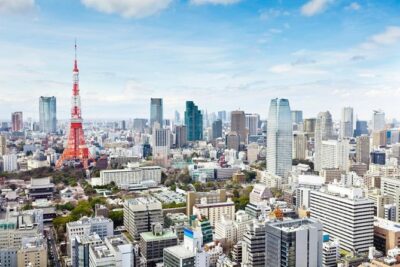
Tokyo 6hr Private Tour with Government-Licensed Guide
Read our review →
Tokyo 4hr Private Tour with Government-Licensed Guide
Read our review →
Hiroshima / Miyajima Full-day Private Tour with Government Licensed Guide
Read our review →
Kyoto 4hr Private Tour with Government-Licensed Guide
Read our review →
Hiroshima City 4hr Private Walking Tour with Licensed Guide
Read our review →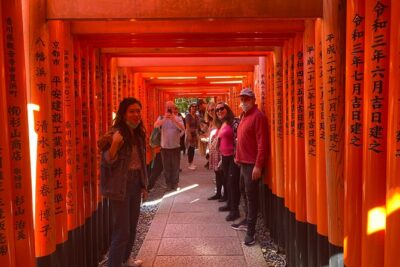
Private Kyoto Tour with Licensed Guide & Vehicle (Max 15 persons)
Read our review →
Osaka 4hr Private Tour with Government-Licensed Guide
Read our review →Browse the lists this tour appears in