
Reviewed · GOVERNMENT-LICENSED GUIDE TOURS
Osaka 4hr Private Tour with Government-Licensed Guide
Osaka rewards curious walkers. This private four-hour tour pairs a government-licensed English-speaking guide with a flexible plan through food streets, shrines, temples, shopping arcades, and major city sights. I like the hotel or station meeting option, and I like that you can shape the outing around two or three places instead of following a fixed route. The main catch is simple: transportation, meals, and admission fees cost extra, and the city’s wide distances can make the walking demanding.
The strongest part is the human touch. Guides such as Sachiko, Yuka, Andy, Shige, and Masa have been praised for adjusting plans, explaining local customs, helping with trains, and suggesting restaurants. Still, guide quality can vary, so families, older visitors, and anyone with a knee problem should state their pace and limits before the day begins.
In This Review
- Key points to know before booking
- What four hours in Osaka can realistically cover
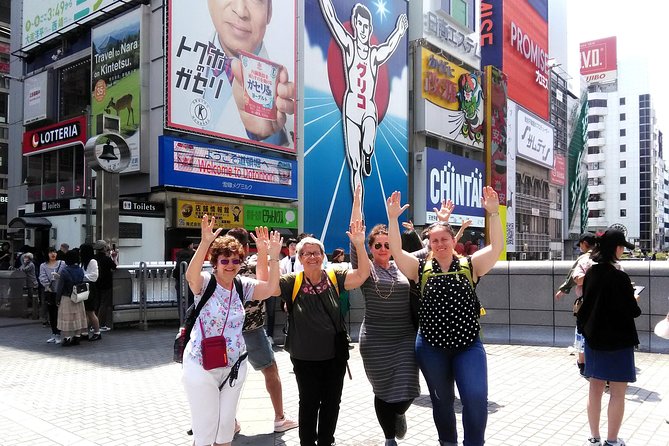
- Starting with Dotonbori’s giant signs
- Doguyasuji and Shinsaibashi for a shopping contrast
- Kuromon Market and Osaka’s food culture
- Sumiyoshi Taisha, a shrine from before Buddhism
- Shitennoji and Osaka Castle for history
- Umeda Sky Building and the modern city
- Shinsekai and Keitaku-en Garden
- The real value of a private guide
- Walking pace, weather, and guide fit
- How I would plan the four hours
- Should you book this Osaka tour?
- FAQ
- How long is the Osaka private tour?
- How many attractions can I choose?
- Does the price include transportation?
- Are entrance fees included?
- Can the guide meet me at my hotel?
- Can I cancel for a full refund?
Key points to know before booking
- You choose two or three main sights: The tour offers a long menu of Osaka locations, but four hours is not enough for all of them.
- It is a walking tour with an on-foot pickup: Your guide can meet you at your hotel or another agreed place within the designated Osaka area.
- Food streets are part of the appeal: Dotonbori, Kuromon Market, and Shinsekai give you a taste of Osaka’s street life, but food purchases are extra.
- Public transit may be needed: Osaka’s attractions are spread out, and train or subway fares are not included.
- The guide can shape the day: Past outings have been adjusted for weather, injuries, interests, and dining requests.
- The price is $109.43 per person: That is reasonable for a private half-day guide, especially if you value help with history and city transport.
What four hours in Osaka can realistically cover
This is not a full city tour. It is a private introduction that works best when you choose a clear theme and keep the route sensible.
You might focus on Osaka’s food culture with Dotonbori, Kuromon Market, and Shinsekai. A history-minded plan could pair Osaka Castle with Shitennoji and Sumiyoshi Taisha. For shopping and modern Osaka, Shinsaibashi, Doguyasuji, and Umeda Sky Building make more sense.
The tour description lists eleven possible stops, but the included service covers a customized visit to two or three sites. That distinction matters. You will see more than two or three individual corners during a walking route, but trying to collect every named attraction would turn the day into a hurried transfer exercise.
The best guides treat the schedule as a framework, not a race. Sachiko has adjusted plans around weather and helped visitors use public transportation. Shu changed the plan after a last-minute injury. Kaeko noticed that a hotel view might make Umeda Sky Building less useful and suggested spending the time elsewhere. Those are exactly the small decisions that make a private tour worthwhile.
More licensed guide tours:
- Osaka 6hr Private Walking Tour with Government Licensed Guide
★ 5.0 · 174 reviews - Kyoto Full-Day Private Tour (Osaka departure) with Government-Licensed Guide
★ 5.0 · 58 reviews - Tokyo 6hr Private Tour with Government-Licensed Guide
★ 5.0 · 3,902 reviews
Starting with Dotonbori’s giant signs
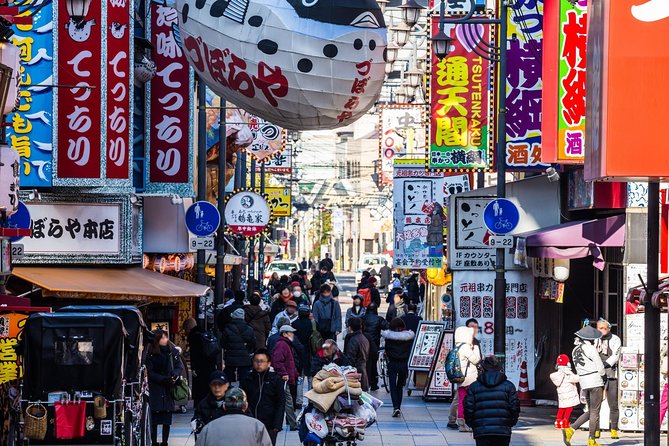
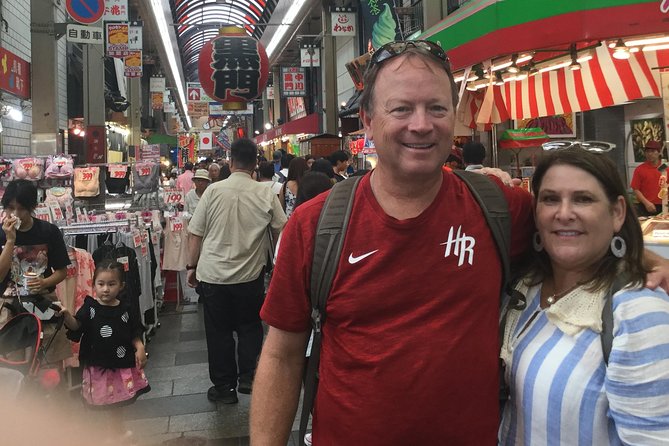
Dotonbori is Osaka’s loud, colorful calling card. The canal district is filled with oversized restaurant signs, bright billboards, food stalls, and places selling takoyaki and okonomiyaki.
The planned stop is about 30 minutes, which is enough to walk through the main stretch and get your bearings. It is not enough for a slow meal, a long photo session, and serious shopping. If you want to eat here, tell your guide early, since a sit-down meal can take a noticeable bite out of the four-hour schedule.
I like Dotonbori as a first stop because it gives you Osaka in one concentrated burst. Your guide can explain why these foods matter and help you decide what is worth trying. Takoyaki is the famous octopus-filled snack, while okonomiyaki is a savory pancake prepared in different regional styles.
The drawback is crowding. Keep your group together and tell the guide if anyone has trouble walking at the pace of a busy city street.
Doguyasuji and Shinsaibashi for a shopping contrast
Sennichimae Doguyasuji Shopping Street is a short but unusual stop. The arcade runs about 150 meters and is lined with stores selling cooking tools, tableware, appliances, and restaurant supplies.
This is a fine choice if you enjoy practical souvenirs rather than standard gift shops. You might find Japanese knives, dishes, cooking accessories, or the plastic food displays seen outside many restaurants. The tour gives this area about 30 minutes, so you can browse without giving up half the afternoon.
Shinsaibashi-suji is Osaka’s larger retail corridor, stretching about 600 meters. Cosmetics, clothing, restaurants, and general shopping fill the covered arcade. The suggested 15-minute stop is brief, so I would choose it mainly for a quick walk or a specific shop rather than a serious buying session.
These two shopping areas serve different purposes. Doguyasuji feels specialized and distinctly tied to Osaka’s food culture. Shinsaibashi is better for mainstream retail and a look at the city’s long-running shopping center.
Kuromon Market and Osaka’s food culture
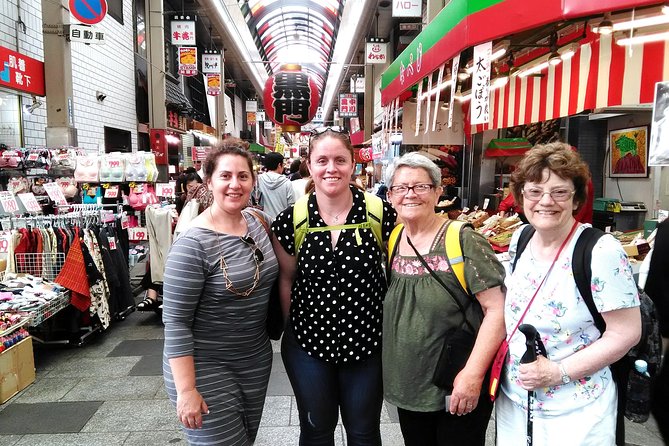
Kuromon Market is a roofed market known for seafood, prepared food, and seasonal specialties. The information provided points to conger pike in summer and fugu and hamo in winter, with many seafood shops specializing in fugu and hamo.
You receive about 30 minutes here. That is enough to walk the main passage and choose a small bite, but food and drinks are not included. Budget separately, and tell your guide if sampling is a priority.
I see Kuromon as one of the better stops for a first visit because it is both a place to eat and a place to observe how Osaka shops for food. The market is more useful when you are willing to pause at a few counters instead of treating it as another photo stop.
A meal can change the entire rhythm of the tour. One visitor specifically felt that a sit-down lunch reduced time for photos and sightseeing. I would keep the meal short unless eating is the main purpose of your outing.
A few more Osaka experiences worth weighing up
- Osaka Go Karting Tour with Funny Costume
★ 5.0 · 2,658 reviews - Osaka Castle: Museum and Tower Entry Ticket
★ 4.5 · 2,380 reviews - Osaka: Shinsekai Food Tour with 13-15 Dishes at 5 Eateries
★ 4.8 · 2,204 reviews - Osaka Food Tour: 13 Dishes at 5 Local Eateries
★ 5.0 · 2,149 reviews
Sumiyoshi Taisha, a shrine from before Buddhism
Sumiyoshi Taisha is one of Japan’s oldest shrines. It was founded in the third century, before Buddhism arrived in Japan, and its architecture follows a distinctive shrine style.
The scheduled visit is about 30 minutes. That makes it a good choice for a quick cultural stop, especially if you want a place that feels different from central Osaka’s shopping streets. Your guide can explain shrine customs and the meaning of what you see, which is far more useful than simply walking through the grounds alone.
Sumiyoshi Taisha pairs well with Osaka Castle or Shitennoji if you want a day built around history and religion. It does not pair as neatly with Umeda Sky Building, since those sights represent very different parts of the city and require careful transport planning.
Shitennoji and Osaka Castle for history
Shitennoji was founded in 593 by Prince Shotoku and is described as Japan’s first temple built by the state. It is one of the country’s oldest temples, though its buildings have been rebuilt over time.
A 30-minute visit can give you the basic story, layout, and religious setting. Admission is not included, so confirm the current fee and which areas you plan to enter. The guide’s fee is covered only for sights listed in the tour’s expected stops, not for every possible added expense.
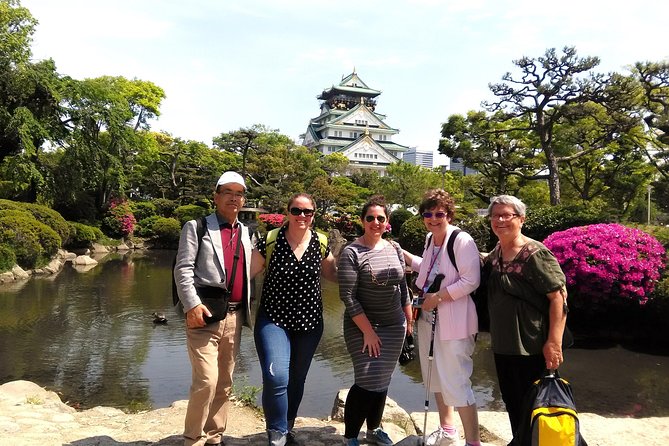
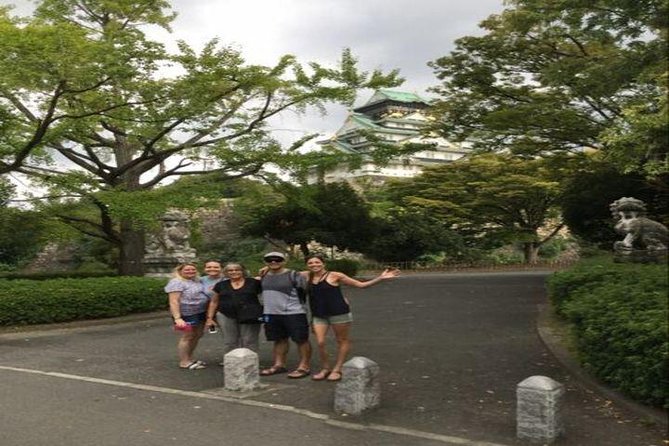
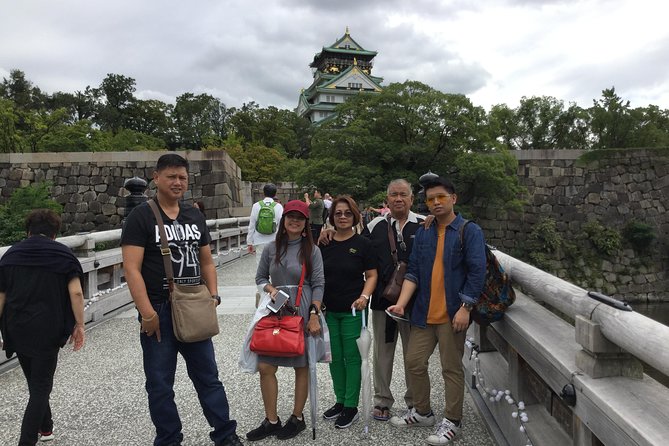
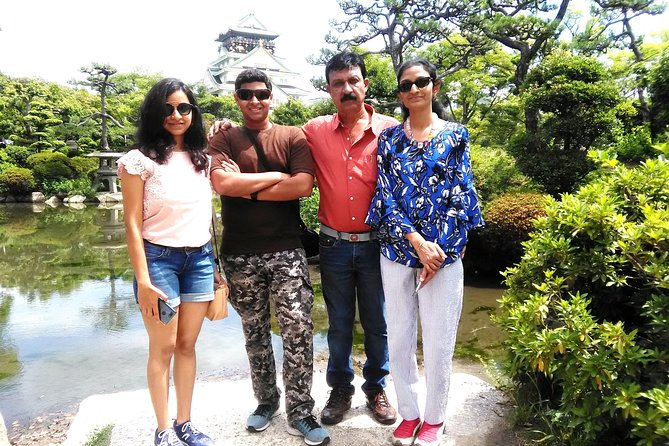
Osaka Castle is the city’s most famous landmark and dates back almost 450 years. The present five-story structure is visually striking, while the wider castle grounds give you a sense of the site’s scale.
The suggested time is only 15 minutes, which is enough for an exterior view and photos but not a full museum visit. If you want to enter the castle, pay the admission fee and allow extra time. Several guides have been praised for explaining the castle’s past and layout clearly, including Yuri, Yuji, Miyuki, and Lily.
For a first visit, I would not try to rush through both Osaka Castle and several food markets. Pick the castle if you want context and photographs. Pick the markets if you want to taste the city.
Umeda Sky Building and the modern city
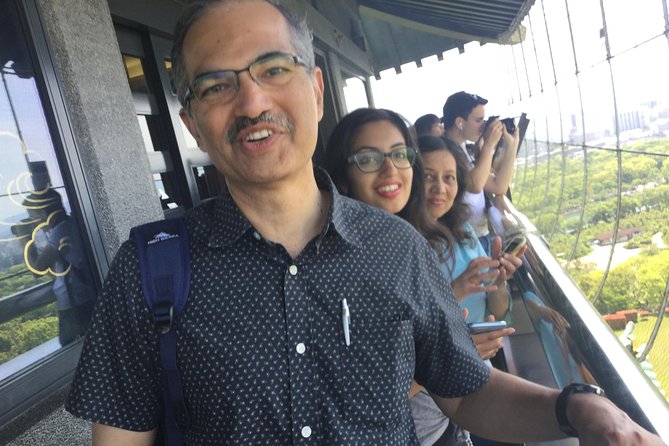
The 173-meter Umeda Sky Building rises near Osaka and Umeda Stations in the Kita district. Its unusual high-rise design is one of Osaka’s most recognizable modern sights.
The planned stop is about 15 minutes, and admission is extra. That timing works for seeing the building and deciding if you want to pay to go higher, but it is short for a full observation experience.
The building can be a smart choice if you want city views and modern architecture. It may be less useful if your hotel already has a comparable view. One guide made that judgment during the tour and redirected time toward other sights, which is a good example of the value a local guide can provide.
Because Umeda is some distance from the southern districts, combine it with nearby sights when possible. Do not add it casually to a route already packed with Dotonbori, Kuromon, and Osaka Castle.
Shinsekai and Keitaku-en Garden
Shinsekai means New World. The area is associated with Tsutenkaku, often compared with the Eiffel Tower, along with kushikatsu and the Billiken figure, linked with wealth and good fortune.
The planned visit is only 10 minutes. That is a quick introduction, not enough time to eat kushikatsu, explore the side streets, and visit Spa World. If you want the old Osaka atmosphere and food, ask for more time here and reduce the number of other stops.
Keitaku-en Garden sits inside Tennoji Park. This traditional Japanese garden has a central pond, arranged rocks, and seasonal plantings. The suggested visit is only five minutes, and admission is extra, so it works mainly as a brief add-on near Tennoji or Shitennoji.
The National Museum of Art, Osaka, on Nakanoshima, is an underground museum with a major art collection. The tour allows about 30 minutes, but admission is extra. That is enough for a focused visit, not a full museum afternoon. Choose it only if art is important to you.
The real value of a private guide
At $109.43 per person, this tour is not the cheapest way to walk around Osaka. You can reach many areas by train and explore the streets without a guide.
The value comes from using four hours well. A licensed local guide can explain what you are seeing, help you move through the train system, adjust the route, recommend food, and answer questions about daily life. Andy has been praised for helping with Osaka’s clean, punctual subway system and sending a digital photo book afterward. Other guides have helped groups meet on train platforms or find their way from Kyoto and Kobe.
The price makes more sense for a couple or small private group than for a solo budget visitor. Group discounts are offered, but you cannot combine separate tour groups. Since the activity is private, you get the guide’s attention rather than sharing explanations with strangers.
Remember the extra costs. Transportation, entrance tickets, lunch, food, and personal purchases are not included. If you enter Osaka Castle, Shitennoji, Umeda Sky Building, the museum, or Keitaku-en, carry a separate budget.
Walking pace, weather, and guide fit
This is an active tour. Pickup is on foot, and subway stairs may be part of the day. One person specifically described a lot of walking and many steps in and out of stations. Osaka summers can also be very hot, so a four-hour outing may feel long if you try to cover too much.
Tell the agency and your assigned guide about knee problems, injuries, children, or a preferred pace before the tour starts. Most people can participate, and service animals are allowed, but this is not a private vehicle tour or an easy sightseeing bus ride.
The 4.8 rating from 359 reviews and 96 percent recommendation rate show strong overall satisfaction. The praise centers on flexible planning, friendly manner, clear English, local advice, and history explained in an accessible way.
There are also two serious warnings. One family felt rushed, lost, and poorly engaged, especially in the heat with a nine-year-old. Another person with a knee injury described an uncomfortable pace and communication problems. These accounts are a reminder to be direct about needs and to speak up during the tour, not after it.
How I would plan the four hours
For a first visit with food at the center, I would choose Dotonbori, Kuromon Market, and Shinsekai. Keep each food stop focused, and leave enough time for a snack rather than a long restaurant meal.
For history, I would choose Osaka Castle, Shitennoji, and Sumiyoshi Taisha. Ask in advance how admission and transport will affect the timing.
For a mixed introduction, Dotonbori, Osaka Castle, and one shopping street give you food, a landmark, and daily Osaka life. If you care more about modern architecture, swap the shopping street for Umeda Sky Building.
Ask your guide to help choose based on location, not just personal interest. Osaka’s sights are spread across different districts, and a good route matters as much as the attractions themselves.
Should you book this Osaka tour?
Book it if you want a private introduction, have limited time, and value a guide who can explain local customs and handle the city’s transport. It is especially useful for first-time visitors, couples, families with older children, and anyone arriving from Kyoto or Kobe for a short Osaka visit.
Skip it if you prefer exploring alone, want a slow museum day, or dislike walking and paying separate admission and train fares. I would also avoid booking without telling the agency about mobility limits or children.
For the best result, request two or three sights, ask for a realistic route, and make food a deliberate part of the plan. The tour’s flexibility is its greatest strength, but only if you use it to simplify the day rather than cram in every famous name.
FAQ
How long is the Osaka private tour?
The tour lasts approximately four hours and is designed as a half-day walking experience.
How many attractions can I choose?
The included service is a customizable visit to two or three sites from the listed Osaka attractions.
Does the price include transportation?
No. Transportation fees are extra, and private transportation is not included.
Are entrance fees included?
No. Admission fees for sights such as Shitennoji, Umeda Sky Building, Osaka Castle, the National Museum of Art, Osaka, and Keitaku-en Garden are extra.
Can the guide meet me at my hotel?
Yes. Pickup is offered on foot within the designated area of Osaka. Guides may also arrange to meet you at a train platform or another agreed location.
Can I cancel for a full refund?
Yes, if you cancel at least 24 hours before the experience start time. Cancellations or changes made less than 24 hours in advance are not accepted for a refund.
Just added around Osaka
- Osaka Food Tour with 10 Classic Japanese Tastings & Drinks★ 5.0 · 38 reviews
- Osaka: Highlights & Hidden Gems Private Walking Tour★ 4.7 · 38 reviews
- Kyoto private tour (Shore excursion available from Osaka or Kobe port)★ 5.0 · 39 reviews
- Osaka Private Day Trip – Enjoy Your First-Time Visit to Osaka!★ 5.0 · 39 reviews
- Kyoto & Nara & Uji: Full Day Sightseeing Tour from Osaka or Kyoto★ 4.5 · 39 reviews
- Authentic SUSHI Course Cooking Class★ 5.0 · 39 reviews
- Osaka: Mind & Spirit Balance Temple Reiki Healing★ 5.0 · 41 reviews
- Osaka Afternoon Walking Tour with Osaka River Cruise★ 3.5 · 42 reviews
Government-Licensed Guide Tours, compared.
Tokyo 6hr Private Tour with Government-Licensed Guide
Read our review →
Tokyo 4hr Private Tour with Government-Licensed Guide
Read our review →
Kyoto 6hr Private Tour with Government-Licensed Guide
Read our review →
Hiroshima / Miyajima Full-day Private Tour with Government Licensed Guide
Read our review →
Kyoto 4hr Private Tour with Government-Licensed Guide
Read our review →
Hiroshima City 4hr Private Walking Tour with Licensed Guide
Read our review →
Private Kyoto Tour with Licensed Guide & Vehicle (Max 15 persons)
Read our review →Browse the lists this tour appears in