
Reviewed · GOVERNMENT-LICENSED GUIDE TOURS
Kyoto Full-Day Private Tour (Osaka departure) with Government-Licensed Guide
Kyoto rewards a smart plan. This private eight-hour tour links Osaka with Kyoto’s major temples, shrines, markets, and old districts, while a licensed English-speaking guide helps you manage the trains, buses, and busy streets. I especially like the choice of three or four sites from 35 options, and the personal attention that guides such as Ichiro, Rie, Bell, Haru, and Yuko have brought to past tours. The main catch is simple: transportation, entrance fees, lunch, and a private vehicle cost extra.
You should also expect a fast day on foot. The itinerary can include Fushimi Inari, Kiyomizu-dera, Gion, Nijo Castle, Nishiki Market, Arashiyama, or another part of Kyoto, but you cannot sensibly visit all 35 choices in eight hours. The strongest value comes when you tell your guide your priorities before the day begins.
In This Review
- What makes this Kyoto day trip useful
- Why a private Kyoto tour from Osaka can work
- The smartest way to choose three or four sights
- Fushimi Inari and the southern approach
- Kiyomizu-dera, Higashiyama, and Gion
- Nijo Castle, Nishiki Market, and central Kyoto
- Northern Kyoto temples and imperial villas
- Arashiyama: bamboo, bridges, and quieter temple paths
- What the guide adds, and where the tour can fall short
- Is $201.46 per person a fair price?
- Who should book this Kyoto experience?
- FAQ
- How long is the Kyoto Full-Day Private Tour from Osaka?
- Is the tour private?
- How many Kyoto sites can I choose?
- Is transportation included?
- Where does pickup take place?
- Are entrance fees included?
- Is lunch included?
- Does the tour include an English-speaking guide?
- Can I cancel for a full refund?
- Should you book it?
What makes this Kyoto day trip useful
- A real custom itinerary: Choose three or four Kyoto sights from a long menu instead of being locked into one fixed route.
- Osaka to Kyoto made easier: Your guide meets you within designated Osaka areas and can help you use the public transportation system.
- A licensed local guide: English-speaking guides explain culture and history while helping you read the city’s complicated transport network.
- Private attention: Only your own group takes part, so the pace and stops can be adjusted.
- Major sights and quieter choices: Pick famous places such as Kinkaku-ji, or ask for smaller temples around Arashiyama and Higashiyama.
- Good but not effortless value: The $201.46 per-person price buys planning and guidance, but you still pay admission, transportation, food, and personal costs.
Why a private Kyoto tour from Osaka can work
Kyoto is close enough to Osaka for a day trip, but the two cities do not feel like one easy sightseeing zone. You may need to switch between train, subway, and bus routes, then walk through crowded approaches to temples and shrines. A guide can remove much of the guesswork.
That matters most if you are coming from an Osaka cruise port, have only one day, or want to return to a ship on time. Guides such as Andy Murao, Tatsuya Ito, Kiriko, and Shogo have met groups at cruise terminals and led them through the journey to Kyoto and back. Several guides also helped families adjust the route when children or older group members tired.
This is not a private car tour by default. Pickup is on foot within designated Osaka areas, and you use public transportation unless you pre-book a private vehicle at least five days ahead. That keeps the day closer to ordinary Japanese city travel, but it also means stairs, station platforms, transfers, and plenty of walking.
The tour receives a 4.9 rating from 58 ratings, with 98 percent recommending it. That is a strong signal, though the guide matters greatly. One low-rated account described weak communication, little explanation, and a pace that was hard to follow in the rain. The operator responded that guide standards would be reviewed. I would treat that as a useful reminder to confirm the plan, walking pace, and meeting details before departure.
More licensed guide tours:
- Osaka 4hr Private Tour with Government-Licensed Guide
★ 5.0 · 359 reviews - Osaka 6hr Private Walking Tour with Government Licensed Guide
★ 5.0 · 174 reviews - Tokyo 6hr Private Tour with Government-Licensed Guide
★ 5.0 · 3,902 reviews
The smartest way to choose three or four sights
The long list of possible stops is a planning tool, not a promise that you will see every location. Each listed point is shown with about 10 minutes, but an actual visit to a temple, market, or historic district takes much longer once you include travel and walking.
For a first Kyoto day, I would choose one eastern Kyoto cluster and one central or southern sight. Fushimi Inari and Kiyomizu-dera pair naturally with Gion and Nishiki Market, though even this route can fill a full day. Nijo Castle works well with Nishiki Market and the Imperial Palace, while Arashiyama needs most of a day on its own.
Tell your guide what matters most:
- Big-name sights and first-time Kyoto highlights
- Gardens, Zen temples, and architecture
- Food and shopping
- Traditional streets and geisha district scenery
- A less crowded route
- A family-friendly pace
- Easy access to a cruise departure or Osaka hotel
This advance conversation is where the tour earns its keep. Reo, for example, built a custom route after asking about a family’s interests, while Haru worked with a group to fit must-see stops into a tight cruise schedule. Yuko was praised for choosing transportation that saved time.
Fushimi Inari and the southern approach
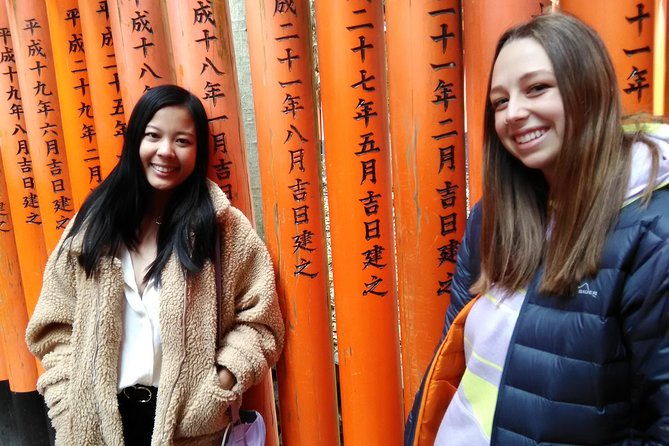
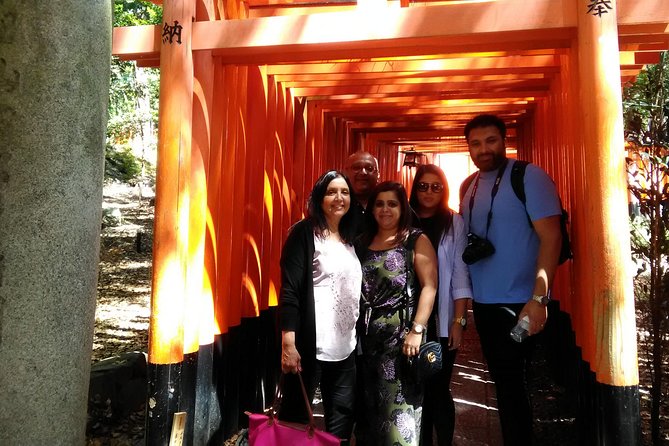
Fushimi Inari-taisha is one of Kyoto’s most recognizable shrines, known for its long lines of orange torii gates climbing the wooded mountain. It is a powerful first stop, especially if you want a distinctly Japanese shrine setting rather than another grand hall.
The catch is time. A short photo stop gives you the famous entrance and lower gates, but it does not take you far up the trail. If Fushimi Inari is your top priority, say so clearly and allow more time. The supplied itinerary describes only a brief 10-minute stop, which is not enough for a full mountain walk.
Tofuku-ji is another southern Kyoto option. It is a major Zen temple, especially attractive during autumn color, and gives you a quieter alternative to the most famous sights. To-ji, with its long connection to Kyoto’s early capital period, offers another southern stop and is listed without an entrance charge, though details can vary by area visited.
Byodoin Temple in Uji is also available, but extra travel time is expected because it lies outside central Kyoto. Its Phoenix Hall is a National Treasure and part of a UNESCO World Heritage site. Choose it only if that specific building matters more to you than seeing several central Kyoto districts.
Kiyomizu-dera, Higashiyama, and Gion
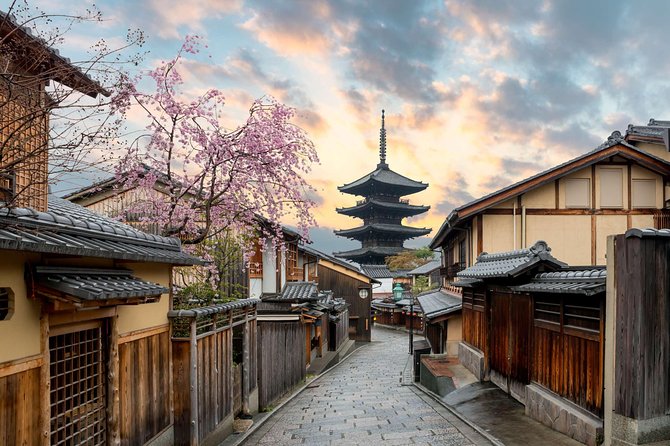
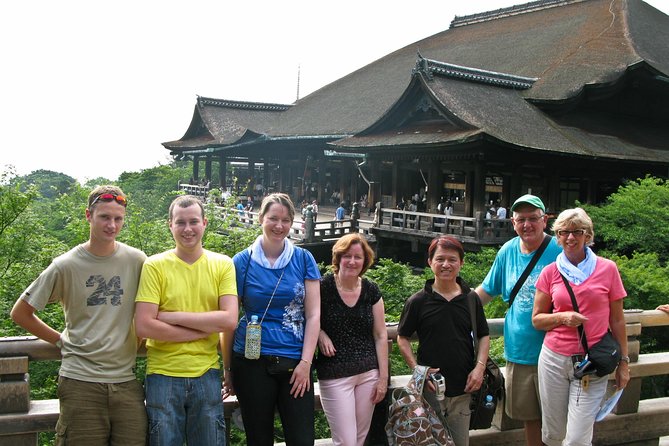
Kiyomizu-dera is among Kyoto’s essential visits. The temple sits above the eastern side of the city, and the approach through Higashiyama takes you along old-style streets lined with shops and food stalls. The setting is attractive, but it can be crowded and requires walking on slopes and through busy lanes.
A guide adds value here by explaining what you are seeing instead of leaving you to photograph the pagoda and move on. The tour description allows about an hour for a guided visit, though the stop list itself shows 10-minute entries. Confirm the actual plan with your guide, since the difference between a quick look and a full temple visit is substantial.
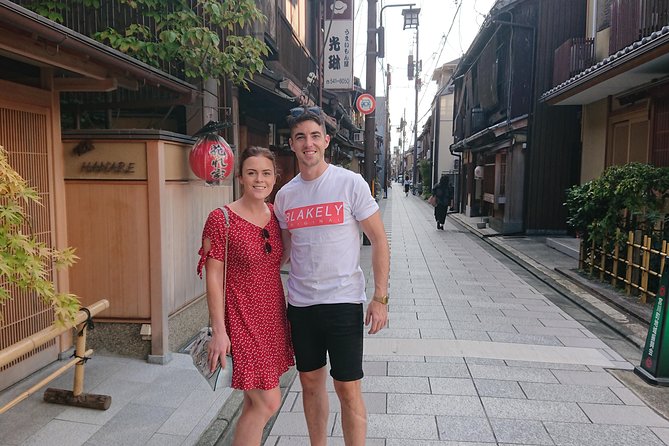
Gion is best treated as a historic neighborhood, not a stage show. Its narrow lanes, traditional facades, and connection to Kyoto’s geisha culture make it atmospheric, but you should behave quietly and respectfully. A guide can help you avoid getting lost and explain the district without turning it into a hunt for performers.
Kiriko’s group was fortunate to see a geisha in full makeup while walking in Gion, but that kind of sighting is not guaranteed. Go for the streets, architecture, and cultural setting, not for a promised encounter.
Kennin-ji is a strong add-on near Gion. Its spacious grounds and dry gardens provide a calmer contrast to the nearby shopping streets. The listed timing is only one minute, so you would need to request a proper visit if this temple interests you.
A few more Osaka experiences worth weighing up
- Osaka: Minoh, Katsuoji Temple, & Minoh Falls Full-day Tour
★ 4.9 · 172 reviews - Osaka’s Best and Brightest: Private Full-Day Tour by Vehicle
★ 5.0 · 147 reviews - Full Day Tour of Kyoto with Private Transportation
★ 5.0 · 130 reviews - Full Day Hiroshima and Miyajima Tour by Bullet Train from Osaka
★ 4.5 · 117 reviews
Nijo Castle, Nishiki Market, and central Kyoto
Nijo Castle gives the day a political and historical anchor. Built in 1603 as Tokugawa Ieyasu’s Kyoto residence, it connects directly to the shogunate and the Edo period. This is a useful choice if you want to understand power in Japan, not just admire temples.
Nishiki Market is Kyoto’s Kitchen, a narrow shopping street running about five blocks with more than 100 shops and restaurants. It is a good place to sample local food and see everyday commerce, but it is not a relaxed lunch stop when the lanes are crowded. Ask your guide how much time to allow, and budget separately for anything you eat or buy.
The Kyoto Imperial Palace offers a different view of the city’s past. It was the residence of Japan’s Imperial Family until 1868, when the emperor and capital moved to Tokyo. The palace grounds are spacious, which can provide breathing room after the tighter streets around Nishiki and Gion.
Pontocho, a narrow dining alley beside the Kamogawa River, is another central option. It is most useful as an evening-oriented atmospheric walk, but it can still fit a daytime route if you want traditional dining streets rather than another temple.
Northern Kyoto temples and imperial villas
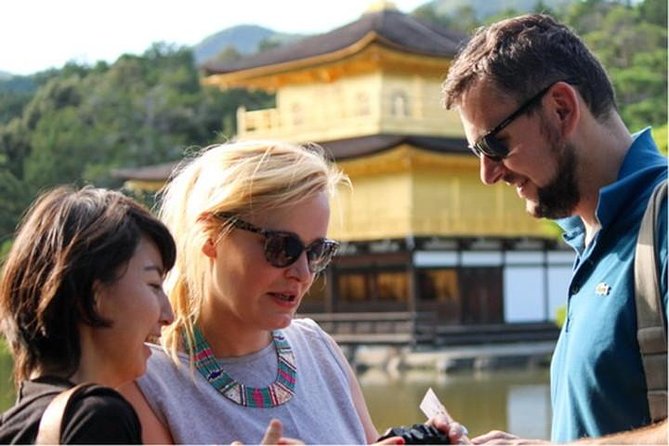
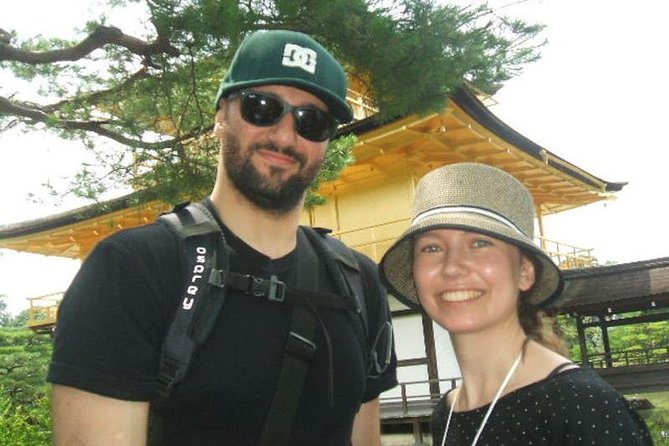
The northern choices are visually different from the southern and central sights. Kinkaku-ji, the Golden Pavilion, is a Zen temple whose upper two floors are covered in gold leaf. It is one of Kyoto’s most photographed buildings, and the reflection across the pond is the reason many people make the trip.
The drawback is that Kinkaku-ji is not near Fushimi Inari, Gion, or Arashiyama. Trying to combine too many distant points can turn your day into a sequence of station platforms and hurried photographs. Pick it because you truly want the pavilion, not because you think you can casually add it to everything else.
Ryoan-ji is famous for its rock garden and offers a more restrained experience. It pairs naturally with Kinkaku-ji and Ninna-ji, although this western and northern route leaves little room for southern Kyoto.
Ninna-ji is a World Heritage temple and the head temple of the Omuro school of Shingon Buddhism. Its importance is religious and architectural, while Shugakuin Imperial Villa gives you formal gardens and imperial design in the northern hills. Katsura Imperial Villa is another major choice for Japanese architecture and garden design, but both imperial villas require careful planning and separate admission arrangements are not included.
Arashiyama: bamboo, bridges, and quieter temple paths
Arashiyama is not one quick stop. The district includes the Togetsukyo Bridge, the bamboo groves, Tenryu-ji, and a chain of smaller temples extending into the Saga area. It is a full regional visit, especially when you add walking time.
The bamboo paths are photogenic, but the famous section can feel crowded. Tenryu-ji is the district’s major temple and a World Heritage site, with a strong Zen connection and impressive gardens. Okochi Sanso Garden, the former villa of actor Okochi Denjiro, adds carefully arranged gardens and buildings behind the bamboo area, but admission is extra.
If you prefer a quieter walk, Jojakko-ji, Nisonin, Gio-ji, Adashino Nenbutsu-ji, and Otagi Nenbutsu-ji offer smaller-scale experiences. Gio-ji is known for moss and maple trees, while Otagi Nenbutsu-ji is famous for 1,200 stone figures, each with a different face. These stops reward time, not speed.
Daikaku-ji and a second visit to Tenryu-ji appear among the possible choices, but the duplicated entries should not be read as extra tour time. Ask your guide to build one clear Arashiyama plan rather than trying to collect every listed name.
What the guide adds, and where the tour can fall short
The most praised feature is the guide’s practical help. Ichiro was repeatedly described as energetic, warm, and able to explain sites such as the Bamboo Forest, Nijo Castle, Fushimi Inari, and Nishiki Market. Bell was praised for adjusting to a young daughter’s stamina, and Emi helped a family navigate distant stops before recommending a traditional Japanese restaurant.
That combination of interpretation and transport help is valuable. You can spend less energy deciphering routes and more time looking at the place in front of you. A good guide can also shift the order when Kyoto is crowded, as one guide did for a cherry blossom visit.
Still, the experience depends on the individual guide assigned to your group. The 98 percent recommendation rate is excellent, but the one poor account shows why you should not remain silent if the pace or explanation is not working. Ask for regular updates, request slower walking when needed, and agree on the day’s priorities at the start.
Bring water and a snack. One party specifically advised preparing for a lot of walking, and several accounts describe a packed schedule. Hot weather, rain, and uneven temple approaches can make the day harder than the eight-hour duration suggests.
Is $201.46 per person a fair price?
At $201.46 per person, this is not the cheapest way to reach Kyoto. Public transportation and self-guided temple visits cost far less, especially for a couple or family already comfortable with Japanese trains.
You are paying for a private guide, advance planning, English explanation, route help, and the ability to shape the day around your group. The value improves with more people because group discounts may be available, and it can be especially strong for a cruise group that must return on time.
Remember the extra costs. Transportation, entrance fees, lunch, and personal expenses are excluded. A private vehicle is also excluded and must be requested at least five days ahead. For the best value, use the train and reserve the guide for the parts that are difficult to organize alone.
Free cancellation is available up to 24 hours before the start time for a full refund. Changes or cancellations inside that window are not accepted or refunded.
Who should book this Kyoto experience?
I would choose this tour if you are visiting from Osaka for one day, want a private schedule, or feel uneasy handling Kyoto’s transport system. It is also a good fit for families and cruise passengers, provided everyone understands the walking demands.
I would skip it if you want a slow temple day, dislike public transportation, or prefer to explore at your own pace without a guide. In that case, staying in Kyoto overnight or choosing one district could be more comfortable.
Before booking, send your top three sights, your walking limits, your lunch preference, and your required return time. That small bit of planning can turn a rushed sightseeing list into a sensible Kyoto day.
FAQ
How long is the Kyoto Full-Day Private Tour from Osaka?
The tour lasts approximately eight hours.
Is the tour private?
Yes. Only your own group participates in the private activity.
How many Kyoto sites can I choose?
The experience offers more than 35 possible points of interest, and the included tour is designed around three or four selected Kyoto sites.
Is transportation included?
Transportation is not included in the price. The tour normally uses public transportation, and a private vehicle is available only if requested and pre-booked at least five days in advance.
Where does pickup take place?
Meet-up is available within designated areas of Osaka. Pickup is on foot, not by a vehicle included in the standard tour.
Are entrance fees included?
No. Entrance fees for places such as Kiyomizu-dera, Nijo Castle, Kinkaku-ji, and other paid attractions are not included.
Is lunch included?
No. Lunch and personal expenses are extra.
Does the tour include an English-speaking guide?
Yes. A licensed local English-speaking guide is included.
Can I cancel for a full refund?
You can cancel at least 24 hours before the experience start time for a full refund. Cancellations or changes made less than 24 hours before the start time are not accepted for a refund.
Should you book it?
Book this tour if Kyoto is a must-see during an Osaka stay and you want a guide to handle the route, explain the culture, and keep a private group moving. Its best feature is not the number of possible sights. It is the chance to select a few meaningful ones and reach them efficiently.
Choose carefully, plan honestly, and accept that this is an active day. With the right guide and a focused itinerary, the $201.46 price can be worthwhile, particularly for cruise passengers, families, and first-time visitors who would rather see Kyoto than spend the day studying transit maps.
Just added around Osaka
- Osaka Food Tour with 10 Classic Japanese Tastings & Drinks★ 5.0 · 38 reviews
- Osaka: Highlights & Hidden Gems Private Walking Tour★ 4.7 · 38 reviews
- Kyoto private tour (Shore excursion available from Osaka or Kobe port)★ 5.0 · 39 reviews
- Osaka Private Day Trip – Enjoy Your First-Time Visit to Osaka!★ 5.0 · 39 reviews
- Kyoto & Nara & Uji: Full Day Sightseeing Tour from Osaka or Kyoto★ 4.5 · 39 reviews
- Authentic SUSHI Course Cooking Class★ 5.0 · 39 reviews
- Osaka: Mind & Spirit Balance Temple Reiki Healing★ 5.0 · 41 reviews
- Osaka Afternoon Walking Tour with Osaka River Cruise★ 3.5 · 42 reviews
Government-Licensed Guide Tours, compared.
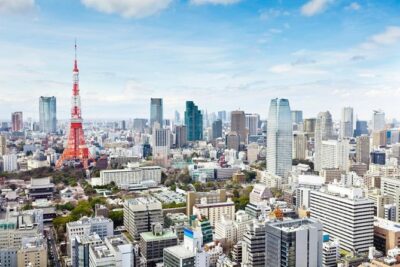
Tokyo 6hr Private Tour with Government-Licensed Guide
Read our review →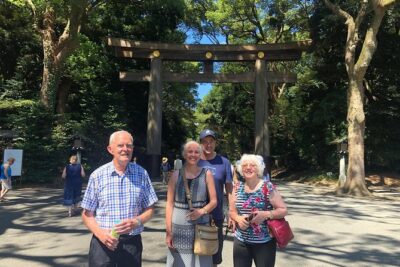
Tokyo 4hr Private Tour with Government-Licensed Guide
Read our review →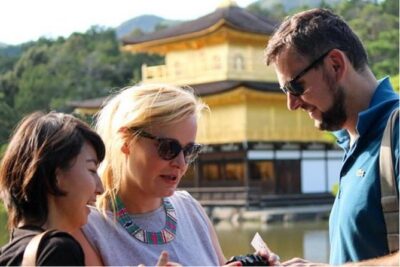
Kyoto 6hr Private Tour with Government-Licensed Guide
Read our review →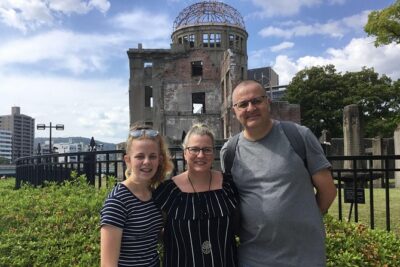
Hiroshima / Miyajima Full-day Private Tour with Government Licensed Guide
Read our review →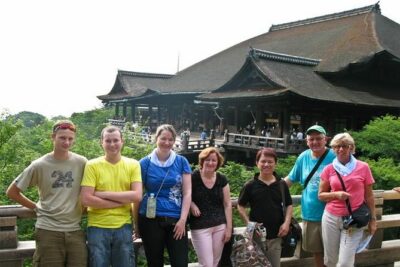
Kyoto 4hr Private Tour with Government-Licensed Guide
Read our review →
Hiroshima City 4hr Private Walking Tour with Licensed Guide
Read our review →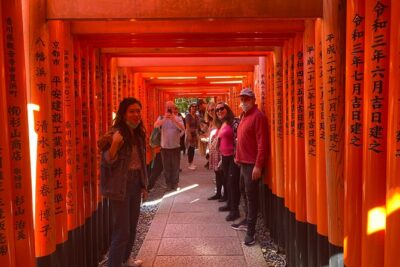
Private Kyoto Tour with Licensed Guide & Vehicle (Max 15 persons)
Read our review →Browse the lists this tour appears in