
Reviewed · WALKING TOURS
Osaka 6hr Private Walking Tour with Government Licensed Guide
Osaka rewards a curious appetite. This six-hour private tour lets you shape the day around your interests, pairing major sights with food streets, shrines, markets, and local shopping arcades. I especially like the custom itinerary and the chance to work with a licensed English-speaking guide rather than follow a fixed route. The main catch is simple: you cover a lot of ground, and the pace can be brisk.
I also like the mix of Osaka’s big sights and everyday corners. One hour at Osaka Castle can sit beside a stop at Doguyasuji, where shops sell cooking tools, or Kuromon Market, where food culture takes center stage. Guides such as Yama, Sachiko, Yuki, Rie, and Miyuki have been praised for explaining local customs, helping with trains, and adjusting plans to suit each group.
This is not a private car tour. Pickup means meeting your guide on foot within the designated Osaka area, and subway or train fares are extra. Entrance fees, lunch, and personal purchases are also yours to cover, so your final cost can rise beyond the advertised $155.26 per person.
In This Review
- Key points to know before booking
- What the six-hour format really gives you
- Dotonbori and Namba: Osaka’s loud, tasty introduction
- Doguyasuji and Shinsaibashi: shopping with a purpose
- Kuromon Market: bring appetite and clear expectations
- Sumiyoshi Taisha: old Shinto customs in a peaceful setting
- Shitennoji: a major Buddhist site near Tennoji
- Osaka Castle: the essential landmark with extra costs
- Umeda Sky Building and Nakanoshima’s art option
- Shinsekai and Keitaku-en Garden: two very different southern Osaka stops
- Pace, transport, and the physical side of the day
- Price and what your $155.26 buys
- Who should book this Osaka tour
- Should you book it?
- FAQ
- How long is the Osaka private walking tour?
- Is the tour private?
- How many places can I visit?
- Is hotel pickup included?
- Are transportation fees included?
- Are entrance fees included?
- Is lunch included?
- Can most people participate?
- What is the cancellation policy?
Key points to know before booking
- Choose only three or four stops: The tour is designed around a small selection from the long list of possible sights, not every stop in one day.
- Expect a full day on foot: Guides may use trains and subways, but the walking can be fast and tiring.
- Markets make the tour feel local: Dotonbori, Kuromon, and Doguyasuji bring Osaka’s food and shopping culture into the day.
- Guides help with more than sightseeing: Past outings included advice on train systems, food choices, shrine rituals, and hard-to-find souvenirs.
- Osaka Castle needs extra planning: The castle’s admission fee is not included, and spending time inside may reduce the number of other stops.
- Private means personal, not all-inclusive: Only your group participates, but transport, meals, admissions, and shopping are separate expenses.
What the six-hour format really gives you
Six hours is enough to get a strong first look at Osaka, but only if you make choices. The suggested stops cover much of the city: Namba’s neon-lit food streets, southern Osaka’s temples and shrines, the Tennoji area, the Umeda skyline, Osaka Castle, and Nakanoshima’s art scene.
You will not sensibly visit all eleven listed locations in six hours. The tour includes a customizable plan of three or four sites, and that is the right way to approach it. If you want food and shopping, focus on Dotonbori, Doguyasuji, Shinsaibashi, and Kuromon. If you prefer older Japan, choose Sumiyoshi Taisha, Shitennoji, Osaka Castle, or Keitaku-en Garden.
The private format is useful for families, couples, and cruise passengers with one day in port. You can ask for a slower pace, more shopping time, fewer food stops, or extra help with public transportation. Communication before the tour matters. Several guides contacted groups in advance to shape the route around their priorities.
More Walking Tours in Osaka
- Osaka: Hotspots & Hidden Gems Walking Tour Private or Group
★ 4.9 · 1,300 reviews - Osaka Local Foodie Walking Tour in Dotonbori and Shinsekai
★ 5.0 · 985 reviews - Osaka Bar Hopping Night Walking Tour in Namba (3 bars, 6 tastes)
★ 5.0 · 958 reviews
Dotonbori and Namba: Osaka’s loud, tasty introduction
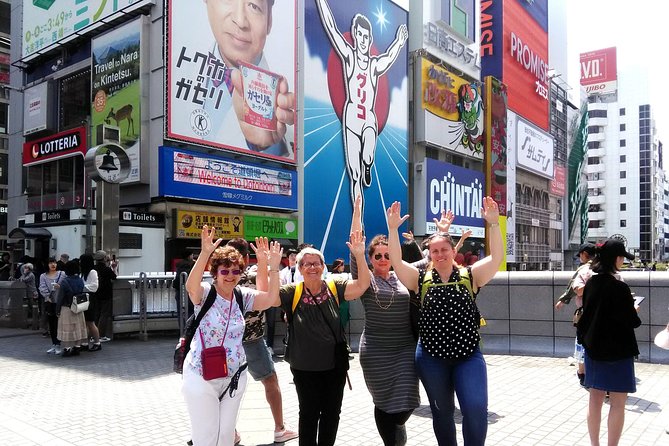
Dotonbori is the city’s theatrical food district, with giant signs, restaurants, stalls, and the famous canal-side streets. A guide can help you sort through Osaka specialties such as takoyaki and okonomiyaki instead of leaving you to guess at every menu.
This is also a good place to ask practical food questions. One guide, Yama, was praised for pointing out authentic takoyaki stands, explaining food choices, and leading a group to an excellent udon shop. Another guide introduced a group to kushikatsu, Osaka’s fried skewer dish, in a traditional restaurant.
Dotonbori can be crowded and flashy, so do not expect a quiet cultural stop. Its value is in seeing how Osaka eats, shops, jokes, and advertises itself. For a first visit, it provides quick context for the city’s outgoing personality.
Doguyasuji and Shinsaibashi: shopping with a purpose
Sennichimae Doguyasuji is a short but highly specific shopping street. Its stores sell cooking utensils, tableware, appliances, restaurant supplies, and kitchen accessories. Even if you are not shopping for a Japanese knife or rice bowl, the street gives you a look at the tools behind the country’s food culture.
Allow more than the suggested 30 minutes if you want to buy something. A private guide can explain what you are seeing, help with basic shopping questions, and keep the stop from becoming a rushed walk through storefronts.
Shinsaibashi-suji is a much larger covered arcade, stretching about 600 meters. It is lined with cosmetics shops, clothing stores, restaurants, and general retail. I would choose it for practical shopping or souvenir hunting, not for quiet atmosphere. One guide even helped locate a specific Ohtani Shohei baseball jersey, a useful reminder that local assistance can matter when you are searching for something very particular.
Kuromon Market: bring appetite and clear expectations
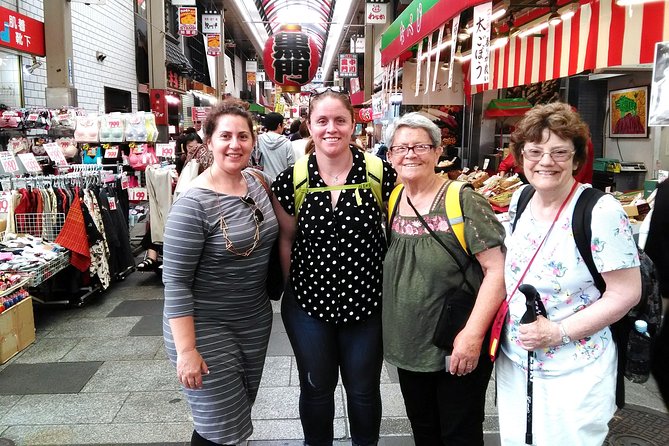
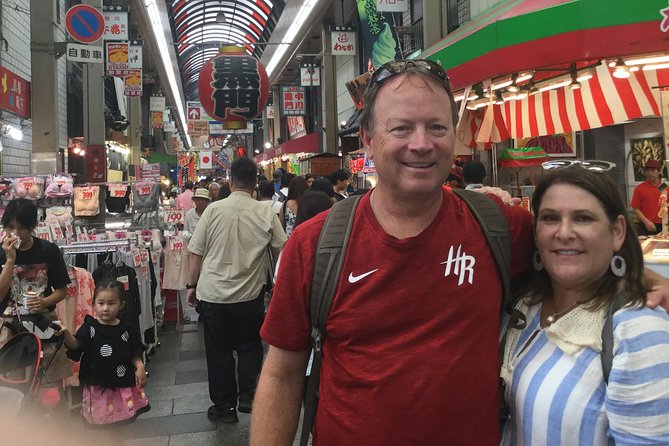
Kuromon Market is one of Osaka’s best-known food markets. Seafood is central, including pufferfish and conger pike, with seasonal specialties noted in the tour description. You can walk beneath the covered arcade, look at prepared foods, and ask your guide what is worth trying.
The market works best for people who enjoy browsing and tasting. Your guide may help you identify foods, explain unfamiliar ingredients, or recommend a lunch nearby. Food purchases are not included, so budget separately.
This stop is not ideal for every group. A vegetarian family specifically found the fish market and food focus unsuitable. If seafood does not interest you, tell the guide before the day begins and use your custom choices for temples, gardens, art, or architecture instead.
More licensed guide tours:
- Osaka 4hr Private Tour with Government-Licensed Guide
★ 5.0 · 359 reviews - Kyoto Full-Day Private Tour (Osaka departure) with Government-Licensed Guide
★ 5.0 · 58 reviews - Tokyo 6hr Private Tour with Government-Licensed Guide
★ 5.0 · 3,902 reviews - Tokyo 4hr Private Tour with Government-Licensed Guide
★ 5.0 · 1,394 reviews
Sumiyoshi Taisha: old Shinto customs in a peaceful setting
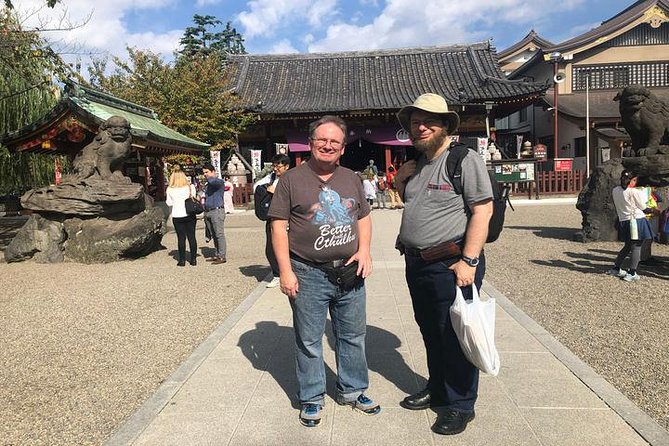
Sumiyoshi Taisha is one of Japan’s oldest shrines, founded before Buddhism arrived in Japan. Its architecture follows a distinct early style, making it different from many later shrine designs you may see elsewhere in the country.
The great value here is having someone explain what you are seeing and how to behave respectfully. One outing included a detailed explanation of Shinto procedures, allowing the group to take part without treating the shrine like a stage set. An unexpected traditional wedding photo session also added a memorable glimpse of present-day religious life.
At 30 minutes, this can be a quick introduction rather than a slow visit. If shrines are your main interest, ask for more time here and trim the shopping. Sumiyoshi Taisha pairs well with Shitennoji if you want to compare Shinto and Buddhist traditions in one day.
Shitennoji: a major Buddhist site near Tennoji
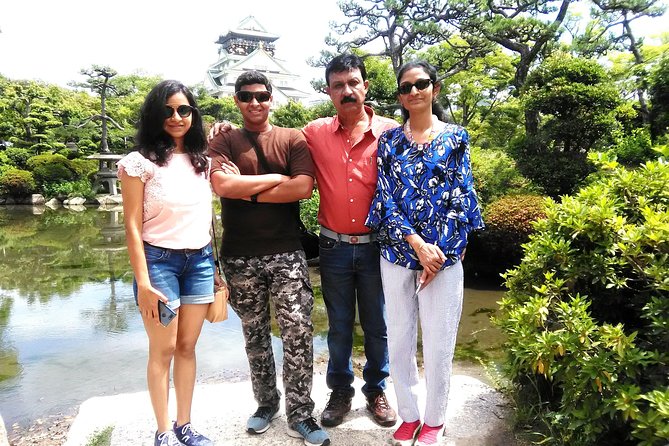
Shitennoji was founded in 593 by Prince Shotoku and is described as Japan’s first temple built by the state. Its importance is historical and religious, but the site also works well for visitors who want a calmer break from Osaka’s shopping districts.
Admission is not included. The tour description lists the temple as a 30-minute stop, but you should confirm what your guide plans to see inside and outside. If you want to enter paid areas, factor that cost into your day.
Several guides used Shitennoji as a key cultural stop. Shogo explained its importance as one of Japan’s oldest temples, while other guides paired it with markets and food streets. That combination is one of the tour’s strengths: Osaka is not presented as only neon signs and restaurants.
Osaka Castle: the essential landmark with extra costs
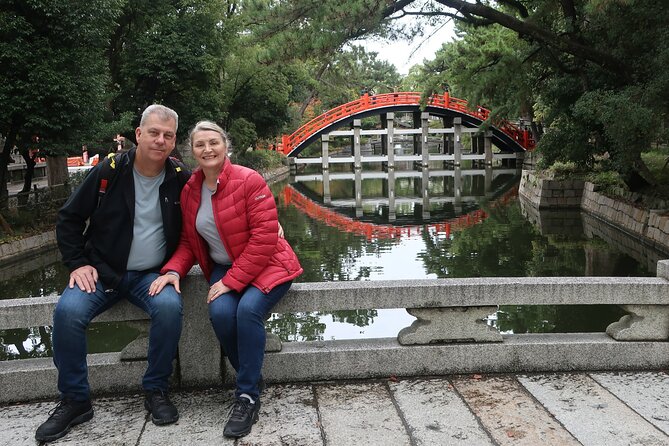
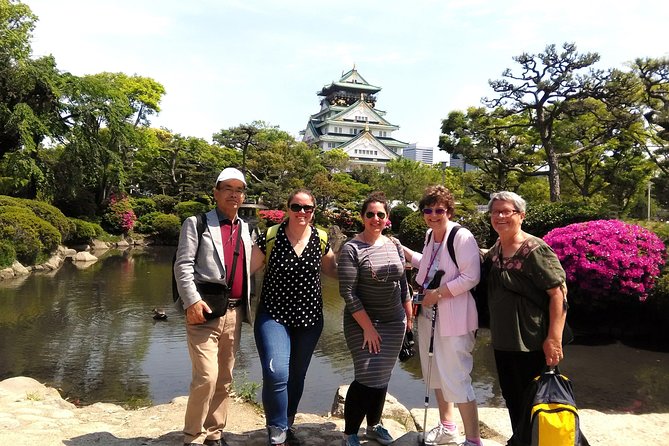
Osaka Castle is the obvious choice for a first-time visit. Its tower is visually striking, and the site connects to nearly 450 years of Osaka’s political and military story. The surrounding park also provides a welcome change from dense commercial streets.
The suggested visit lasts one hour, but admission is extra. If you enter the tower and museum areas, you will need to spend part of that hour indoors. If you only want exterior views and the park, you can preserve more time for another neighborhood.
The castle is one of the most praised stops in the experience. Guides have explained its history, helped groups reach the site by train or subway, and added unexpected moments such as Japanese boxing matches or other local activities. Keep your walking speed in mind, though. One group found guide Yama too fast, with conversations sometimes happening ahead of the slower member. Tell your guide at the start if your group needs frequent pauses.
Umeda Sky Building and Nakanoshima’s art option
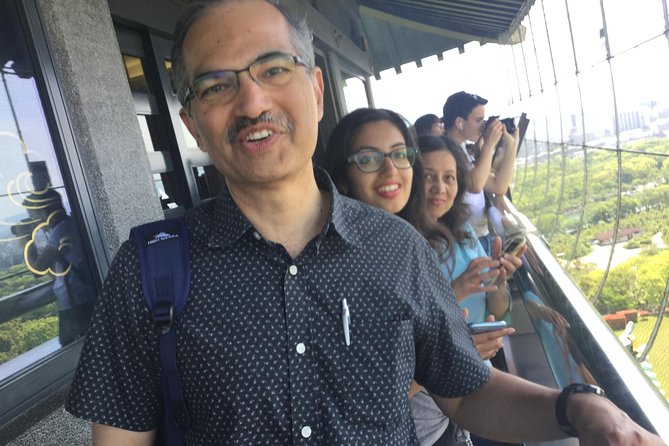
The Umeda Sky Building rises 173 meters in Osaka’s Kita district, near Osaka and Umeda Stations. Its unusual high-rise design and city views make it a strong pick if you want modern Osaka rather than temples and markets.
Admission is extra. A 30-minute visit gives you a taste of the building, but it may not leave much time for a long view session, shopping, or a relaxed coffee. Choose it when the skyline matters to you.
The National Museum of Art, Osaka, offers a different kind of city experience. It is an underground museum on Nakanoshima with a major art collection. Since admission is not included and the listed time is also 30 minutes, this is best for people who already have a clear interest in the museum or want a short cultural stop between other areas.
Shinsekai and Keitaku-en Garden: two very different southern Osaka stops
Shinsekai means New World, and its Tsutenkaku tower, kushikatsu restaurants, Billiken figure, and old-style entertainment atmosphere give it a strong local identity. It is a good place to ask your guide about Osaka food and neighborhood culture.
The suggested visit is only 25 minutes, so think of Shinsekai as a quick walk and orientation rather than a full meal stop. If you want to eat kushikatsu, allow extra time and pay for lunch yourself.
Keitaku-en Garden is a traditional Japanese garden inside Tennoji Park. It features a central pond, arranged rocks, and seasonal plantings. The listed five-minute stop is far too brief for anyone who wants to appreciate a garden properly, so I would treat it as an optional glimpse unless your guide can adjust the plan.
Pace, transport, and the physical side of the day
This experience is sold as a walking tour, and pickup is on foot. In practice, guides and groups have used public transportation to connect distant parts of Osaka. Train, subway, and bus fares are not included, and there is no private vehicle.
That setup is a benefit if you want to learn Osaka’s transport system. Rie and Sachiko were praised for showing groups how to use trains, buses, and subways. One guide helped a group understand the system well enough to return to their ship independently.
The trade-off is energy. Several descriptions of the day point to a fast pace and a lot of walking. Most people can take part, but you should be clear about mobility needs and preferred speed before the tour begins. A private guide should adjust to your group, and the feedback shows that many do, though one group felt the pace was too quick.
Wear comfortable shoes, carry water, and do not build an overstuffed wish list. Four well-chosen stops will usually feel better than six rushed ones.
Price and what your $155.26 buys
At $155.26 per person, the price is easier to justify for a small group than for one solo visitor. You are paying for a private licensed English-speaking guide, advance itinerary planning, local interpretation, and help with transportation and food choices. The value improves when you use that personal attention well.
For a couple, the cost may feel high beside a self-guided subway day. But a guide can save time, explain customs at shrines, point out worthwhile food, and help with practical problems such as finding a specific shop. Families may also appreciate not having to plan every transfer or keep younger members engaged alone.
Remember the extras. Transport fares, entrance fees, lunch, and personal purchases are not included. Osaka Castle, Shitennoji, Umeda Sky Building, the National Museum of Art, and Keitaku-en Garden all list admission as separate. Ask your guide to plan around your budget.
Free cancellation is available if you cancel at least 24 hours before the start time. Changes or cancellations inside that window are not accepted for a refund.
Who should book this Osaka tour
I would choose this tour if you have limited time, want a private day, or prefer conversation over following a large group. It suits first-time visitors who want Osaka’s main sights explained in plain English, as well as repeat visitors looking for less familiar shopping streets or local food.
It is particularly useful for cruise passengers, families, and anyone who wants help with the rail system. The strongest guide experiences combined famous sights with personal touches, such as a special souvenir search, a local restaurant, or a quieter shrine.
I would hesitate if you dislike walking, want a slow museum day, or have no interest in markets and food. Vegetarians should say so in advance, since Kuromon and the food districts may otherwise take up too much of the day.
Should you book it?
Book it if you want a flexible first look at Osaka and are ready to walk. The best plan is to select three or four stops before arrival, then leave room for your guide to adjust the day.
For a balanced route, I would pair Osaka Castle with Shitennoji, Kuromon Market, and Dotonbori. For a more local and food-focused day, choose Sumiyoshi Taisha, Doguyasuji, Kuromon, and Shinsekai. Ask for a moderate pace, confirm transport costs, and decide which admission fees matter to you.
The tour’s strongest feature is not the number of sights. It is the chance to connect Osaka’s temples, food, shopping, and transport system in one personal day.
FAQ
How long is the Osaka private walking tour?
The tour lasts approximately six hours.
Is the tour private?
Yes. Only your group participates, and you cannot combine your group with another tour group.
How many places can I visit?
The included service is a customizable tour covering your choice of three or four sites from the available list.
Is hotel pickup included?
Pickup is offered on foot within the designated Osaka area. There is no private vehicle.
Are transportation fees included?
No. Train, subway, bus, and other transportation fees are not included in the tour price.
Are entrance fees included?
No. Entrance fees are generally extra. The guide’s entry fees are covered only for sights listed under the tour’s stated expectations.
Is lunch included?
No. Lunch and personal food purchases are not included.
Can most people participate?
The experience states that most people can participate, and service animals are allowed. It is a walking tour, so you should tell the guide about any pace or mobility concerns.
What is the cancellation policy?
You can cancel at least 24 hours before the start time for a full refund. Cancellations or changes made less than 24 hours before the start time are not refunded or accepted.
Just added around Osaka
- Osaka Food Tour with 10 Classic Japanese Tastings & Drinks★ 5.0 · 38 reviews
- Osaka: Highlights & Hidden Gems Private Walking Tour★ 4.7 · 38 reviews
- Kyoto private tour (Shore excursion available from Osaka or Kobe port)★ 5.0 · 39 reviews
- Osaka Private Day Trip – Enjoy Your First-Time Visit to Osaka!★ 5.0 · 39 reviews
- Kyoto & Nara & Uji: Full Day Sightseeing Tour from Osaka or Kyoto★ 4.5 · 39 reviews
- Authentic SUSHI Course Cooking Class★ 5.0 · 39 reviews
- Osaka: Mind & Spirit Balance Temple Reiki Healing★ 5.0 · 41 reviews
- Osaka: Gluten-Free Ramen and Gyoza Cooking Class★ 5.0 · 42 reviews
Walking Tours, compared.
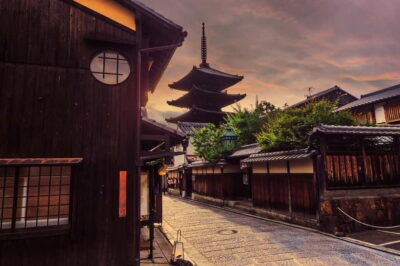
Kyoto Geisha Walking Tour: Gion District & Hidden Gems
Read our review →
Tokyo Tsukiji Fish Market Food and Culture Walking Tour
Read our review →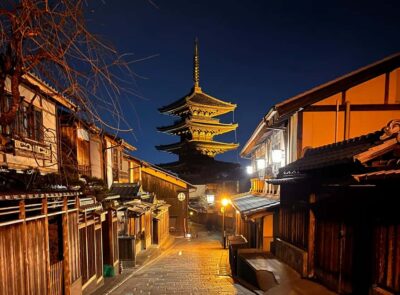
Gion Magical Night Walking Tour with Geisha Trivia
Read our review →
Imperial Palace and Shogun Historical Walking Tour
Read our review →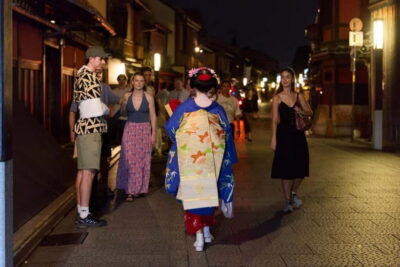
Gion Geisha District Walking Tour – Stories of Geisha
Read our review →
Shinjuku Local Bar and Izakaya Guided Walking Tour
Read our review →
Browse the lists this tour appears in