
Reviewed · GOVERNMENT-LICENSED GUIDE TOURS
Private Kyoto Tour with Licensed Guide & Vehicle (Max 15 persons)
Kyoto rewards a smart plan. This private tour pairs a licensed English-speaking guide with a private vehicle, letting you choose three or four sights instead of wrestling with crowded buses and a tricky subway network. I like the door-to-door pickup and the freedom to shape the day around your interests. I also like that guides such as Ken, Yuka, Noriko, Michi, and Tomy have adjusted routes for families, older adults, rainy weather, food requests, and limited walking ability.
The catch is simple: six hours is not enough for Kyoto’s entire menu of temples, markets, shrines, and historic streets. The tour costs $634.72 per group of up to two, before admission fees and lunch, so it makes the most sense when convenience and time matter more than finding the cheapest way around town.
In This Review
- Key Things to Know Before Booking
- Why a Private Car Helps in Kyoto
- How to Build a Sensible Six-Hour Route
- Fushimi Inari and Kyoto’s Southern Temples
- Nijo Castle and the Central City
- Gion, Pontocho, and Kennin-ji
- Kiyomizu-dera and the Higashiyama Hills
- Kinkaku-ji, Ryoan-ji, and Ninna-ji
- Arashiyama and Kyoto’s Western Edge
- Northern Mountains and Imperial Villas
- Guides, Drivers, and the Personal Touch
- The $634.72 Price and Overall Value
- Should You Book This Kyoto Tour?
- FAQ
- How long is the private Kyoto tour?
- How many people can participate?
- What is included in the tour?
- Are entrance fees included?
- Is lunch included?
- Can I choose which Kyoto sights to visit?
- What is the cancellation policy?
Key Things to Know Before Booking
- You choose three or four places: The long stop list is a menu, not a promise that you will visit every site.
- A private car saves serious time: Hotel pickup and close parking can make a major difference in crowded Kyoto.
- Guides shape the day well: Ken, Yuka, Noriko, Michi, Tomy, and others have been praised for patience, local insight, photos, and flexible planning.
- Admission fees are extra: Expect to pay separately at places such as Kinkaku-ji, Nijo Castle, Kiyomizu-dera, and Ginkaku-ji.
- The price favors small groups: At the listed rate, two people pay about $317 each, while a larger private group may find better value if the applicable group price remains reasonable.
- You need to set priorities: Fushimi Inari, Kinkaku-ji, Arashiyama, and Kiyomizu-dera are not all close together, so an overstuffed wish list can turn the day into a drive-by tour.
Why a Private Car Helps in Kyoto
Kyoto looks compact on a map, but its major sights spread across the city. Fushimi Inari is in the southeast, Kinkaku-ji sits in the northwest, Arashiyama is farther west, and Ginkaku-ji and Nanzen-ji line the eastern foothills.
Public buses can be slow in heavy traffic. The subway reaches only part of the city. A private vehicle will not erase Kyoto’s traffic, but it gives you a quiet base between stops and removes much of the guesswork.
I especially like the pickup option for a first day in Kyoto. You do not need to find a bus stop, work out which direction to travel, or haul bags through a station. One party arrived by bullet train, was met at Kyoto Station, visited four major sights, ate lunch, and returned in time for a later train. That is a useful model for anyone making Kyoto a day trip from Tokyo or Osaka.
The private format also helps families and mixed-ability groups. Noriko adjusted a fall-foliage route for someone who needed fewer stairs, while Shuji planned around a wheelchair. Those examples do not guarantee that every route will be fully accessible, so discuss your needs before booking. Only a limited number of child seats and booster seats are available, and rear-facing car seats are not provided.
More Licensed Guide Tours in Kyoto
- Kyoto 6hr Private Tour with Government-Licensed Guide
★ 5.0 · 1,369 reviews - Kyoto 4hr Private Tour with Government-Licensed Guide
★ 5.0 · 629 reviews - Kyoto: Private Tour with Local Licensed Guide
★ 4.8 · 463 reviews
How to Build a Sensible Six-Hour Route
The biggest planning mistake is trying to visit every place on the list. There are more than 20 possible stops, but the included service is a customizable walking tour of three or four sites.
I would group your choices by area:
- Southeast Kyoto: Fushimi Inari, Tofuku-ji, and Toji
- Central and eastern Kyoto: Nijo Castle, Nishiki Market, Gion, Pontocho, Kiyomizu-dera, and Kennin-ji
- Northern Kyoto: Kinkaku-ji, Ryoan-ji, Ninna-ji, and Shugakuin Imperial Villa
- Western Kyoto: Arashiyama, Tenryu-ji, Daikaku-ji, and Katsura Imperial Villa
- Northern mountain area: Kibune, Kurama-dera, and Yoshimine-dera
A tight route might include Fushimi Inari, Nijo Castle, Nishiki Market, and Gion. Another could focus on Kinkaku-ji, Ryoan-ji, Arashiyama, and Tenryu-ji. If Kiyomizu-dera matters most, pair it with Gion, Nishiki Market, and Nijo Castle rather than adding distant Arashiyama.
Tell the agency your top two must-see places and your preferred pace. Guides such as Tomy and Kazu have been praised for turning a wish list into a manageable day. That planning conversation is important because the difference between a pleasant tour and a frantic one is often just one overambitious stop.
Fushimi Inari and Kyoto’s Southern Temples
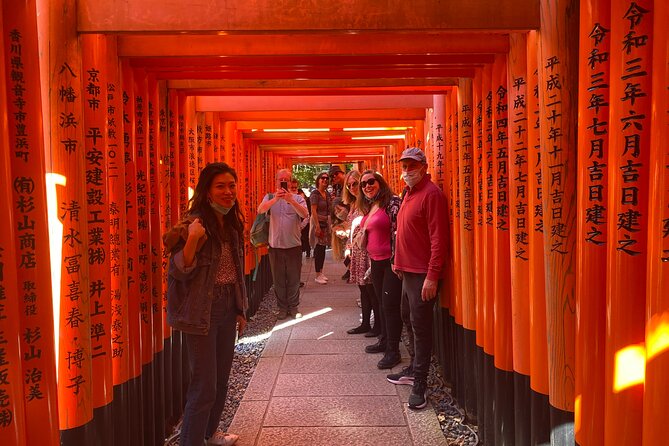
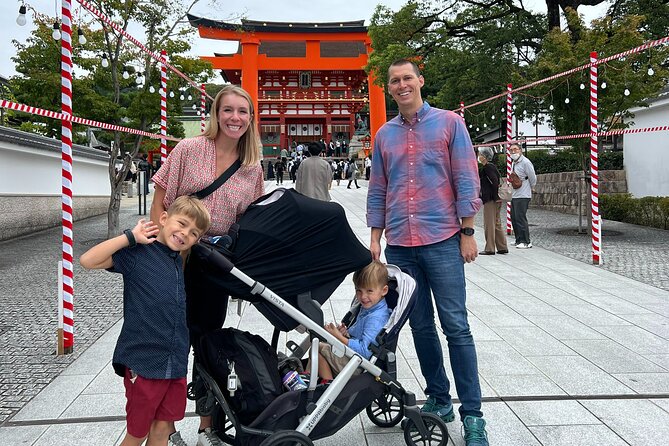
Fushimi Inari-taisha is one of Kyoto’s signature sights, known for its long corridors of orange torii gates climbing the wooded hillside. The lower shrine area is the practical choice on a six-hour tour. You can walk beneath the gates, see the shrine buildings, and get a taste of the mountain path without spending the entire morning climbing.
The tour description gives this stop only a short outline, so ask how much walking time you will have. Fushimi Inari is free, but it can be crowded, especially near the entrance. A guide can help you move beyond the first photo stop and explain the shrine’s role in Japanese religious life.
Tofuku-ji makes sense as a companion stop. This large Zen temple is especially attractive during autumn, when its trees turn brilliant colors. It is close enough to Fushimi Inari to create a sensible southeastern route, but admission is not included.
Toji offers a different mood. Founded soon after Kyoto became Japan’s capital, it is known for its long connection with the city’s early imperial era. Like several stops on this tour, Toji is better for a short architectural and historical visit than a rushed attempt to see every corner.
Nijo Castle and the Central City
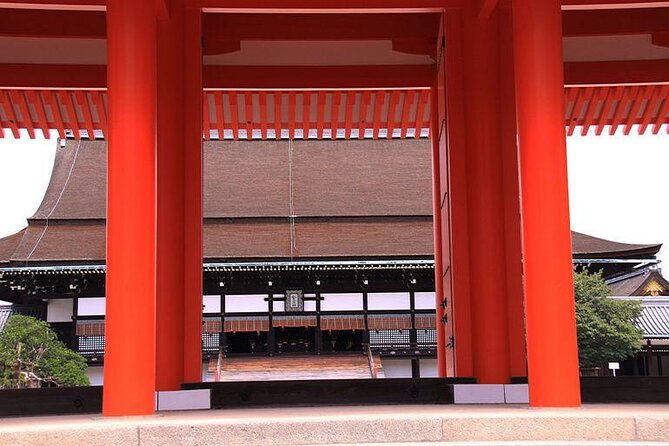
Nijo Castle was built in 1603 as Tokugawa Ieyasu’s Kyoto residence. It gives you a direct link to the shogunate and the political world of the Edo period.
The castle is more than an impressive gate and broad grounds. Its interiors, decorative details, and famous nightingale floors help explain how power worked in early modern Japan. Admission costs extra, so bring some Japanese yen or a payment method accepted at the entrance.
Nishiki Market is a useful change of pace after a castle visit. This narrow, five-block food street is packed with shops selling Kyoto specialties, snacks, pickles, seafood, sweets, and kitchen goods. It is a good place to add lunch, though you should not expect a quiet meal in the middle of the market.
Several tour parties enjoyed eating there, while other guides helped arrange sushi or okonomiyaki elsewhere. If you have dietary restrictions, tell the guide before the day begins. One guide made a special effort to find gluten-free food, but the experience also showed why specific food planning matters in Japan.
A completely different kind of day out in Kyoto:
- PERFECT KYOTO 1-Day Bus Tour
★ 5.0 · 13,518 reviews - Kyoto: Fushimi Inari, Kinkakuji, Bamboo Grove 1 Day Bus Tour
★ 4.8 · 4,316 reviews - Kyoto: Tea Ceremony in a Traditional Tea House in Kiyomizu
★ 4.9 · 3,519 reviews - Kyoto Geisha Walking Tour: Gion District & Hidden Gems
★ 4.7 · 3,273 reviews
Gion, Pontocho, and Kennin-ji
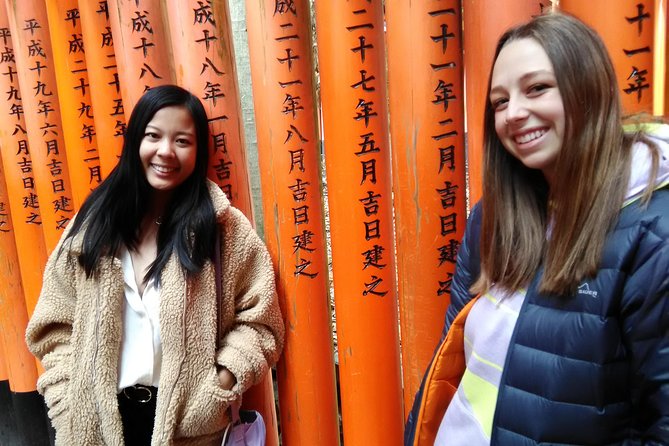
Gion is Kyoto’s best-known traditional entertainment district, with narrow lanes, wooden buildings, tea houses, and a strong sense of old Kyoto. A guide can make the area easier to understand, especially if you want context rather than a quick walk past decorated facades.
Please treat Gion as a living neighborhood, not a stage set. Stay polite, do not block lanes for photos, and do not follow or photograph people without permission. The tour’s private format lets you spend a little time walking here without worrying about finding the next bus.
Nearby Pontocho is a narrow dining alley between Shijo and Sanjo streets, close to the Kamogawa River. It is especially atmospheric around the evening meal, but a six-hour daytime tour may use it as a short orientation stop rather than a full dining visit.
Kennin-ji is another worthwhile choice near Gion. Its grounds are calm compared with the surrounding streets, and its dry gardens offer a quieter temple setting. The stop is listed as a brief visit, and admission is extra.
Kiyomizu-dera and the Higashiyama Hills
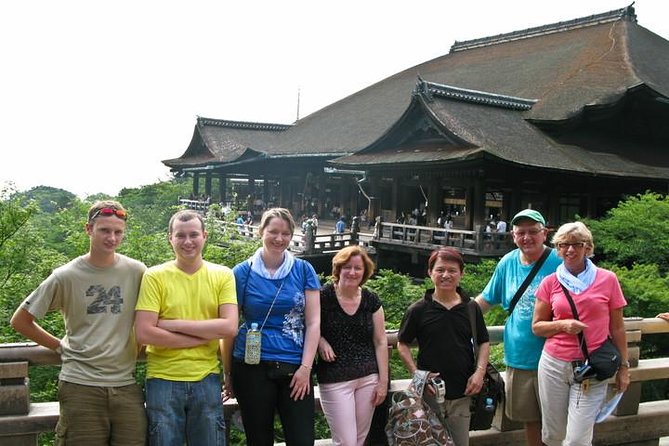
Kiyomizu-dera is one of Kyoto’s essential temple visits. It sits on the eastern hills and is famous for its wooden stage, broad views, and busy approach streets filled with shops.
This is not a flat, effortless stop. The approach through Higashiyama involves slopes and walking, and the temple grounds can be crowded. If stairs or long walks are difficult for you, say so early. Noriko and Shuji have shown that guides can adjust routes, but the exact amount of walking depends on your selected sights and mobility needs.
The surrounding Higashiyama Ward is one of the best places to see preserved old Kyoto. You can combine Kiyomizu-dera with Gion and Kennin-ji for a focused eastern Kyoto day. This plan gives you temples, traditional streets, and local food without spending half the tour crossing the city.
Kinkaku-ji, Ryoan-ji, and Ninna-ji
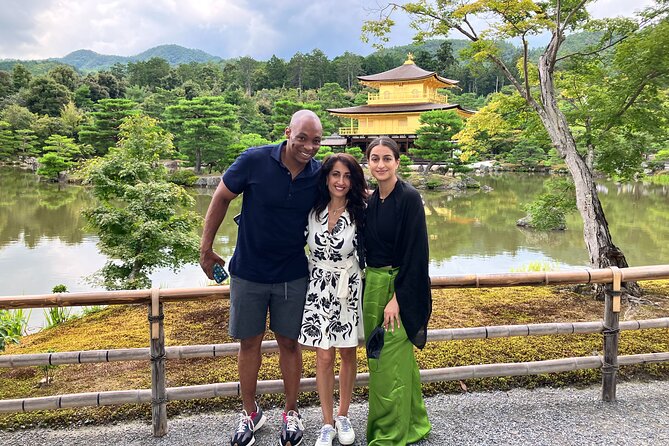
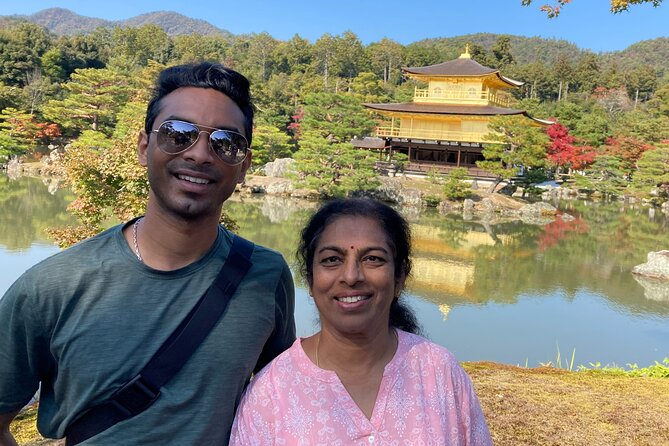
Kinkaku-ji, the Golden Pavilion, is Kyoto’s most instantly recognizable sight. Its upper floors are covered in gold leaf, and the pavilion reflects across a pond in the surrounding garden.
It is also one of the city’s busiest attractions. The viewing path keeps you moving, and you may have to share the best photo angles with school groups and tour parties. Still, I would include it if this is your first Kyoto visit. The sight is famous for a reason.
Ryoan-ji is a natural partner in northern Kyoto. Its Zen rock garden is spare, quiet, and deliberately open to interpretation. The temple can be a good counterpoint to Kinkaku-ji’s bright exterior, though admission is extra.
Ninna-ji adds imperial and Buddhist history to the same general area. Founded in 888, it is the head temple of the Omuro school of Shingon Buddhism and is listed as a World Heritage site. If you prefer gardens and religious architecture to shopping, Kinkaku-ji, Ryoan-ji, and Ninna-ji make a strong northern route.
Arashiyama and Kyoto’s Western Edge
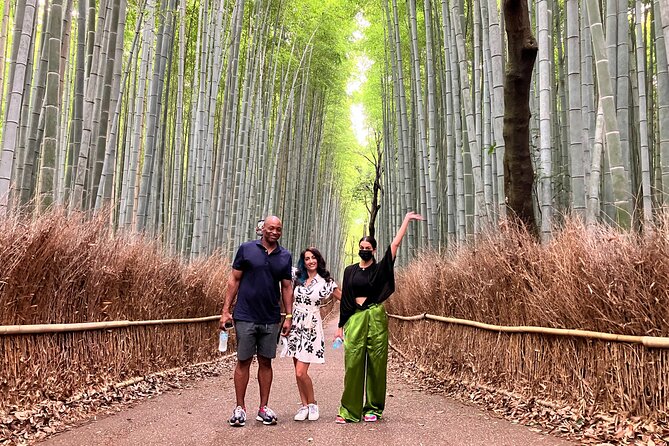
Arashiyama is a popular district on Kyoto’s western side, known for its bamboo grove, river setting, and temples. It is a pleasant area, but it is not a quick hop from the city center.
Tenryu-ji is the leading temple here and a World Heritage site. Its gardens and mountain views give the visit more depth than a short walk through the bamboo grove alone. Daikaku-ji, farther into the Sagano area, offers another historic temple setting and began as a detached palace for Emperor Saga.
You can visit Arashiyama in six hours, but combining it with Fushimi Inari and Kinkaku-ji may leave little time for walking. One guide did help a family enjoy the bamboo forest, Nishiki Market, and Fushimi Inari in a single day, but that kind of schedule depends on traffic, crowd levels, and how quickly your group moves.
If Arashiyama is your main goal, make it the center of the plan. Add Tenryu-ji and perhaps Daikaku-ji rather than trying to collect distant temples as well.
Northern Mountains and Imperial Villas
The tour can reach less central sights such as Kibune, Kurama-dera, Shugakuin Imperial Villa, and Yoshimine-dera. These choices appeal to repeat visitors or anyone who wants scenery and quieter religious sites instead of only Kyoto’s famous icons.
Kibune developed around Kifune Shrine in a forested northern valley. Kurama is a rural mountain town known for Kurama-dera and its hot spring. These places take more time to reach, so I would not combine them with a long list of central attractions.
Shugakuin Imperial Villa is managed by the Imperial Household Agency and includes upper, middle, and lower villa areas. Katsura Imperial Villa is known for its architecture and garden design. Entrance arrangements and admission costs are separate, and you should confirm access details before making either villa the centerpiece of your day.
Guides, Drivers, and the Personal Touch
The strongest part of this experience is the human service. Guides are not assigned a single fixed personality or route, so your result will depend partly on who leads the day and how clearly you communicate your interests.
The most praised guides have done more than recite dates. Yuka brought energy and polished English. Hiroko kept pace with two active boys. Ken mixed history with humor and adjusted plans around food concerns. Yoshii helped with photos at popular viewpoints. Michi even stayed beyond the scheduled time to help a couple find a particular meal.
Drivers matter, too. Clean, modern vehicles and careful driving were repeatedly praised. Close parking near selected sights can spare you a long walk, which is especially valuable after a full day of sightseeing.
There is one warning. A poor guide match can make the tour feel expensive and disorganized. One unhappy customer found the guide pleasant but lacking in storytelling, while another felt the guide did not listen to personal preferences. Send a clear list of priorities before pickup and speak up if the pace or subject matter is not working.
The $634.72 Price and Overall Value
The listed price is $634.72 for a group of up to two people. That works out to about $317 per person for two, before entrance fees, lunch, and personal spending. It is a substantial price for six hours, especially if you are comfortable using trains, buses, and taxis.
The value improves when you are short on time, traveling with family, managing mobility concerns, or sharing the cost among more people. A private vehicle can help you see several far-flung districts in one day, while a guide can explain what you are seeing and help avoid inefficient routes.
It is poor value if you want a slow, detailed visit to one temple, or if you are mainly seeking the lowest-cost transport. You will still pay entrance fees at several major sights, and the guide cannot turn six hours into two full sightseeing days.
Free cancellation is available if you cancel at least 24 hours before the start time. Changes or cancellations made later are not accepted for a refund.
Should You Book This Kyoto Tour?
I would book this tour if you have one day in Kyoto, dislike navigating public transport, or want a private guide to organize a family or small group. It is especially useful for a bullet-train day trip, a first visit, or a group with different walking speeds.
I would skip it if your budget is tight or if you want to linger quietly at one or two temples. Before paying, send the agency your top four choices, ask how much walking each requires, confirm the pickup point, and check which admission fees apply.
For the right group, the private car, flexible routing, and strong guide pool can make Kyoto far easier to handle. Just keep your plan focused. Three excellent stops with time to look around beat eight hurried photo stops every time.
FAQ
How long is the private Kyoto tour?
The experience lasts approximately six hours.
How many people can participate?
The tour is private, and the listed maximum is 15 people. The displayed price is for a group of up to two.
What is included in the tour?
The package includes a licensed local English-speaking guide, a private vehicle, pickup, and a customizable walking tour visiting three or four selected sites.
Are entrance fees included?
No. Entrance fees for places such as Nijo Castle, Kiyomizu-dera, Kinkaku-ji, Ginkaku-ji, and other paid sights are not included. Guide entry fees are covered only for sights listed under the tour’s included expectations.
Is lunch included?
No. Lunch and personal expenses are separate. Some guides have helped arrange meals, including okonomiyaki, sushi, and food suited to particular dietary needs.
Can I choose which Kyoto sights to visit?
Yes. You can select three or four sites from the available list, which includes Fushimi Inari, Gion, Kiyomizu-dera, Arashiyama, Kinkaku-ji, Nijo Castle, Nishiki Market, and many others.
What is the cancellation policy?
You can cancel for a full refund up to 24 hours before the experience begins. Cancellations or changes made less than 24 hours before the start time are not refunded or accepted.
Just added around Kyoto
- Kyoto: Gion Night Walking Tour with Geisha Insight★ 5.0 · 39 reviews
- Kyoto: Private Customizable Day Trip by Car★ 5.0 · 38 reviews
- Kyoto: Full Day Bike Tour★ 4.9 · 39 reviews
- Private Japanese Calligraphy in Kyoto – Learn Shodō with a Master★ 5.0 · 39 reviews
- Kyoto: Gion Evening Walk with Hidden Gems, Geisha & Sake★ 5.0 · 41 reviews
- Experience a tea ceremony in an authentic tearoom, in Kyoto!★ 4.5 · 41 reviews
- Kyoto Private Photo Shoot & Tour by SnapKyoto★ 5.0 · 41 reviews
- The Way of Tea: Kyoto Crafts, Hidden Temples & Wabi-Sabi Walk★ 5.0 · 41 reviews
Government-Licensed Guide Tours, compared.
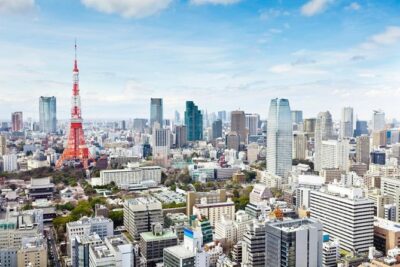
Tokyo 6hr Private Tour with Government-Licensed Guide
Read our review →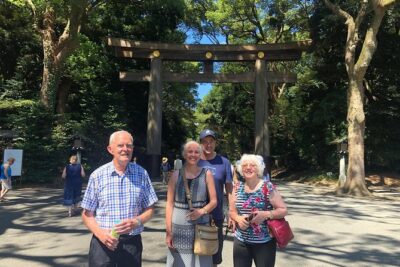
Tokyo 4hr Private Tour with Government-Licensed Guide
Read our review →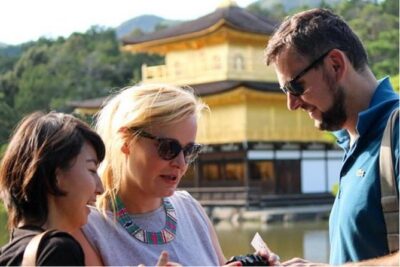
Kyoto 6hr Private Tour with Government-Licensed Guide
Read our review →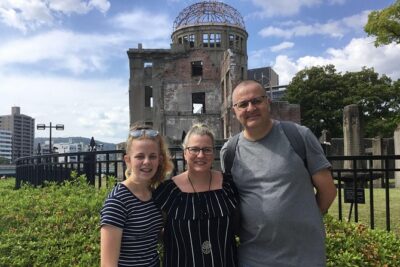
Hiroshima / Miyajima Full-day Private Tour with Government Licensed Guide
Read our review →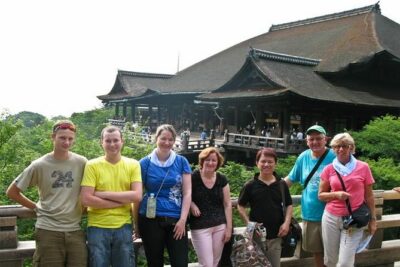
Kyoto 4hr Private Tour with Government-Licensed Guide
Read our review →
Hiroshima City 4hr Private Walking Tour with Licensed Guide
Read our review →
Osaka 4hr Private Tour with Government-Licensed Guide
Read our review →Browse the lists this tour appears in