
Reviewed · SAMURAI & NINJA EXPERIENCES
Kendo and samurai experience in Kyoto
The sword lesson is only half the story. This two-hour Kyoto experience gives you a practical introduction to kendo, Japanese sword handling, and samurai customs in a small, friendly setting. I like the patient one-on-one instruction, especially when the class has few bookings, and I like the chance to wear training gear, practice with several types of swords, and take photos. The main drawback is important: tatami mat cutting may no longer be available, despite some older descriptions and past experiences mentioning it.
You meet at studio NIN in the Shugakuin area, on the northeastern edge of Kyoto, rather than in the city center. That quieter setting can be a welcome change from crowded sightseeing streets, but the studio may be hard to find, and the activity can feel expensive if you expect a full martial arts lesson instead of a cultural introduction with photo opportunities.
In This Review
- Key points to know before booking
- What this Kyoto samurai class really offers
- Starting at studio NIN near Shugakuin
- Your first lesson: posture, etiquette, and safe handling
- Wearing the gear and getting the samurai photographs
- Kendo practice is about control, not strength
- The katana portion and the tatami-cutting question
- Is two hours enough time?
- What $105.68 buys you
- Who will enjoy this most
- Practical details worth knowing
- Should you book the Kyoto kendo experience?
- FAQ
- Where does the kendo and samurai experience take place?
- How long does the experience last?
- Do I need martial arts experience?
- What will I practice during the class?
- Will I wear samurai or kendo clothing?
- Is tatami mat cutting included?
- Can I take photos and videos?
- How many people can join?
- Is the activity accessible by public transportation?
- Can I cancel for a full refund?
Key points to know before booking
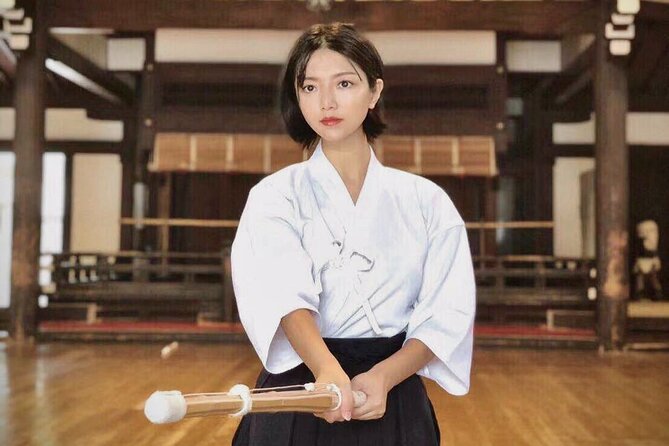
- Private attention can make the class feel personal: A group of five once found themselves alone with the instructor when no other people booked their time.
- You practice with several training tools: Expect bamboo swords, foam swords, and blunt replica blades rather than live weapons.
- The class covers more than sword swings: You learn posture, handling, names, rules, traditions, and the disciplined movements connected with kendo.
- The instructors are praised for friendly teaching: Taka, Kengo, Hayato, and Matsudaira Takato Sensei are named in especially positive comments.
- Tatami cutting is uncertain: Some older sessions included tameshigiri, but another recent account says legal changes stopped the activity.
- The location is outside central Kyoto: Allow extra time to reach Shugakuin and find studio NIN at 16 Shūgakuin Daidōchō.
What this Kyoto samurai class really offers
This is not a visit to a castle followed by a short demonstration. You take part in a guided sword and kendo lesson, with the instructor explaining how Japanese martial traditions work and then putting those ideas into simple physical exercises.
The focus is on safe handling, posture, movement, and control. You do not need martial arts experience. The class is designed for beginners, and the instructors aim to keep the mood relaxed rather than stern or intimidating.
That matters because kendo can look difficult from the outside. The armor, bamboo sword, sharp calls, and formal movements give it a serious air. Here, you get a beginner-friendly introduction without needing to arrive fit, flexible, or familiar with Japanese martial arts.
The experience also has a cultural side. You learn about the samurai way, the origins and rules of kendo, and the correct way to handle a sword. Some of the most praised sessions included explanations of how to draw and return a sword, how to stand, and how technique matters more than brute strength.
More Samurai & Ninja Experiences in Kyoto
- Kyoto Samurai Experience
★ 5.0 · 1,294 reviews - Kyoto: Kendo and Samurai Experience with Uniform and Gear
★ 4.9 · 815 reviews - Kyoto: Samurai Sword Class by Experts in Traditional Arts
★ 4.9 · 657 reviews
Starting at studio NIN near Shugakuin
The meeting point is studio NIN 修学院16 Shūgakuin Daidōchō in Sakyo Ward, Kyoto. The supplied route names Shugakuin Imperial Villa as the stop, but this is not presented as a sightseeing visit inside the villa. The activity starts and ends at the studio.
The setting is one of the experience’s appealing features. The Shugakuin area sits away from Kyoto’s busiest central streets, and one person described the class as a peaceful break from the city. That quieter feel can help the activity seem more like a visit to a working martial arts space than a standard tourist show.
The trade-off is simple: the address is not especially easy for everyone to locate. One person arrived late after getting lost, while another found the area far from central Kyoto and difficult to navigate. Plan your route before leaving, and allow extra time. If you rely on phone navigation, keep the exact Japanese address handy.
The studio itself may not match everyone’s expectations. One unhappy account described it as small and somewhat run down. Others liked the atmosphere of an old dojo and found the setting pleasant. I would approach the room as a practical training space, not as a polished museum or theatrical set.
Your first lesson: posture, etiquette, and safe handling
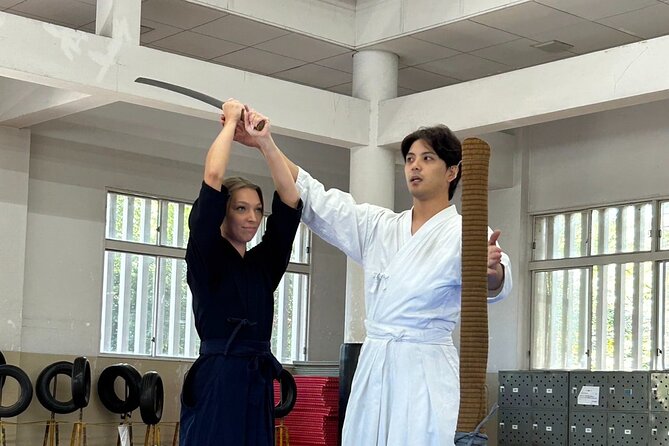
The class begins with an introduction to kendo and traditional swordsmanship. Your instructor explains the basic ideas before asking you to copy the movements.
You can expect to work with training equipment such as:
- Bamboo practice swords
- Foam swords
- Blunt replica blades
- Kendo training gear
This variety helps beginners understand the difference between a sport sword, a practice weapon, and a replica katana. You are not simply handed a sword and told to swing. The lesson covers how to hold it, how to move your body, and how to keep the action controlled.
The teachers also explain traditions and terminology. That background gives the physical practice more meaning. You begin to see that kendo is not just sword fighting. It involves discipline, precise movement, rules, and respect for the training space.
Taka is praised for his English and teaching style. Kengo is described as friendly, encouraging, and willing to contact a late arrival who had not found the studio. Hayato is also named warmly after a session that included explanations, practice, and katana work.
English ability may vary by instructor. One session had some communication difficulty, and the participant recommended being ready to use Google Translate. That does not mean the class cannot work for English speakers, but you should expect some variation in how easily detailed explanations come across.
Wearing the gear and getting the samurai photographs
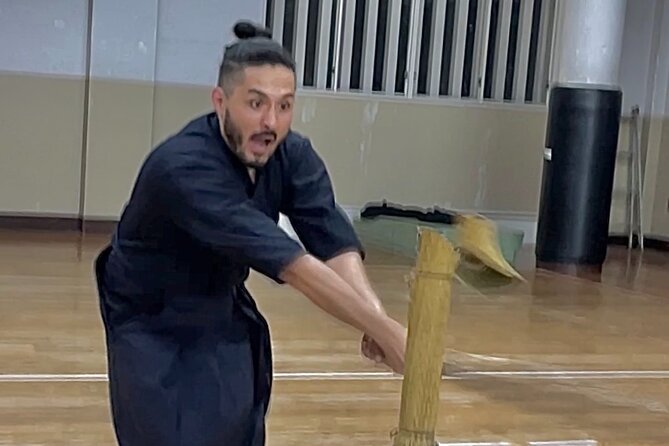
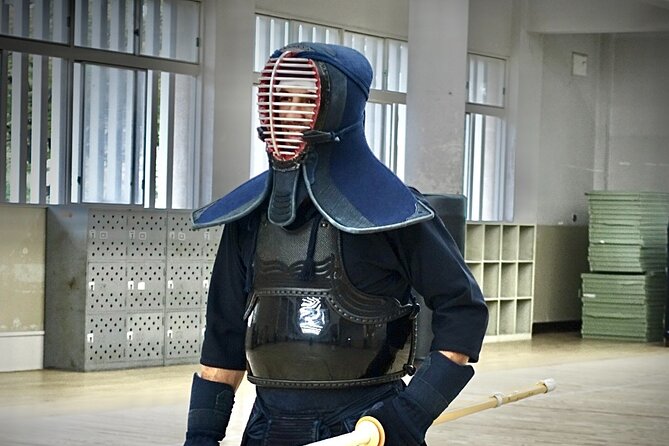
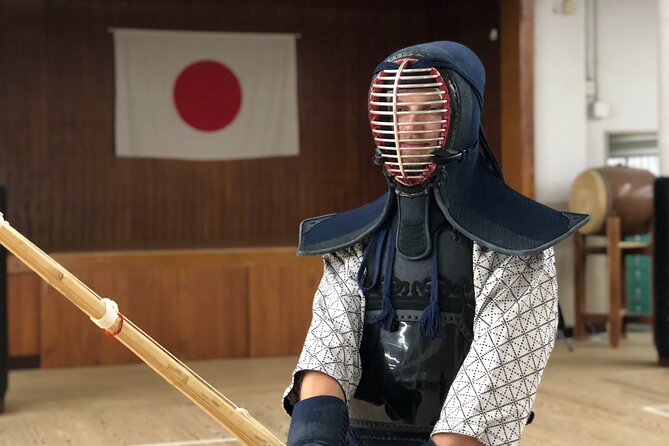
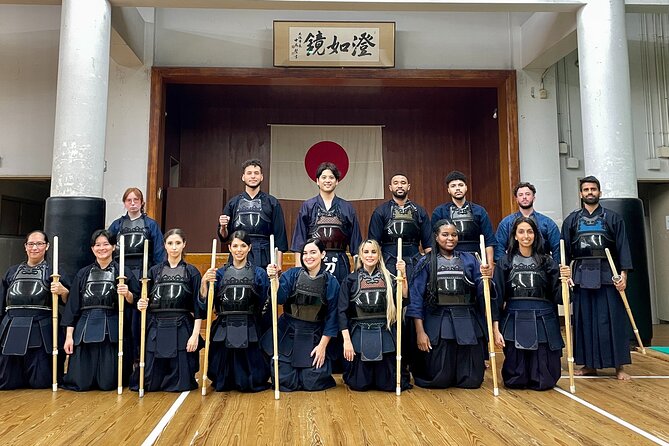
The visual side of the experience is a major part of its appeal. You may wear authentic training equipment, and several accounts describe dressing in samurai or kendo attire. Photos and videos are part of the fun, and the instructor can help take them.
Some sessions included full training armor, while another person said they were not allowed to wear the complete uniform and only saw a helmet. This difference is worth noting. The available gear may depend on the class, the equipment, or the instructor. If wearing full armor is essential to your decision, ask Atelier NIN to confirm exactly what is included before paying.
The photo time can be especially enjoyable for families, couples, and groups of friends. You get a record of the experience that is more personal than a picture beside a temple gate. Still, photos take time. One account felt that too much of the two-hour session went toward changing clothes, conversation, and pictures, leaving less time for sword practice.
My advice is to decide what you want most. If your priority is a memorable samurai portrait, the class should suit you well. If you want a dense martial arts lesson with many techniques, tell the instructor early and keep the photo session focused.
A completely different kind of day out in Kyoto:
- PERFECT KYOTO 1-Day Bus Tour
★ 5.0 · 13,518 reviews - Kyoto: Fushimi Inari, Kinkakuji, Bamboo Grove 1 Day Bus Tour
★ 4.8 · 4,316 reviews - Kyoto: Tea Ceremony in a Traditional Tea House in Kiyomizu
★ 4.9 · 3,519 reviews - Kyoto Geisha Walking Tour: Gion District & Hidden Gems
★ 4.7 · 3,273 reviews
Kendo practice is about control, not strength
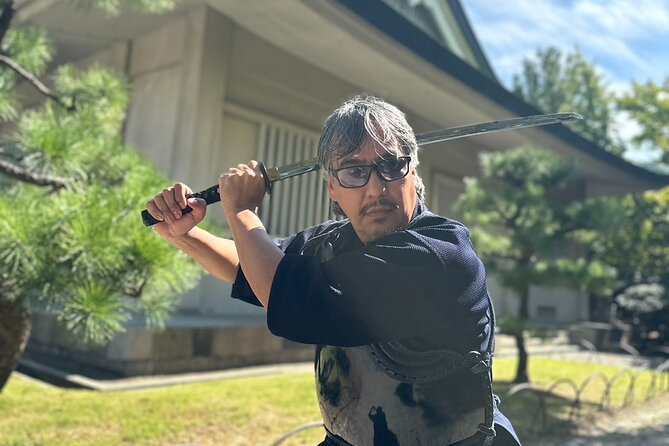
The bamboo sword section introduces the rhythm and discipline of kendo. You learn basic movements and may practice against another person in a controlled way. One group enjoyed a little sparring, though this should be understood as supervised practice, not a competitive fight.
This distinction is useful. Kendo is a formal martial art with rules and technique. A two-hour introduction cannot give you the depth of a regular student’s training. What it can do is show you why posture, timing, balance, and clean movement matter.
The instructors receive their strongest praise for patience and encouragement. One person appreciated having plenty of time to ask questions and take pictures. Another said the teacher made sure everyone had a good time. That friendly tone makes the class suitable for people who might feel nervous about trying a martial art for the first time.
The class may be less satisfying if you want a long sequence of combat drills. One person hoped to learn more fighting techniques and different cuts. The session seems strongest as a cultural activity with real instruction, not as a replacement for a multi-day kendo course.
The katana portion and the tatami-cutting question
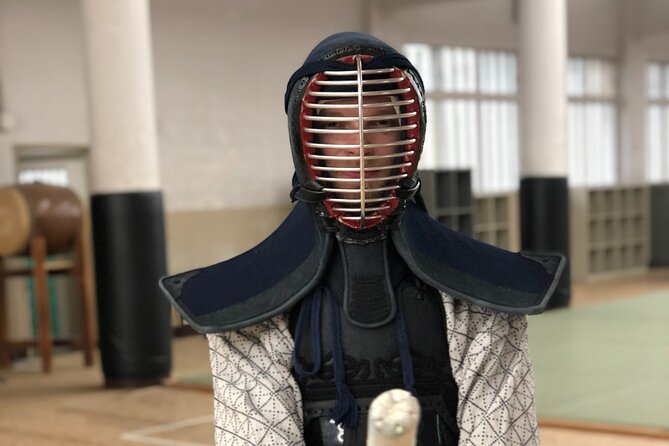
The katana practice is likely to be the most memorable part for many people. You learn how to handle a sword properly and may practice the motions used in traditional swordsmanship. The lesson stresses technique and efficient movement rather than force.
There is a serious point to make about tatami cutting. Some people describe cutting a tatami mat with a real katana as the best part of their session. Others specifically say the experience did not include it. One explanation is that a recent change in Japanese law meant the activity could no longer be offered legally.
Because the information is inconsistent, do not book this class solely for tameshigiri, the Japanese term for test cutting. Treat tatami cutting as unavailable unless Atelier NIN confirms it directly for your date. The safer expectation is sword handling, kendo practice, cultural instruction, and photos.
This is not just a minor wording issue. If the cutting demonstration is the reason you are paying $105.68, the value changes sharply when it is removed. Ask before booking, and keep a written answer if the feature matters to you.
Is two hours enough time?
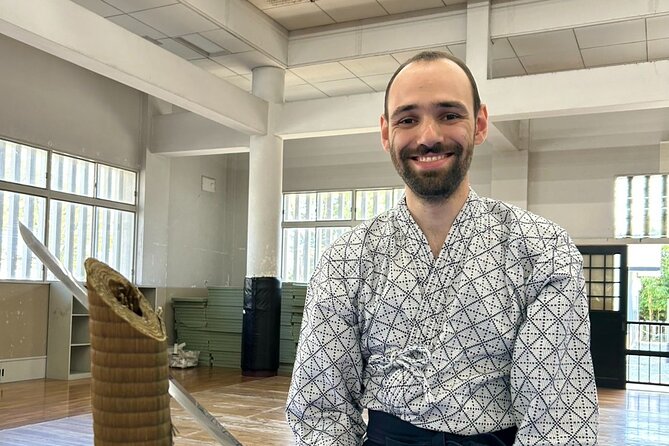
Two hours is enough for a first taste, but not enough for a full study of kendo. The usual flow includes an introduction, clothing or equipment, explanations of tradition and technique, practice with training swords, katana handling, and photographs.
The actual balance may vary. Some people felt they had plenty to do and called the class a highlight of their Kyoto visit. Others wanted less conversation and more practice. A private or very small class can help because the instructor can adjust the pace to your group.
If you are in a group of four or five, you may get excellent value when no other people book the same time. The advertised maximum is 15 people, but the experience can be much smaller in practice. A full class of 15 would naturally feel less personal than a session with only your own party, so group size is worth checking if individual instruction is important.
Arriving on time also matters. The location can be hard to find, and a late start cuts into a short class. At least one instructor tried to help a late arrival, but you should not count on recovering every lost minute.
What $105.68 buys you
At $105.68 per person, this is not a cheap drop-in activity. The price makes more sense if you value personal instruction, cultural context, equipment, photos, and the chance to try several forms of sword practice in one sitting.
A private class can make the cost reasonable for a small group. You receive direct guidance instead of watching a performance from the back of a room. You also get time to ask questions and repeat movements, something a large demonstration cannot offer.
The price is harder to justify if the class is crowded, if you spend a large part of the two hours changing and taking pictures, or if you expect tatami cutting and full armor without confirming those details. One person called the activity overpriced even while praising the instructor and the authenticity of the kendo lesson.
I would compare it with what you want from Kyoto. If you have already seen temples and castles and want to take part in a cultural activity, this offers something different. If your budget is tight, or if you are mainly seeking a dramatic sword-cutting session, the cost may feel high.
Who will enjoy this most
I think the class suits:
- First-time visitors who want a hands-on Japanese cultural activity
- Families with older children who can follow safety instructions
- Couples and friends who want photos and a shared activity
- Martial arts fans curious about kendo
- People who prefer small-group teaching to a stage show
- Anyone looking for a quieter outing away from central Kyoto
It may not suit you if you want a polished attraction, a guaranteed full samurai costume, or an advanced lesson with many fighting techniques. It also may disappoint if you consider tatami cutting essential.
The no-pressure approach is a real benefit. You can try the movements without pretending to be an expert. The instructors are described as warm, funny, and patient, which helps make the class accessible even when English explanations are not perfect.
Practical details worth knowing
The experience lasts about two hours and uses a mobile ticket. Confirmation is provided when you book, and the activity returns to the meeting point.
Most people can participate, and service animals are allowed. The maximum group size is 15 people. The class requires a minimum number of participants, so a cancellation for that reason results in an alternative date or experience, or a full refund.
Free cancellation is available until 24 hours before the local start time. Changes or cancellations inside that 24-hour window are not accepted for a refund. Keep the local cut-off time in mind if you are booking from another time zone.
Should you book the Kyoto kendo experience?
Book it if you want a friendly, active introduction to kendo and samurai traditions, especially with a small group. The strongest parts are the patient teaching, the chance to handle several training swords, the cultural explanations, and the personal photos.
Before paying, confirm three things: the exact clothing included, the instructor’s language ability for your date, and whether tatami cutting is legally and actually available. If you accept the experience as a beginner kendo and sword-handling class, the $105.68 price can be fair. If you expect a guaranteed full costume and katana cutting, you may be disappointed.
FAQ
Where does the kendo and samurai experience take place?
It takes place at studio NIN 修学院16 Shūgakuin Daidōchō, Sakyo Ward, Kyoto, 606-8037, Japan. The activity ends back at the same meeting point.
How long does the experience last?
The experience lasts approximately two hours.
Do I need martial arts experience?
No. The class is designed for beginners, and no previous martial arts experience is required.
What will I practice during the class?
You learn basic kendo movements, sword handling, posture, discipline, and traditional samurai-related practices. Training tools include bamboo swords, foam swords, and blunt replica blades.
Will I wear samurai or kendo clothing?
Authentic training gear is provided, and some sessions include samurai attire or kendo armor. The exact clothing may vary, so confirm whether full uniform use is available for your booking.
Is tatami mat cutting included?
Tatami cutting is uncertain. Some sessions included it, but a recent account says legal changes in Japan stopped the activity. Confirm directly with Atelier NIN before booking if this is important to you.
Can I take photos and videos?
Yes. The instructor can help take photos and videos so you can remember the experience.
How many people can join?
The maximum group size is 15 people. Some time slots may be much smaller, and a group can sometimes receive a private class when no other people book.
Is the activity accessible by public transportation?
The meeting point is near public transportation. The area may be difficult to find, so allow extra time and keep the full Japanese address available.
Can I cancel for a full refund?
Yes, if you cancel at least 24 hours before the local start time. Cancellations or changes made less than 24 hours before the start are not accepted for a refund.
More Martial Arts Experiences
- Kyoto: Japanese Archery Workshop with Experienced Instructor
★ 4.9 · 132 reviews - Kyoto 2 Hours Genuine Kendo / Samurai Experience In Japan
★ 5.0 · 57 reviews - Tokyo: Samurai Sword & Archery Class from Samurai Descendant
★ 5.0 · 603 reviews - Samurai Training Experience KENDO in Osaka
★ 5.0 · 515 reviews
Just added around Kyoto
- Kyoto: Private Customizable Day Trip by Car★ 5.0 · 38 reviews
- Kyoto: Gion Night Walking Tour with Geisha Insight★ 5.0 · 39 reviews
- Kyoto: Full Day Bike Tour★ 4.9 · 39 reviews
- Private Japanese Calligraphy in Kyoto – Learn Shodō with a Master★ 5.0 · 39 reviews
- Kyoto: Gion Evening Walk with Hidden Gems, Geisha & Sake★ 5.0 · 41 reviews
- Experience a tea ceremony in an authentic tearoom, in Kyoto!★ 4.5 · 41 reviews
- Kyoto Private Photo Shoot & Tour by SnapKyoto★ 5.0 · 41 reviews
- The Way of Tea: Kyoto Crafts, Hidden Temples & Wabi-Sabi Walk★ 5.0 · 41 reviews
Samurai & Ninja Experiences, compared.
Samurai Ninja Museum Guided tour and Experience
Read our review →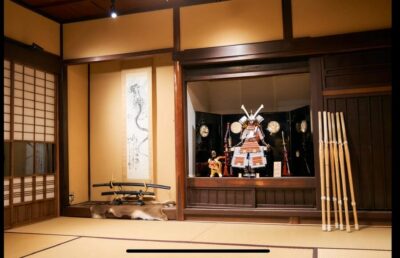
Kendo and Samurai Experience with Uniform and Gear
Read our review →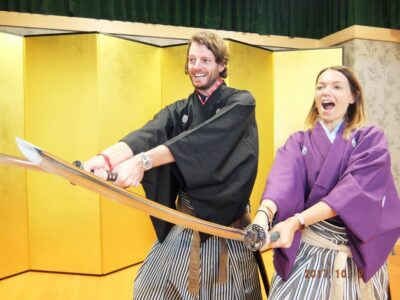
Samurai Sword Class by Experts in Traditional Arts
Read our review →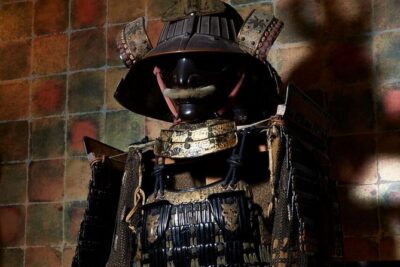
Skip the lines Basic Ticket at SAMURAI NINJA MUSEUM KYOTO
Read our review →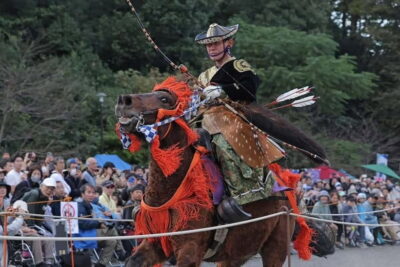
Samurai Sword & Archery Class from Samurai Descendant
Read our review →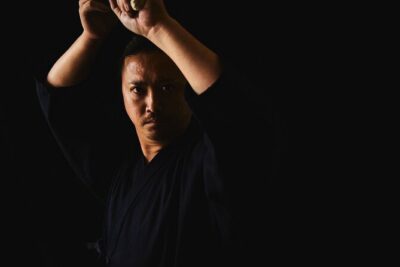
Browse the lists this tour appears in