
Reviewed · MARTIAL ARTS EXPERIENCES
Kyoto: Japanese Archery Workshop with Experienced Instructor
Kyudo asks you to slow down. I like the rare chance to learn a traditional Japanese art directly from a teacher with more than 50 years of practice, and I like the tiny groups, limited to four people. The main drawback is that the instructor teaches in Japanese, so the session depends on an assistant, gestures, and English materials for communication.
This one-hour workshop is a good change from Kyoto’s temples and crowded sightseeing streets. You do not simply watch a demonstration. You learn the stance, bow hold, movement, and purpose behind Kyudo, then try the equipment yourself. The $38 price is fair for a private-feeling lesson with all equipment provided, although one hour passes quickly and beginners should not expect expert accuracy.
In This Review
- Key Points Before You Book
- Why Kyudo Feels Different From Ordinary Archery
- Meeting Yamaguchi-Sensei
- What Happens During the One-Hour Lesson
- The Value of the Small Group
- A Calm Cultural Lesson, Not a Costume Show
- Getting to the Studio in Kyoto
- What to Wear and How to Prepare
- Is $38 Good Value for One Hour?
- Who Will Enjoy This Most?
- Final Recommendation: Book It If You Want a Quiet Kyoto Memory
- FAQ
- How long does the Kyoto Kyudo workshop last?
- How much does the Japanese archery experience cost?
- Is the activity suitable for beginners?
- Does the instructor speak English?
- How many people can join one session?
- Is Kyudo equipment included?
- How do I find the meeting point?
Key Points Before You Book
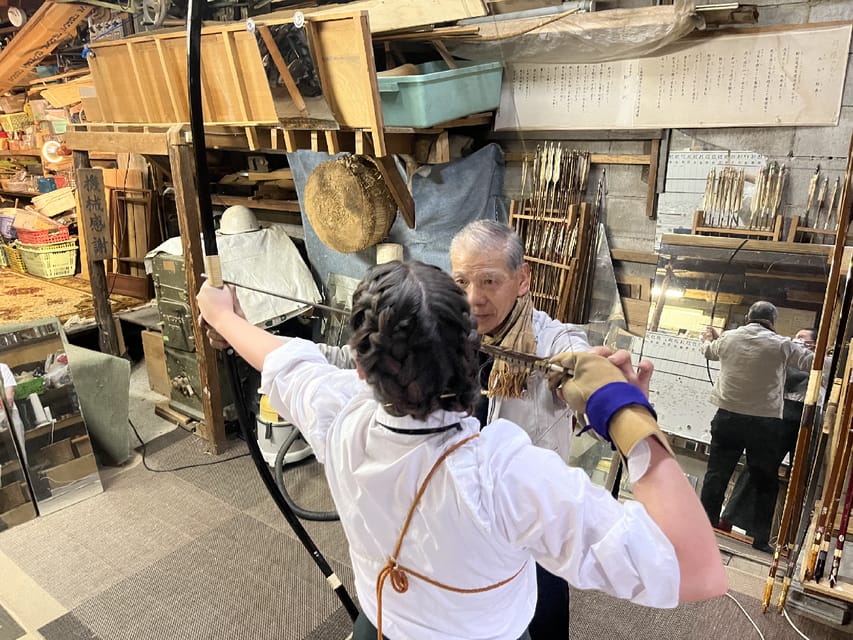
- A sixth-grade Kyudo teacher leads the session: Yamaguchi-sensei has practiced for more than 50 years and holds the Kyudo Kyoshi sixth grade, a high teaching rank.
- You begin shooting early: The lesson is hands-on from near the start, rather than a long lecture followed by a brief attempt.
- Groups never exceed four participants: This gives the teacher time to adjust each person’s stance, grip, and movement.
- Japanese is the teaching language: An assistant or student interpreter helps explain the technique, culture, and spiritual ideas in English.
- The bow is larger and heavier than many Western bows: You may want comfortable clothing and reasonably strong arms.
- The studio can be tricky to find: Use the Japanese venue name or the search term Kyudo Experience Kyoto, and enter from the side of the building.
Why Kyudo Feels Different From Ordinary Archery
Kyudo means Japanese archery, but it is not simply a target sport with Japanese equipment. The practice gives equal weight to posture, breathing, control, and the sequence of movements. You are learning how to prepare for the shot as much as how to release the arrow.
The opening steps can feel almost like a martial arts form. You arrange your feet, settle your posture, hold the bow correctly, and work through each movement in order. The point is not to rush toward the target. The calm, repeated motions are part of the discipline.
That makes this a useful choice if you want more than a quick cultural photo opportunity. You get a taste of the mindset behind Kyudo, including its quiet and reflective side. One hour will not turn you into a Kyudo practitioner, but it can give you respect for the skill involved.
The bows are also striking. They are much taller than many people expect, and some participants find them heavier than European bows. If you have used a small recreational bow before, do not assume this will feel the same. The teacher adjusts the lesson for beginners, and a smaller bow is available for children, but you still need to handle equipment with care.
More martial arts experiences in Kyoto:
- Kyoto: Kendo and Samurai Experience with Uniform and Gear
★ 4.9 · 815 reviews - Kyoto 2 Hours Genuine Kendo / Samurai Experience In Japan
★ 5.0 · 57 reviews - Kendo and samurai experience in Kyoto
★ 4.5 · 47 reviews
Meeting Yamaguchi-Sensei
The central figure is Yamaguchi-sensei, an experienced teacher who has spent more than five decades practicing Kyudo. His Kyudo Kyoshi sixth-grade rank indicates a serious level of training and teaching experience.
His style is hands-on and attentive. He demonstrates each movement, then watches you try it. If your feet, arms, or bow hold need changing, expect him to guide you directly. The activity information notes that he may use hands-on instruction to show the correct stance and grip, so tell the organizers ahead of time if you prefer a different teaching style.
That personal correction is one of the strongest reasons to choose a small session. With four people or fewer, you are not lost in the back row. You have time to repeat a movement and ask questions. The teacher is described as friendly, patient, encouraging, and sometimes humorous, which matters when the first attempts feel awkward.
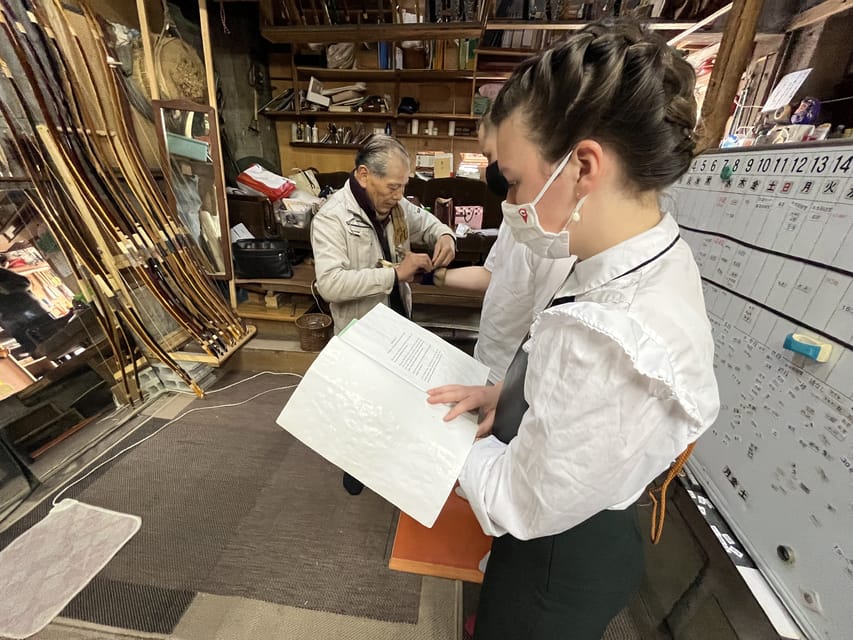
The language difference is real, but it need not stop you. The instructor speaks Japanese, and an assistant provides translation and English material. Some assistants are also Kyudo students, which helps them explain not only the words but also the technique.
You should still ask questions when something is unclear. The teacher is friendly and ready to help, and communication can happen through translation, demonstrations, gestures, and shared enthusiasm. Do not expect a polished English lecture from the instructor himself. Expect a practical lesson supported by a helpful bridge between languages.
What Happens During the One-Hour Lesson
The session is short, so the teaching moves at a steady pace. You receive the equipment you need, including the bow and arrows, and begin learning the basic form. You do not need to bring your own gear.
The first part focuses on body position and how to hold the bow. This sounds simple, but Kyudo has a precise way of arranging the body. Your feet, shoulders, arms, and hands all affect the shot. The teacher demonstrates, then corrects your position as you practice.
You also learn about the meaning behind the movements. The assistant explains the cultural and spiritual side of Kyudo, including the connection between calm concentration and proper form. This makes the workshop feel more thoughtful than a standard archery lesson.
After the basic instruction, you practice shooting. The exact number of attempts can vary with the group and the pace of teaching, but the session is built around hands-on participation. You are not left watching other people for most of the hour.
At first, the bow may feel difficult to control. One participant described the activity as challenging but loved the patience of the teacher. That is a fair expectation. Your first arrow may not fly straight, and you may need several corrections before the movement feels natural.
Hitting the target is possible, even for beginners, but it is not guaranteed. The better reward is understanding why a clean shot requires so much control. Some people leave wanting to continue Kyudo at home, while others simply enjoy the chance to try a demanding Japanese tradition.
The Value of the Small Group
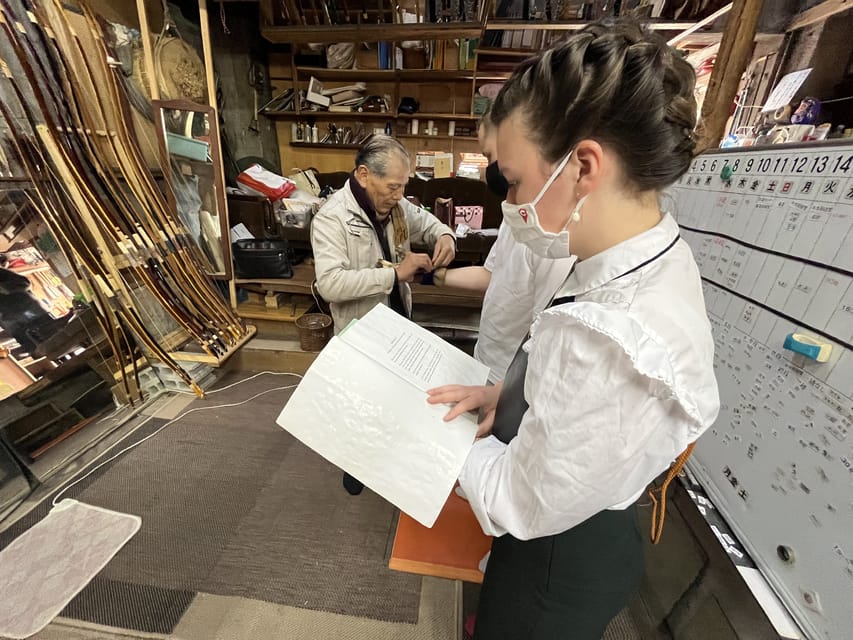
The four-person limit is more than a marketing detail. It changes the quality of the lesson.
In a larger class, a beginner could easily copy the wrong stance or miss a correction. Here, the teacher can walk from person to person and work through each stage. Families and small groups of friends can participate together, while solo visitors receive a similar level of attention.
A family with children and teenagers can also consider this workshop. A seven-year-old participant used a smaller bow, and teenagers aged 12 and 15 were able to take part. The information provided does not set a formal minimum age, so you should confirm suitability for younger children before booking.
The small setting also creates a warm atmosphere. You have time to watch how other beginners work through the same problems, without feeling like you are performing for a crowd. That can make the lesson less intimidating.
There is one limitation: only participants should attend because space inside is limited. If someone in your group wants to watch without taking part, this may not be the right activity for you.
A few more Kyoto experiences worth weighing up
- Kyoto: 45-Minute Tea Ceremony Lesson Experience
★ 4.3 · 2,378 reviews - Ramen Cooking Class at Ramen Factory in Kyoto
★ 5.0 · 1,937 reviews - Kyoto : Chopsticks Making Workshop in Gion with Engraving Option
★ 5.0 · 958 reviews - Kyoto: Samurai Sword Class by Experts in Traditional Arts
★ 4.9 · 657 reviews
A Calm Cultural Lesson, Not a Costume Show
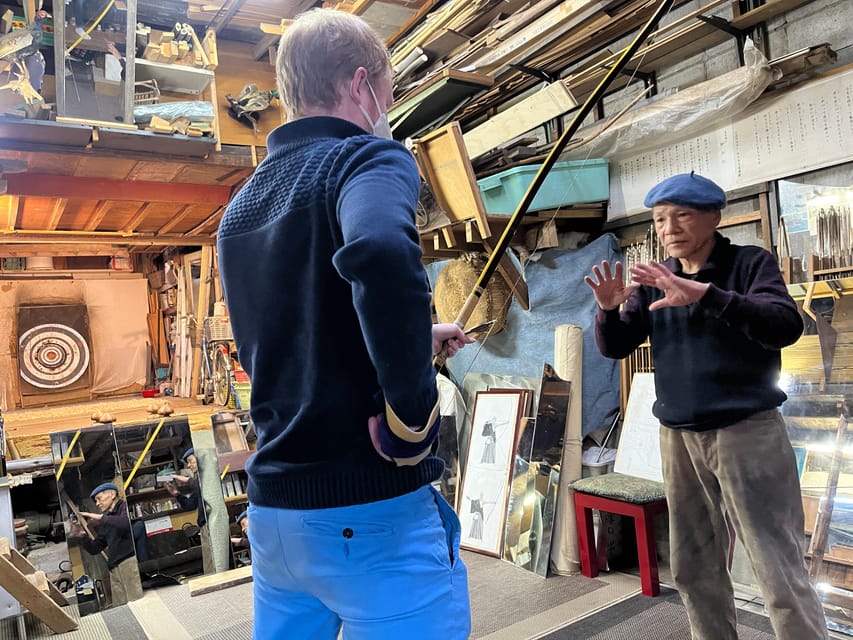
Kyoto offers plenty of activities built around dressing up, quick demonstrations, and photographs. This workshop takes a different route. You handle the equipment, learn the form, and hear about the values connected with Kyudo.
The practice is often described as peaceful, Zen-like, and meditative. That does not mean the class is silent or solemn from start to finish. You will be learning, moving, asking questions, and trying to coordinate several actions at once. Still, the repeated focus on posture and relaxation gives the lesson a calm rhythm.
I like that the activity connects physical skill with cultural context. The teacher is not just showing you how to fire an arrow. He is showing why the steps matter. The early movements can resemble a karate kata, with a set order and controlled pace.
This is also a useful introduction to a part of Japanese culture that many short visits miss. You are not expected to understand every detail in one hour, but you leave with a clearer sense that Kyudo is a discipline, not a novelty bow-and-arrow game.
Getting to the Studio in Kyoto
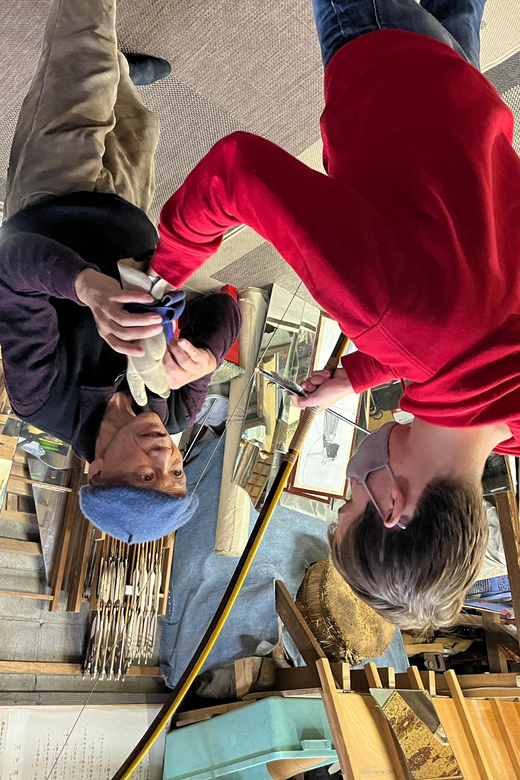
The meeting place is called からくり弓道体験場. It is about a 10-minute walk from JR Tambaguchi, Hankyu Omiya, or Randen Shijo-Omiya station.
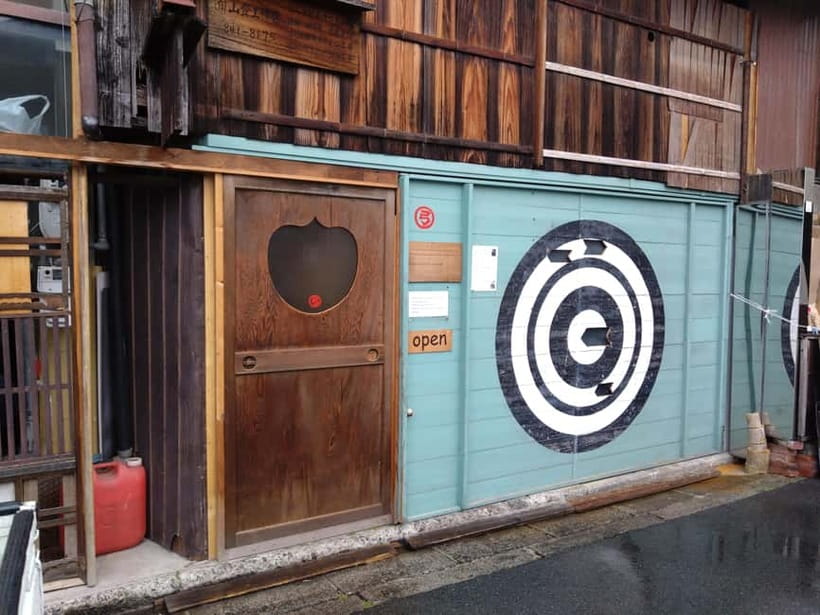
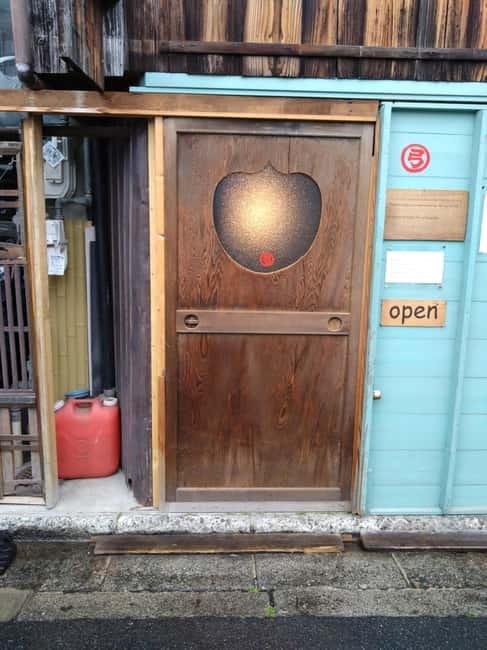
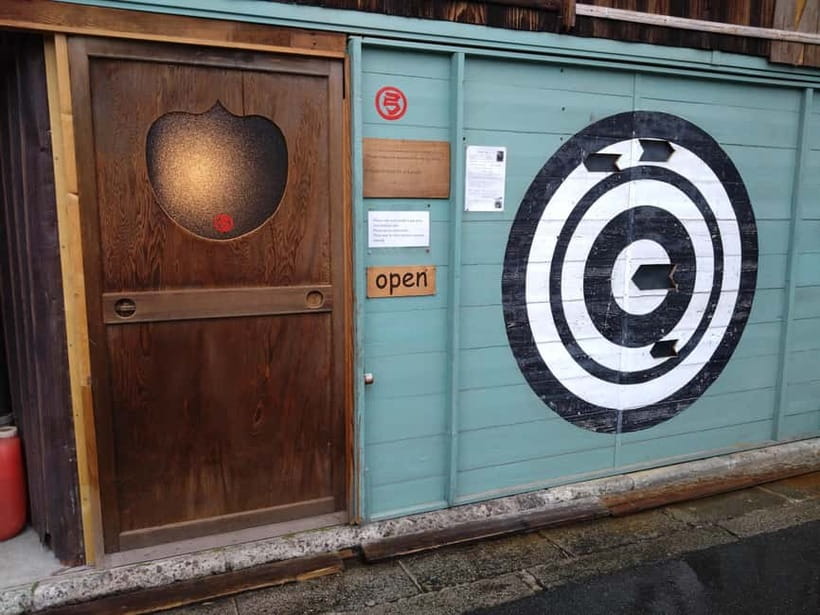
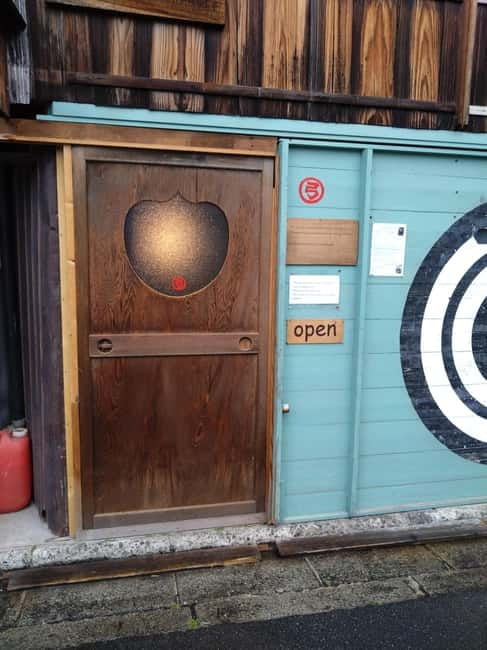
Finding the entrance requires care. There are no doorbells at the entrance, and the correct door is on the side of the building, opposite a small parking lot. Do not enter through other doors or ring nearby doorbells.
For Google Maps, copy and paste the Japanese venue name only, or search for Kyudo Experience Kyoto. Compare the result with the address supplied when you book. If you use a taxi, tell the driver Mibugawa-street and Takatsuji-street rather than relying on the full address.
Allow extra time for the walk and for finding the side entrance. Arriving flustered is not the ideal preparation for a lesson built around calm concentration.
Hotel pickup and drop-off are not included. You make your own way to the studio, but the nearby rail stations make the meeting point reasonably practical from central Kyoto.
What to Wear and How to Prepare
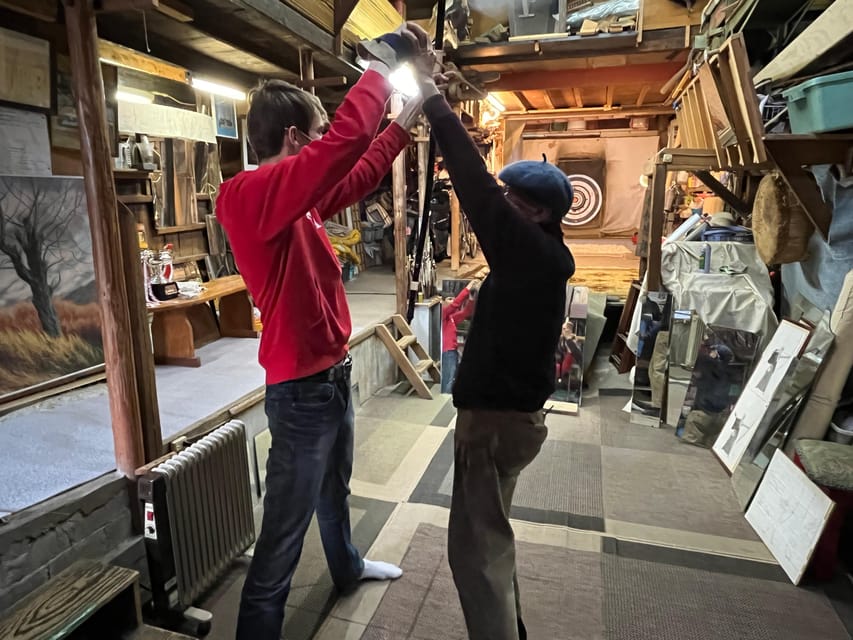
Wear comfortable clothes that let you move your shoulders and arms freely. Avoid anything restrictive around the upper body, since the lesson includes repeated work with a large bow.
You should also expect some physical effort. One participant noted that the bow felt heavier than European bows and suggested having reasonably strong arms. You do not need to be an athlete, but anyone with limited arm strength should consider the demands before booking.
Hands-on guidance is part of the teaching method. The instructor may physically adjust your stance or bow hold to show the correct position. If that is not comfortable for you, contact the provider in advance and explain your preference.
You do not need to bring Kyudo equipment. The bow, arrows, and other required gear are included. That keeps the $38 cost in perspective: you are paying for instruction, equipment, and access to a specialist-led lesson rather than renting gear for a few minutes.
Is $38 Good Value for One Hour?
At $38 per person, this is not the cheapest activity you could add to a Kyoto day. But it is good value if you want a small, instructor-led cultural experience with genuine equipment and a teacher who has spent more than 50 years practicing Kyudo.
The price includes the lesson, experienced instructor, and all required Kyudo equipment. There are no extra equipment charges listed. You also receive cultural and historical explanation through the assistant and English materials.
The tradeoff is the one-hour duration. Beginners need time to learn the stance, grip, sequence, and shooting technique, so the session cannot cover everything. If you are hoping for a long formal class or a detailed study of Kyudo, you may find it too brief.
For a first introduction during a Kyoto trip, the length is sensible. You can fit it between other plans without giving up half a day. The small group and teacher’s close attention make the hour count.
Free cancellation is available up to 24 hours before the start time, and you can reserve now and pay later. Those terms help if your Kyoto schedule is still shifting.
Who Will Enjoy This Most?
I would choose this for someone who wants a hands-on cultural experience that feels more personal than a large group demonstration. It suits solo visitors, couples, families, and small groups of friends.
It is especially good for:
- People curious about Japanese martial arts and traditional disciplines
- First-time archers who want patient instruction
- Visitors looking for a quieter activity away from major sightseeing sites
- Families with older children or teenagers
- Anyone interested in the spiritual and cultural meaning behind physical practice
You may want to skip it if you dislike close physical instruction, have difficulty using a heavier bow, or need a fully English-speaking teacher. You should also think twice if a nonparticipating companion wants to watch, since the studio asks that only participants attend.
The activity has a 4.9 rating from 132 bookings, with repeated praise for the teacher’s patience, attention, and passion. The strongest pattern is clear: people value the personal instruction and the chance to learn directly from a master, not just the novelty of firing an arrow.
Final Recommendation: Book It If You Want a Quiet Kyoto Memory
Book this workshop if you want to meet a skilled local teacher, learn a difficult traditional art, and take part rather than simply observe. Yamaguchi-sensei’s experience, the four-person limit, and the included equipment make the $38 fee reasonable.
Go in with modest expectations. You may hit the target, or you may spend the hour learning why hitting it is so hard. Either way, you will gain a better sense of Kyudo’s discipline, patience, and calm focus.
I would place this high on the list for visitors who have already seen several temples and want something active but not loud or gimmicky. Just wear flexible clothes, allow time to find the side entrance, and be comfortable learning through Japanese instruction supported by an interpreter.
FAQ
How long does the Kyoto Kyudo workshop last?
The workshop lasts one hour.
How much does the Japanese archery experience cost?
The price is $38 per person.
Is the activity suitable for beginners?
Yes. The lesson is designed for beginners and covers basic form, equipment, and shooting techniques.
Does the instructor speak English?
The instructor teaches in Japanese. An assistant or student interpreter helps with English explanations, and English materials are provided.
How many people can join one session?
The group is limited to four participants.
Is Kyudo equipment included?
Yes. The lesson includes all required Kyudo equipment.
How do I find the meeting point?
Search for からくり弓道体験場 or Kyudo Experience Kyoto on Google Maps, and compare the result with your booking address. The entrance is on the side of the building, opposite a small parking lot. There are no doorbells, so do not ring one or enter through another door.
Just added around Kyoto
- Kyoto: Private Customizable Day Trip by Car★ 5.0 · 38 reviews
- Kyoto: Gion Night Walking Tour with Geisha Insight★ 5.0 · 39 reviews
- Kyoto: Full Day Bike Tour★ 4.9 · 39 reviews
- Private Japanese Calligraphy in Kyoto – Learn Shodō with a Master★ 5.0 · 39 reviews
- Experience a tea ceremony in an authentic tearoom, in Kyoto!★ 4.5 · 41 reviews
- Kyoto: Gion Evening Walk with Hidden Gems, Geisha & Sake★ 5.0 · 41 reviews
- Kyoto Private Photo Shoot & Tour by SnapKyoto★ 5.0 · 41 reviews
- The Way of Tea: Kyoto Crafts, Hidden Temples & Wabi-Sabi Walk★ 5.0 · 41 reviews
Martial Arts Experiences, compared.
Kendo and Samurai Experience with Uniform and Gear
Read our review →
Samurai Sword & Archery Class from Samurai Descendant
Read our review →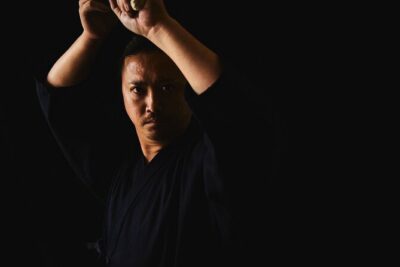
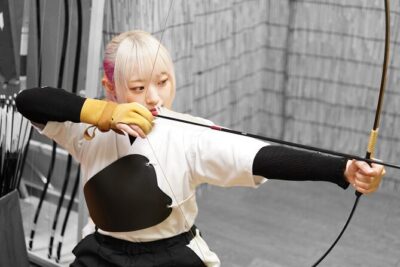
Japanesel Archery Experience HIROSHIMA CASTLE SHARAKU
Read our review →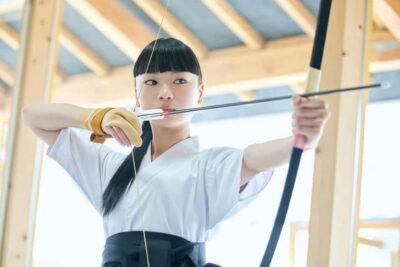
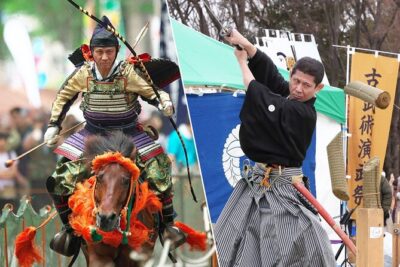
Samurai sword and archery class from a samurai descendant
Read our review →
Tokyo 2-Hour Genuine Samurai Experience: Kendo in Japan
Read our review →
Browse the lists this tour appears in