
Reviewed · SAMURAI & NINJA EXPERIENCES
Tokyo:Samurai sword and archery class from a samurai descendant
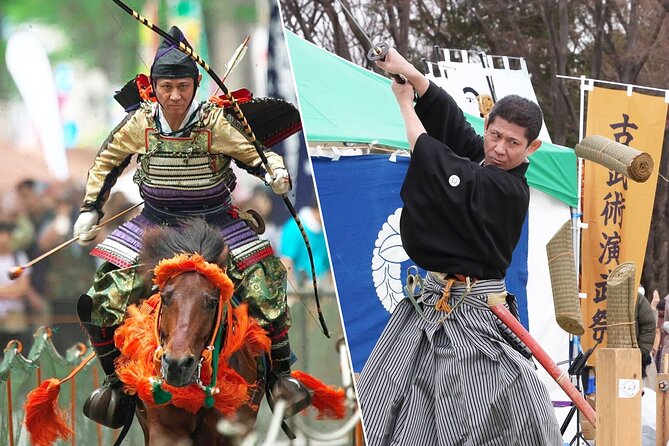
Want to hold a samurai sword? This small-group class near Tokyo combines a clear lesson on Japanese swords and samurai culture with hands-on practice in sword forms, sparring, target cutting, and archery. I like the way instructor Yoshioki Sumida treats the subject as martial training, not a costume photo stop. I also like that uniforms and equipment are provided, so you can arrive with little more than curiosity.
The main drawback is the location in Machida, outside central Tokyo. Depending on where you stay, the trip can take time, and one visitor needed about 1.5 hours from Tokyo Daiba. The class is also physically demanding, and you should expect some stiffness afterward. A possible facility charter fee may apply, so check the final booking details before paying.
In This Review
- Key points to know before you book
- Why this Machida dojo feels different
- Arriving, changing, and learning the blade
- Iai forms: learning to move the mock sword
- Gekken sparring and the timing of attack
- Target cutting: harder than it looks
- Trying the samurai bow and arrow
- The Toyama-ryu demonstration
- The instructors and the tone of the lesson
- Who will get the most from this class
- Is the $198.20 price fair?
- Getting there and planning your day
- My final take: should you book it?
- FAQ
- Where does the samurai sword and archery class take place?
- How long does the class last?
- What activities are included?
- Is training equipment provided?
- Who teaches the class?
- How many people can join?
- Can I cancel for a refund?
Key points to know before you book
- Four distinct training sections: Learn sword construction and history, iai forms, gekken sparring, target cutting, and bow use in one compact session.
- Taught by Yoshioki Sumida: Sumida is presented as a samurai descendant and is a master of swordsmanship and horseback archery.
- Real practice, not a staged show: The class includes difficult techniques, careful instruction, and repeated practice with mock swords and a real bow.
- Small class size: The dojo accepts a maximum of 15 people, giving you more direct help than a large group demonstration.
- Everything needed is supplied: Training clothes, practice swords, bokken, and bow and arrows are included.
- Plan for physical effort: Moving while cutting targets and practicing attack and defense takes more strength and control than it looks.
Why this Machida dojo feels different
Tokyo offers plenty of samurai-themed activities, but this class takes place at a working dojo in Machida, at 3-chōme-14-14 Haramachida. That setting matters. You are not simply handed a plastic sword and asked to pose. You change into practice clothes, listen to instruction, and work through techniques that require attention.
Sumida Sensei leads the class with a mix of discipline, patience, and humor. His teaching style comes through clearly in the feedback: people repeatedly praise his calm explanations, safety focus, and willingness to answer questions. Harry also helps with instruction.
The atmosphere is serious without being stiff. You can ask questions about sword construction, martial traditions, and Japanese culture, but you still need to listen closely and follow directions. This balance is one of the class’s strongest points.
The 15-person limit is useful, though the exact number in your session can vary. A smaller group should give you more time with the instructors. If the class fills close to capacity, expect a livelier room and less individual practice time than in a private lesson.
More Martial Arts Experiences in Tokyo
- Tokyo: Samurai Sword & Archery Class from Samurai Descendant
★ 5.0 · 603 reviews - Tokyo 2-Hour Genuine Samurai Experience: Kendo in Japan
★ 5.0 · 112 reviews - Tokyo: Samurai Kendo Practice Experience
★ 4.7 · 102 reviews
Arriving, changing, and learning the blade
When you arrive, you receive a short lecture before changing into training wear. Give yourself extra time to find the dojo. One useful tip from the supplied directions is to avoid cutting your arrival too close, since the studio can be difficult to locate.
The opening talk covers Japanese swords, including their construction, parts, use, and place in samurai culture. Some sessions also include seeing how a sword is assembled and disassembled. This is more than background trivia. Understanding the blade’s shape and balance helps you see why stance, grip, and movement matter.
You also learn about different combat styles and the discipline behind each movement. The class does not present samurai life as a simple movie scene. It shows how difficult it is to control a sword safely and accurately.
For many people, this introduction is the best part for setting expectations. You are not being trained to become a swordsman in two and a half hours. You are getting a short, demanding look at the mechanics and mindset behind the art.
Iai forms: learning to move the mock sword
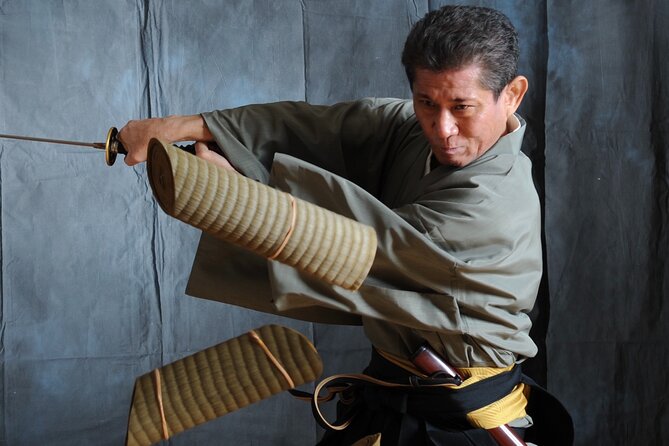
The iai lesson introduces basic sword handling and swinging with a mock sword. You practice kata, or formal cutting patterns, that teach the body where to begin, how to move, and how to finish.
This section can look simple from the outside. It is not. Your feet, hands, posture, timing, and blade line must work together. A small error can throw off the whole movement.
The class emphasizes proper technique before speed. That is important for beginners, since trying to swing harder or faster usually makes the movement less controlled. Sumida’s attention to safety is a real benefit here.
You should also expect the instructor to correct your form. That can feel demanding, but it is exactly what makes the activity useful. If you want only a quick photo opportunity, this pace may feel too serious. If you want to understand why swordsmanship takes years, the kata section gives you a good first lesson.
Gekken sparring and the timing of attack
The gekken section adds attack and defense. You use a mock sword, or bokken and padded practice equipment as directed, to work on timing and spar with another person.
This is usually the most playful part of the class, but it still requires concentration. You must watch the other person, protect yourself, and respond at the right moment. The point is not to swing wildly or win a mock fight. It is to learn distance, rhythm, and control.
The sparring is especially appealing if you are visiting with a partner, friend, or older child. A father and son, couples, and groups of friends have all found this portion memorable. It creates a shared challenge, and the activity is active without requiring previous martial arts training.
Do not confuse practice sparring with a free-for-all. Safety remains central, and the instructor controls the exercise. Follow the rules and keep your movements measured.
More Samurai & Ninja Experiences in Tokyo
- Tokyo: Samurai Restaurant Show Ticket with 2 Drinks
★ 4.5 · 1,307 reviews - Tokyo: Samurai Ninja Museum Guided tour and Experience
★ 4.6 · 1,010 reviews - Best Samurai Experience in Tokyo
★ 5.0 · 458 reviews - Ninja Experience (Family Friendly) at Samurai Ninja Museum TOKYO
★ 5.0 · 441 reviews
Target cutting: harder than it looks
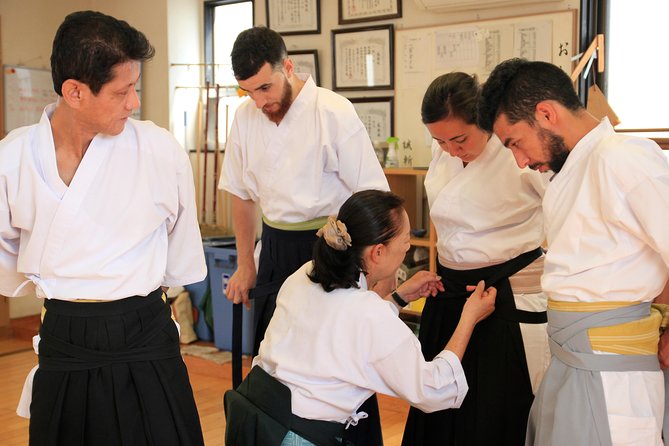
The class also lets you test the blade line with a mock sword and slash prepared targets. You may cut through tatami or bamboo-style mats, depending on the session and materials provided.
This is where the lesson becomes a real test of technique. You move while cutting multiple targets, which demands more than arm strength. Your stance, angle, grip, follow-through, and footwork all affect the result.
Many people arrive thinking a sword cut is mainly about force. The class quickly corrects that idea. A clean cut depends on applying what you have just learned. When the target gives way, the sense of achievement is strong because you know the result came from control rather than theatrical swinging.
The instructor does not make this into a guaranteed success. That is a plus. You get to feel the difficulty, and you can try again after receiving advice. If you are not athletic, do not worry, but do take the instructions seriously.
Wear clothes and shoes that let you move comfortably. Training clothing is supplied, but the class still involves repeated swings, turning, and movement. The activity can leave you sore for a day or two, especially if you are not used to physical work.
Trying the samurai bow and arrow
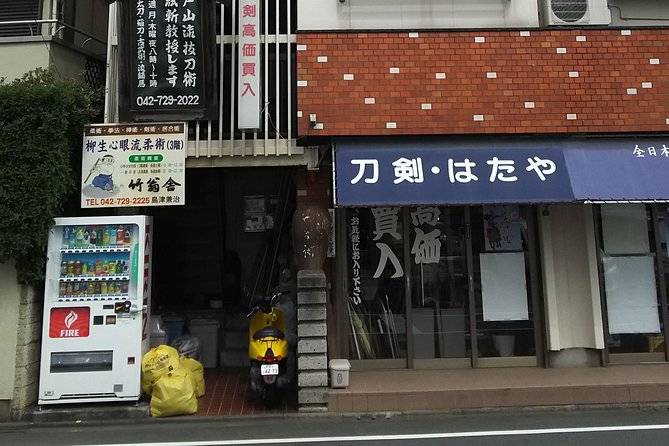
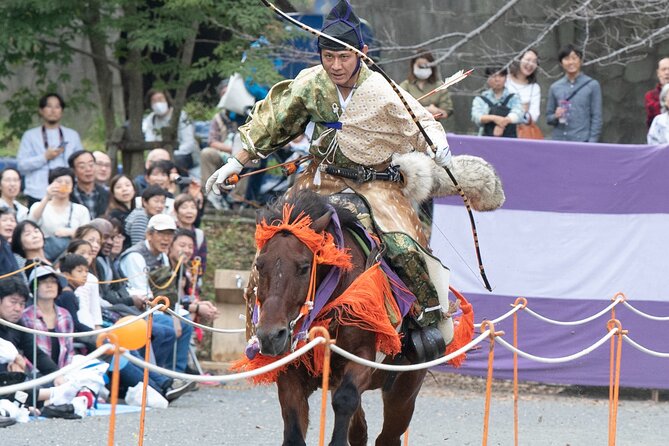
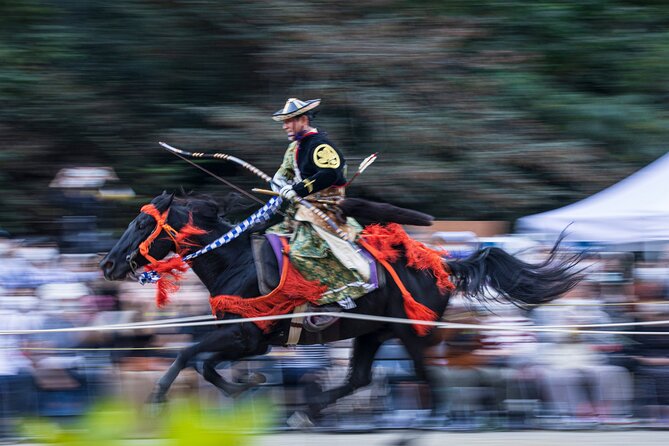
The archery section gives you a different view of samurai warfare. You try a real bow and arrow, described as the main weapon of samurai roughly 1,000 years ago.
This part is not just a change of pace. It shows that samurai training involved more than the katana. Drawing the bow and aiming require their own form, strength, and patience.
The class is led by an instructor with expertise in swordsmanship and horseback archery. You should expect guidance rather than a long independent archery session. The time is limited, and the class must also cover sword history, kata, sparring, and cutting.
For many people, the bow is a highlight because it feels less familiar than the sword. It also breaks up the repeated sword movements and gives you another way to think about balance and focus.
The Toyama-ryu demonstration
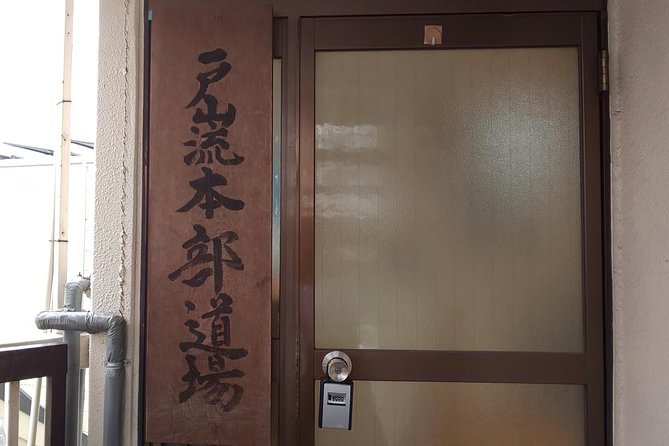
You also have the opportunity to see a live demonstration of Toyama-ryu, including advanced techniques performed by a seventh-grade practitioner. This is not presented as a theatrical show.
The demonstration helps you see the gap between a beginner’s first lesson and serious martial training. The movements can be difficult to follow at full speed, but that is part of the value. You see precision, control, and years of practice rather than simple spectacle.
Keep your expectations realistic. The demonstration is a chance to observe advanced skill, not a promise that you will perform the same techniques during the class. It adds context to the physical exercises and shows where disciplined practice can lead.
The instructors and the tone of the lesson
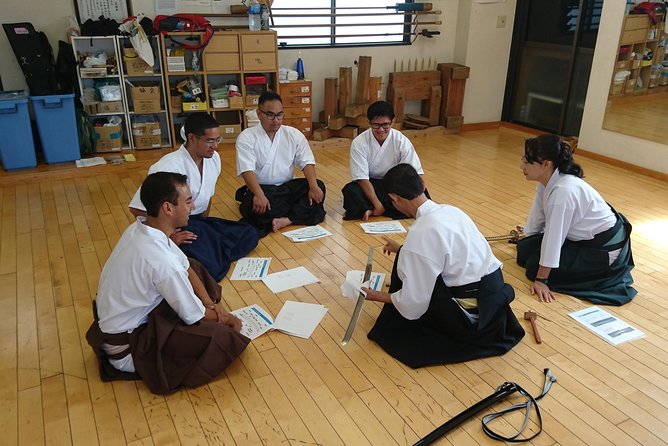
Yoshioki Sumida is the key reason this class receives such strong praise. He is described as skilled, warm, patient, funny, and passionate about Japanese swordsmanship and heritage.
His teaching seems to suit first-time participants. He explains each step, checks that people understand, and keeps safety in view. At the same time, he expects you to work hard and concentrate. That combination is unusual in tourist activities, where instructors often soften everything to keep the pace easy.
You may also find that the class feels personal because Sumida answers questions rather than rushing from one demonstration to the next. People have praised his cultural explanations as much as the sword practice.
The class is not entertainment in the usual sense. You will have fun, but the instructor does not hide the difficult parts. That makes the experience more rewarding for anyone who has genuine interest in martial arts, Japanese history, or traditional training.
Who will get the most from this class
I would recommend this to adults, families with older children, couples, and anyone who wants a hands-on cultural activity with real physical effort. You do not need to be a martial artist. The lesson starts with basic handling and builds from there.
It is also a strong choice for someone who has already visited shrines, taken a tea ceremony, or toured museums and wants a more active connection to Japanese culture. The class gives you a story to remember because you feel the difficulty in your own body.
People in their 50s have enjoyed the session, but age and fitness still matter. You should be able to participate in repeated movement, sword swings, sparring, and archery. The class is not described as accessible for every mobility level, so ask the provider before booking if you have an injury or physical limitation.
Children can take part, but the supplied information does not state a minimum age. Confirm suitability for your child before booking, especially because the session includes mock combat and real archery equipment.
This is less suitable if you want a relaxed cultural talk, a short photo stop, or a central Tokyo activity. The commute and physical work are part of the bargain.
Is the $198.20 price fair?
At $198.20 per person, this is not a cheap add-on. The value depends on how much you want from the session.
You receive about two and a half hours of instruction, training clothes, a practice sword, bokken, and a real bow and arrow. The class also covers sword history, kata, sparring, target cutting, archery, and a live advanced demonstration. Taken together, that is a lot of content for one class.
The price makes more sense if you value direct instruction and a serious setting. You are paying for the instructor’s time, equipment, facility use, and a lesson built around practice rather than a quick performance.
Still, ask about the possible facility charter fee. The supplied details say this fee can occur, and an exclusive facility rental requires contacting the provider. Do not assume the advertised per-person price covers every possible private-use charge.
I would call it good value for a martial arts enthusiast or someone marking a special trip. It is harder to justify for a casual visitor who mainly wants a souvenir photo.
Getting there and planning your day
The dojo is near public transportation, but it is outside the main sightseeing core of Tokyo. The meeting point is 3-chōme-14-14 Haramachida, Machida, Tokyo 194-0013, and the activity ends there.
Allow extra time for the journey and the final walk to the studio. One person traveling from Tokyo Daiba took about 1.5 hours, and another noted that the studio was a little hard to find. I would not schedule this immediately before a train reservation, airport transfer, or another timed attraction.
Because the class returns to the meeting point, you can plan a meal or a walk in Machida afterward. The area was described as peaceful, which may appeal if you want a quieter break from central Tokyo.
Your mobile ticket is accepted, and booking confirmation is provided at the time of reservation. You also need to send your height and weight so the practice clothes can be prepared.
The activity requires good weather. If poor weather causes cancellation, you can receive another date or a full refund. For your own protection, cancel at least 24 hours before the start time if your plans change. Later cancellations and changes are not refunded or accepted.
My final take: should you book it?
Book this class if you want serious, hands-on samurai training rather than a polished tourist skit. Sumida Sensei, the small-group format, the mix of sword and archery work, and the chance to cut prepared targets give the session real substance.
Skip it if you need a central Tokyo activity, dislike physical exertion, or want something casual and easy. The journey to Machida takes planning, and your arms and shoulders may complain the next day.
For the right person, this can be one of the most memorable activities in Japan. You leave with more than a few photographs. You understand why swordsmanship demands patience, why technique matters, and why the samurai image has lasted so long.
FAQ
Where does the samurai sword and archery class take place?
The class begins and ends at 3-chōme-14-14 Haramachida, Machida, Tokyo 194-0013, Japan.
How long does the class last?
The experience lasts approximately two hours and 30 minutes.
What activities are included?
You receive a lecture on Japanese swords, practice iai kata and slashing forms, learn attack and defense timing through sparring, try target cutting with a mock sword, and practice with a bow and arrow.
Is training equipment provided?
Yes. Practice clothing, a practice sword, bokken, and a real bow and arrow are included. You should provide your height and weight so the training clothes can be prepared.
Who teaches the class?
Yoshioki Sumida teaches the class. He is described as a master of swordsmanship and horseback archery, and the experience also includes a Toyama-ryu seventh-grade demonstration.
How many people can join?
The activity has a maximum capacity of 15 participants.
Can I cancel for a refund?
You can cancel at least 24 hours before the start time for a full refund. Cancellations or changes made less than 24 hours before the start time are not refunded. If poor weather forces cancellation, you are offered another date or a full refund.
Just added around Tokyo
- Tokyo Small Group Tour with Guide★ 4.5 · 38 reviews
- Tokyo 6hr Instagram Highlights Private Tour with Licensed Guide★ 5.0 · 38 reviews
- Tokyo Sumo Experience with Live Show & Audience Challenge★ 5.0 · 38 reviews
- Very popular in Harajuku♡Animal petting zoo★ 4.6 · 39 reviews
- Japanese Food Cooking Class in Asakusa, Tokyo★ 5.0 · 39 reviews
- Ramen Making from Scratch with Tokyo Mom(Vegan Option Available)★ 5.0 · 39 reviews
- Tokyo: Kimono Rental inside Shinjuku Gyoen National Garden★ 4.9 · 39 reviews
- Tokyo JDM Night: 600hp C63s AMG Edition 1 (Private)★ 4.9 · 39 reviews
Samurai & Ninja Experiences, compared.
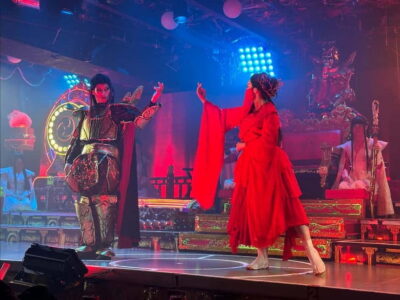
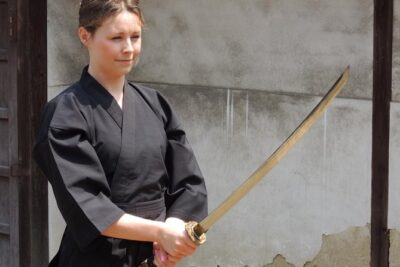
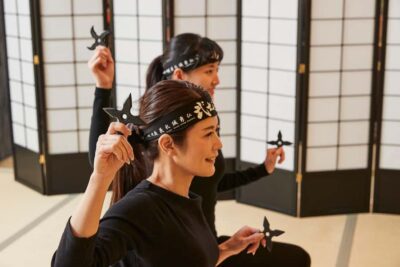
Samurai Ninja Museum Guided tour and Experience
Read our review →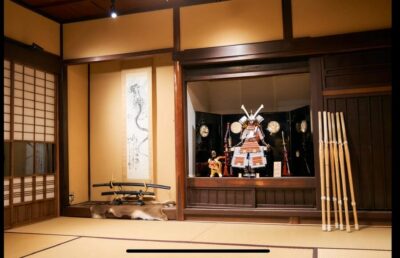
Kendo and Samurai Experience with Uniform and Gear
Read our review →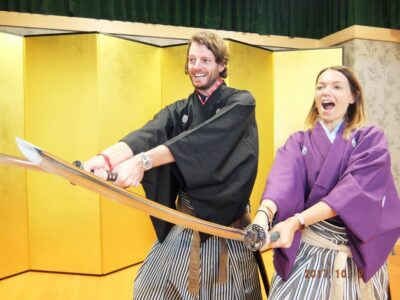
Samurai Sword Class by Experts in Traditional Arts
Read our review →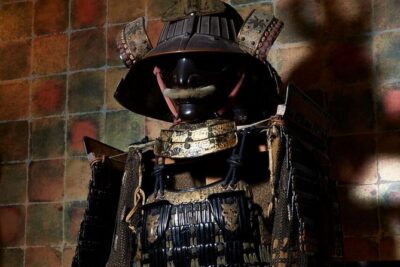
Skip the lines Basic Ticket at SAMURAI NINJA MUSEUM KYOTO
Read our review →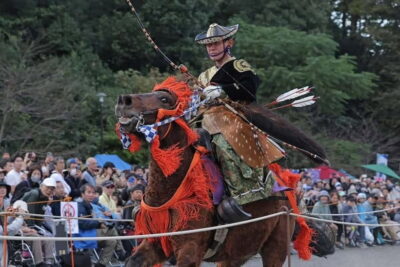
Samurai Sword & Archery Class from Samurai Descendant
Read our review →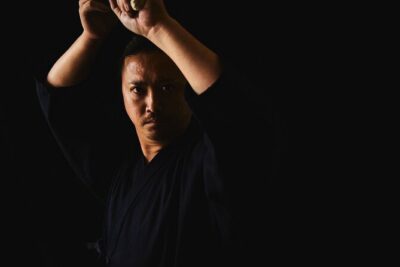
Browse the lists this tour appears in