
Reviewed · SAMURAI & NINJA EXPERIENCES
Tokyo: Samurai Kendo Practice Experience
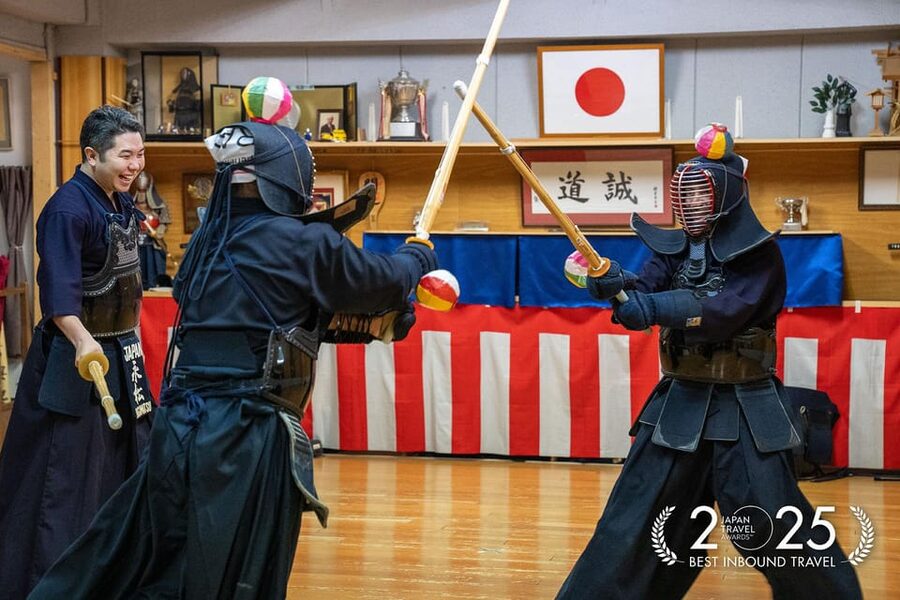
Bamboo swords make Tokyo feel wonderfully serious. This two-hour session lets you wear full kendo armor and learn basic strikes, footwork, and etiquette from an experienced sensei. I like the small group limit of six, which gives you room to practice instead of standing at the back, and I like that beginners get to try light combat rather than only watch a demonstration. The main drawback is that the English instruction can be fast or limited at times, and the dojo can be tricky to find.
You should also expect a real workout. The armor is traditional, the lessons are disciplined, and the practice is more demanding than a movie sword scene suggests. If you wear glasses, have a larger build, or prefer a gentle cultural demonstration, check the practical details before booking.
In This Review
- Quick facts about the Tokyo kendo session
- What this kendo experience is really like
- Starting near Uguisudani and finding the dojo
- Changing into armor and learning dojo etiquette
- The first strikes: men, kote, and do
- Light combat, games, and the thrill of contact
- Why the instructors make such a difference
- The real katana detail, handled with care
- Is $116 a fair price for two hours?
- Who should book this activity?
- Cancellation, language, and small practical details
- Should you book the Tokyo Samurai Kendo Experience?
- FAQ
- How long does the Tokyo Samurai Kendo Practice Experience last?
- Where does the kendo experience meet?
- Is kendo equipment included?
- Can beginners participate?
- What languages are available?
- What should I wear or bring?
Quick facts about the Tokyo kendo session
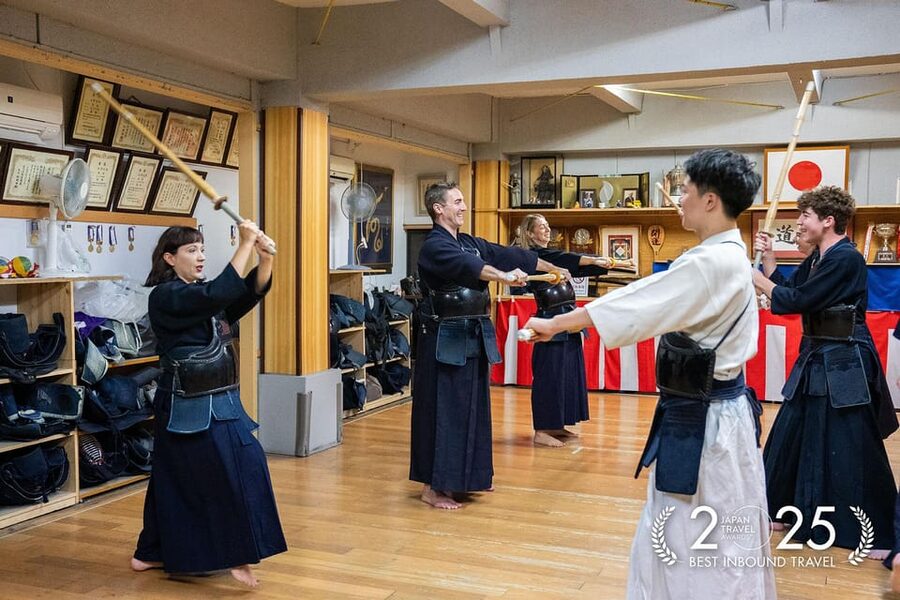
- You practice, not just watch: Beginners learn basic attacks and then take part in controlled games or light sparring.
- Full equipment is provided: Rental armor, bamboo sword equipment, mineral water, and a Japanese hand towel are included.
- Nagamatsu-sensei leads the lesson: He is described as a highly experienced teacher with a patient but strict style.
- The group is capped at six: This matters because kendo technique needs close correction and repeated practice.
- The dojo is near Uguisudani: Walk about 10 to 12 minutes from the station’s North Exit to 4-7-2 Higashinippori, Arakawa-ku.
- Bring exercise clothes and contact lenses: Loose clothing is recommended, and glasses are not advised under the head armor.
What this kendo experience is really like
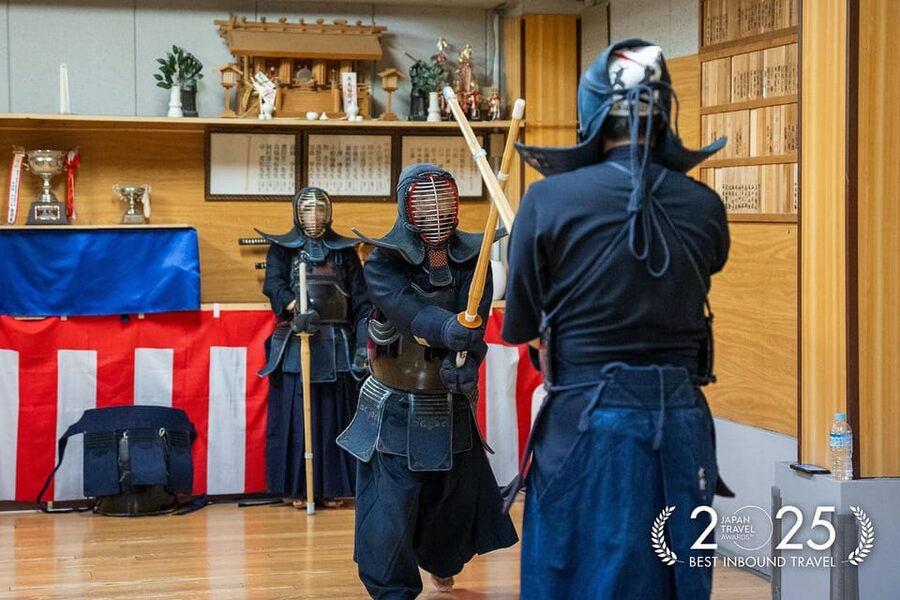
Kendo is not a staged samurai show. It is a modern Japanese martial art built around bamboo swords, protective armor, formal etiquette, and quick, controlled strikes.
That distinction matters. You will not be handed a sharp sword and sent into a dangerous duel. The main practice uses kendo equipment, including a bamboo sword, while a real katana may be handled briefly as part of the cultural experience. The focus is learning how swordsmanship works, not pretending to be a film character.
The session is designed for beginners, but it does not treat you like a passive spectator. You learn by doing. The instructors demonstrate movements, correct your stance, and have you repeat the attacks before trying simple combat exercises.
I like that approach. A museum explanation can tell you that samurai training required discipline. Here, you feel how much concentration goes into a single strike, how tiring the armor becomes, and how hard it is to move with speed and accuracy.
The setting also adds something. You meet at a dojo called 誠道館, in a residential part of Tokyo rather than at a major sightseeing venue. It is reportedly run out of a house, so finding the entrance may take patience. Once inside, the atmosphere is quiet and focused, with etiquette taking as much space as the swordplay.
More Martial Arts Experiences in Tokyo
- Tokyo: Samurai Sword & Archery Class from Samurai Descendant
★ 5.0 · 603 reviews - Tokyo:Samurai sword and archery class from a samurai descendant
★ 5.0 · 121 reviews - Tokyo 2-Hour Genuine Samurai Experience: Kendo in Japan
★ 5.0 · 112 reviews
Starting near Uguisudani and finding the dojo
The meeting point is around 10 to 12 minutes on foot from JR Uguisudani Station’s North Exit. The address is 4-7-2 Higashinippori, Arakawa-ku, Tokyo, with the dojo name written as 誠道館.
Give yourself extra time. The location can be confusing because it is not presented as a large, obvious martial arts center. A phone map and the Japanese dojo name will help you get your bearings faster than relying only on an English address.
There is no hotel pickup, so you handle the trip to the station and the walk yourself. That is a small inconvenience, but it also means this activity fits neatly into a day spent around Ueno, Nippori, or the northern side of central Tokyo.
Wear loose exercise clothing. The provider notes that you may need to practice in your own clothes if the supplied uniform does not fit or if there are not enough uniforms available. Bring fresh clothes too, since the workout can make you sweat.
The group size is limited to six people. For this kind of class, that is a useful feature rather than a marketing detail. You need space to move, and you benefit from an instructor who can see your footwork and correct your grip.
Changing into armor and learning dojo etiquette
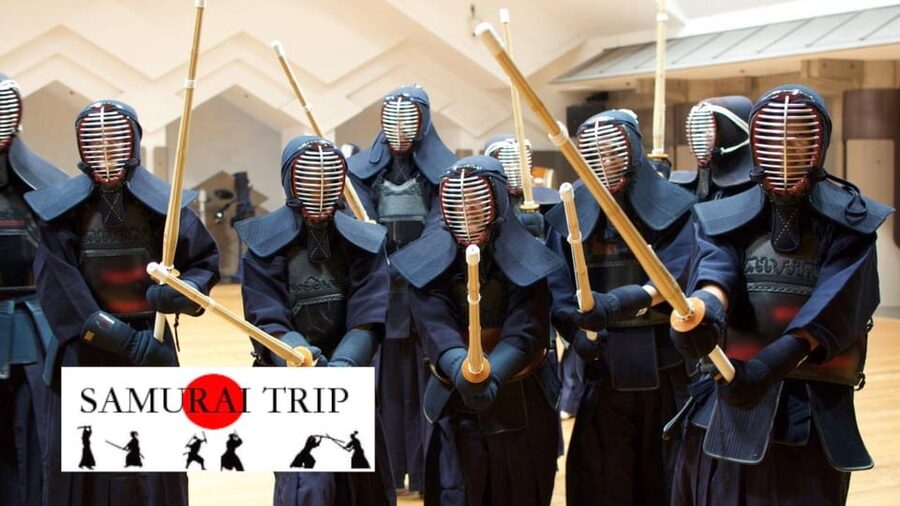
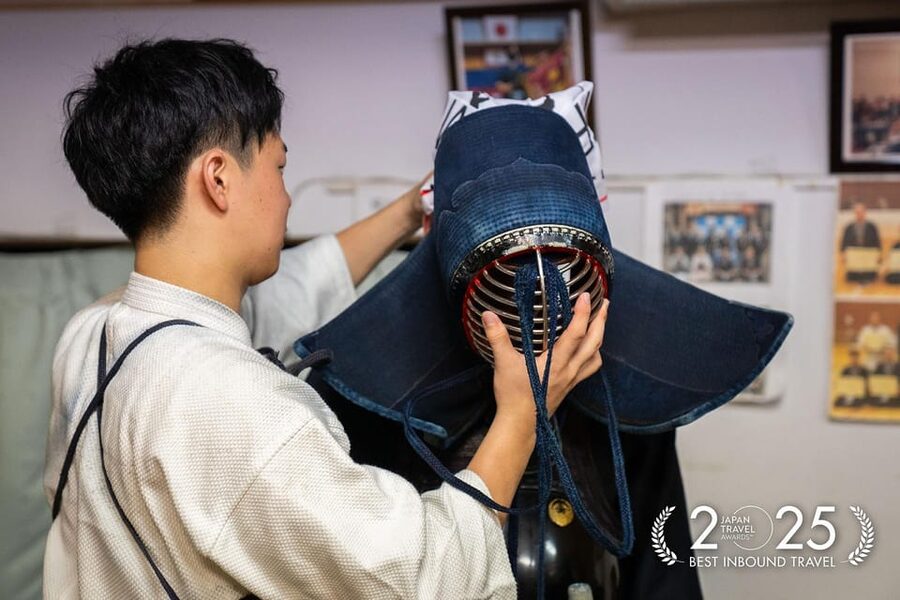
The visual transformation is part of the fun. You move from ordinary street clothes into kendo clothing and protective armor, then pick up the bamboo sword used for practice.
The armor gives the session weight, both physically and mentally. The helmet, body protection, gloves, and other equipment make you look the part, but they also change how you move. You cannot simply swing from the shoulder and hope for the best. Balance, posture, distance, and timing all matter.
The instructors introduce basic dojo manners and the attitude expected in kendo. This is not decoration. Respect, discipline, and control are central to the practice, and the class works better when you follow instructions carefully.
Nagamatsu-sensei is named as one of the instructors. He is described as patient, humorous, strict, and very experienced. That combination seems to define the tone: friendly enough for first-timers, but serious enough to keep the activity from becoming random sword waving.
Some people will enjoy the firm style. Others may find it blunt, particularly when English explanations are brief or delivered quickly. If you are unsure what an instruction means, ask for it to be shown again. Kendo is physical, so understanding the movement matters more than pretending you caught every word.
The first strikes: men, kote, and do
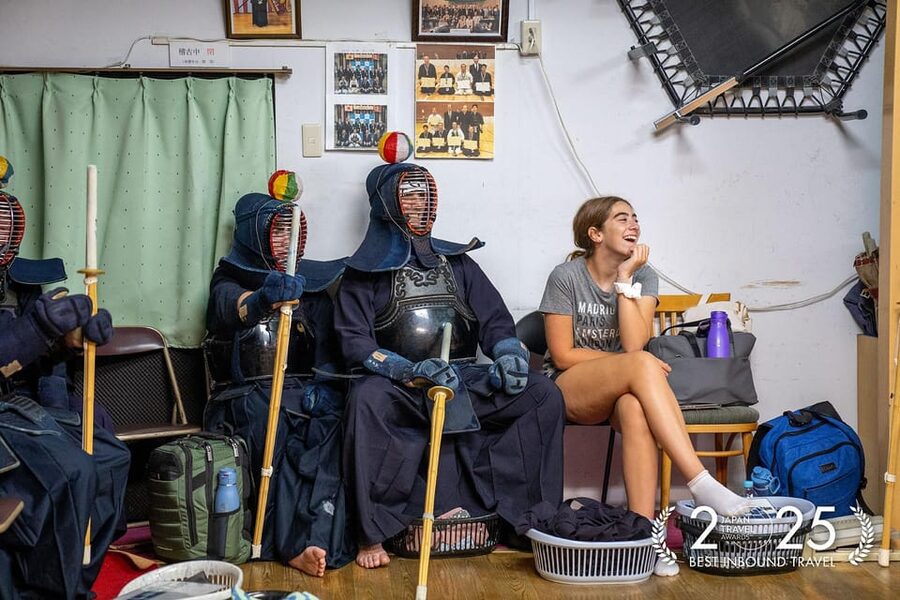
The technical part begins with basic attacks. You learn strikes commonly called men, kote, and do, directed toward the helmet, wrist area, and side of the body.
You also work on footwork and distance. This is where the class becomes more challenging than expected. Kendo looks simple when an expert performs it, but moving forward with the correct posture while raising and bringing down the sword takes concentration.
The instructors may introduce counter techniques after the basic strikes. The exact pace depends on the group, but the two-hour format gives enough time to move beyond a single demonstration.
I appreciate that beginners are guided toward the form used in an actual kendo match. You are not simply posing in armor for photographs. You learn the basic rules and try to apply them under pressure, even if the exercises remain controlled and playful.
That said, you should not arrive expecting to become a samurai in two hours. You will leave with an introduction to the movements and the discipline, not a full command of kendo. The value is in gaining a physical sense of the art and deciding if you want to study it further.
More Samurai & Ninja Experiences in Tokyo
- Tokyo: Samurai Restaurant Show Ticket with 2 Drinks
★ 4.5 · 1,307 reviews - Tokyo: Samurai Ninja Museum Guided tour and Experience
★ 4.6 · 1,010 reviews - Best Samurai Experience in Tokyo
★ 5.0 · 458 reviews - Ninja Experience (Family Friendly) at Samurai Ninja Museum TOKYO
★ 5.0 · 441 reviews
Light combat, games, and the thrill of contact
The activity includes some form of light sparring or combat practice. Past sessions have included playful bouts between participants, practice against the instructor, and even balloon-based combat games.
This is the part many people remember. It gives the earlier lessons a purpose. After practicing men, kote, do, and footwork, you get to test your reactions in a safer, simplified match.
The contact can still feel more forceful than expected. One family found some helmet strikes too rough, so you should listen closely to the instructor’s safety directions and speak up if you are uncomfortable. Kendo armor protects you, but it does not make the activity weightless or completely gentle.
For children and teenagers, the session can be a memorable physical introduction to Japanese culture. One family brought two pre-teens and enjoyed the workout and equipment. Still, younger participants should be comfortable following firm instructions and taking part in a structured martial arts class.
You may also watch experienced kendo practitioners training in the dojo. That can be one of the most useful moments because the difference between beginner movement and expert movement becomes obvious. Speed, accuracy, and control are difficult to fake, and seeing skilled students practice gives you a better idea of what long-term kendo training involves.
Why the instructors make such a difference
The strongest part of this experience is the teaching. Multiple instructors may help during the session, and their role is more than explaining how to hold a sword.
They show you how kendo combines physical movement with focus. A strike must be accurate. Your feet must support it. Your posture must remain controlled. The class also introduces the difference between movie swordsmanship and a real martial art, where technique and timing matter more than dramatic flourishes.
Nagamatsu-sensei is described as having decades of kendo experience, with one account putting his practice at more than 60 years. The provider also refers to a long kendo teaching background. Either way, you are learning from someone who has spent far more time in the dojo than you will spend in Tokyo.
The instruction is offered in English and Japanese. English is sufficient for much of the class, but the quality of communication may vary. One participant found some explanations rushed, while another felt the instructor spoke enough English to get by. Demonstration is a major help, but this is not the best choice if you need every instruction explained slowly in fluent English.
The strictness is part of the character of the activity. You might hear corrections delivered without much softening. I would read that as traditional dojo discipline rather than a promise of a polished, tourist-oriented performance, but your comfort with direct instruction matters.
The real katana detail, handled with care
The experience may include the chance to wield a real katana, which adds a memorable historical touch. This is separate from the main practice with the bamboo sword and protective gear.
Do not book this expecting a sharp-sword lesson. The supplied information supports a controlled introduction to swordsmanship, not open combat with a real blade. The main hands-on work is kendo practice, where the bamboo sword allows beginners to train strikes and light matches with protective equipment.
That balance is sensible. You get a connection to traditional Japanese sword culture without turning the session into a dangerous stunt. The most useful lesson is understanding how much formal training sits behind the samurai image.
There is also time for photographs and conversation. A free Japanese hand towel makes a practical souvenir, and mineral water is included. One small improvement would be offering the parting gift with Japanese writing, since that would make it feel more connected to the setting.
Is $116 a fair price for two hours?
At $116 per person, this is not a budget activity. Tokyo offers plenty of inexpensive cultural experiences, and you should compare this with the price of a museum visit or a basic walking tour.
The value becomes clearer when you count what is included. You receive a professional instructor, rental kendo armor and equipment, mineral water, and a Japanese hand towel. The group is limited to six, and the session includes active practice rather than a short demonstration.
The equipment alone would be difficult for an independent visitor to arrange. More important, you need a dojo, an instructor, protective gear, and a safe way to try combat movements. For someone curious about martial arts, that package makes the price reasonable.
I would not choose it if you want a calm, low-cost cultural stop with little exertion. I would choose it if you value a rare hands-on activity, want to learn from a practicing sensei, and like the idea of leaving Tokyo with a story that does not involve another observation deck.
The 4.7 rating from 102 bookings also suggests consistently strong satisfaction, though the less glowing details are worth taking seriously: the location may be hard to find, English explanations can move quickly, and the class may feel physically demanding.
Who should book this activity?
This is a strong fit for:
- First-time visitors who want an active Japanese cultural experience
- Martial arts fans curious about the real mechanics of kendo
- Families with older children or teenagers who can follow instructions
- Couples or friends who enjoy trying something unusual together
- Visitors who prefer a small class to a large demonstration
- People interested in Japanese etiquette, discipline, and traditional sword arts
You should think twice if you have limited mobility, need a very gentle activity, or are uncomfortable with physical contact. The available information does not give detailed accessibility specifications, so ask the provider directly before booking if you have specific mobility or body-size concerns.
Glasses are a particular issue. The head protector can be difficult to wear over spectacles, and the provider warns of possible damage. Contact lenses are recommended. Also bring or wear loose-fitting exercise clothes in case a suitable uniform is not available.
Plan more than exactly two hours. The duration is listed as two hours, but the full program may take more or less time depending on the session. Do not place a tight restaurant reservation or train connection immediately afterward.
Cancellation, language, and small practical details
You can cancel up to 24 hours before the activity for a full refund. The reserve-now, pay-later option is useful if your Tokyo schedule is still changing.
Instruction is available only in English and Japanese. There is no food included, so eat beforehand or plan a meal afterward. Mineral water is provided, but bringing additional water is sensible for an energetic class.
The small group is one of the best practical features. Six participants is enough for a social session but small enough that you should receive personal attention. If the class is full, do not assume you can simply arrive and join.
Should you book the Tokyo Samurai Kendo Experience?
Book it if you want to practice Japanese swordsmanship instead of only photographing it. The session offers real instruction, traditional equipment, basic kendo attacks, etiquette, and controlled combat in a small dojo setting.
I would especially recommend it to active visitors, martial arts beginners, and families with older children. You should arrive with loose clothes, fresh water or a plan to refill, contact lenses instead of glasses, and enough time to find the residential dojo.
Skip it if the $116 price feels high for a two-hour activity, if you dislike strict coaching, or if physical contact and sweat are not part of your Tokyo plans. For the right person, though, this is one of the more unusual ways to understand Japanese culture: not by looking at an artifact, but by trying to move like the people who train with it.
FAQ
How long does the Tokyo Samurai Kendo Practice Experience last?
The scheduled duration is two hours. The full program may take slightly more or less time, so leave some extra room in your schedule.
Where does the kendo experience meet?
It meets at 誠道館, located at 4-7-2 Higashinippori, Arakawa-ku, Tokyo. The dojo is about a 10 to 12-minute walk from the North Exit of JR Uguisudani Station.
Is kendo equipment included?
Yes. Rental kendo armor and equipment are included, along with mineral water and a Japanese hand towel.
Can beginners participate?
Yes. The experience is designed to guide beginners through basic kendo movements and controlled practice, including strikes such as men, kote, and do.
What languages are available?
The instruction is provided in English and Japanese only.
What should I wear or bring?
Wear loose-fitting exercise clothing if possible. Bring fresh clothes because the activity can be tiring and sweaty. Contact lenses are recommended for people who normally wear glasses, since spectacles may be difficult to wear under the kendo head armor.
Just added around Tokyo
- Tokyo 6hr Instagram Highlights Private Tour with Licensed Guide★ 5.0 · 38 reviews
- Tokyo Small Group Tour with Guide★ 4.5 · 38 reviews
- Tokyo Sumo Experience with Live Show & Audience Challenge★ 5.0 · 38 reviews
- Very popular in Harajuku♡Animal petting zoo★ 4.6 · 39 reviews
- Japanese Food Cooking Class in Asakusa, Tokyo★ 5.0 · 39 reviews
- Ramen Making from Scratch with Tokyo Mom(Vegan Option Available)★ 5.0 · 39 reviews
- Tokyo: Kimono Rental inside Shinjuku Gyoen National Garden★ 4.9 · 39 reviews
- Tokyo JDM Night: 600hp C63s AMG Edition 1 (Private)★ 4.9 · 39 reviews
Samurai & Ninja Experiences, compared.
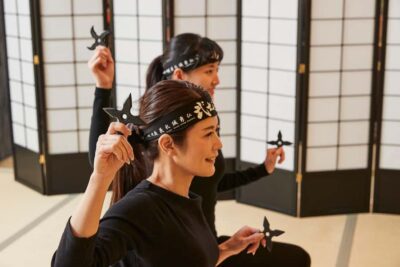
Samurai Ninja Museum Guided tour and Experience
Read our review →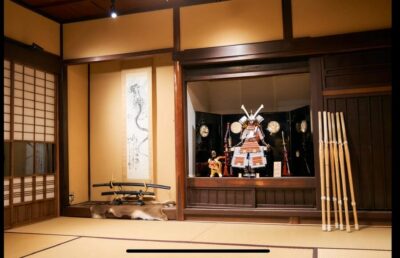
Kendo and Samurai Experience with Uniform and Gear
Read our review →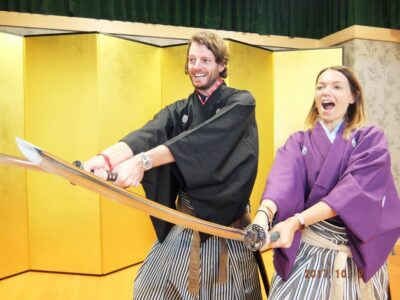
Samurai Sword Class by Experts in Traditional Arts
Read our review →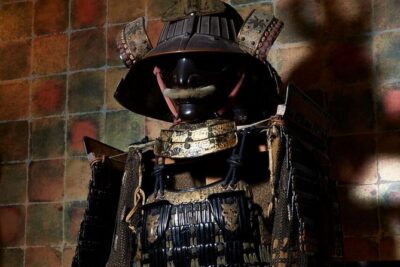
Skip the lines Basic Ticket at SAMURAI NINJA MUSEUM KYOTO
Read our review →
Samurai Sword & Archery Class from Samurai Descendant
Read our review →
Browse the lists this tour appears in