
Reviewed · SAMURAI & NINJA EXPERIENCES
Tokyo 2-Hour Genuine Samurai Experience: Kendo in Japan
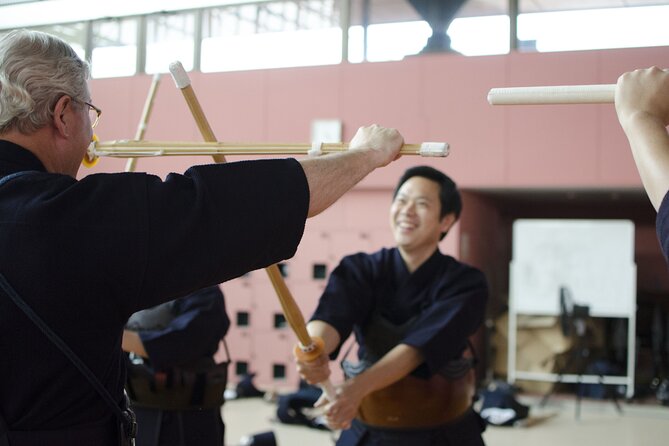
Put on the armor and meet the sword. This two-hour Tokyo kendo session gives you a real taste of Japanese swordsmanship, not a staged photo opportunity. You learn basic movements, etiquette, and striking technique from an experienced instructor, then test your skills in a tournament-style combat game. I like the hands-on format and the chance to wear full kendo equipment. I also like that the English-speaking instruction is designed for complete beginners. The main drawback is physical: the armor is warm and heavy, and the session includes kneeling, shouting, and active movement.
This is held at a dojo in northern Tokyo, at 4 Chome-7 Higashinippori in Arakawa City. You make your own way there, although some participants have received help finding the dojo from a nearby train station. The group can reach 15 people, so the experience may feel more like a small class than a private lesson.
In This Review
- Key points before you book
- Why this feels more authentic than a samurai photo stop
- Arriving at the Higashinippori dojo
- Learning the basics before the armor goes on
- Wearing keikogi, hakama, and bogu
- Practicing strikes, footwork, and kendo calls
- The tournament-style combat game
- Who will get the most from this experience
- What is included, and what you still need to plan
- Is $118.92 a fair price?
- How to prepare for a better class
- Should you book the Tokyo kendo experience?
- FAQ
- Where does the kendo experience take place?
- How long does the experience last?
- What time does the experience start?
- Is equipment provided?
- What is the minimum age?
- Is transportation included?
Key points before you book
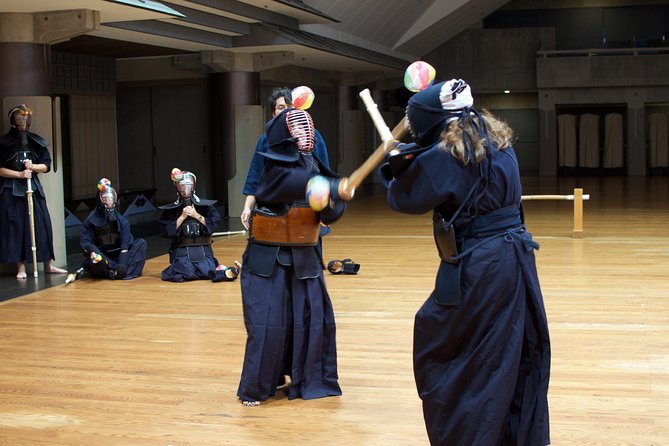
- Full kendo equipment is included: You wear a keikogi, hakama, and protective bogu armor, then handle a bamboo sword.
- The lesson is genuinely active: Expect footwork, strikes, loud calls, kneeling, and a short combat game rather than a passive cultural talk.
- Beginners are welcome: The instructor demonstrates each movement and gives practical guidance in clear English.
- The final match adds real excitement: You get to use the techniques you have just practiced in a friendly tournament-style exercise.
- It suits families with older children: The minimum age is 9, and several families found it a memorable activity, but participants need strong physical fitness.
- Plan your Tokyo day around the dojo: The session begins at 10:00 a.m. and ends back at the meeting point, with transport to and from the dojo not included.
Why this feels more authentic than a samurai photo stop
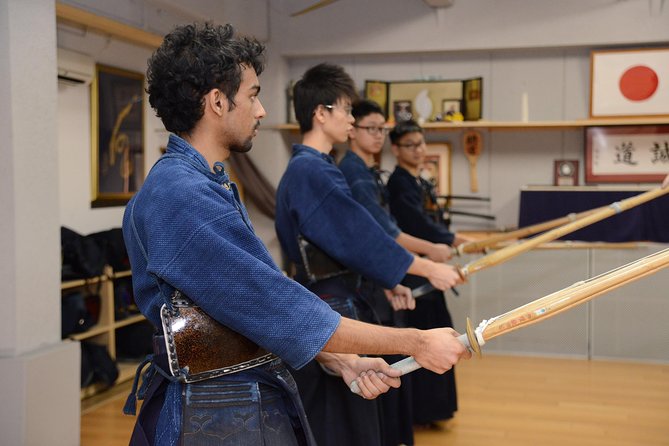
Kendo is often introduced as the path of the sword, but this experience shows that it is not simply about swinging a weapon. The bowing, posture, footwork, calls, and controlled strikes all matter. You get a brief lesson in samurai culture and the etiquette behind the sport before moving into practice.
That difference is important. Many samurai-themed activities are built around costumes and photographs. Here, the clothing and armor are part of a working martial art. You are asked to learn how the equipment is worn, how to move in it, and how to make a proper strike.
The session is also connected to an actual dojo setting. Local students may be training nearby, giving you a chance to see how regular practice looks. That can be especially useful if you want a more grounded view of Japanese martial arts rather than a performance prepared only for visitors.
I would still keep expectations sensible. Two hours cannot turn you into a swordsman. It can, however, give you a feel for the discipline, rhythm, and physical effort behind kendo.
More Martial Arts Experiences in Tokyo
- Tokyo: Samurai Sword & Archery Class from Samurai Descendant
★ 5.0 · 603 reviews - Tokyo:Samurai sword and archery class from a samurai descendant
★ 5.0 · 121 reviews - Tokyo: Samurai Kendo Practice Experience
★ 4.7 · 102 reviews
Arriving at the Higashinippori dojo
The meeting point is Seidokan Building, 4 Chome-7 Higashinippori, Arakawa City, Tokyo 116-0014. You are responsible for reaching the dojo, and transport costs are not included. The area is served by public transportation, but you should allow time to find the building and confirm the exact meeting instructions before setting out.
The advertised start time is 10:00 a.m. A morning session works well if you want to combine kendo with other sights later in the day. An afternoon option is also available, which gives you more flexibility if you prefer a slower morning.
The experience ends back at the same meeting point. One useful planning idea is to pair it with nearby shrines or food stalls after class. The activity itself does not include food or drinks, so this is a good way to turn the outing into a longer half-day in the neighborhood.
Pickup details need a little care. Hotel pickup and drop-off are not included. Some participants have described an easy pickup at a train station, but the published meeting information says to make your own way to the dojo. I would treat station assistance as something to confirm in advance, not something to count on automatically.
Learning the basics before the armor goes on
The class begins with instruction about kendo and samurai culture. Your English-speaking instructor explains the purpose of the movements and demonstrates the techniques before asking you to try them.
That teaching style matters for beginners. Kendo can look simple from the outside, but the correct stance, grip, distance, and timing take attention. The instructor gives you something specific to work on instead of letting you wave a bamboo sword around for a few minutes.
The lesson includes practical guidance and one-on-one help. Several participants singled out the patience of the sensei, especially when working with children or first-time students. Keshi was also praised for creating a friendly and memorable class. Another instructor is described as having trained for 60 years, which adds a serious connection to traditional practice.
You may also hear a short word of approval when you strike the correct target with good form. That kind of immediate correction helps you understand that kendo is not about force alone. A clean movement and proper technique count just as much.
Wearing keikogi, hakama, and bogu
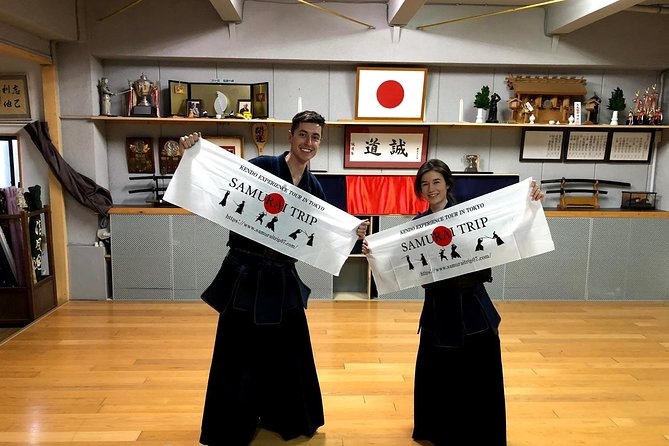
One of the most memorable parts is getting dressed. You learn how to put on the keikogi, a jacket-like top, and the hakama, the pleated trousers that resemble a skirt. Then you add the bogu, the protective armor used in kendo.
The equipment is provided, so you do not need to bring or rent your own gear. Bottled mineral water and a Japanese hand towel are also included. The towel is a small but useful souvenir, especially after a warm session in heavy clothing.
The armor changes the feel of the activity. It gives the class a strong visual connection to samurai training, but it also makes the workout more demanding. You can expect heat, weight, and restricted movement. Wear athletic clothing underneath, as participants have been specifically advised to dress for an active class.
Hydrate before you arrive. There is a water break during the session, but the gear can become warm quickly. If your knees are sensitive, tell the sensei before class begins. Kneeling is part of the traditional format, but one participant with bad knees was able to skip movements that caused pain.
More Samurai & Ninja Experiences in Tokyo
- Tokyo: Samurai Restaurant Show Ticket with 2 Drinks
★ 4.5 · 1,307 reviews - Tokyo: Samurai Ninja Museum Guided tour and Experience
★ 4.6 · 1,010 reviews - Best Samurai Experience in Tokyo
★ 5.0 · 458 reviews - Ninja Experience (Family Friendly) at Samurai Ninja Museum TOKYO
★ 5.0 · 441 reviews
Practicing strikes, footwork, and kendo calls
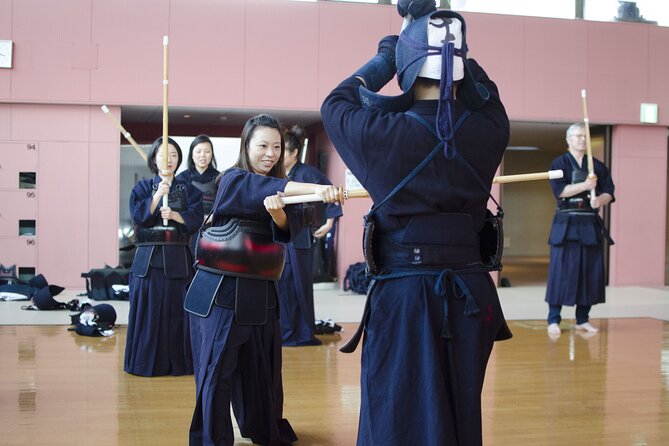
Once you are equipped, the class shifts from explanation to practice. You work on basic forms and hitting techniques with the bamboo sword. The instructor demonstrates, then watches you repeat the motion.
The sound is part of the experience. Kendo involves strong vocal calls, and you will likely be encouraged to shout as you strike. That may feel unusual at first, especially if you are used to quiet museum tours or guided walks. It soon becomes part of the rhythm and helps make the exercise feel like martial arts training rather than a costume activity.
The instructor also corrects timing and opportunity during practice. If you hesitate during sparring, you may hear a quick call identifying a possible combination such as kote-men. That means the class is not only about hitting hard. You are learning to notice openings and respond with a sequence.
This is where the experience earns its price. At $118.92 per person, it is not a cheap two-hour activity. You are paying for a trained instructor, equipment, armor, cultural instruction, and supervised practice in a dojo. If you only want to pose with a sword, the cost is high. If you want a structured martial arts lesson with real equipment, the value is much stronger.
The tournament-style combat game
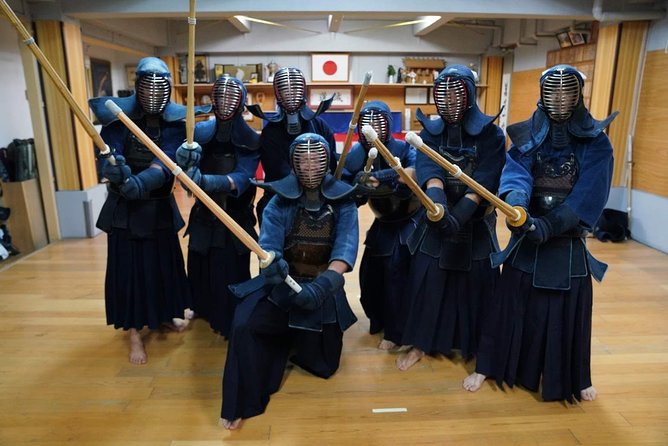
The final combat game gives the lesson a clear payoff. You use the movements and strikes you have practiced and face an opponent in a controlled, tournament-style format.
Do not expect a full competition between seasoned kendo athletes. The point is to let beginners experience the excitement of making a strike, moving into range, and reacting under pressure. The instructor guides the activity and keeps it suitable for the group.
This part is especially good for families and friends. Parents and children can encourage one another, and adults joining with an older son or daughter get a shared activity that feels more memorable than another sightseeing stop. The minimum age is 9, but every child should also be comfortable with physical exertion and protective gear.
The match can be tiring. Two hours may sound short, yet the combination of armor, footwork, kneeling, shouting, and repeated strikes adds up. You should not schedule this immediately before an important reservation unless you leave yourself time to cool down and change.
Who will get the most from this experience
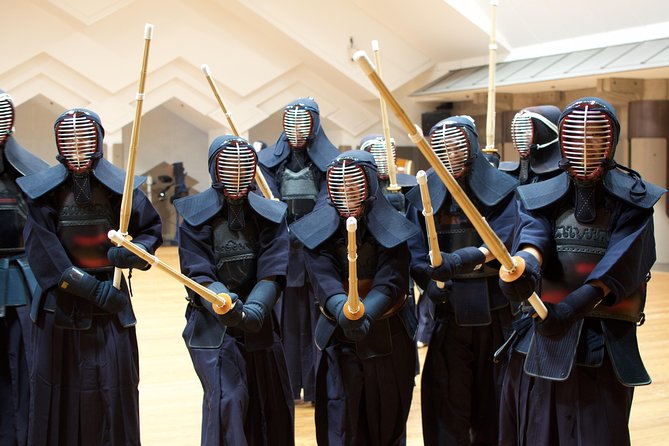
I would recommend this to you if you want to take part rather than watch. It works especially well for:
- Families with children age 9 and older
- Couples or friends looking for an active Tokyo experience
- Visitors curious about martial arts and Japanese etiquette
- Beginners who want clear instruction in English
- Anyone who enjoys trying something outside the usual shrine and museum circuit
It is also a good fit for people who have seen kendo online and want to understand what happens in a real class. The presence of local dojo students can give you a useful comparison between your beginner practice and regular training.
I would be more cautious if you have limited mobility, poor fitness, knee problems, or dislike heat. The organizers describe the required fitness level as strong. The class is not presented as a gentle demonstration, and the armor can make simple movements feel demanding.
What is included, and what you still need to plan
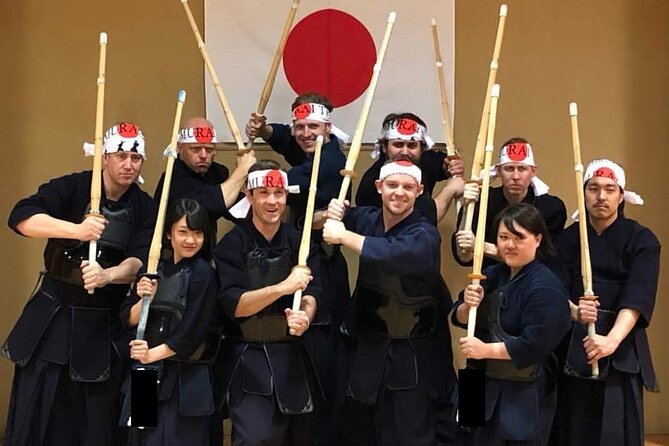
Your fee includes a professional guide or instructor, kendo armor and equipment, bottled water, and a Japanese hand towel. Food, drinks beyond the provided water, and hotel transportation are not included.
The group size can reach 15 people. That is small enough for a class atmosphere, but it does not guarantee uninterrupted one-on-one teaching for the entire two hours. The format includes individual guidance, demonstrations, and group practice.
The activity is available in morning or afternoon sessions, although the stated meeting time is 10:00 a.m. Confirm your chosen time carefully at booking. Confirmation is issued when you reserve, and the minimum booking is two people.
Free cancellation is available up to 24 hours before the local start time. Canceling or changing the booking within 24 hours does not qualify for a refund.
Is $118.92 a fair price?
The cost makes sense if you value the equipment and instruction. You are not simply renting a costume for a photograph. You receive a lesson in movement and etiquette, wear full protective gear, practice with a trained sensei, and take part in a supervised match.
The price is less attractive if your interest is mainly visual. Tokyo offers many cultural activities, and a two-hour class at this rate requires you to enjoy exercise and participation. You should also add the cost of getting to Higashinippori and any meal or sightseeing stop you plan afterward.
For me, the best value comes from the sense of access. You are entering a dojo, learning basic forms, and seeing how local practice looks. The towel is a pleasant extra, but the real souvenir is the memory of trying to make a clean strike while wearing armor and calling out across the floor.
How to prepare for a better class
Wear athletic clothing that fits comfortably under the kendo uniform. Avoid arriving dehydrated, and plan to bring your own water as a backup even though bottled water is included.
Arrive with a willingness to listen. Kendo rewards attention to small details, and the instructor may correct your stance, grip, footwork, or timing several times. That is part of the value, not a sign that you are doing badly.
Tell the sensei about knee trouble before the physical work begins. You may be able to skip painful kneeling movements. Strong fitness is expected, so do not treat this as a low-effort cultural presentation.
If you are visiting with children, explain that the bamboo sword and armor are used in a controlled class. The experience is playful in places, but it is still a real martial arts lesson with rules and etiquette.
Should you book the Tokyo kendo experience?
Book it if you want an active, authentic-feeling introduction to Japanese martial arts. The patient instruction, full armor, cultural background, and final match create a satisfying two-hour program. It is particularly strong for families, adult children traveling with parents, and friends who want a shared challenge.
Think twice if you need a relaxed activity or have difficulty with heat, kneeling, or strenuous movement. Also remember that you must reach the Higashinippori dojo yourself.
For the right participant, this is one of the more memorable ways to spend a morning or afternoon in Tokyo. You leave with a better sense of what kendo demands: control, form, respect, and plenty of practice.
FAQ
Where does the kendo experience take place?
It takes place at Seidokan Building, 4 Chome-7 Higashinippori, Arakawa City, Tokyo 116-0014, Japan.
How long does the experience last?
The session lasts approximately two hours.
What time does the experience start?
The stated start time is 10:00 a.m. Morning and afternoon sessions may be available, so check the selected session when booking.
Is equipment provided?
Yes. Kendo armor and equipment are included, along with a professional instructor, bottled mineral water, and a Japanese hand towel.
What is the minimum age?
The minimum age is 9 years old.
Is transportation included?
Hotel pickup and drop-off are not included. You must make your own way to the dojo, and transportation expenses between activities are not included.
More 2-Hour Experiences
- Ninja Samurai 2-hour hands-on lesson by Japanese master in Tokyo
★ 5.0 · 194 reviews - Tokyo: Flagship 2-Hour Street Go-Kart Tour by Street Kart
★ 4.9 · 94 reviews - Tokyo: Shinjuku Izakaya and Golden Gai Bar Hopping Tour (2h)
★ 4.9 · 67 reviews - Kyoto Gion: 2-Hour Geisha Culture & History Walking Tour
★ 5.0 · 1,186 reviews
Just added around Tokyo
- Tokyo 6hr Instagram Highlights Private Tour with Licensed Guide★ 5.0 · 38 reviews
- Tokyo Small Group Tour with Guide★ 4.5 · 38 reviews
- Tokyo Sumo Experience with Live Show & Audience Challenge★ 5.0 · 38 reviews
- Japanese Food Cooking Class in Asakusa, Tokyo★ 5.0 · 39 reviews
- Very popular in Harajuku♡Animal petting zoo★ 4.6 · 39 reviews
- Ramen Making from Scratch with Tokyo Mom(Vegan Option Available)★ 5.0 · 39 reviews
- Tokyo JDM Night: 600hp C63s AMG Edition 1 (Private)★ 4.9 · 39 reviews
- Tokyo: Kimono Rental inside Shinjuku Gyoen National Garden★ 4.9 · 39 reviews
Samurai & Ninja Experiences, compared.
Samurai Ninja Museum Guided tour and Experience
Read our review →
Kendo and Samurai Experience with Uniform and Gear
Read our review →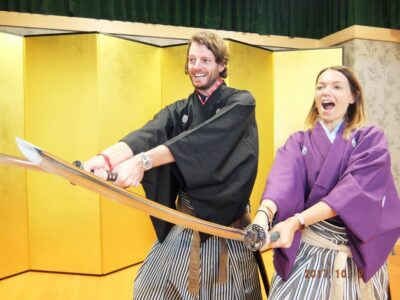
Samurai Sword Class by Experts in Traditional Arts
Read our review →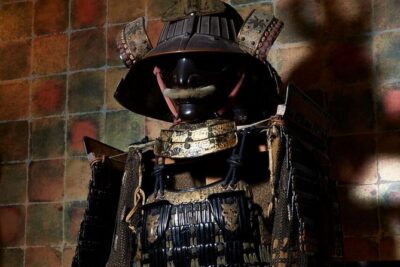
Skip the lines Basic Ticket at SAMURAI NINJA MUSEUM KYOTO
Read our review →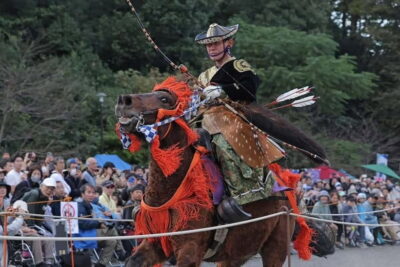
Samurai Sword & Archery Class from Samurai Descendant
Read our review →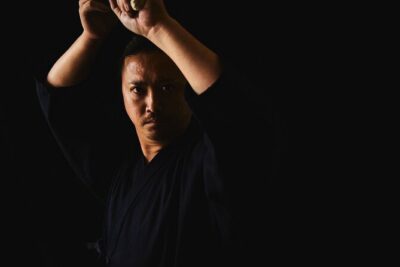
Browse the lists this tour appears in