
Reviewed · MARTIAL ARTS EXPERIENCES
Hiroshima: Traditional Japanese Archery Experience
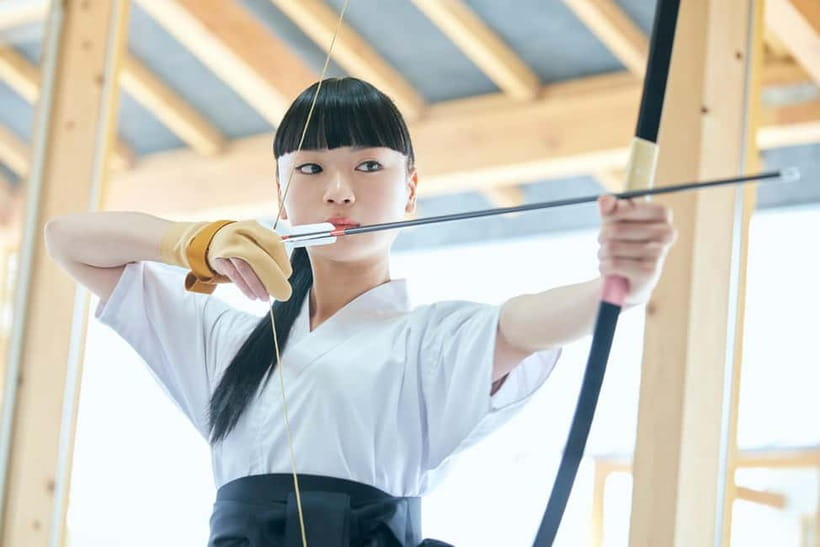
Quiet focus meets a little friendly competition. This one-hour Hiroshima activity gives you a hands-on introduction to kyudo, Japan’s traditional form of archery, with authentic clothing, careful instruction, and repeated chances to shoot. I especially like the small groups, limited to four people, and the generous amount of time spent actually practicing rather than simply watching. The main consideration is that kyudo is more technical than Western archery, and communication may rely partly on a translation app.
You will dress in a dogi and hakama, learn the formal movements, and shoot at a target in a compact indoor range. It is a good fit for first-timers, families, and curious visitors who want something more distinctive than another sightseeing stop. Just wear trousers, expect a few rules, and allow a little patience for the traditional routine.
In This Review
- Key points to know before you book
- Why kyudo feels different from ordinary archery
- Finding the range near Hiroshima Castle
- Changing into dogi, hakama, and armor
- Learning the movements before the first arrow
- Shooting at the target for the first time
- The instructors make the short lesson work
- What the one-hour schedule really gives you
- Is $41 a fair price?
- Safety, movement, and practical comfort
- Who will enjoy this Hiroshima activity most?
- Should you book this kyudo experience?
- FAQ
- Where does the Hiroshima kyudo experience meet?
- How long does the activity last?
- Can complete beginners take part?
- What clothing should I wear?
- How many people can join one session?
- Is the activity offered in English?
- Is the experience suitable for people with limited mobility?
Key points to know before you book
- A short walk from the Atomic Bomb Dome: The meeting point is about 15 minutes on foot from Hiroshima’s best-known peace memorial.
- Traditional clothing is part of the activity: You put on the dogi upper garment and hakama lower garment, with armor also used during the session.
- Beginners can shoot right away: Unlike formal kyudo training, you do not need to master every basic movement before touching the bow and arrow.
- Small groups mean close instruction: The class accepts up to four people, and some sessions have had two instructors for only one or a few participants.
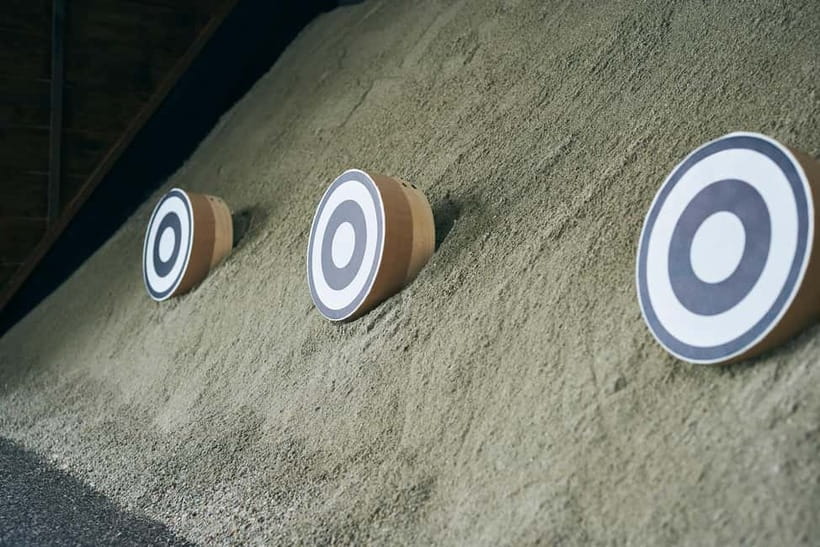
- The target is close, but the skill is real: This is a mini-sized kyudo range, yet correct stance, loading, and release take work.
- Plan for trousers and careful movement: Skirts and shorts are not recommended, and the activity is not suitable for people with limited mobility.
Why kyudo feels different from ordinary archery
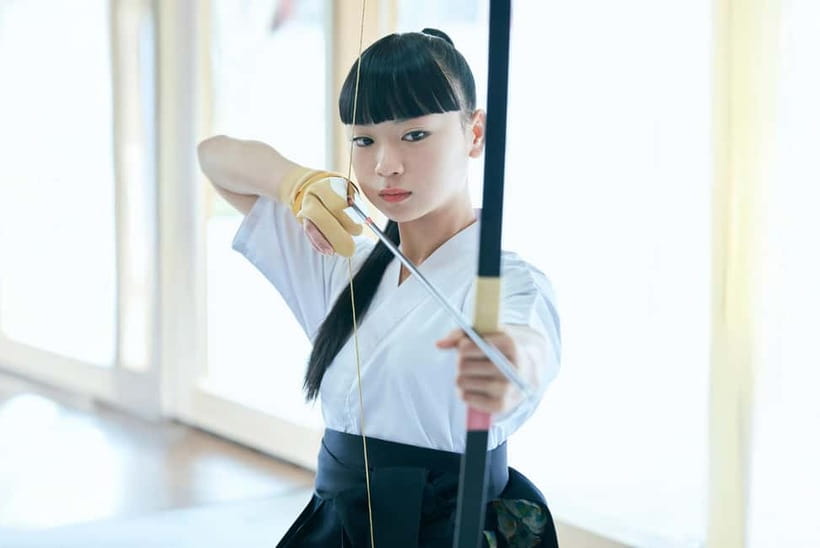
If you have tried Western archery, you may expect to pick up a bow, pull the string, aim, and release. Kyudo asks more of you before the arrow ever flies.
The bow, arrow, body, and mind are treated as one system. Each movement follows a set routine, from preparing the equipment to drawing the bow and releasing the arrow. The ceremony is not decoration added for tourists. It is part of the discipline, with attention paid to the equipment, the target, and the person shooting beside you.
I like this because it changes the mood. You are not simply firing as many arrows as possible. You are learning to slow down, remember a sequence, and keep your body controlled while the bow resists you. That makes even a missed target useful. You can usually tell which part of the movement went wrong.
The activity offers a practical introduction rather than a full formal course. You learn the basic process, watch demonstrations, and then get to shoot. That balance works well for a visitor with only an hour in Hiroshima. You get enough structure to understand what makes kyudo special, but you are not expected to train for months before enjoying it.
More martial arts experiences:
- Japanesel Archery Experience HIROSHIMA CASTLE SHARAKU
★ 5.0 · 387 reviews - Kyoto: Kendo and Samurai Experience with Uniform and Gear
★ 4.9 · 815 reviews - Tokyo: Samurai Sword & Archery Class from Samurai Descendant
★ 5.0 · 603 reviews
Finding the range near Hiroshima Castle
The meeting point is Hiroshima Castle Sannomaru, inside a shopping mall store called HIROSHIMA CASTLE SHARAKU. That detail matters. Do not assume you are meeting at a large outdoor castle range or at the Atomic Bomb Dome itself. Give yourself time to identify the shop and arrive ready to change.
The location is convenient if you are building a day around central Hiroshima. The Atomic Bomb Dome is roughly a 15-minute walk away, so you can pair this lesson with the Peace Memorial Park without arranging a separate taxi or long train ride. Hiroshima Castle is also nearby, making the activity easy to fit between major sights.
The range itself is described as a small kyudo ground. This is useful for beginners because you do not have to walk far between shooting rounds, but it also means the setting will not resemble a full professional kyudo hall. The targets are closer than those used in professional sport. Do not mistake that for an easy version. The form, strength, timing, and release still take practice.
Changing into dogi, hakama, and armor
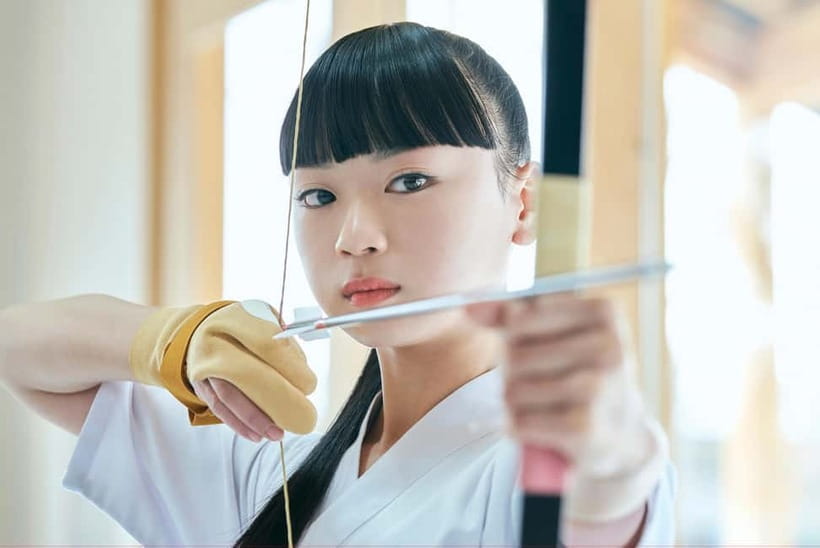
The first part of the session includes changing into traditional clothing. You will wear a dogi upper garment and hakama lower garment, with traditional tools and costumes supplied. Armor is also part of the presentation and adds to the sense that you are taking part in a Japanese martial art rather than a casual bow-and-arrow game.
This is one of the most memorable parts for families and first-time participants. It gives you a visual connection to the activity before you begin shooting, and it makes for good photos during the closing part of the hour. It also changes the physical challenge. The hakama affects how you move your legs, and the clothing encourages you to pay attention to posture and controlled steps.
Wear trousers rather than a skirt or shorts. Even though you change into the supplied uniform, comfortable clothing underneath makes the process easier. The activity involves standing, bending, handling equipment, and following a sequence of movements, so practical clothes are more useful than sightseeing clothes designed only for photographs.
The timetable allows about 15 minutes for changing, closing, and photos. That leaves around 45 minutes for instruction, practice, and target shooting. The lesson is short, but it is not just a costume photo stop.
Learning the movements before the first arrow
Expect a clear explanation of kyudo, followed by demonstrations and step-by-step coaching. The instructors focus on the exact movements needed to load and fire the arrow. You may find the number of rules surprising at first, especially if your only previous experience is informal archery.
That precision is the heart of the activity. You will work on how to hold the bow, prepare the arrow, position your body, draw, and release. The order matters. The aim is not only to hit the target but to perform the whole action with control.
English is offered, but the level of spoken English can vary. Instructors have used translation apps effectively, and the teaching still works because kyudo depends heavily on demonstration. Watch closely, copy the movement, and ask for a repeat if you are unsure. Some participants have found the phone-based translation helpful, while others wished for more spoken explanation about the history and rituals.
One useful tip is to read any pre-arrival message as soon as it arrives. A participant specifically noted that practical clothing guidance came shortly before the session. You will be better prepared if you know the clothing expectations before you reach the area.
A few more Hiroshima experiences worth weighing up
- Peaceful Hiroshima & Miyajima UNESCO 1 Day Bus Tour
★ 5.0 · 5,309 reviews - Hiroshima: Hiroshima and Miyajima UNESCO Sites 1-Day Tour
★ 4.9 · 2,330 reviews - Hiroshima / Miyajima Full-day Private Tour with Government Licensed Guide
★ 5.0 · 1,298 reviews - Hiroshima Historical Walking Tour – Why A-Bomb was Dropped
★ 4.8 · 893 reviews
Shooting at the target for the first time
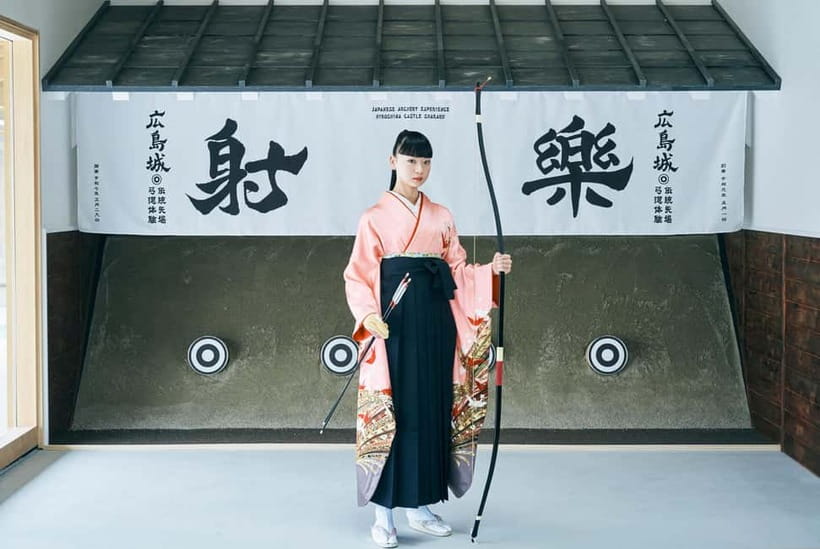
Once the basics are explained, you get to shoot. This is the part most people are waiting for, and the experience gives you more than a token attempt. Participants have had enough rounds to move from nervous first shots to a better grasp of the technique.
The first arrow may feel awkward. Drawing a Japanese bow is not simply a matter of arm strength. You must coordinate your grip, posture, shoulders, hands, and release while remembering the prescribed sequence. The instructors watch and make corrections, which is especially valuable in a group of only a few people.
Hitting the target can take time. Several participants described reaching that point within roughly 30 minutes, while others emphasized that the sport was harder than it looked despite the short distance. That is a fair description. The close target gives you a realistic chance of success, but it does not remove the challenge.
The small range also creates a friendly sense of progress. You might begin by trying to complete the movements correctly, then shift your attention toward accuracy. A small competition may be added at the end, such as comparing successful shots among family members or group members. It is a light way to finish, provided you remember that kyudo places as much value on form and focus as on scoring.
The instructors make the short lesson work
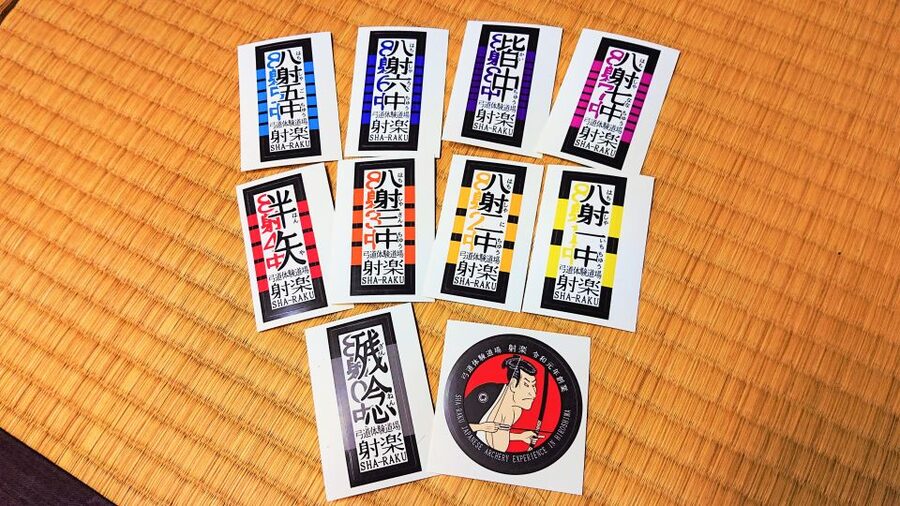
The strongest part of the experience is the patient, personal instruction. The teaching team has been praised for being friendly, calm, and willing to help beginners improve throughout the session. Some groups have had two instructors for only one to three participants, which can feel close to a private lesson.
That matters because kyudo has many small physical details. A crowded class would make it harder to receive corrections, but the four-person limit keeps the session manageable. Families can also learn together, and the activity has worked well for adults, children, and teenagers.
Kenji-san has been singled out for clear guidance and for adding explanations about samurai and Japanese archery. If he is teaching your session, you may receive more historical context alongside the practical lesson. The amount of background information can vary, though. Some people wanted more about battlefield archers, rituals, and the development of kyudo, while others received a useful short history as part of the instruction.
I would book this for the hands-on teaching, not for a long lecture. If your main interest is Japanese military history, you may want to read about kyudo before arriving so the short explanation has more context.
What the one-hour schedule really gives you
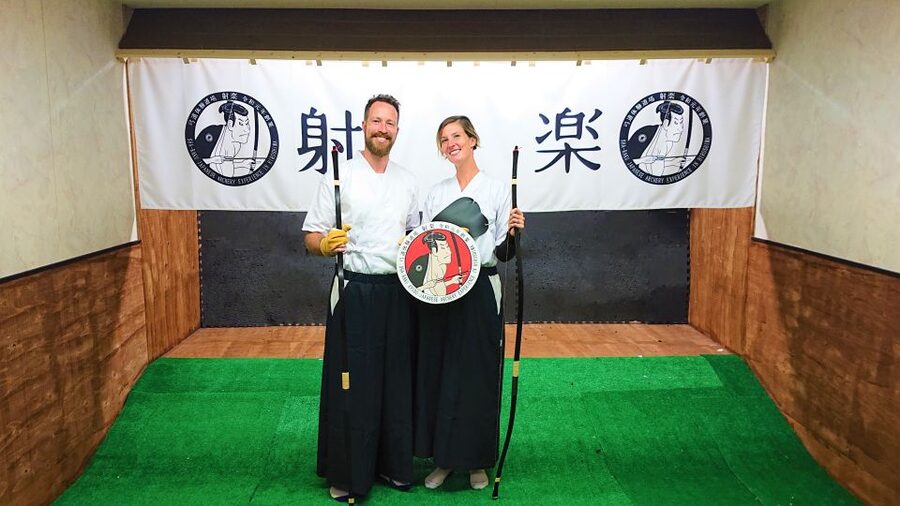
The advertised duration is one hour, divided into two broad parts:
- Around 15 minutes for changing, closing, and photos
- Around 45 minutes for instruction, practice, and shooting at the target
That is a sensible format for a holiday. You get a real activity without sacrificing half a day of sightseeing. The drawback is equally clear: several people wished it lasted longer because the shooting becomes more enjoyable once the movements start to feel familiar.
You should not expect a complete course in kyudo. You will learn enough to understand the structure, try the equipment, and shoot arrows under supervision. You will not reach the level of a trained practitioner in one hour, and the experience does not claim to offer that.
The compact schedule is best for a first taste. If you become interested in kyudo afterward, the session can show you whether you enjoy the patience and form required. It also gives you a better appreciation for how much practice lies behind a polished demonstration.
Is $41 a fair price?
At $41 per person, the price is reasonable for a small-group cultural activity that includes traditional clothing, equipment, instruction, and target shooting. You are paying for personal attention as much as for the arrows. With a maximum of four participants, the class has a more focused feel than a large activity where you wait for your turn.
The value is strongest if you want to do something active and distinctly Japanese. You are not simply being told about kyudo. You put on the clothing, handle the bow, follow the routine, and test yourself against the target. The photos at the end are a nice extra, but they are not the main reason to book.
The value is weaker if you want an extended lesson or a detailed study of archery history. The experience lasts only one hour, and historical explanation may be brief. Food, drinks, and hotel transfers are not included, though the central meeting point makes those omissions easy to manage.
Free cancellation is available up to 24 hours before the start time, and you can reserve now and pay later. Those terms are useful if your Hiroshima schedule depends on train timing or weather, but check the available start times before building your day around the lesson.
Safety, movement, and practical comfort
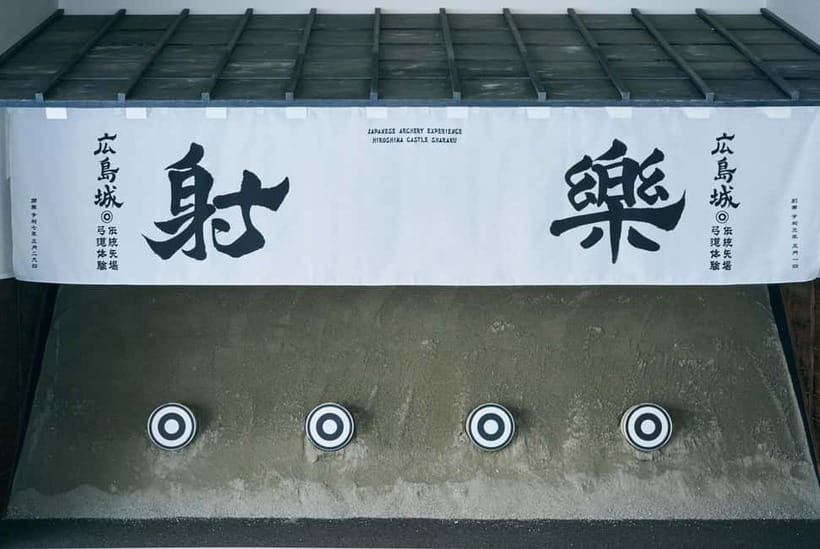
Kyudo equipment is safe when handled correctly, but it is not risk-free. In rare cases, the bowstring can strike the arms or wrists and cause swelling. Listen closely to the instructor, follow the loading instructions, and do not rush the release.
The activity is suitable for beginners, but it is not recommended for people with limited mobility. The information also describes the experience as wheelchair accessible, so these details may seem contradictory. If you use a wheelchair or have a mobility limitation, contact the provider before booking and explain your needs rather than relying on the general accessibility label.
You will spend much of the active portion standing and moving through a formal sequence. Comfortable trousers are the safest clothing choice. Since food and drinks are not included, plan those separately before or after the session.
The translation app is not necessarily a problem. Demonstration does much of the teaching, and many people have managed the class well with phone translation. Still, if you want a long conversation about Japanese culture or technical terminology in English, keep your expectations modest.
Who will enjoy this Hiroshima activity most?
I would recommend it to:
- First-time archers who want a gentle but genuine introduction
- Families with children or teenagers who can follow instructions
- Couples looking for an unusual activity near central Hiroshima
- People interested in Japanese martial arts, samurai culture, or traditional clothing
- Visitors who want a break from memorials, museums, and walking tours
- Experienced archers curious about how Japanese technique differs from Western archery
It is less suitable for anyone who dislikes detailed rules or wants instant accuracy. You may also prefer another activity if standing and controlled movement are difficult. The session rewards patience more than raw strength.
The family angle is particularly strong. Parents and teenagers can shoot together, compare results, and laugh at the first few awkward attempts without needing previous experience. The small competition at the end adds energy without turning the class into a serious contest.
Should you book this kyudo experience?
Book it if you want a short, affordable activity with real participation, traditional clothing, and attentive instruction. The best reasons are the small group size, the chance to shoot several arrows, and the feeling of learning a real Japanese discipline rather than playing a themed game.
Go in expecting technique, not instant success. You may miss at first, and you may need a translation app to follow parts of the explanation. Wear trousers, arrive at Hiroshima Castle Sannomaru with enough time to find HIROSHIMA CASTLE SHARAKU, and treat the formal routine as part of the fun.
For most visitors, this is a worthwhile one-hour addition to a Hiroshima day, especially after visiting the Atomic Bomb Dome or Hiroshima Castle. I would skip it only if mobility is a concern or if your main goal is a long, history-heavy lesson. For everyone else, $41 buys a memorable chance to dress, focus, shoot, and perhaps bring a little good luck home with you.
FAQ
Where does the Hiroshima kyudo experience meet?
The meeting point is Hiroshima Castle Sannomaru, inside a shopping mall store named HIROSHIMA CASTLE SHARAKU.
How long does the activity last?
The activity lasts one hour. About 45 minutes are used for practice and target shooting, while roughly 15 minutes cover changing, closing, and photos.
Can complete beginners take part?
Yes. The activity is suitable for beginners, and you can shoot arrows during the session without first completing formal long-term kyudo training.
What clothing should I wear?
Wear pants rather than a skirt or shorts. Traditional kyudo clothing, including a dogi upper garment and hakama lower garment, is provided.
How many people can join one session?
The group is limited to four participants. Some sessions may have only one participant or a very small number of people.
Is the activity offered in English?
English instruction is offered. Translation apps may also be used to help with communication.
Is the experience suitable for people with limited mobility?
No. The activity is not recommended for people with limited mobility. Although it is marked as wheelchair accessible, you should contact the provider in advance to discuss your specific needs.
Just added around Hiroshima
- Hiroshima & Miyajima: Private Full-Day Tour with a Local Guide★ 5.0 · 39 reviews
- Hiroshima and Miyajima 1 Day Walking Tour★ 5.0 · 43 reviews
- Hiroshima History Tour : A-Bomb Dome, Peace Memorial & City★ 5.0 · 43 reviews
- The Journey of Hiroshima from Tragedy to Peace★ 4.8 · 44 reviews
- Cultural Activities :Kimono, tea ceremony, Calligraphy and Amulet★ 5.0 · 44 reviews
- Miyajima: Private Rickshaw Tour to Itsukushima Shrine★ 4.9 · 45 reviews
- Hiroshima Private Tour: Best Highlights in a Day★ 5.0 · 49 reviews
- Hiroshima & Miyajima All-Inclusive Tour w/Licensed guide Pancho★ 5.0 · 54 reviews
Martial Arts Experiences, compared.
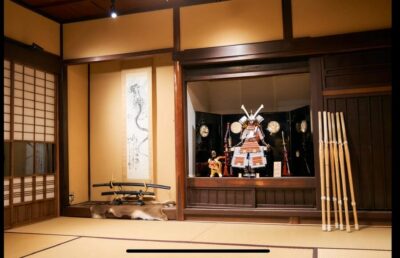
Kendo and Samurai Experience with Uniform and Gear
Read our review →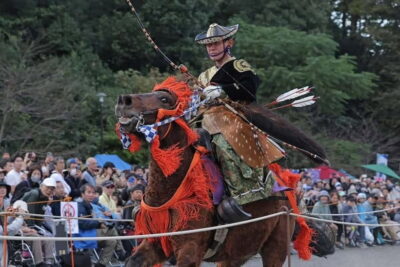
Samurai Sword & Archery Class from Samurai Descendant
Read our review →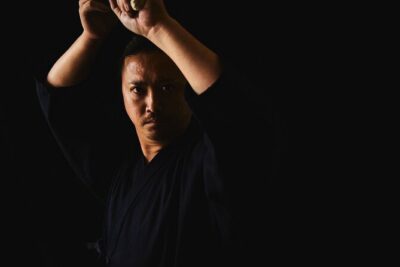
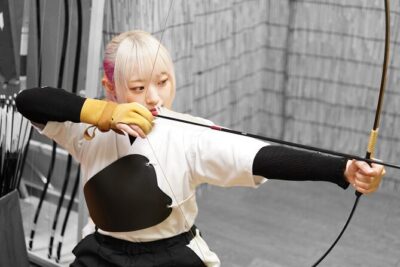
Japanesel Archery Experience HIROSHIMA CASTLE SHARAKU
Read our review →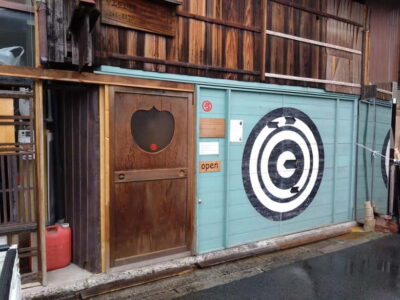
Japanese Archery Workshop with Experienced Instructor
Read our review →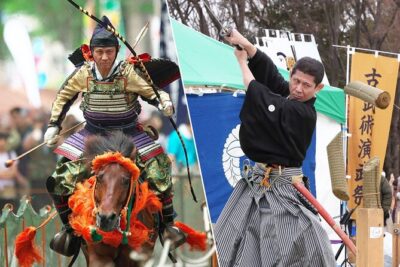
Samurai sword and archery class from a samurai descendant
Read our review →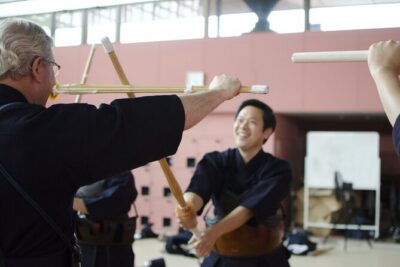
Tokyo 2-Hour Genuine Samurai Experience: Kendo in Japan
Read our review →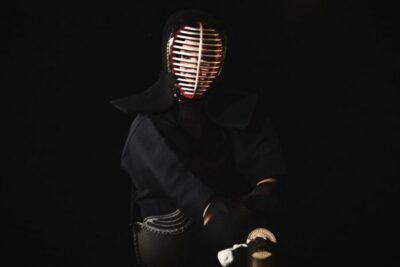
Browse the lists this tour appears in