
Reviewed · COOKING CLASSES
Kyoto: Afternoon Japanese Izakaya Cooking Class
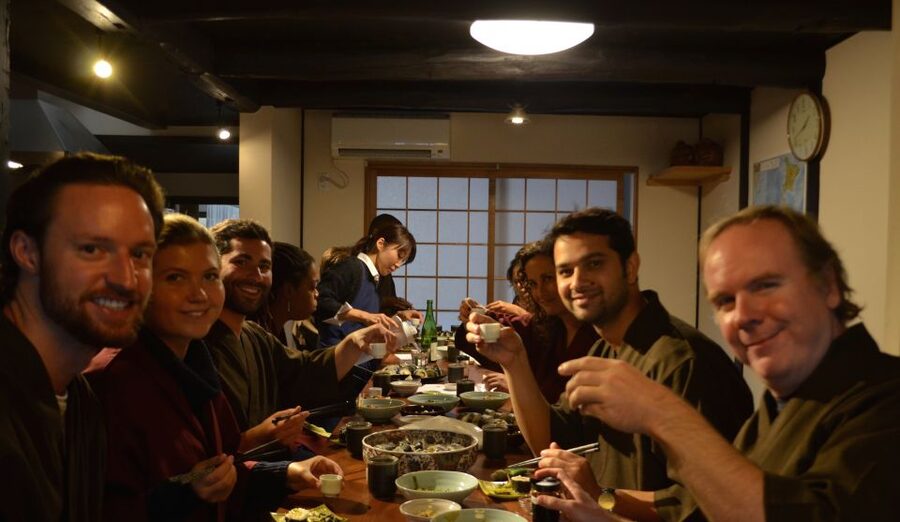
Good food makes Kyoto feel personal. This three-hour class gives you a practical look at Japanese home cooking, not just the familiar sushi lesson, with hands-on preparation, shared meals, and friendly conversation with English-speaking chefs. I especially like the two-part format, which lets you cook, eat, then return to the kitchen for more dishes. I also like that the recipes are simple enough to repeat at home.
The main point to consider is the pace. You may prepare five or six dishes in one afternoon, so the class can move quickly when several recipes are being made. Still, the clear instructions, individual equipment, aprons, and helpful staff make it suitable for beginners as well as confident home cooks.
In This Review
- Key points to know before booking
- What an izakaya class teaches you
- Meeting the chefs at Cooking Sun
- The first cooking round
- Eating, talking, and learning the culture
- The second round and the final meal
- Recipes and ingredients you can use at home
- Equipment, accessibility, and dietary needs
- Is 67 dollars good value?
- Who will enjoy this Kyoto cooking class?
- Final verdict: should you book it?
- FAQ
- Where does the cooking class meet?
- How long does the class last?
- How much does the class cost?
- What language is used during the class?
- How many dishes will I cook?
- Is the food only sushi?
- Are ingredients included?
- Do I receive cooking equipment?
- Can I request vegetarian or other dietary adjustments?
- Can I cancel for a refund?
Key points to know before booking
- Six dishes may be possible: The class is described as two rounds of two or three dishes, and some sessions have included five savory dishes plus dessert.
- Izakaya cooking goes beyond sushi: You learn the kind of food served at home and in casual Japanese drinking spots.
- English instruction is a major strength: Chefs explain ingredients, methods, and basic techniques in clear English.
- Recipes go home with you: Several participants found the instructions easy to follow after returning home.
- The class is hands-on: You receive ingredients, utensils, an apron, and your own cooking tasks.
- The location is central Kyoto: Meet Cooking Sun at Funayacho in Shimogyo Ward, Kyoto.
What an izakaya class teaches you
An izakaya is a Japanese restaurant built around small dishes, drinks, and conversation. It is not quite a formal restaurant and not simply a bar. The food can include grilled items, savory pancakes, simmered dishes, fried bites, vegetable plates, and sweets.
That makes this class a useful choice if you want to understand the everyday side of Japanese food. You are not only watching a chef shape sushi or decorate a beautiful dessert. You are learning combinations of seasonings and methods that can fit into an ordinary home kitchen.
The menu changes or varies by session, but past classes have included okonomiyaki, dashi broth, several traditional savory dishes, and dessert. One particularly useful lesson began with making dashi from the basics. That matters because dashi is one of the building blocks of Japanese flavor, and learning it gives you a better grasp of soups, sauces, and seasonings.
You should not expect a rigid cooking demonstration where everyone sits quietly and takes notes. The mood is closer to cooking with a friendly host. You prepare food while talking with the chef, then eat before returning to the kitchen for the next round.
More Cooking Classes in Kyoto
- Ramen Cooking Class at Ramen Factory in Kyoto
★ 5.0 · 1,937 reviews - Kyoto: Ramen Cooking Class at a Ramen Factory with Souvenir
★ 4.9 · 532 reviews - Kyoto: Ramen, Gyoza, and Onigiri Cooking Class
★ 5.0 · 445 reviews
Meeting the chefs at Cooking Sun
The class meets at Cooking Sun, Funayacho, Shimogyo Ward, Kyoto, Kyoto 600-8466. The supplied information does not give a full walking route from Kyoto Station or a specific landmark, so check your confirmation carefully before setting out.
English is the teaching language. That is important here because cooking depends on small details: how long to mix, what texture to look for, when to add a seasoning, and how to tell if a dish is ready. Past sessions have included instructors named Yumi, Yumiko, and Thatcher, although your chef may be different.
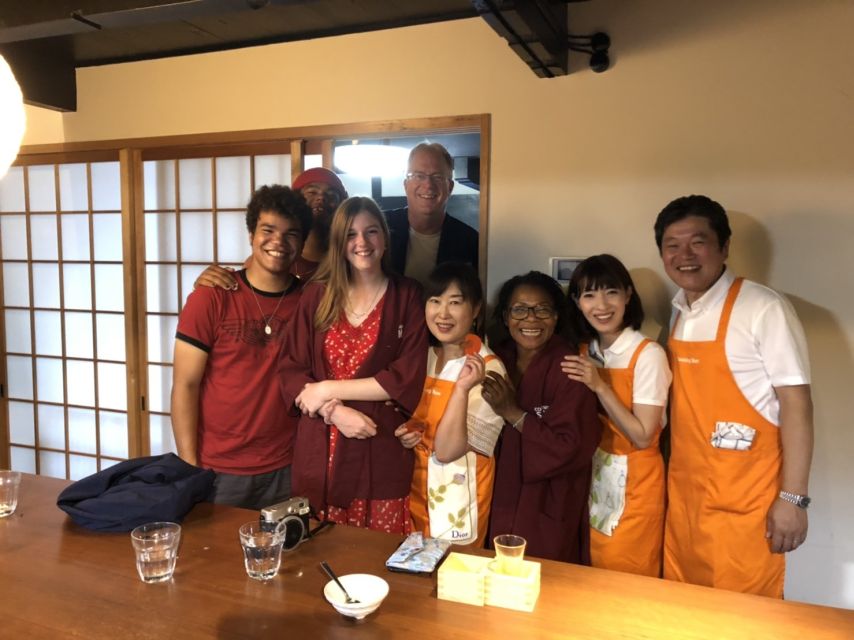
The staff’s manner is one of the strongest parts of the class. They are described as warm, patient, encouraging, and well organized. One English-speaking chef was praised for making everyone feel welcome, while another class had three chefs helping participants with equipment and individual tasks.
You can expect a social room rather than a private lesson. That is good if you like meeting people from different countries and comparing cooking habits. It may feel less ideal if you want a quiet, highly technical session with one chef focused only on you.
The first cooking round
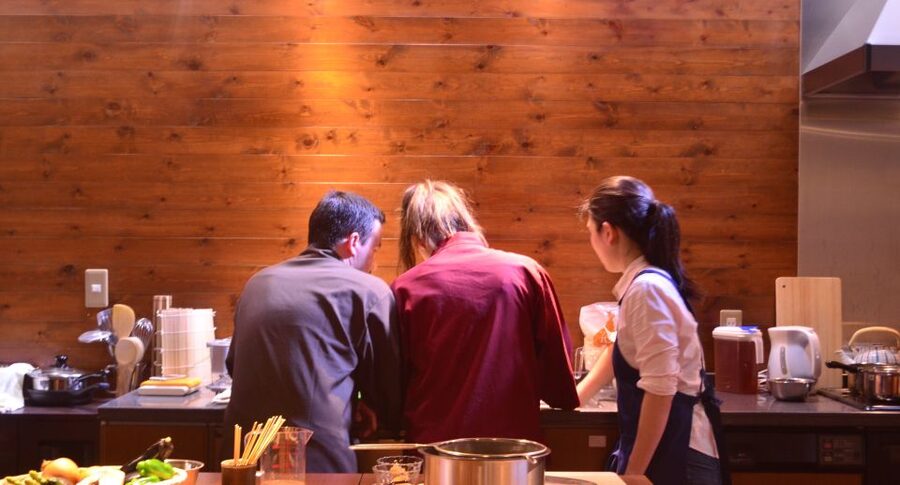
The afternoon is divided into two cooking sections. In the first, you work with the chef to prepare two or three dishes, then sit down to eat them.
This structure is smart. You do not spend three straight hours chopping and stirring while hungry. You get to taste the first part of the meal, ask questions about the ingredients, and see how the dishes fit together before starting again.
The exact jobs will depend on the menu, but the class is designed to be practical. You may chop, mix, season, cook, or assemble dishes under guidance. The instructions are broken into manageable steps, and beginners are not expected to arrive with Japanese cooking skills.
Okonomiyaki has been a favorite dish in past classes. This savory pancake is a good teaching dish because it combines batter, fillings, texture, heat, and sauce in one plate. It also feels more connected to casual Japanese eating than a polished restaurant tasting menu.
If you already cook often, do not assume the class will be too basic. One professional chef with decades of experience found useful lessons in the session. The class focuses on Japanese ingredients and methods, so even an experienced cook may pick up ideas that are unfamiliar at home.
Eating, talking, and learning the culture
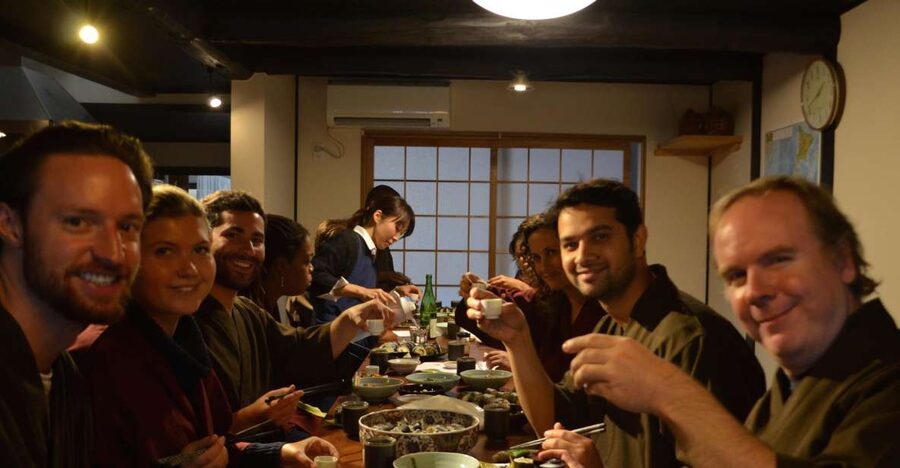
The eating breaks are not an afterthought. They are part of the class design and help explain the social side of izakaya dining.
You eat what you have made while talking with the chef. This creates space for questions about ingredients, cooking habits, and Japanese food culture. The information supplied for the class does not promise a formal lecture, so think of the cultural education as conversation woven into the meal.
That informal style is one of the reasons the activity works well for a Kyoto afternoon. You get food in front of you, but you also learn why certain ingredients matter and how dishes are normally enjoyed. The class can fill a gap in a sightseeing schedule, especially if you want an indoor activity or a break from temples and walking.
The food is meant to be eaten, not merely photographed. Past menus have been described as diverse, traditional, and tasty, with several dishes served during the session. Participants often found the recipes approachable rather than overly elaborate.
There is also a small but important social benefit. Cooking gives a mixed group something to do together right away. You do not need to make conversation from scratch because the food provides a natural subject.
More bar hopping tours in Kyoto:
- Kyoto: Izakaya Bars Guided Walking Tour
★ 4.9 · 815 reviews - Kyoto Bar Hopping Night Tour
★ 5.0 · 613 reviews - Kyoto Local Bar Crawl in Kawaramachi Area
★ 5.0 · 378 reviews - Izakaya Style Cooking Class
★ 5.0 · 219 reviews
The second round and the final meal
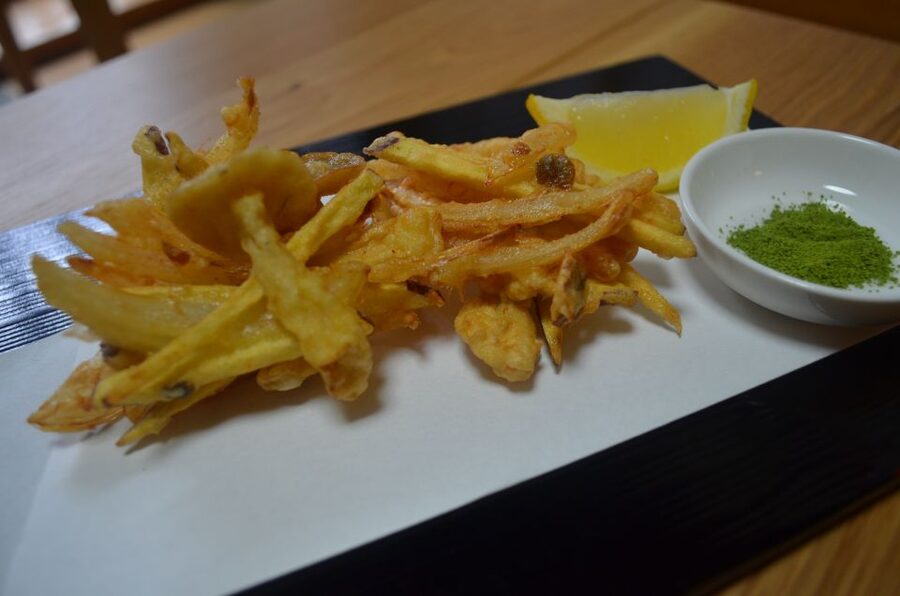
After the first meal, you return to the kitchen for another two or three dishes. This second round is where the afternoon can feel full and fast paced.
Some sessions have produced six dishes in total, including dessert. Another account describes five savory dishes and one dessert. The advertised format allows two or three dishes in each part, so the final number depends on the session and menu.
That difference is worth keeping in mind when you book. You will learn several dishes, but you should not assume that every class has the exact same menu or number of plates.
The advantage of making many dishes is variety. You get a broader sample of Japanese cooking, from foundational broth and sauces to more complete plates. The drawback is that you may not spend a long time mastering one recipe. The chefs keep things moving so the group can finish the full meal within three hours.
Once the second round is ready, you eat again. This gives the class a satisfying finish: you have worked with the ingredients, watched the dishes come together, and then sat down to enjoy the complete result.
Recipes and ingredients you can use at home
The class earns extra value from the recipe materials. Several sessions have provided a documented recipe set or recipe book, with step-by-step instructions that participants felt they could follow at home.
That is more useful than taking a few photographs of a demonstration. You can remember the names of ingredients, check the method later, and try the dishes again when the holiday is over.
The recipes focus on food that is realistic for a home cook. Past participants have been especially pleased that the dishes were tasty without being too hard to reproduce. One person left eager to stock mirin and dashi in the kitchen cupboard, which tells you something about the practical nature of the lesson.
You may need to find Japanese ingredients after returning home. The provided information does not specify where to buy them or offer substitutions, so ask the chef during class if you are unsure about sourcing or replacing an ingredient.
The best approach is to take notes about the brands, textures, and quantities that the chef uses. You receive recipes, but a quick question about a sauce or broth can make the difference between a successful repeat and a disappointing one.
Equipment, accessibility, and dietary needs
Ingredients, an apron, and utensils are included. Reports from past sessions describe a well-prepared setup, with cookware and cutlery ready before cooking begins. One class provided each participant with an individual set of equipment and close help from three chefs.
That organization matters because it cuts down on waiting. You can concentrate on the food instead of searching for a knife or sharing every tool with the whole room.
The activity is listed as wheelchair accessible. If accessibility is important for your booking, confirm any specific needs with Cooking Sun in advance, since the available information does not describe door widths, seating arrangements, or kitchen layout.
Dietary requirements should be reported when you book. Do not wait until you arrive. A vegetarian participant was accommodated with separate pans and utensils, which is encouraging, but the supplier needs advance notice to plan ingredients and cooking arrangements.
The class includes shared eating as well as preparation, so dietary needs affect both the menu and the cooking process. Clear information at booking gives the instructors the best chance to provide a suitable setup.
Is 67 dollars good value?
At $67 per person, this is not the cheapest way to eat lunch in Kyoto. It is also not simply a meal. You are paying for three hours of instruction, ingredients, equipment, several dishes, cultural conversation, and recipes to take home.
The value is strongest if you will actually use what you learn. A person who wants to cook Japanese food after the trip gets more from this class than someone seeking only a quick meal.
The number of dishes also helps the price. If your session includes five or six plates, you are sampling a broad range of food and learning several methods in one afternoon. The class would feel less worthwhile if you wanted an in-depth lesson on one specialty, but that is not what this format promises.
I also consider the class a good use of time in Kyoto because it combines food, culture, and social contact indoors. You do not need to arrange separate restaurant research, ingredient shopping, and a cooking lesson.
Flexible booking adds practical value. You can reserve now and pay later, and cancellation is free up to 24 hours before the activity for a full refund. Check the available starting times before building the rest of your day around it.
Who will enjoy this Kyoto cooking class?
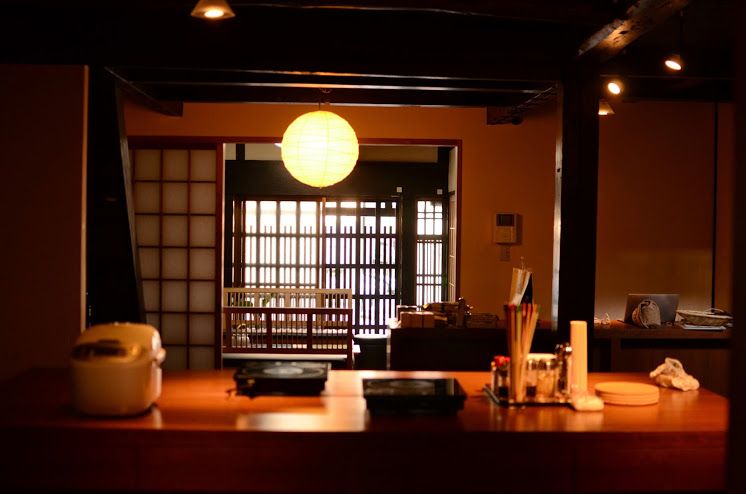
This class suits you if you:
- Want to learn everyday Japanese dishes rather than only sushi
- Enjoy hands-on activities more than passive sightseeing
- Are a beginner who appreciates clear, patient instruction
- Already cook and want to learn Japanese techniques and seasonings
- Want recipes you can repeat at home
- Are traveling with family, including teenagers
- Need an indoor Kyoto activity
- Like meeting people while sharing a meal
It also works for couples, solo visitors, and mixed-age groups. A non-cooking spouse can take part, and families have enjoyed the format with teenagers.
You may want a different activity if you dislike group cooking, have very limited time, or want a specialized lesson in one dish. The two-part format covers a lot, but it can feel fast paced. You should also notify the supplier early about dietary requirements.
Final verdict: should you book it?
I would book this class if you want a useful, friendly introduction to Japanese food that reaches beyond the usual sushi lesson. Its best qualities are the approachable recipes, clear English instruction, warm chefs, and the chance to eat what you prepare.
The 4.9 rating from 241 reviews matches the consistent strengths of the activity: excellent staff, tasty food, careful organization, and recipes that can be recreated at home. The main caution is pace, not quality. You will cover a lot in three hours, and the exact menu can vary.
For the strongest experience, arrive ready to participate, ask about dashi, mirin, and substitutions, and tell Cooking Sun about dietary needs when booking. At $67, it is a solid choice for food-focused visitors who want to take a little of Kyoto’s kitchen culture home with them.
FAQ
Where does the cooking class meet?
The meeting point is Cooking Sun at Funayacho, Shimogyo Ward, Kyoto, Kyoto 600-8466.
How long does the class last?
The class lasts three hours.
How much does the class cost?
The listed price is $67 per person.
What language is used during the class?
The instructor teaches in English.
How many dishes will I cook?
The class format includes two or three dishes in the first cooking section and another two or three dishes in the second. Past sessions have included six dishes, including dessert, but the exact menu can vary.
Is the food only sushi?
No. The class focuses on izakaya-style dishes and Japanese home cooking. Past sessions have included okonomiyaki, dashi broth, savory dishes, and dessert.
Are ingredients included?
Yes. Ingredients are included in the class price.
Do I receive cooking equipment?
Yes. An apron and utensils are included. Past sessions have also provided cookware and cutlery for participants.
Can I request vegetarian or other dietary adjustments?
You should tell the local supplier about dietary requirements when booking. Advance notice is important for planning the ingredients and cooking setup.
Can I cancel for a refund?
You can cancel up to 24 hours in advance for a full refund. The activity also offers reserve now and pay later booking.
More Drinking Tours
- Kyoto Night Foodie Tour in Gion (9+ dishes + 6 Sake tastings)
★ 5.0 · 1,762 reviews - 3-Hour Kyoto Insider Sake Brewery Tour with Tastings & Pairings
★ 5.0 · 917 reviews - Arashiyama Bamboo, Temple, Monkeys, or Secret Sake Brewery
★ 4.8 · 886 reviews - Kyoto: Insider Sake Brewery Tour with Sake and Food Pairing
★ 5.0 · 704 reviews
Just added around Kyoto
- Kyoto: Gion Night Walking Tour with Geisha Insight★ 5.0 · 39 reviews
- Kyoto: Private Customizable Day Trip by Car★ 5.0 · 38 reviews
- Kyoto: Full Day Bike Tour★ 4.9 · 39 reviews
- Private Japanese Calligraphy in Kyoto – Learn Shodō with a Master★ 5.0 · 39 reviews
- Kyoto: Gion Evening Walk with Hidden Gems, Geisha & Sake★ 5.0 · 41 reviews
- Experience a tea ceremony in an authentic tearoom, in Kyoto!★ 4.5 · 41 reviews
- Kyoto Private Photo Shoot & Tour by SnapKyoto★ 5.0 · 41 reviews
- The Way of Tea: Kyoto Crafts, Hidden Temples & Wabi-Sabi Walk★ 5.0 · 41 reviews
Cooking Classes, compared.
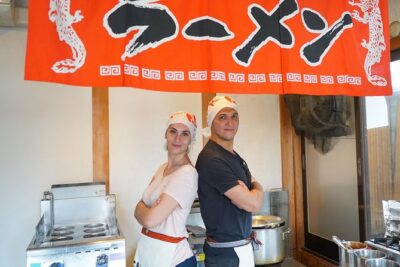
Ramen Cooking Class at Ramen Factory in Kyoto
Read our review →
Ramen & Gyoza Cooking Class in Tokyo with Local Supermarket Visit
Read our review →
Ramen Cooking Class at a Ramen Factory with Souvenir
Read our review →
Japanese Washoku Bento Small Group Cooking Class
Read our review →
Easy Ramen Cooking Experience in Kabukicho, Shinjuku
Read our review →
Ramen and Sushi Cooking Class with Sake Pairing Set in Tokyo
Read our review →Browse the lists this tour appears in