
Reviewed · COOKING CLASSES
Izakaya Style Cooking Class
Good food is better when you can remake it. This three-hour Kyoto class gives you a practical look at izakaya cooking, the small-dish style served at casual Japanese pubs, while teaching techniques you can use at home. I like the hands-on format, the chance to prepare several dishes, and the included dinner made from your own work. The main consideration is that the menu changes with the season, so you may not cook every dish listed in the description.
I also like the personal help from the English-speaking instructors. Classes are limited to eight people per booking, and the teaching team is praised for keeping beginners, children, experienced cooks, and people with dietary needs involved. At $71.63 per person, the price is fair for three hours of instruction, ingredients, an apron, recipes, and a full meal. Just ask about the price of any extra drinks before accepting them.
In This Review
- Key points at a glance
- What izakaya cooking means in Kyoto
- Arriving at Cooking Sun at 2 p.m.
- Starting with the story behind the food
- Learning dashi, the base of Japanese flavor
- Preparing six dishes with a working kitchen team
- What you may actually cook
- Sitting down to eat your own izakaya dinner
- Is $71.63 a fair price?
- Who should book this Kyoto class?
- A practical afternoon plan
- Final verdict: should you book it?
- FAQ
- Where does the Izakaya Style Cooking Class take place?
- What time does the class start?
- How long does the cooking class last?
- Is dinner included?
- Is the class taught in English?
- What dishes will be prepared?
- Are ingredients and an apron included?
- Can dietary requirements be accommodated?
- What is the cancellation policy?
Key points at a glance
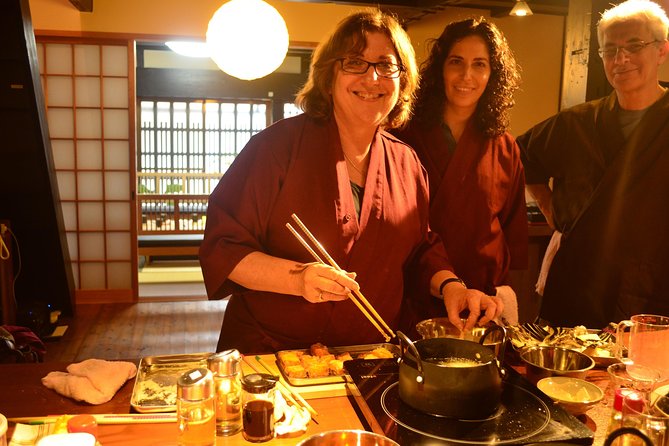
- Make dashi from scratch: Learn the basic Japanese soup stock that gives many dishes their savory depth.
- Cook several small dishes: Menus may include spinach with sesame sauce, teriyaki yellowtail, vegetable chowder, mushroom tempura, and vegetable rice.
- Eat what you prepare: Dinner is included, so the class ends around a shared table rather than with a quick taste.
- Work in a traditional Kyoto house: Cooking Sun is at 679 Funayacho in Shimogyo Ward, in a traditional wood house.
- Small-group instruction: The maximum is eight people per booking, with hands-on help from English-speaking instructors.
- Take the lesson home: Recipes let you repeat the dishes for friends and family after your trip.
What izakaya cooking means in Kyoto
Izakaya is often compared with Spanish tapas, but the comparison only goes so far. It is a Japanese style of casual eating built around small plates, drinks, and conversation. You might order several dishes for the table instead of settling on one large main course.
The tradition grew from sake shops. In the Edo period, some shops began serving food alongside sake, giving customers a reason to stay longer. Today, izakaya restaurants are used by people of all ages for relaxed meals and small parties at a reasonable cost.
That background matters because this is not a sushi-making class. You are learning the kind of food people often eat at home or in casual restaurants: soups, vegetables, grilled fish, fried ingredients, rice, sauces, and small side dishes. It gives you a wider view of Japanese food than the familiar sushi and teriyaki shorthand.
I like this focus because it shows how Japanese cooking depends on balance. A simple cucumber salad or spinach dish can rely on the right mix of sesame, soy, vinegar, or other seasonings. The class is less about complicated restaurant presentation and more about building flavor with a few well-used ingredients.
More Cooking Classes in Kyoto
- Ramen Cooking Class at Ramen Factory in Kyoto
★ 5.0 · 1,937 reviews - Kyoto: Ramen Cooking Class at a Ramen Factory with Souvenir
★ 4.9 · 532 reviews - Kyoto: Ramen, Gyoza, and Onigiri Cooking Class
★ 5.0 · 445 reviews
Arriving at Cooking Sun at 2 p.m.
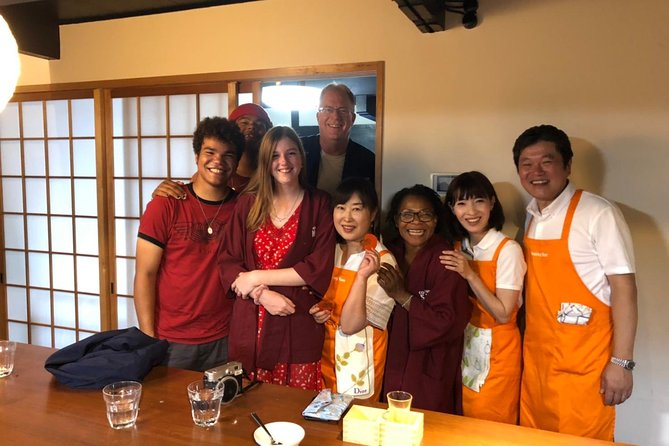
The class begins at 2 p.m. at Cooking Sun, located at 679 Funayacho, Shimogyo Ward, Kyoto, 600-8466. The activity ends at the same meeting point, and hotel pickup and drop-off are not included. The studio is near public transportation, but you should allow enough time to locate the traditional wood house before the start.
The afternoon timing works well with a Kyoto sightseeing day. You can visit a temple or market in the morning, then spend the afternoon cooking and eating. Since dinner is part of the class, you do not need to plan a separate evening meal immediately afterward.
The class is capped at eight people per booking. That is small enough for direct help, but the room can feel more active when several people attend together. The teaching team appears to handle this by dividing tasks, preparing ingredients in advance, and moving around the room to help each participant.
The practical setup is simple. Ingredients, an apron, and an English-speaking cooking instructor are included. Bring an appetite, since the class can produce a substantial amount of food. One family found the class suitable for adults and children aged 10 and 12, and the teaching style was clear enough for different skill levels.
Starting with the story behind the food
The session begins with an introduction to izakaya and its place in Japanese food culture. This short explanation helps you understand why the dishes are served in small portions and why several different flavors appear in one meal.
You also learn about the ingredients and tools used in Japanese home cooking. This is useful if you shop for Japanese ingredients at home, since the class explains how sauces and condiments differ instead of treating them as interchangeable bottles.
The instruction is in English. The teaching team is praised for clear demonstrations and patient answers, with Keiko and her team named as especially welcoming and well organized. The exact instructor can vary, but you should expect a class designed for people who do not already speak Japanese or know Japanese cooking techniques.
The class suits beginners, but experienced home cooks will not be left twiddling their thumbs. You can pick up new combinations of seasonings, ways to use Japanese utensils, and methods for preparing familiar ingredients in a different style.
Learning dashi, the base of Japanese flavor
One of the most useful parts of the class is learning to prepare dashi. This Japanese soup stock appears in many dishes, and understanding it gives you a better sense of why Japanese soups and sauces taste so balanced.
Rather than simply eating a finished soup, you see how the stock is made and how it supports other ingredients. That is the kind of lesson you can repeat at home because it explains a basic technique, not just one fixed recipe.
The class also covers Japanese seasoning methods. The goal is not to bury food under sauce. It is to understand how different condiments work together and how small adjustments change the final dish.
This is where the experience offers value beyond a restaurant meal. You might forget the exact name of a dish, but learning how dashi and seasonings function gives you a tool for making other Japanese dishes later.
More bar hopping tours in Kyoto:
- Kyoto: Izakaya Bars Guided Walking Tour
★ 4.9 · 815 reviews - Kyoto Bar Hopping Night Tour
★ 5.0 · 613 reviews - Kyoto Local Bar Crawl in Kawaramachi Area
★ 5.0 · 378 reviews - Kyoto: Afternoon Japanese Izakaya Cooking Class
★ 4.9 · 241 reviews
Preparing six dishes with a working kitchen team
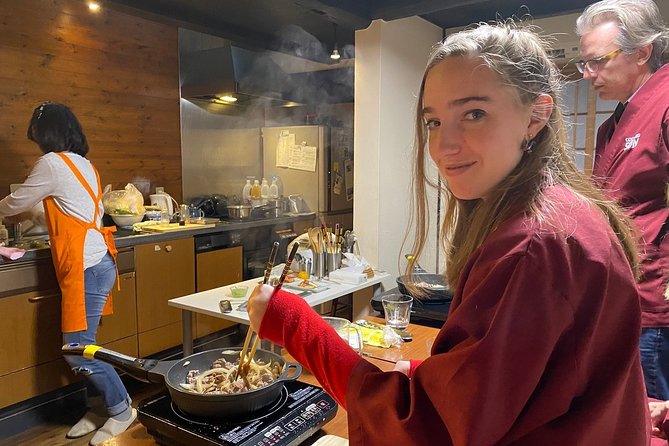
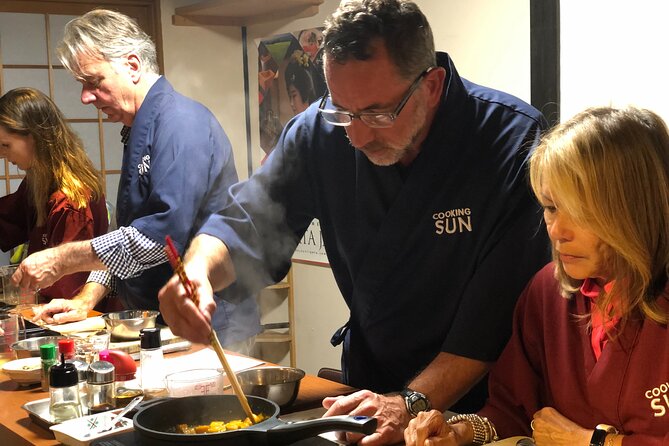
After the demonstration, you get involved. You may chop, season, cook, and assemble several dishes under the guidance of the instructors. The exact menu changes according to seasonal ingredients, so the examples are best treated as a guide rather than a promise.
Possible dishes include:
- Spinach with sesame sauce
- Teriyaki yellowtail
- Vegetable chowder
- Mushroom tempura
- Rice with vegetables
- Other izakaya-style side dishes and desserts
Some sessions have included six dishes, with a mix of soup, vegetables, fish, fried food, rice, and dessert. That range is one of the strongest parts of the class. You are not spending three hours perfecting one recipe. You are learning how several small dishes fit together as a meal.
The advance preparation also matters. Ingredients may be partly prepared before you begin, which leaves more time for cooking, tasting, and learning. This is a good choice for a first class because you get a broad introduction without spending the whole afternoon on repetitive chopping.
The tradeoff is that you may not perform every step from start to finish. If you want a highly technical chef-training session, this class may feel light. If you want practical recipes and a relaxed pace, the preparation is sensible.
The instructors work as a team, keeping the work areas tidy and bringing ingredients forward as the group moves from one recipe to another. That organization helps the class cover a lot without feeling rushed.
What you may actually cook
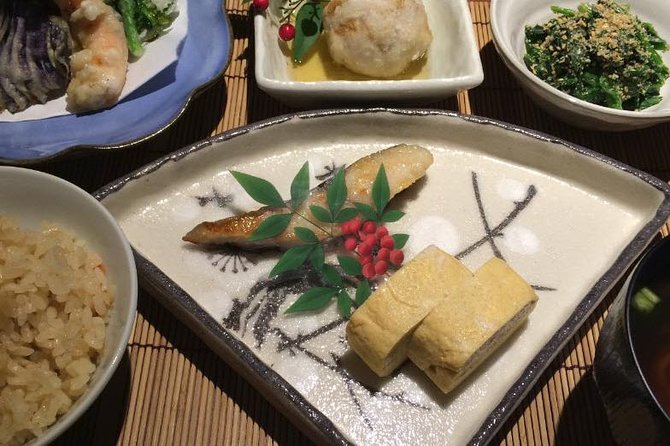
The menu is seasonal, which is a plus for freshness but means the final dishes are not fixed. Yellowtail, mushrooms, spinach, vegetables, soup, rice, and dessert may appear in different combinations depending on what is available.
A few specific dishes have received particular praise. Cucumber salad has been a favorite for some cooks, while pumpkin soup and mochi dessert have also appeared in popular menus. You may also encounter a pasta dish, though one participant hoped for Japanese noodles instead. This is a useful warning if you expect every course to be traditionally Japanese in form.
The cooking itself is described as approachable. Recipes are designed for home use rather than demanding restaurant equipment. That makes the class especially helpful if you want to recreate the meal after returning home.
You should still advise Cooking Sun about dietary requirements when booking. Vegetarian substitutions have been handled without fuss, and allergies, including celiac needs, have been accommodated in some classes. Give clear information in advance, since the menu and ingredients can change.
Sitting down to eat your own izakaya dinner
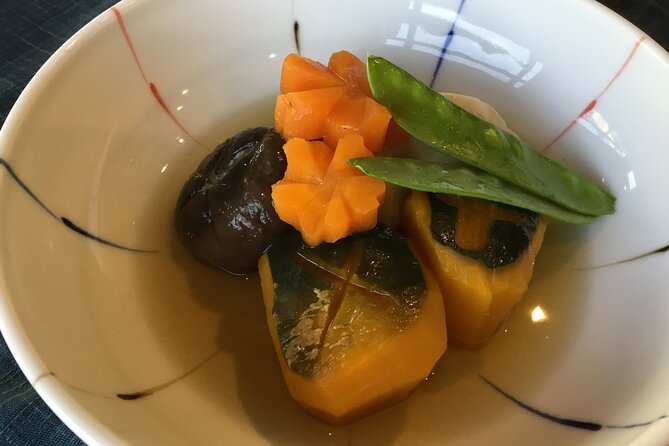
The class ends with everyone sitting down to enjoy the food. Dinner is included in the $71.63 price, along with ingredients and the apron, so the meal is not an afterthought or a small sample.
This shared table is an important part of the izakaya idea. Small plates arrive in stages, and you can see how separate dishes create a complete meal. It also gives you time to ask final questions about ingredients, substitutions, and where to eat in Kyoto after the class.
You can ask the instructor for restaurant tips and other recommendations before leaving. That informal conversation may be as useful as the formal lesson, especially if you want to explore Kyoto’s casual food scene.
Be careful with drinks. Dinner is included, but food and drinks are otherwise included only when specified. One participant was offered sake and later learned that it cost 600 yen per glass. I would ask the price before accepting any additional drink, particularly if the offer comes during a busy part of the meal.
Is $71.63 a fair price?
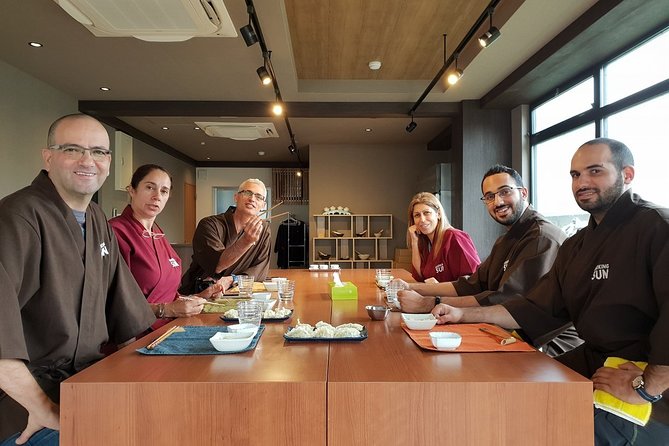
For Kyoto, $71.63 is not the cheapest way to eat lunch or dinner. You could find a casual izakaya meal for less, especially if you order modestly. But a restaurant meal would not include three hours of instruction, cooking help, ingredients, an apron, and recipes.
The value is strongest if you will actually use what you learn. Someone who enjoys cooking can return home with several practical dishes, a better grasp of dashi, and new ideas for sauces and seasonings. If you only want to eat Japanese food, the class costs more than a normal meal and may not be the best fit.
Families also get good value from the format. Instead of booking separate sightseeing activities, adults and children can work on one shared project. The class has been suitable for children, but every child should be comfortable following kitchen instructions and handling food safely.
Group discounts are available, and mobile tickets make the booking simple. Confirmation is provided at booking. The cancellation policy is forgiving if your plans change: cancel at least 24 hours before the 2 p.m. start for a full refund. Changes or cancellations inside 24 hours are not accepted for a refund.
Who should book this Kyoto class?
I would choose this class if you want a hands-on food activity that explains everyday Japanese cooking. It is a strong match for:
- First-time visitors who want more than sushi and teriyaki
- Home cooks who want repeatable Japanese recipes
- Families seeking a shared afternoon activity
- Vegetarians or people with allergies who can provide notice
- Couples and small groups who enjoy eating what they make
- Anyone curious about dashi, Japanese sauces, and seasonal ingredients
It may be less suitable if you want a fixed menu, advanced knife training, or a class devoted only to one dish. The seasonal menu is part of the appeal, but it also means you cannot count on every listed recipe.
The class is also not a sightseeing tour. There is no hotel transport and no major Kyoto landmark built into the activity. Its reward is time spent inside the cooking studio, learning and eating with the group.
A practical afternoon plan
Plan to arrive at the Cooking Sun meeting point before 2 p.m. Since the exact location details are provided at booking, check them carefully and use public transportation as needed. Wear something comfortable for kitchen work, though an apron is supplied.
Do not schedule a rushed temple visit immediately before class. You will get more from the lesson if you arrive calm, ready to listen, and hungry enough to enjoy dinner later.
Tell the operator about allergies and dietary needs at the time of booking. Do not wait until the class begins. If you are interested in sake, ask about any extra charge before ordering.
At the end, take the recipes with you and make notes while the techniques are fresh. The recipes are one of the best reasons to take this class, since they turn a pleasant afternoon into something you can use long after Kyoto.
Final verdict: should you book it?
Yes, if you want to understand Japanese home cooking through several approachable dishes rather than simply watch a chef work. The combination of dashi instruction, hands-on preparation, shared dinner, and take-home recipes makes the $71.63 cost reasonable.
I would book it for a family, a couple, or a small group with mixed cooking experience. I would skip it only if you need a guaranteed menu or prefer restaurant dining without a lesson. For most people, this is a useful and tasty way to spend three Kyoto hours, with enough practical knowledge to keep cooking once the trip is over.
FAQ
Where does the Izakaya Style Cooking Class take place?
The class takes place at Cooking Sun, 679 Funayacho, Shimogyo Ward, Kyoto, 600-8466, Japan.
What time does the class start?
The class starts at 2 p.m.
How long does the cooking class last?
The experience lasts approximately three hours.
Is dinner included?
Yes. Dinner is included, along with the ingredients used for cooking.
Is the class taught in English?
Yes. An English-speaking cooking instructor leads the class.
What dishes will be prepared?
The menu changes with seasonal ingredient availability. Possible dishes include spinach with sesame sauce, teriyaki yellowtail, vegetable chowder, mushroom tempura, and rice with vegetables. Some sessions prepare about six dishes.
Are ingredients and an apron included?
Yes. All cooking ingredients and an apron are included.
Can dietary requirements be accommodated?
You should advise Cooking Sun of specific dietary requirements when booking. Vegetarian and allergy accommodations have been handled in classes, but the menu may vary.
What is the cancellation policy?
You can cancel at least 24 hours before the experience start time for a full refund. Cancellations or changes made less than 24 hours before the start time are not accepted for a refund.
More Drinking Tours
- Kyoto Night Foodie Tour in Gion (9+ dishes + 6 Sake tastings)
★ 5.0 · 1,762 reviews - 3-Hour Kyoto Insider Sake Brewery Tour with Tastings & Pairings
★ 5.0 · 917 reviews - Arashiyama Bamboo, Temple, Monkeys, or Secret Sake Brewery
★ 4.8 · 886 reviews - Kyoto: Insider Sake Brewery Tour with Sake and Food Pairing
★ 5.0 · 704 reviews
Just added around Kyoto
- Kyoto: Private Customizable Day Trip by Car★ 5.0 · 38 reviews
- Kyoto: Gion Night Walking Tour with Geisha Insight★ 5.0 · 39 reviews
- Kyoto: Full Day Bike Tour★ 4.9 · 39 reviews
- Private Japanese Calligraphy in Kyoto – Learn Shodō with a Master★ 5.0 · 39 reviews
- Experience a tea ceremony in an authentic tearoom, in Kyoto!★ 4.5 · 41 reviews
- Kyoto: Gion Evening Walk with Hidden Gems, Geisha & Sake★ 5.0 · 41 reviews
- Kyoto Private Photo Shoot & Tour by SnapKyoto★ 5.0 · 41 reviews
- The Way of Tea: Kyoto Crafts, Hidden Temples & Wabi-Sabi Walk★ 5.0 · 41 reviews
Cooking Classes, compared.
Ramen Cooking Class at Ramen Factory in Kyoto
Read our review →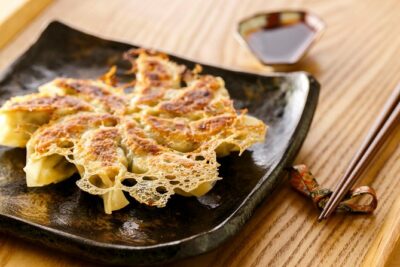
Ramen & Gyoza Cooking Class in Tokyo with Local Supermarket Visit
Read our review →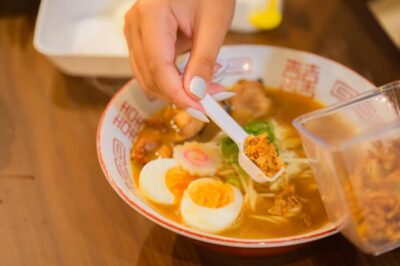
Ramen Cooking Class at a Ramen Factory with Souvenir
Read our review →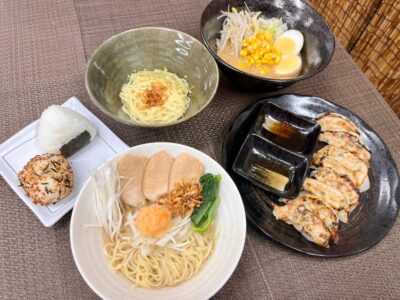
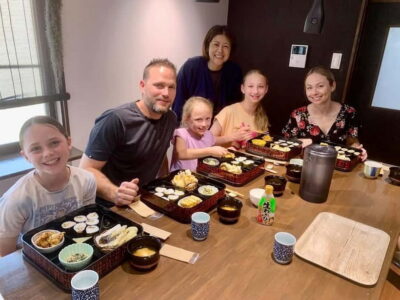
Japanese Washoku Bento Small Group Cooking Class
Read our review →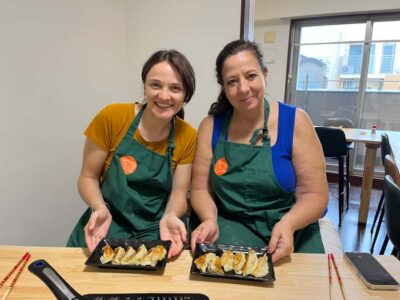

Easy Ramen Cooking Experience in Kabukicho, Shinjuku
Read our review →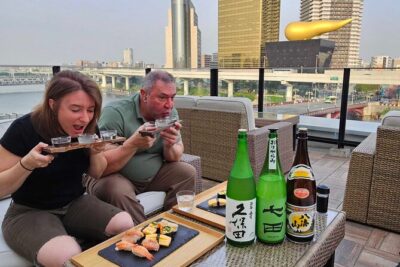
Ramen and Sushi Cooking Class with Sake Pairing Set in Tokyo
Read our review →Browse the lists this tour appears in