
Reviewed · ARASHIYAMA & BAMBOO GROVE TOURS
Kyoto/Osaka: Nara, Fushimi Inari Taisha, Arashiyama Bus Tour
Three classic sights, one very full day. This Kyoto and Nara bus tour packs deer at Nara Park, the red gates of Fushimi Inari Taisha, and Arashiyama’s bamboo grove into a 9 to 10 hour outing. I like the easy air-conditioned transport and the chance to cover three major sights without piecing together several train routes. I also like the friendly, organized guiding, with guides such as Amy, Willa, Christine, Fiona, and Laura praised for clear directions, humor, and helpful local suggestions.
The tradeoff is time. You get a useful taste of each place, but not a slow, open-ended day. The tour works best if you want an efficient first look at Kyoto and Nara, not if you prefer spending half a day at one temple or wandering without a schedule.
In This Review
- The day in six useful points
- Leaving Osaka or Kyoto early
- Meeting Nara’s sacred deer
- Walking beneath the gates at Fushimi Inari
- Choosing your own Arashiyama route
- Arashiyama Bamboo Forest
- Nonomiya Shrine
- Tenryu-ji Temple
- Togetsukyo Bridge
- Kimono Forest and the station footbath
- Why the bus format earns its $52 price
- Guide quality and the pace of the day
- What to bring and who should skip it
- Should you book this Kyoto and Nara tour?
- FAQ
- How long does the tour last?
- Where can I join the tour?
- Can I be dropped off in Osaka or Kyoto?
- Is Tenryu-ji Temple included in the price?
- What languages are available?
- Can I cancel the tour?
The day in six useful points
- Nara Park puts you close to more than 1,000 sacred deer, where a small packet of shika senbei creates an instant animal encounter.
- Fushimi Inari’s vermilion torii gates offer one of Japan’s most memorable walks, though one hour and ten minutes only covers the lower section.
- Arashiyama gives you several choices, including the bamboo forest, Nonomiya Shrine, Tenryu-ji, Togetsukyo Bridge, and Kimono Forest.
- The bus saves energy and planning time, especially when traffic and transfers between Osaka, Nara, and Kyoto would otherwise eat into your day.
- English and Chinese guiding is available, and the strongest guide feedback centers on organization, humor, history, and keeping the group on time.
- The $52 price is strong value if you want transport, parking, fuel, taxes, and a guide bundled together.
Leaving Osaka or Kyoto early
The bus departs Osaka at 8:00 a.m. and Kyoto at 9:00 a.m. There are two pickup choices: Harimaya Nippombashi 1-chome in Osaka, or the Sunken Garden at the Hachijo Entrance Square of Kyoto Station.
You need to arrive 10 to 15 minutes early. This is not a casual show up when you feel like it excursion. The bus leaves on time, since every stop depends on the full group moving together.
The Osaka departure is useful if you are staying in Osaka and want to see Kyoto without changing trains. The Kyoto departure is better if you are already based near Kyoto Station or want to finish back in Kyoto. At booking, tell the operator where you want to be dropped off, Osaka or Kyoto. Without that request, the return point defaults to the pickup location.
The air-conditioned vehicle is the day’s practical backbone. The route covers several cities and major attractions, so avoiding repeated ticket purchases, station changes, and navigation has real value. Several guide names appear across the operating days, including Amy, Willa, Christine, Fiona, Laura, Tracy, and Frederick. The specific guide varies, but the strongest pattern is clear communication before each stop and careful reminders about where and when to meet the bus.
More Bus Tours in Kyoto
- PERFECT KYOTO 1-Day Bus Tour
★ 5.0 · 13,518 reviews - Kyoto: Fushimi Inari, Kinkakuji, Bamboo Grove 1 Day Bus Tour
★ 4.8 · 4,316 reviews - Kyoto: Hop-on Hop-off Sightseeing Bus Ticket
★ 3.9 · 2,034 reviews
Meeting Nara’s sacred deer
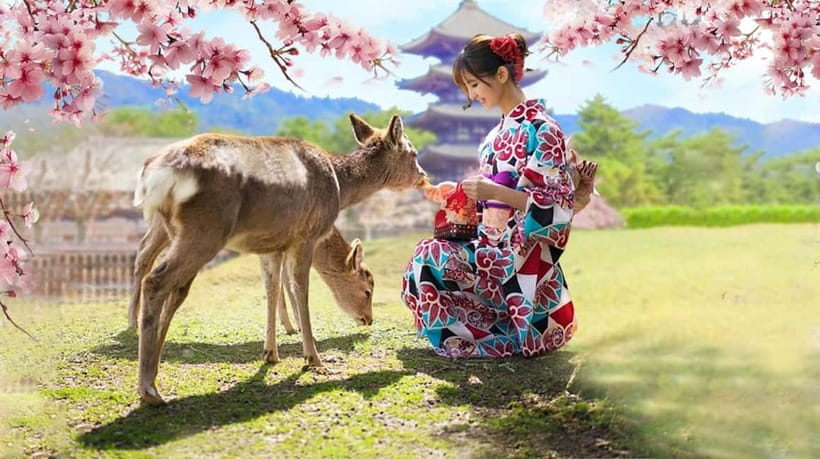
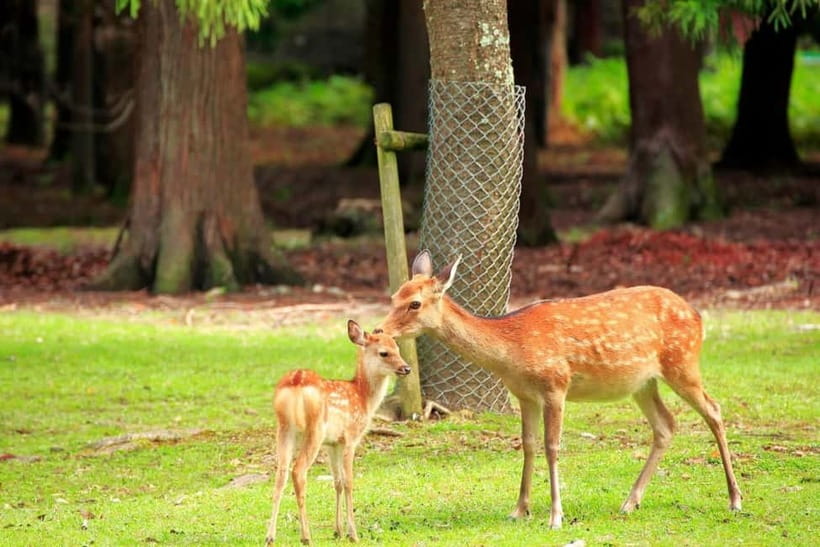
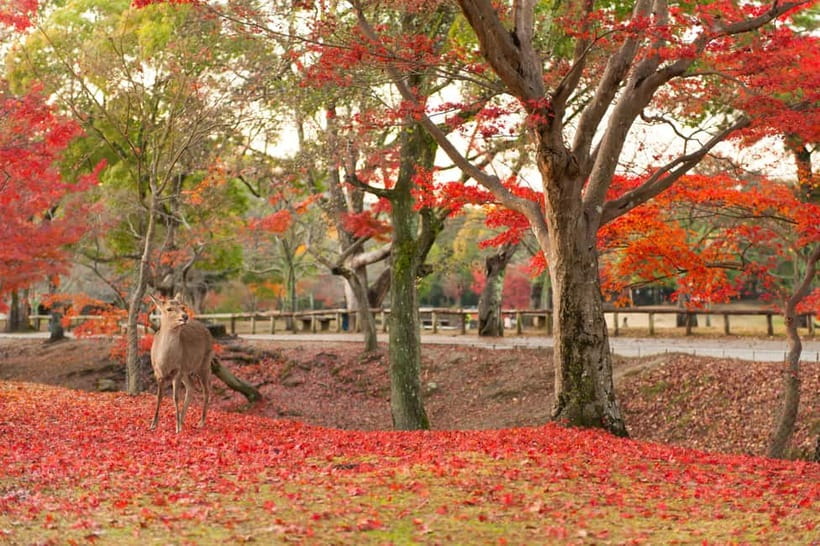
Nara Park is the first major stop, with about one hour for free time and sightseeing. The park’s deer are regarded as divine messengers, and they roam freely around the paths, temple approaches, and open spaces.
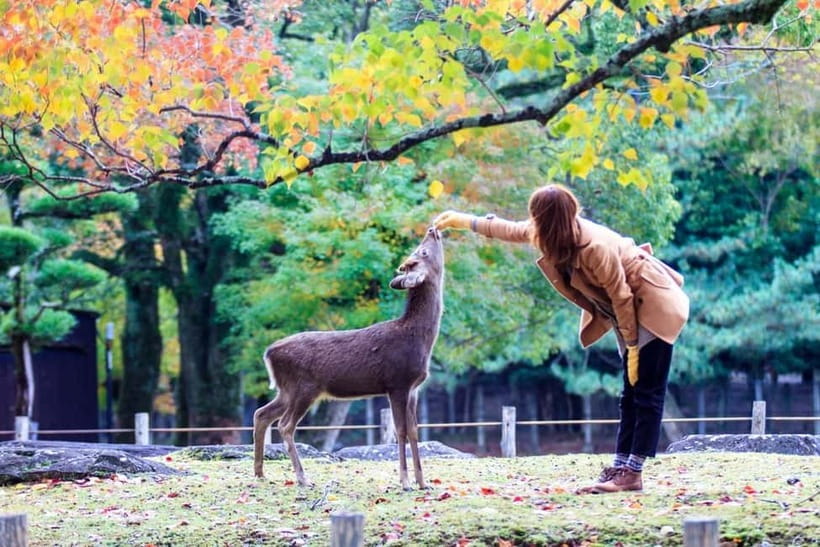
The classic activity is feeding them shika senbei, special deer crackers sold in the park. You can feed, pet, and photograph the deer, but keep your attention on the crackers and your hands. Once the food is gone, show the deer your empty hands. This simple trick helps avoid an enthusiastic search for more snacks.
I like this opening stop because it gets you into the character of Nara quickly. You are not just looking at an attraction from behind a barrier. The animals are part of the public space, which makes the encounter memorable, especially for families and first-time visitors.
One hour is enough for the main deer experience and a quick look around. It is not enough for a leisurely visit to every historic site in the park. If you want to spend time inside major temples or explore Nara at a slower pace, you will need a separate visit.
Nara can also feel busy and commercial near the most popular deer areas. Go in expecting a lively public park rather than a quiet woodland retreat. Comfortable shoes help, and water is worth carrying because the day involves repeated walking.
Walking beneath the gates at Fushimi Inari
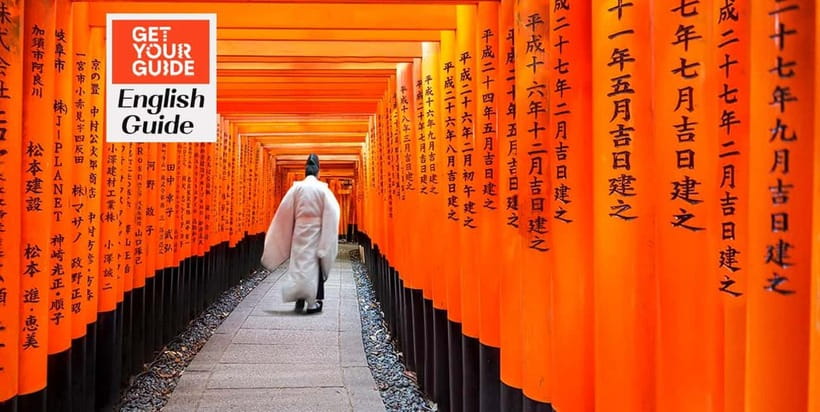
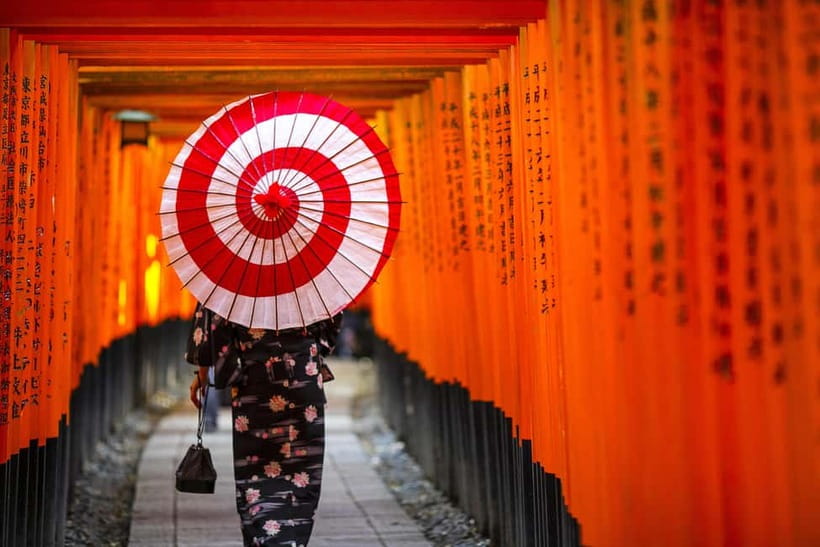
The bus then heads to Fushimi Inari Taisha for about 70 minutes. The shrine is dedicated to the god of prosperity and is famous for its long rows of vermilion torii gates. More than 10,000 gates run up Mount Inari, creating the tunnel-like walk that appears in countless photographs and films, including Memoirs of a Geisha and Detective Conan.
This is likely the most atmospheric stop of the day. At the lower shrine grounds, the gates form a striking corridor of orange-red posts and dark lettering. The effect changes as you walk. In one moment, you are surrounded by color and people. In the next, a turn in the path offers a quieter stretch.
The allotted time is enough to enter the shrine grounds and walk through part of the torii route. It is not enough to reach every upper section of the mountain at a relaxed pace. Do not treat the visit as a full Mount Inari hike. Think of it as a focused introduction to the shrine’s lower paths.
I would make this your photo priority. The gates are most impressive when you stop looking only for the perfect frame and notice the repetition, shadows, and small shrine details along the way. Wear shoes with a good grip, since the route includes steps and uneven sections.
Fushimi Inari also gives the day a useful contrast. Nara is about open space and animals. Here, the experience is more enclosed, symbolic, and ceremonial. You get a different side of Japanese religious culture without needing a separate excursion.
Choosing your own Arashiyama route
Arashiyama receives the longest portion of the day, with roughly two and a half hours described for the area, though the detailed stop breakdown divides that time among several sights. This is the part of the tour where your choices matter most.
You can follow the guide’s suggestions, take photographs, eat local street food, visit a temple, or simply walk. The time is self-guided, so you are not locked into one group route at every moment. That freedom is helpful, but keep an eye on the meeting time. Arashiyama’s sights are spread out, and an appealing side street can quietly eat half an hour.
More Temple & Shrine Tours in Kyoto
- Kyoto: Tea Ceremony in a Traditional Tea House in Kiyomizu
★ 4.9 · 3,519 reviews - Kyoto: Tea Ceremony Ju-An at Jotokuji Temple
★ 4.9 · 3,207 reviews - Fushimi Inari Hidden Hiking Tour (Private Option Available)
★ 5.0 · 1,750 reviews - Osaka/Kyoto:Kinkakuji,Arashiyama,FushimiInariShrine,NaraPark
★ 4.1 · 1,596 reviews
Arashiyama Bamboo Forest
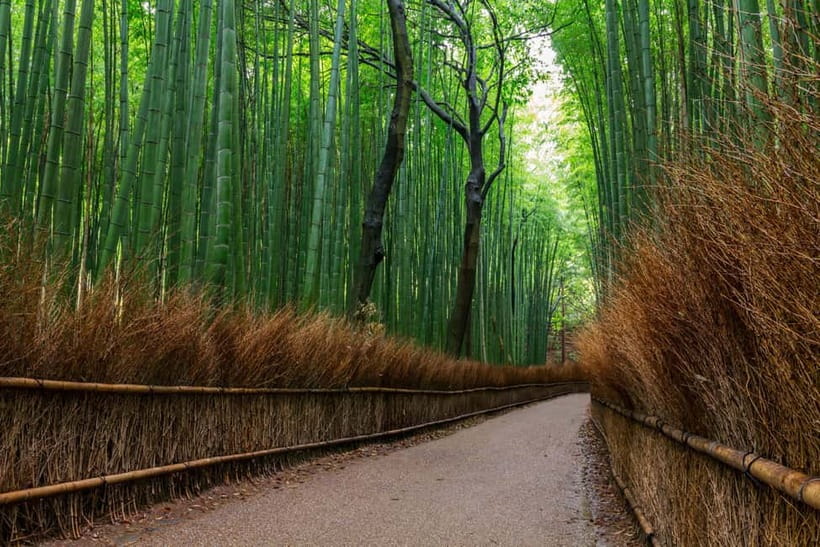
The bamboo forest is the headline stop, with about 15 minutes listed for the dedicated visit. Tall bamboo stalks rise on both sides of the path, filtering the light and creating a calm, almost enclosed walkway.
Fifteen minutes is enough for a short walk and photographs, but it is brief. If you stop constantly for pictures, you may cover only a small section. The forest is also one of the most popular places in the area, so do not expect complete solitude.
I would move through the main path first, then pause for photos on the return if time allows. The charm comes from the height and sound of the bamboo, not from checking off every possible angle. The forest is only one part of Arashiyama, so the wider free time is important.
Nonomiya Shrine
Nonomiya Shrine sits near the bamboo forest and dates back more than 1,000 years to the Heian Period. It is associated with love and academic success, and its unpainted Kuroki Torii is a distinctive feature.
This is a small shrine, so the 15 minute visit suits it well. It works as a quiet pause after the more photographed bamboo path. If you are interested in traditional architecture, look for the contrast between the dark natural gate and the bright greenery around it.
The shrine is also a reminder that Arashiyama is more than a photo backdrop. Its lanes connect small sacred places, gardens, bridges, food stops, and older buildings. You may not have time to explore all of them, but the tour gives you a useful starting point.
Tenryu-ji Temple
Tenryu-ji is a UNESCO World Heritage Site, and admission costs extra. Its main draw is the Sogenchi Garden, designed around the idea of borrowed scenery, using the surrounding hills as part of the garden view.
This is the stop most likely to tempt you away from the bamboo forest. If gardens and Zen temple design matter to you, paying the additional entrance fee can be worthwhile. If you would rather eat, shop, or visit the bridge, keep your money and use your free time elsewhere.
Do not assume the temple visit is included in the $52 price. It is specifically listed as an extra-fee option. That is a modest but important budget detail, particularly for families.
The garden is best approached slowly, but the wider tour schedule may not allow a long contemplative visit. You will get the essential view and atmosphere rather than an unhurried study of every garden feature.
Togetsukyo Bridge
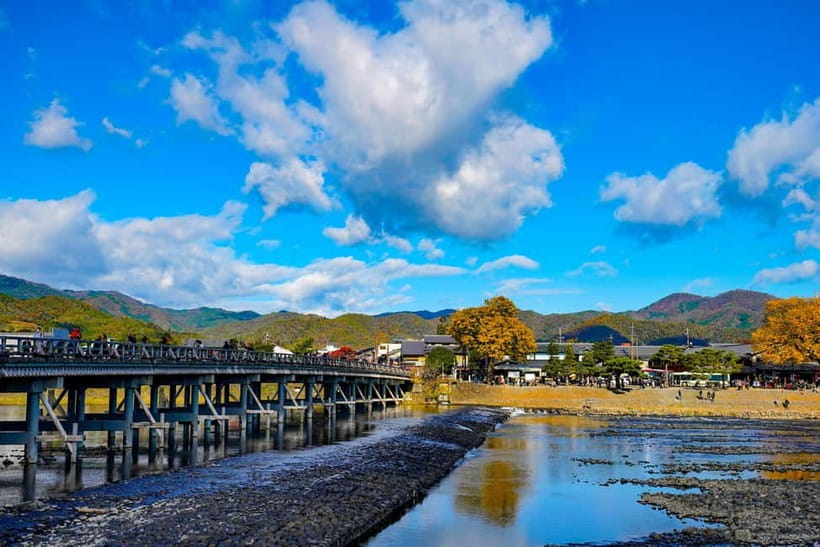
Togetsukyo Bridge is one of Arashiyama’s signature viewpoints. The bridge crosses the Katsura River, with broad views toward the surrounding hills and passing rickshaws that add an old-Japan touch.
The listed stop is about 15 minutes, enough to cross part of the bridge, take photographs, and look along the river. This is a good place to reset after the narrow bamboo path. The view opens up, and you can see why Arashiyama has long been a popular seasonal destination.
The bridge area is also a sensible place to keep the group schedule in mind. It is easy to walk farther along the river and lose track of time. Use the guide’s return instructions carefully.
Kimono Forest and the station footbath
Near Arashiyama Station, Kimono Forest is a modern art installation made from 600 pillars covered in Kyoto Kyo-Yuzen textile patterns. The colorful columns make a fun final photo stop and offer a different mood from the shrines and temple garden.
The tour also points you toward the Arashiyama station footbath, local restaurants, street food, the Rilakkuma Tea House, and other optional stops. These extras are not a fixed meal or guided activity. They are suggestions for using your free time.
Food and drinks are not included, so budget separately. The same applies to personal purchases and Tenryu-ji admission. I like this flexible arrangement because you can spend based on your interests, but it means you should not arrive expecting one covered group lunch.
Why the bus format earns its $52 price
At $52 per person, the price is appealing for a full day that includes an English speaking guide, an air-conditioned vehicle, taxes, parking, fuel, and handling fees. You are paying for transportation and coordination as much as for commentary.
Doing the same route independently is possible. Japan’s trains and buses are excellent, but three major sightseeing areas in one day require planning. You would need to watch departure times, choose the best order, handle crowded stations, and find each attraction after arrival. The tour removes much of that work.
The value is strongest for a first visit, a short stay, or anyone who feels uneasy navigating between Osaka, Nara, and Kyoto. It can also work well as a relocation day from Osaka to Kyoto, since one person described using it to see major sights while moving between the two cities.
The value is weaker if you already know Kyoto well or want long visits at individual sites. A self-guided day gives you more control, especially at Fushimi Inari and Arashiyama. The tour’s schedule is efficient, but efficiency always means some compromise.
Guide quality and the pace of the day
The guide can make or break a group tour, and this operation receives especially strong praise for friendly, lively leadership. Amy is repeatedly singled out for organization, humor, helpful explanations, and taking photographs. Willa is praised for warmth, timing, and clear information. Christine receives credit for keeping people together in rain and offering useful suggestions.
Other guides named during the operating period include Fiona, Laura, Frederick, Jackson, Theodore Chan, Tracy, Anson, Sofia, and Elisa. The guide assigned to your bus may differ, but you can expect the role to include meeting instructions, background before each arrival, time reminders, and help with local choices.
The high overall score of 4.7 from 1,275 ratings, along with 87 percent perfect transport ratings, supports the view that organization is a major strength. The bus driver is also part of that equation. Several comments praise smooth, careful driving from drivers identified as Mr. Wu, Mr. Yoshi, Mr. Ricky, Mr. Dragon, Mr. A, and others.
The pace is a personal choice. Some people find each stop long enough for the main sights. Others find the timing stressful because there is so much to see. I would describe it as brisk but reasonable for a highlights tour. The guide’s reminders matter, so keep your phone, watch, and meeting instructions handy.
What to bring and who should skip it
Wear comfortable shoes and clothes. Bring water and an umbrella, since weather can affect the day. Smoking is not allowed.
This is not a good fit for wheelchair users or people with mobility impairments. The attractions involve walking, steps, uneven paths, and moving between several sites. Pregnant people and those aged 70 or above are asked to sign a travel waiver on arrival.
Tell the operator in advance if you have an infant, stroller, or large luggage. Japanese traffic rules count babies as passengers, so accurate information helps the company arrange suitable transport and avoid overloading the vehicle.
The tour suits you best if you:
- Have one free day for Kyoto and Nara
- Want the major sights without handling several connections
- Enjoy guided context but also want free time
- Are visiting Japan for the first time
- Prefer a fixed schedule and shared transport
You may prefer independent sightseeing if you want a long temple visit, a full climb at Fushimi Inari, or a slow afternoon in Arashiyama.
Should you book this Kyoto and Nara tour?
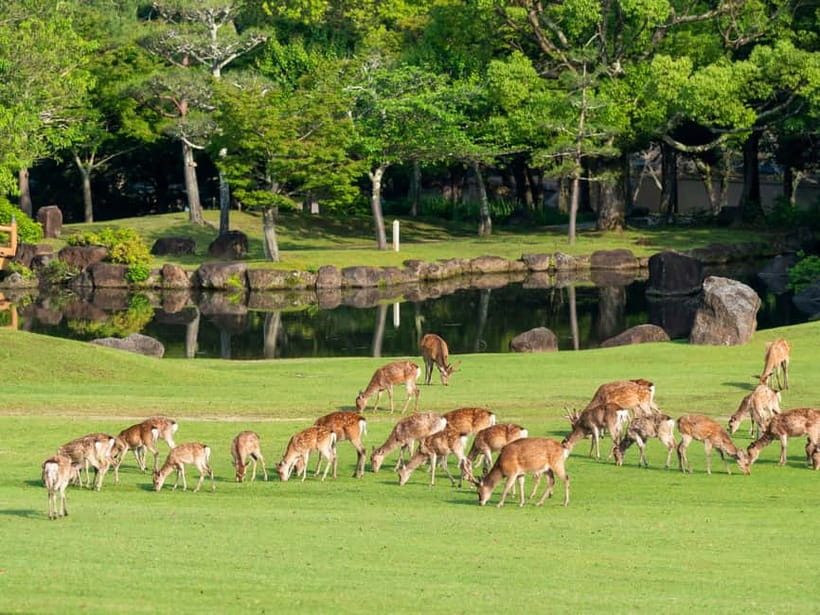
I would book it for a first look at the region, particularly if you are staying in Osaka and want a simple way to reach Kyoto and Nara. The deer, torii gates, and bamboo forest give you three very different Japanese experiences in one day, and $52 is fair for the transportation and planning included.
Go in with the right expectations. You are sampling famous places, not mastering them. Arrive early, wear sensible shoes, choose your Arashiyama priorities before departure, and tell the operator your preferred drop-off point.
If you want a relaxed day with time to linger, skip the bus and build your own itinerary. If you want a well-managed introduction with plenty of memorable photographs and a friendly guide keeping the wheels turning, this is a smart use of one day.
FAQ
How long does the tour last?
The tour lasts approximately 9 to 10 hours. The schedule may change because of traffic, weather, or other unforeseen conditions, which can affect the return time.
Where can I join the tour?
You can join at Harimaya Nippombashi 1-chome in Osaka or at the Sunken Garden in Kyoto Station’s Hachijo Entrance Square. The exact meeting point depends on the option booked.
Can I be dropped off in Osaka or Kyoto?
Yes. You should tell the operator your preferred drop-off location when you reserve. If you do not provide that information, drop-off defaults to the same point as pickup.
Is Tenryu-ji Temple included in the price?
No. Tenryu-ji admission requires an additional fee. Food, drinks, and personal expenses are also not included.
What languages are available?
Live guiding is available in English and Chinese.
Can I cancel the tour?
You can cancel up to 24 hours before the activity for a full refund. The reserve now and pay later option lets you hold a place without paying immediately.
More Arashiyama & Bamboo Grove Tours
- Kyoto Arashiyama Walking Tour: Bamboo, Monkeys, Gardens & Secrets
★ 5.0 · 1,216 reviews - Arashiyama Bamboo, Temple, Monkeys, or Secret Sake Brewery
★ 4.8 · 886 reviews - Kyoto: Arashiyama Bamboo Forest, Monkeys, Matcha & Temple Tour
★ 5.0 · 759 reviews - Osaka/Kyoto: Arashiyama, Nara & Fushimi Inari Shrine w/Lunch
★ 4.4 · 754 reviews
Just added around Kyoto
- Kyoto: Private Customizable Day Trip by Car★ 5.0 · 38 reviews
- Kyoto: Gion Night Walking Tour with Geisha Insight★ 5.0 · 39 reviews
- Kyoto: Full Day Bike Tour★ 4.9 · 39 reviews
- Private Japanese Calligraphy in Kyoto – Learn Shodō with a Master★ 5.0 · 39 reviews
- Experience a tea ceremony in an authentic tearoom, in Kyoto!★ 4.5 · 41 reviews
- Kyoto: Gion Evening Walk with Hidden Gems, Geisha & Sake★ 5.0 · 41 reviews
- Kyoto Private Photo Shoot & Tour by SnapKyoto★ 5.0 · 41 reviews
- The Way of Tea: Kyoto Crafts, Hidden Temples & Wabi-Sabi Walk★ 5.0 · 41 reviews
Arashiyama & Bamboo Grove Tours, compared.
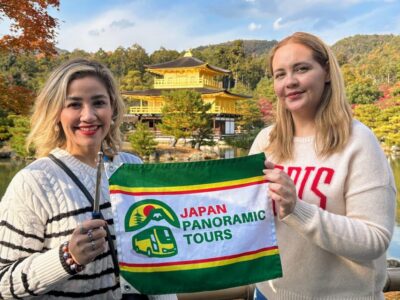
Fushimi Inari, Kinkakuji, Bamboo Grove 1 Day Bus Tour
Read our review →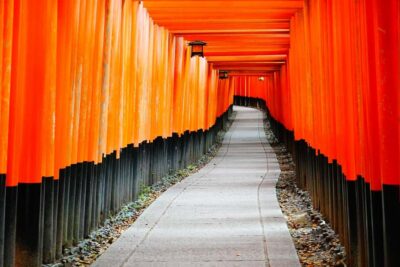
Osaka/Kyoto:Kinkakuji,Arashiyama,FushimiInariShrine,NaraPark
Read our review →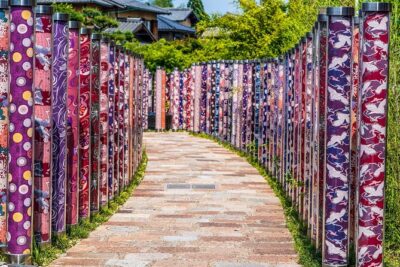
Kyoto Arashiyama Walking Tour: Bamboo, Monkeys, Gardens & Secrets
Read our review →
Arashiyama Bamboo, Temple, Monkeys, or Secret Sake Brewery
Read our review →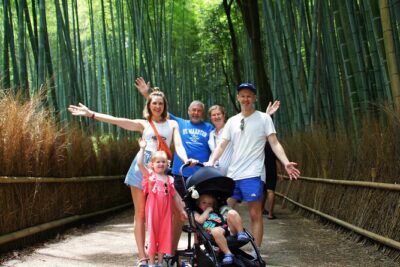
Arashiyama Bamboo Forest, Monkeys, Matcha & Temple Tour
Read our review →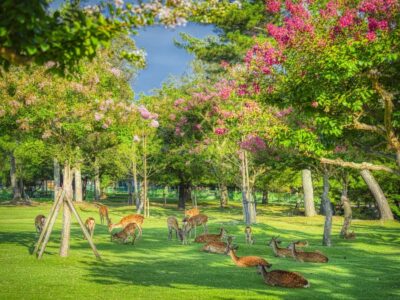
Osaka/Kyoto: Arashiyama, Nara & Fushimi Inari Shrine w/Lunch
Read our review →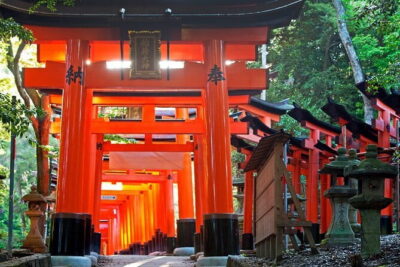
Nijo, Kinkaku-ji, Arashiyama, Kiyomizu & Fushimi Inari
Read our review →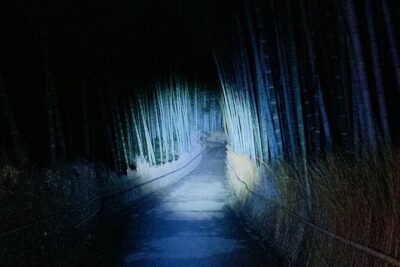
Kyoto Ghost Tour: Dark Tales, Urban Legends, Bamboo Forest Night
Read our review →Browse the lists this tour appears in