
Reviewed · SNORKELING
Okinawa : Kerama Whole Day Snorkeling Tour From Chatan/Naha
The best Okinawa memories may be underwater. This full-day trip from Chatan or Naha takes you to the protected waters of Kerama National Park, where you can snorkel above coral reefs, watch colorful fish, and perhaps meet a sea turtle. I especially like the choice of two or three snorkeling stops and the care shown by the crew, who help first-timers get comfortable in the water. The main drawback is that you do not land on the islands, and rough seas can reduce the number of stops.
I also like that the $94 price includes transport, equipment, insurance, a wetsuit in cooler months, and underwater photos when available. The trip is not a lazy boat ride, though. You must wear a life jacket at all times while snorkeling, and the equipment has weight limits, age limits, and health rules that you should check before booking.
In This Review
- Kerama snorkeling at a glance
- From Chatan or Naha to Kerama National Park
- What happens at the two or three snorkeling points
- A beginner-friendly approach to the water
- The optional introductory underwater session
- Coral care, sun protection, and what to bring
- What the $94 price really covers
- Who should book this Kerama outing
- What the strongest praise gets right
- Booking details worth checking before you pay
- Should you book the Kerama snorkeling tour?
- FAQ
- Where does the Kerama snorkeling tour depart from?
- Is there an extra port charge?
- Does the tour include lunch?
- How many snorkeling locations will the boat visit?
- Can I land on one of the Kerama Islands?
- Are sea turtles guaranteed?
- Do I need a license for the introductory underwater session?
- Can I fly on the same day after the introductory underwater session?
- What is the maximum weight for snorkeling?
Kerama snorkeling at a glance
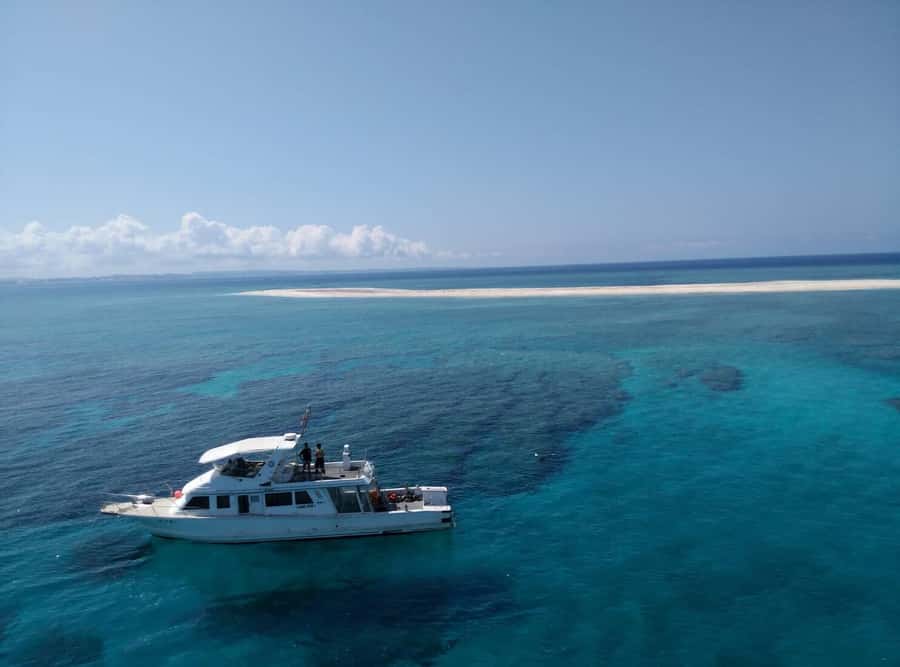
- Three possible water stops: The usual plan includes two or three locations around the anchored boat, with no island landing.
- Chatan or Naha departure: You can choose the port that fits your Okinawa plans, with a small extra facility fee for Chatan.
- Good for beginners: Guides assist nervous swimmers and can offer one introductory underwater session without a license.
- Sea turtles are possible, not promised: You may see turtles, clownfish, coral, and other fish, but nature sets the schedule.
- Photos may be included: Guides take pictures and video in the water, though an image of every participant is not guaranteed.
- Weather can change the plan: Sea conditions may shorten the trip or reduce three stops to one or two, with no partial refund.
From Chatan or Naha to Kerama National Park
This trip gives you a useful choice at the start. You can leave from Naha or from Chatan Hamagawa Fishing Port, depending on the booking option and what works best for your base in Okinawa.
That choice matters. If you are staying near Naha, a Naha departure avoids an unnecessary trip north. If you are based around Chatan, the local port is more convenient, but you should bring 200 Japanese yen in cash for the port facility fee. That charge applies to Chatan departures.
Transportation is included, which keeps the day simple. You arrive with your swimwear, towel, food, water, hat, sunscreen, and a change of clothes. Lunch is not included, so do not assume the boat provides a meal. Bringing food is part of the practical preparation.
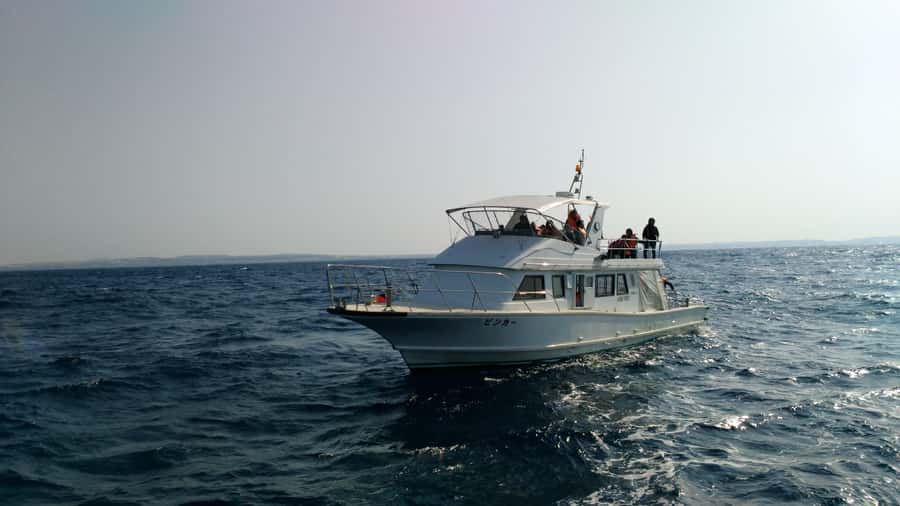
The tour heads out toward the Kerama Islands, a well-known area for clear water and coral habitats. The boat remains offshore throughout the activity. You will not walk on a Kerama island, visit a village, or spend time on a beach. This is a water-focused outing from start to finish.
More snorkeling trips in Japan:
- Okinawa: From Naha: Kerama Islands 1-day snorkeling tour
★ 4.4 · 423 reviews - Naha, Okinawa: Keramas Island Snorkeling Day Trip with Lunch
★ 4.7 · 370 reviews - [Miyako Island/Half Day] Sea Turtle Snorkeling
★ 5.0 · 337 reviews
What happens at the two or three snorkeling points
The boat anchors at two or three locations, depending on sea conditions and the day’s operating plan. You snorkel in the water around the boat rather than moving between islands by foot.
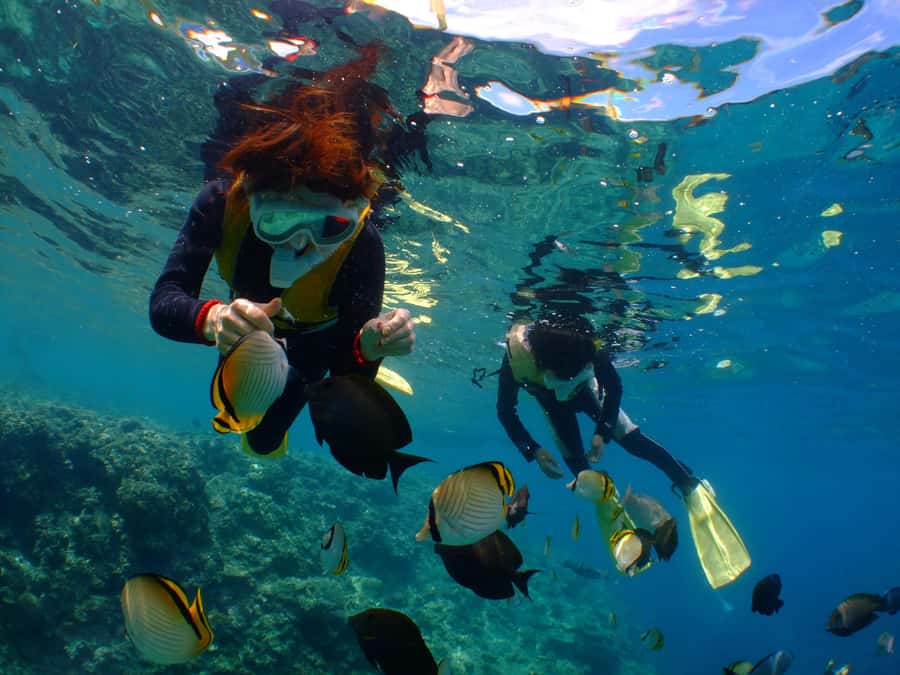
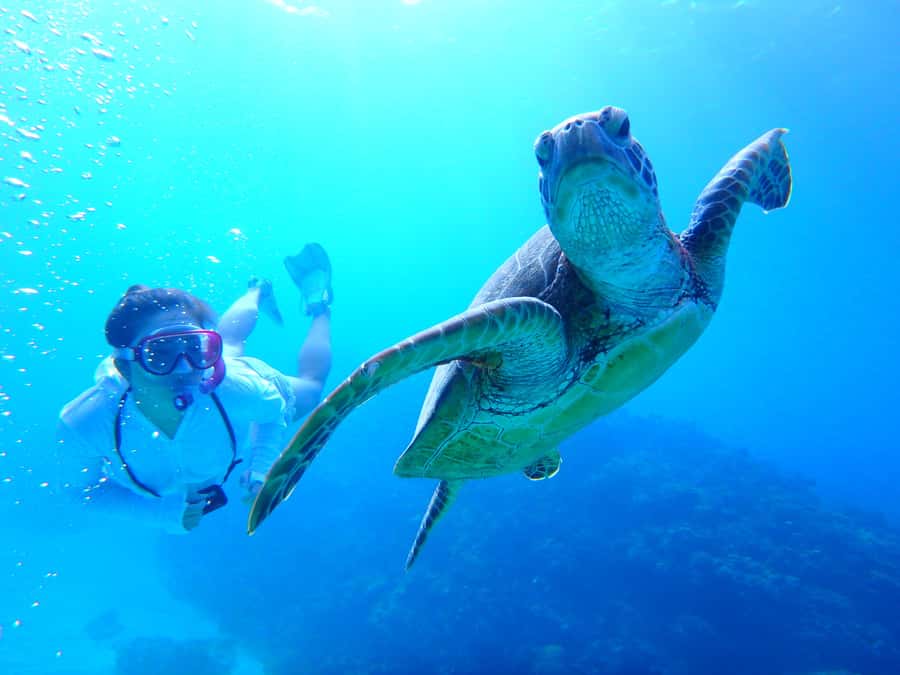
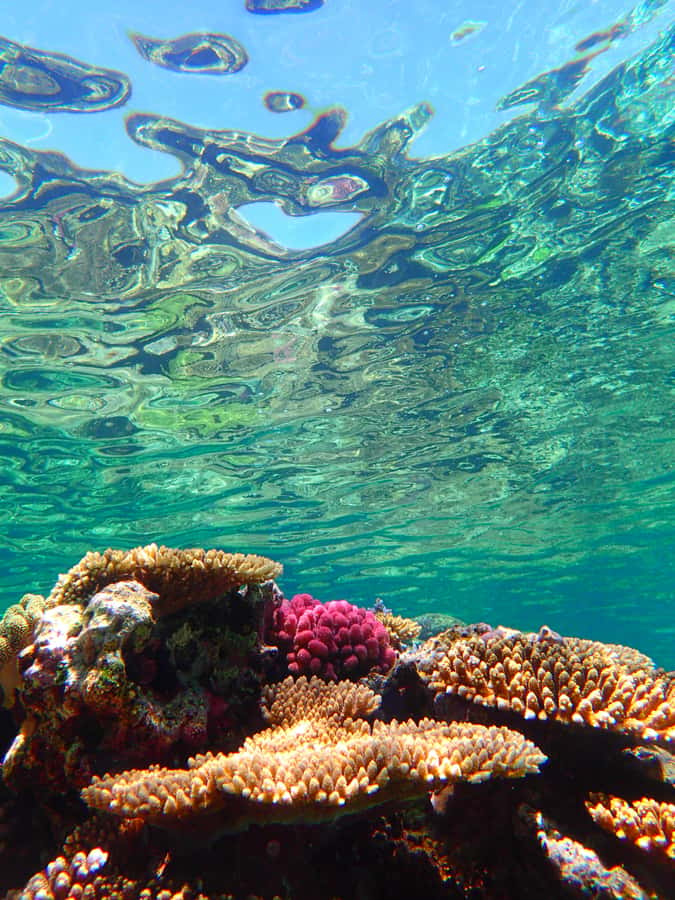
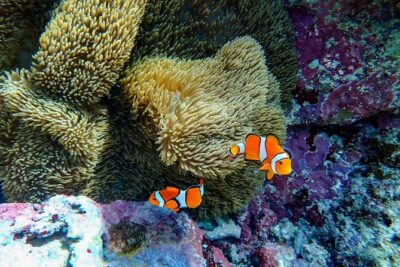
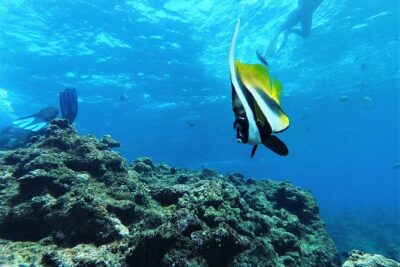
Each stop gives you a chance to look for a different mix of marine life. The water is described as exceptionally clear, with coral, clownfish, and many other colorful fish. Several people had especially good luck with turtles, including one outing where four turtles appeared at two different spots. Another sighting included a white-tip shark that moved away without bothering the group.
That kind of encounter is possible, but it is important to keep expectations sensible. Sea turtle sightings are not guaranteed, and wildlife may be absent even when the water conditions are excellent. The reefs and fish still provide the main attraction.
The usual three-stop plan offers better value than a single short swim. You get more time to adjust to the water and more chances to find interesting marine life. If you are new to snorkeling, the first stop can help you settle your breathing and learn how to use the mask. Later stops may feel easier because you already know the basic routine.
Conditions can change the schedule. The crew may visit only one or two points instead of three, or shorten the day if wind and waves make the planned route unsafe. That is a normal limitation of a sea trip, not a sign that the tour failed. Still, you should book it for the chance to explore Kerama waters, not as a guaranteed three-stop package.
A beginner-friendly approach to the water
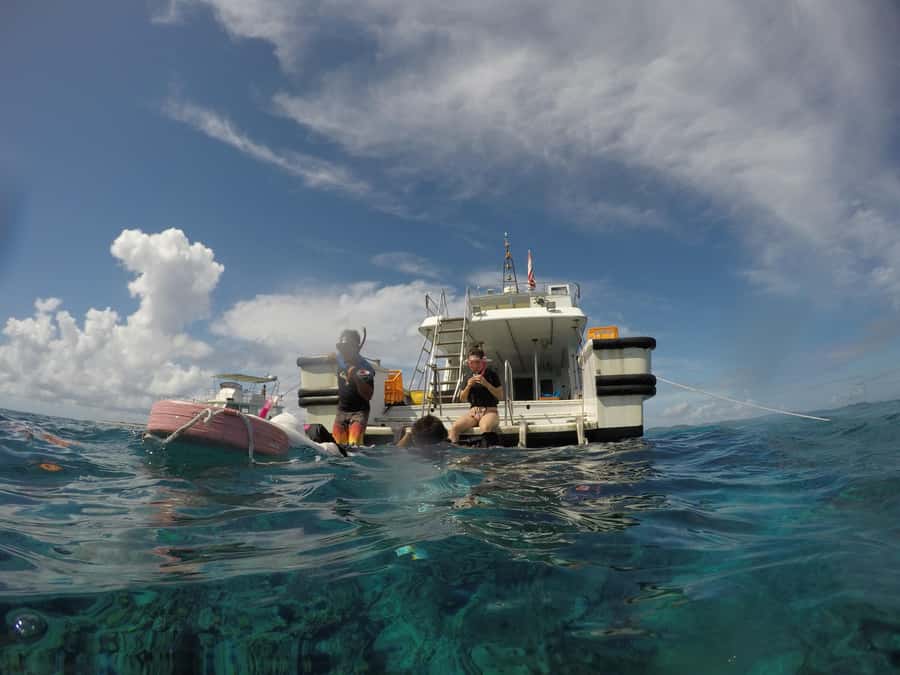
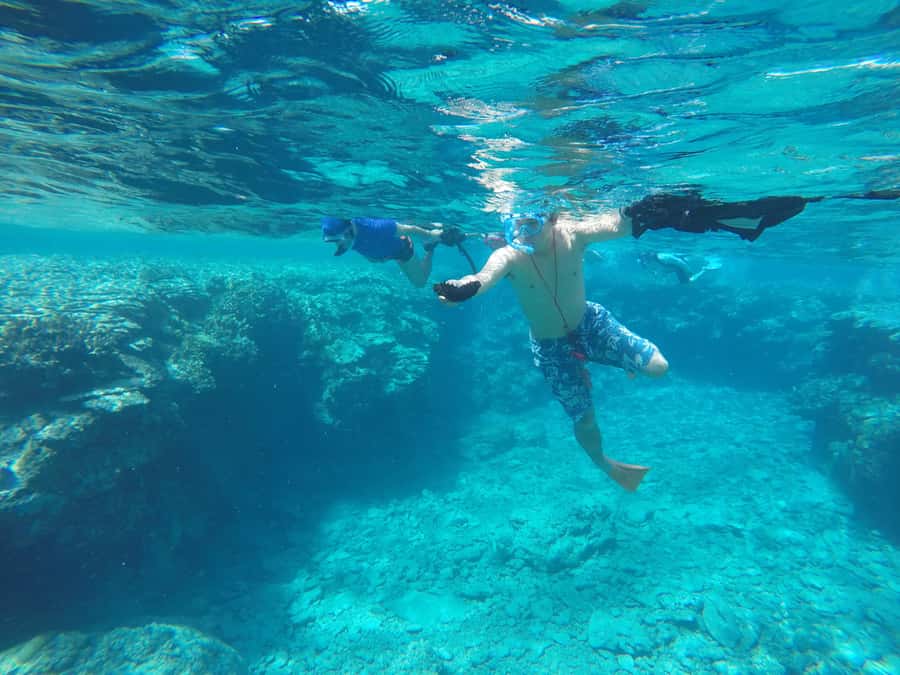
You do not need a snorkeling background to take part, but you do need to follow the safety rules. Life jackets are mandatory at all times for snorkeling, and skin swimming without one is not permitted.
That rule may disappoint confident swimmers who prefer to move freely. For beginners and less confident swimmers, it offers real reassurance. One particularly useful detail is that a guide noticed a first-time snorkeler was struggling, slowed down, and patiently showed her what to do. That kind of attention can make the difference between an anxious morning and an enjoyable one.
The crew also has two guides in the water at some points, according to the experience described by one participant. They helped with supervision and took underwater pictures and video. Photo service is included, but the operator cannot promise a picture of every person, so do not treat it as a guaranteed personal photo session.
The tour provider, Cerulean Blue Okinawa, lists English and Japanese support. The instructor’s English or Korean may be basic, so you should be ready to follow visual demonstrations and simple safety instructions. That is usually workable for a straightforward activity, but anyone needing detailed medical or technical explanations should ask questions before entering the water.
The optional introductory underwater session
You can choose standard snorkeling or add one introductory underwater session. No license is needed for this option, and full equipment rental is included.
If you choose it, you receive one session at either the first or second stop, depending on the number of participants and the day’s arrangement. You use the other stop or stops for snorkeling.
This option suits someone who wants to try a more serious underwater activity without committing to a certification course. It is not the same as a full day of certified underwater recreation. You get one introductory session, then return to snorkeling.
There is an important travel rule here: after the underwater session, you cannot take a flight on the same day because of pressure-related safety concerns. Plan at least one non-flying day after the tour if you select this option. Snorkeling-only participants do not have that specific restriction listed.
The equipment weight limit is also stricter for the introductory underwater option. Snorkeling has a maximum of 120 kilograms, or 265 pounds. The underwater option has a maximum of 100 kilograms, or 220 pounds. These limits are tied to equipment, so check them honestly before booking.
A few more Japan experiences worth weighing up
- From Tokyo: Mount Fuji Full-Day Sightseeing Trip
★ 4.5 · 4,970 reviews - Mount Fuji Full-Day Private Tour from Tokyo (Customizable)
★ 4.9 · 1,470 reviews - Hiroshima / Miyajima Full-day Private Tour with Government Licensed Guide
★ 5.0 · 1,298 reviews - Tokyo Private Full-Day Tour by Car or Van
★ 5.0 · 684 reviews
Coral care, sun protection, and what to bring
Okinawa’s strong sun can catch you off guard when you spend hours on open water. Bring sunscreen, but consider wearing a long-sleeved rash guard or swim shirt. One participant specifically recommended long sleeves because ordinary sunscreen can harm coral and because the extra fabric protects your skin.
You should pack:
- Swimwear and a towel
- Comfortable shoes
- A hat
- A change of clothes
- Food and water
- Reef-conscious sun protection
A wetsuit is included outside July, August, and September. During those three warmer months, wetsuits are not normally provided, but you can request one in advance if you want to rent it. Oversized wetsuits are not available for people close to or above 99 kilograms, or 220 pounds. You can still swim with a life jacket if the wetsuit does not fit.
Do not bring large bags, luggage, or a baby stroller. Smoking, alcohol, drugs, and littering are not allowed. Alcohol is also prohibited before the tour, not just on the boat. Those rules matter for safety, balance, and the protection of the water you came to enjoy.
Prescription masks are available in limited numbers. If you use contact lenses, disposable lenses are recommended. Bring only what you need for the day, since the boat is not a place for bulky personal belongings.
What the $94 price really covers
At $94 per person, this is a fairly strong package for a full day on the water. The price includes transportation, guidance, snorkeling equipment, a life jacket, insurance, and underwater photo data when available. A wetsuit is included in the cooler season, and the optional introductory underwater session includes the needed equipment.
You still need to budget for lunch, your own snacks, and the 200-yen Chatan port fee if that is your departure point. Those are small additions, but knowing about them avoids an awkward cash search at the port.
The value is strongest if you need equipment and transport. Renting gear separately, arranging your own boat trip, and finding suitable snorkeling areas would take more effort. The included guidance also helps first-timers, especially people who are not used to open-water conditions.
The value is less certain if you mainly want beach time or an island visit. There are no island landings, and the boat may visit fewer stops if the sea turns rough. You are paying for access to Kerama’s offshore water, not for a shore excursion with cafés, beaches, or village sightseeing.
The included photos add a pleasant bonus, especially if you do not have a waterproof camera. Still, because the crew cannot guarantee a picture of every participant, bring your own waterproof camera only if you can use it safely without losing focus on the guide and the group.
Who should book this Kerama outing
This tour suits adults and children who meet the age and health requirements and who want a full day centered on snorkeling. The minimum age for snorkeling is six, while the introductory underwater option starts at age ten. The maximum listed age is 60 for both activities, with additional information also advising against participation for people over 65.
Families should note that children under six cannot join. Minors under 20 in Japan need parental consent. Baby strollers and carriages are not allowed, so this is not a practical choice for a family with an infant who needs equipment on the boat.
You should not participate if you are pregnant, have heart or respiratory problems, high blood pressure, diabetes, epilepsy, or an ear infection. You also cannot join if you are hungover or under the influence of alcohol. A health check takes place on the day, and there is no refund if you fail it.
The trip may also work for cautious swimmers because life jackets are required and the guides provide instruction. It is not a good fit for someone who wants to free-swim without flotation gear, play loud music, carry lots of luggage, or treat the boat like a private party.
What the strongest praise gets right
The most consistent praise centers on the crew, the water, and the quality of the snorkeling spots. People describe the guides as friendly, careful, helpful, and well organized. That is especially important here because the day involves equipment, open water, boat movement, and participants with different skill levels.
The marine life can be excellent. Coral, clownfish, schools of colorful fish, and turtles are all possible. The standout encounters include several turtles at two locations and a white-tip shark sighting, but those are lucky moments rather than promises.
The clear water also helps beginners. You can often see the appeal quickly, even if you are not an expert at identifying coral or fish. Bring patience, listen to the guide, and keep your eyes open rather than rushing from one sight to the next.
One person finished earlier than expected and did not consider that a serious problem. This is a useful reminder that the exact length can shift with conditions and group needs. If you want a tightly timed day with every minute guaranteed, a sea tour may frustrate you. If safety and comfort matter more than a fixed schedule, that flexibility is reasonable.
Booking details worth checking before you pay
Cancellation is free up to 24 hours in advance for a full refund. The tour may be cancelled if fewer than four people are booked, with notice provided by the day before.
Weather and sea conditions may reduce the number of snorkeling points or shorten the outing. Unless the entire tour is cancelled, there is no refund for those changes. This is standard practical advice for any boat-based activity: keep another flexible plan for the day if the Kerama conditions turn poor.
You can reserve and pay later, which helps if your Okinawa schedule is still moving around. Before confirming, check your departure port, the activity choice, the applicable weight limit, and whether you need to request a wetsuit during the warmer months.
Should you book the Kerama snorkeling tour?
I would book this tour if you want a well-supported day in clear Kerama water, especially if you are a beginner or do not want to arrange transport and equipment yourself. The combination of two or three offshore stops, careful guides, included gear, insurance, and possible underwater photos gives the $94 price solid value.
I would skip it if you need an island landing, guaranteed turtle sightings, a private group, or total control over the schedule. Also skip the introductory underwater option if you plan to fly that day.
For most eligible visitors staying in Naha or Chatan, this is a practical way to reach Kerama National Park without fuss. Bring a long-sleeved swim shirt, food, water, and modest expectations about wildlife. The coral and clear water are the reliable rewards. The turtles are the lucky extra.
FAQ
Where does the Kerama snorkeling tour depart from?
You can choose a departure from Chatan or Naha. Chatan departures leave from Chatan Hamagawa Fishing Port.
Is there an extra port charge?
Yes. Chatan departures require a 200-yen port facility fee per person, paid in cash on the day. The provided information does not list the same fee for Naha departures.
Does the tour include lunch?
No. Lunch is not included. You should bring food and water.
How many snorkeling locations will the boat visit?
The plan is usually two or three snorkeling points around the anchored boat. Weather and sea conditions may reduce this to one or two.
Can I land on one of the Kerama Islands?
No. The tour does not include island landings. You snorkel in the water around the boat.
Are sea turtles guaranteed?
No. You may see sea turtles, but sightings are not guaranteed.
Do I need a license for the introductory underwater session?
No. A license is not required for the one introductory underwater session. Full equipment rental is included for that option.
Can I fly on the same day after the introductory underwater session?
No. You cannot take a flight on the same day after that activity because of pressure-related safety risks.
What is the maximum weight for snorkeling?
The maximum listed weight for snorkeling is 120 kilograms, or 265 pounds. The introductory underwater option has a lower limit of 100 kilograms, or 220 pounds.
Just added around Japan
- Kanazawa private half day/Photoshoot by professional photographer★ 5.0 · 38 reviews
- Osaka Food Tour with 10 Classic Japanese Tastings & Drinks★ 5.0 · 38 reviews
- Osaka: Highlights & Hidden Gems Private Walking Tour★ 4.7 · 38 reviews
- Tokyo Small Group Tour with Guide★ 4.5 · 38 reviews
- Tokyo 6hr Instagram Highlights Private Tour with Licensed Guide★ 5.0 · 38 reviews
- From Tokyo: Kamakura Private Customize Tour by Luxury Van★ 4.6 · 38 reviews
- Tokyo Sumo Experience with Live Show & Audience Challenge★ 5.0 · 38 reviews
- Kyoto: Private Customizable Day Trip by Car★ 5.0 · 38 reviews
Snorkeling, compared.
From Naha: Kerama Islands 1-day snorkeling tour
Read our review →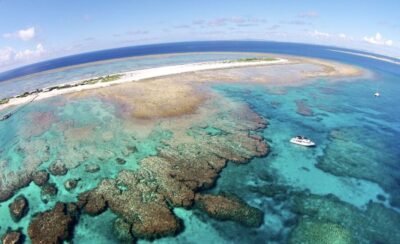
Naha, Okinawa: Keramas Island Snorkeling Day Trip with Lunch
Read our review →![[Miyako Island/Half Day] Sea Turtle Snorkeling](https://7.thejapaneseguide.com/wp-content/uploads/miyako-island-half-day-sea-turtle-snorkeling-400x267.jpg)
Snorkeling in the Blue Cave area【Okinawa Prefecture: Free feeding & photo images!English and Chinese speaking guide available!
Read our review →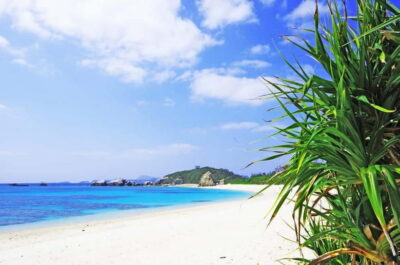
Ishigaki Island: Blue Cave Exploration & Snorkeling Tour
Read our review →
Naha: Full-Day Snorkeling Experience in the Kerama Islands, Okinawa
Read our review →Browse the lists this tour appears in