
Reviewed · SPA & HOT SPRINGS
Snowshoeing and Onsen Adventures in a Winter Wonderland -Sapporo.
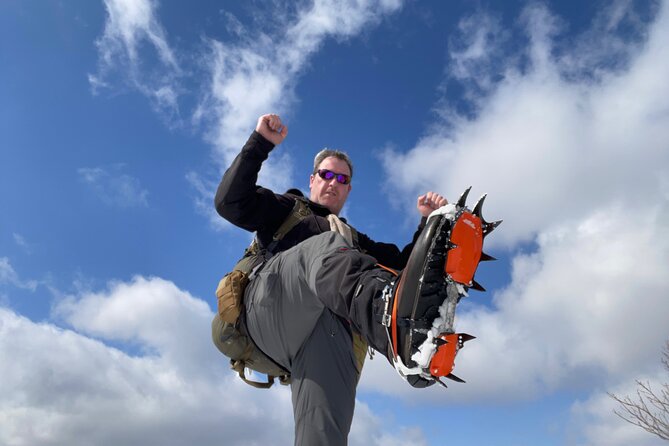
Snow turns Sapporo into a different city. This half-day outing takes you beyond the subway map and into quiet Hokkaido forest, where a small group, fresh powder, and an onsen do the heavy lifting. I like the maximum five-person group, which gives guide Chris room to adjust the pace and route. I also like that snowshoes, poles, gaiters, lunch, and onsen admission are included. The main catch is simple: you must bring your own warm clothing and snow-ready footwear.
You meet at Makomanai Station at 7:30am, then ride about 30 minutes to the trailhead in private transport. From there, expect equipment checks, a safety briefing, and a roughly five-hour snowshoe circuit with a lunch stop. The outing is rated 4 out of 10 for difficulty, but deep snow and slopes can still make it a workout.
In This Review
- Key points at a glance
- Leaving Sapporo for snow country
- What the five-hour snowshoe circuit feels like
- Snowshoe technique, safety, and the guide
- Lunch in a white forest
- Koganeyu Onsen, the proper finale
- Equipment and clothing: what you must handle
- A small group changes the value
- Who should book this Sapporo winter outing?
- Should you book it?
- FAQ
- Where does the tour begin?
- How long does the experience last?
- How many people can join?
- What equipment is included?
- Do I need to bring winter clothing?
- Is lunch included?
- Where is the onsen?
- What happens if the weather is poor?
Key points at a glance
- Small group of five or fewer: You get more personal help with snowshoes, pace, route choices, and safety.
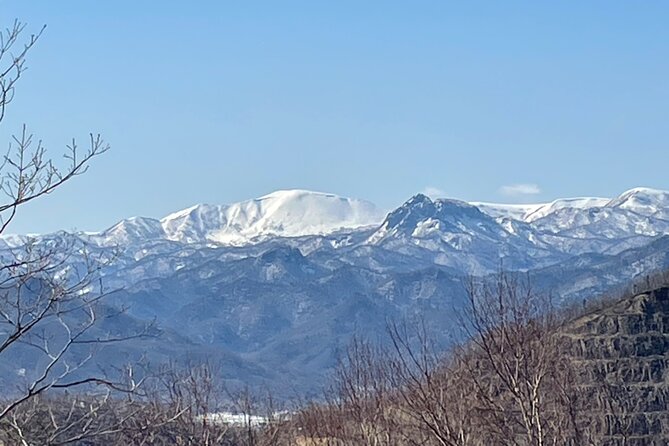
- A quiet forest escape: The route leads into snowy terrain near Sapporo, with mountain views, powder, animal tracks, and very few people in some areas.
- Chris guides the day: He is praised for clear communication, patience, local nature knowledge, and careful route choices.
- Lunch in the snow: Depending on the outing, lunch has included packed food, curry, hot cocoa, or a hot camp-stove meal.
- Koganeyu Onsen afterward: A warm soak gives cold legs a proper reward, with admission included.
- Bring your own winter kit: Cold-weather clothing and suitable hiking footwear are not supplied.
Leaving Sapporo for snow country
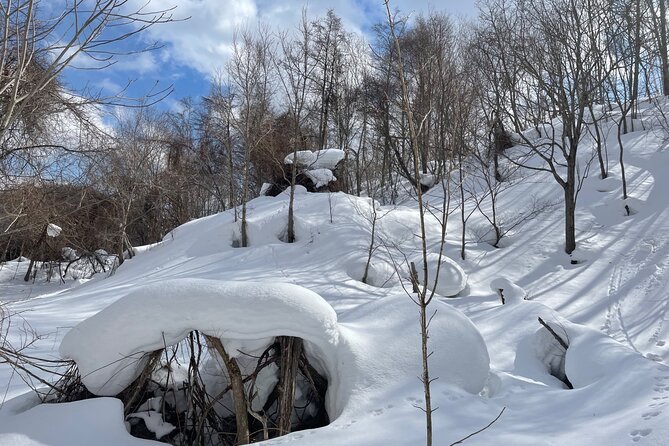
Sapporo has excellent winter attractions, but the city’s snow is not the whole story. This trip takes you toward the wooded hills outside town, where snow covers the trails, tree branches, and open views in a much quieter setting.
The early start is practical. Meeting at Makomanai Subway Station at 7:30am gets you out of the urban area before the day slips away. Makomanai is reachable by public transportation, and the meeting point avoids the fuss of finding a remote trailhead on your own.
From the station, private transport takes about half an hour to the start of the walk. Pickup is offered, but you should confirm the exact arrangement when booking. At the trailhead, Chris checks the snowshoes, trekking poles, and gaiters, then explains how to use them and how to move safely over snow.
That briefing matters, especially if this is your first time in snowshoes. The equipment is easy to understand, but uphill and downhill travel require different footwork. Chris has shown people how to climb slippery slopes and descend without losing balance, which is more useful than a quick demonstration followed by good luck out there.
More onsen experiences:
- From Osaka: Himeji Castle, Arima Onsen & Mt. Rokko Day Tour
★ 4.6 · 339 reviews - Osaka: Nara and Uji Day Trip with Deer Park and Hot Spring
★ 4.4 · 302 reviews - From Tokyo: Private Tour to Fuji/Hakone – Onsen, Art, Nature
★ 5.0 · 116 reviews
What the five-hour snowshoe circuit feels like
The walk is described as a five-hour circuit with a lunch stop. That makes this more than a short photo opportunity. You will spend a solid portion of the day moving through snow, with time to stop, look around, and hear the forest without city noise in the background.
The terrain can vary. Some outings have followed forest trails through deep powder, while others have included mountain routes around the Fujino area. Reviews describe hikes to two peaks and ascents of Fujino Fuji, with elevations of 523 and 532 meters mentioned on separate trips. Those details show that the route is not fixed like a museum visit. Weather, snow depth, and your ability help shape the day.
That flexibility is one of the best parts of the experience. Chris has adjusted routes for fitness levels and changing conditions, and he has turned back or changed plans when a summit was not sensible. One outing did not reach the top, yet still delivered a fun day in the snow. That is the right attitude for winter hiking: the summit is optional, getting back safely is not.
The listed difficulty is 4 out of 10. I would treat that as moderate rather than effortless. Snowshoes help you stay on top of soft snow, but they do not remove the work. A six-kilometer snow hike, powder, hills, cold air, and frequent balance adjustments can leave you tired.
If you walk regularly and can handle several hours outside in winter, this should be manageable. If you dislike snow, have trouble walking on uneven ground, or are expecting a gentle stroll, take the difficulty rating with a little caution. The route can be adapted, but this remains an active outdoor excursion.
Snowshoe technique, safety, and the guide
A good winter guide is worth more than fancy scenery. Snow can hide crevices, water, steep drops, and uneven ground, so route judgment matters. Chris is repeatedly praised for taking safety seriously, watching the terrain, and changing course when needed.
He also appears to have the right manner for a small group. You get practical instruction without being overwhelmed by a lecture. He has helped beginners, adjusted his pace, waited for slower walkers, and offered tips for steep sections. That personal attention is hard to provide in a large tour group.
The natural details add another layer. Chris has explained Hokkaido trees, including spruce and other northern species, and pointed out signs of wildlife. You might see tracks from Japanese squirrels, raccoons, or foxes. One outing included a quiet pause to listen for blue robins and watch snow blow from bare branches.
These moments are easy to miss if you are focused only on reaching the next viewpoint. A guide who knows the area can turn a white forest into a place with clues, sounds, and living things. You do not need to be a bird-watcher or botanist to enjoy that. You simply need to slow down now and then.
Lunch in a white forest
Lunch is included, which is welcome after hours in the cold. The exact format can vary. It has included packed food in pouches, warm curry, hot cocoa, and a camp-stove meal. One outing featured a hot curry, while another included cooking lunch on a stove during a very cold stop.
That variation is worth noting. A trail lunch is not a restaurant meal, and weather can affect where and how long you stop. In heavy snow or strong wind, you may prefer to eat in or near the vehicle rather than sit outside for too long. The important value is that food is planned into the day, so you are not left to manage a winter hike on an empty stomach.
Bring water and any snacks you personally need, since the supplied details do not specify drinks beyond examples such as hot cocoa. Keep your lunch expectations practical: the appeal is eating something warm in a peaceful setting, not a formal dining experience.
A few more Sapporo experiences worth weighing up
- Full Day Private Skiing / Snowboarding Tour in Sapporo
★ 5.0 · 30 reviews - 1-Day Winter Tour From Nozawa Onsen: Snow Monkeys, Zenko-ji Temple & Sake
★ 5.0 · 32 reviews - From Tokyo: Fujiyama Snow Resort Yeti Winter Ski Day Tour
★ 4.6 · 29 reviews
Koganeyu Onsen, the proper finale
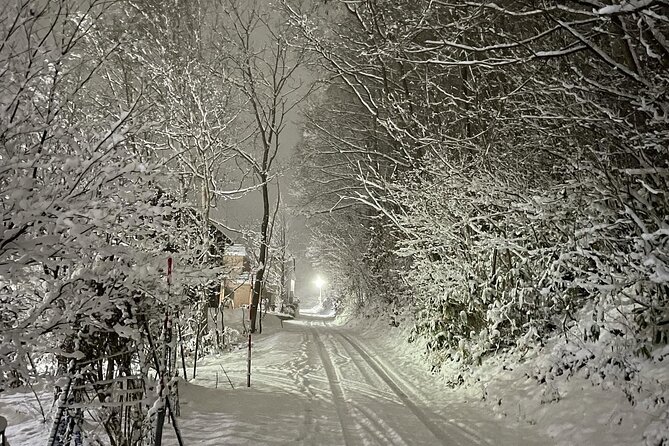
After the snowshoe circuit and lunch, the group returns to the transport and continues to Koganeyu Onsen. The onsen admission fee is included, so this is not an optional extra you need to budget for at the end.
The timing makes perfect sense. Snowshoeing warms your body while cooling your clothes, and a bath afterward gives tired legs a chance to relax. Several outings describe the onsen as the perfect ending, with a beautiful setting and views from the bath. It is not just a quick stop to check off a Japanese custom.
If you have never used an onsen, Chris can explain the etiquette. That guidance helps you avoid the small uncertainties that can make a first visit awkward. You can expect the usual Japanese bathing routine, but the provided information does not specify the exact facilities, towel arrangements, or bathing policies, so ask before the day begins if any of those details matter to you.
There is also an important tattoo note. One person with extensive tattoos received help finding an onsen that allowed access. Policies differ, so if you have tattoos, contact the provider in advance. Do not assume every bathhouse has the same rules.
The tour then returns to Sapporo. The published duration is about five hours, while the described snowshoe circuit itself lasts about five hours before the onsen. Since the outing includes transport and bathing, confirm the expected return time if you have an evening reservation or train to catch.
Equipment and clothing: what you must handle
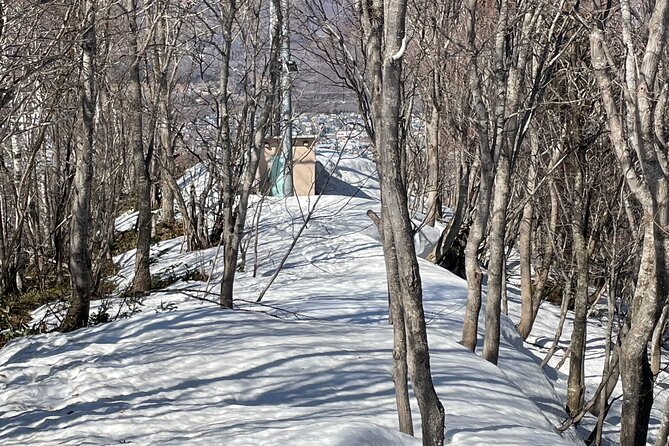
The supplied equipment is useful:
- Snowshoes
- Snow trekking poles
- Gaiters
- Onsen admission
Gaiters are especially helpful in powder because they keep snow from working its way into your boots. Poles give you stability on slopes and uneven snow, and the snowshoes spread your weight over soft ground.
You must supply cold-weather clothing and hiking footwear suitable for snow. This is the biggest practical gap in the package. Do not turn up in ordinary city sneakers simply because you can walk comfortably around Sapporo. Your feet may get wet, and clothing that works for a snowy street may not work for several hours in the woods.
Wear layers that let you adjust as your body warms up. Bring proper gloves, a hat, and clothing that can handle wind and falling snow. The operator can advise you on kit before the hike, and past communication has been praised as quick and helpful.
Weather is not a minor detail here. Snow depth and visibility affect both comfort and safety. The experience requires good weather, and if poor conditions force cancellation, you are offered another date or a full refund.
A small group changes the value
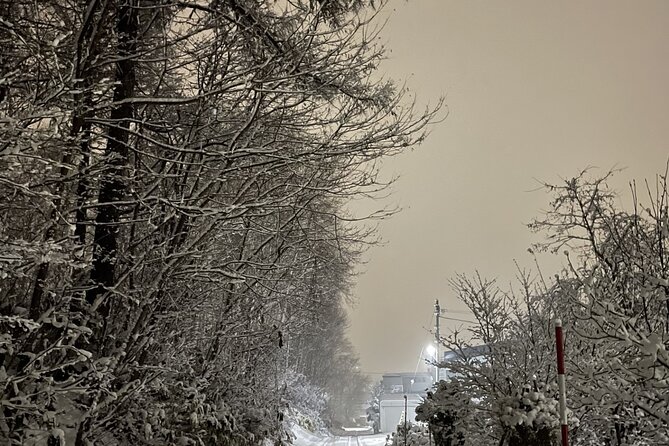
The price is $224.02 per person. That is not a bargain-basement city walk, but it covers several costly and useful pieces: a private transfer to the trailhead, a specialist guide, snowshoes, poles, gaiters, lunch, and onsen admission.
The group limit of five makes the price easier to understand. You are not paying for a mass outing where the guide must keep a long line moving. Chris can help you fit the equipment, set a realistic pace, answer questions, take photos, and alter the route when the conditions or your energy call for it.
The package is best value if you want a complete day outside without buying winter gear or figuring out the backcountry alone. It is less compelling if you already have snowshoes, know the local trails, and only want a brief walk. In that case, a self-guided outing could cost less, though it would not include the same route judgment or onsen finish.
The experience has received a 5 out of 5 rating from 30 reviews, with 100 percent recommending it. That does not remove the need to prepare properly, but it does show a strong pattern of satisfaction, especially around Chris, the scenery, the flexible pacing, and the onsen.
Who should book this Sapporo winter outing?
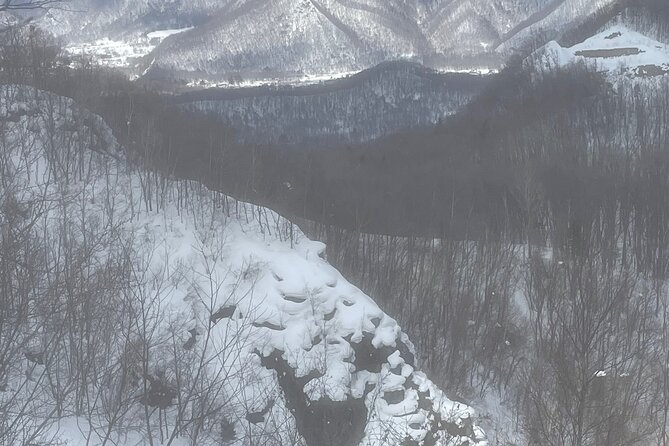
I would choose this for you if you want to see Hokkaido beyond central Sapporo and prefer a personal outdoor day to a standard sightseeing bus. It suits first-time snowshoers, provided you are comfortable walking for several hours and arrive with proper clothing.
It is also a good fit for couples. One couple used the experience for an anniversary outing, combining exercise, snowy scenery, a packed lunch, and a relaxing bath. The small group can make the day feel personal without requiring a private booking.
Nature lovers will get the most from the guide’s comments on trees, animal tracks, and winter sounds. Beginners will appreciate the instruction and patient pace. People with tattoos should ask about onsen access before booking, even though a suitable bath was found for one participant.
I would not choose it if your priority is sleeping late, avoiding physical activity, or guaranteeing a summit. This is a real snow hike, not simply a scenic stop beside the road. Conditions can change, and the route may be shortened for sensible reasons.
Should you book it?
Yes, if you want a well-supported introduction to snowy Hokkaido. The strongest reasons are the tiny group, the included gear, Chris’s careful route choices, and the satisfying shift from cold forest to hot onsen.
Book only after checking your clothing and footwear. Also confirm the meeting and return timing, lunch format, route plan, and tattoo policy if relevant. Cancel at least 24 hours before the 7:30am start for a full refund. Changes made inside that window are not accepted, and weather cancellations bring a new date or full refund.
For the right person, this is a smart use of a winter day in Sapporo: active, scenic, local, and finished with a bath instead of a frozen commute.
FAQ
Where does the tour begin?
The meeting point is Makomanai Subway Station in Minami Ward, Sapporo. The start time is 7:30am.
How long does the experience last?
The tour duration is approximately five hours. The snowshoe portion is described as a five-hour circuit, followed by lunch, an onsen visit, and transport back to Sapporo, so confirm the expected return time before booking other plans.
How many people can join?
The maximum group size is five travelers.
What equipment is included?
Snowshoes, snow trekking poles, and gaiters are included. Onsen admission is also included.
Do I need to bring winter clothing?
Yes. Cold-weather clothing and hiking footwear suitable for cold or snowy conditions are not included.
Is lunch included?
Yes. Lunch is included. The format can vary, with examples including packed food, curry, hot cocoa, and a hot meal prepared with a camp stove.
Where is the onsen?
The itinerary includes Koganeyu Onsen. The onsen visit takes place after the snowshoe hike, and admission is included.
What happens if the weather is poor?
The experience requires good weather. If it is canceled because of poor conditions, you can choose another date or receive a full refund.
Just added around Sapporo
- Sapporo: Furano Flower Sea & Biei Blue Pond Tour w/ Pickup★ 4.0 · 40 reviews
- 2 hours sushi class★ 5.0 · 40 reviews
- One Day Highlights Tour of Sapporo★ 5.0 · 41 reviews
- Sapporo 4hr Private Tour with Government Licensed Guide★ 5.0 · 42 reviews
- [Biei/Furano] One-day sightseeing by private car!★ 5.0 · 43 reviews
- Wagashi traditional japanese sweets class★ 5.0 · 49 reviews
- From Sapporo: Hokkaido Highlights Day Trip★ 4.6 · 56 reviews
- Sapporo 6hr Private Tour with Government Licensed Guide★ 5.0 · 57 reviews
Spa & Hot Springs, compared.
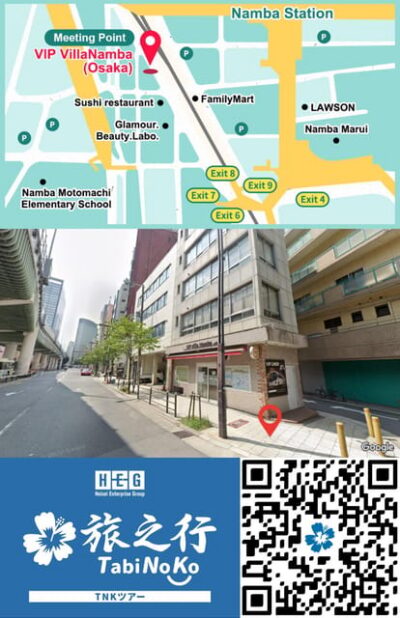
Himeji Castle, Arima Onsen & Mt. Rokko Day Tour
Read our review →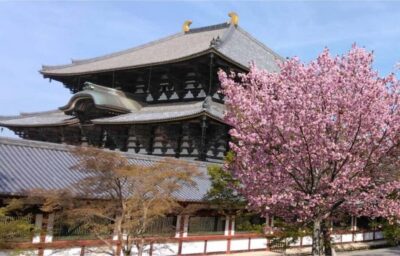
Nara and Uji Day Trip with Deer Park and Hot Spring
Read our review →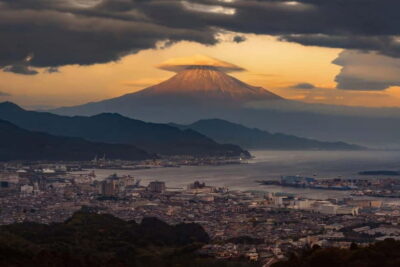
Private Tour to Fuji/Hakone – Onsen, Art, Nature
Read our review →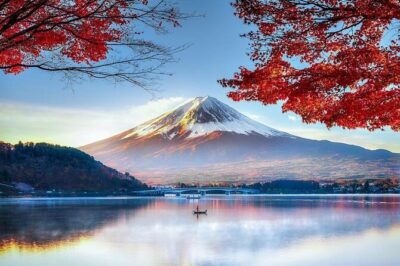
Mt. Fuji, Hakone Private Tour from Tokyo – Onsen, Arts and Nature
Read our review →
Private Nagano 1-Day Tour:Snow Monkeys,Zenko-ji,Obuse,Sake,Onsen
Read our review →
Mt Takao Tour with Ramen and Tattoo-Okay Hot Spring
Read our review →Browse the lists this tour appears in