
Reviewed · CASTLE TOURS
From Osaka: Himeji Castle, Arima Onsen & Mt. Rokko Day Tour
Japan’s finest castle makes a fine day out. This 10-hour bus tour links Himeji Castle, the country’s great white fortress, with the calm paths of Koko-en Garden, the old hot-spring town of Arima Onsen, and high views from Mt. Rokko. I like the smart mix of major sights and free time, and I like having air-conditioned transport for a route that would be awkward to piece together by public transit.
The price, about $53 per person, is excellent value when you consider the distance covered and the English or Chinese-speaking guide. My main caution is the long day and the amount of walking, plus the fact that Mt. Rokko can disappoint in poor weather. From March 1, castle and garden admission also need to be paid separately, which changes the value calculation.
In This Review
- Key points at a glance
- Why this route works from Osaka
- Himeji Castle: Japan’s great white fortress
- Koko-en Garden: nine garden moods beside the castle
- Lunch at Karoyashiki-ato Park
- Arima Onsen: hot springs and old-town snacks
- Mt. Rokko and the final view
- Guides, buses, and the pace of the day
- Is $53 good value?
- Who should book this day tour?
- Final verdict: a smart Kansai day out
- FAQ
- How long is the Osaka Himeji Castle and Arima Onsen tour?
- Where does the tour start and finish?
- Is Himeji Castle admission included?
- Is Koko-en Garden admission included?
- Is the Arima Onsen bath included?
- Is lunch included?
- What languages are available?
Key points at a glance
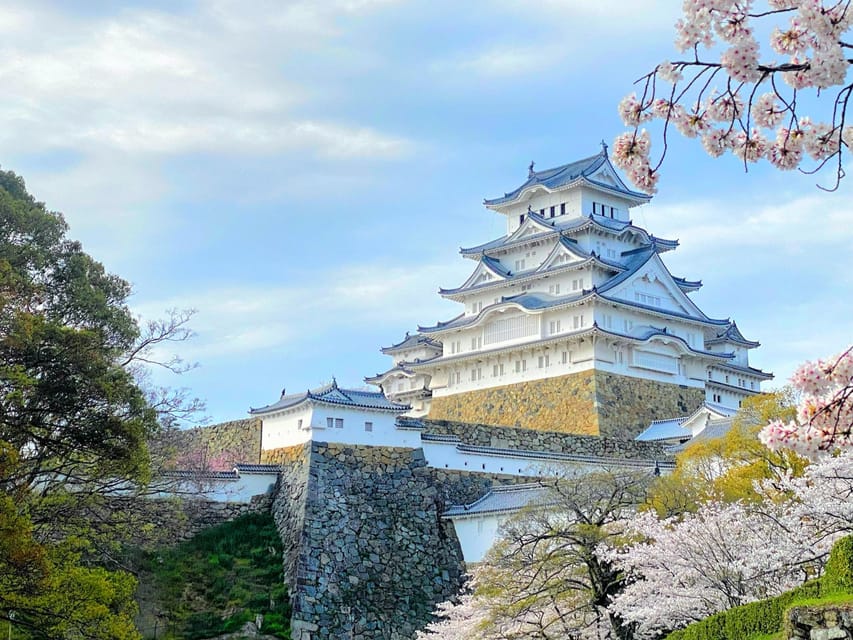
- Himeji Castle is the main event: Allow the full two hours for photographs, grounds, and the steep, narrow route through the castle interior if you choose to pay for entry.
- Koko-en gives you a quieter hour: Nine garden areas offer a peaceful contrast to the castle crowds, with tea-house details and good castle views.
- Arima Onsen is more than a bath: You can enter a hot spring for an extra fee, or simply stroll the narrow lanes for snacks such as Tansan Senbei and Kinsen-yaki.
- Mt. Rokko finishes the day on a high note: At about 880 meters, the viewing area can reveal the Akashi Strait and Osaka Plain, although clouds can erase the payoff.
- The tour is mostly self-guided: Your guide helps with timing, orientation, cultural background, and often photographs, but you explore each stop independently.
- Lunch is optional: Senhime Gozen combines mini conger-eel rice, udon, steak, tempura, and fruit in one filling Japanese set meal.
Why this route works from Osaka
Himeji, Arima Onsen, and Mt. Rokko sit in different parts of Hyogo Prefecture. On a map, they look manageable. By public transport, though, the connections take planning, and a day spent changing trains leaves less time for the sights.
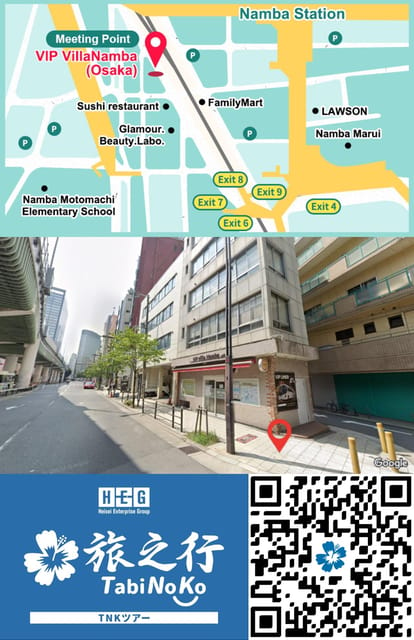
This tour solves that problem with an air-conditioned vehicle and two Osaka meeting and drop-off choices at VIP Villa Namba and いな音ビル. Exact meeting arrangements depend on the option you book, so check the selected departure point carefully. A late arrival or the wrong meeting location may mean losing the tour without a refund.
The day lasts about 10 hours. That is a serious block of time, but the route has a pleasing rhythm: grand architecture in the morning, gardens and lunch around midday, a hot-spring town in the afternoon, and a mountain viewpoint near the end. Several tour groups using different languages may share one vehicle, so the guide might switch between English and Chinese during the day.
The strongest part of the experience is its flexibility. You are not locked into a minute-by-minute guided walk. Guides such as Gary, Nick, and Harry have been praised for explaining the history, helping with photographs, suggesting food, and keeping the group on schedule, while still giving you time to wander alone.
More Castle Tours in Osaka
- Osaka Castle: Museum and Tower Entry Ticket
★ 4.5 · 2,380 reviews - Ultimate Osaka Walking Tour: Castle, Dotonbori & Hidden Gems
★ 5.0 · 862 reviews - Osaka Castle Walking Tour and Castle Tower Admission
★ 5.0 · 561 reviews
Himeji Castle: Japan’s great white fortress
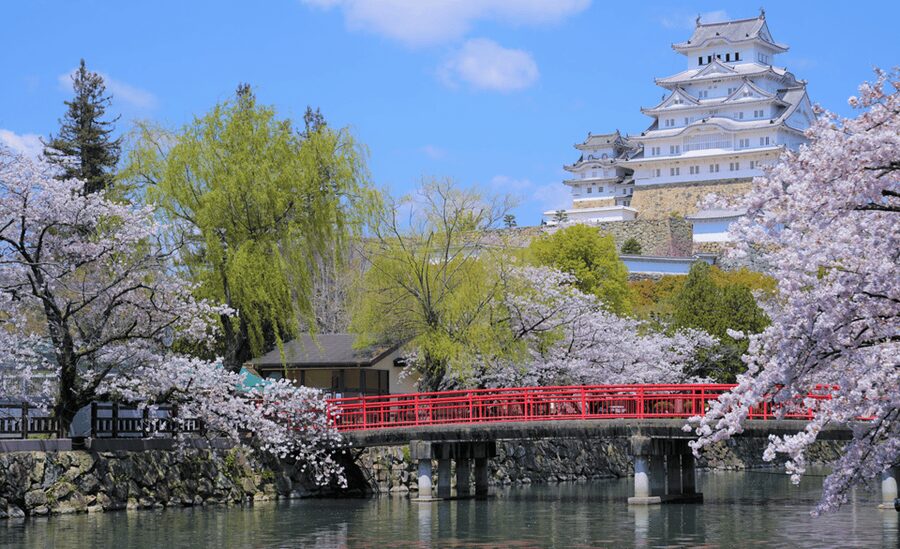
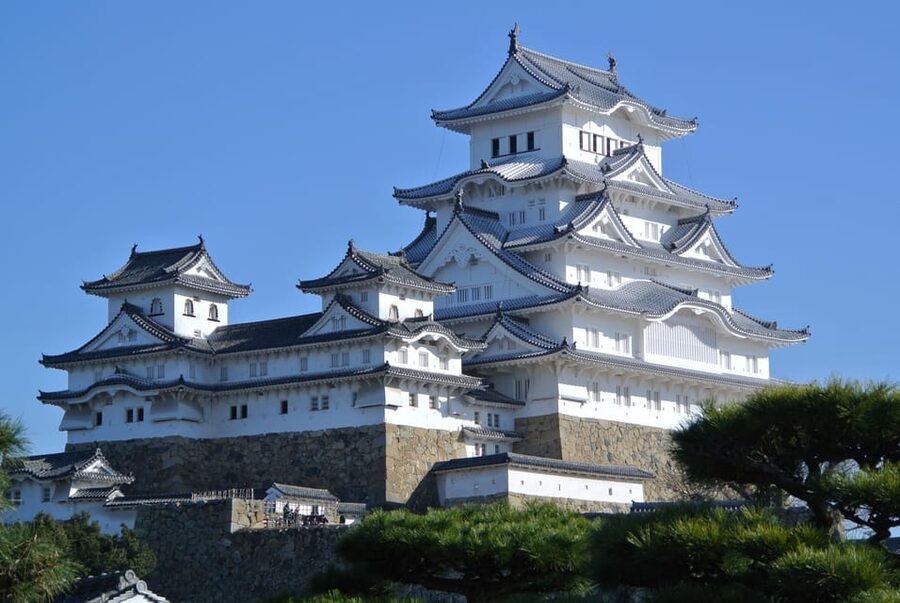
Himeji Castle earns its reputation before you reach the entrance. Its white walls, layered roofs, and tall central keep rise above the surrounding city with a clean, almost theatrical shape. The nickname White Heron Castle comes from that pale exterior and elegant profile.
The site was first built in the late 14th century, while the present structure was completed in 1609. It was registered in 1993 as Japan’s first UNESCO World Cultural Heritage Site. More important for you as a sightseer, it retains a complete set of original keeps, a rare survival in a country where many castles were lost to fire, war, or later demolition.
You get about two hours here for a photo stop, sightseeing, walking, and independent exploration. That is enough for a good visit, but do not treat it as a quick postcard stop. The castle grounds are broad, and the path through the main keep includes stairs and narrow wooden passages. I recommend comfortable shoes and a willingness to climb.
The defensive design rewards attention. Gates, walls, turns, and controlled approaches were built to slow an attacker. From the outside, Himeji looks graceful. Inside and around the grounds, you see the practical side of a Sengoku and early Edo-period fortress.
Your guide may give an introduction before sending you off, and several guides have been praised for taking group photographs at the best castle viewpoints. Still, this is primarily a self-guided stop. If you want a detailed explanation at every room, ask your guide what support is available before heading inside.
Admission details matter. For tours through February 28, Himeji Castle and Koko-en entry fees are included. From March 1, you must buy a 2,500-yen castle ticket yourself at the castle on the day. That change is substantial enough to check before booking, especially if you are comparing this tour with an independent train trip.
Koko-en Garden: nine garden moods beside the castle
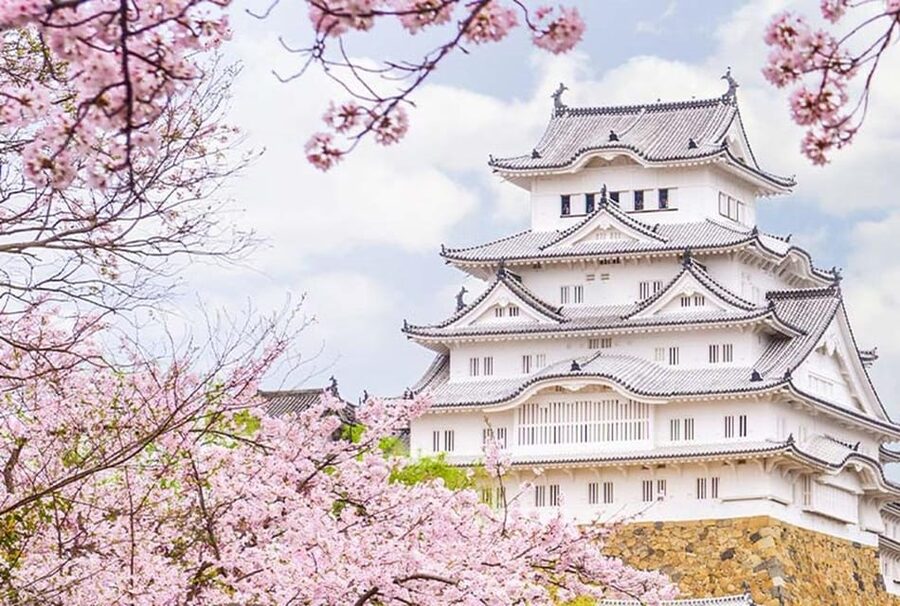
Koko-en sits southwest of Himeji Castle and covers roughly 3.5 hectares. It was designed with the castle as its backdrop, so you get a second view of Himeji from a softer, more carefully framed setting.
The garden contains nine separate areas. Oyakata-no-niwa is a pond-centered strolling garden, while other sections use clipped plants, stone arrangements, water, walls, and traditional buildings to create distinct moods. The sukiya-style tea garden and Soju-an tea room are especially appealing if you want a quiet pause.
I like this hour because it slows the day down. Himeji Castle is all scale, angles, and military purpose. Koko-en gives you reflections, shaded paths, and small details. It has also been used as a setting for historical dramas and samurai films, which makes the period atmosphere feel more tangible.
You have about one hour here. That is enough to see the main sections, but it may feel short if you want to sit for tea, photograph every bridge, and explore at a slow pace. One useful tip is to visit the tea room if time permits. It offers a calm break and a different way to appreciate the garden.
From March 1, Koko-en admission is also paid separately at the castle on the day. Confirm the current combined or separate ticket arrangements when you arrive, since the supplied tour details make clear that the cost is no longer included after February 28.
Lunch at Karoyashiki-ato Park
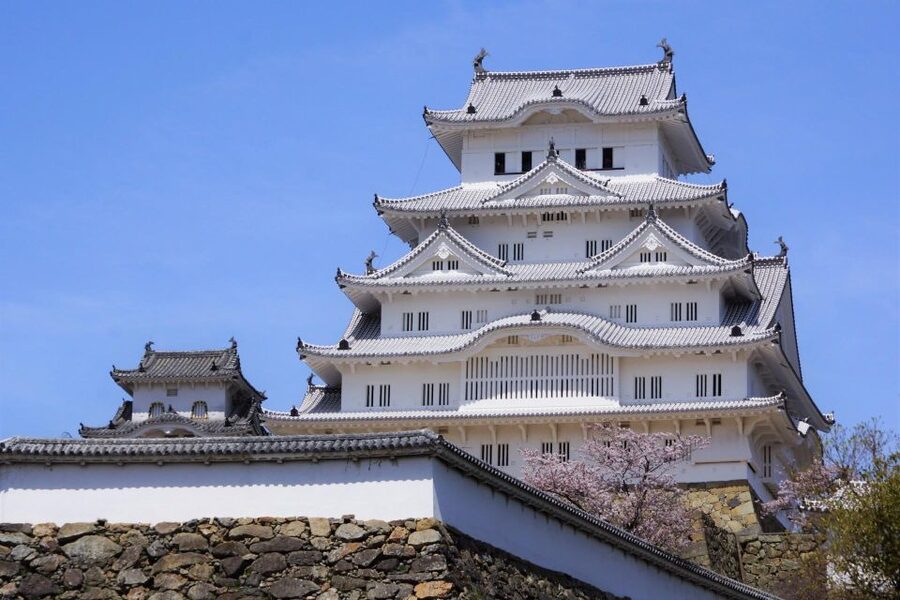
The lunch stop is listed at Karoyashiki-ato Park, a historic-site park area, with about one hour for food and free time. You can select the optional Senhime Gozen lunch when booking, or make your own arrangements.
Senhime Gozen is a broad Japanese set meal rather than a single bowl of food. It includes a mini anago, or conger eel, rice bowl, warm mini udon, tender mini steak, assorted tempura, and seasonal fruit. For a first taste of several familiar Japanese dishes, it is a practical choice.
The meal is not essential. If you are vegetarian, skipping it may be the better option, since the supplied information only confirms the standard set. One tour member found vegetarian choices in the area around the castle, and another noted that the city was about a nine-minute walk away with several food options.
The one-hour stop gives you a chance to eat without turning lunch into a long restaurant visit. If you care more about local food than convenience, you may prefer to use the time for your own meal. If you want a simple, varied lunch with no searching, the optional set offers good value.
More Onsen Experiences in Osaka
- Osaka: Solaniwa Onsen Hot Spring Visit
★ 4.6 · 51 reviews - Himeji Castle, Arima Onsen & Mt. Rokko: 1-Day Bus Tour from Osaka
★ 4.0 · 28 reviews - Osaka Temple Head Spa &Matcha Facial – Refresh & Glow〈90min〉
★ 5.0 · 24 reviews
Arima Onsen: hot springs and old-town snacks
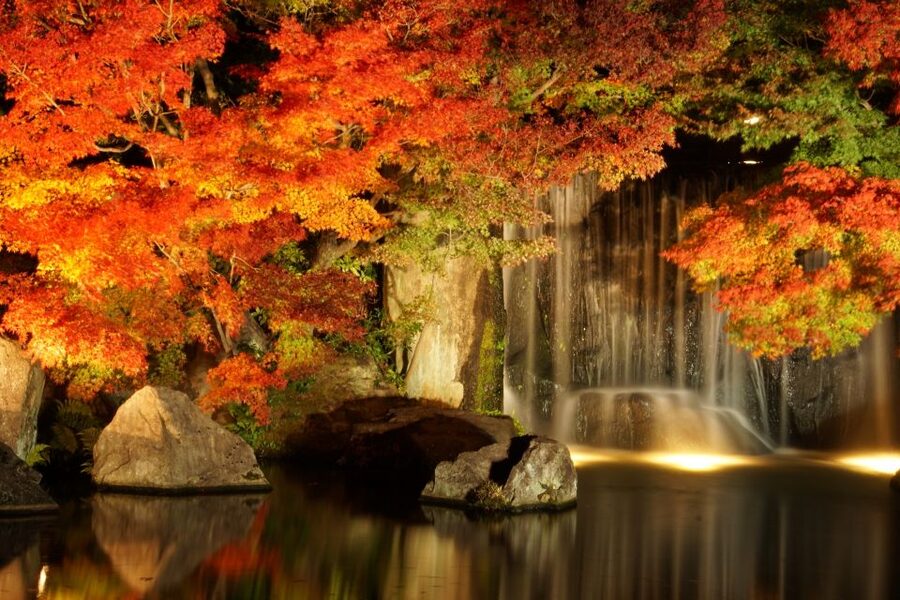
Arima Onsen is one of Japan’s Three Oldest Hot Springs. Its narrow, sloping streets create a very different mood from Himeji. Here, the pleasure comes from strolling, browsing small shops, and deciding whether you want to enter a bath.
The onsen admission is not included in the tour price. This is worth understanding before you arrive. You can still enjoy the town without bathing, but the hot spring experience is one of the route’s signature attractions, so budget for the separate entry fee if you want to use the baths.
You have roughly 1.5 hours. That gives you time for a short onsen visit and a walk through the old lanes, but not an unhurried spa afternoon. If bathing is your priority, go directly to the facility rather than spending the first half of the stop shopping.
The town is also good for snacks. Look for Tansan Senbei, a crisp carbonated-rice cracker associated with Mitsumori Honpo, and Kinsen-yaki pastries. The best approach is to sample something small as you walk rather than treat Arima as a formal meal stop.
Remember basic onsen etiquette: wash before entering the bath and follow the facility’s bathing rules. The tour provider does not promise a particular bathhouse or include entry, so ask your guide for current practical directions once you arrive.
After a morning of castle stairs and garden paths, Arima can feel wonderfully restorative. That said, the stop is brief. If you have always wanted a long, traditional hot-spring stay, this tour gives you an introduction, not the full retreat.
Mt. Rokko and the final view
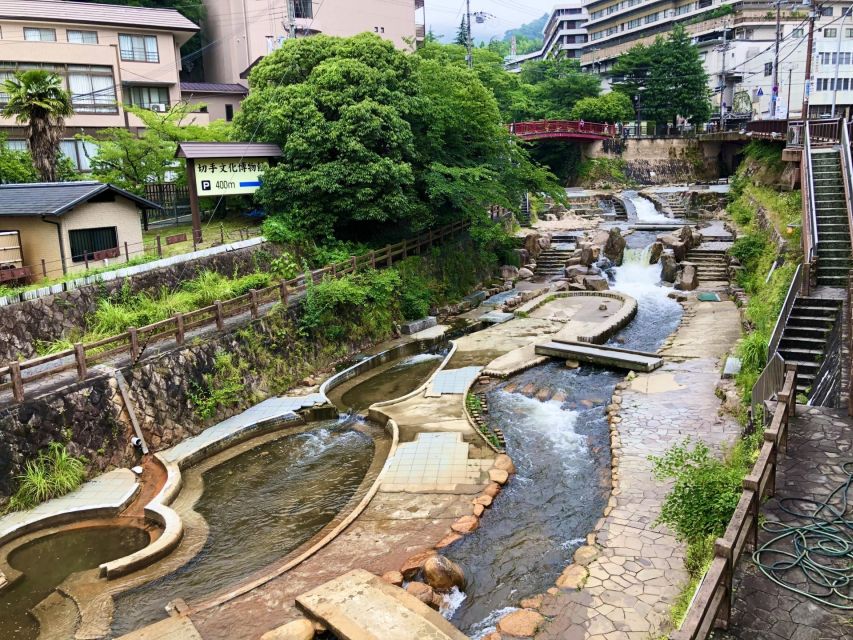
The last major stop is Rokkosan Garden Terrace, near the summit of Mt. Rokko at about 880 meters. The complex has a touch of Western style and several observation points. On a clear day, you may see from the Akashi Strait across toward the Osaka Plain.
The scheduled stop is about 30 minutes. That is enough for photographs, a quick look around, and perhaps a little shopping. It is not enough for a long mountain walk, so set your expectations correctly.
Weather controls the experience here. In clear conditions, the broad view can be the perfect closing scene. In rain, fog, or heavy cloud, you may see very little. One useful way to think about Mt. Rokko is as a bonus rather than the main reason to book the tour. Himeji Castle and Arima Onsen remain worthwhile even if the mountain disappears into mist.
The mountain roads also make the driver part of the experience. Several comments praised the driving, especially on the winding approach. If you tend to feel motion sick, sit where you usually feel most comfortable and keep the short mountain section in mind.
Guides, buses, and the pace of the day
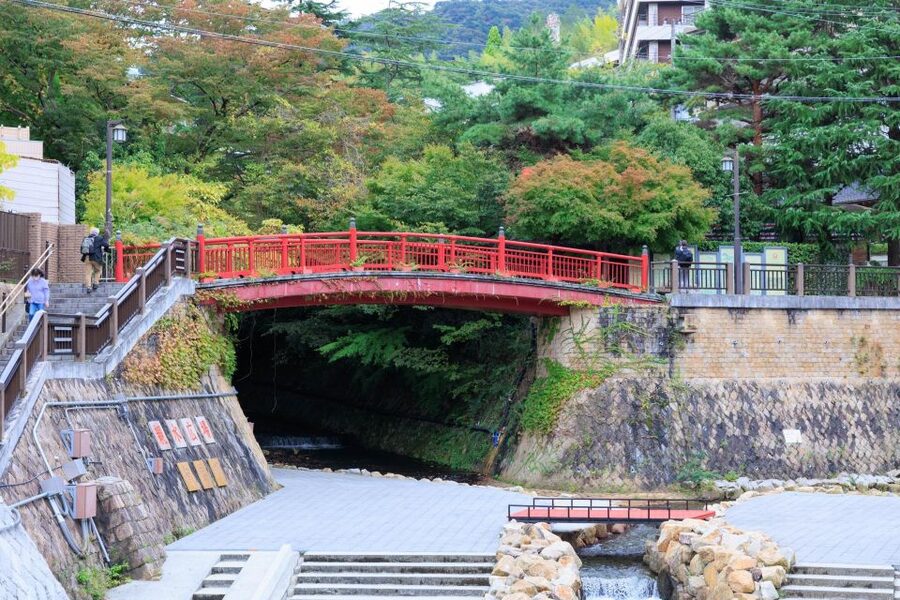
The guide can make or break a full-day group tour. Here, the most consistent praise goes to the staff, especially Gary, Nick, and Harry. The useful difference is not only historical explanation. Guides have helped people find the meeting point, switch between English and Chinese, take photographs, explain food, and keep everyone aware of departure times.
You should expect guidance rather than a private escort. At Himeji and Koko-en, you generally explore at your own speed. That suits me because I can stop for photographs or move quickly through areas that interest me less. It may disappoint you if you want the guide beside you for the entire castle visit.
The bus is air-conditioned, an important comfort during Japan’s warmer months. One practical drawback is limited legroom, which may bother taller passengers on a 10-hour outing. The route also leaves little room for sleeping on the bus, since the day is full and the roads can be winding.
The schedule appears well balanced, but traffic can change the timing. The operator may adjust the order or length of stops because of road conditions or unexpected delays. Keep your return evening flexible rather than booking a tight dinner reservation.
Is $53 good value?
At $53, I consider this a strong-value excursion for anyone staying in Osaka. You get long-distance transport, an English or Chinese-speaking guide, a major UNESCO-listed castle, one of Japan’s oldest hot-spring towns, a Japanese garden, and a mountain viewpoint.
The value is strongest for first-time visitors who want variety without planning several train routes. It is also useful for families and couples who prefer a guided structure but still want independent time at each stop.
The price needs closer inspection after February 28. From March 1, the 2,500-yen Himeji Castle ticket is extra, and Koko-en entry is also extra. Lunch and onsen admission are optional costs. Even with those additions, the transport and route remain useful, but the final total is no longer simply $53.
You should also compare the tour with your own priorities. If you want hours inside Himeji Castle, a long onsen session, or a full mountain afternoon, independent travel gives you more control. If you want to see three very different places in one day, this bus tour saves planning time and reduces the risk of missed connections.
Who should book this day tour?
I would recommend it to you if you are based in Osaka and want a broad taste of the Kansai region beyond the city. It suits first-time Japan visitors, families, couples, solo sightseers, and anyone who values an organized day with room to wander.
It is especially good for people who want cultural variety: castle architecture, garden design, hot-spring customs, regional snacks, and high views all appear in one route. The guides’ practical help also adds value if you are unsure about Japanese food, bathing etiquette, or finding the right meeting place.
I would hesitate if you dislike early starts, long bus days, stairs, or fixed departure times. Tall passengers may find the bus seating tight, and Mt. Rokko is weather dependent. You should also skip the optional lunch if you need a clearly confirmed vegetarian meal, then use the available food choices near Himeji instead.
Cancellation is free up to 24 hours before departure, and you can reserve now and pay later. Still, read the meeting-point details closely and arrive early. The operator warns that late arrival or reaching the wrong location may not qualify for a refund.
Final verdict: a smart Kansai day out
Book this tour if your goal is to cover a lot of ground without turning your holiday into a transport puzzle. Himeji Castle is the star, Koko-en supplies the quiet beauty, Arima Onsen adds a genuine local ritual, and Mt. Rokko provides a fine finale when the sky cooperates.
The best feature is the balance between help and freedom. A guide such as Gary or Nick can explain the setting, take a photograph, and keep the day moving, then let you explore on your own. Just budget for the castle and garden fees after March 1, treat the onsen as an optional extra, wear good walking shoes, and leave your evening schedule open.
FAQ
How long is the Osaka Himeji Castle and Arima Onsen tour?
The tour lasts about 10 hours, including transportation between Osaka, Himeji, Arima Onsen, and Mt. Rokko.
Where does the tour start and finish?
There are two possible starting and drop-off locations: VIP Villa Namba and いな音ビル. The exact meeting point depends on the option booked.
Is Himeji Castle admission included?
For tours operating through February 28, Himeji Castle and Koko-en entry fees are included. From March 1, you must purchase the 2,500-yen Himeji Castle ticket yourself at the castle on the day.
Is Koko-en Garden admission included?
Koko-en admission is included for tours through February 28. From March 1, you must purchase the entry ticket yourself at the castle on the day.
Is the Arima Onsen bath included?
No. Entry to the hot springs is not included in the tour price. You may visit the town, walk its streets, and buy local snacks without entering a bath.
Is lunch included?
Lunch is optional. The Senhime Gozen set includes mini conger-eel rice, mini udon, mini steak, assorted tempura, and seasonal fruit if you select the lunch option.
What languages are available?
The tour provides a live guide in English or Chinese. Depending on the day, people who booked different languages may travel in the same vehicle.
Just added around Osaka
- Osaka Food Tour with 10 Classic Japanese Tastings & Drinks★ 5.0 · 38 reviews
- Osaka: Highlights & Hidden Gems Private Walking Tour★ 4.7 · 38 reviews
- Kyoto private tour (Shore excursion available from Osaka or Kobe port)★ 5.0 · 39 reviews
- Osaka Private Day Trip – Enjoy Your First-Time Visit to Osaka!★ 5.0 · 39 reviews
- Kyoto & Nara & Uji: Full Day Sightseeing Tour from Osaka or Kyoto★ 4.5 · 39 reviews
- Authentic SUSHI Course Cooking Class★ 5.0 · 39 reviews
- Osaka: Mind & Spirit Balance Temple Reiki Healing★ 5.0 · 41 reviews
- Osaka: Gluten-Free Ramen and Gyoza Cooking Class★ 5.0 · 42 reviews
Castle Tours, compared.
Tokyo Castle & Imperial PalaceーShogun Walking Tour
Read our review →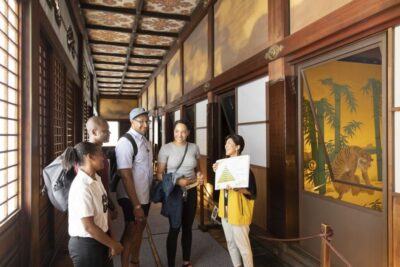
Nijo-jo Castle and Ninomaru Palace Guided Tour
Read our review →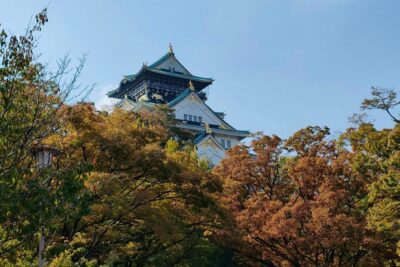
Ultimate Osaka Walking Tour: Castle, Dotonbori & Hidden Gems
Read our review →Tokyo Castle & Imperial PalaceーShogun Walking Tour
Read our review →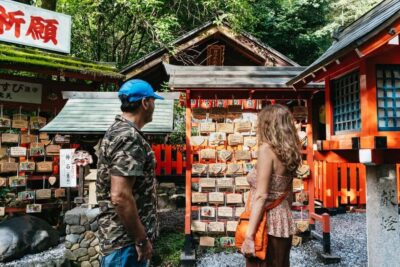
Nijo Castle, Kiyomizu & Fushimi Inari Guided Tour
Read our review →
Osaka Castle Walking Tour and Castle Tower Admission
Read our review →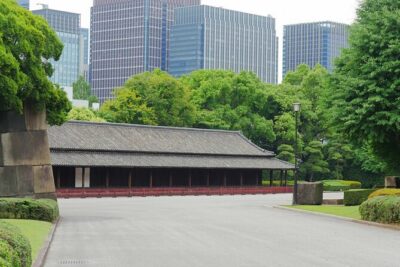
Imperial Palace East Garden and Edo Castle Walking Tour in Tokyo
Read our review →Browse the lists this tour appears in