
Reviewed · TEMPLE & SHRINE TOURS
Kyoto: Nijo Castle, Kiyomizu & Fushimi Inari Guided Tour
Kyoto rewards early risers. This 11-hour guided bus tour links Arashiyama, Kinkaku-ji, Nijo Castle, Kiyomizu-dera, and Fushimi Inari, giving you five major sights without the work of planning trains, buses, and walking routes. I like the early visit to the Bamboo Grove and the chance to relax between stops. I also like the guides, especially Cesar and Angeles, who have been praised for clear explanations and quick switching between English and Spanish. The catch is the length: this is a full, active day, and popular sites can be crowded.
At $54 per person, the tour can be good value if you want Kyoto’s headline sights in one sweep. Admissions to Kinkaku-ji, Nijo Castle, and Kiyomizu-dera depend on the option you buy, while food and drinks are extra. You will see a lot, but you will not get long, quiet visits at every temple.
In This Review
- Five useful things to know before you book
- Why this Kyoto bus tour is useful for a first visit
- Arashiyama Bamboo Grove before the crowds
- Kinkaku-ji and the Golden Pavilion
- Nijo Castle and the shogun’s former residence
- Kiyomizu-dera, Kyoto views, and lunch time
- Fushimi Inari and the red torii gates
- Guides, languages, and how the day is managed
- The real cost of an $54, 11-hour day
- What to bring for Kyoto’s long walking day
- Who should book this Kyoto highlights tour?
- FAQ
- How long does the Kyoto guided tour last?
- Where does the tour begin?
- Which Kyoto sights are included?
- Are admission tickets included?
- Is lunch included?
- What languages does the guide speak?
- What happens if Nijo Castle cannot be visited?
- Can wheelchair users join the tour?
- Should you book this tour?
Five useful things to know before you book
- The day begins with Arashiyama: You get about 70 minutes at the Bamboo Grove, with an early start intended to avoid the worst crowds.
- Five major Kyoto sights fit into one day: The route covers Arashiyama, Kinkaku-ji, Nijo Castle, Kiyomizu-dera, and Fushimi Inari.
- Ticket choice matters: Entry to Kinkaku-ji, Nijo Castle, and Kiyomizu-dera is included only with the appropriate ticket option.
- The guide makes a big difference: Cesar, Angeles, Paula, Alex, and others have earned strong praise for history, organization, and bilingual delivery.
- Expect plenty of walking: Comfortable shoes, water, sunscreen, and a hat are sensible, especially in summer.
- It ends at Fushimi Inari or Kyoto Station: You can finish near the shrine or continue to Kyoto Station, depending on the drop-off arrangement.
Why this Kyoto bus tour is useful for a first visit
Kyoto’s famous sights are spread across the city. Arashiyama lies to the west, Kinkaku-ji and Nijo Castle sit farther east, and Kiyomizu-dera and Fushimi Inari take you toward the southern side of Kyoto. Trying to connect all five by public transport in one day takes planning, transfers, and a fair amount of patience.
This tour solves that problem with a coach and a bilingual guide. You meet outside Hotel Keihan Kyoto Grande, near Kyoto Station, then leave the city’s transport maze to the driver. The bus rides range from about 30 to 40 minutes, giving you a useful pause between walking sections.
I see the main value here as time management. You do not have to choose between the Golden Pavilion and Fushimi Inari, or work out how to reach Arashiyama after visiting Kiyomizu-dera. You simply follow the day’s plan.
That convenience comes with a tradeoff. You are moving on a fixed schedule, so this is not the tour for lingering over every garden or taking a long café break. It is best for a first visit, a short stay, or anyone who wants a broad introduction before returning to favorite places independently.
More Castle Tours in Kyoto
- Kyoto: Nijo-jo Castle and Ninomaru Palace Guided Tour
★ 4.7 · 1,020 reviews - Kyoto: Imperial Palace & Nijo Castle Guided Walking Tour
★ 4.7 · 453 reviews - Kyoto: Nijo Castle World Heritage Guided Tour with Admission
★ 5.0 · 128 reviews
Arashiyama Bamboo Grove before the crowds
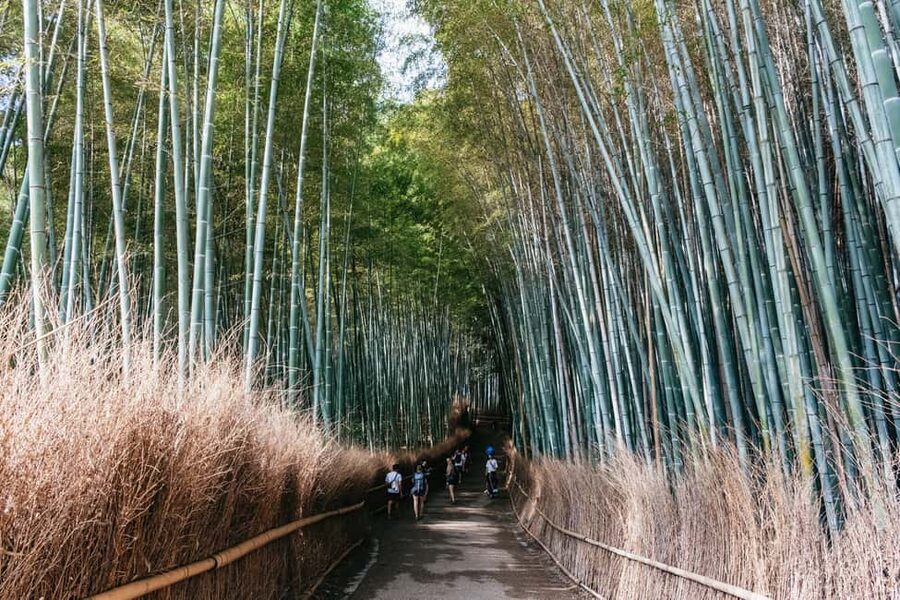
The first stop is Arashiyama, reached after roughly 40 minutes by bus. You have about 70 minutes of free time, with the early departure designed to reach the Bamboo Grove before the busiest part of the day.
The grove is one of Kyoto’s most recognizable sights. Tall bamboo rises on both sides of the path, and the soft movement of the leaves gives the place a calm quality, even when other people are present. The early timing matters here. A visit later in the day can feel much more crowded, particularly around the narrow paths and photo spots.
You will have time to walk beneath the bamboo, take pictures, and enjoy the atmosphere without a long guided lecture. This is a good opening stop because it gets you outside quickly and gives you a gentle start before the more structured temple visits.
Still, 70 minutes is not enough to explore every corner of Arashiyama. The schedule focuses on the Bamboo Grove rather than giving you a full visit to the wider district. If you want the river, bridge, gardens, or monkey park, you will need a separate visit.
Wear shoes that are comfortable for walking. The tour includes several temple grounds and busy pedestrian areas, so your feet will notice poor footwear long before the guide does.
Kinkaku-ji and the Golden Pavilion

After Arashiyama, the coach travels for about 30 minutes to Kinkaku-ji, better known as the Golden Pavilion. You have about 45 minutes here.
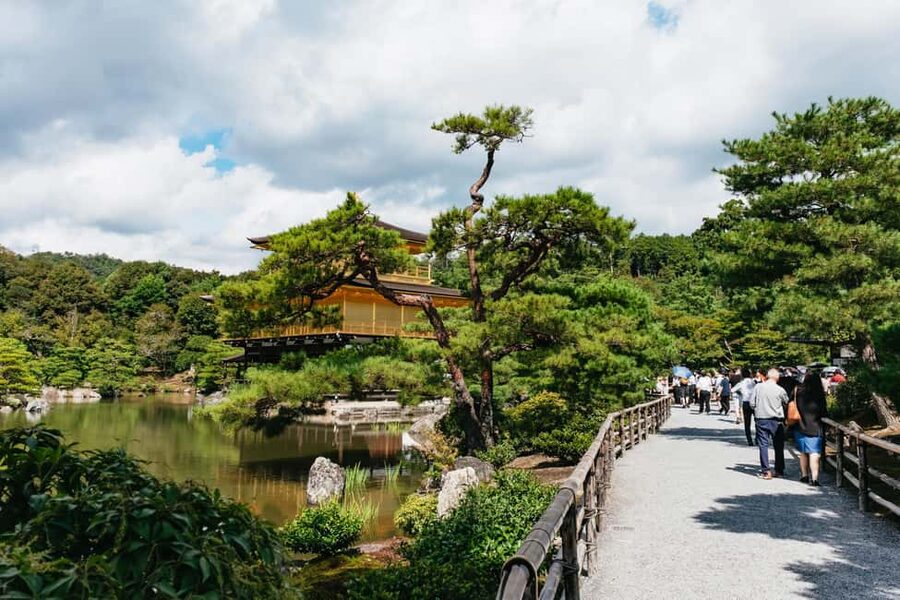
The pavilion is covered in gold leaf and sits beside a pond, where the building and surrounding garden create the classic Kyoto view found in countless photographs. The appeal is visual rather than interactive. You follow the established route, pause for photographs, and take in the contrast between the bright structure, the water, and the carefully arranged garden.
This stop is relatively short, but that can work well. Kinkaku-ji is a compact sight, and 45 minutes gives you enough time for the principal view without making the day drag. You should not expect a long, slow garden visit or much time away from the main route.
Pay attention when booking. The Golden Pavilion visit is included only if you choose the option with tickets in advance. The same ticket condition applies to Nijo Castle and Kiyomizu-dera. If you select an option without admissions, do not assume the entry fees are covered later.
Nijo Castle and the shogun’s former residence
The next bus ride takes about 30 minutes, followed by roughly 90 minutes at Nijo Castle. This is one of the longer stops, and it adds a different type of history to a day otherwise centered on religious sites.
Nijo Castle once served as a residence for the shogun. Inside, you can see traditional tatami rooms associated with Japan’s ruling class, while outside, spacious gardens offer room to slow down. The famous nightingale floors are a highlight. Their carefully designed boards squeak underfoot, creating an alarm system that helped protect the castle from unwanted visitors.
The castle gives the guide a chance to explain political power, court life, architecture, and security rather than focusing only on Buddhist or Shinto traditions. I find that contrast valuable. It helps you see Kyoto as a former center of government and culture, not simply a city of beautiful temples.
The 90-minute allocation is more generous than at Kinkaku-ji. You have time to move through the rooms and gardens without racing from one point to the next. Even so, the castle grounds require walking, and the day is already building toward a substantial total.
There is an important uncertainty here. Circumstances beyond the operator’s control can make Nijo Castle inaccessible. If that happens, the replacement visit is Sanjūsangen-dō Temple. The itinerary can also change because of weather, traffic, road closures, or other conditions on the day.
More Temple & Shrine Tours in Kyoto
- Kyoto: Fushimi Inari, Kinkakuji, Bamboo Grove 1 Day Bus Tour
★ 4.8 · 4,316 reviews - Kyoto: Tea Ceremony in a Traditional Tea House in Kiyomizu
★ 4.9 · 3,519 reviews - Kyoto: Tea Ceremony Ju-An at Jotokuji Temple
★ 4.9 · 3,207 reviews - Fushimi Inari Hidden Hiking Tour (Private Option Available)
★ 5.0 · 1,750 reviews
Kiyomizu-dera, Kyoto views, and lunch time
From Nijo Castle, the coach continues for about 30 minutes to Kiyomizu-dera. This is the longest scheduled stop, with 2.5 hours for the temple, lunch, and free time.
Kiyomizu-dera is known for its large wooden stage, which looks across the valley toward Kyoto. The temple’s setting makes it different from the Golden Pavilion’s pond view and Nijo Castle’s formal grounds. Here, you get a broad outlook over the city as well as a major religious site.
The surrounding approach is part of the experience. Traditional sweets, small food shops, and craft stores line the streets leading toward the temple. This is your best chance to pause for something to eat, browse, or buy a small souvenir. Food and drinks are not included, so plan to pay separately.
I like the generous time here because it gives the day some breathing room. You are not forced to eat on the bus or choose between lunch and sightseeing. You can visit the temple, enjoy the view, and find a snack at your own pace.
The drawback is that Kiyomizu-dera can be crowded, especially around the main approach and viewing areas. The tour cannot remove that reality. A guide can keep the group organized and explain what you are seeing, but you should still expect busy paths and occasional bottlenecks.
Admission is included only with the ticketed option. Check this carefully before paying, since a lower initial price may not include all three temple and castle entries.
Fushimi Inari and the red torii gates
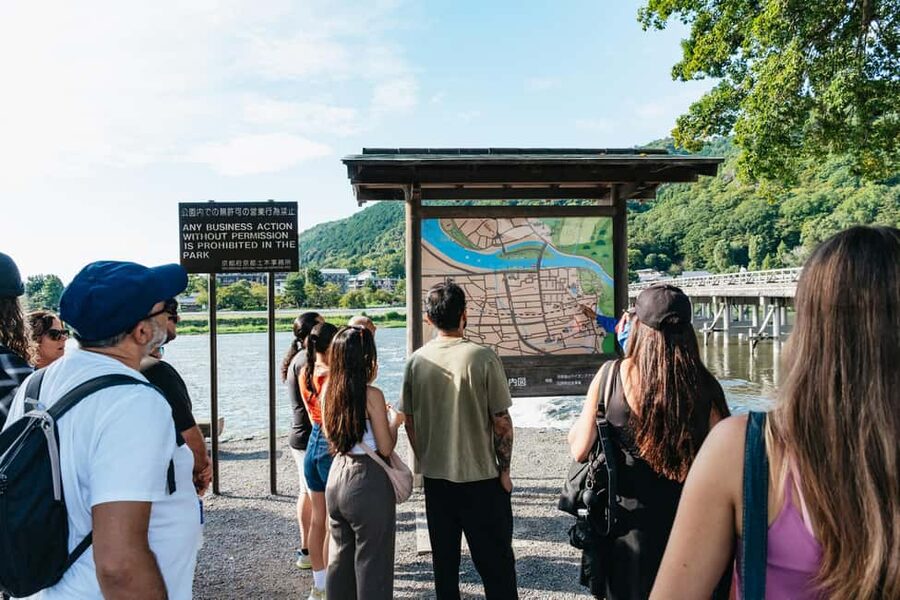
The final major stop is Fushimi Inari Taisha, reached after another 30-minute bus ride. You have about 1.5 hours of free time.
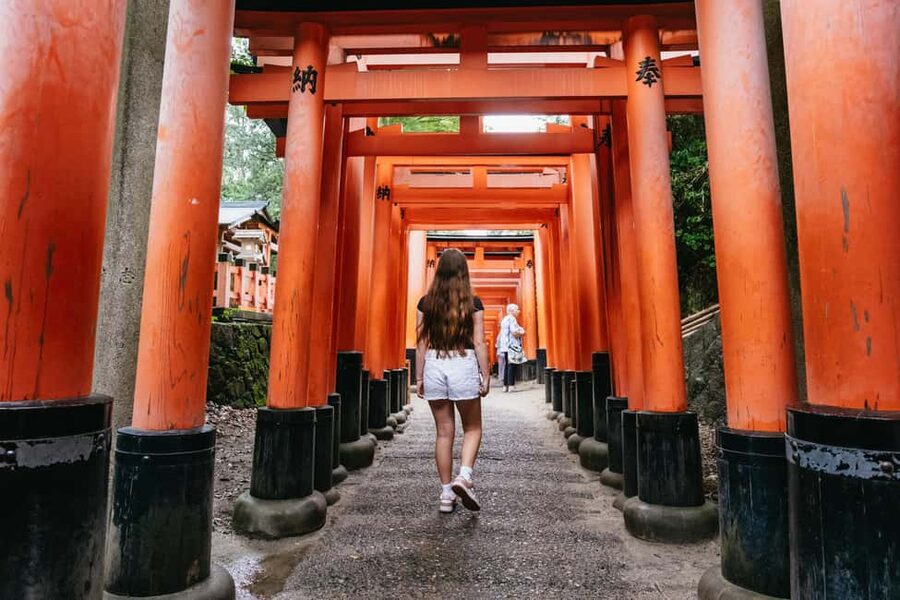
Fushimi Inari is famous for its thousands of bright red torii gates, which form covered paths up the wooded mountainside. Each gate represents a donation, and together they create one of Kyoto’s most memorable walking routes. The shrine connects religious tradition with the natural setting in a way that feels very different from the polished views at Kinkaku-ji.
The useful feature here is freedom. You are not tied to a long guided walk through the entire shrine. You can pass through the lower gates, continue uphill as far as your time and energy allow, or stop for photographs and return to the meeting point.
Watch the clock. Fushimi Inari is a mountain route, and 90 minutes can disappear quickly. You may not reach the upper sections before turning back, particularly after a full day of walking. Some visitors have found the final stop felt shorter than the earlier visits, partly because daylight was fading.
The tour finishes with drop-off options at Fushimi Inari Taisha and Kyoto Station. Confirm the practical details with your guide before setting off on your own.
Guides, languages, and how the day is managed
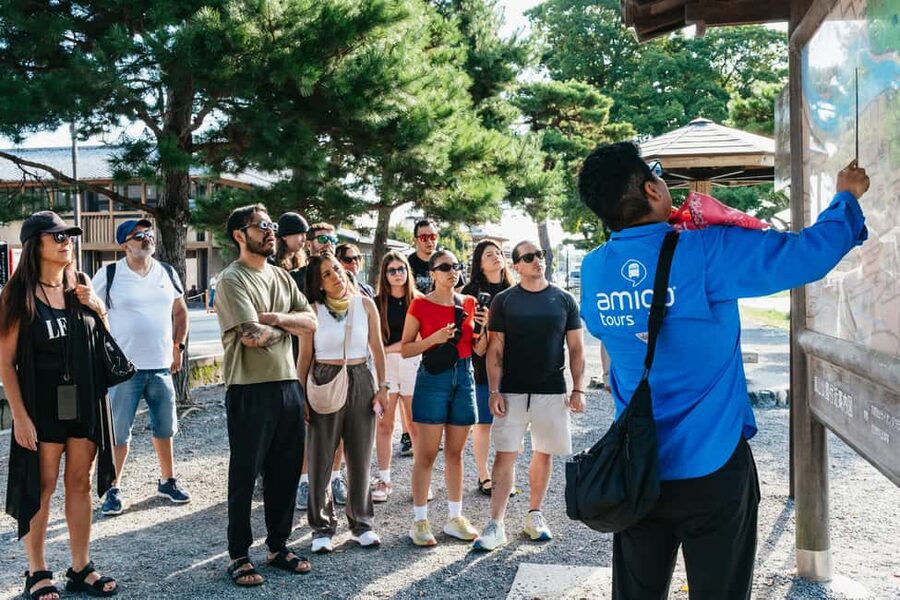
The tour is offered in English and Spanish, and the bilingual format is one of its strongest features. Guides including Cesar, Angeles, Paula, Alex, Andrea, and others have been praised for clear explanations, patience, humor, and careful timing.
Cesar has received particular praise for moving quickly between English, Spanish, and, at times, Japanese. Angeles is noted for keeping instructions clear and making sure people returned to meeting points on time. Paula has been appreciated for making the history and culture easy to follow. These details matter on a long day because a good guide does more than recite dates. The guide helps you understand why each place matters and keeps the group moving without making the day feel frantic.
The group may be bilingual, so explanations can take longer than on a single-language tour. Still, the strongest guide reports describe a fair balance between the languages, with nobody being left out.
At crowded sites, it can be hard to hear a guide while standing outdoors. One useful improvement would be headsets or another way to amplify explanations. Stay close during guided portions, then use the free time to explore independently.
The drivers also receive regular praise for smooth, safe driving and keeping the coach comfortable in hot weather. That is not a glamorous part of a sightseeing day, but it matters when you are covering this much ground.
The real cost of an $54, 11-hour day
At $54 per person, this tour offers a lot of transport and structure for the price. You are paying for a full day of coach travel, a live guide, and access to five of Kyoto’s best-known sights. If you added separate transport between all these districts, admissions, and the time spent arranging everything, the package could compare well.
The value is strongest when you care about coverage and convenience. You can see the major western, central, and southern sights in one day without learning several routes or worrying about traffic connections.
The price needs a closer look because tickets vary by option. Kinkaku-ji, Nijo Castle, and Kiyomizu-dera are included only when you buy the ticketed version. Food and drinks are always extra. Compare the final price, not just the lowest advertised figure.
There is also an occasional pricing concern: one person reported paying $40 more than others in the same group. That makes it sensible to check the exact ticket type and price at the time of booking.
What to bring for Kyoto’s long walking day
Plan for movement, weather, and changing temperatures. Bring:
- Comfortable walking shoes
- Water
- Sunscreen
- A hat
- A camera
Summer can be very hot. Air conditioning on the bus provides relief, but you still walk outdoors at every stop. Rain is also possible, and the itinerary may change in poor weather or because of traffic and road closures.
Arrive at least 10 minutes early outside Hotel Keihan Kyoto Grande. Look for the guide holding an Amigo Tours sign. Late arrivals can be difficult to accommodate once the coach has left.
This experience is not suitable for wheelchair users or people with mobility impairments. Even without a formal mobility issue, you should be comfortable with temple grounds, uneven walking routes, stairs, and a long day on your feet.
Who should book this Kyoto highlights tour?
I would choose this tour if you have only one day in Kyoto, are visiting for the first time, or want an organized introduction before exploring independently. Families can benefit from the simple transport plan, and solo visitors may appreciate having a clear structure and a guide throughout the day.
It also suits people who want cultural context. The mix of bamboo, a gold-covered pavilion, a shogun’s castle, a major temple, and a Shinto shrine gives you a useful introduction to Kyoto’s different traditions.
I would hesitate if you dislike group schedules, crowded attractions, or long days. Independent visitors with several days in Kyoto can see these places at a slower pace, perhaps splitting them over two or three days. You will gain flexibility, but you will give up the convenience of having the route organized.
FAQ
How long does the Kyoto guided tour last?
The tour lasts approximately 11 hours. The published schedule runs from the morning departure until the final drop-off at Fushimi Inari Taisha or Kyoto Station.
Where does the tour begin?
The meeting point is outside Hotel Keihan Kyoto Grande. The guide waits with an Amigo Tours sign, and you should arrive at least 10 minutes before departure.
Which Kyoto sights are included?
The route includes Arashiyama Bamboo Grove, Kinkaku-ji, Nijo Castle, Kiyomizu-dera, and Fushimi Inari Taisha.
Are admission tickets included?
Admission to Kinkaku-ji, Nijo Castle, and Kiyomizu-dera is included only if you choose the ticketed option when booking.
Is lunch included?
No. Food and drinks are not included. You have about 2.5 hours at Kiyomizu-dera for sightseeing, lunch, and free time.
What languages does the guide speak?
Live guiding is available in English and Spanish. The guide may also use Japanese when needed.
What happens if Nijo Castle cannot be visited?
If Nijo Castle is inaccessible because of circumstances beyond the operator’s control, the tour may visit Sanjūsangen-dō Temple instead.
Can wheelchair users join the tour?
The experience is not suitable for wheelchair users or people with mobility impairments.
Should you book this tour?
Book it if you want Kyoto’s main sights in one carefully arranged day and you are comfortable with crowds, walking, and a fixed schedule. The early Bamboo Grove visit, the strong bilingual guiding, and the comfortable coach make the $54 price attractive, especially for a first visit.
Skip it if your ideal Kyoto day means lingering in one garden, wandering without a clock, or avoiding famous sites at busy times. For everyone else, this is a practical way to get your bearings fast, learn the stories behind the monuments, and save the transport planning for another day.
Just added around Kyoto
- Kyoto: Private Customizable Day Trip by Car★ 5.0 · 38 reviews
- Kyoto: Gion Night Walking Tour with Geisha Insight★ 5.0 · 39 reviews
- Kyoto: Full Day Bike Tour★ 4.9 · 39 reviews
- Private Japanese Calligraphy in Kyoto – Learn Shodō with a Master★ 5.0 · 39 reviews
- Experience a tea ceremony in an authentic tearoom, in Kyoto!★ 4.5 · 41 reviews
- Kyoto: Gion Evening Walk with Hidden Gems, Geisha & Sake★ 5.0 · 41 reviews
- Kyoto Private Photo Shoot & Tour by SnapKyoto★ 5.0 · 41 reviews
- The Way of Tea: Kyoto Crafts, Hidden Temples & Wabi-Sabi Walk★ 5.0 · 41 reviews
Temple & Shrine Tours, compared.

Fushimi Inari, Kinkakuji, Bamboo Grove 1 Day Bus Tour
Read our review →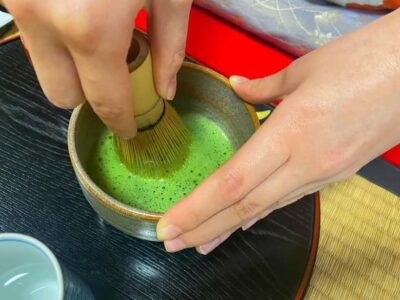
Tea Ceremony in a Traditional Tea House in Kiyomizu
Read our review →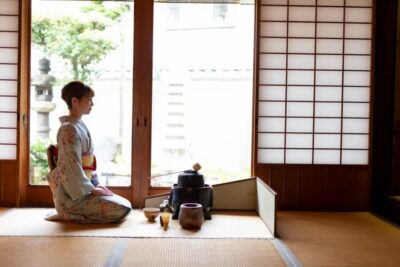
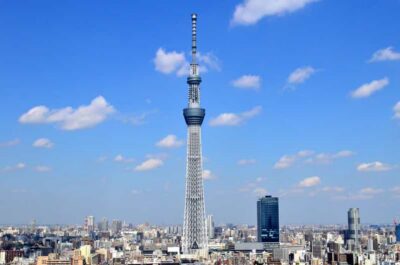
Meiji Shrine, Asakusa, Skytree Bus Tour and Cruise
Read our review →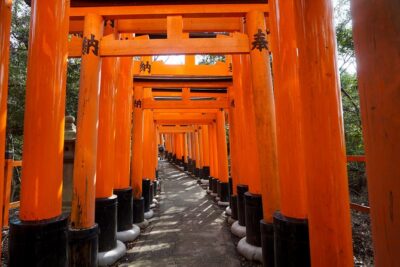
Fushimi Inari Hidden Hiking Tour (Private Option Available)
Read our review →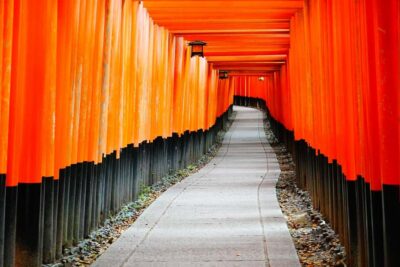
Osaka/Kyoto:Kinkakuji,Arashiyama,FushimiInariShrine,NaraPark
Read our review →
Asakusa Walking Tour with Sensoji Temple Visit
Read our review →
Nikko: Kegon Falls, Lake Chuzenji & Toshogu Temple
Read our review →Browse the lists this tour appears in