
Reviewed · CASTLE TOURS
Kyoto: Imperial Palace & Nijo Castle Guided Walking Tour
Kyoto’s power story fits into three hours. This walking tour pairs Nijo Castle with the Kyoto Imperial Palace, giving you a clear look at the old rivalry between shogun and emperor. I like the small groups, limited to nine people, and I like the choice of several start times, including the chance to book close to the day of the tour. The main consideration is the walking: the palace grounds are spread out, and the tour may not suit anyone with mobility, heart, breathing, or pregnancy-related concerns.
The strongest part is the guide. Names such as Jasmine, Vincent, Raphael, Taku, Cecilia, and Alex appear often in the feedback, with praise for clear English, warmth, historical detail, and thoughtful answers. You get entrance to Nijo Castle’s Ninomaru-goten Palace and Painting Gallery, but the Imperial Palace portion is mainly an outdoor visit, so guests hoping to enter palace interiors may feel disappointed.
In This Review
- Key points to know before booking
- Why these two Kyoto sights belong together
- Meeting your guide at Nijojo-Mae Station
- Nijo Castle: shogun power in wood, gardens, and sound
- Walking to the Imperial Palace
- Kyoto Imperial Palace: court life and formal space
- What the guides add to the experience
- Is three hours enough?
- Who should book this walking tour?
- Should you book it?
- FAQ
- How long does the Kyoto Imperial Palace and Nijo Castle tour last?
- What is the price of the tour?
- Where does the tour begin?
- Where does the tour finish?
- Is Nijo Castle admission included?
- Can I enter the Kyoto Imperial Palace?
- What languages are available?
- How many people are in the group?
- Is hotel pickup included?
- What should I bring?
- Is cancellation available?
Key points to know before booking
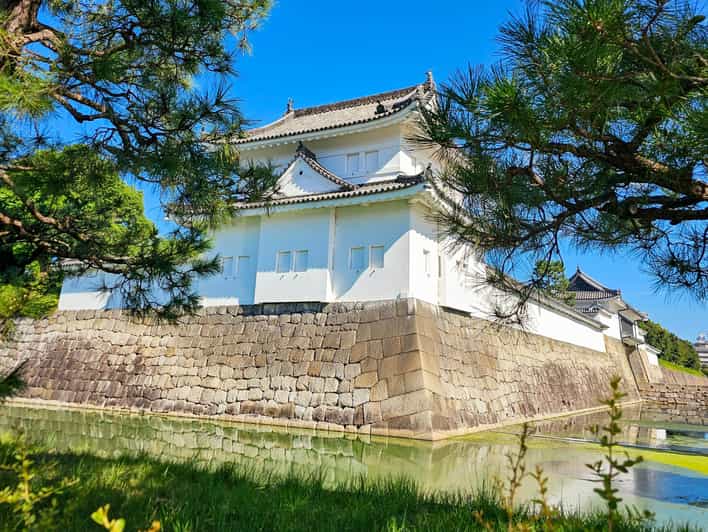
- Two symbols of old Japan in one walk: See the shogun’s Nijo Castle and the emperor’s former Kyoto residence together, which makes their different roles easier to understand.
- A small group of up to nine: The size allows more questions and makes it easier to hear the guide than on a large bus tour.
- A practical three-hour format: Each main site receives about an hour, with time between them for the walk and transfer.
- Ninomaru-goten is the castle focus: The admission includes Nijo Castle, the Ninomaru-goten Palace, and the Painting Gallery.
- The Imperial Palace is viewed from the grounds: You can admire its buildings and gardens, but this is not an interior palace tour.
- Good guide-led context: Guides such as Jasmine, Vincent, Raphael, and Taku are praised for explaining symbols, architecture, Japanese culture, and the difference between imperial and military power.
Why these two Kyoto sights belong together
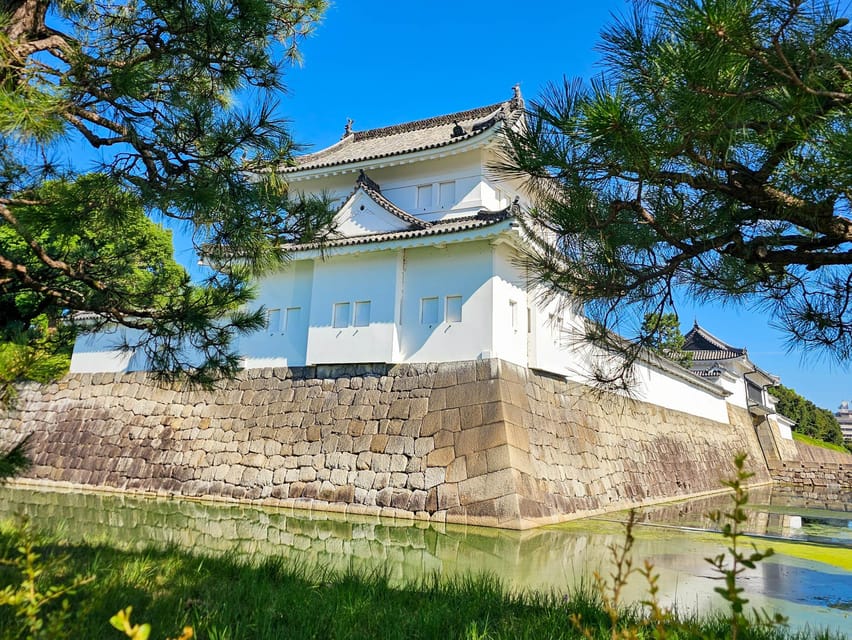
Kyoto can sometimes feel like a city of beautiful buildings without a clear storyline. This tour fixes that problem by putting two seats of power side by side in your day.
Nijo Castle represents the military government of the shoguns. The Kyoto Imperial Palace represents the emperor and the court that lived in Kyoto for more than a thousand years. Seeing both on the same outing helps you grasp a basic fact about Japanese history: political authority and imperial legitimacy were not always held by the same person.
That comparison is the real value of the tour. On your own, you might admire a painted screen at Nijo Castle, then admire a palace gate, without understanding how different these places were meant to feel. A good guide connects the architecture to the people who used it.
The experience is also sensible for a short Kyoto visit. At $49 per person, you are paying for an English, French, or Spanish-speaking guide, entrance fees, and a structured walking route. You are not paying for a meal, hotel transportation, or a private group. For a small group and two major historic sites, I consider the price fair, especially if you want explanation rather than a quick look and a few photographs.
More Castle Tours in Kyoto
- Kyoto: Nijo-jo Castle and Ninomaru Palace Guided Tour
★ 4.7 · 1,020 reviews - Kyoto: Nijo Castle, Kiyomizu & Fushimi Inari Guided Tour
★ 4.7 · 700 reviews - Kyoto: Nijo Castle World Heritage Guided Tour with Admission
★ 5.0 · 128 reviews
Meeting your guide at Nijojo-Mae Station
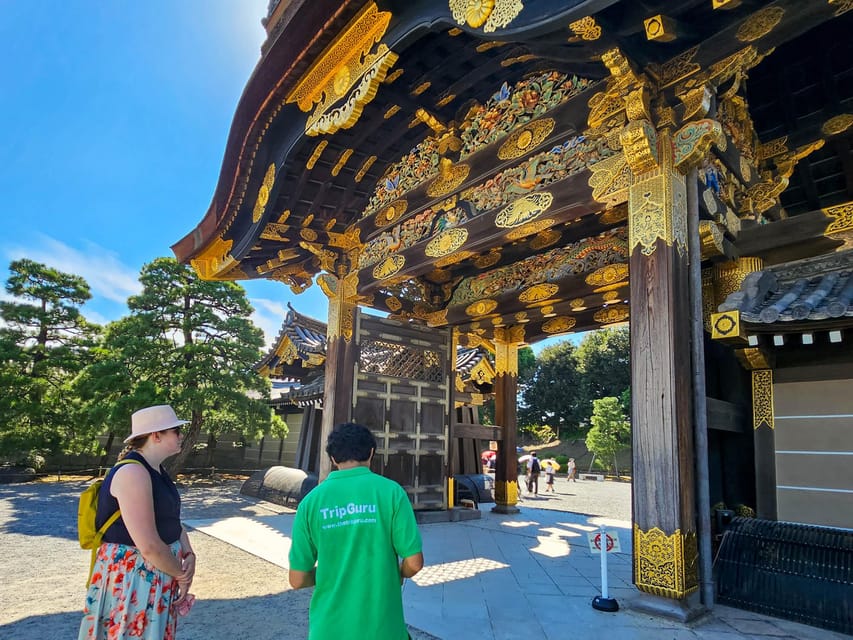
The tour begins outside Exit 1 at Nijojo-Mae Station, beside Nijo Castle. Your guide should be wearing a TripGuru shirt or holding a TripGuru sign.
Arrive at least 10 minutes early. This matters. The guide waits no more than 10 minutes after the scheduled start, and Kyoto traffic can be slower than navigation apps suggest, particularly in the morning. Give yourself a buffer rather than racing through the station with your phone in hand.
The meeting point is useful because you begin beside the first attraction instead of spending part of the paid tour finding it. It also gives the guide a natural place to explain the plan before entering. Arnoud specifically appreciated receiving an overview at the start, since it helped set expectations for the day.
The route ends at Imadegawa Station. That is helpful for planning your next stop, but remember that hotel pickup and drop-off are not included. You should also expect to arrange your own food and drinks.
Nijo Castle: shogun power in wood, gardens, and sound
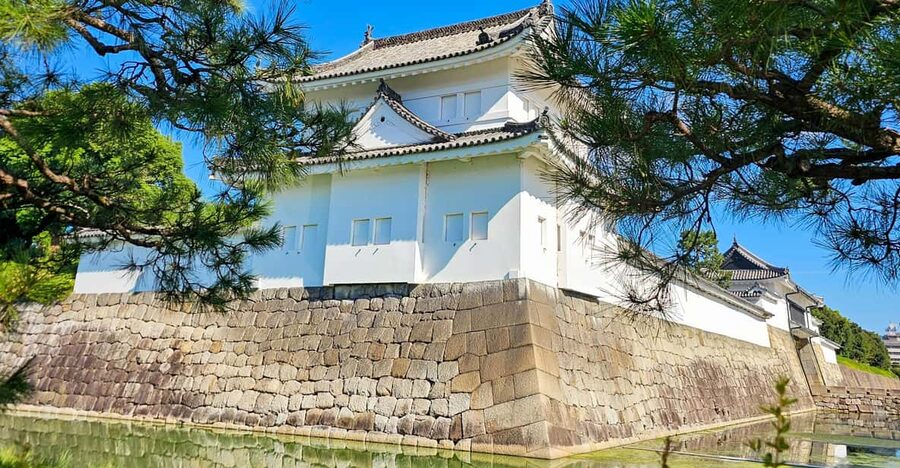
Nijo Castle receives about an hour of guided attention. This is the more interior-focused part of the experience, and many people will find it the stronger of the two stops.
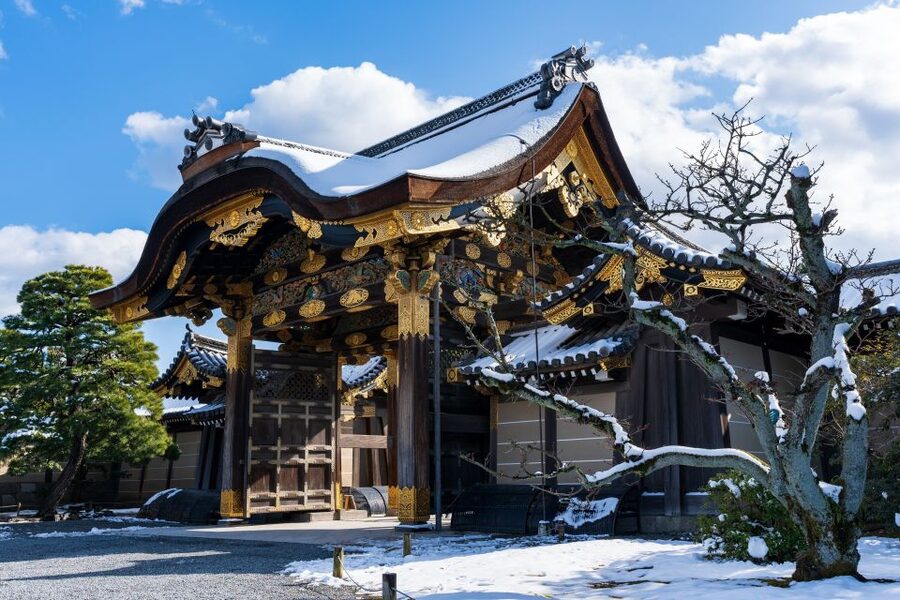
The castle’s architecture gives you a direct feel for the world of the shoguns. You will see ornate design, carefully arranged gardens, and the Ninomaru-goten Palace, where decoration was tied to rank and ceremony. The included admission covers Nijo Castle, the Ninomaru-goten Palace, and the Painting Gallery.
The guide-led format is particularly useful here because the visual details can be easy to miss. A painted panel may look simply elegant until someone explains its symbolic purpose. A gate, room arrangement, or garden view can also make more sense when you know how visitors were received and how status was displayed.
The palace is famous for its nightingale floors, though the supplied tour details do not promise a specific demonstration or explanation of them. You can still expect the guide to add cultural and historical context that a self-guided visit may not provide. Jasmine, Raphael, Vincent, and Taku are praised for explaining symbols, hidden meanings, and the architecture in an approachable way.
Taku, who is from Uji near Kyoto, was singled out for his patience and care toward everyone in the group. Vincent is praised for moving between historical facts and cultural references without making the tour feel like a lecture. Those qualities matter in a place with plenty to see in a limited time.
There is one important limitation. The guide brings the group to the Ninomaru-goten Palace and Garden, not every part of the castle complex. If you want a long, independent exploration of all grounds, this timed visit may feel selective. If you prefer a focused route with the key interiors and an explanation of what you are seeing, the structure works well.
Walking to the Imperial Palace
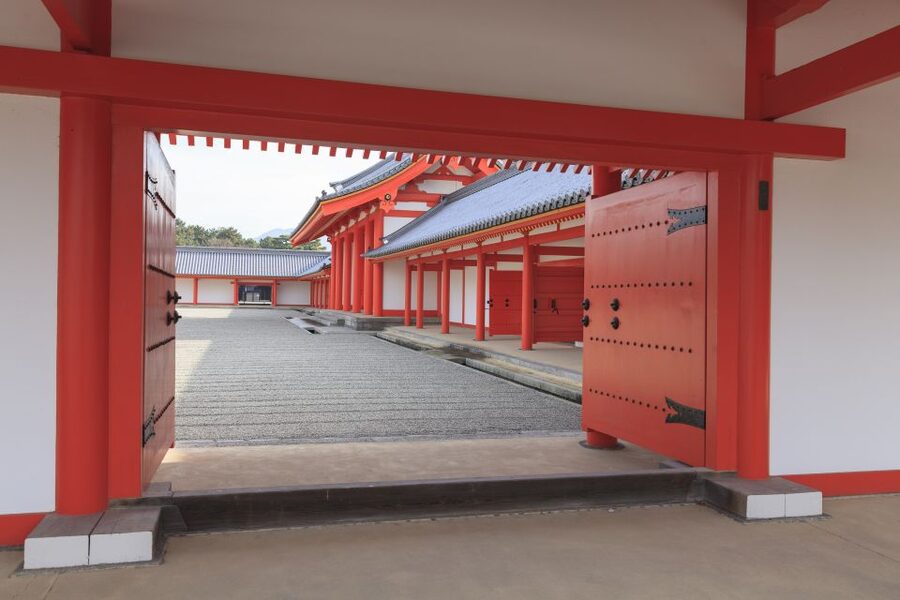
After Nijo Castle, the group continues toward the Kyoto Imperial Palace. The exact transport arrangement is not listed as a separate inclusion, so you should think of this as a walking tour with a transfer between the two sites rather than a coach excursion.
This is where comfortable shoes become essential. The full activity lasts three hours, and each main stop is planned for roughly one hour. The remaining time covers movement between sites, meeting the group, and the practical business of entering and leaving large historic compounds.
The route is not designed for people who want to sit often. June can be hot, and one guest specifically advised bringing water and a hat. That is good advice for warmer months. Carry cash as requested, along with a camera, but keep your hands free enough to walk comfortably.
The pace has generally been described as good, with enough time to enjoy both places. Still, the tour is not a leisurely half-day wander. You will cover ground, listen while standing, and keep to the group’s schedule. If you want long pauses for photography, you may need to choose your moments carefully.
More Walking Tours in Kyoto
- Kyoto Geisha Walking Tour: Gion District & Hidden Gems
★ 4.7 · 3,273 reviews - Kyoto: Gion Magical Night Walking Tour with Geisha Trivia
★ 4.9 · 2,393 reviews - Kyoto: Gion Geisha District Walking Tour – Stories of Geisha
★ 4.7 · 2,187 reviews - Night Walk in Gion: Kyoto’s Geisha District
★ 4.5 · 2,003 reviews
Kyoto Imperial Palace: court life and formal space
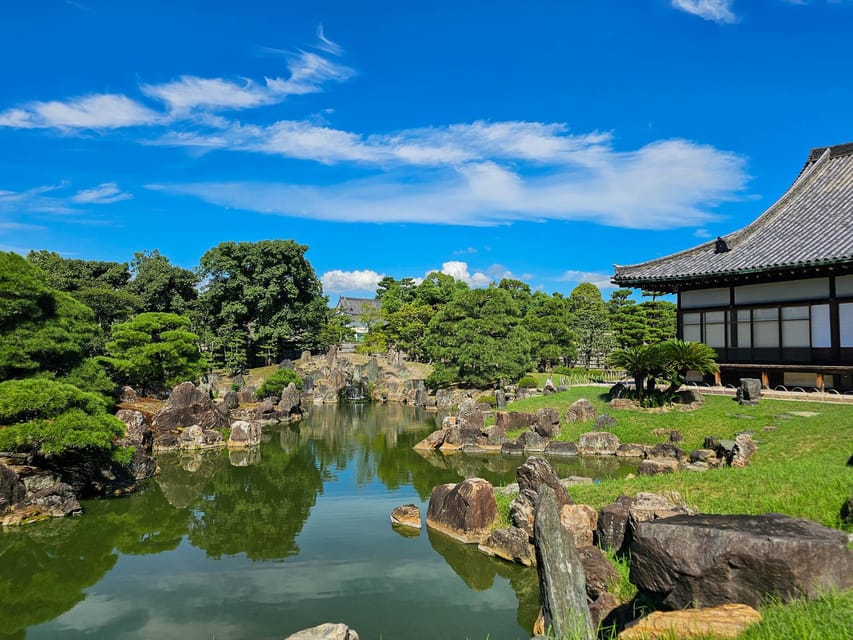
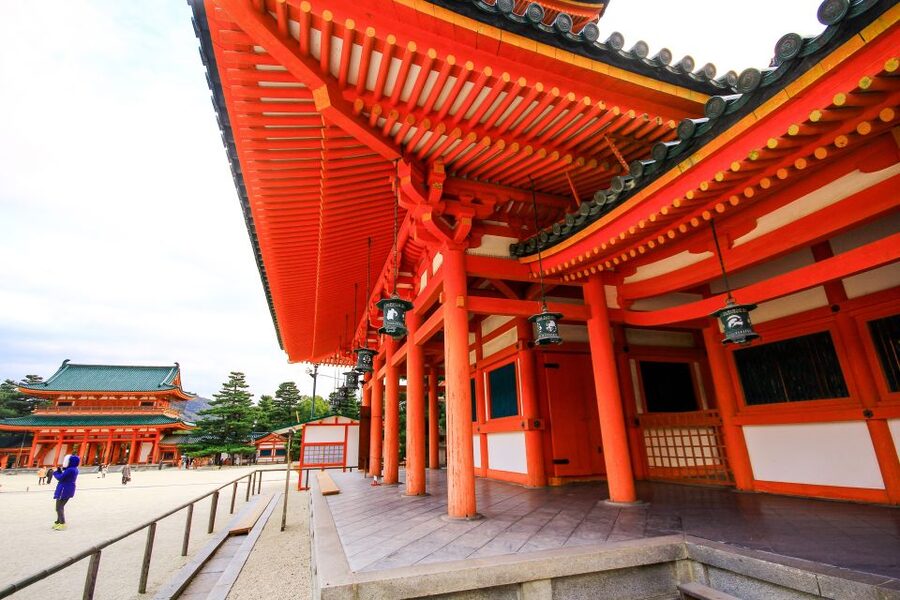
The Kyoto Imperial Palace was once the residence of Japan’s imperial family. The tour gives you time to see its impressive structures, gardens, and grounds while the guide explains its place in Kyoto’s past.
The palace is different from Nijo Castle in both mood and purpose. Nijo Castle feels tied to the shogun’s military government and ceremonial authority. The Imperial Palace points toward the court, the emperor, and the formal traditions that continued in Kyoto even when political control was exercised elsewhere.
That contrast is one of the best reasons to visit both sites together. Cathal found that the tour made the difference between shogun and emperor especially clear. Guides such as Alex and Gus also received praise for adding information about present-day Japanese culture, helping connect old institutions with Japan as you see it now.
Do not book this experience expecting to walk through palace rooms. The supplied details describe an escorted visit around the palace structure and grounds, not an interior tour. One person felt Nijo Castle offered more to see and would have preferred less time at the palace. That is a fair warning, especially if your main interest is painted interiors and enclosed historic rooms.
For others, the palace grounds provide a useful change of pace. The broad spaces, formal buildings, and gardens let you consider how different court life was from the shogun’s compound. The guide’s explanation is what gives the visit weight. Without context, you may simply see gates and carefully maintained grounds. With context, the site becomes part of a larger story about ceremony, residence, and authority.
Dress modestly and respectfully. Avoid shorts or tank tops when visiting the palace grounds. This is easy to manage with light, comfortable clothing that still covers you appropriately.
What the guides add to the experience
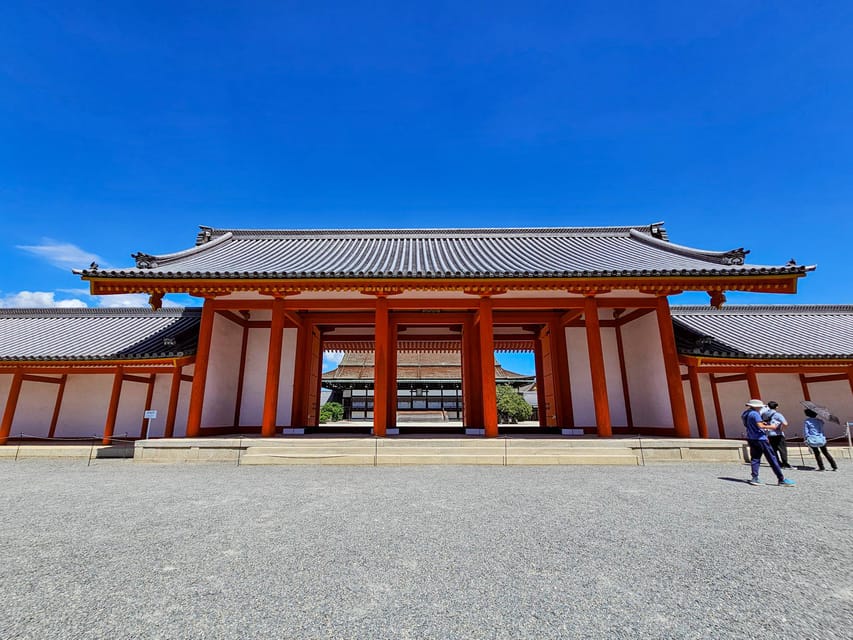
The strongest praise is directed at the guides, not simply the buildings. That is important because both sites can be visited without a tour.
Jasmine is praised for clear English, expressive storytelling, humor, and an ability to answer questions from the whole group. Vincent is described as attentive, fluent, and able to shift between precise history and everyday cultural references. Raphael is repeatedly praised for his command of Japanese history and for giving useful local suggestions after the tour.
Other guides receive similar comments. Taku is described as patient and considerate. Cecilia is praised for covering a great deal of ground while keeping the historical context clear. Alex is remembered for being easy to talk to and for making the castle and palace much more rewarding than they would have been alone.
That range of names tells you something useful: the quality depends partly on the guide assigned to your departure, so do not book based on one particular guide being guaranteed. Still, the repeated pattern is encouraging. The guide role is not limited to reciting dates. You can ask about religion, culture, symbols, daily life, and the way power worked in old Japan.
Small groups help here. With a maximum of nine participants, the guide can usually respond to individual questions without stopping a crowd of 30 people. On some departures, the group may be even smaller, which can make the outing feel almost private. That is a pleasant bonus, but it is not guaranteed.
Is three hours enough?
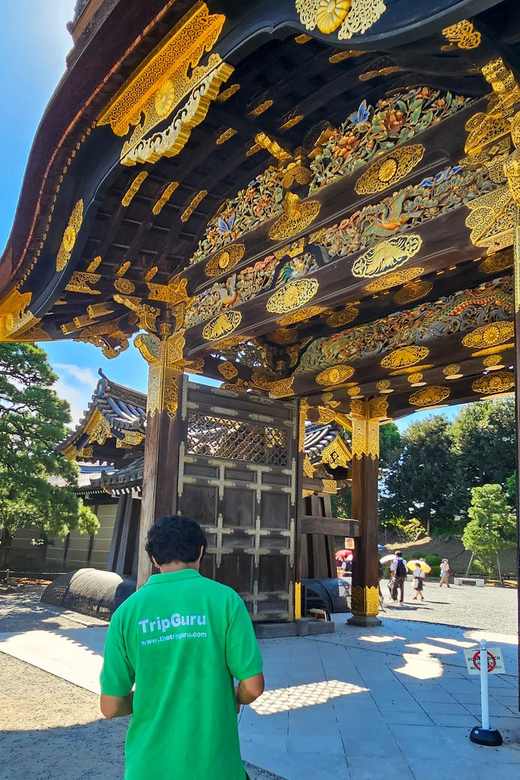
For a first look, yes. The schedule gives about an hour at Nijo Castle and an hour at the Imperial Palace, with the rest used for the route and transitions.
Several people found three hours to be the right length. You see two major places without giving up an entire day, and you finish at Imadegawa Station with time left for another Kyoto activity. The format is especially useful if you have only a short window between other plans.
The trade-off is depth. You will not study every garden section, linger at every viewpoint, or explore each site at your own speed. The tour gives you the main story and selected highlights. If you want to photograph every detail or read every sign, plan to return independently.
The several start times make the tour easier to fit around a Kyoto itinerary. Last-minute booking is also permitted, subject to availability. I would still avoid leaving it until the final moment during a busy travel period, since a small group can fill quickly.
Who should book this walking tour?
I would recommend it most strongly to first-time Kyoto visitors, history fans, and anyone who wants the city’s major sights explained in plain English. It is also a good choice if you are unsure how to compare the emperor’s court with the shogun’s government.
Families with older children may appreciate the short format and the clear story. Couples and solo visitors can also benefit from the social ease of a small group. If you enjoy asking questions, the guide-led approach offers much more than simply carrying an audio guide through the gates.
You may want another plan if you have limited stamina, significant mobility concerns, heart problems, respiratory issues, or are pregnant. The experience involves walking and standing across large grounds. It is also not ideal if you mainly want palace interiors, a private guide, hotel transportation, or a slow photography session.
Bring comfortable shoes, water in hot weather, a hat, cash, and a camera. Arrive early, dress respectfully for the palace, and leave extra time for traffic.
Should you book it?
Book this tour if you want two important Kyoto sites tied together by one clear historical explanation. At $49, the entrance fees and small-group guide make it a sensible buy for a first visit, particularly when your schedule is tight.
I would choose it for the contrast between Nijo Castle and the Imperial Palace, and for the chance to ask questions along the way. I would skip it only if you want a fully independent visit, extensive time at each site, or access to palace interiors. For most people seeking a focused introduction to Kyoto’s imperial and military past, this is a well-paced and useful three hours.
FAQ
How long does the Kyoto Imperial Palace and Nijo Castle tour last?
The activity lasts three hours. The planned visits include about one hour at Nijo Castle and one hour at the Kyoto Imperial Palace, with additional time for walking and transfers.
What is the price of the tour?
The price is $49 per person. It includes the English, French, or Spanish-speaking guide, entrance fees, and the walking tour.
Where does the tour begin?
Meet outside Exit 1 at Nijojo-Mae Station, beside Nijo Castle. Your guide will wear a TripGuru shirt or hold a TripGuru sign.
Where does the tour finish?
The tour ends at Imadegawa Station.
Is Nijo Castle admission included?
Yes. Admission includes Nijo Castle, the Ninomaru-goten Palace, and the Painting Gallery.
Can I enter the Kyoto Imperial Palace?
The tour includes a visit around the Kyoto Imperial Palace grounds and exterior areas. The supplied details do not describe access to palace interiors.
What languages are available?
Live guides are available in English, French, and Spanish.
How many people are in the group?
The tour is limited to nine participants, making it a small-group experience.
Is hotel pickup included?
No. Hotel pickup and drop-off are not included.
What should I bring?
Bring comfortable shoes, a camera, and cash. In hot weather, water and a hat are also sensible choices.
Is cancellation available?
You can cancel up to 24 hours before the tour for a full refund. The reserve-now, pay-later option lets you book without paying immediately.
Just added around Kyoto
- Kyoto: Gion Night Walking Tour with Geisha Insight★ 5.0 · 39 reviews
- Kyoto: Private Customizable Day Trip by Car★ 5.0 · 38 reviews
- Kyoto: Full Day Bike Tour★ 4.9 · 39 reviews
- Private Japanese Calligraphy in Kyoto – Learn Shodō with a Master★ 5.0 · 39 reviews
- Experience a tea ceremony in an authentic tearoom, in Kyoto!★ 4.5 · 41 reviews
- Kyoto: Gion Evening Walk with Hidden Gems, Geisha & Sake★ 5.0 · 41 reviews
- Kyoto Private Photo Shoot & Tour by SnapKyoto★ 5.0 · 41 reviews
- The Way of Tea: Kyoto Crafts, Hidden Temples & Wabi-Sabi Walk★ 5.0 · 41 reviews
Castle Tours, compared.

Tokyo Castle & Imperial PalaceーShogun Walking Tour
Read our review →
Nijo-jo Castle and Ninomaru Palace Guided Tour
Read our review →
Ultimate Osaka Walking Tour: Castle, Dotonbori & Hidden Gems
Read our review →Tokyo Castle & Imperial PalaceーShogun Walking Tour
Read our review →
Nijo Castle, Kiyomizu & Fushimi Inari Guided Tour
Read our review →
Osaka Castle Walking Tour and Castle Tower Admission
Read our review →
Imperial Palace East Garden and Edo Castle Walking Tour in Tokyo
Read our review →Browse the lists this tour appears in