
Reviewed · CASTLE TOURS
Tokyo Castle & Imperial PalaceーShogun Walking Tour
Tokyo’s past is hiding in plain sight. This two-hour walk makes the old castle easier to understand, especially through the stories of samurai guards, shoguns, emperors, and Edo Castle’s clever defenses. I like the route’s mix of stone gates and watchtowers with the calm Ninomaru Garden, and I like the way strong guides such as K, Keiko, Ai, and Shin use pictures and stories to bring vanished buildings back to life.
The price is reasonable at $23.88, particularly if Japanese castle design or the Edo period feels confusing to you. My main caution is that much of the walk is exposed, with steep slopes and stairs, and the quality depends on your English-speaking guide. One disappointed participant found the guide’s English difficult, though the overwhelming response praised the guides’ clarity, warmth, and historical detail.
In This Review
- Key Points to Know Before You Go
- Why Edo Castle Makes a Good First History Tour
- Meeting at Wadakura Fountain Park
- Sakurada Tatsumi Yagura and the Castle’s First Lesson
- Otemon Gate and the Logic of Defense
- Three Guardhouses, Three Levels of Samurai Duty
- Fujimi-yagura and the View from a Watchtower
- The Scale Model at Kokyo Sannomaru Shozokan
- The Edo Castle Main Tower Site
- Ninomaru Garden and the Softer Side of the Palace Grounds
- The Ginkgo Avenue and the End of the Walk
- How Much Value Do You Get for $23.88?
- Who Will Enjoy This Walk Most?
- Practical Tips for a Better Visit
- Should You Book the Tokyo Castle Walking Tour?
- FAQ
- How long does the Tokyo Castle and Imperial Palace walking tour last?
- Where does the tour begin?
- Where does the tour finish?
- Is the tour conducted in English?
- Can I enter the Emperor’s residence?
- Are there security restrictions?
- Is the tour physically demanding?
Key Points to Know Before You Go
- Edo Castle was never breached: The guide explains how gates, walls, guardhouses, and layered defenses protected the shogun.
- A compact two-hour history lesson: You cover nine stops without committing to a half-day activity.
- Samurai life gets specific: The Constable, Hyakunin Bansho, and Obansho guardhouses show how different ranks worked inside the castle.
- The garden provides a welcome change: Ninomaru Garden adds koi, seasonal plants, and quiet ponds after the military sites.
- Guides make the difference: K, Keiko, Shin, Yuuki, and others are praised for clear explanations, humor, patience, and visual aids.
- Prepare for sun and stairs: Bring water, wear comfortable shoes, and leave knives and alcohol behind for the security check.
Why Edo Castle Makes a Good First History Tour
Tokyo can feel almost entirely modern until you reach the Imperial Palace grounds. Behind the broad avenues and office towers are the remains of Edo Castle, once the seat of the Tokugawa shoguns and Japan’s largest fortress.
The castle is not an intact medieval complex. You will not walk through a preserved main keep or visit the Emperor’s residence. Instead, you see surviving gates, turrets, stone walls, guardhouses, garden features, and the base of the former main tower.
That may sound modest, but it is exactly where a guide helps. Without context, a stone foundation can look like a stone foundation. With a good explanation, it becomes the center of a political and military system that shaped Tokyo and much of Japan.
The tour connects two broad stories. One is the world of the shogun, samurai ranks, checkpoints, and defensive design. The other is the long imperial system, described during the experience as a 2,600-year legacy. You get a useful introduction without having to sort out the whole subject from a guidebook.
The advertised group size is up to 10 people, which should make it easier to hear the guide and ask questions. The booking information also gives a maximum of 60 for the activity, so group arrangements may vary. If a very small group matters to you, confirm the size when booking.
More Castle Tours in Tokyo
- Tokyo Castle & Imperial PalaceーShogun Walking Tour
★ 4.7 · 1,068 reviews - Imperial Palace East Garden and Edo Castle Walking Tour in Tokyo
★ 5.0 · 510 reviews - Tokyo Castle, Imperial Palace, Shogun & Garden Walking Tour
★ 5.0 · 211 reviews
Meeting at Wadakura Fountain Park
The tour begins at Starbucks Coffee in Wadakura Fountain Park, at 3-1 Kōkyogaien in Chiyoda City. This is a practical starting point near public transportation and within the open Imperial Palace area.
You should arrive ready to walk rather than expecting a museum-style visit. The route covers outdoor spaces, gates, guardhouses, walls, paths, slopes, and gardens. Mobile tickets make entry simple, but you still need to pay attention to the meeting instructions and local time.
A security check is required to enter the Imperial Palace grounds. Do not bring knives or alcohol. The Emperor’s residence is not open to the public, so this is a walk around selected palace and former castle areas, not an interior palace tour.
The meeting point is also the ending point according to the booking details, although the route description says the tour concludes in front of the ginkgo-lined avenue stretching toward Tokyo Station. Treat that avenue as the final sightseeing point and confirm the exact return arrangement with your guide.
Sakurada Tatsumi Yagura and the Castle’s First Lesson
The first listed stop is Sakurada Tatsumi Yagura, a surviving turret from the Edo period. You have about 20 minutes here, making it one of the longer stops at the beginning of the walk.
This is a strong opening because a turret immediately shows the practical side of the castle. The guide explains the security systems that protected the palace area and how such structures fit into the wider defense plan.
I would pay attention to the relationship between the turret, walls, gates, and approaches rather than treating it as a single photo stop. The point is not simply that an old tower survives. The point is how it helped control movement and protect the shogun.
The turret is also a good place to start asking questions. If you are unsure about the difference between an emperor and a shogun, or about how Edo Castle relates to today’s Imperial Palace, this is a useful moment to get the basic terms clear.
Otemon Gate and the Logic of Defense

At Kokyo Otemon Gate, you see two massive gates and stone walls from the original castle. The stop lasts about 10 minutes and focuses on how the design protected the shogun.
Large Japanese castle gates were not just grand entrances. Their placement, layers, turns, walls, and controlled access made it difficult for an enemy to rush directly toward the center. The guide’s job here is to help you read the site as a defensive machine.
This is one of the tour’s most useful features. You are not asked merely to admire old masonry. You are shown why the castle was difficult to breach and how its layout forced anyone approaching to move slowly and carefully.
The surrounding open grounds can make the former castle feel less substantial than it once was. The explanation helps correct that impression. Edo Castle has lost much of its original architecture, but the scale of its defenses still comes through in the gates and stonework.
More Walking Tours in Tokyo
- Tokyo Tsukiji Fish Market Food and Culture Walking Tour
★ 5.0 · 3,184 reviews - Tokyo: Imperial Palace and Shogun Historical Walking Tour
★ 5.0 · 2,251 reviews - Tokyo: Shinjuku Local Bar and Izakaya Guided Walking Tour
★ 4.9 · 1,794 reviews - Tokyo: Tsukiji Fish Market Food and Walking tour
★ 5.0 · 1,724 reviews
Three Guardhouses, Three Levels of Samurai Duty
The next three stops explain how castle security depended on people as much as walls.
At the Constable Guardhouse, you spend about 10 minutes learning about lower-ranking samurai and the importance of their post. This is a helpful reminder that samurai society was not made up only of famous warriors and powerful lords. Many men served in routine security roles, watching entrances and controlling access.
The Hyakunin Bansho Guardhouse follows. Its name is associated with a large guardhouse where many samurai were stationed. Here the guide discusses their role in castle security. The larger scale gives you a sense of how many people were needed to run and protect a major political center.
At the Obansho Guardhouse, the focus shifts to higher-ranking samurai and their duties near the inner gate. The three stops work well together because they show rank as a physical part of the castle. Different posts had different responsibilities, and proximity to the inner areas mattered.
I especially like this part for visitors who know the word samurai but not much about daily samurai service. These guardhouses turn a broad social class into a series of jobs, ranks, and responsibilities. The buildings are simple, so the quality of the explanation matters greatly.
Fujimi-yagura and the View from a Watchtower
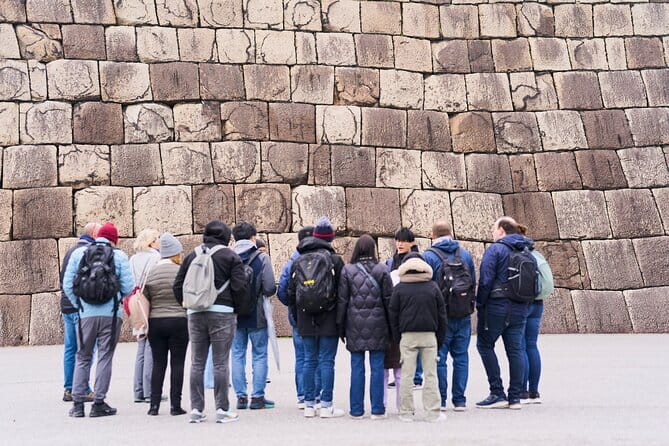
Fujimi-yagura is an old watchtower overlooking the area. The visit lasts around 10 minutes and explains its former purpose and distinctive role.
The name is often connected with viewing Mount Fuji, but the supplied tour details do not promise a Fuji view today. Do not book this stop expecting a particular panorama. Its value is the chance to understand how a watchtower worked within the castle’s defensive network.
The open grounds around the tower also offer a pause from the tighter gate and guardhouse story. You can take photographs, look across the palace area, and picture how the tower once fit into a much more crowded complex.
A guide can help here by showing old layouts or photographs. Keiko, for example, is praised for carrying laminated images of former castle layouts, guard towers, and the royal family. That sort of visual aid is useful because the modern setting does not always reveal the original arrangement.
The Scale Model at Kokyo Sannomaru Shozokan
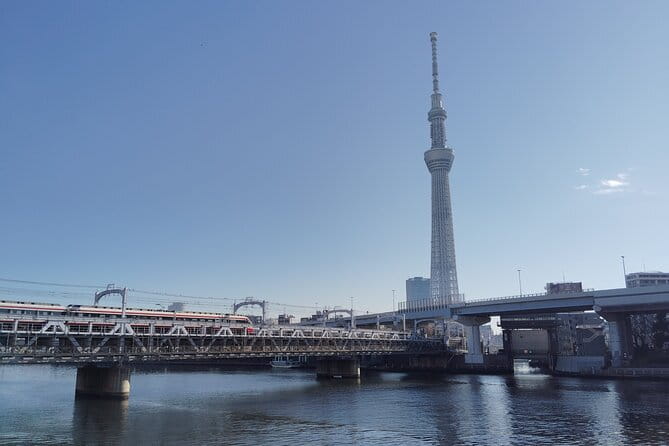
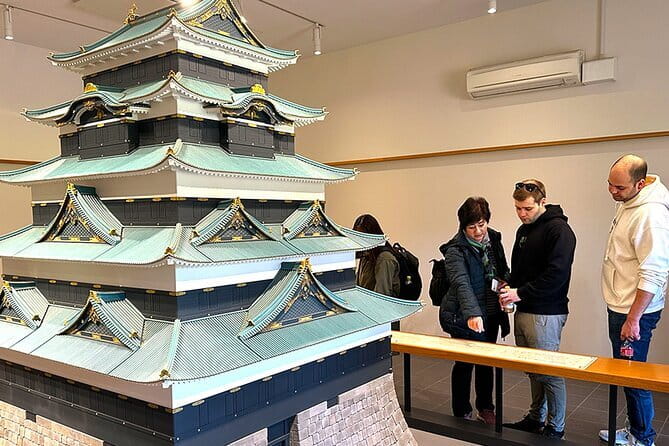
Kokyo Sannomaru Shozokan offers a scale model of the former Edo Castle and a souvenir shop with palace-related goods. The scheduled stop is about 10 minutes.
The model is important because it gives you the big picture after seeing individual structures. Earlier, you have looked at a turret, gates, and guardhouses one at a time. A scale model helps connect them into one large fortress.
This is also a good point to test your understanding. You can look back at the route and see where the outer defenses led toward the inner areas. The model may be more useful to visual learners than another verbal description.
The souvenir shop is a small addition rather than the focus of the experience. You should not expect a long shopping break. Ten minutes is enough for a quick look at palace-related items before continuing.
The Edo Castle Main Tower Site
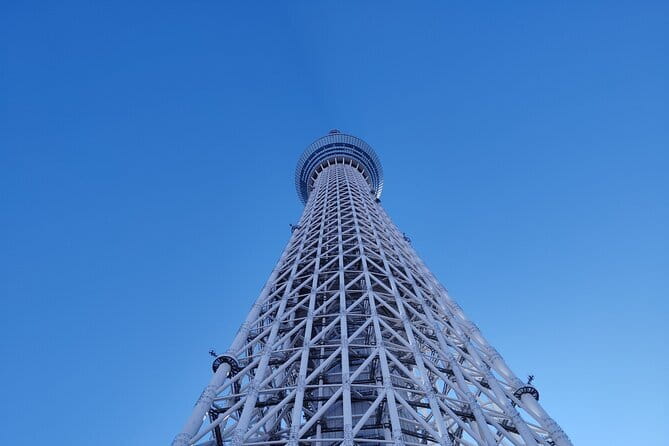
In the East Gardens of the Imperial Palace, the tour reaches the former site of Edo Castle’s main tower. The stop lasts around 15 minutes and explains why the tower no longer survives and what remains today.
This is likely to be one of the most important moments for first-time visitors. Many people arrive expecting a castle tower and are surprised to find a base or open area instead. The explanation fills in that gap without pretending the missing structure is still there.
The site works as a lesson in change. Edo Castle was a center of power, but fire, political shifts, rebuilding decisions, and the passage of time left the grounds very different from the shogun’s era. The experience connects the physical remains to the end of the shogunate and the later imperial capital.
Take your time with the stonework. A foundation can look plain, yet its size helps you understand the importance of the original tower. This is where the tour’s historical storytelling earns its price.
Ninomaru Garden and the Softer Side of the Palace Grounds
Ninomaru Garden receives about 15 minutes, making it another substantial stop. After the military focus of gates, towers, and guardhouses, the garden changes the mood.
You see seasonal plants and a pond with koi. The garden offers a quiet look at the grounds beyond defense and ceremony. It is a pleasant place for photographs, but it also shows how Japanese gardens can provide controlled calm within a powerful political compound.
I like the balance here. A tour made entirely of walls and military structures could become dry, especially in hot weather. Ninomaru Garden gives your eyes and mind a break while still connecting to the former castle grounds.
The route is not a garden tour alone. If gardens are your main interest, you may want a separate visit with more time. On this walk, the garden is a thoughtful final stop rather than the central subject.
The Ginkgo Avenue and the End of the Walk
The tour finishes near the ginkgo-lined avenue stretching toward Tokyo Station. This gives you a clear visual ending and places you near one of central Tokyo’s major areas.
The route takes about two hours, with roughly 10 to 20 minutes at most stops. That is long enough to build a useful picture of Edo Castle without taking over your day.
One useful detail from the feedback is that a comfort break may be included around the halfway point, though this should not be treated as a guaranteed scheduled feature. In hot weather, plan your own water and rest needs rather than relying on a break.
The walk is generally manageable for most people, but the description specifically warns about steep slopes and stairs. Comfortable footwear matters. During hot weather, bring water and use a hat or umbrella, since much of the route is exposed to the sun.
How Much Value Do You Get for $23.88?
At $23.88 per person, this is priced as an affordable guided introduction rather than a premium palace experience. You receive about two hours of live explanation, a focused route, and access to outdoor areas where the entry ticket is free.
The central value is interpretation. You can walk through the East Gardens without paying for a guide, but you may miss why the guardhouses were arranged as they were, how samurai ranks shaped security, and why the main tower site matters.
I would consider the price worthwhile if you are visiting Tokyo early in your trip and want a clear foundation in Japanese history. Several strong guides, including K, Shin, Yuuki, Nana, Mayuko, Ai, and Tomo, are praised for answering questions and making the walk easy to follow. One participant even described a guide helping after a last-minute tour problem, though that should be seen as personal service rather than a promised feature.
The value is weaker if you prefer to explore quietly at your own pace or already know Edo-period history well. You are paying mainly for the guide’s voice and structure, not for entry into a special interior or a rare behind-the-scenes area.
The experience has a 4.9 rating from 725 reviews, with 99 percent recommending it. Those numbers suggest a reliable product, but the one serious complaint is worth taking seriously: English ability can vary by guide. The tour is English only, with no Japanese-language support.
Who Will Enjoy This Walk Most?
I would recommend this tour to first-time Tokyo visitors, families wanting a manageable history lesson, and anyone curious about the relationship between samurai rule and the imperial system.
It is also a good choice if you learn best through stories. Guides such as K and Keiko are praised for humor, visual materials, and enthusiasm. Nana is described as patient with questions, while other guides receive praise for clear explanations and friendly service.
You should think twice if you have limited mobility or dislike outdoor walking in heat. The route includes slopes and stairs, and the booking information says there are no health restrictions but still warns about the physical demands.
This is not the right choice if you expect to enter the Emperor’s residence, see a complete castle, or receive a long museum visit. The experience is about surviving traces and informed explanation.
Practical Tips for a Better Visit
Arrive with comfortable shoes. The route covers a fair amount of ground, and the steep sections will feel harder in summer.
Bring water, sun protection, and perhaps a hat or umbrella. Most of the walk is outdoors and exposed, and one participant specifically noted the importance of water and protection from the sun.
Keep your bag free of knives and alcohol because of the security check. Do not expect access to the Emperor’s residence, which is closed to the public.
Because the tour is in English only, choose it only if you are comfortable following spoken English for two hours. If you have a question, ask it. The strongest guides are praised for answering questions with ease and giving the group extra attention when needed.
Free cancellation is available if you cancel at least 24 hours before the start time. Changes or cancellations made inside that window are not accepted for a refund, and the cut-off follows Tokyo local time.
Should You Book the Tokyo Castle Walking Tour?
I would book it if you want a short, affordable way to understand the Imperial Palace grounds instead of simply taking photographs and moving on. The combination of Edo Castle defenses, samurai guardhouses, the former main tower site, and Ninomaru Garden gives you a well-shaped two-hour introduction.
The best reason to go is the guide. K, Keiko, Shin, Ai, Tomo, and others are praised for making the past clear, lively, and personal. The main risks are heat, stairs, exposed paths, and the possibility of a guide whose English is harder to follow.
Book this early in your Tokyo stay if you want historical context for later sightseeing. Skip it if you want palace interiors, a complete castle, or a self-guided garden stroll. For most curious first-time visitors, $23.88 is a fair price for turning scattered ruins into a story you can remember.
FAQ
How long does the Tokyo Castle and Imperial Palace walking tour last?
The tour lasts approximately two hours.
Where does the tour begin?
It begins at Starbucks Coffee in Kokyo Gaien Wadakura Fountain Park, 3-1 Kōkyogaien, Chiyoda City, Tokyo 100-0002, Japan.
Where does the tour finish?
The activity ends back at the meeting point. The route description also identifies the ginkgo-lined avenue stretching toward Tokyo Station as the concluding sightseeing area.
Is the tour conducted in English?
Yes. The tour is conducted in English only, and Japanese-language support is not available.
Can I enter the Emperor’s residence?
No. The Emperor’s residence is not open to the public.
Are there security restrictions?
Yes. A security check is required to enter the Imperial Palace grounds. Do not bring knives or alcohol.
Is the tour physically demanding?
Most people can participate, but you need to walk up steep slopes and stairs. Comfortable footwear is recommended, and water and sun protection are useful because much of the route is exposed.
Just added around Tokyo
- Tokyo Small Group Tour with Guide★ 4.5 · 38 reviews
- Tokyo 6hr Instagram Highlights Private Tour with Licensed Guide★ 5.0 · 38 reviews
- Tokyo Sumo Experience with Live Show & Audience Challenge★ 5.0 · 38 reviews
- Very popular in Harajuku♡Animal petting zoo★ 4.6 · 39 reviews
- Japanese Food Cooking Class in Asakusa, Tokyo★ 5.0 · 39 reviews
- Ramen Making from Scratch with Tokyo Mom(Vegan Option Available)★ 5.0 · 39 reviews
- Tokyo: Kimono Rental inside Shinjuku Gyoen National Garden★ 4.9 · 39 reviews
- Tokyo JDM Night: 600hp C63s AMG Edition 1 (Private)★ 4.9 · 39 reviews
Castle Tours, compared.
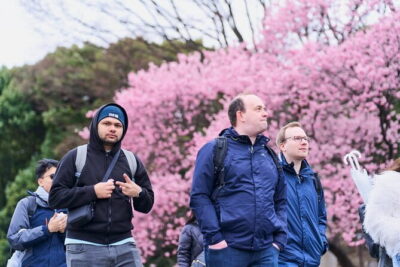
Tokyo Castle & Imperial PalaceーShogun Walking Tour
Read our review →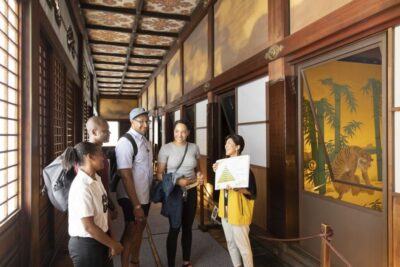
Nijo-jo Castle and Ninomaru Palace Guided Tour
Read our review →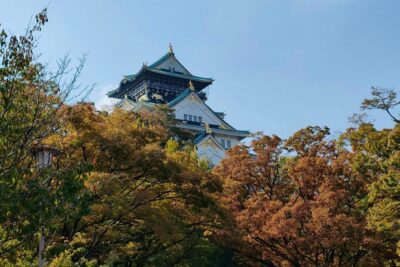
Ultimate Osaka Walking Tour: Castle, Dotonbori & Hidden Gems
Read our review →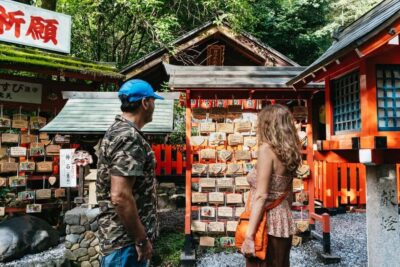
Nijo Castle, Kiyomizu & Fushimi Inari Guided Tour
Read our review →
Osaka Castle Walking Tour and Castle Tower Admission
Read our review →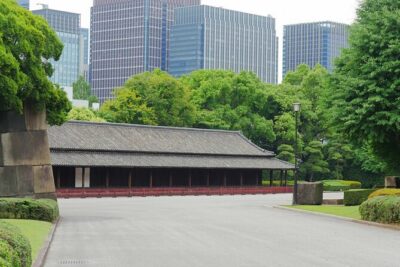
Imperial Palace East Garden and Edo Castle Walking Tour in Tokyo
Read our review →
Imperial Palace & Nijo Castle Guided Walking Tour
Read our review →Browse the lists this tour appears in