
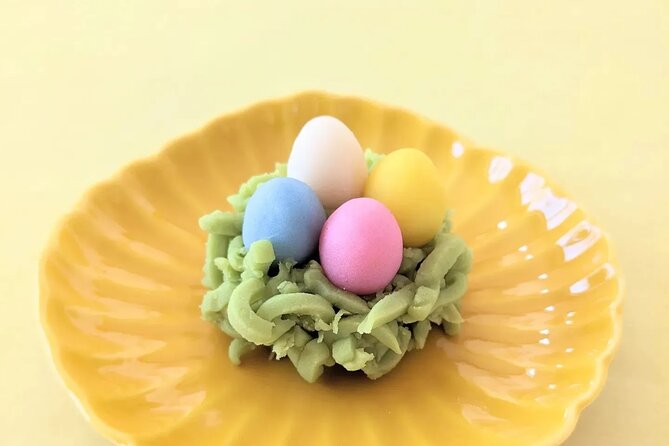
Reviewed · WORKSHOPS
Wagashi traditional japanese sweets class
Pretty sweets, quiet suburbs, real Japanese hospitality. This two-hour wagashi class gives you a hands-on way to learn about Japan’s thousand-year tradition of seasonal sweets, rather than simply buying one from a shop. I especially like the small-group setting and the chance to visit Yuki’s cozy home, where the lesson feels personal instead of staged. The main consideration is location: you meet at Makomanai Station, away from central Sapporo, so you need to allow extra time for the trip.
I also like that you make nerikiri, one of the most delicate wagashi styles, and then taste what you have shaped with Japanese green tea. Yuki has appeared on Japanese television, radio, and in newspapers, and her warm teaching style comes through clearly. Still, this is a craft class, not a quick dessert stop. Making neat, flower-like sweets takes patience and concentration.
In This Review
- Key details before you book
- What makes wagashi worth your time
- Meeting Yuki at Makomanai Station
- A home visit with tea and local conversation
- Learning to shape delicate nerikiri
- Tasting the sweets you made
- Why the southern Sapporo setting matters
- English instruction and group size
- Is $59.31 a fair price?
- Who should book this class?
- Booking and cancellation tips
- My verdict: a thoughtful Sapporo experience
- FAQ
- Where does the wagashi class meet?
- How long does the class last?
- Is pickup available?
- How many people can join?
- What type of Japanese sweets will I make?
- Can I cancel for a full refund?
Key details before you book
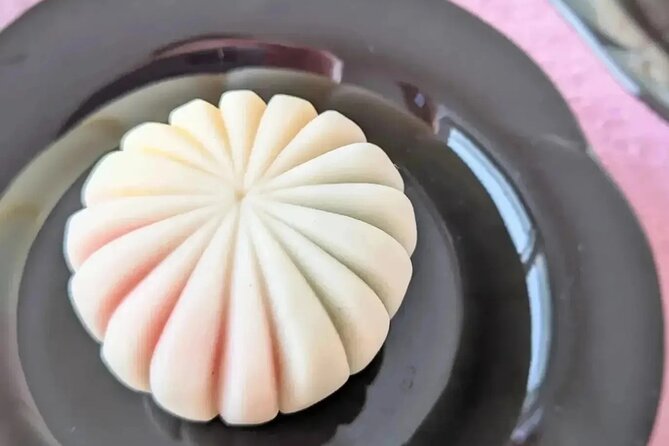
- Shape traditional nerikiri sweets: Learn techniques for making beautiful bean-paste confections connected to Japan’s seasons.
- Visit Yuki’s home in Sapporo: The class takes place in a peaceful residential area, not a commercial cooking studio.
- Meet at Makomanai Station: Station pickup may be offered, and several participants were collected and returned by car.
- Enjoy tea and conversation: Green tea, Japanese teacups, cultural background, and local restaurant suggestions add to the class.
- Small group of up to 12 people: The format can feel intimate, though the full maximum group may be less personal than a private lesson.
- Budget about $59.31 per person: For two hours of instruction, prepared ingredients, tasting, and a local cultural visit, the price is fair.
What makes wagashi worth your time
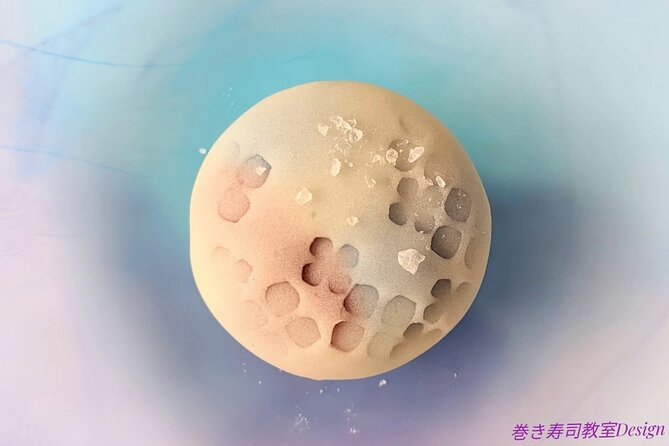
Wagashi means traditional Japanese sweets. These treats are not made only to satisfy a sweet tooth. Their colors, shapes, and names often reflect the season, flowers, weather, or a particular festival.
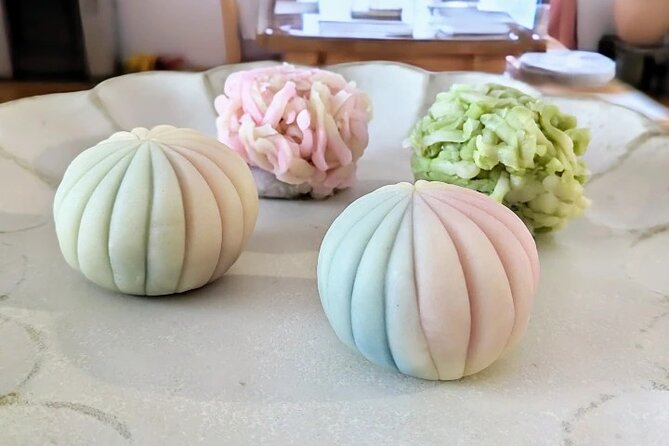
The class focuses on nerikiri, a soft confection commonly made with sweet bean paste and a pliable outer mixture. Its appeal is visual as much as culinary. A finished sweet may look like a flower or another seasonal object, and the delicate design is part of the pleasure.
That makes this a useful class for anyone curious about the role of food in Japanese culture. You are not just mixing ingredients and eating the result. You are learning why Japanese sweets are shaped with such care and why a small confection can be treated almost like a piece of art.
The class also gives you a break from Sapporo’s central streets. Makomanai is in the southern part of the city, and the setting feels far removed from the usual shopping and sightseeing circuit. One participant described the drive from the station through a beautiful mountainous area, while another enjoyed the quiet location beside a river.
You should keep your expectations sensible. This is not a full cooking lesson with a long menu. It is a focused introduction to one traditional sweet, taught at a relaxed pace in a home.
More dessert tours:
- Matcha Making Class in Tokyo with Authentic Japanese Sweets Set
★ 5.0 · 744 reviews - Matcha Making Class in Osaka with Authentic Japanese Sweets Set
★ 5.0 · 509 reviews - Tokyo: Matcha Making Experience with Mochi Sweets in Asakusa
★ 4.9 · 388 reviews
Meeting Yuki at Makomanai Station
The stated meeting point is Makomanai Station in Sapporo’s Minami Ward. The activity finishes back at the same meeting point, which makes planning easier, especially if you have other plans later in the day.
Pickup is offered, and several people were collected directly from the station by Yuki. The exact arrangement should be confirmed after booking, since the meeting details and availability are subject to confirmation within 48 hours.
This station transfer matters more than it might seem. Yuki’s home is not right beside Sapporo’s main tourist district. The ride takes you into a quieter part of the city, and that change is part of the experience. You get a glimpse of residential Sapporo instead of spending the whole lesson in a downtown room designed for short-term visitors.
The practical downside is simple: Makomanai is not the most convenient meeting point if you are staying near Sapporo Station or Susukino. You will need to build in time for the subway ride and meeting arrangements. If your schedule is packed with central-city attractions, this class works best as a planned half-day outing rather than something you squeeze between two nearby stops.
A home visit with tea and local conversation
Yuki welcomes you into her Japanese home, where the class begins with hospitality rather than an immediate rush to the worktable. Participants received hot green tea served in Japanese teacups, with time for conversation before the sweets were made.
This opening is one of the strongest parts of the experience. A home setting offers a more direct look at daily Japanese life than a standard activity room. You may notice the difference in pace right away. There is time to settle in, ask questions, and get comfortable before focusing on the precise handwork.
Yuki also shares recommendations for Sapporo. Her suggestions have included cafes and restaurants away from the main tourist areas, which can be useful if you want to continue the local feel after the class. It is worth arriving with a few questions ready, such as where to eat near your hotel or what to see in southern Sapporo.
The home setting does come with a small uncertainty. It is more personal than a purpose-built studio, but the experience may feel less formal. If you prefer polished demonstrations, fixed stations, and a highly structured commercial class, this may not be your style. If you value conversation and a sense of place, the home is a major advantage.
One participant also mentioned a beautiful cat at the home. That detail may appeal to animal lovers, but pet presence can vary, so you should not book solely on that expectation.
Learning to shape delicate nerikiri
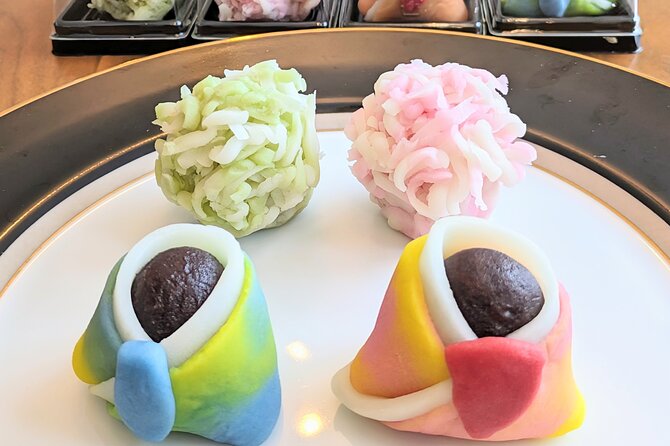
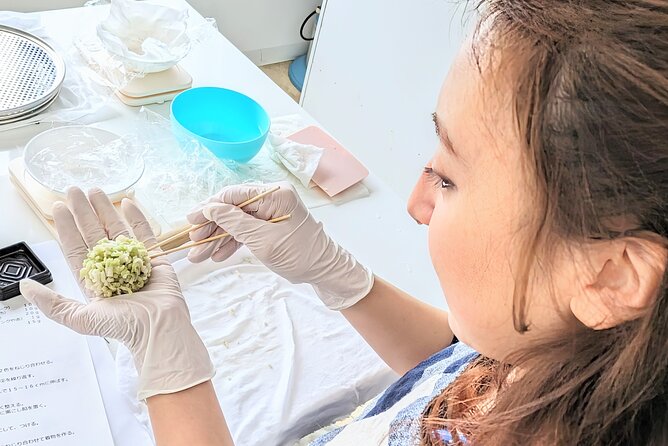
Once the tea and introductions are finished, Yuki prepares you for the wagashi work. The ingredients and tools are arranged in advance, so your two hours can focus on shaping, technique, and tasting rather than measuring every component from scratch.
The sweets are small, but they are not effortless. Nerikiri requires a light touch and careful shaping. You may need to control the pressure of your fingers, smooth the surface, and create decorative details without damaging the form. The result can look simple when finished, but the class helps you understand the skill hidden in that simplicity.
Yuki’s teaching style is patient and clear. She gives spoken instructions in English and, according to one participant, provides written English instructions to keep. That is helpful because the techniques can be hard to remember after a single demonstration. You can refer back to the notes later if you want to try making wagashi at home.
The class commonly includes two kinds of sweets, with two of each made by each person. This gives you enough practice to understand the process while producing several attractive treats to taste and carry with you. The exact designs can depend on the class date and season.
You should expect a little challenge. Participants described the sweets as fun to make but requiring full focus. That is not a flaw. It is exactly why the activity feels more rewarding than simply purchasing a beautifully shaped wagashi from a department-store food hall.
A few more Sapporo experiences worth weighing up
- 2 hours sushi class
★ 5.0 · 40 reviews - Sushi Making Tokyo Roll and Authentic Japanese Sushi Class
★ 5.0 · 3,971 reviews - Kyoto: 45-Minute Tea Ceremony Lesson Experience
★ 4.3 · 2,378 reviews - Tokyo: Roll and Authentic Sushi Making Class in Asakusa
★ 4.9 · 1,957 reviews
Tasting the sweets you made
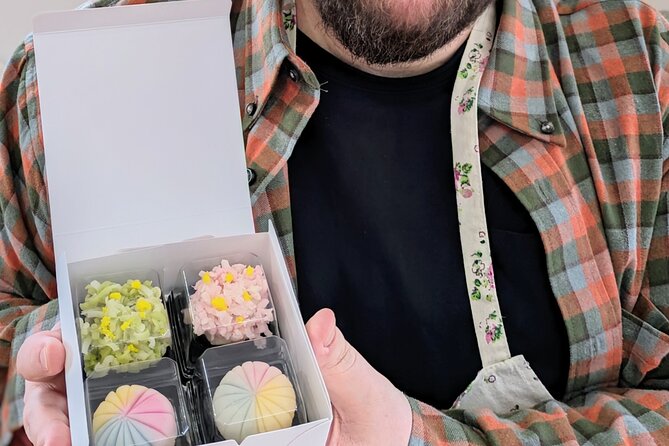
After shaping the sweets, you get to eat them with tea. The taste is generally elegant and mild rather than intensely sugary. That gentle sweetness is typical of the traditional style and may surprise you if you expect the stronger flavors of Western pastries.
The tasting also gives the lesson a satisfying finish. You can compare the appearance of the sweets with their texture and flavor, and you begin to understand why wagashi is paired with tea. The food is meant to be enjoyed slowly, with attention to its shape and balance.
Yuki packs the finished sweets in containers for you to take with you. This is useful if you are not ready to eat everything immediately, or if you want to show someone else what you made. Keep in mind that the sweets are delicate. Treat the container carefully as you continue your day.
The class is a good fit for families, too. One parent described it as a memorable birthday activity for a daughter interested in Japanese culture, while another had a positive experience making sweets with children. Yuki’s patient approach works well for younger participants who can follow instructions and stay focused at the table.
Why the southern Sapporo setting matters
Many first-time visits to Sapporo revolve around Odori Park, Susukino, markets, shopping streets, and food. Those places are worthwhile, but they show only one side of the city.
This class takes you in a different direction. The quiet residential setting, nearby river, and mountain views mentioned by participants help create a calmer sense of Hokkaido. You are not simply watching a demonstration. You are entering a local home, talking with a resident, and seeing how a traditional food can be taught in an everyday setting.
That local quality is the best reason to make the journey to Makomanai. If you want an activity close to Sapporo Station, choose something else. If you want a slower morning or afternoon that connects food with home life, the location earns its extra travel time.
The southern setting may also be especially pleasant during a busy sightseeing trip. Two hours at a kitchen table can be a welcome change from moving through crowded streets and large attractions. You will leave with something you made, along with a better sense of the city beyond its center.
English instruction and group size
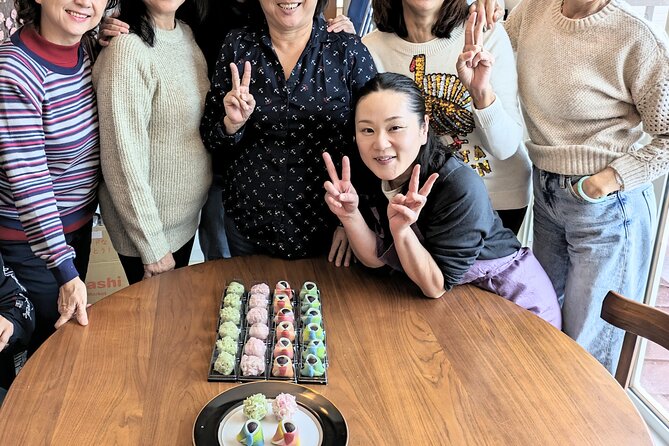
Yuki communicates in English and provides clear guidance. This is important for wagashi because the shapes are precise, and a language barrier could make the practical steps frustrating. The available information indicates a maximum of 12 participants.
A group of up to 12 is still manageable for a hands-on class, especially when the instructor has prepared the ingredients and works through each stage. The atmosphere may feel especially personal when only a few people book the time slot. Larger groups could reduce the amount of individual attention, though the format remains more intimate than a large sightseeing tour.
Group discounts are available, which can improve the value for families or friends traveling together. Large groups, including organized tour groups, should contact the provider in advance. Do not assume that a large party can simply arrive under one standard booking.
The class also suits solo visitors. Meeting Yuki and sharing tea at her home gives you natural conversation and a cultural activity that does not require assembling a group of your own.
Is $59.31 a fair price?
At about $59.31 per person, this is not the cheapest food activity in Sapporo. You could buy several wagashi from a shop for less. That comparison misses the point, however, because the fee covers instruction, ingredients, tea, the prepared workspace, the finished sweets, and time with a local host in her home.
I consider the price reasonable if you value participation and cultural context. You are paying to learn a skill and understand a tradition, not just to receive a snack. The station pickup and return, when arranged, add practical value as well.
The experience is a stronger deal for two or more people, particularly if a group discount applies. It can also be a worthwhile birthday activity or a special outing for a family member interested in Japanese art and food.
The value is weaker if you want a long, elaborate cooking session. The class lasts about two hours and centers on wagashi. You will not leave with a full Japanese meal or a broad survey of desserts. Choose it for the focused craft, warm setting, and personal contact.
Who should book this class?
I would recommend it to you if you enjoy:
- Japanese food traditions and seasonal design
- Hands-on activities rather than passive sightseeing
- Small, personal classes
- Meeting local residents in their homes
- Gentle cultural experiences for families
- Quiet settings away from central Sapporo
- Taking home something you made yourself
It is also a smart choice for repeat visitors who have already seen the main city sights. The lesson gives you a reason to visit southern Sapporo and adds a human connection to your time in Hokkaido.
You may want to skip it if you have limited time, dislike detailed handwork, or need an activity beside Sapporo Station. Nerikiri is delicate, and the finished sweets will reflect how carefully you follow the steps. That is part of the fun, but it can feel demanding if you are looking for a simple, hands-off tasting.
Sushi fans can also ask about the provider’s flower sushi roll class. That class is described as easier than the wagashi lesson, so it may suit you better if you want a more straightforward food activity. The sushi option is separate from this wagashi experience.
Booking and cancellation tips
Confirmation is sent within 48 hours of booking, subject to availability. Since this class is often booked about 46 days ahead, reserve early if you need a particular date, especially during a busy Sapporo visit.
You can cancel for a full refund up to 24 hours before the local start time. Cancellations or changes made within 24 hours are not accepted for a refund, so check your transport plans before the deadline.
Free cancellation gives you useful flexibility, but it does not remove the need to confirm the station pickup arrangement. Once your booking is accepted, pay attention to the meeting instructions for Makomanai Station.
My verdict: a thoughtful Sapporo experience
This wagashi class offers something many city tours miss: time, conversation, and a direct connection with ordinary Japanese life. Yuki’s patient teaching, English instructions, tea service, local recommendations, and welcoming home make the experience feel generous without becoming overproduced.
I like the fact that you work for your dessert. The small sweets are beautiful and tasty, but the real reward is understanding how much care goes into their shape. The southern Sapporo setting is a bonus for anyone who wants to get beyond the central tourist route.
Book it if you want a personal cultural activity and have room in your schedule for the trip to Makomanai. Skip it only if convenience matters more than connection, or if you prefer a larger cooking class with a full meal. For families, couples, solo visitors, and anyone curious about Japanese traditions, this is an easy experience to recommend.
FAQ
Where does the wagashi class meet?
The meeting point is Makomanai Station in Sapporo’s Minami Ward, Hokkaido, Japan. The activity ends back at the same meeting point.
How long does the class last?
The experience lasts approximately two hours.
Is pickup available?
Pickup is offered. Several participants were picked up from Makomanai Station and returned there, but you should confirm the exact arrangement after booking.
How many people can join?
The maximum group size is 12 people. Group discounts are available, and large groups should contact the provider in advance.
What type of Japanese sweets will I make?
You will learn to make nerikiri, a delicate and decorative type of traditional Japanese wagashi. The class may include two kinds of sweets, with two of each made by each participant.
Can I cancel for a full refund?
Yes. You can cancel at least 24 hours before the experience start time for a full refund. Cancellations or changes made less than 24 hours before the start time are not refunded or accepted.
Just added around Sapporo
- Sapporo: Furano Flower Sea & Biei Blue Pond Tour w/ Pickup★ 4.0 · 40 reviews
- 2 hours sushi class★ 5.0 · 40 reviews
- One Day Highlights Tour of Sapporo★ 5.0 · 41 reviews
- Sapporo 4hr Private Tour with Government Licensed Guide★ 5.0 · 42 reviews
- [Biei/Furano] One-day sightseeing by private car!★ 5.0 · 43 reviews
- From Sapporo: Hokkaido Highlights Day Trip★ 4.6 · 56 reviews
- Sapporo 6hr Private Tour with Government Licensed Guide★ 5.0 · 57 reviews
- 【Private Car】Asahiyama Zoo, Blue Pond, Shirahige Falls, Ningle Terrace (from Sapporo)★ 5.0 · 60 reviews
Workshops, compared.
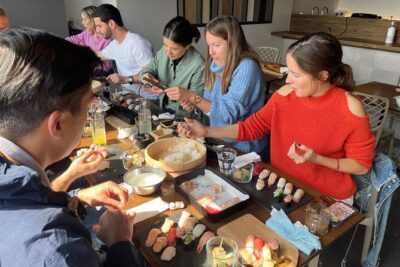
Sushi Making Tokyo Roll and Authentic Japanese Sushi Class
Read our review →
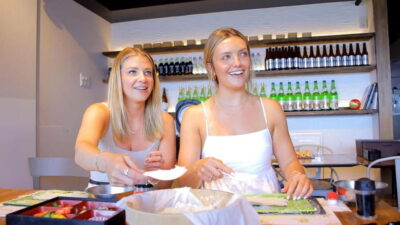
Roll and Authentic Sushi Making Class in Asakusa
Read our review →
Ramen Cooking Class at Ramen Factory in Kyoto
Read our review →
Sushi Making Class in a Happi Coat near a Famous Spot
Read our review →
Sushi Making Osaka Roll and Authentic Japanese Sushi Class
Read our review →Browse the lists this tour appears in