
Reviewed · WORKSHOPS
Matcha Making Class in Tokyo with Authentic Japanese Sweets Set
Matcha rewards a steady hand. This one-hour class in Asakusa turns a familiar Japanese drink into a hands-on cultural lesson, with English-speaking hosts, traditional tools, and sweets to taste at the end. I like the personal instruction and the relaxed setting, which make the class approachable even if you have never held a bamboo whisk.
I also like the useful home-making advice, including how to tell good matcha from lesser powder. The main consideration is time: this is a short introduction, not a full formal tea ceremony, and a group can contain up to 30 people. Still, at about $21.89 per person, it offers a lot of cultural context and participation for a modest price.
In This Review
- Key points to know before booking
- Why this Asakusa matcha class works so well
- Starting with matcha’s story, not just the whisk
- Learning the traditional preparation step by step
- Sipping matcha with seasonal Japanese sweets
- The atmosphere: friendly, calm, and flexible
- What the $21.89 price really buys you
- Who should book this experience
- Practical details for fitting it into your day
- Should you book this matcha class?
- FAQ
- How long does the matcha-making class last?
- Where does the experience begin?
- Where does the class end?
- Is the class taught in English?
- Are Japanese sweets included?
- Do I need previous tea ceremony experience?
- What is the cancellation policy?
Key points to know before booking
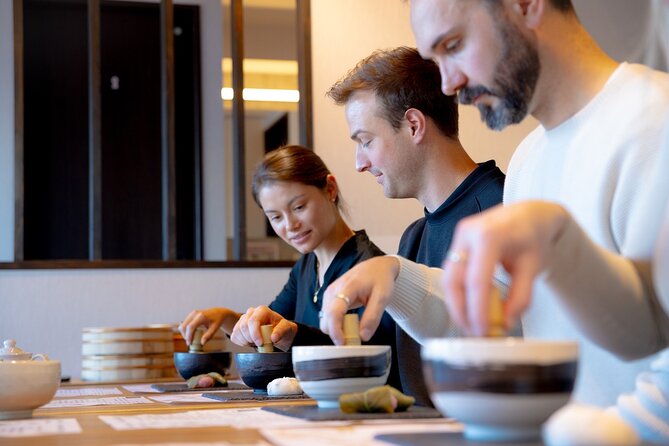
- Whisk your own matcha: You prepare the tea yourself with traditional equipment rather than simply watching a demonstration.
- Learn how matcha differs from ordinary green tea: The lesson covers cultivation, powder quality, origins, and the role of matcha in Japanese culture.
- Taste seasonal Japanese sweets: The sweets soften matcha’s bold flavor and give you a classic pairing.
- Relaxed alternative to a formal tea ceremony: The tone is interactive and friendly rather than strict or ceremonial.
- Convenient Asakusa location: The class meets at 2-chōme-17-9 Kaminarimon, near public transportation, and ends at the same place.
- Strong value for families: Children as young as six have enjoyed the activity, and the hosts make an effort to involve younger participants.
Why this Asakusa matcha class works so well
Asakusa is one of Tokyo’s most traditional districts, so the setting fits the subject. You meet at Matcha Making Tokyo, located at 2-chōme-17-9 Kaminarimon in Taito City. The activity does not include hotel pickup, so you make your own way there, but the location is near public transportation and easy to combine with sightseeing in the area.
The class lasts about one hour. That makes it easy to place between other Tokyo plans. You could schedule it before or after exploring Asakusa, though you should allow enough time to find the meeting point without rushing in late.
The setting can feel more personal than a large commercial attraction. One class took place in an upstairs café nook, where participants sat on the floor in a traditional style. Another small group had only three people. The exact atmosphere depends on the size of your session, since the maximum group size is 30, but the hosts aim to give each person hands-on help.
That point matters. Matcha preparation looks simple until you try it. The whisk moves quickly, the powder can clump, and the final texture depends on how you combine water and tea. Having an instructor watch your technique means you can correct mistakes straight away instead of wondering why your cup tastes flat or gritty.
More Dessert Tours in Tokyo
- Tokyo: Matcha Making Experience with Mochi Sweets in Asakusa
★ 4.9 · 388 reviews - Make Traditional Nerikiri Sweets & Matcha experience in Shibuya
★ 5.0 · 130 reviews - Private Mochi Sweets Making class near Shibuya area
★ 5.0 · 93 reviews
Starting with matcha’s story, not just the whisk
The class begins with an introduction to matcha and its place in Japanese food culture. The hosts explain how matcha is grown and processed, and they clarify how powdered matcha differs from green tea leaves prepared in other ways.
An iPad presentation has been used to show images during the explanation. That sounds like a small detail, but it helps make the lesson clear for international visitors. You are not expected to follow a long lecture filled with unfamiliar terms. Pictures, conversation, and demonstration keep the information moving.
The history section is short but useful. You learn enough to understand why matcha has such a special role in Japan, without spending the entire hour listening to dates and names. The best part is that the cultural background connects directly to what you are about to do with the bowl and whisk.
The instructors also explain how to spot higher-quality matcha powder. This is one of the most practical parts of the experience if you want to continue drinking matcha at home. You leave with a better sense of what you are buying, rather than simply knowing that the tea is green and finely ground.
The style is conversational. Hosts named in class feedback include Rino, Nama, Hiya, and Shuri, and the praise for the instructors is remarkably consistent. Shuri, in particular, has been described as patient, kind, passionate, and fluent in English. Rino is praised for making the lesson interactive, while Hiya explained matcha’s history and helped a family take a photo.
Because different instructors may lead different sessions, your host may not be one of these individuals. The useful point is that the teaching style is designed to be warm and participatory, not stiff.
Learning the traditional preparation step by step
After the introduction, you move to the practical part. The instructor shows you how to prepare matcha, then gives you the equipment to make your own cup.
You learn the basic sequence: measure the powder, add water, and whisk until the tea reaches the right texture. The class uses traditional tools, including the bamboo whisk, so you are practicing a real method rather than using a modern shortcut.
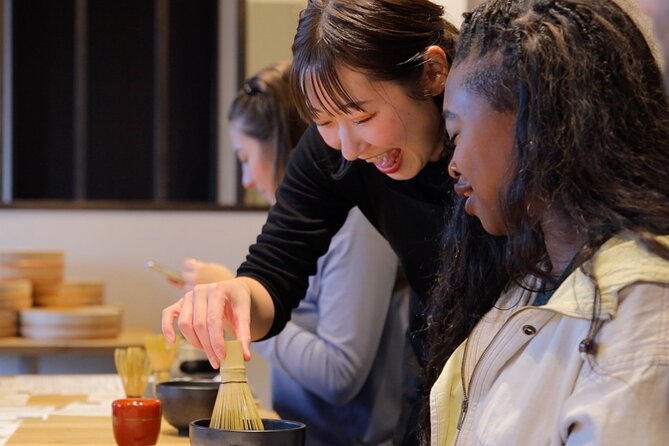
This is where individual guidance makes a difference. The instructor can show you how to hold the whisk and how to create the quick motion needed for a smooth surface. You may also learn small adjustments that help at home, such as how much water to use and how to avoid a bitter result.
The class is not presented as a test. That helps beginners relax. You do not need prior tea ceremony experience, and the hosts are used to helping people who have never made matcha before. Several children have taken part successfully, including a family with six and nine-year-old children.
The activity also avoids the pressure of a formal tea ceremony. If you want the full rules, gestures, and quiet precision of a traditional ceremony, this class may feel informal. If you want to understand the basics and make the tea yourself, that informality is a strength.
One useful distinction is that the class teaches the process behind matcha without pretending that one hour makes you a tea master. You gain a working skill, a little cultural understanding, and a better appreciation of the drink. That is a sensible amount for a short Tokyo activity.
Sipping matcha with seasonal Japanese sweets
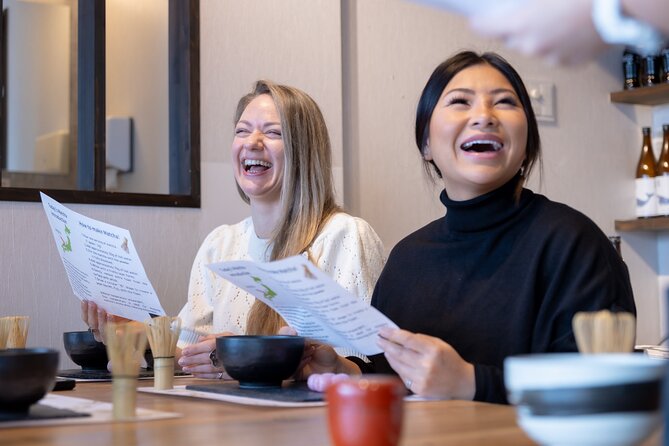
Once you have prepared the tea, you drink it with a set of Japanese sweets. The sweets are seasonal, though the exact selection can change. Their purpose is not just decoration. Traditional sweets often provide a gentle sweetness that balances matcha’s grassy, savory, and sometimes bitter notes.
This pairing can be a revelation if your only experience with matcha has been sweetened café drinks. The tea served here has been described as smooth and not overly bitter. You still taste matcha’s distinct character, but the sweets help you understand how it is traditionally enjoyed.
The tasting also gives the class a pleasant ending. You are no longer concentrating on the whisk. Instead, you can compare the flavor of the tea you made, enjoy the confectionery, and talk with the instructor or other people in the group.
The portions are best understood as a tasting rather than a meal. If you are hungry, do not count on the sweets to replace lunch. Their value is cultural and sensory: they show how Japanese confectionery works with tea, and they make the final part of the class feel complete.
You are also encouraged to take photos. The hosts have helped participants with family pictures, and the traditional tools, sweets, and finished bowl all make natural subjects. Photography is welcome as a memory of the activity, although the focus remains on learning rather than staging a long photo session.
A completely different kind of day out in Tokyo:
- Mt Fuji and Hakone 1-Day Bus Tour Return by Bullet Train
★ 5.0 · 26,383 reviews - 1-Day Tokyo Bus Tour
★ 5.0 · 14,250 reviews - Tokyo: TOKYO SKYTREE® Admission ticket
★ 4.5 · 11,192 reviews - Tokyo: teamLab Planets TOKYO Digital Art Museum Entry Ticket
★ 4.6 · 9,779 reviews
The atmosphere: friendly, calm, and flexible
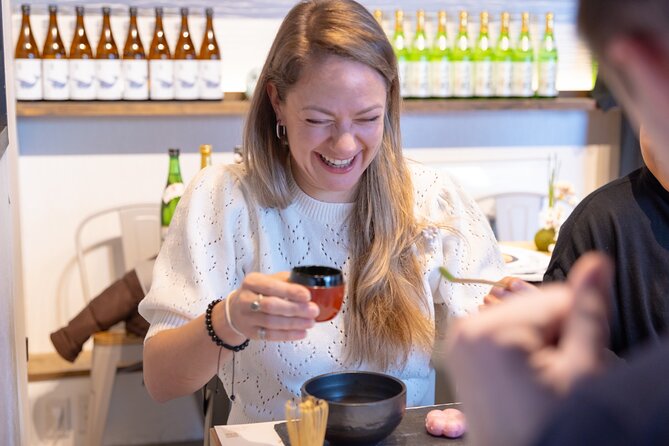
The strongest feature of this experience is the tone. The hosts are repeatedly praised for being welcoming, patient, and fun. That matters because tea preparation can seem intimidating from the outside. A relaxed teacher makes it easier for you to ask questions and try again if your first whisking attempt is uneven.
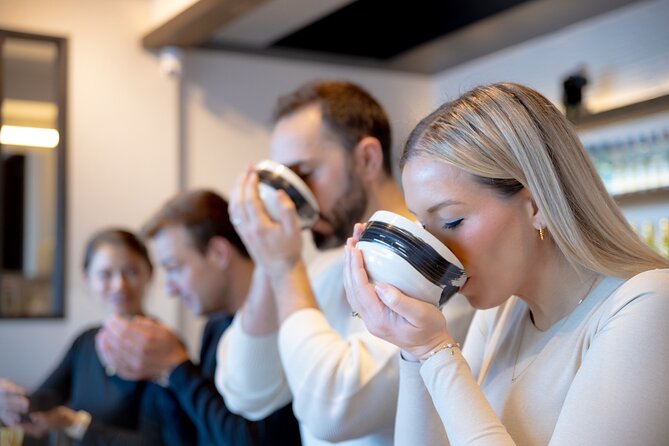
The class can also feel calm compared with other food activities. One account describes a quieter matcha session taking place alongside a larger sushi class at the same location. If both activities are running at once, the sushi group may be louder, but the matcha class itself can remain more subdued, especially when your group is small.
You may find the setting intimate, with participants seated on the floor in traditional fashion. This adds character, but it may not suit everyone. The provided information does not state whether chairs are available, so anyone who has difficulty sitting on the floor should contact the provider before booking.
The maximum group size is 30. That is not a guarantee that your class will be large, and small groups have taken part. Still, you should understand that the amount of personal attention can vary with attendance. The class promises guidance throughout, but a full session may feel less private than a three-person class.
English-speaking instruction is included, which is a major help for visitors from abroad. You can follow the preparation steps and ask about matcha culture without relying on gestures or translation apps. The hosts also appear comfortable adjusting their approach for families and mixed-age groups.
Service animals are allowed. The activity is near public transportation, but hotel transfers are not included.
What the $21.89 price really buys you
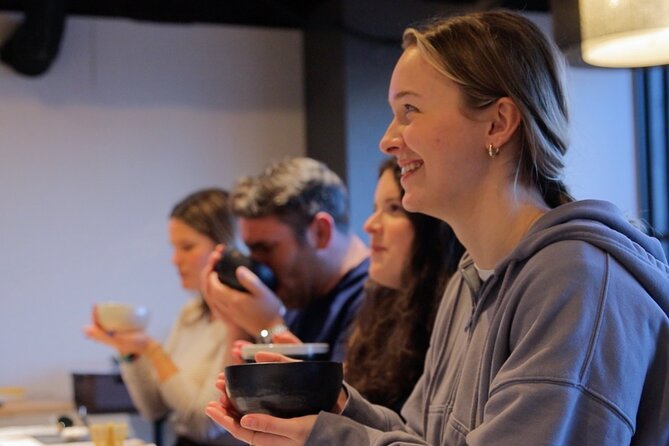
At roughly $21.89 per person, this is a good-value cultural activity in central Tokyo. The price includes an English-speaking instructor, matcha, Japanese sweets, use of the preparation tools, and direct participation. You are paying for instruction and context, not simply a cup of tea.
A short tea tasting could cost less, but it would not give you the same chance to whisk the matcha yourself or learn how to repeat the process at home. A longer formal ceremony could offer more ritual, but it would usually require more time and may feel less accessible to children or first-time visitors.
The one-hour length is part of the value. You get a focused activity without committing half a day. That makes it a smart choice for a first morning in Tokyo, a family itinerary, or an afternoon when you want a break from temples and shopping.
The price is less attractive if you are seeking an extensive cooking workshop or a full traditional tea ceremony. You will not spend hours studying utensils, etiquette, or the wider world of Japanese confectionery. Think of this as a compact introduction with a useful skill at its center.
The experience has received a 5.0 rating from 744 reviews, with 100 percent recommending it, and it has earned TripAdvisor Best of the Best recognition twice. Those numbers do not remove the need to consider your own preferences, but they do match the repeated strengths: friendly teaching, clear explanations, tasty matcha, and strong family appeal.
Who should book this experience
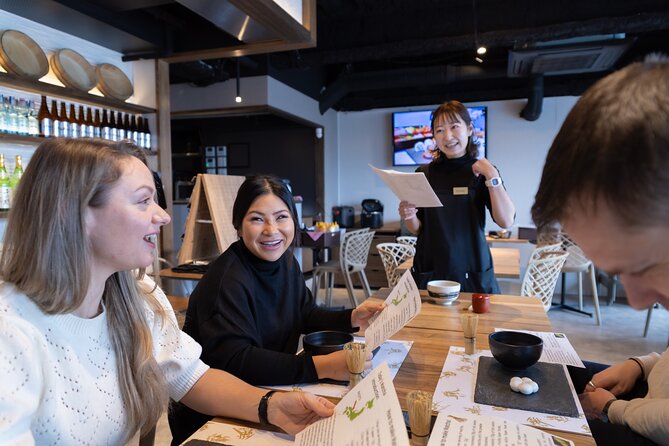
I would recommend this class to first-time visitors who want a simple cultural activity with real participation. It gives you more to do than a standard tasting and less formality than a strict tea ceremony.
It is especially suitable for:
- Families with children: The activity is beginner-friendly, interactive, and has worked well for children aged six and nine.
- Couples and small groups: You can learn together, make photos, and share the tasting without needing specialist knowledge.
- Food and drink enthusiasts: The lesson explains matcha quality and preparation in practical terms.
- Visitors with limited time: One hour fits neatly into a busy Tokyo schedule.
- Anyone curious about Japanese customs: You get cultural background without having to commit to a long ceremonial event.
You might choose something else if you dislike floor seating, want a very formal ceremony, or prefer a long workshop with several dishes. The class is focused on one drink and its sweet pairing. That narrow focus is exactly why it works for many people, but it will not satisfy someone seeking a broad Japanese cooking course.
Practical details for fitting it into your day
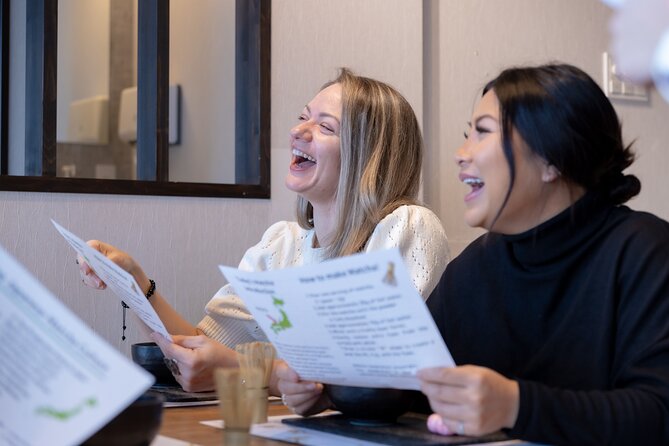
Your meeting point is Matcha Making Tokyo, Cooking Class in Japan, at 2-chōme-17-9 Kaminarimon, Taito City, Tokyo 111-0034. The experience ends back at the same location, so you do not need to arrange a separate return transfer.
A mobile ticket is provided, and confirmation arrives at booking. Since the class is in Asakusa and near public transportation, you can pair it with other local plans, but give yourself time to locate the café and arrive ready to begin.
If you arrive early, the café may be able to let you wait inside. One host kindly allowed early arrivals to sit in the cozy café before the session. That was a thoughtful touch, but I would not treat it as a guaranteed part of the service.
If you are a few minutes late, the hosts may be accommodating, but punctuality is still the sensible plan. The class is only about an hour, so missing the introduction could mean losing a meaningful part of the experience.
Free cancellation is available if you cancel at least 24 hours before the start time. Cancellations or changes made less than 24 hours in advance are not refunded or accepted, based on the local cutoff time.
Should you book this matcha class?
Yes, if you want an affordable, friendly, and hands-on taste of Japanese culture in Asakusa. The class delivers three things especially well: clear English instruction, personal help with the whisk, and a pleasant matcha-and-sweets tasting.
I would book it as a short activity rather than the main event of your Tokyo trip. It will not replace a formal tea ceremony, and the group size can reach 30. But for about $21.89, you learn how matcha is made, understand more about its place in Japan, and leave with a skill you can try at home.
If you are traveling with children, have never tried matcha, or want a calm break between sightseeing stops, this is an easy choice. Book it when you want participation and conversation, not ceremony for ceremony’s sake.
FAQ
How long does the matcha-making class last?
The class lasts approximately one hour.
Where does the experience begin?
It begins at Matcha Making Tokyo, Cooking Class in Japan, at 2-chōme-17-9 Kaminarimon, Taito City, Tokyo 111-0034, Japan.
Where does the class end?
The activity ends back at the meeting point.
Is the class taught in English?
Yes. An English-speaking instructor is included.
Are Japanese sweets included?
Yes. The experience includes matcha served with Japanese sweets, including seasonal selections.
Do I need previous tea ceremony experience?
No. The class is designed for beginners, and no prior tea ceremony experience is required.
What is the cancellation policy?
You can cancel for a full refund up to 24 hours before the experience begins. Cancellations or changes made less than 24 hours before the start time are not accepted, and the payment is not refunded.
Just added around Tokyo
- Tokyo 6hr Instagram Highlights Private Tour with Licensed Guide★ 5.0 · 38 reviews
- Tokyo Small Group Tour with Guide★ 4.5 · 38 reviews
- Tokyo Sumo Experience with Live Show & Audience Challenge★ 5.0 · 38 reviews
- Japanese Food Cooking Class in Asakusa, Tokyo★ 5.0 · 39 reviews
- Very popular in Harajuku♡Animal petting zoo★ 4.6 · 39 reviews
- Ramen Making from Scratch with Tokyo Mom(Vegan Option Available)★ 5.0 · 39 reviews
- Tokyo JDM Night: 600hp C63s AMG Edition 1 (Private)★ 4.9 · 39 reviews
- Tokyo: Kimono Rental inside Shinjuku Gyoen National Garden★ 4.9 · 39 reviews
Workshops, compared.
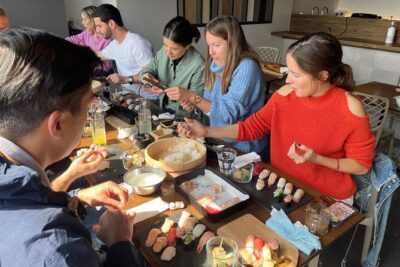
Sushi Making Tokyo Roll and Authentic Japanese Sushi Class
Read our review →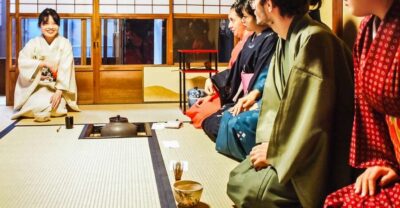
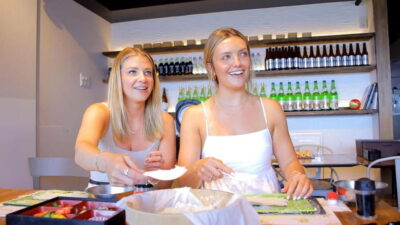
Roll and Authentic Sushi Making Class in Asakusa
Read our review →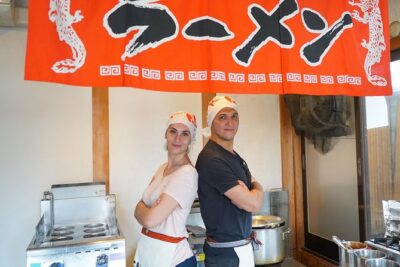
Ramen Cooking Class at Ramen Factory in Kyoto
Read our review →
Sushi Making Class in a Happi Coat near a Famous Spot
Read our review →
Sushi Making Osaka Roll and Authentic Japanese Sushi Class
Read our review →Browse the lists this tour appears in