
Reviewed · DESSERT TOURS IN TOKYO
Tokyo: Matcha Making Experience with Mochi Sweets in Asakusa
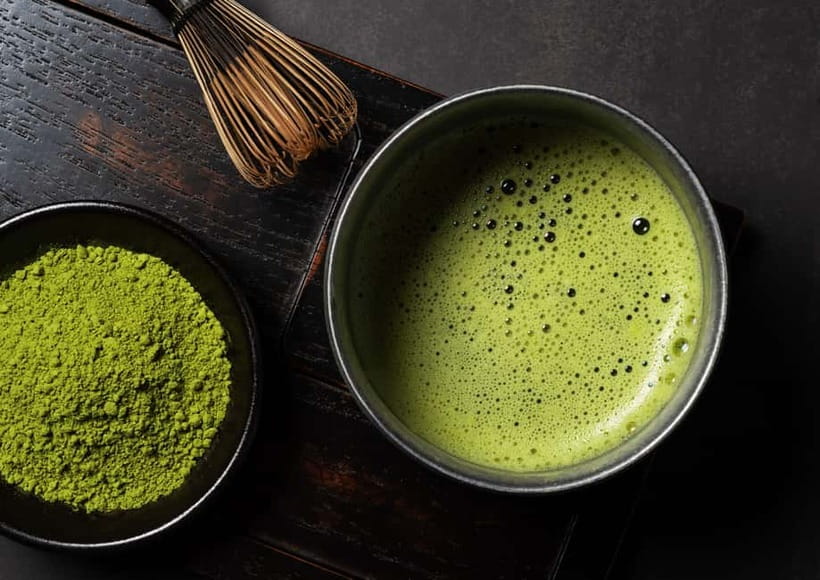
Matcha tastes better when your hands make it. This one-hour class in historic Asakusa turns a simple cup of tea into a hands-on look at Japanese food culture. I like the lighthearted quiz, and I like that you make the tea yourself with traditional tools before pairing it with Japanese sweets.
The English-speaking staff keep the lesson friendly rather than formal. Instructors such as Ken, Mana, Hayato, Hiyo, Yui, Honoka, and Midori are repeatedly praised for making the class funny, clear, and welcoming. The main consideration is time: one hour gives you a good introduction, but not a full formal tea ceremony.
In This Review
- Key points to know before booking
- Why this short Asakusa class works
- The opening lesson: matcha with a little humor
- Preparing your own bowl with traditional tools
- Mochi sweets and the best part of the tasting
- The instructors make the difference
- A comfortable option for families and older adults
- What the $22 price really buys you
- Fitting the class into your Tokyo day
- What the class does not try to be
- Who should book this experience
- Should you book the Asakusa matcha class?
- FAQ
- How long does the matcha-making experience last?
- How much does the class cost?
- Where does the activity meet?
- Is the class taught in English?
- What is included in the price?
- Is hotel pickup available?
Key points to know before booking
- A hands-on matcha lesson: You whisk and prepare your own tea instead of simply watching a demonstration.
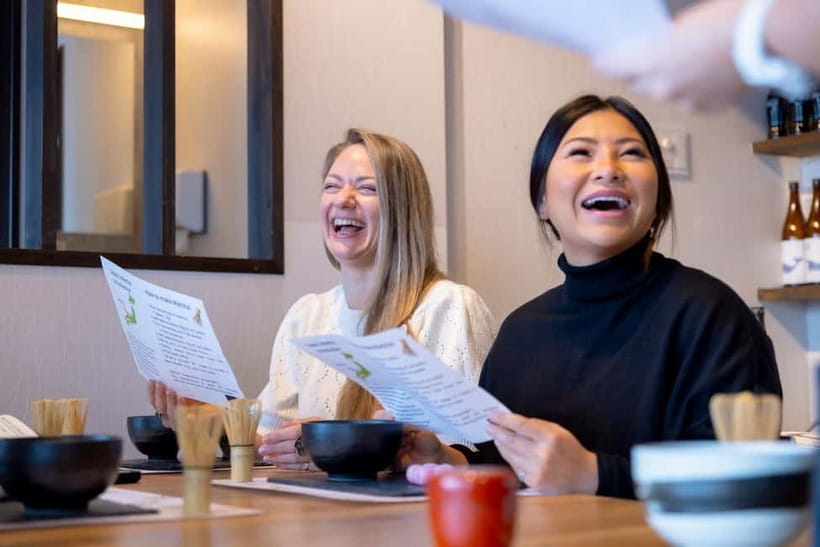
- A playful history quiz: The opening lesson uses questions and interaction to explain matcha’s origins and customs.
- Mochi sweets are part of the experience: Traditional Japanese sweets are served with the tea and help balance matcha’s earthy taste.
- A seated activity in Asakusa: You can learn comfortably without needing to kneel in the traditional tea ceremony position.
- English instruction and warm hosts: The rotating instructors explain the process clearly and encourage questions.
- Strong value at $22: The price includes the class, ingredients, instructor, tea, and sweets, with no hotel transfer included.
Why this short Asakusa class works
Asakusa is one of the easiest parts of Tokyo for a first taste of traditional Japan. The area is known for its temples, old-style streets, food shops, and views toward Tokyo Skytree. That setting gives this small food activity more meaning than a generic cooking lesson in an office building far from the sights.
The class takes place about one minute from Asakusa Station, in the Relink KAMINARIMON building on the sixth floor. The meeting coordinates are 35.710774, 139.7956532. You should still allow a few extra minutes to find the building and reach the correct floor, especially if you are navigating Tokyo with luggage or arriving directly from another attraction.
I like the location because it fits neatly into a sightseeing day. You can visit Asakusa before the class, learn about matcha, then continue toward Tokyo Skytree or nearby sights. The activity does not require a large block of your day, so it works well when your schedule is already packed.
The class also welcomes solo participants and groups. If you arrive alone, the shared format gives you a natural way to meet people from different countries without the pressure of a long dinner or full-day tour. If you come with family, the quiz and whisking practice give children something active to do.
More Dessert Tours in Tokyo
- Matcha Making Class in Tokyo with Authentic Japanese Sweets Set
★ 5.0 · 744 reviews - Make Traditional Nerikiri Sweets & Matcha experience in Shibuya
★ 5.0 · 130 reviews - Private Mochi Sweets Making class near Shibuya area
★ 5.0 · 93 reviews
The opening lesson: matcha with a little humor
The experience begins with an introduction to matcha history and culture. Instead of delivering a long lecture, the instructors use an interactive quiz. This is a smart choice for a short class because it gives you useful background without turning the first part into a school lesson.
You learn why matcha matters in Japan and how it fits into tea customs. The exact level of detail can depend on the instructor, but the class covers the origins of matcha, preparation methods, and elements of tea ceremony etiquette. The quiz also gives the hosts a chance to involve the whole room.
This playful approach is one of the most praised parts of the experience. Instructors such as Mana, Ken, and Hayato are described as funny and engaging, while Hiyo and Yui are praised for explaining the subject clearly in a short time. That combination matters. Matcha can seem serious and intimidating if it is presented only as a set of strict rules.
The lesson does not pretend that a one-hour class can teach every part of Japanese tea culture. Instead, it gives you enough context to understand what you are doing when the bowl and whisk arrive. You leave with more than a recipe, but the class remains relaxed.
Preparing your own bowl with traditional tools
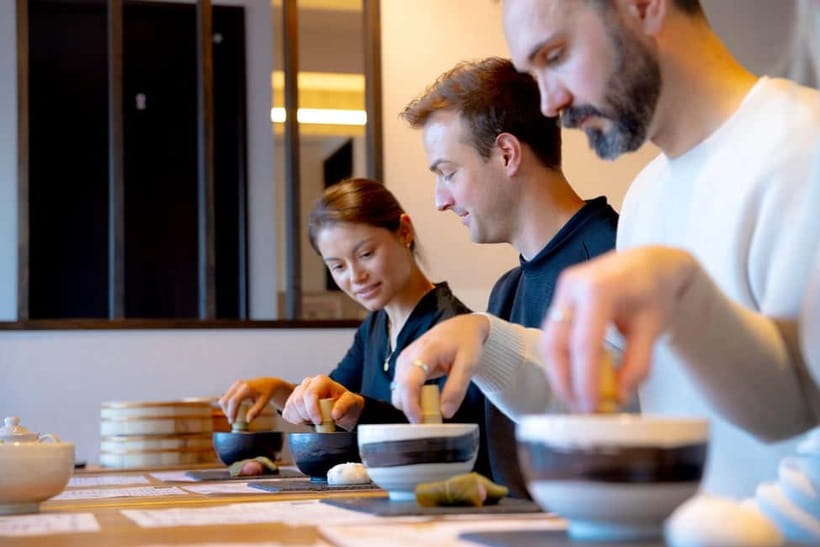
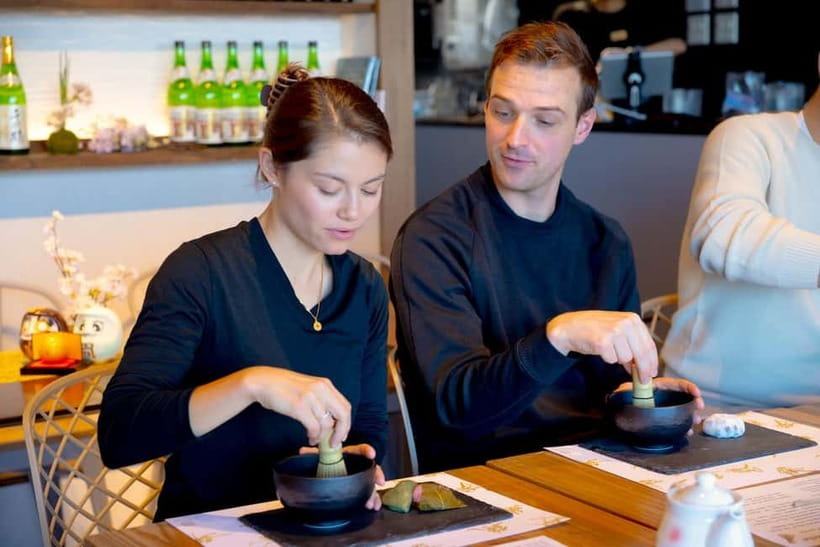
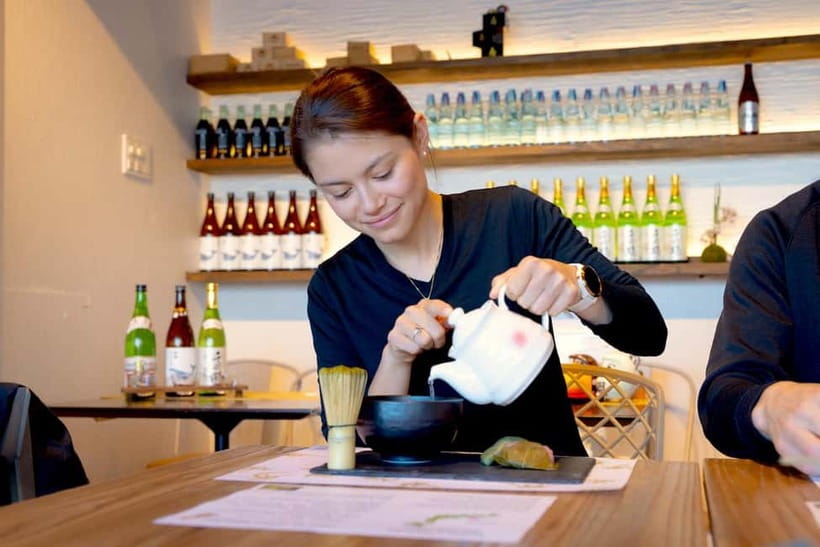
The hands-on portion is the heart of the activity. You use traditional matcha-making tools and follow the instructor’s demonstration. The process is guided step by step, so you do not need any previous experience.
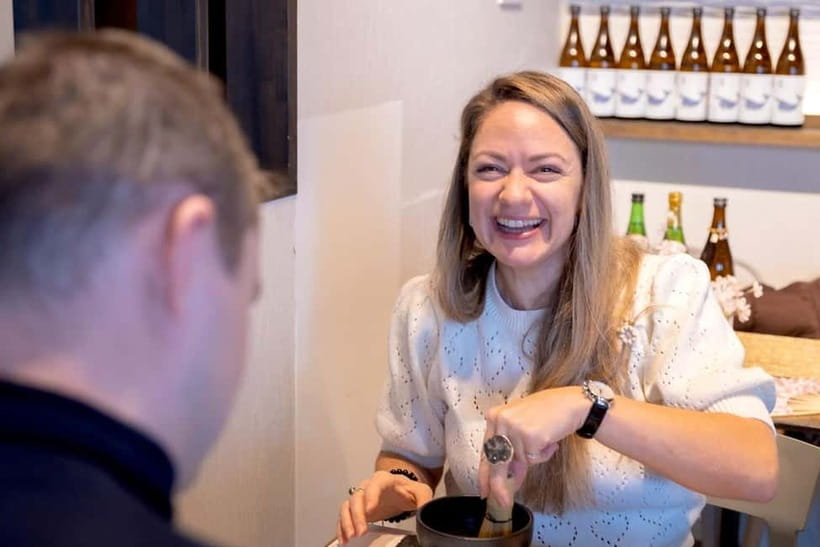
You will not simply receive a prepared drink. You make your own bowl, which lets you notice how the powder, water, whisk, and movement come together. The instructors show the technique, then give you time to copy it. If your first attempt is not perfectly smooth, that is part of the fun.
Several comments point to the patient way the hosts handle this stage. Mana and Miyu are praised for being encouraging as participants practiced, while other instructors helped make the process clear and comfortable. The staff’s attitude seems important here because beginners may worry about using the whisk incorrectly or missing a step.
I also like that the class teaches a skill you can repeat at home. One participant left feeling ready to make matcha independently, and another said the lesson changed the way they would prepare tea. You will not become a tea master in sixty minutes, but you can learn the basic method and understand why the whisk matters.
The drink is served without sugar. That detail may surprise you if your usual matcha comes as a sweet latte. Here, the earthy, slightly bitter character of the tea is part of the lesson. The sweets served alongside it provide the balance.
Mochi sweets and the best part of the tasting
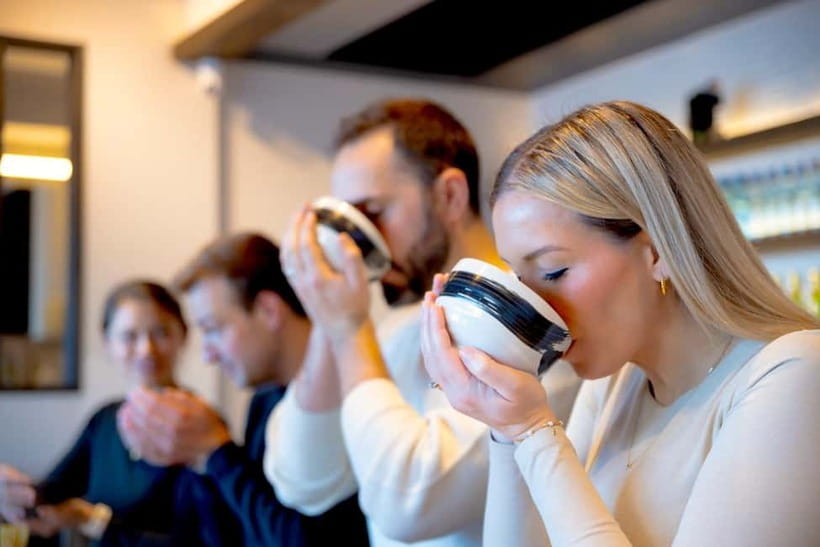
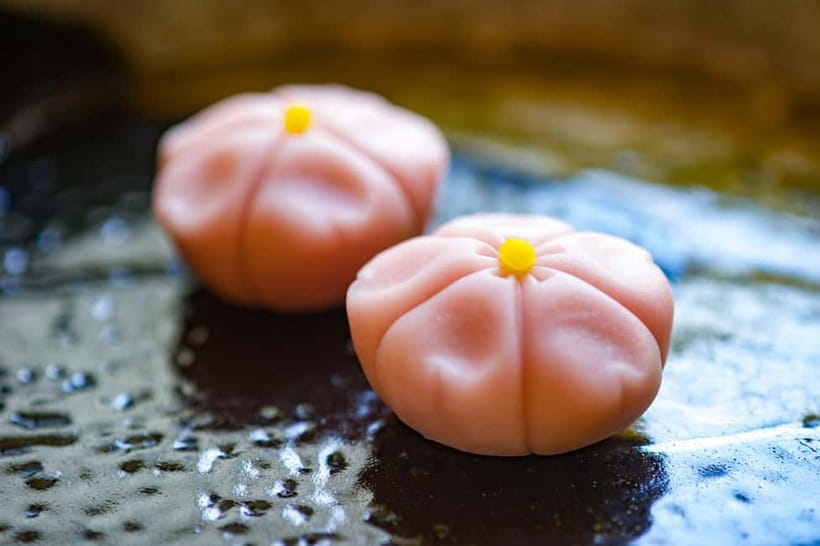
After preparing the matcha, you drink it with traditional Japanese sweets, including mochi-style treats. This gives the class a clear finish: learn the background, prepare the tea, then sit and enjoy what you made.
The sweets are not just decoration. Their sweetness works with the grassy and sometimes bitter flavor of unsweetened matcha. If you normally add sugar to tea, this pairing helps you understand how matcha is traditionally enjoyed.
The tasting is also a social moment. The staff remains nearby, and you can share the experience with the people in your group. The atmosphere is described as relaxed, friendly, and interactive rather than silent or highly ceremonial.
The food portion is modest, so do not book this as a meal. It is a tasting that completes the lesson. If you are hungry, plan lunch or dinner around it, especially since the whole activity lasts only one hour.
A completely different kind of day out in Tokyo:
- Mt Fuji and Hakone 1-Day Bus Tour Return by Bullet Train
★ 5.0 · 26,383 reviews - 1-Day Tokyo Bus Tour
★ 5.0 · 14,250 reviews - Tokyo: TOKYO SKYTREE® Admission ticket
★ 4.5 · 11,192 reviews - Tokyo: teamLab Planets TOKYO Digital Art Museum Entry Ticket
★ 4.6 · 9,779 reviews
The instructors make the difference
A short cultural class depends heavily on the person leading it. Here, the teaching team receives unusually consistent praise for energy, humor, patience, and clear English.
Ken is described as an engaging instructor who makes the activity fun. Mana appears often in the feedback, with repeated praise for her enthusiasm, humor, and ability to keep the session moving. Hayato is noted for being friendly and funny while explaining history, preparation, and etiquette.
Hiyo, sometimes written as Hiho or Hiyo in names, is praised for a charming manner and strong introduction to matcha culture. Honoka, Midori, Yui, Rino, Moe, Miyu, and other hosts are also singled out for kindness and clear instruction.
Because several instructors lead the sessions, your exact host may vary. That is worth knowing if you are booking because of a particular person. The consistent point is the teaching style: English instruction, active participation, and a warm tone.
The staff also helps solo participants feel included. You are not expected to arrive with a partner or know anything about matcha. The shared class gives you a chance to talk with others while still keeping enough structure for the lesson to run smoothly.
A comfortable option for families and older adults
This is one of the easier cultural activities to fit into a family itinerary. Children can take part in the quiz, handle the whisk, and taste the sweets. One family described the activity as enjoyable for children, and another found that a 74-year-old mother and a 23-year-old son liked it equally.
The class is seated, which is a useful detail. Traditional tea ceremony settings may involve kneeling, but this experience does not require you to adopt that position. If you have tired feet after walking around Tokyo, the lesson offers a welcome chance to sit while still doing something active.
The one-hour length also helps families. You get a real cultural activity without asking children to sit through a half-day lecture. The drawback is that the quick format may leave you wanting more if your main goal is a detailed study of tea ceremony etiquette.
What the $22 price really buys you
At $22 per person, this is a strong-value activity for central Tokyo. The fee includes the cooking class, ingredients, and instructor. It also covers the matcha you prepare and the traditional sweets served with it.
The value comes from the combination of teaching and participation. You receive cultural context, a demonstration, your own practice, a tasting, and time with an English-speaking local host. Comparable sightseeing experiences can cost much more when they run for several hours or include transport, but this class is intentionally compact.
There are limits. Hotel pickup and drop-off are not included, and you must make your own way to Asakusa Station. The activity is also an introduction, not an elaborate tea ceremony with a long sequence of formal rituals.
If you want a low-cost experience that adds meaning to your Asakusa visit, the price is easy to justify. If you are looking for a full meal, extensive instruction, or a private ceremony, you should choose something longer and more specialized.
Fitting the class into your Tokyo day
The location makes timing simple. You can schedule the class while exploring Asakusa, then walk or travel onward toward Tokyo Skytree. Since the stated duration is one hour, it is also useful between larger activities.
Arrive with enough time to locate the Relink KAMINARIMON building and take the elevator to the sixth floor. The meeting point is close to the station, but Tokyo station exits and busy streets can still slow you down.
The provider offers free cancellation up to 24 hours before the scheduled start for a full refund. You can also reserve now and pay later, which helps if your Tokyo plans may change. Check the available start times before building the rest of your day around the class.
No hotel transfer is provided. That is not a serious problem in Asakusa, but it matters if you are staying far away or carrying large bags. Treat the activity as a central meeting-point experience rather than a hotel-based tour.
What the class does not try to be
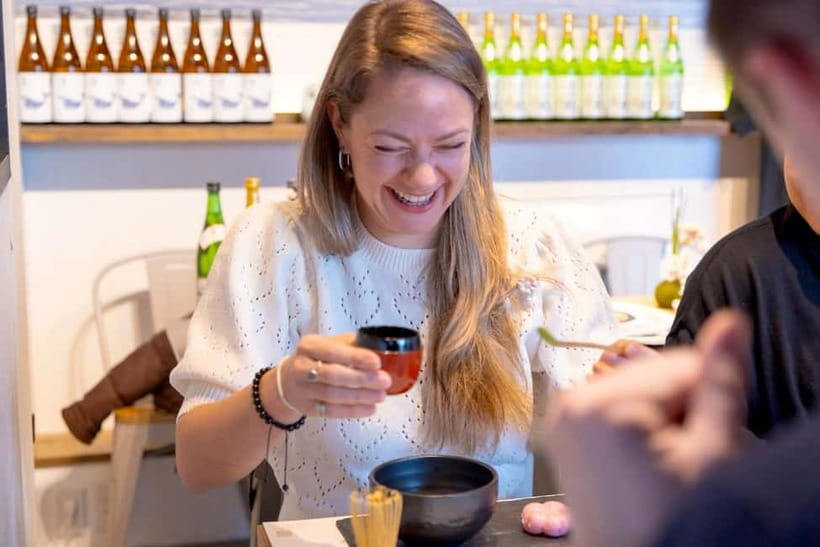
It is useful to set the right expectations. This is not presented as a complete tea ceremony performed in a traditional tearoom. It is a practical matcha-making class with cultural explanation, tasting, and sweets.
You also should not expect a long cooking session. The main task is preparing matcha, not making mochi from raw ingredients. The sweets are served for you to enjoy with the tea.
That focus is a strength for many people. You learn one clear skill, understand the basics, and finish before the activity becomes tiring. The short format may feel too brief if you already have strong knowledge of Japanese tea customs or want advanced instruction.
For most first-time learners, the balance is right. You receive enough explanation to understand the ritual, but not so much that the experience loses its warmth.
Who should book this experience
I would recommend it most strongly to:
- First-time visitors who want a simple introduction to Japanese tea culture
- Matcha fans who want to learn the traditional preparation method
- Families looking for a short activity children can join
- Solo visitors who enjoy meeting people in a shared class
- Anyone who wants a seated break from Tokyo sightseeing
- Visitors staying near Asakusa or planning to see Tokyo Skytree
It is also a good choice if you are unsure about matcha. You can try it in its unsweetened form, taste it with Japanese sweets, and decide what you think. The friendly teaching style keeps the experience approachable even if your usual tea order is a sugary latte.
You may want to skip it if you want a full formal tea ceremony, a substantial meal, or a private lesson. The activity is designed as a short, social introduction.
Should you book the Asakusa matcha class?
Yes, if you want an affordable and easy cultural activity with real participation. The strongest reasons are the hands-on whisking, the clear English instruction, the playful history quiz, and the chance to enjoy unsweetened matcha with traditional sweets.
I especially like how well it fits into a day in Asakusa. You can learn something useful, rest your feet, and leave with a skill you can try again at home. Book it if you value friendly teaching and a compact experience. Pass if you want a long, formal ceremony or a full cooking lesson.
FAQ
How long does the matcha-making experience last?
The experience lasts one hour.
How much does the class cost?
The listed price is $22 per person.
Where does the activity meet?
It meets at the Relink KAMINARIMON building on the sixth floor, about one minute from Asakusa Station. The coordinates are 35.710774, 139.7956532.
Is the class taught in English?
Yes. The instructor language is English, and the activity includes English-speaking local staff.
What is included in the price?
The price includes the cooking class, ingredients, and instructor. Matcha and Japanese sweets are part of the tasting experience.
Is hotel pickup available?
No. Hotel pickup and drop-off are not included, so you must make your own way to the meeting point.
Just added around Tokyo
- Tokyo 6hr Instagram Highlights Private Tour with Licensed Guide★ 5.0 · 38 reviews
- Tokyo Small Group Tour with Guide★ 4.5 · 38 reviews
- Tokyo Sumo Experience with Live Show & Audience Challenge★ 5.0 · 38 reviews
- Japanese Food Cooking Class in Asakusa, Tokyo★ 5.0 · 39 reviews
- Very popular in Harajuku♡Animal petting zoo★ 4.6 · 39 reviews
- Ramen Making from Scratch with Tokyo Mom(Vegan Option Available)★ 5.0 · 39 reviews
- Tokyo JDM Night: 600hp C63s AMG Edition 1 (Private)★ 4.9 · 39 reviews
- Tokyo: Kimono Rental inside Shinjuku Gyoen National Garden★ 4.9 · 39 reviews
Dessert Tours in Tokyo, compared.

Matcha Making Class in Tokyo with Authentic Japanese Sweets Set
Read our review →
Make Traditional Nerikiri Sweets & Matcha experience in Shibuya
Read our review →
Private Mochi Sweets Making class near Shibuya area
Read our review →
Japanese Traditional Sweets making and Tea Ceremony
Read our review →
Tokyo Local Food Tour: Noodles, Skewers, Dumplings, Sweets
Read our review →Browse the lists this tour appears in