
Reviewed · TEA CEREMONY EXPERIENCES
Japanese Traditional Sweets making and Tea Ceremony
Bean paste becomes flowers in under two hours. This 95-minute class gives you a hands-on way to meet Kyoto food culture, with two seasonal nerikiri sweets, a matcha lesson, and a small tea ceremony. I especially like the use of white and red bean paste from long-established Kyoto shops, plus the single-origin Uji matcha. The main caution is language and group size: the instructor teaches in Japanese, with English help provided when possible, and one booking reported difficulty hearing the instructor in a crowded room.
I also like the sensible price. At $18 per person, you get both the sweet-making lesson and tea experience, not just a demonstration. The class earned a 4.7 rating from 50 bookings, with particular praise for the patient teaching and clear hand demonstrations. If you want a quiet, formal tea ceremony, though, this may feel more like a lively workshop.
In This Review
- Key points to know before you book
- Starting with Kyoto bean paste and seasonal design
- Making the first flower-shaped nerikiri
- Shaping the kinton nerikiri
- Meeting Uji matcha through grinding and preparation
- What the 95-minute schedule feels like
- English support and the importance of demonstrations
- Is $18 good value for this activity?
- Location, timing, and planning your visit
- Who will enjoy this class most?
- Should you book Japanese Traditional Sweets Making and Tea Ceremony?
- FAQ
- Where does the Japanese sweets and tea ceremony experience take place?
- How long does the experience last?
- What sweets will I make?
- Is English instruction available?
- What is included in the price?
- Can I cancel for a full refund?
Key points to know before you book
- Two seasonal nerikiri sweets: You make a flower-shaped nerikiri and a kinton-style nerikiri from colored white bean paste.
- Kyoto-sourced ingredients: The white and red bean paste comes from long-established Kyoto shops.
- Uji matcha preparation: You grind matcha in a demonstration, then prepare and drink your own tea.
- A compact cultural lesson: The schedule moves from sweets to tea and finishes in 95 minutes.
- Japanese-language instruction: English translation is offered as much as possible, but demonstrations carry much of the teaching.
- Low extra costs: A take-out box costs 100 yen, and a completion certificate costs 300 yen.
Starting with Kyoto bean paste and seasonal design
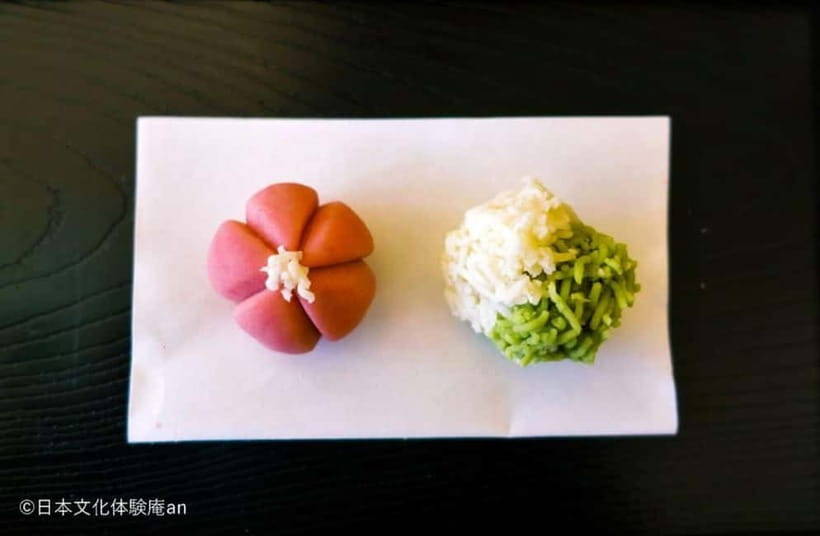
The class begins with an explanation of Japanese traditional sweets before you handle the ingredients yourself. The featured sweet is nerikiri, a refined wagashi made from colored white bean paste and shaped to suggest seasonal flowers or fruit.
That seasonal connection matters. Nerikiri is not simply a sweet lump placed beside tea. Its color, shape, and pattern often reflect the time of year. You get a small lesson in how Japanese food can carry visual meaning, even in a portion small enough to fit in your palm.
The ingredient choice is another plus. You work with white and red bean paste produced by long-established Kyoto shops. That gives the class a stronger connection to Kyoto’s confectionery tradition than a generic cooking activity using supermarket ingredients.
You begin by coloring the white bean paste. This is a simple step, but it gives you control over the look of the finished sweets. The class encourages you to use your own sense of color and shape, so the result does not need to look exactly like the instructor’s example.
That makes this a good activity for people who like making things with their hands. You do not need advanced cooking skills, but you do need a little patience. Small changes in pressure, color, and finger movement affect the final flower or fruit shape.
More Dessert Tours in Tokyo
- Matcha Making Class in Tokyo with Authentic Japanese Sweets Set
★ 5.0 · 744 reviews - Tokyo: Matcha Making Experience with Mochi Sweets in Asakusa
★ 4.9 · 388 reviews - Make Traditional Nerikiri Sweets & Matcha experience in Shibuya
★ 5.0 · 130 reviews
Making the first flower-shaped nerikiri
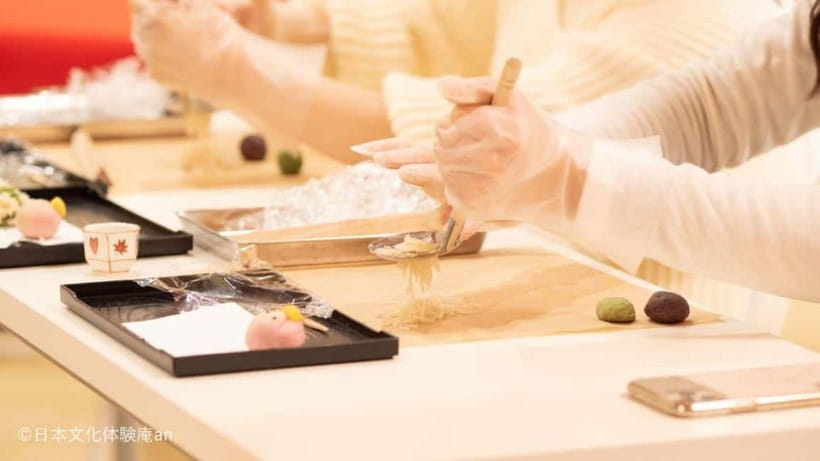
The first sweet is a flower-shaped nerikiri. Here, the instructor shows you how to work the colored paste into a neat outer layer and then shape it into a seasonal design.
The value is in the technique. You are learning how a soft bean paste can be folded, pressed, and formed without losing its delicate shape. A close demonstration is important, especially because the instructor teaches in Japanese. One highly positive booking noted that the instructor’s demonstrations made the techniques understandable even when English was limited.
You should expect to copy hand movements rather than listen to a long English explanation. That can work well for a visual activity, but it also explains why seating and group size matter. One less satisfied booking reported that the room felt too crowded and that the instructor continued before everyone could hear or follow along.
If you want the best chance of seeing each movement, arrive on time and pay close attention at the start. The experience cannot be held for late arrivals, so even a short delay can make the first instructions harder to follow.
The finished flower is meant to be eaten, not treated as a museum piece. Still, you may want a photo before taking your first bite. If you would like to bring the sweets away with you, a take-out box is available for 100 yen.
Shaping the kinton nerikiri
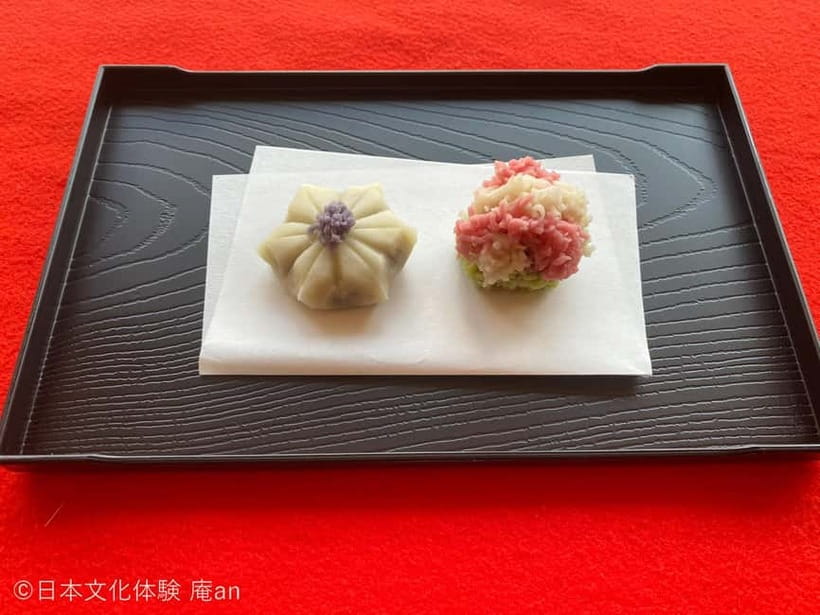
The second sweet is a kinton nerikiri. This style has a different appearance from the first, giving you a chance to practice another way of handling bean paste.
The schedule allows time for both sweets before the tea portion begins. That is a good balance. You get enough variety to understand that wagashi is not one single style, while the class remains short enough to fit into a busy day in Tokyo.
The exact seasonal designs can vary, since the sweets are matched to the season. That is part of the appeal. You are not making a fixed souvenir year-round, but a confection connected to the time of your visit.
Do not expect a pastry kitchen or a full cooking course. The preparation centers on coloring and shaping prepared bean paste. There is no indication that you cook the bean paste from raw ingredients, so the emphasis is on craftsmanship, presentation, and tea culture rather than broad culinary training.
After the two sweets are made, the schedule includes a break at about the 55-minute mark. This gives you a pause before the second half, though the full program continues fairly quickly.
Meeting Uji matcha through grinding and preparation
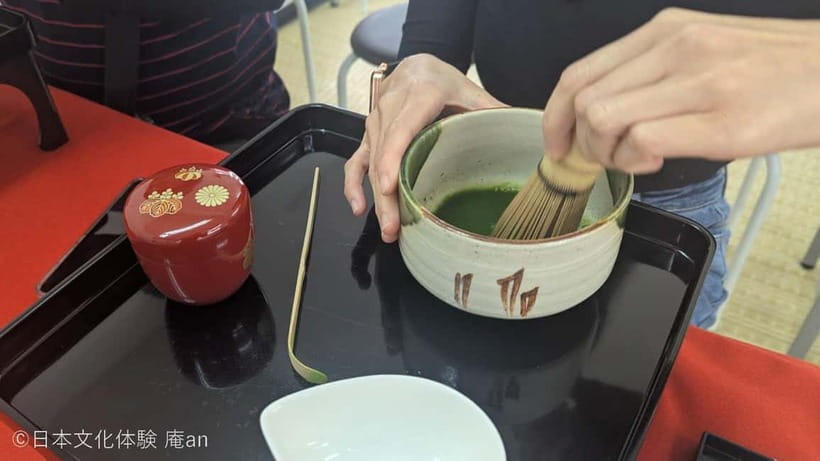
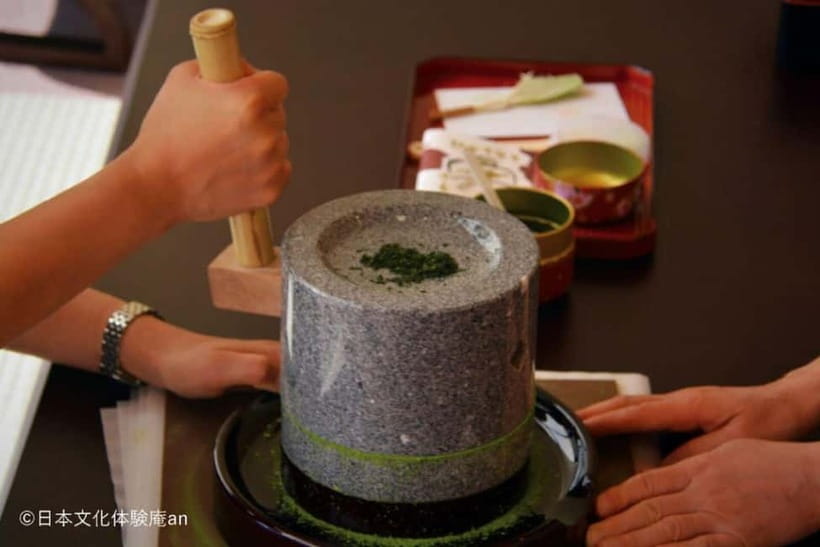
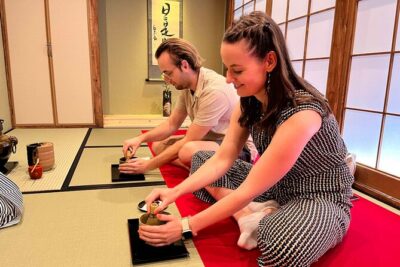
At about 65 minutes, the class turns to tea. You receive an explanation of the tea ceremony, followed by a matcha-grinding demonstration.
The use of single-origin Uji matcha is a meaningful detail. Uji, near Kyoto, is one of Japan’s best-known tea-producing areas, and matcha has a particular role in Japanese sweets culture. The bitter, grassy character of matcha is meant to balance the sweetness of wagashi rather than compete with it.
You then prepare your own matcha. This gives the tea portion a practical focus instead of leaving you as a spectator. The lesson is not described as a full formal tea-school training session, so you should think of it as an accessible introduction to the gestures and taste of tea ceremony.
The sweets are served with the matcha you prepare. That pairing is the payoff of the class. First you make the sweet, then you prepare the tea, then you taste both together. The bean paste’s sweetness softens the matcha, while the tea keeps the sweets from feeling overly sugary.
The tea ceremony portion may appeal most to first-time visitors. You get enough context to understand why the sweets and tea belong together, without committing half a day to a more formal ceremony.
More Tea Ceremonies in Tokyo
- Tokyo: Traditional Tea Ceremony with a Tea Master
★ 5.0 · 528 reviews - Tea Ceremony Workshop in Tokyo by the Experienced Instrucor
★ 5.0 · 189 reviews - Asakusa: Kimono Tea Ceremony with Matcha and Sweet
★ 4.9 · 153 reviews - Tea Ceremony Experience in a Private Tea Room in Shibuya
★ 4.9 · 125 reviews
What the 95-minute schedule feels like
The timing is easy to follow:
- From 0 to 55 minutes, you receive an introduction and make the flower-shaped and kinton nerikiri.
- Around 55 minutes, you take a break.
- From about 65 minutes, you learn about tea, watch matcha being ground, and prepare your own cup.
- Around 85 minutes, there is picture time.
- At 95 minutes, the program ends and you leave the room.
This is a compact activity. You can fit it between sightseeing stops rather than planning your entire day around it. The short length also keeps the class approachable for families and first-time visitors who may not want a long cultural lesson.
The schedule is fairly full, however. There is not much spare time for delays, repeated demonstrations, or a slow start. The provider says the event will not be held for late arrivals, and cancellation charges can apply after the stated deadline. I would plan to reach the meeting point early rather than cut the timing close.
Children under two who sit on a parent’s lap are free. Anyone who does not take part cannot enter, so you should reserve a place for each person who plans to join, apart from the stated lap-sitting exception.
English support and the importance of demonstrations
The listed language is Japanese. English translation is provided as much as possible, and you can contact the provider to request additional English support.
That wording sets a realistic expectation. You should not assume every explanation will be delivered in fluent English. At the same time, this activity is well suited to visual instruction. The hand movements for shaping paste and whisking matcha can often be understood by watching carefully.
The strongest praise focused on the instructor’s patience and demonstrations. One booking specifically praised Marie as a great presenter. If Marie is leading your session, you may find the teaching style especially helpful, but instructor assignments can vary and are not guaranteed in the information provided.
The main weakness to keep in mind is sound and visibility. A booking from France described a crowded room where it was difficult to hear the instructor, who continued without waiting. That does not mean every session will have the same problem, but it is a useful warning. If you need very detailed verbal instruction, contact AN TOKYO before booking and ask about English assistance and the expected class setting.
Is $18 good value for this activity?
At $18, this is one of the easier cultural activities to justify in a Tokyo itinerary. You receive two handmade sweets, a lesson using Kyoto-produced bean paste, a matcha-grinding demonstration, your own tea preparation, and a tea ceremony introduction.
The price is especially fair because the class combines making and tasting. Many short cultural activities offer only a demonstration or a single sample. Here, you take part in the central steps and eat what you prepare.
There are two small extras. A take-out box costs 100 yen, and an experience completion certificate costs 300 yen. The certificate can be nominative if you provide names in advance. Otherwise, a blank space is left for the name.
You should book this for the cultural experience, not for a large meal. Nerikiri is a small traditional sweet, and the program is built around careful tasting with matcha. If you need a substantial lunch or dessert stop, this will not replace one.
Location, timing, and planning your visit
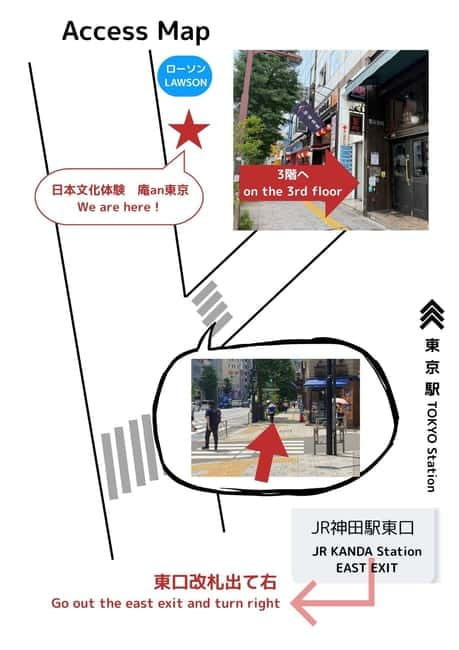
The meeting point is AN TOKYO Japanese Culture Experience in Honshu, at coordinates 35.6916541, 139.7715022. The supplied information does not give a detailed station-by-station route, so I would check the exact map position before leaving and allow extra time to find the room.
Operating hours are 10:00 to 17:00. Reservations received after 17:00 are processed the next day, so a late-night booking request may not receive an immediate response.
Free cancellation is available up to 24 hours in advance for a full refund. After that point, cancellation charges apply, and changing the date or time after a fee has been incurred can bring another specified charge. The provider also does not compensate you for travel expenses if you cancel.
Those rules are worth taking seriously because the activity cannot wait for late arrivals. I would avoid placing it immediately after a distant sightseeing visit or a train connection with little slack.
Who will enjoy this class most?
I would recommend the experience to you if you want a short, hands-on introduction to Japanese culture. It suits first-time visitors, couples, families with participating children, and anyone curious about wagashi but unsure where to begin.
It is also a good choice if you enjoy visual crafts. The coloring and shaping give you something to do with your hands, and the seasonal designs make the finished sweets feel tied to the date of your visit.
You may want to choose another activity if your priority is a quiet, highly formal tea ceremony. The class includes a tea ceremony experience, but it also includes active sweet-making, instruction, photographs, and a timed group schedule.
I would also think twice if you need detailed instruction in English. The demonstrations are designed to help, but English is not the primary language. Contacting the provider before booking is the safest way to ask for additional translation.
Should you book Japanese Traditional Sweets Making and Tea Ceremony?
I would book it if you want good value, a manageable time commitment, and real participation. The Kyoto bean paste, seasonal nerikiri, and single-origin Uji matcha give the class more substance than a quick photo opportunity.
Book with realistic expectations. You are making two sweets from prepared paste, not learning an entire confectionery trade. The tea ceremony is an introduction, not an advanced school lesson. Arrive early, expect Japanese-led instruction, and ask about English support if you need it.
For $18, the chance to shape your own wagashi and enjoy it with matcha is a practical and memorable addition to a Japan itinerary. Just remember that the room may feel busy, and the lesson moves on schedule.
FAQ
Where does the Japanese sweets and tea ceremony experience take place?
It takes place at AN TOKYO Japanese Culture Experience in Honshu, Japan. The listed coordinates are 35.6916541, 139.7715022.
How long does the experience last?
The full program lasts 95 minutes. Sweet-making takes place during the first part, followed by tea instruction and a tea ceremony experience.
What sweets will I make?
You will make two seasonal Japanese sweets: a flower-shaped nerikiri and a kinton nerikiri.
Is English instruction available?
The instructor language is Japanese. English translation is provided as much as possible, and you can contact the provider if you would like to request additional English support.
What is included in the price?
The $18 price includes the Japanese traditional sweets-making activity and the tea ceremony experience. A take-out box costs 100 yen, and an experience completion certificate costs 300 yen.
Can I cancel for a full refund?
You can cancel up to 24 hours in advance for a full refund. Cancellation fees apply after that deadline, according to the provider’s policy.
Just added around Tokyo
- Tokyo Small Group Tour with Guide★ 4.5 · 38 reviews
- Tokyo 6hr Instagram Highlights Private Tour with Licensed Guide★ 5.0 · 38 reviews
- Tokyo Sumo Experience with Live Show & Audience Challenge★ 5.0 · 38 reviews
- Very popular in Harajuku♡Animal petting zoo★ 4.6 · 39 reviews
- Japanese Food Cooking Class in Asakusa, Tokyo★ 5.0 · 39 reviews
- Ramen Making from Scratch with Tokyo Mom(Vegan Option Available)★ 5.0 · 39 reviews
- Tokyo: Kimono Rental inside Shinjuku Gyoen National Garden★ 4.9 · 39 reviews
- Tokyo JDM Night: 600hp C63s AMG Edition 1 (Private)★ 4.9 · 39 reviews
Tea Ceremony Experiences, compared.
Tea Ceremony in a Traditional Tea House in Kiyomizu
Read our review →
Browse the lists this tour appears in