
Reviewed · TEA CEREMONY EXPERIENCES
Tokyo: Traditional Tea Ceremony with a Tea Master
Tea tells Japan’s story in small cups. At Ocharu, you taste four distinct Japanese teas, learn the manners behind matcha, and make your own bowl under the calm direction of an English-speaking tea master. I especially like the hands-on matcha session and the chance to taste rare wakocha and high-grade Gyokuro rather than simply watching a formal demonstration. The main consideration is timing: one hour goes quickly, and the setting is a modern tea room rather than a historic temple.
This is a friendly introduction to Japanese tea culture, not a stern lesson in ceremony etiquette. Hosts such as Ekiko, Akiko, and Shinichi have been praised for explaining things clearly, answering questions, and keeping the mood easy. If you want a polished cultural activity that fits neatly into a Tokyo sightseeing day, the $38 price offers good value, especially with several teas, seasonal sweets, a certificate, and a group photo included.
In This Review
- Key Points Before You Book
- What This Tokyo Tea Ceremony Is Really Like
- Finding Ocharu Across From Tokyo University
- The Welcome Cup: Fruity Wakocha From Shizuoka
- Gyokuro Sencha and the Pleasure of Slowing Down
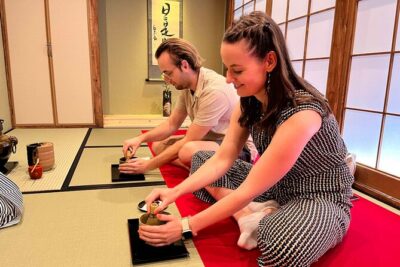
- Making Matcha With Traditional Tools
- Genmaicha Brings the Session Back to Earth
- Why the $38 Price Makes Sense
- The Guides Make the Difference
- Who Will Enjoy This Most
- Small Details That Improve the Visit
- Should You Book the Ocharu Tea Ceremony?
- FAQ
- How long does the Tokyo tea ceremony last?
- How much does the tea ceremony cost?
- What teas will I taste?
- Do I make my own matcha?
- Are sweets included?
- Is the activity offered in English?
- Where is the meeting point?
- Can I cancel or pay later?
Key Points Before You Book
- Four Japanese teas in one hour: Taste wakocha, Gyokuro sencha, matcha, and Genmaicha, with attention to flavor, temperature, and preparation.
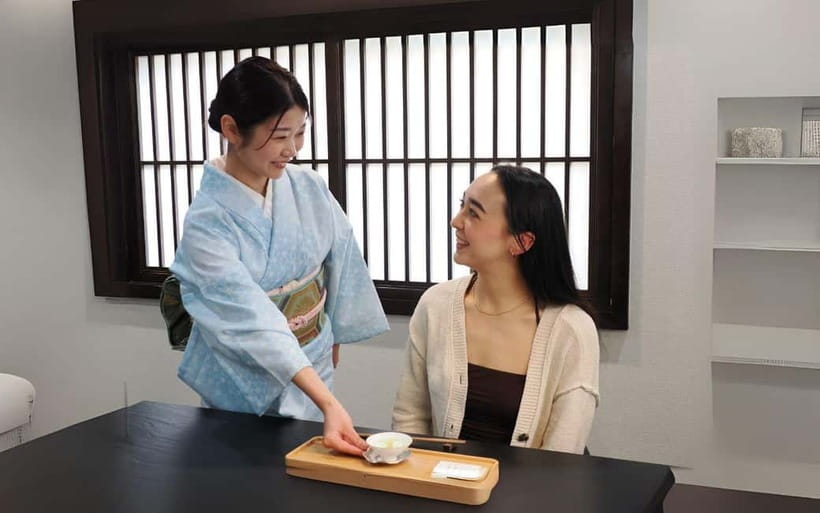
- You make your own matcha: A tea master guides you through the whisking process with traditional tools.
- Special sweets accompany the tea: Seasonal wagashi from Ougiya add a small but memorable taste of Japanese confectionery.
- The setting is easy to pair with sightseeing: Ocharu is across from Tokyo University and close to the University of Tokyo campus and the zoo.
- The mood is relaxed, not rigid: You learn ceremony manners without needing prior knowledge of tea or Japanese customs.
- A practical keepsake is included: You receive a completion certificate and a group photo before leaving.
What This Tokyo Tea Ceremony Is Really Like
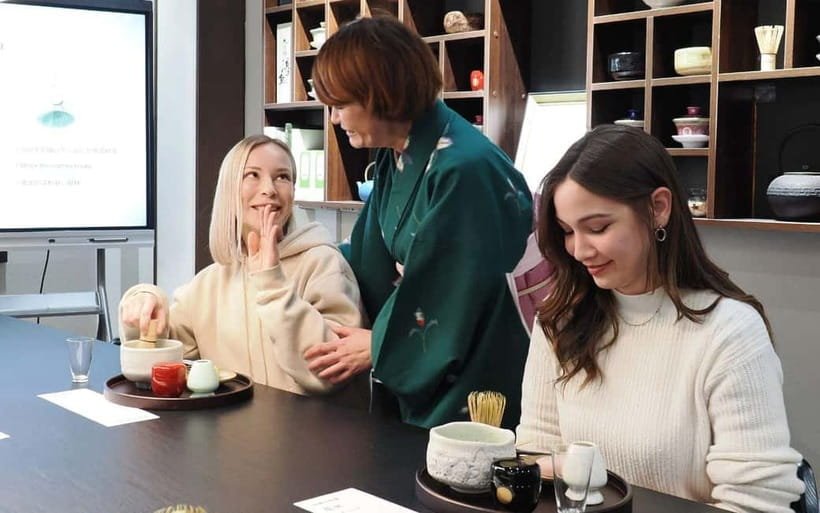
Ocharu offers a compact look at Japanese tea, built around tasting rather than sitting silently through a long formal ritual. You spend about 60 minutes moving through several kinds of tea, learning what makes each one different, and taking part in the matcha preparation yourself.
That format makes this a good first tea ceremony in Tokyo. You get enough explanation to understand the customs, but the session does not require you to already know how to kneel, bow, handle a bowl, or follow every traditional movement.
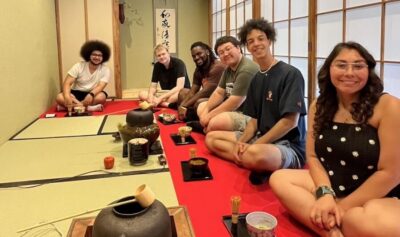
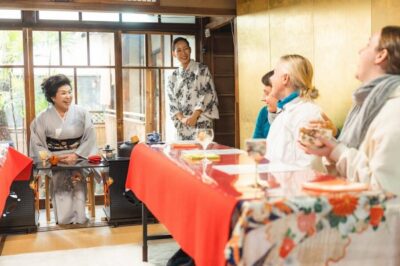
The English-speaking tea master is central to the experience. The strongest praise has gone to hosts who are warm, funny, patient, and willing to answer questions about tea, Japanese culture, language, and even ordinary life in Japan. One guide chatted with the group about home cities and favorite films, which gives you a sense of the tone: cultural, but not stiff.
The room is specially designed for the Ocharu ceremony and sits in a convenient location opposite Tokyo University. That means you can combine the activity with a walk through the university area or a visit to the nearby zoo. It is not a rural tea house or an old temple setting, so set your expectations accordingly. The appeal here is access, teaching, and tasting.
More Tea Ceremonies in Tokyo
- Tea Ceremony Workshop in Tokyo by the Experienced Instrucor
★ 5.0 · 189 reviews - Asakusa: Kimono Tea Ceremony with Matcha and Sweet
★ 4.9 · 153 reviews - Tea Ceremony Experience in a Private Tea Room in Shibuya
★ 4.9 · 125 reviews
Finding Ocharu Across From Tokyo University
The building carries a green OCHARU logo on the wall. Look up carefully, since the sign can sit higher than you expect. It is easy to walk past the entrance if you are watching street level, so allow a few extra minutes and arrive five minutes early for check-in.
The tea ceremony room is reached through the Ocharu premises. There is also a small café downstairs where you can drink matcha and buy tea to take home. That café is not part of the core hour, but it can be a useful stop before or after the ceremony, particularly if you discover a tea you want to remember.
The location works well for a half-day plan. You might visit Tokyo University, attend the tea session, then continue toward the zoo. The supplied directions also note a route from Shibuya through Meiji-Jingumae to Nezu Station, followed by about a 15-minute walk. Check your map on the day, since Tokyo station names and exits can make a simple trip feel less simple.
The Welcome Cup: Fruity Wakocha From Shizuoka
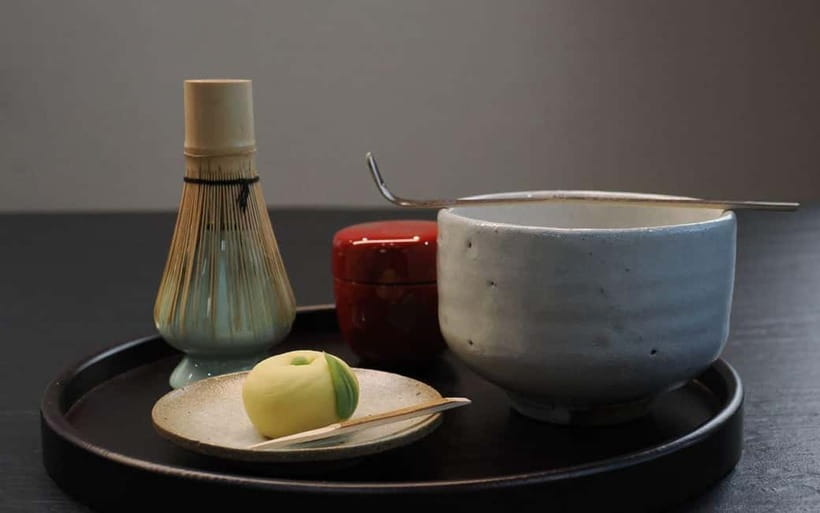
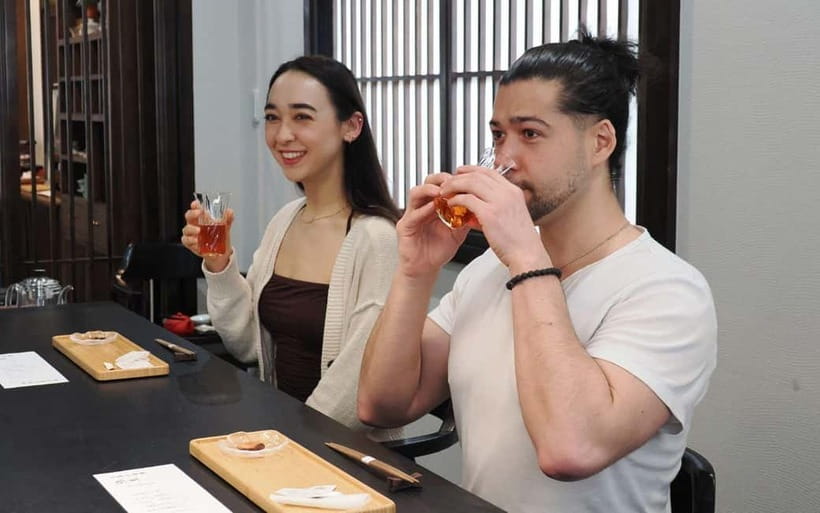
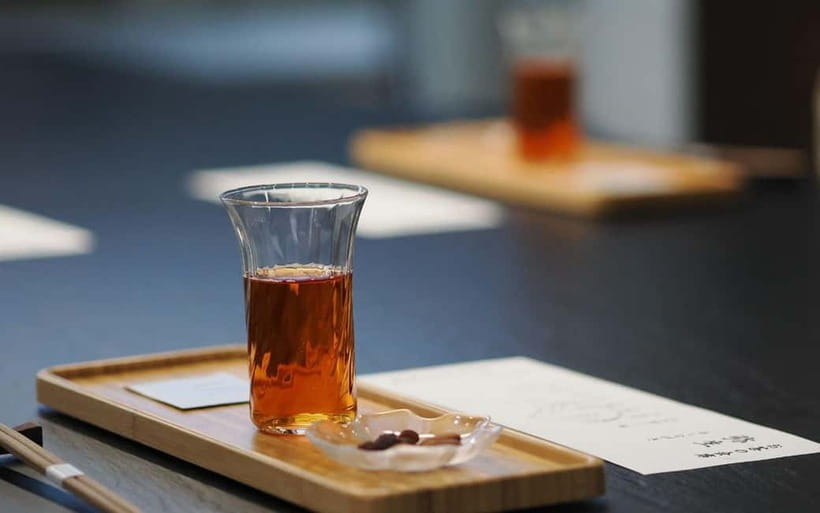
The session begins with wakocha, Japanese black tea from Shizuoka, served with a traditional tea cake. This is a smart opening because wakocha may surprise you if you associate Japanese tea only with grassy green flavors.
Wakocha can show fruity and floral notes, and the first cup gives the tea master a chance to explain how Japanese black tea differs from more familiar black teas from India, Sri Lanka, or Britain. The accompanying cake softens the tea and gives you an early taste of the care that goes into Japanese sweets.
I like this part because it widens the definition of Japanese tea right away. You are not simply being told that tea culture has many branches. You are tasting the difference before the lesson gathers pace.
The welcome cup is also easy for non-tea drinkers. One particularly useful detail from the feedback is that even a person who did not usually enjoy tea still liked the overall session. That makes this a reasonable choice for couples or families where only one person is a serious tea fan.
Gyokuro Sencha and the Pleasure of Slowing Down
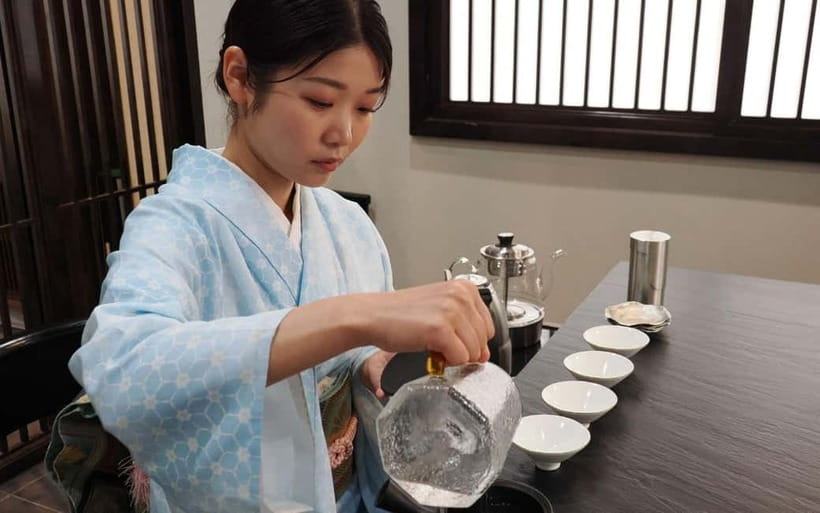
Next comes Gyokuro, a top-grade sencha known for its concentrated flavor and careful preparation. The tea master brews it for you, explaining the process and the role of water temperature.
This is where the ceremony becomes more than a series of drinks. You learn that brewing green tea is not just a matter of pouring boiling water into a cup. Temperature and timing affect the flavor, and high-grade tea benefits from gentle treatment.
You also taste the tea leaves themselves. That unusual step helps you think about the entire leaf, not just the liquid in the cup. It is a small detail, but it gives the tasting a practical, almost food-focused quality.
Gyokuro is served with seasonal wagashi from Ougiya, a confectioner with generations of experience. Wagashi are often shaped and colored to reflect the season, and their mild sweetness balances the savory, umami character of green tea.
The sweets are not an afterthought. They add texture, color, and a sense of occasion. If you enjoy Japanese food presentation, this may be one of the most memorable parts of the hour.
A completely different kind of day out in Tokyo:
- Mt Fuji and Hakone 1-Day Bus Tour Return by Bullet Train
★ 5.0 · 26,383 reviews - 1-Day Tokyo Bus Tour
★ 5.0 · 14,250 reviews - Tokyo: TOKYO SKYTREE® Admission ticket
★ 4.5 · 11,192 reviews - Tokyo: teamLab Planets TOKYO Digital Art Museum Entry Ticket
★ 4.6 · 9,779 reviews
Making Matcha With Traditional Tools

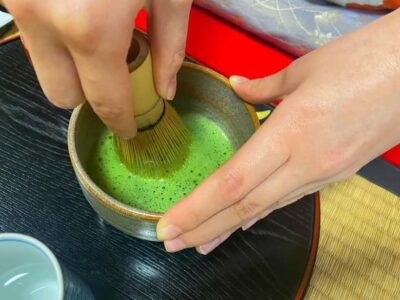
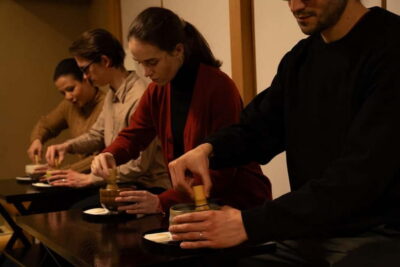
The hands-on matcha session is the heart of the activity. You use a traditional whisk and utensils while the tea master shows you how to prepare the tea step by step.
You do not need to worry about getting every movement perfect. The point is to understand the rhythm of matcha preparation: measure the powder, add water, whisk properly, and appreciate the finished bowl. The teacher guides you patiently, and the relaxed tone makes it suitable for a first attempt.
This is also the part most likely to produce a good holiday photograph. You are not merely holding a finished bowl. You are doing the work yourself, with the tools laid out in front of you.
The instruction includes manners for drinking matcha. You learn how the bowl should be handled and how to approach the tea with the right level of respect. These details connect the drink to Japanese hospitality and ceremony, but they are explained in an approachable way.
The matcha preparation can feel calming because it demands a little attention. For a few minutes, you are focused on the whisk, the powder, the water, and the changing texture. That is a welcome pause from Tokyo’s crowds and constant movement.
One useful keepsake may be the bamboo whisk or chopsticks used during the activity, depending on what is provided at your session. A certificate is included, and certificates have sometimes been personalized with the participant’s name written in Japanese. The exact presentation can vary, but it gives the hour a pleasant finish.
Genmaicha Brings the Session Back to Earth
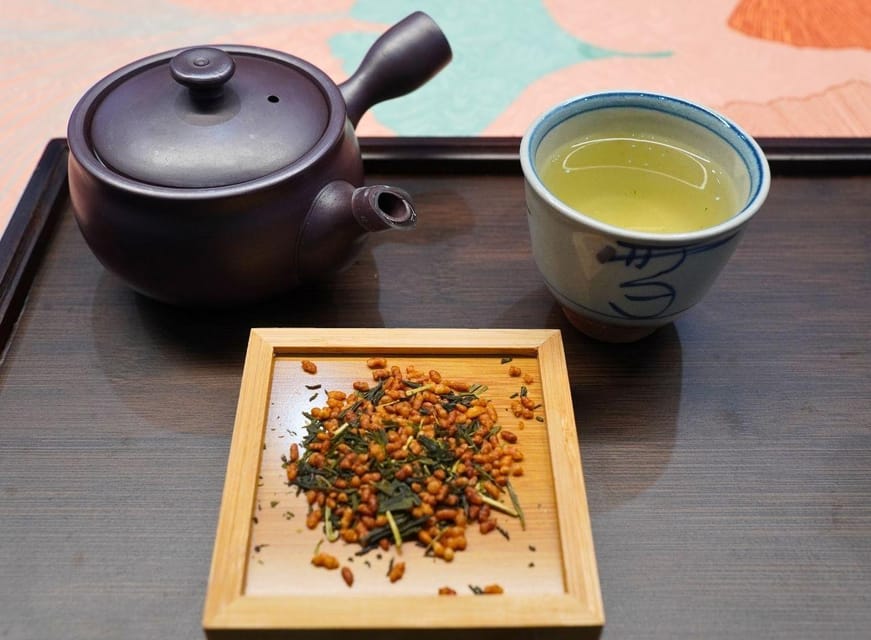
The final tea is Genmaicha, a blend of sencha and roasted rice from Niigata Prefecture. Its toasted flavor makes a comfortable ending after the intensity of Gyokuro and matcha.
Genmaicha is often an easy tea to like. The roasted rice adds a warm, nutty quality, and the cup feels less formal than the earlier tasting. It brings the session back to a familiar, everyday style of Japanese tea.
Ending with Genmaicha is well judged. You have experienced a rare tea, a ceremonial tea, and a Japanese black tea. The last cup shows that tea culture is not only about expensive leaves or formal occasions. It is also about comforting drinks shared in ordinary life.
Why the $38 Price Makes Sense
At $38 per person, this is not the cheapest tea drink you can buy in Tokyo. But you are paying for a guided cultural lesson, several tastings, seasonal sweets, use of traditional equipment, a certificate, and a group photo.
The value is strongest if you are curious about tea but would not know where to start on your own. Buying Gyokuro, matcha, and Japanese black tea separately would give you drinks, but not the explanation of how they differ or how to prepare matcha correctly.
The price also compares well with the time involved. In one hour, you get four tea styles, food pairings, instruction, and a keepsake. It fits neatly between other activities, so you do not have to give up an entire morning or afternoon.
Still, you should know what you are buying. This is a guided tasting and beginner lesson, not an extended formal tea ceremony with elaborate costume, a historic garden, or a long series of silent rituals. If your main goal is a grand traditional setting, another type of tea event may suit you better.
The Guides Make the Difference
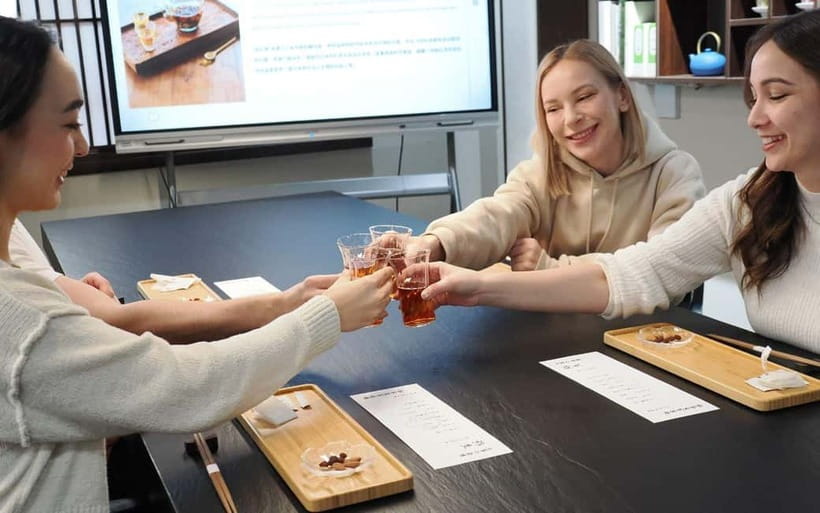
The best part of Ocharu is the teaching style. The tea masters are described as friendly, polite, funny, and generous with information. Several people especially appreciated explanations of tea-growing regions, brewing temperatures, ceremony customs, and the history of matcha.
Some sessions have been led by hosts named Shinichi, Ekiko, and Akiko. Names may vary by date, but the consistent strength is the personal approach. The guides make room for questions, and they adjust their explanations for beginners.
English is the activity language. Most feedback describes the instruction as easy to follow, although one person found an accent a little challenging. If you need very slow, highly detailed English instruction, keep that possibility in mind. The session still appears well suited to most English-speaking visitors, and one tea master even offered some French translation during a group.
The tone is casual and laid back. That is a benefit for people who worry about making a mistake, but it may feel less ceremonial to someone expecting strict formality. I see this as an intentional tradeoff: you gain comfort and conversation, while giving up some of the solemn atmosphere of a classical tea school.
Who Will Enjoy This Most
I would recommend the ceremony to:
- First-time visitors who want a clear introduction to Japanese tea.
- Tea drinkers interested in the differences between sencha, matcha, wakocha, and Genmaicha.
- Couples looking for a calm activity with a small food element.
- Families with older children who can follow a short demonstration and take part.
- People who enjoy Japanese sweets, presentation, and food traditions.
- Visitors who want an activity near Tokyo University and the zoo.
- Anyone looking for a one-hour break from sightseeing.
It can also work for a mixed group. A person who does not usually like tea can still enjoy the making process, the sweets, the setting, and the cultural explanation.
You may want to skip it if you dislike tea altogether, cannot use the traditional utensils comfortably, or want a long, formal ceremony in a historic building. The activity is not suitable for wheelchair users, according to the access information provided.
Small Details That Improve the Visit
Arrive early, especially if you are relying on the green OCHARU sign. Look above street level, and if you are unsure, check the tea shop rather than walking past several times.
Keep your schedule flexible after the hour if you want to browse tea downstairs. The café sells matcha and tea to take home, and that can turn the tasting into a practical shopping stop. You will have a better idea of what you like after trying the four styles.
Ask questions. The hosts are prepared to discuss water temperature, regional origins, tea customs, and the history of matcha. You will get more from the experience if you treat it as a conversation rather than a show.
Finally, do not judge the matcha only by the first sip. The whisking, the bowl, the manners, and the explanation are part of the point. You are learning how the drink fits into Japanese culture, not simply ordering a sweet green beverage.
Should You Book the Ocharu Tea Ceremony?
Yes, if you want a friendly, well-priced introduction to Japanese tea with real participation. The combination of wakocha, Gyokuro, wagashi, matcha making, and Genmaicha gives you more range than a basic matcha demonstration.
I would especially choose it for a first visit to Tokyo, a rainy-day plan, or an afternoon near Tokyo University and the zoo. Book it if you value good teaching and hands-on activity more than an old-fashioned setting.
Skip it only if you are seeking a highly formal ceremony or cannot use the room comfortably. For most visitors, the relaxed instruction, generous tasting sequence, and $38 cost make this a practical way to understand Japanese tea in a single hour.
FAQ
How long does the Tokyo tea ceremony last?
The experience is scheduled for one hour, although the exact session length can vary slightly. One recorded session lasted about 50 minutes.
How much does the tea ceremony cost?
The listed price is $38 per person.
What teas will I taste?
You will taste wakocha from Shizuoka, Gyokuro sencha, matcha that you prepare yourself, and Genmaicha made with sencha and roasted rice from Niigata Prefecture.
Do I make my own matcha?
Yes. A tea master guides you through matcha preparation using traditional tools and utensils.
Are sweets included?
Yes. A welcome tea cake is included, and seasonal wagashi from Ougiya are served with the Gyokuro tasting.
Is the activity offered in English?
Yes. The instructor language is English.
Where is the meeting point?
Ocharu is in a building across from Tokyo University. Look for the green OCHARU logo on the wall, and arrive five minutes early for check-in.
Can I cancel or pay later?
You can cancel up to 24 hours before the activity for a full refund. You can also reserve now and pay later, subject to the booking terms available for your chosen time.
Just added around Tokyo
- Tokyo 6hr Instagram Highlights Private Tour with Licensed Guide★ 5.0 · 38 reviews
- Tokyo Small Group Tour with Guide★ 4.5 · 38 reviews
- Tokyo Sumo Experience with Live Show & Audience Challenge★ 5.0 · 38 reviews
- Japanese Food Cooking Class in Asakusa, Tokyo★ 5.0 · 39 reviews
- Very popular in Harajuku♡Animal petting zoo★ 4.6 · 39 reviews
- Ramen Making from Scratch with Tokyo Mom(Vegan Option Available)★ 5.0 · 39 reviews
- Tokyo JDM Night: 600hp C63s AMG Edition 1 (Private)★ 4.9 · 39 reviews
- Tokyo: Kimono Rental inside Shinjuku Gyoen National Garden★ 4.9 · 39 reviews
Tea Ceremony Experiences, compared.
Tea Ceremony in a Traditional Tea House in Kiyomizu
Read our review →
Browse the lists this tour appears in