
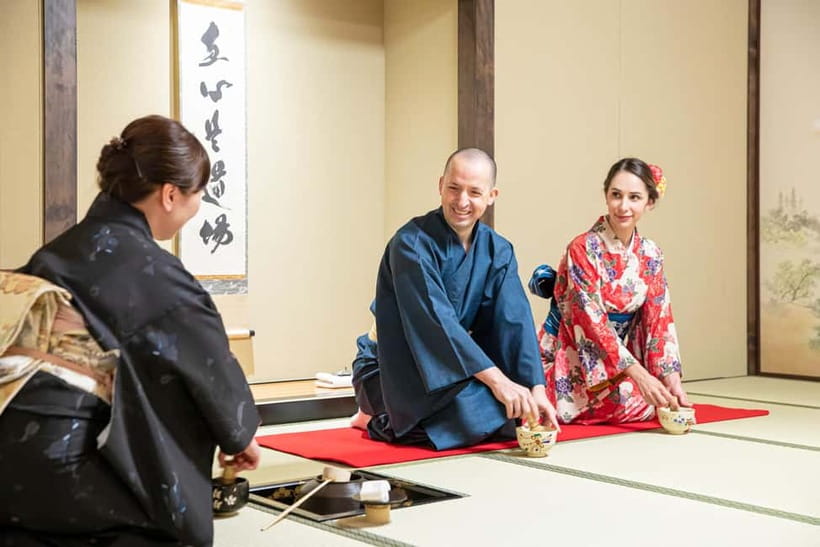
Reviewed · TEA CEREMONY EXPERIENCES
Asakusa: Kimono Tea Ceremony with Matcha and Sweet
Dress-up with a purpose. This 90-minute Asakusa experience combines seasonal kimono dressing with a quiet, guided Japanese tea ceremony, giving you more than a quick photo stop. I like the careful hair styling and the chance to choose your own colors and patterns. I also like that you prepare your own matcha and eat seasonal wagashi, rather than simply watching a demonstration. The main consideration is that the ceremony is calm and formal, with seating on tatami mats and a group of about 12 to 14 people.
The English guidance is clear throughout, and the staff take plenty of time with photographs after the ceremony. I especially appreciate the option to request bamboo chairs in advance if kneeling on the floor is difficult. At $66 per person, this is not a budget attraction, but the price covers dressing, hair styling for women with long hair, the ceremony, tea, sweets, and photo time, making it a solid value for a special Tokyo memory.
In This Review
- Key Details Before You Book
- Choosing a Kimono in Asakusa
- Hair Styling and the Finishing Touches
- Entering the Tea Room and Learning the Four Principles
- Watching the Matcha Ceremony
- Whisking Your Own Bowl of Matcha
- Photos in the Garden and Kimono Rental Time
- Seating, Group Size, and Comfort
- What the $66 Price Really Covers
- Who Will Enjoy This Most
- Practical Timing and Planning Advice
- Should You Book the Asakusa Kimono Tea Ceremony?
- FAQ
- How long does the kimono tea ceremony experience last?
- Is the activity conducted in English?
- Is kimono rental included in the price?
- Is hair styling included?
- Are children allowed to join?
- Do I have to sit on the floor?
- Can I cancel the booking?
Key Details Before You Book
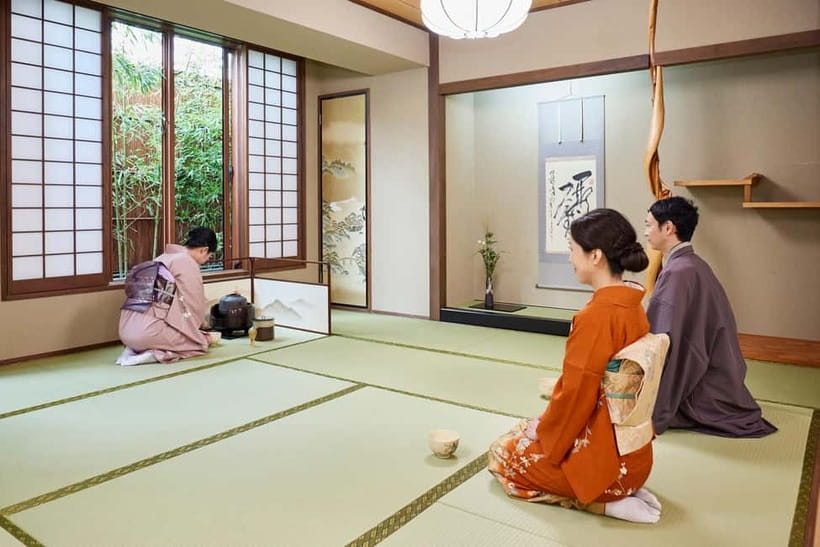
- Seasonal kimono selection: Choose from many colors and patterns, then match your obi and hair accessory to the outfit.
- Hands-on matcha preparation: You watch the tea master first, then whisk your own bowl of green tea.
- English-led cultural explanation: The instructor explains the tea ceremony’s etiquette and the four ideas of harmony, respect, purity, and tranquility.
- Photo time included: Use the small garden and indoor photo areas, with staff available to help take pictures.
- About 12 to 14 people: The session combines bookings from several sources, so it may feel intimate but is not private.
- Flexible planning: You can cancel up to 24 hours before the start time for a full refund, and reserve now while paying later.
Choosing a Kimono in Asakusa
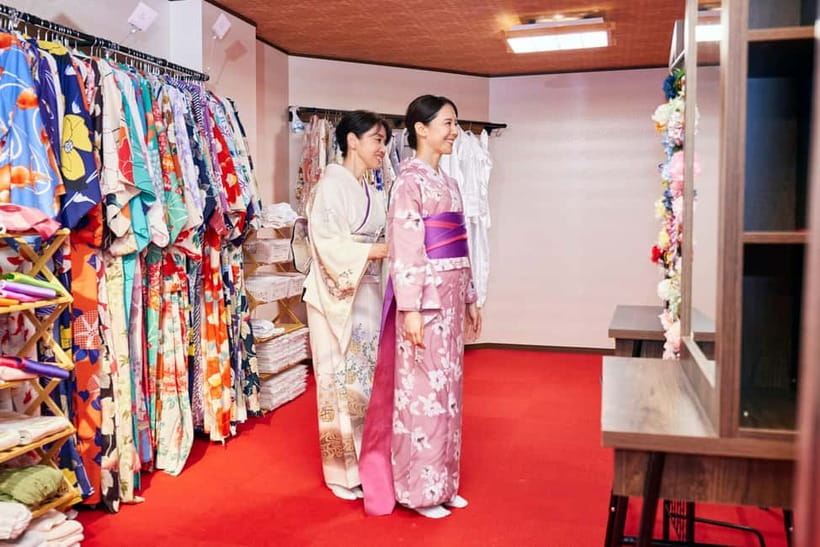
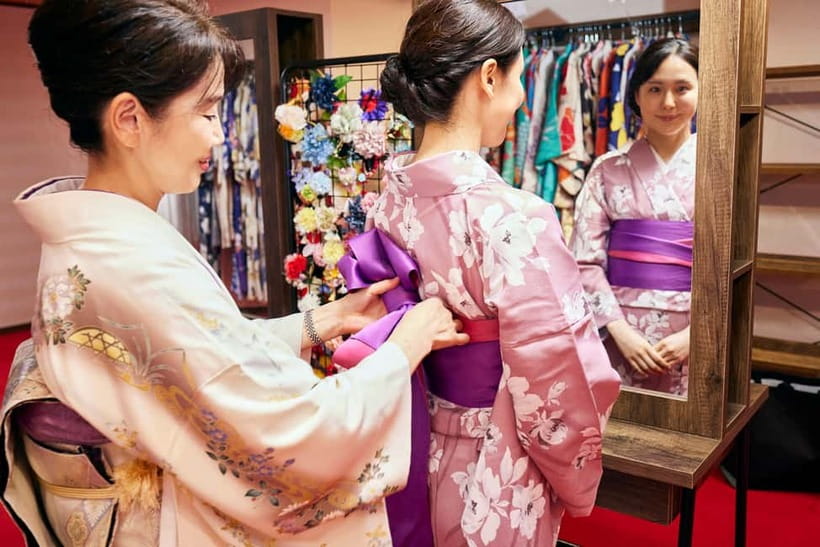
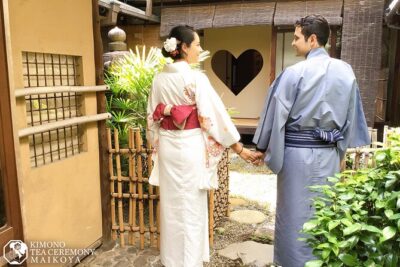
The experience begins with the part many people anticipate most: selecting a kimono. You are not simply handed one outfit. Staff help you choose the kimono, obi, and hairpiece, so you can put together a look that feels intentional rather than costume-like.
The selection includes different colors and prints, with seasonal choices available. If you already know which colors suit you, the process will be quicker. If you do not, staff can help you compare options. I would avoid arriving with a fixed idea that you must wear one particular shade. The final outfit depends on how the kimono, belt, and hair accessory work together.
Dressing takes real skill. A kimono is not something you casually pull on like a jacket, and the staff adjust the layers and obi so the outfit sits correctly. That attention is part of the cultural lesson. You begin to see why proper dressing is a craft, not just a fashion choice.
The staff are repeatedly praised for being patient and kind during this stage. Names that come up include Mia, Wakana, Yoko, and Kyoko, though the staff member leading your session may be different. The common thread is personal help, a friendly manner, and enough time to make the process enjoyable.
More Kimono Experiences in Tokyo
- Let’s make kimono !(Kimono is a gift for you
★ 5.0 · 252 reviews - Tokyo: Matcha and Kimono Experience
★ 4.7 · 219 reviews - Tokyo: Asakusa Kimono Dressing and Matcha Experience
★ 4.9 · 173 reviews
Hair Styling and the Finishing Touches
Women with long hair receive hair styling as part of the experience. The style is designed to work with the kimono and hair accessory, so the finished appearance feels complete.
This is a useful inclusion because hair can make or break a traditional outfit. A quick professional arrangement saves you from trying to manage your own hair after dressing. One particularly practical detail is the speed of the hair styling. You get a polished result without spending a large part of the 90 minutes waiting around.
The hair service is specifically listed for women with long hair, so do not assume every participant receives the same treatment. The kimono rental and professional dressing are included for the activity, while the hair styling has this limitation.
Couples also get a nice reveal moment. One person can finish dressing before the other, creating a small sense of occasion when you see each other in the completed outfits. For birthdays, engagements, or a first trip to Japan, that added ceremony can make the visit feel personal rather than routine.
Entering the Tea Room and Learning the Four Principles
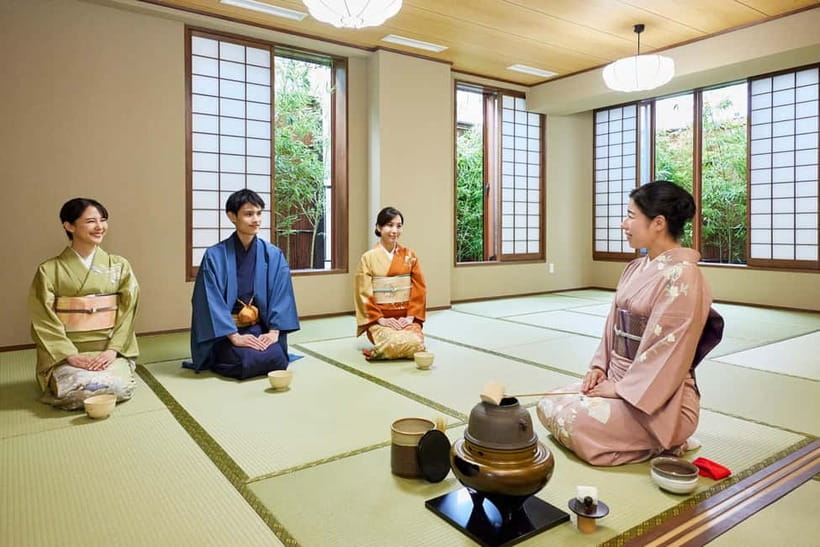
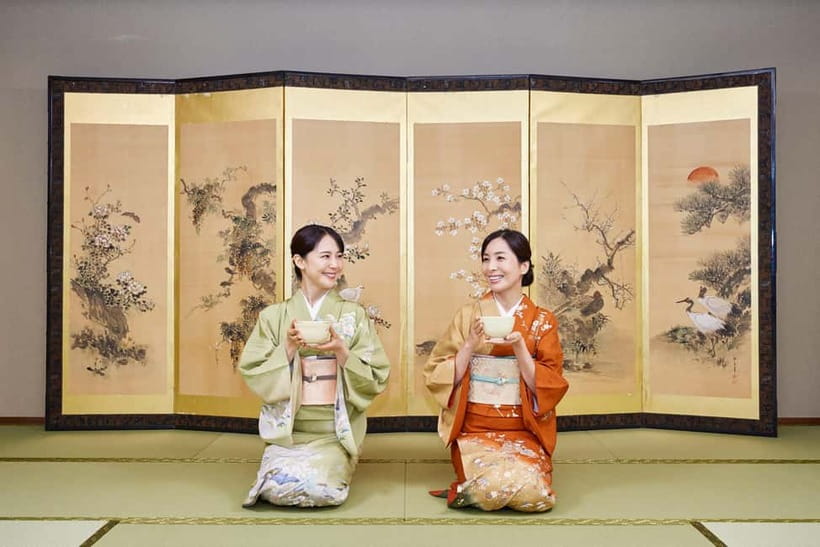
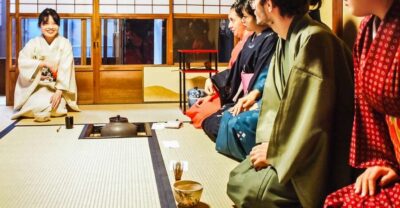
Once dressed, you move into the tea room for the formal part of the experience. The mood changes here. The room is quiet and calm, and the host explains that the ceremony is guided by four Zen principles:
- Wa: Harmony
- Kei: Respect
- Sei: Purity
- Jaku: Tranquility
These ideas give you a useful way to understand what you are seeing. The tea ceremony is not simply a method for making a drink. Each movement, pause, and placement of an object reflects care for the setting, the people present, and the tools being used.
The English instruction is one of the strongest features. You are not left to copy movements without knowing their meaning. The host explains the etiquette, the order of the actions, and the purpose of the utensils. Some instructors also adjust their approach when they learn more about the participants. One host switched into Japanese for people who understood it, adding English when needed.
That personal approach helps the ceremony feel less like a memorized show. Yoko has been praised for making the explanation lively, while Wakana and Kyoko were singled out for their friendly and clear teaching. The exact instructor can change, but the activity is conducted in English.
Watching the Matcha Ceremony
The tea master begins with a demonstration. You watch the careful handling of the bowl, whisk, scoop, and other utensils, many of which are treated as treasured objects. The pace is deliberate, so you can see the sequence rather than losing track in a rush of gestures.
The quiet setting matters. If you expect a loud, highly animated performance, this will feel too restrained. If you want a calm cultural activity after a busy day in Tokyo, the slower pace is welcome. You have space to notice how the host holds each item and how the tools are arranged.
The tea ceremony also teaches you how much meaning can be placed in small actions. The host’s movements show respect for the tea, the guest, and the room. Even if you do not remember every rule afterward, you will leave with a better sense of why the ceremony has lasted for centuries.
I like that the explanation does not stop at history. You also learn basic etiquette and see the ceremony in action. This gives the activity more substance than simply wearing a kimono for pictures.
More Tea Ceremonies in Tokyo
- Tokyo: Traditional Tea Ceremony with a Tea Master
★ 5.0 · 528 reviews - Tea Ceremony Workshop in Tokyo by the Experienced Instrucor
★ 5.0 · 189 reviews - Tea Ceremony Experience in a Private Tea Room in Shibuya
★ 4.9 · 125 reviews - Tokyo: Practicing Zen with a Japanese Tea Ceremony
★ 4.7 · 105 reviews
Whisking Your Own Bowl of Matcha
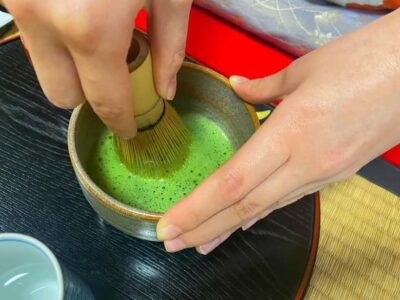
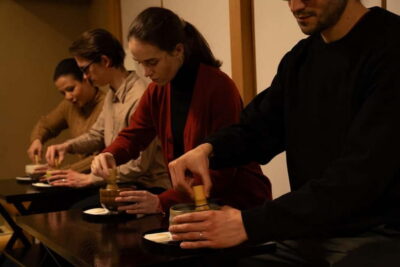
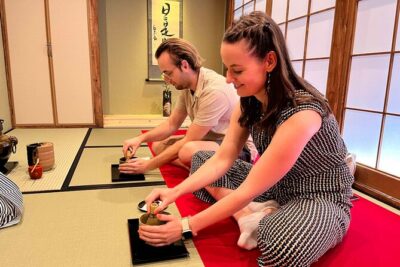
After watching the demonstration, you get to prepare matcha yourself. You whisk your own bowl of tea using the traditional method, following the host’s instructions.
This is the moment when the experience becomes hands-on. Matcha preparation looks simple until you try to create the right texture. The whisking motion requires attention, and your first bowl may not look exactly like the tea master’s. That is part of the fun. You are learning a skill, not taking a test.
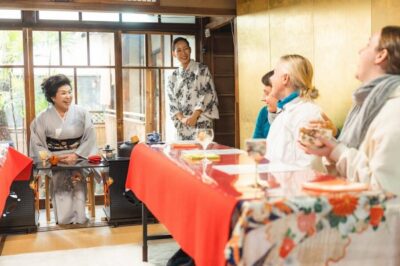
The tea has a strong, earthy flavor that may surprise you if you normally drink sweetened tea. Seasonal wagashi is served alongside it to balance the taste. The sweets are small, carefully shaped Japanese confections, with flavors and colors connected to the season.
The pairing is important. Wagashi is not just a snack added to the package. Its sweetness makes the matcha easier to enjoy, while its appearance shows another side of Japanese food culture. One participant specifically noted that the sweets were suitable for a vegan diet, but you should confirm dietary details when booking if this matters to you, since the activity description does not provide a full ingredient list.
Photos in the Garden and Kimono Rental Time
After the ceremony, you have time for photographs. The venue has a small garden and several indoor setups arranged for kimono pictures. Staff help with posing and can take photographs for you, which is especially helpful if you are traveling alone.
This is one of the activity’s most useful touches. Solo visitors do not have to settle for arm’s-length phone pictures, and couples can ask staff to photograph them together. The staff also took a special Polaroid picture for one birthday participant, although this should be treated as an occasional kindness rather than a guaranteed inclusion.
You are allowed plenty of time to take pictures after the ceremony. Some participants also reported being able to continue wearing the kimono and go sightseeing nearby for the remainder of the day. Since the supplied activity details do not state the exact rental return rules or permitted area, confirm this directly before making plans beyond the venue.
If you visit in cold weather, the outdoor option may be less appealing. One winter participant chose not to walk around in the kimono because it was too cold. The indoor photo areas mean you can still get good pictures without turning the rest of your day into a battle against the weather.
Seating, Group Size, and Comfort
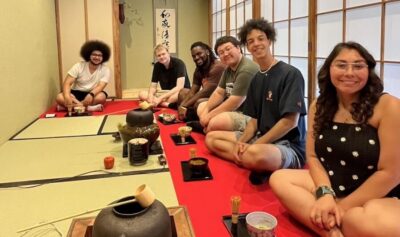
The ceremony takes place on tatami mats, which means floor seating is part of the traditional setting. That can be uncomfortable if you have stiff knees, back problems, or simply are not used to sitting on the floor for an extended period.
Bamboo chairs are available by advance request. Arrange this before arrival rather than assuming one will be available on the day. This small planning step can make a major difference to your comfort and your ability to focus on the ceremony.
The group normally includes around 12 to 14 people because bookings from different sources are combined. That is larger than a private tea lesson, but it is still a manageable group for a demonstration. The experience has also been described as intimate when attendance was lighter, so the atmosphere may vary by session.
Children under seven are not permitted. Older children may appreciate the dressing and sweets, but the quiet ceremony requires patience and respectful behavior. I would choose this for adults, couples, solo visitors, and families with older children who are genuinely interested in Japanese culture.
What the $66 Price Really Covers
At $66 per person, the value depends on what you want from a cultural activity. If you only want to sample matcha, the price is high. If you want a drink and a quick explanation, there are cheaper ways to do that in Tokyo.
The calculation changes when you consider everything included:
- Kimono rental
- Professional kimono dressing
- Hair styling for women with long hair
- Obi and accessory selection
- English-led tea ceremony
- Matcha preparation
- Seasonal wagashi
- Photo opportunities and staff assistance
You are paying for the preparation as much as the tea. Proper kimono dressing takes time and labor, and the staff’s help with photos adds value for solo visitors and couples. The experience also gives you a structured introduction to etiquette, utensils, and the ideas behind the ceremony.
Meals are not included beyond the Japanese sweets, and transportation to the venue is your responsibility. Plan to arrive independently in Asakusa and do not expect this to replace lunch or dinner. Think of it as a focused cultural activity that fits neatly into a Tokyo sightseeing day.
Who Will Enjoy This Most
I would recommend this experience if you want a meaningful souvenir in the form of photographs and a new cultural skill. It works particularly well for:
- Couples celebrating a special trip
- Solo visitors who want help taking portraits
- First-time visitors curious about Japanese customs
- People interested in traditional clothing and design
- Older children who can manage a quiet, formal setting
- Anyone who prefers a guided cultural activity over a passive museum visit
It may not suit you if you dislike formal settings, cannot sit on tatami mats even with a chair, or want a completely private experience. The group size is moderate, not one-on-one. The tea ceremony is also intentionally quiet, so this is not the place for constant conversation or a fast-moving schedule.
The activity is not suitable for children under seven, and shoes are not allowed. Wear clothing that makes changing easy, and remember that the kimono will feel structured once it is properly tied.
Practical Timing and Planning Advice
The full experience lasts about 90 minutes, but allow extra time around it if you have a tightly planned day. Dressing, hair styling, the ceremony, tea preparation, and photographs all need their share of the schedule.
Book bamboo chairs in advance if needed. I would also mention any celebration when you arrive, since staff may be able to add a personal touch, though special photographs or extras are not guaranteed.
The reserve-now-and-pay-later option is useful if your Tokyo plans are still moving around. Free cancellation is available until 24 hours before the activity for a full refund. Check the available start times when choosing your date, since the session schedule can affect how easily you combine this with Asakusa sightseeing.
Because the ceremony is calm, I would avoid placing it between two rushed appointments. Give yourself room to enjoy the dressing and photographs instead of watching the clock.
Should You Book the Asakusa Kimono Tea Ceremony?
Book it if you want more than a costume photograph. The best parts are the careful dressing, professional hair styling, clear English teaching, hands-on matcha preparation, and generous photo time. Staff members such as Mia, Wakana, Yoko, and Kyoko have helped make the experience warm and personal, and the strong 4.9 rating from 153 ratings reflects that consistent appeal.
At $66, it is fair value for a 90-minute activity that combines clothing rental, styling, instruction, tea, sweets, and photo help. I would skip it only if you need a private session, dislike floor seating, or prefer a quick and inexpensive taste of matcha.
For a first visit to Tokyo, this gives you a respectful introduction to an important Japanese tradition, with a little fun built in. You leave with photographs, a better understanding of tea etiquette, and the memory of making your own bowl of matcha in a kimono.
FAQ
How long does the kimono tea ceremony experience last?
The entire activity lasts approximately 90 minutes, including kimono dressing, hair styling for eligible participants, the tea ceremony, matcha preparation, sweets, and photographs.
Is the activity conducted in English?
Yes. Full English guidance is provided throughout, and the instructor language is English.
Is kimono rental included in the price?
Yes. Traditional kimono rental and professional dressing are included.
Is hair styling included?
Hair styling is included for women with long hair. The activity information does not state that styling is provided for all hair lengths or for every participant.
Are children allowed to join?
Children under seven years old are not permitted to participate.
Do I have to sit on the floor?
Seating is on tatami mats, but bamboo chairs are available if requested in advance.
Can I cancel the booking?
Yes. You can cancel up to 24 hours in advance for a full refund. You can also reserve now and pay later.
Just added around Tokyo
- Tokyo 6hr Instagram Highlights Private Tour with Licensed Guide★ 5.0 · 38 reviews
- Tokyo Small Group Tour with Guide★ 4.5 · 38 reviews
- Tokyo Sumo Experience with Live Show & Audience Challenge★ 5.0 · 38 reviews
- Japanese Food Cooking Class in Asakusa, Tokyo★ 5.0 · 39 reviews
- Very popular in Harajuku♡Animal petting zoo★ 4.6 · 39 reviews
- Ramen Making from Scratch with Tokyo Mom(Vegan Option Available)★ 5.0 · 39 reviews
- Tokyo JDM Night: 600hp C63s AMG Edition 1 (Private)★ 4.9 · 39 reviews
- Tokyo: Kimono Rental inside Shinjuku Gyoen National Garden★ 4.9 · 39 reviews
Tea Ceremony Experiences, compared.
Tea Ceremony in a Traditional Tea House in Kiyomizu
Read our review →
Browse the lists this tour appears in