
Reviewed · TEA CEREMONY EXPERIENCES
Tea Ceremony Experience in a Private Tea Room in Shibuya
Shibuya hides a quiet tea room. Just an eight-minute walk from Shibuya Station, this small experience takes you away from the crossing crowds and into an intimate setting run by EAST GREEN MATCHA. I like the high-grade organic matcha, said to represent only about 2 percent of Japan’s total circulation, and I like the chance to make your own tea instead of simply watching a demonstration. The traditional sweets, supplied by a wagashi shop with more than 200 years of history, add another fine touch.
The setting is calm, personal, and easy to fit into a Tokyo sightseeing day. The main consideration is the room’s small scale: there is no toilet inside, and the activity is not suitable for children under 10, pregnant women, or babies under 1. Matcha also contains caffeine, so keep that in mind if you are sensitive to it.
In This Review
- Key points to know before you book
- Why this Shibuya tea ceremony works so well
- Meeting Tatsuya and learning the story of matcha
- Entering the private tea room in Shibuya
- Tasting rare organic matcha with traditional wagashi
- Making your own bowl of matcha
- A quiet lesson in ceremony and respect
- Time for questions and tea souvenirs
- What the $30 price delivers
- Who should book this experience?
- Should you book the Shibuya tea ceremony?
- FAQ
- Where does the tea ceremony meet?
- How far is the meeting point from Shibuya Station?
- What is included in the price?
- Is the matcha organic?
- Can I make matcha myself?
- Are sweets included?
- Is there a toilet in the tea room?
- Is the experience suitable for children?
Key points to know before you book
- An eight-minute walk from Shibuya Station: Meet outside The OneFive Tokyo Shibuya hotel, close to major sights such as the Hachiko Statue and Shibuya Scramble Crossing.
- A private tea room inside the city: The room offers a quiet change of pace from Shibuya’s busy streets, though the venue is compact and has no toilet.
- Premium organic matcha: You taste rare, high-grade organic matcha supplied by EAST GREEN MATCHA, then learn how to prepare it yourself.
- A host with personal tea experience: Tatsuya, often called Tatsu, explains tea production and ceremony customs with knowledge connected to his family’s tea farms.
- Traditional sweets are included: The matcha is served with wagashi from a long-established shop with more than 200 years of experience.
- A good introduction for first-timers: The instruction is patient and relaxed, with time at the end for questions and optional purchases of tea or tea tools.
Why this Shibuya tea ceremony works so well
Shibuya is best known for giant video screens, department stores, fashion, and the famous Scramble Crossing. A tea ceremony may seem like an odd fit here, but that contrast is exactly what makes the experience useful. You can spend the morning around Meiji Shrine, visit Hachiko, or watch the crowds cross the intersection, then step into a quiet room only a short walk away.
I like this arrangement because you do not need to give up half a day to find a more remote tea setting. The meeting point is outside The OneFive Tokyo Shibuya hotel at 1-8-11 Jinnan, Shibuya-ku. Look for the guide holding a sign marked TEA ROOM KAKOI. From there, the host takes you to the tea room.
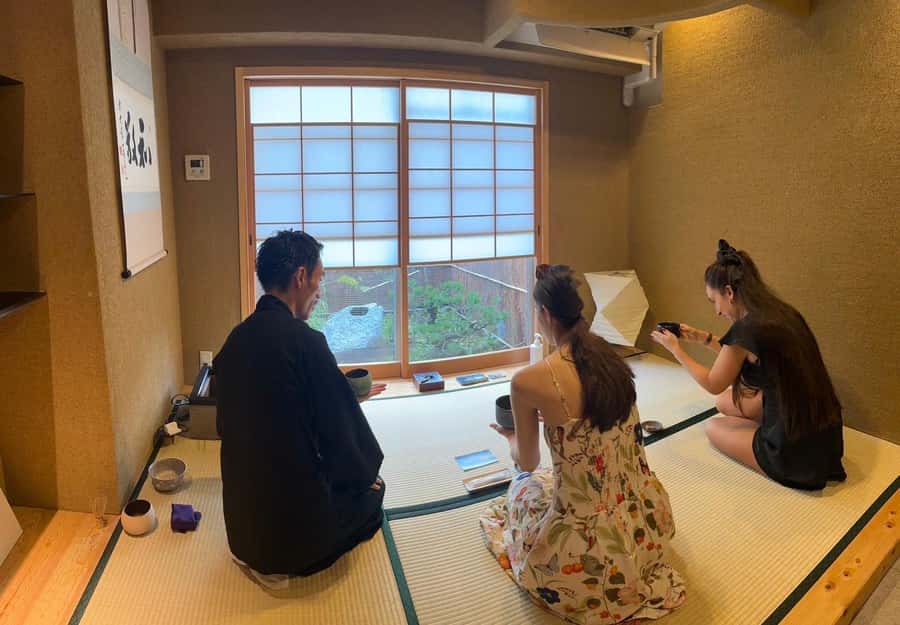
The location may feel slightly unexpected at first. The tea room is in an apartment building, and one person admitted that the small room seemed surprising before the ceremony began. Once inside, though, the room’s quiet design helps create a clear break from the noise outside. This is not a grand temple hall or a large cultural center. It is a personal space built for a small group and a focused lesson.
That distinction matters. If you want a formal, highly theatrical presentation with elaborate costumes and a large historic building, this may feel modest. If you want to sit close to the host, ask questions, and understand what you are doing, the small room is a strength.
More Tea Ceremonies in Tokyo
- Tokyo: Traditional Tea Ceremony with a Tea Master
★ 5.0 · 528 reviews - Tea Ceremony Workshop in Tokyo by the Experienced Instrucor
★ 5.0 · 189 reviews - Asakusa: Kimono Tea Ceremony with Matcha and Sweet
★ 4.9 · 153 reviews
Meeting Tatsuya and learning the story of matcha
The experience begins with an explanation of the Japanese tea ceremony and the way matcha is produced. This first part gives the activity some depth. You learn that matcha is not simply powdered green tea to be whisked into hot water. Its production, quality, preparation, and use in ceremony all shape the final drink.
Tatsuya’s personal connection to tea adds useful context. His family has operated tea farms for two generations, and he speaks about matcha with the perspective of someone connected to its production, not only its presentation. That family background gives the discussion a more grounded feel, especially when he explains differences between types of matcha and why some tea is valued more highly than other tea.
You can also ask about the ceremony’s customs. The host explains the calm mood of the ritual, how to show respect toward the objects used, and the proper way to receive and drink the tea. These details may seem small, but they help you understand why the ceremony is built around careful movement and attention.
The lesson is delivered in English and Japanese. The teaching style is friendly and patient, with clear explanations rather than a long lecture. I would especially recommend this experience if you are curious about Japanese customs but worry that a formal ceremony might be hard to follow. You are guided through each stage, so you do not need prior knowledge.
Entering the private tea room in Shibuya
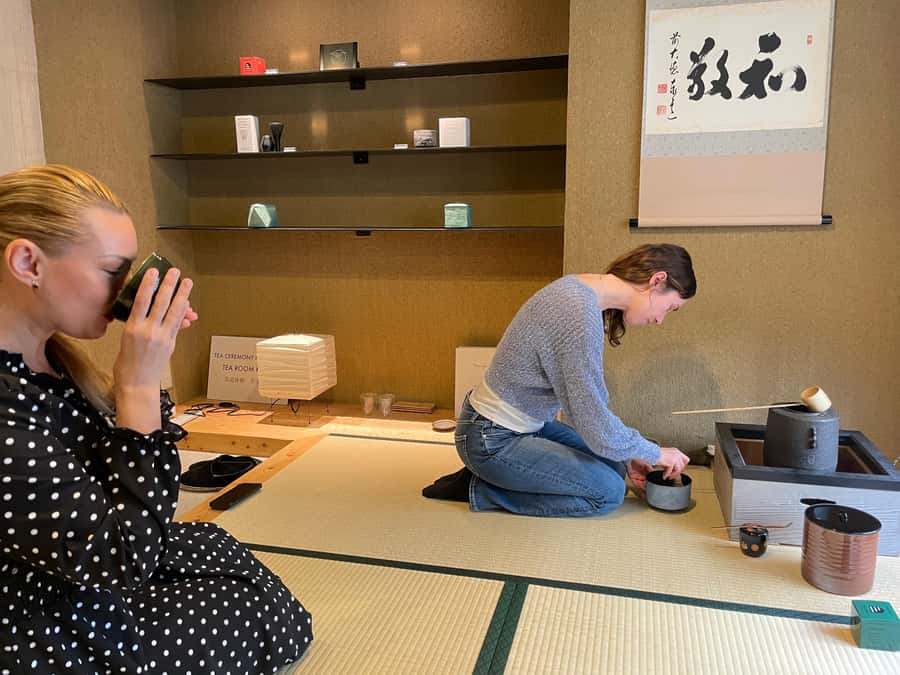
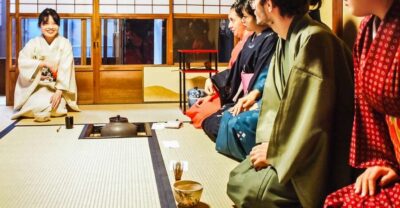
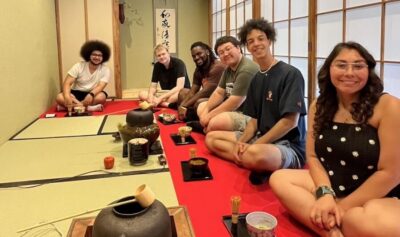
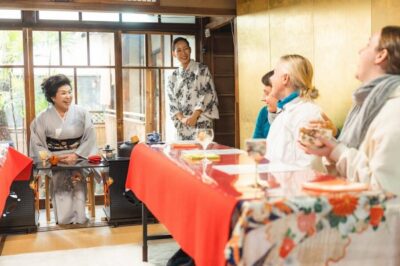
The tea room is the heart of the activity. Its compact size creates a quiet mood and keeps the focus on the tea, the utensils, and the host’s explanations. The decoration is described as authentic and beautiful, and the room gives you a sense of stepping into a separate world despite being in central Tokyo.
Do not expect a large space where you can move around freely. This is an intimate room, and that means the experience is best suited to people who enjoy a calm indoor activity. The room’s small scale also explains why the host can give individual attention and why the session feels more like a private lesson than a sightseeing performance.
Before the tea is prepared, the host introduces the objects used in the ceremony and explains their purpose. The point is not merely to memorize rules. You begin to see that the tea bowl, whisk, scoop, and other items have a role in creating a respectful and ordered moment.
The ceremony also teaches you to slow down. That sounds simple, but it is a useful contrast after a morning of Tokyo trains, traffic, shopping, and crowded pavements. The atmosphere is peaceful without requiring you to sit in silence for an uncomfortable length of time. You can listen, watch, and ask questions as the activity progresses.
One practical warning: use a toilet before you arrive. There is no toilet in the tea room. The meeting point is near shops and public facilities, but the supplied information does not specify a particular toilet location, so planning ahead is the sensible choice.
Tasting rare organic matcha with traditional wagashi
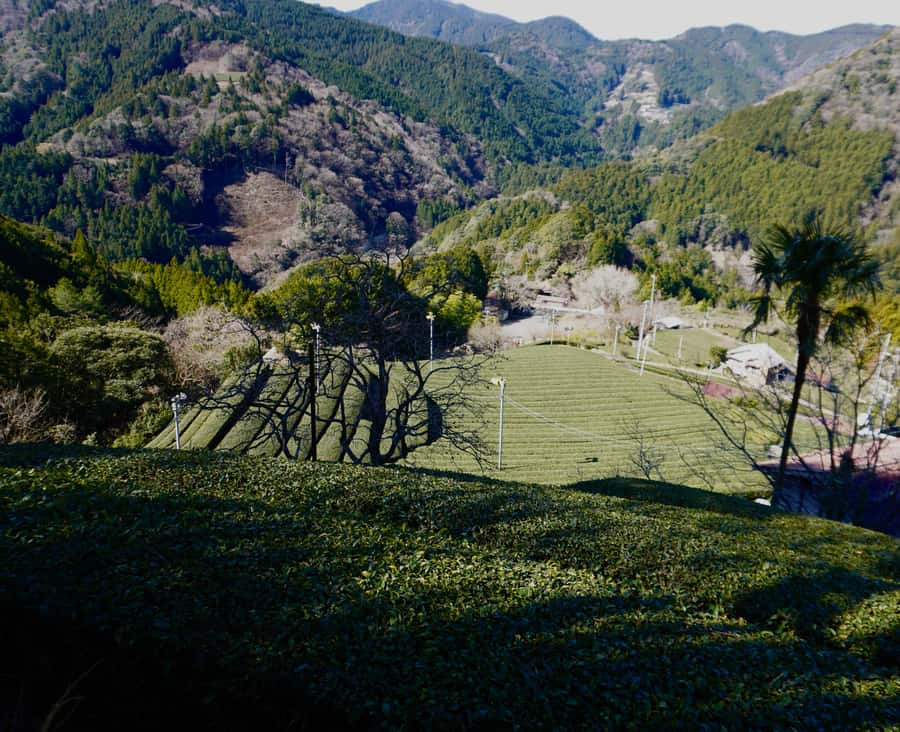
The tea served here is the experience’s main attraction. EAST GREEN MATCHA provides premium organic matcha described as making up only about 2 percent of Japan’s total circulation. That figure signals rarity and quality, but the real value is that you taste the tea while someone explains how it should be prepared and appreciated.
Matcha has a concentrated, grassy flavor that can be unfamiliar if you usually drink black tea or coffee. The host explains how quality affects taste and how to drink the tea properly according to ceremony customs. This guidance makes the tasting more useful than simply being handed a bowl and told to enjoy it.
Traditional Japanese sweets are served with the matcha. They come from a wagashi shop with more than 200 years of history. The sweets provide a gentle counterpoint to the tea’s stronger flavor and help you understand why sweets are part of the ceremony. Their role is not just decoration. They prepare your palate for the matcha and bring another part of Japanese food culture into the lesson.
Several people have described the matcha as especially smooth, rich, or simply the best they had tasted. Taste is personal, of course, and no tea will please everyone. Still, this is a strong choice if you care about the quality of the drink and want more than a general introduction to powdered tea.
Remember that matcha contains caffeine. The amount you receive may be modest, but anyone sensitive to caffeine should treat it as a real consideration, particularly if the experience takes place later in the day.
A completely different kind of day out in Tokyo:
- Mt Fuji and Hakone 1-Day Bus Tour Return by Bullet Train
★ 5.0 · 26,383 reviews - 1-Day Tokyo Bus Tour
★ 5.0 · 14,250 reviews - Tokyo: TOKYO SKYTREE® Admission ticket
★ 4.5 · 11,192 reviews - Tokyo: teamLab Planets TOKYO Digital Art Museum Entry Ticket
★ 4.6 · 9,779 reviews
Making your own bowl of matcha
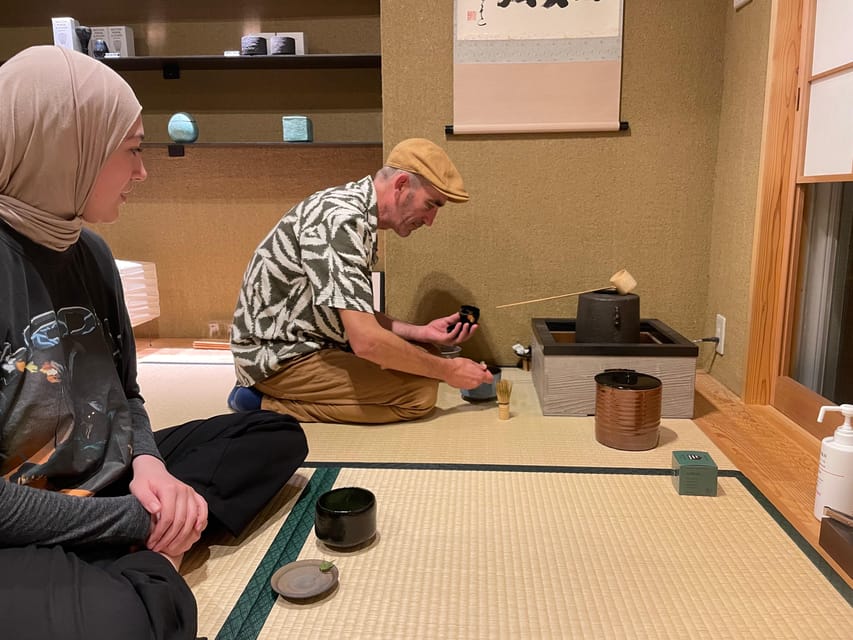
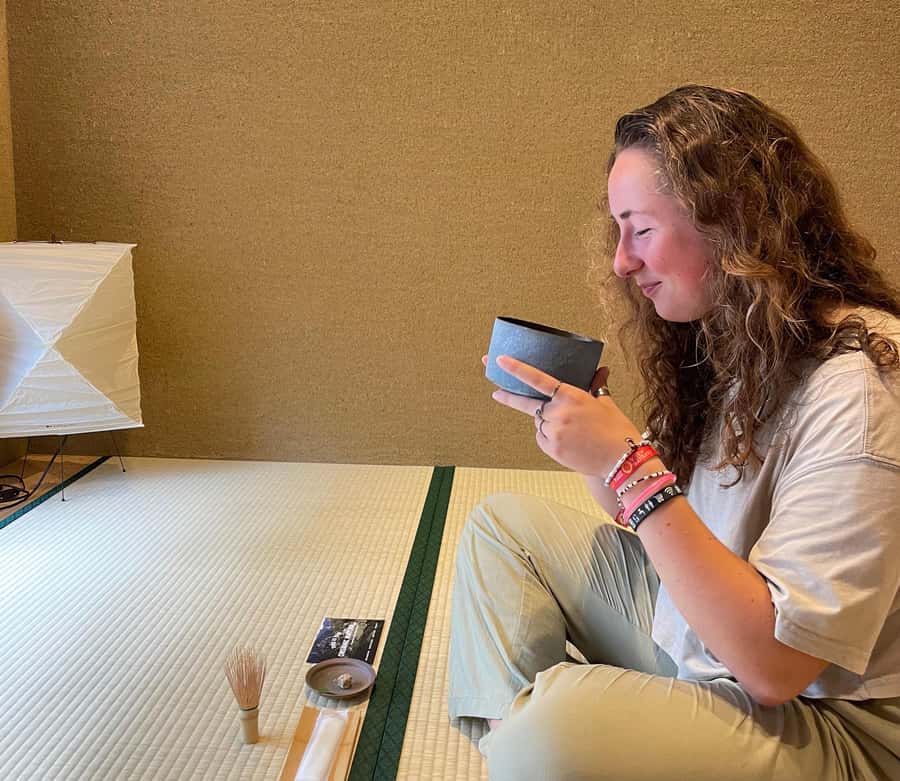
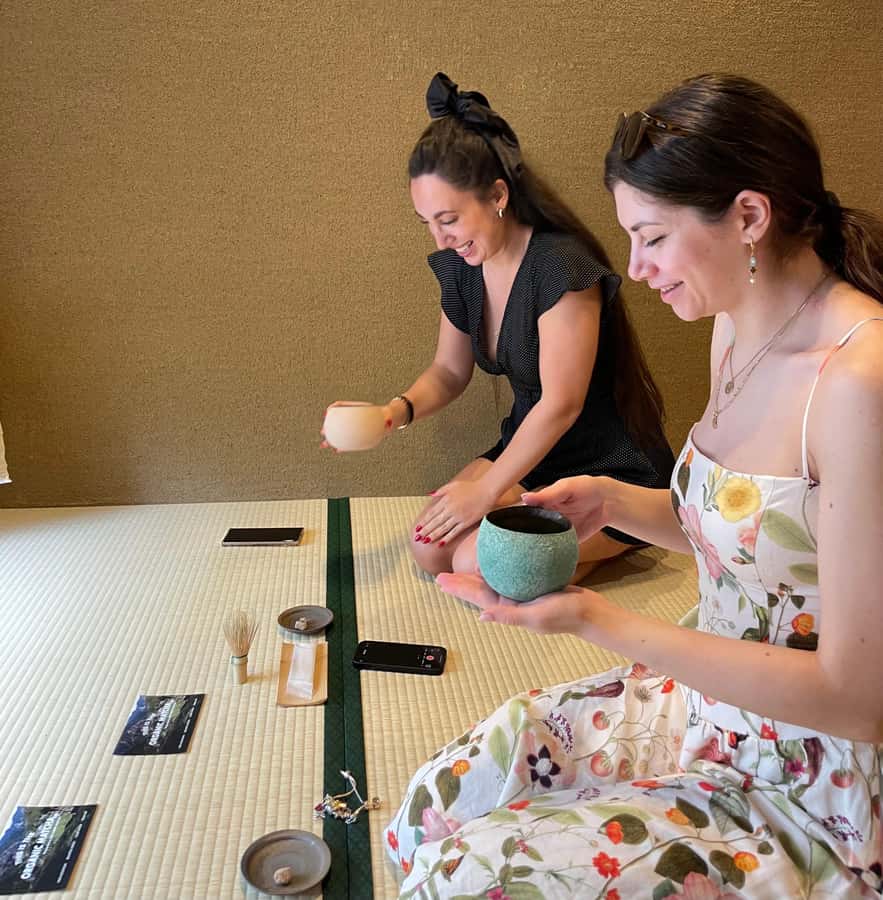
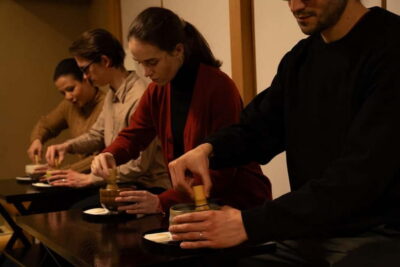
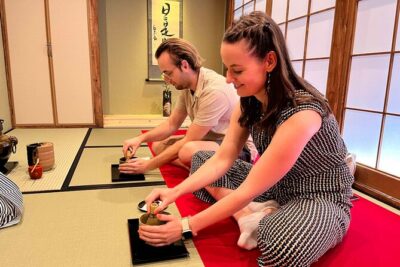
After watching the formal preparation, you get to make matcha yourself. This is one of the best features of the activity because it turns a cultural explanation into a practical skill.
The host shows you how to use the tea tools and guides you through the technique. You learn the significance of the actions as well as the basic method. The goal is not to turn you into a tea master in one sitting. It is to help you understand the care behind a well-prepared bowl and give you a simple memory you can take home.
The host’s patient approach is important here. First-time participants can feel awkward when using a bamboo whisk, especially if they are unsure how much force to use or how to create the right texture. The instruction is designed to make the process approachable, and you have time to try it rather than watching from a distance.
This hands-on part also suits families with older children, although the official age guidance excludes children under 10. It is a good activity for couples, friends, solo visitors, and anyone who prefers participation over passive sightseeing.
You should not expect to prepare a large quantity of tea or receive a full professional training course. This is an introductory experience, but it gives you enough technique to understand the basics and perhaps repeat the process at home if you buy matcha or tools afterward.
A quiet lesson in ceremony and respect
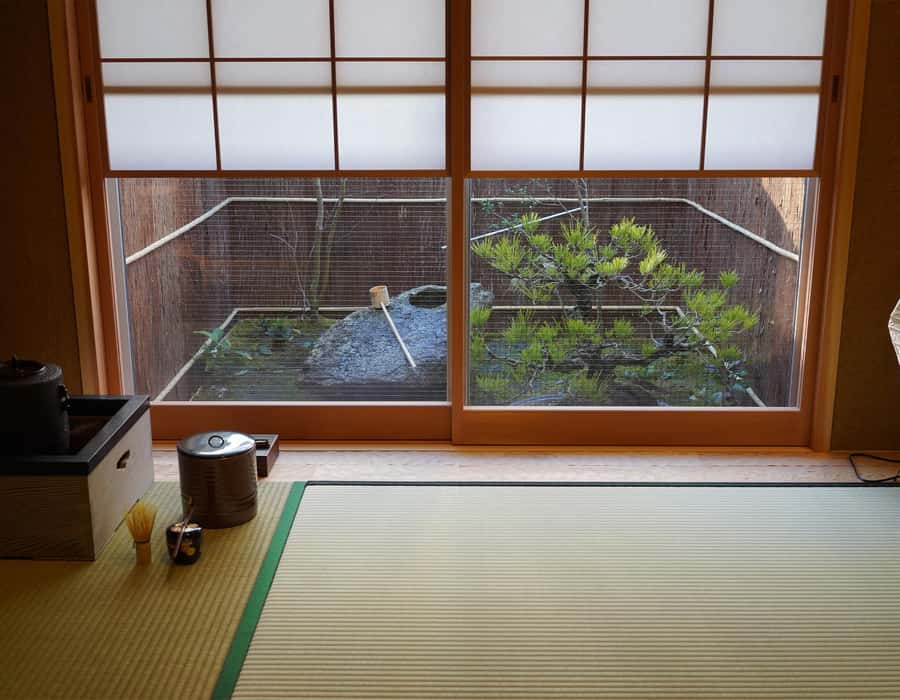
The tea ceremony is about more than drinking tea. The host explains how to respect each object, how to receive the bowl, and why the ceremony has a deliberate rhythm. These customs help show how Japanese culture often places value on attention, restraint, and the setting of an ordinary act.
I like that the explanation is tied to what you are actually doing. You do not simply hear a list of facts about tea and then leave. You watch the formal preparation, taste the matcha, prepare your own bowl, and discuss the experience afterward. Each stage gives the previous explanation a practical meaning.
The activity also presents tea ceremony in a relaxed way. Some formal ceremonies can seem intimidating to first-time visitors because of strict etiquette or unfamiliar rules. Here, the host’s friendly style keeps the tone welcoming. You are encouraged to learn the customs without feeling that every movement must be perfect.
That relaxed approach does not make the ceremony meaningless. Instead, it gives you a way to understand the tradition without pretending you already know how to behave. If you make a mistake, the host can explain what to do next.
Time for questions and tea souvenirs
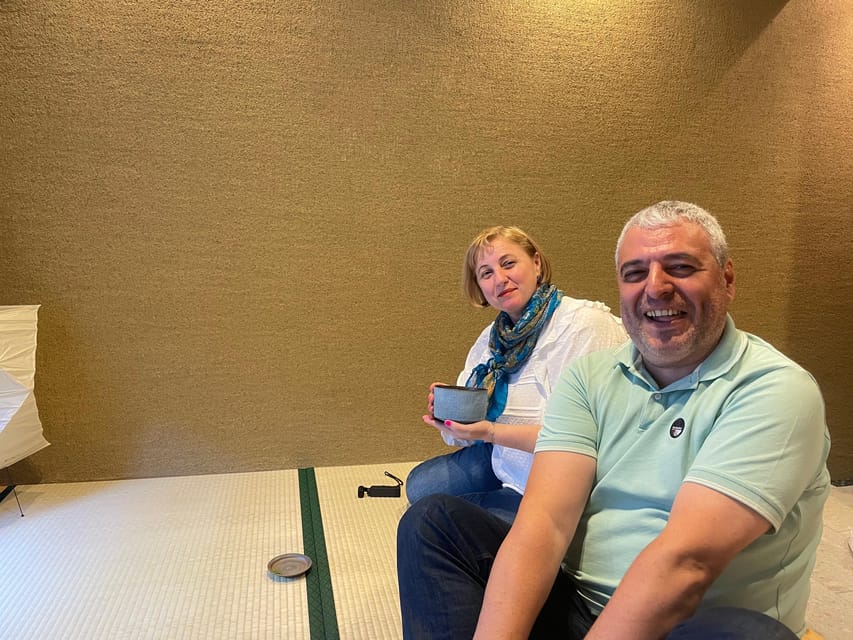
At the end, you have free time to ask about matcha and the tea ceremony. This is a valuable part of the activity, particularly if you have questions about production, flavor, etiquette, or the differences between teas.
You can also buy high-quality organic matcha and original tea tools if you want a souvenir. This option is useful because you can ask the person leading the session what may suit your taste and how to use the tools. You are not required to purchase anything, and the activity includes everything needed for the ceremony.
A tea souvenir is more practical than many standard Tokyo gifts. Matcha is compact, and a whisk or tea bowl can bring the memory of the experience into your kitchen. Just make sure you understand any travel rules that may apply to food products when returning home. The supplied information does not give specific customs guidance for individual countries.
The activity ends back at the meeting point outside The OneFive Tokyo Shibuya hotel. That makes it easy to continue exploring Shibuya afterward rather than ending at an unfamiliar part of the city.
What the $30 price delivers
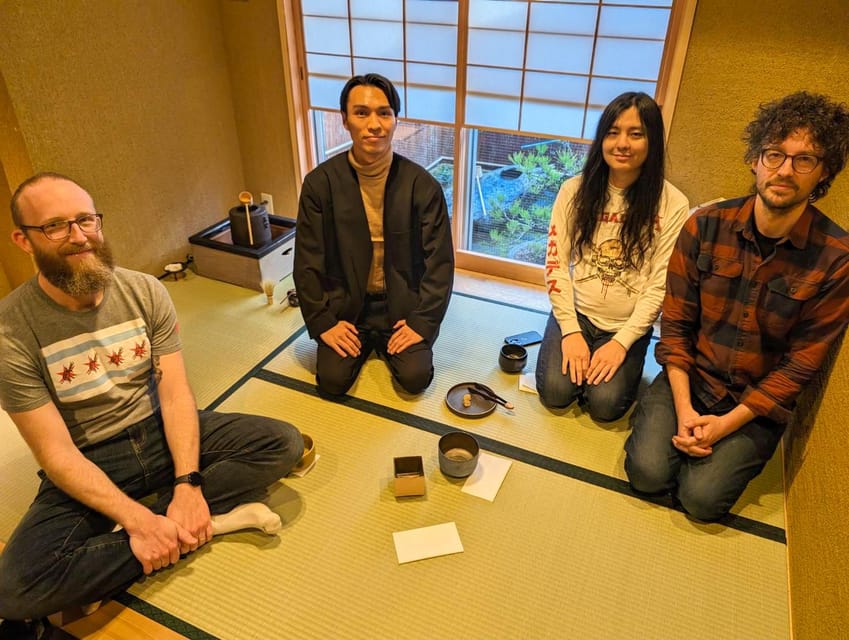
At $30 per person, the experience offers good value if you care about instruction and atmosphere. The price includes premium organic matcha, traditional sweets, the formal tea preparation, your own matcha-making session, and the tea tools needed during the activity.
You are also paying for a small, guided setting in a central Tokyo neighborhood. The convenience matters. You can reach the meeting point on foot from Shibuya Station and combine the ceremony with nearby sights without arranging extra transport.
The value is less clear if you only want a quick taste of matcha or a photo in a traditional room. A café visit will cost less, and you can order matcha in many places around Tokyo without booking an activity. The difference here is the explanation, the ceremony process, the premium tea, and the chance to prepare the drink yourself.
The high rating of 4.9 from 125 reviews fits the experience’s strongest qualities: the host’s warmth, the peaceful room, the quality of the explanations, and the hands-on preparation. Praise is especially consistent for Tatsuya’s friendly manner and strong knowledge of matcha. I would choose this over a generic tea tasting if you want cultural context and personal instruction.
Who should book this experience?
This tea ceremony suits you best if you:
- Want a gentle introduction to Japanese tea ceremony customs
- Enjoy small-group or private cultural activities
- Care about matcha quality and production
- Prefer an experience that includes participation
- Need an activity close to central Tokyo sights
- Enjoy asking questions rather than simply watching
- Are comfortable sitting in a small room for the session
It is less suitable if you need a toilet on site, dislike caffeine, or want a large venue with elaborate staging. It is also not suitable for children under 10, pregnant women, or babies under 1 year.
The meeting point is easy to reach, but you should arrive with enough time to find The OneFive Tokyo Shibuya hotel and the TEA ROOM KAKOI sign. The host may contact you beforehand, which can make the meeting process easier.
Should you book the Shibuya tea ceremony?
I would book this experience if you want a calm, well-explained introduction to matcha without leaving central Tokyo. The combination of a small tea room, rare organic matcha, old-style wagashi, and hands-on preparation gives you more substance than a simple drink tasting.
The best reason to choose it is the host. Tatsuya’s family connection to tea farming and his patient way of explaining ceremony customs make the session feel personal rather than rehearsed. You also leave with a better idea of how matcha is produced, why quality differs, and how to prepare it yourself.
Skip it if your main goal is a grand historic tea house, a long formal ceremony, or a spacious venue. For everyone else, the $30 cost is sensible, the location is convenient, and the peaceful room offers a welcome pause in the middle of Shibuya.
FAQ
Where does the tea ceremony meet?
You meet outside The OneFive Tokyo Shibuya hotel at 1-8-11, Jinnan, Shibuya-ku, Tokyo 150-0041. The guide waits near the entrance holding a sign marked TEA ROOM KAKOI.
How far is the meeting point from Shibuya Station?
The tea room can be reached in about eight minutes on foot from Shibuya Station.
What is included in the price?
The experience includes premium organic matcha, traditional Japanese sweets, the formal tea ceremony, a matcha-making session, and everything needed for the activity.
Is the matcha organic?
Yes. The experience uses premium organic matcha provided by EAST GREEN MATCHA.
Can I make matcha myself?
Yes. The host guides you through the process and explains the techniques and meaning behind the preparation.
Are sweets included?
Yes. Traditional Japanese sweets from a wagashi shop with more than 200 years of history are served with the matcha.
Is there a toilet in the tea room?
No. There is no toilet in the tea room, so you should use one before the activity begins.
Is the experience suitable for children?
The activity is not suitable for children under 10, pregnant women, or babies under 1 year. Assistance dogs are allowed, but other pets are not.
Just added around Tokyo
- Tokyo 6hr Instagram Highlights Private Tour with Licensed Guide★ 5.0 · 38 reviews
- Tokyo Small Group Tour with Guide★ 4.5 · 38 reviews
- Tokyo Sumo Experience with Live Show & Audience Challenge★ 5.0 · 38 reviews
- Japanese Food Cooking Class in Asakusa, Tokyo★ 5.0 · 39 reviews
- Very popular in Harajuku♡Animal petting zoo★ 4.6 · 39 reviews
- Ramen Making from Scratch with Tokyo Mom(Vegan Option Available)★ 5.0 · 39 reviews
- Tokyo: Kimono Rental inside Shinjuku Gyoen National Garden★ 4.9 · 39 reviews
- Tokyo JDM Night: 600hp C63s AMG Edition 1 (Private)★ 4.9 · 39 reviews
Tea Ceremony Experiences, compared.
Tea Ceremony in a Traditional Tea House in Kiyomizu
Read our review →
Browse the lists this tour appears in