
Reviewed · TEA CEREMONY EXPERIENCES
Tea Ceremony Workshop in Tokyo by the Experienced Instrucor
Slow down with a bowl of matcha. This small-group workshop offers a calm, hands-on introduction to Chado, the Japanese way of tea, in a real tatami tea room near Asakusa. I like the chance to watch a formal koicha ceremony and then make your own usucha, and I like the clear English instruction from an experienced tea teacher. The main drawback is the old building: its staircase is very steep, and socks are required.
This is not a quick matcha tasting dressed up as culture. You learn how to act as both host and guest, taste several styles of tea, and enjoy three types of Japanese confectionery. Still, it is an introductory class, not a full study of tea ceremony, and some people may find the formal movements more basic than expected.
In This Review
- Key points at a glance
- A quiet introduction to Chado near Asakusa
- Sakura tea begins the lesson
- The tea room is part of the lesson
- Watch the formal koicha ceremony
- Taste thick matcha and Japanese sweets
- Make your own bowl of usucha
- An experienced English-speaking instructor
- What the $38.47 price gives you
- Clothing, access, and timing tips
- Who will enjoy this workshop most
- Should you book the Tokyo tea ceremony workshop?
- FAQ
- Where does the tea ceremony workshop take place?
- How long does the workshop last?
- Is the workshop suitable for children?
- Do I need to sit in seiza?
- What should I wear?
- What is the cancellation policy?
Key points at a glance
- A licensed Urasenke setting: The workshop is taught through a school licensed by the Urasenke Chado School in Kyoto, one of Japan’s major tea ceremony traditions.
- A real 1940s tea room: You sit on tatami mats in an old Japanese house, with a steep second-floor staircase.
- You do more than watch: After the formal demonstration, you prepare and serve your own bowl of thin matcha, called usucha.
- Two very different teas: You taste koicha, a thick and strong tea associated with the older form of the ceremony, and usucha, the lighter everyday style.
- Small groups help: The maximum is six people, creating room for questions and individual guidance.
- Practical clothing matters: Wear socks. Avoid bare feet, miniskirts, and tight trousers.
A quiet introduction to Chado near Asakusa
The workshop meets at 2-chome-3-12 Kotobuki, Taito City, near Asakusa and public transportation. Pay close attention to the address when navigating. Some map information reportedly shows 2-3-3, but the current meeting point is 2-3-12.
The setting does much of the teaching. You leave the ordinary street behind and enter an old Japanese-style house built in the 1940s. The tea room is on the second floor, and the steep staircase is worth taking seriously. If stairs are difficult for you, contact the provider before booking, since there is no lifting machinery to assist with access.
The experience is designed for ages 10 and up. You do not need to sit in seiza, the formal kneeling position with your legs folded beneath you. If sitting on the tatami is not possible, a chair can be provided, which makes the workshop more practical than many traditional demonstrations.
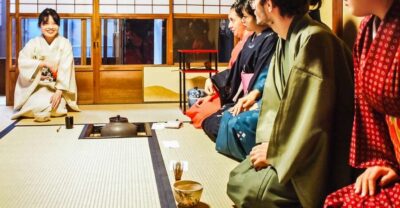
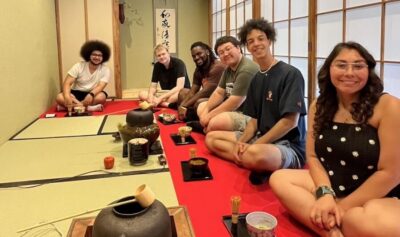
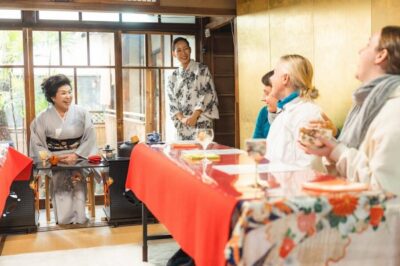
The atmosphere is intimate. The group limit is six, though some sessions may be smaller. Several people have attended with only two or three other participants, while private groups of four have also enjoyed the room together. That small scale matters because tea ceremony has many tiny gestures, and you can ask about them without shouting across a crowded hall.
More Tea Ceremonies in Tokyo
- Tokyo: Traditional Tea Ceremony with a Tea Master
★ 5.0 · 528 reviews - Asakusa: Kimono Tea Ceremony with Matcha and Sweet
★ 4.9 · 153 reviews - Tea Ceremony Experience in a Private Tea Room in Shibuya
★ 4.9 · 125 reviews
Sakura tea begins the lesson
The session opens with sakura tea, a welcome drink made with cherry blossom. It is a fitting first taste because it introduces the idea that tea ceremony is not only about drinking tea. Season, presentation, manners, utensils, and the relationship between host and guest all matter.
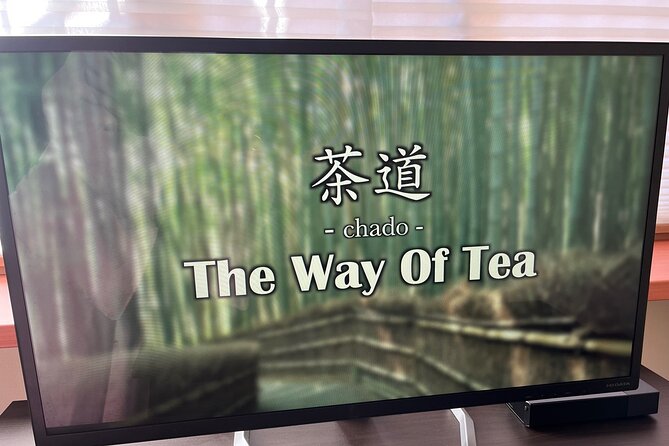
A short introductory video follows, lasting about 10 minutes. It explains the history and central ideas of Chado before you enter the tea room. This is useful preparation, especially if the customs are new to you. You gain a basic framework for understanding why the host moves carefully, why the bowl is handled in a certain way, and why quiet attention is part of the experience.
The video also keeps the live portion focused. Rather than stopping every few minutes to explain a term or historical point, the instructor can show you the ceremony as a connected sequence.
The tea room is part of the lesson
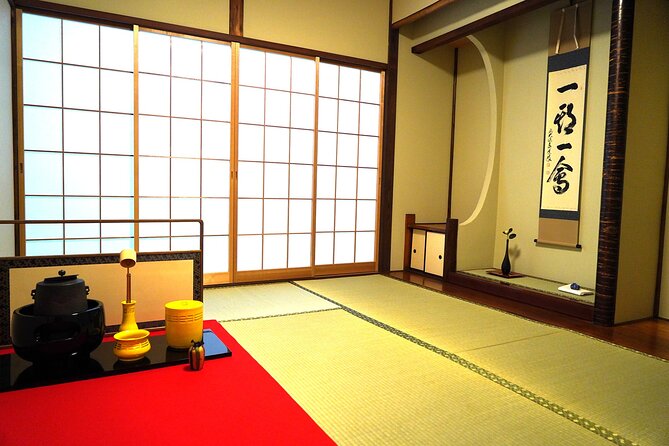
Inside the tatami room, the pace changes. You are invited to set aside everyday concerns and spend a little time observing the space. The workshop presents this as a meditative period, but you should not expect a long silent retreat. It is a guided cultural class with a peaceful tone.
The room itself helps you understand Japanese hospitality. Tea ceremony uses a small, carefully arranged space, and the lack of clutter draws your attention to the bowl, sweets, tea scoop, whisk, and movements of the host. The room is not a modern attraction built for large crowds. Its age is part of its charm, though it also explains the staircase and the stated building weight limits.
The provider may ask a group to change its time if needed to balance the building’s weight capacity. This is an unusual safety note, but it is worth knowing before you plan a tightly packed Tokyo day.
Watch the formal koicha ceremony
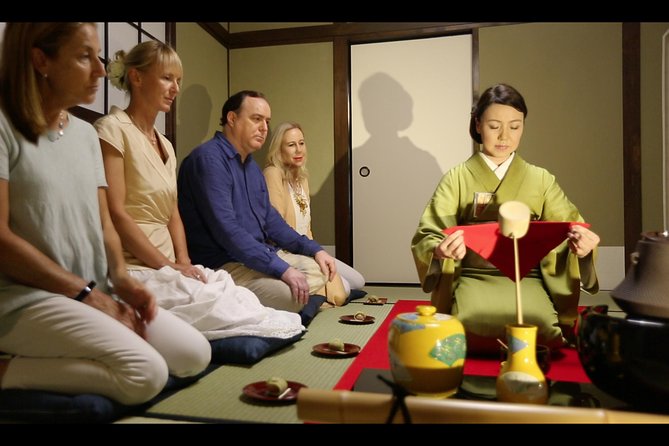
The instructor then performs the formal preparation of koicha, the thick matcha used in the central part of the ceremony. This is the section to watch closely rather than rush through. The movements can look simple at first, but their order and purpose are precise.
Koicha is stronger and thicker than the matcha most visitors know from cafés. The workshop connects it with the older form of tea enjoyed by samurai, giving you a useful cultural reference without requiring a long academic lecture.
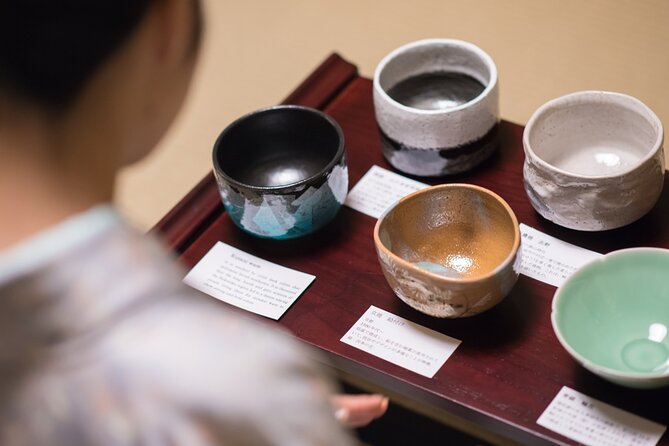
You also learn about tea bowls from different parts of Japan. Their regional origins, shapes, and surfaces affect how the tea feels and tastes. A bowl is not just a cup with decoration. Its form changes how you hold it, look at it, and experience the tea.
The formal portion may be the most interesting part for anyone who wants to understand the ceremony as an art. It also requires patience. If you mainly want to whisk matcha yourself, the demonstration can feel slower than expected. If you want context, etiquette, and atmosphere, it gives the hands-on lesson more meaning.
A completely different kind of day out in Tokyo:
- Mt Fuji and Hakone 1-Day Bus Tour Return by Bullet Train
★ 5.0 · 26,383 reviews - 1-Day Tokyo Bus Tour
★ 5.0 · 14,250 reviews - Tokyo: TOKYO SKYTREE® Admission ticket
★ 4.5 · 11,192 reviews - Tokyo: teamLab Planets TOKYO Digital Art Museum Entry Ticket
★ 4.6 · 9,779 reviews
Taste thick matcha and Japanese sweets
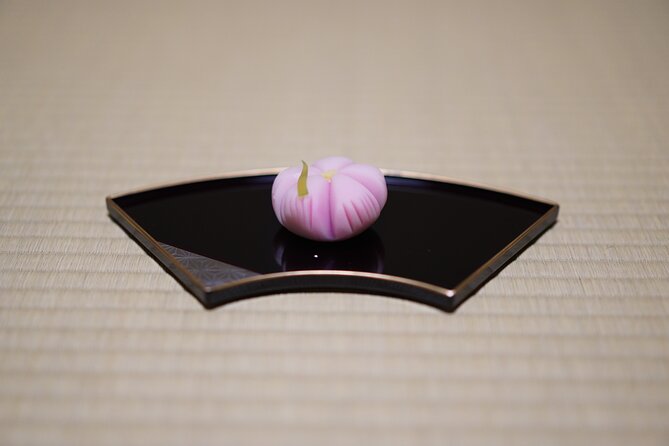
Traditional confectionery is served alongside the tea. The experience includes three kinds of local Japanese sweets, including a confection before the formal tea and dry sweets before usucha.
The sweets are not a side dish in the usual sense. They prepare your palate for matcha, especially the stronger koicha. Their appearance also reflects the seasonal and visual care central to the ceremony. Several families have found the sweets appealing, and children may enjoy this part even if the formal customs require extra concentration.
Do not arrive expecting a dessert buffet. The portions are part of a structured tea service, and the point is to notice how sweetness and bitterness work together. The lesson gives you a better sense of why Japanese tea is traditionally served with confectionery.
Make your own bowl of usucha
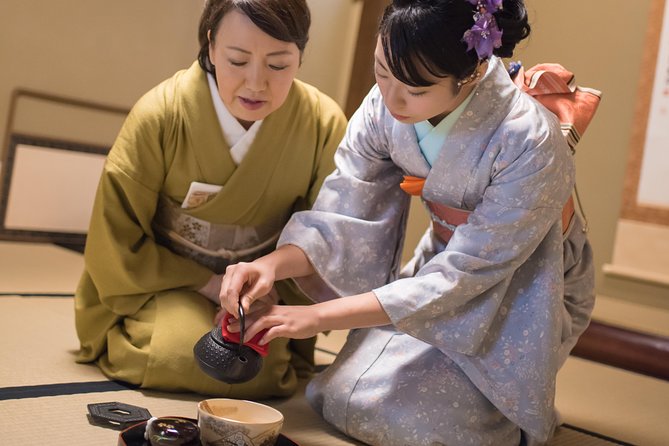
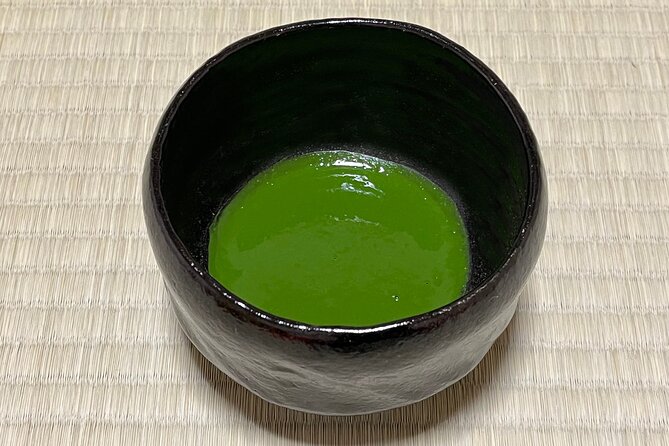
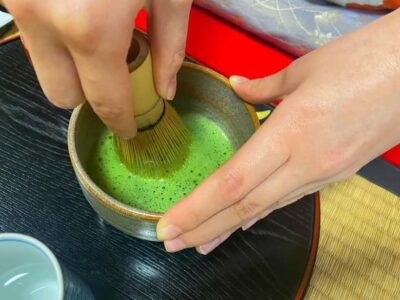
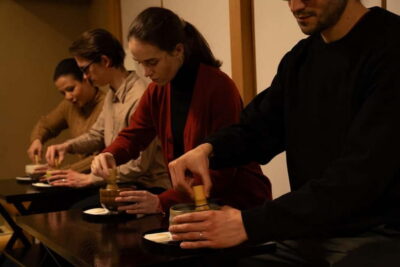
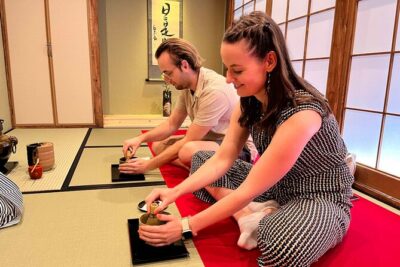
The most interactive section is the usucha lesson. Usucha means thin tea, though it still has a foamy top and a clear matcha flavor. The instructor demonstrates the process, then provides the tools for you to prepare your own bowl.
This is where the workshop earns much of its price. You are not simply watching a specialist perform a ritual. You hold the utensils, whisk the powder, and learn how to serve tea as both host and guest. The instructor guides each step, so you do not need prior experience.
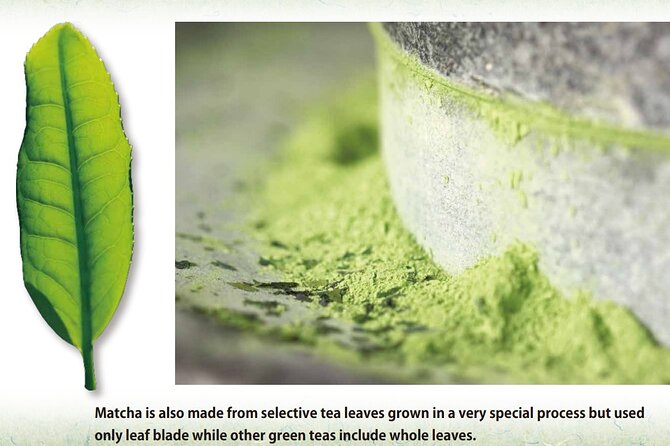
The class also explains matcha powder itself. That may sound like a small detail, but it helps connect the ceremony to the drink in your bowl. You see that the powder, whisking technique, bowl, sweets, and serving style all work together.
Your first bowl may not look perfect. That is fine. The value is in learning the movements and understanding the care behind the finished drink. People who enjoy practical cultural classes will get more from this than from a standard cup of matcha bought near a sightseeing stop.
An experienced English-speaking instructor
The instructor is described as having practiced tea ceremony for 28 years, and the teaching style is one of the strongest parts of the activity. Ms. Haneishi is warm, patient, and fluent in English, making the explanations accessible even when the subject involves unfamiliar etiquette.
That language ability matters here. Chado has terms and gestures that are difficult to understand from observation alone. Clear instruction lets you ask why something is done, not just copy what happens.
The tone is friendly rather than stiff. Several families and couples have found the experience welcoming, while younger participants aged 13 and 15 have also enjoyed it. The class can suit a mixed-age group, provided everyone is willing to slow down and pay attention.
One fair limitation: this is a beginner workshop. If you already study Urasenke tea ceremony, you may find the material familiar. One assessment called it a pleasant, very basic introduction. That is a reasonable description. The strength is its clarity and access, not advanced technical training.
What the $38.47 price gives you
At $38.47 per person, the price is reasonable for a small, specialist-led cultural experience in Tokyo. You receive an introductory video, a welcome sakura tea, a formal koicha preparation, multiple teas, traditional sweets, instruction on tea bowls and matcha, and a hands-on usucha lesson.
The value is strongest if you want participation rather than a staged photo opportunity. A brief demonstration alone would not justify the cost as well. Here, the combination of an established tea school, an authentic room, expert instruction, tasting, and practice makes the fee easier to defend.
The workshop also saves you from having to learn the etiquette by guesswork. You are shown how the host and guest roles work, which bowl details matter, and how the tea fits into Japanese culture. That kind of explanation is difficult to get from a casual café visit.
You should keep your expectations in check. The session is an introduction, not a full-day tea training course. The booking information gives an approximate duration of about 1 hour and 30 minutes, although the displayed duration may appear in a confusing day-and-time format. Plan for a compact workshop rather than a long ceremony.
Clothing, access, and timing tips
Wear comfortable clothes that allow you to sit on tatami. Socks are compulsory, and bare feet are not allowed in the tea room. Miniskirts and tight trousers are discouraged because they make sitting and moving awkward.
You can choose among multiple workshop times, which helps you fit the class between Asakusa sightseeing and other Tokyo plans. The activity begins and ends at the same meeting point, so you do not need to arrange a separate finish location.
The tea room is on the second floor of the old house. The steep staircase is the clearest practical concern. A chair can be provided if you cannot sit on the floor, but the building itself is not equipped with machinery for climbing assistance.
The group maximum is six. A small group makes the lesson more personal, but the provider notes that the old building has a weight limit. If your party is large or you have concerns about this, contact the provider before the date.
Free cancellation is available until 24 hours before the local start time. Changes or cancellations inside that window are not refunded, so keep your Tokyo schedule reasonably firm.
Who will enjoy this workshop most
I would recommend this class to you if you want a calm cultural activity that explains what you are seeing. It is especially good for first-time visitors to Japan, couples, families with children aged 10 or older, and anyone curious about matcha beyond the sweet café version.
It also works well after a busy morning in Asakusa. The quiet room and deliberate pace offer a useful change from sightseeing, shopping, and crowded streets. You do not need to be a tea enthusiast. In fact, the instructor explains enough for beginners to follow comfortably.
You may want to choose another activity if you dislike floor seating, have difficulty with steep stairs, or want a highly advanced ceremony lesson. It may also feel too introductory if you have already trained in Chado.
Should you book the Tokyo tea ceremony workshop?
Book it if you want to learn by doing. The strongest combination is the licensed Urasenke connection, the old tatami room, the experienced English-speaking instructor, and the chance to prepare your own usucha after watching koicha being made.
I would not book it solely for the matcha. The tea is one part of a wider lesson in hospitality, attention, objects, and ritual. Go for the setting and the instruction, wear socks, allow about 90 minutes, and confirm the current address before setting out.
For most first-time visitors, this is a well-priced way to meet an important part of Japanese culture without committing to a long formal ceremony. The 4.9 rating from 189 reviews and 98 percent recommendation fit the experience: it is intimate, peaceful, educational, and hands-on, with the old building and beginner level as the main qualifications.
FAQ
Where does the tea ceremony workshop take place?
It takes place at 2-chome-3-12 Kotobuki, Taito City, Tokyo 111-0042, near Asakusa and public transportation. Some map information may show 2-3-3, so check that you are using the newer address.
How long does the workshop last?
The experience is approximately 1 hour and 30 minutes. The booking display may show the duration in a confusing format, but the activity is intended as a compact introductory workshop.
Is the workshop suitable for children?
Yes. The activity is designed for participants aged 10 and older. Families with teenagers have enjoyed the combination of history, sweets, demonstration, and hands-on tea preparation.
Do I need to sit in seiza?
No. You do not have to sit in the formal seiza position. If you cannot sit on the tatami at all, a chair can be provided.
What should I wear?
Wear socks because bare feet are not allowed in the tea room. Miniskirts and tight trousers are not recommended. Comfortable clothing is best for sitting and taking part in the lesson.
What is the cancellation policy?
You can cancel up to 24 hours before the experience start time for a full refund. Cancellations or changes made less than 24 hours before the start time are not accepted for a refund.
Just added around Tokyo
- Tokyo 6hr Instagram Highlights Private Tour with Licensed Guide★ 5.0 · 38 reviews
- Tokyo Small Group Tour with Guide★ 4.5 · 38 reviews
- Tokyo Sumo Experience with Live Show & Audience Challenge★ 5.0 · 38 reviews
- Very popular in Harajuku♡Animal petting zoo★ 4.6 · 39 reviews
- Japanese Food Cooking Class in Asakusa, Tokyo★ 5.0 · 39 reviews
- Ramen Making from Scratch with Tokyo Mom(Vegan Option Available)★ 5.0 · 39 reviews
- Tokyo: Kimono Rental inside Shinjuku Gyoen National Garden★ 4.9 · 39 reviews
- Tokyo JDM Night: 600hp C63s AMG Edition 1 (Private)★ 4.9 · 39 reviews
Tea Ceremony Experiences, compared.
Tea Ceremony in a Traditional Tea House in Kiyomizu
Read our review →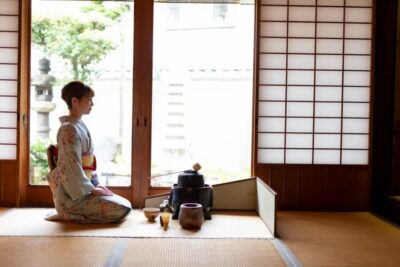
Browse the lists this tour appears in