
Reviewed · KIMONO DRESSING & PHOTOSHOOTS
Tokyo: Matcha and Kimono Experience
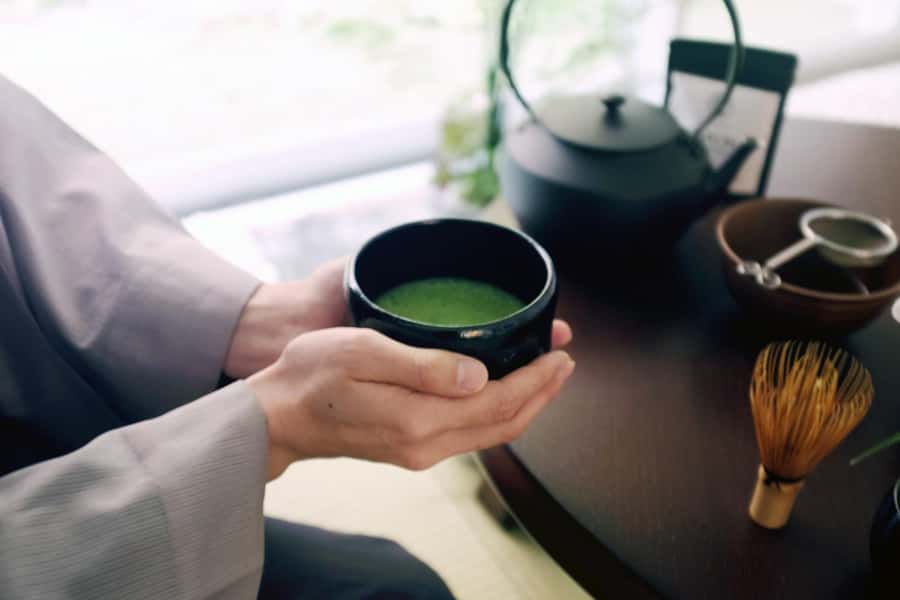
Slow down for a bowl of green tea. This experience near Shinjuku combines easy-wear kimono dressing with a clear lesson in matcha, tea ceremony, and teaism, making it a pleasant way to meet Japanese culture without committing to a formal, all-day ceremony. I like the chance to compare different matcha varieties using your eyes, nose, and tongue, and I like that you prepare the tea yourself rather than only watching a demonstration. The main consideration is that the session gives meaningful time to the kimono and lecture, so anyone seeking a long, highly formal tea ceremony may find the format more introductory.
The host, Komei, receives repeated praise for his warmth, humor, and clear teaching style. You should also bring socks, arrive early, and take the meeting instructions seriously: the booking is automatically canceled after 10 minutes of delay, with no refund.
In This Review
- Key points at a glance
- What this Tokyo experience is really about
- Finding the workshop near Yotsuya Station
- Choosing and wearing the easy kimono
- Tasting matcha from across Japan
- From green tea to tea ceremony
- Making your own bowl of matcha
- The host and teaching style
- What the $57 price includes
- Who will enjoy this most
- Practical advice before you book
- FAQ
- Where does the matcha and kimono experience meet?
- How much does the experience cost?
- What is included in the booking?
- Do I need to bring anything?
- Is the activity suitable for young children?
- What happens if I arrive late?
- Should you book this matcha and kimono experience?
Key points at a glance
- A first-flush matcha tasting: Sample a high-grade tea selected from a collection of more than 100 Japanese matcha varieties.
- Four cultural ideas in one session: Learn about matcha, kimono, tea ceremony, and teaism, the philosophy behind the tea tradition.
- An easy kimono option: Choose a kimono designed to be put on quickly, rather than sitting through the roughly 30 minutes often needed for standard kimono dressing.
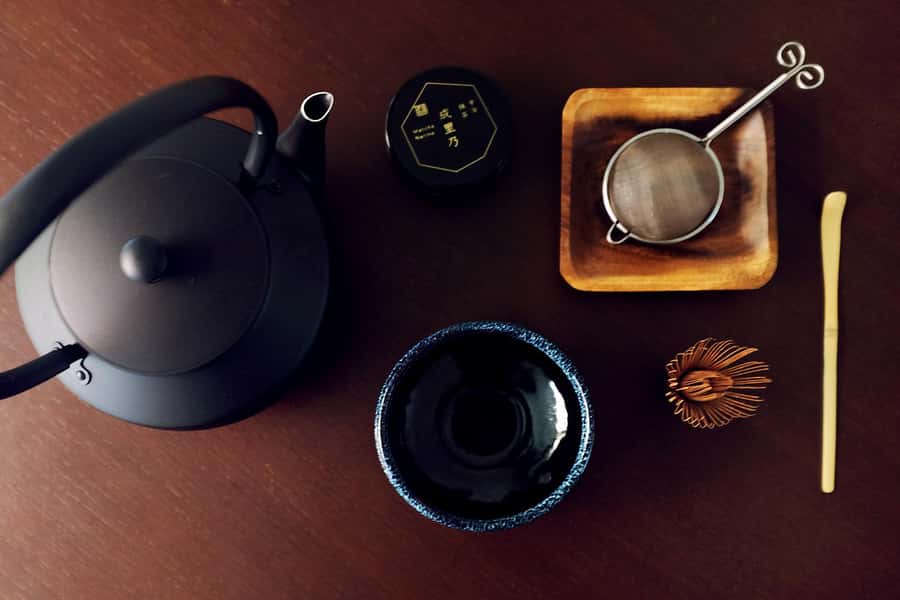
- Hands-on tea making: Use traditional tea tools and practice the key points needed to prepare a good bowl at home.
- A small, personal teaching style: The experience can feel intimate, with one participant describing a group of five and many praising the individual attention.
- A useful Tokyo location: The meeting point is about a six-minute walk from Yotsuya Station, with the workshop returning to the same place.
What this Tokyo experience is really about
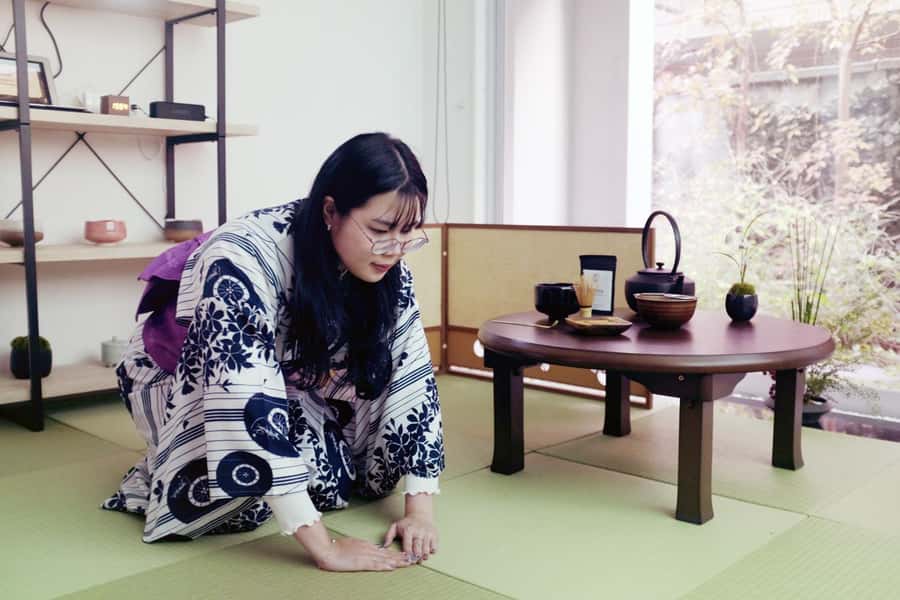
This is not simply a cup of matcha followed by a photo in Japanese clothing. It is a compact culture lesson built around four related subjects: tea ceremony, teaism, matcha, and kimono.
That combination gives the session more substance than a quick tasting. You learn what you are doing, why the tools matter, and how Japanese ideas about hospitality and attention shape the ceremony. You also get to take part, which makes the information easier to remember.
I particularly like the practical focus. You are not expected to master a formal ceremony in one sitting. Instead, you learn how to prepare a beautiful bowl of matcha at home, how to handle the basic tools, and how to drink the tea with suitable manners. That is useful knowledge you can carry into the rest of your Japan visit.
The tone appears friendly rather than stiff. Komei is described as kind, funny, passionate, and easy to talk with. Several accounts also praise the presentation format, including a structured history lesson that helped put the tea and kimono traditions into context.
More Kimono Experiences in Tokyo
- Let’s make kimono !(Kimono is a gift for you
★ 5.0 · 252 reviews - Tokyo: Asakusa Kimono Dressing and Matcha Experience
★ 4.9 · 173 reviews - Asakusa: Kimono Tea Ceremony with Matcha and Sweet
★ 4.9 · 153 reviews
Finding the workshop near Yotsuya Station
The meeting point is in front of the LUUP scooter stand beside the ACN Yotsuya Building. Look for the workshop sign and the guide waiting there.
From Yotsuya Station, the walk takes about six minutes. The location is described as being next to Shinjuku, though the actual meeting point is in the Yotsuya area, so check your route carefully rather than assuming you are meeting in central Shinjuku itself.
This is one place where you should build in extra time. Tokyo station exits can be confusing, and the activity has a strict late-arrival rule. After 10 minutes, your reservation is canceled automatically and no refund is provided. I would aim to reach the neighborhood early, then walk to the building once you have your bearings.
The workshop ends back at the meeting point. That makes it easy to continue sightseeing in Tokyo without arranging a separate return trip.
Choosing and wearing the easy kimono
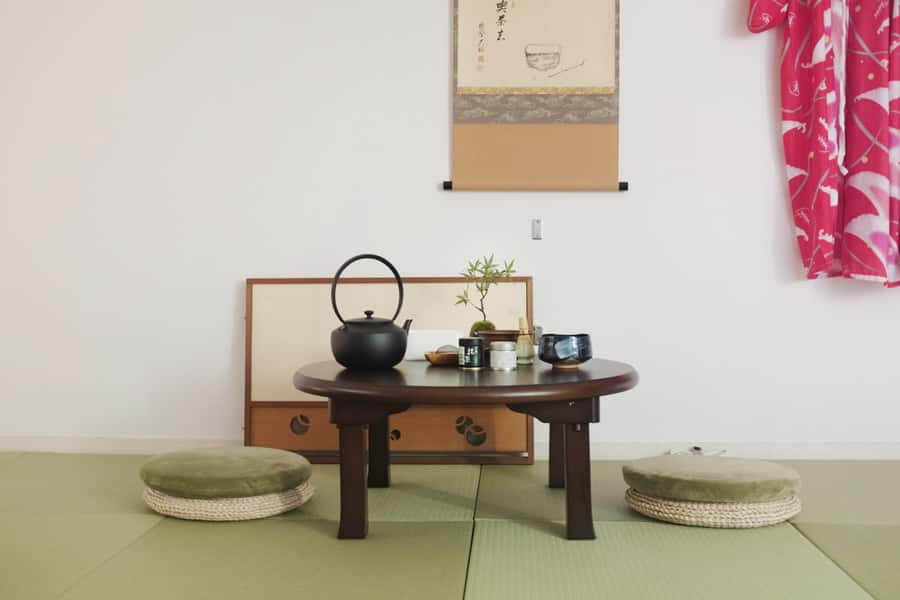
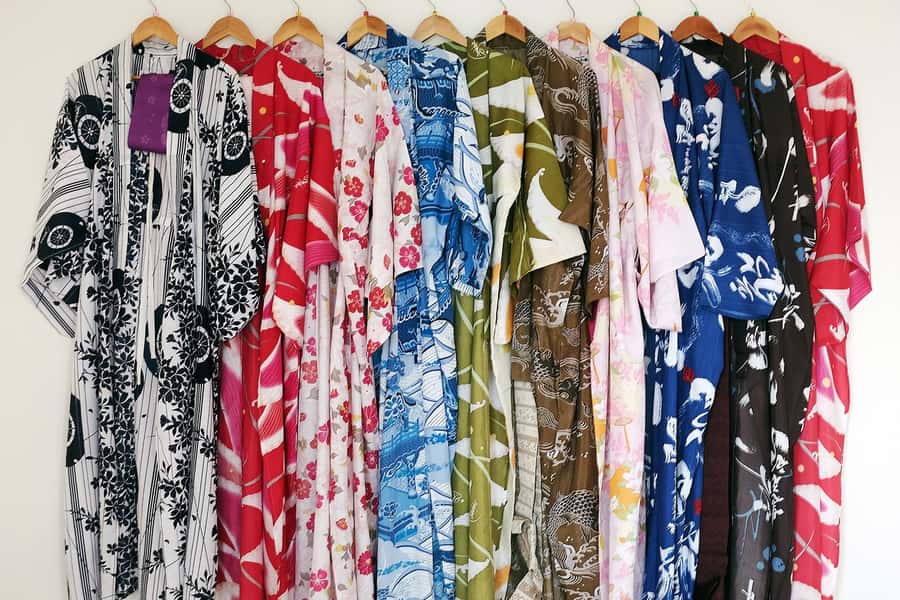
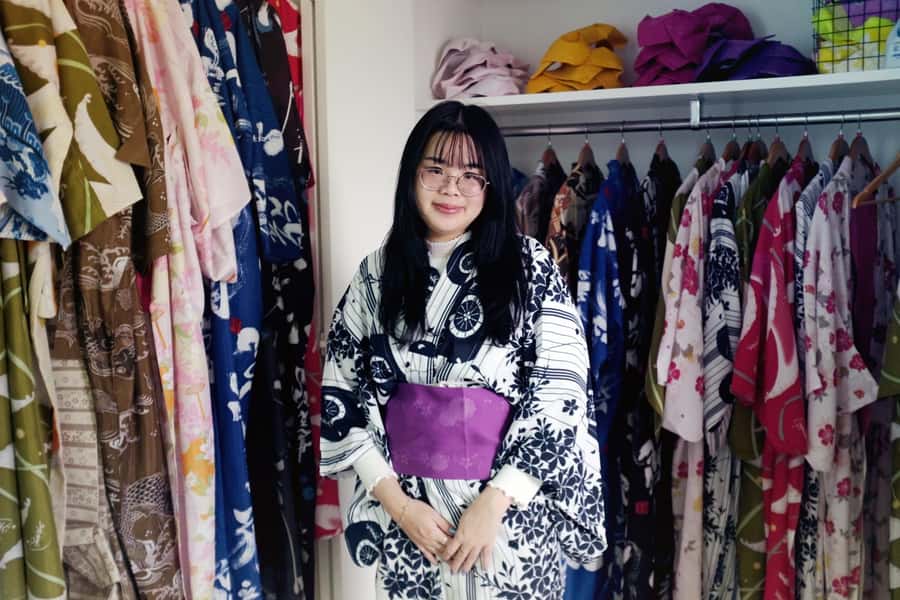
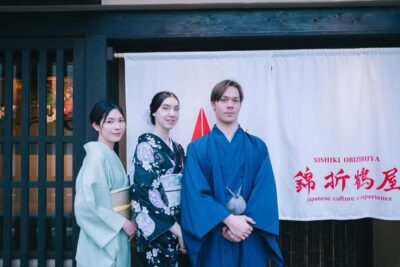
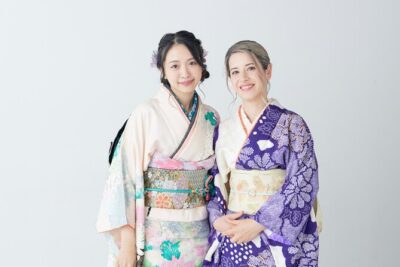
Before the main lesson, you choose a kimono to wear during the experience. This is not presented as a full professional dressing appointment. The garments are specially designed to be easy to put on, a practical choice for an activity that also includes tea instruction.
That shortcut matters. A standard kimono can take around 30 minutes to put on, while this format lets you spend more of your booked time learning and making tea. You still get the visual pleasure of wearing traditional clothing, along with the chance to learn the correct way to wear it.
The kimono is one of the most praised parts of the experience. It adds a sense of occasion and creates a natural photo opportunity. Komei is also praised for taking photographs of groups, though you should treat that as part of the friendly hosting style rather than a separate professional photography service.
I see the kimono section as a good fit for first-time visitors who want to try Japanese clothing without booking a full kimono rental day. You do not need to plan an entire itinerary around it. You wear the kimono through the workshop, then return to the meeting point at the end.
There is one useful etiquette point: bring your own socks. You need them to protect the traditional flooring. If you forget, you are asked to buy a pair at the workshop, so do not leave this small item to chance.
Tasting matcha from across Japan
The tea portion begins with a look at matcha itself. The experience includes an exclusive first-flush matcha, described as the highest-quality selection, chosen from a collection of more than 100 matchas gathered from around Japan.
The exact tasting lineup can vary, but the format is designed to help you identify a favorite with your eyes, nose, and tongue. That is a better way to understand matcha than simply being told that one powder is good and another is poor. You can pay attention to color, aroma, bitterness, sweetness, and the feel of the tea in your mouth.
The session also addresses the difference between genuine and fake matcha. This is especially useful if you enjoy matcha drinks but have mostly encountered sweetened café beverages or products marketed loosely as matcha. You learn that Japanese matcha and matcha sold overseas can be very different.
I would not expect a professional certification or a technical tea-school tasting. This is an accessible introduction. Still, the comparison gives you a better basis for choosing matcha after you return home, particularly if you want to buy powder for your own kitchen.
The included traditional Japanese sweets are important here. A small sweet provides a familiar partner for the tea and helps you notice how the flavors work together. You also receive a welcome drink, though the available information does not specify its exact type.
A completely different kind of day out in Tokyo:
- Mt Fuji and Hakone 1-Day Bus Tour Return by Bullet Train
★ 5.0 · 26,383 reviews - 1-Day Tokyo Bus Tour
★ 5.0 · 14,250 reviews - Tokyo: TOKYO SKYTREE® Admission ticket
★ 4.5 · 11,192 reviews - Tokyo: teamLab Planets TOKYO Digital Art Museum Entry Ticket
★ 4.6 · 9,779 reviews
From green tea to tea ceremony
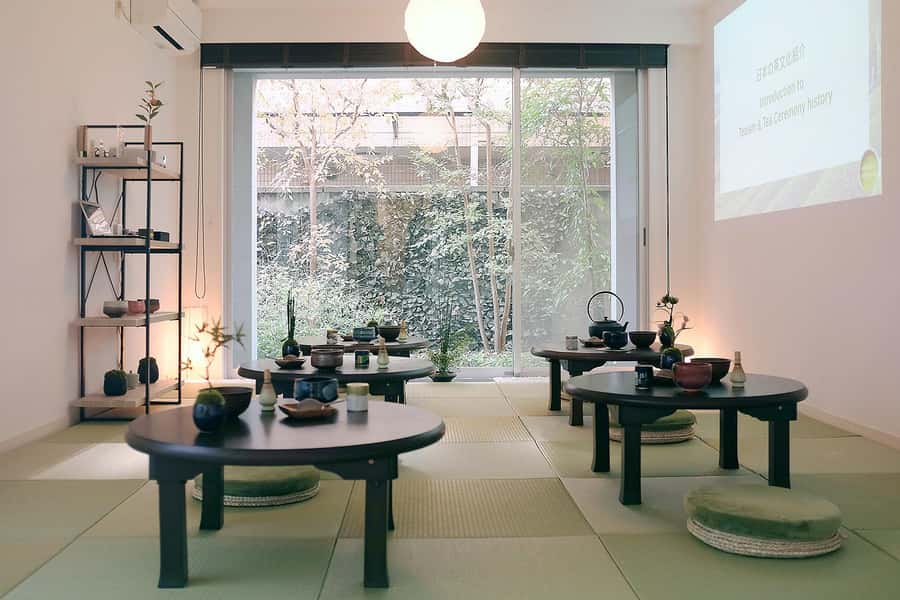
The lecture places matcha within the wider world of tea. You learn about differences among green tea, black tea, Chinese tea, and other broad tea categories, then move toward the particular customs surrounding Japanese tea.
The idea of teaism receives special attention. In simple terms, this is the philosophy and outlook connected with tea, not merely the act of drinking a beverage. The lesson also explains tea ceremony, including the thought behind the movements, tools, and manners.
This background is one of the strongest reasons to book the experience. Without it, whisking matcha can feel like a pleasant craft exercise. With it, you begin to see why the order of actions, the treatment of guests, and the care given to a bowl of tea matter.
The teaching seems especially suited to people who want cultural context in plain language. Several descriptions praise the host’s ability to explain history and customs in an engaging way. Komei’s humor also helps keep the subject from feeling like a museum lecture.
You should keep your expectations realistic. A single workshop cannot cover every school of tea ceremony or explain all Japanese tea history. The value comes from getting a solid starting point, then noticing tea customs with more awareness during the rest of your time in Japan.
Making your own bowl of matcha
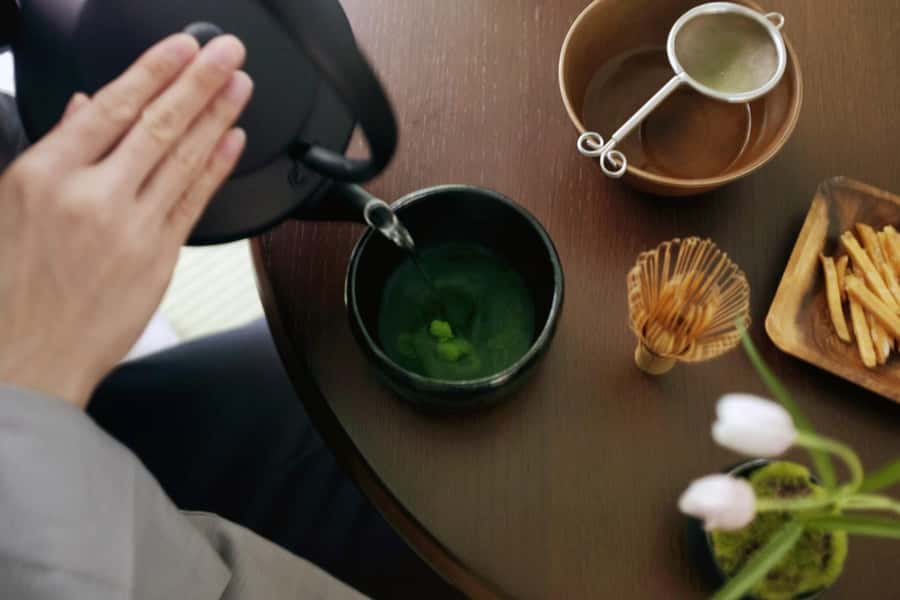
The hands-on lesson is the heart of the activity. You receive the tea tools needed for the exercise and learn how to prepare a bowl of matcha yourself.
The instructor covers four key points for making a beautiful bowl at home. The supplied information does not list each point by name, so I would expect the lesson to focus on the practical essentials of handling the tea, using the tools, and producing a smooth, attractive drink rather than on advanced ceremony technique.
You also learn basic manners for drinking matcha. That may include how to receive the bowl and how to approach the tea respectfully, though the exact sequence depends on the instructor’s presentation.
This practical section gives the experience its lasting value. You are not only watching a tea master perform. You put the method into practice, make your own tea, and learn why the result can change depending on how you prepare it.
One participant felt that a little more time could have been devoted to matcha itself and slightly less to kimono dressing. That is a fair point to consider. If your main interest is tea preparation, you may wish the balance leaned more heavily toward whisking, tasting, and tea tools. If you want both tea and clothing, the current format should feel well rounded.
The host and teaching style
The host is central to the quality of this activity. Komei is repeatedly described as warm, polite, enthusiastic, funny, and highly informed about matcha, kimono, and tea customs.
That range matters because the session covers several subjects. A host who only knows how to perform the ritual might struggle to explain the history. A host who only gives a lecture might make the hands-on portion feel flat. Here, the teaching style appears conversational and personal.
You can ask questions throughout the workshop, and the host takes time to respond. The small-group atmosphere can make the class feel more like a private lesson than a large demonstration. One account describes a total group of five, though group size is not specified as a fixed feature, so you should not assume every session will be that small.
The strongest praise focuses on clarity. The presentation is described as well organized, informative, and easy to follow. That is good news if you know little about tea ceremony or feel nervous about handling unfamiliar tools.
English and Japanese are available. The experience is suitable for a first introduction, even if you do not know Japanese customs in advance.
What the $57 price includes
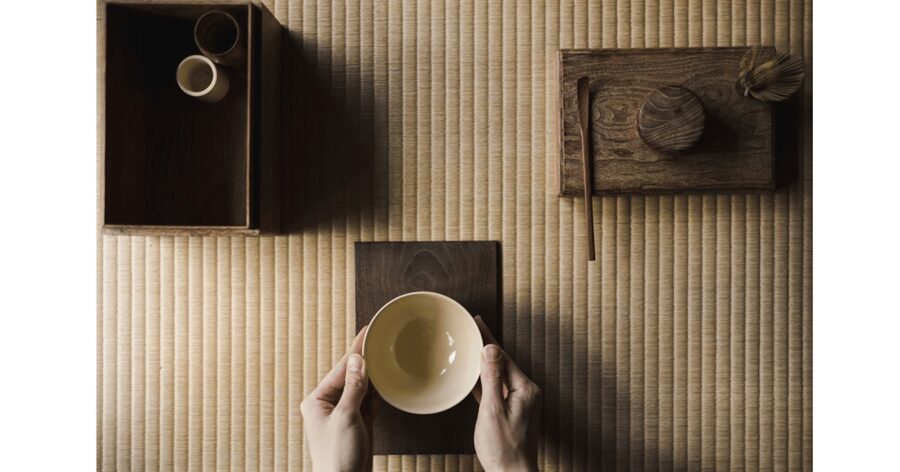
At $57 per person, the experience offers more than a simple tea tasting. The price includes:
- The matcha session
- Kimono use throughout the experience
- A lecture on teaism and matcha
- A matcha-making lesson
- First-flush matcha
- Traditional Japanese sweets
- A welcome drink
- Rental of tea ceremony tools
The value depends on what you want from a cultural activity. If you only want to drink one bowl of matcha, this will be more instruction than you need. If you want clothing, history, tasting, and hands-on practice in one booking, the price is easier to justify.
You also avoid the cost and effort of arranging a separate kimono rental and a separate tea lesson. The combined format saves time in a Tokyo itinerary, especially if you want a cultural activity near central neighborhoods rather than a full-day excursion.
The main value is personal instruction. You are paying for the host’s teaching, the tea collection, the tools, and the chance to practice, not just for the raw ingredients. I would consider it a fair midrange price for visitors who want to understand what they are tasting.
Who will enjoy this most
I would recommend this experience to:
- First-time visitors who want an approachable introduction to Japanese culture
- Matcha fans who want to distinguish quality and prepare tea at home
- Couples, friends, and small groups looking for a shared activity
- Anyone interested in trying a kimono without booking a full dressing service
- Visitors who prefer a guided lesson to a passive cultural show
- People who enjoy asking questions and learning through conversation
It may be less suitable if you want a silent, highly formal tea ceremony with strict traditional pacing. The session is designed to teach and involve you, so it has a workshop feel.
Children under five are not permitted. You should also avoid strong fragrances, alcohol, and drugs, and you are expected not to make noise during the activity. These rules protect the tea setting and the traditional room.
Practical advice before you book
Bring socks and wear clothing that allows you to change or adjust comfortably under the kimono. The information provided does not specify a dress code beyond socks, so you should not need special clothing.
Plan your route to Yotsuya Station, not only Shinjuku. Use the supplied map and look for the LUUP scooter stand beside the ACN Yotsuya Building. The workshop sign should help you identify the meeting point.
Keep your schedule flexible enough to arrive early. The 10-minute cancellation rule is unusually strict, and Tokyo transport or a wrong station exit can quickly use up that margin.
You can reserve now and pay later, which helps if you are still arranging your Japan itinerary. Cancellation is available for a full refund up to 24 hours before the experience.
FAQ
Where does the matcha and kimono experience meet?
The guide waits in front of the LUUP scooter stand next to the ACN Yotsuya Building, holding a workshop sign. The meeting point is about a six-minute walk from Yotsuya Station.
How much does the experience cost?
The listed price is $57 per person.
What is included in the booking?
The booking includes the matcha experience, kimono use, a teaism and matcha lecture, a matcha-making lesson, first-flush matcha, traditional Japanese sweets, a welcome drink, and tea ceremony tool rental.
Do I need to bring anything?
You need to bring socks to protect the traditional flooring. If you forget them, you are asked to buy socks at the workshop.
Is the activity suitable for young children?
The experience is not suitable for children under five years old.
What happens if I arrive late?
Your booking is automatically canceled after 10 minutes of delay from the appointment time, and no refund is accepted in that situation.
Should you book this matcha and kimono experience?
Book it if you want more than a quick ceremonial photo. For $57, you receive a kimono, a first-flush matcha tasting, traditional sweets, cultural background, tea tools, and a chance to prepare the drink yourself.
I especially recommend it if you are curious about why matcha tastes different from one product to another, or if you want a friendly explanation of Japanese tea customs before visiting other tea rooms. Komei’s warm teaching style appears to be a major part of the appeal.
Skip it if your only goal is a long, formal tea ceremony with minimal explanation. This is a welcoming lesson and cultural workshop, not a strict master-class ritual. For most first-time visitors, that accessible balance is exactly what makes it worth fitting into a Tokyo day.
Just added around Tokyo
- Tokyo Small Group Tour with Guide★ 4.5 · 38 reviews
- Tokyo 6hr Instagram Highlights Private Tour with Licensed Guide★ 5.0 · 38 reviews
- Tokyo Sumo Experience with Live Show & Audience Challenge★ 5.0 · 38 reviews
- Very popular in Harajuku♡Animal petting zoo★ 4.6 · 39 reviews
- Japanese Food Cooking Class in Asakusa, Tokyo★ 5.0 · 39 reviews
- Ramen Making from Scratch with Tokyo Mom(Vegan Option Available)★ 5.0 · 39 reviews
- Tokyo: Kimono Rental inside Shinjuku Gyoen National Garden★ 4.9 · 39 reviews
- Tokyo JDM Night: 600hp C63s AMG Edition 1 (Private)★ 4.9 · 39 reviews
Kimono Dressing & Photoshoots, compared.

Sumo Show & Experience w/ Optional Kimono & Hot Pot
Read our review →
KYOTO Tea Ceremony with kimono near by Imamiya Jinjya Shrine
Read our review →
Kimono and Tea Ceremony Experience at Cultural Asset
Read our review →
Browse the lists this tour appears in