
Reviewed · TEA CEREMONY EXPERIENCES
Kyoto: Kimono and Tea Ceremony Experience at Cultural Asset
Old Kyoto still has a few doors worth opening. This experience brings you into Tondaya, a 140-year-old machiya recognized as a cultural property by Kyoto City, where you can wear a silk kimono, tour the house, and watch a traditional tea ceremony. I like the beautiful wooden rooms and garden settings, and I like that you get real time for photographs rather than being rushed from one pose to the next. The main drawback is that group sessions can feel crowded, and the amount of English explanation depends on which staff members are working that day.
You should come here for the setting as much as for the clothing. Tondaya feels far more atmospheric than a modern studio, with old furnishings, crafted woodwork, gardens, and household objects that help explain how traditional Kyoto homes worked. The tea ceremony is calm and carefully presented, though you may spend part of it seated close to other people.
In This Review
- Key points at a glance
- Entering Tondaya, an Old Kyoto Townhouse
- Choosing and Wearing a Silk Kimono
- Photographing the Machiya Rooms and Gardens
- Watching the Tea Ceremony
- Touring the House After Tea
- Group Visit or Private Session?
- What the $222 Price Includes
- Who Will Enjoy Tondaya Most?
- Practical Tips for a Smooth Visit
- Should You Book This Kyoto Experience?
- FAQ
- Where does the kimono and tea ceremony experience take place?
- How long does the experience last?
- Is the tea ceremony private?
- What languages are available?
- What should I bring?
- Are hair styling and makeup included?
Key points at a glance
- A 140-year-old machiya: Tondaya is a formally recognized Kyoto cultural property, not a purpose-built photo studio.
- Silk kimono dressing: Staff help you select and put on a high-quality kimono, with fitting reported to take about five minutes.
- A performed tea ceremony: A seasoned tea master demonstrates the ceremony and explains the purpose behind its movements.
- Strong photo settings: Wooden interiors, gardens, and traditional rooms give you plenty of backdrops.
- Group size matters: Standard bookings may include other participants, while a private option offers a quieter visit.
- Plan for socks: Bare feet are not allowed, and stockings are not accepted as a substitute.
Entering Tondaya, an Old Kyoto Townhouse
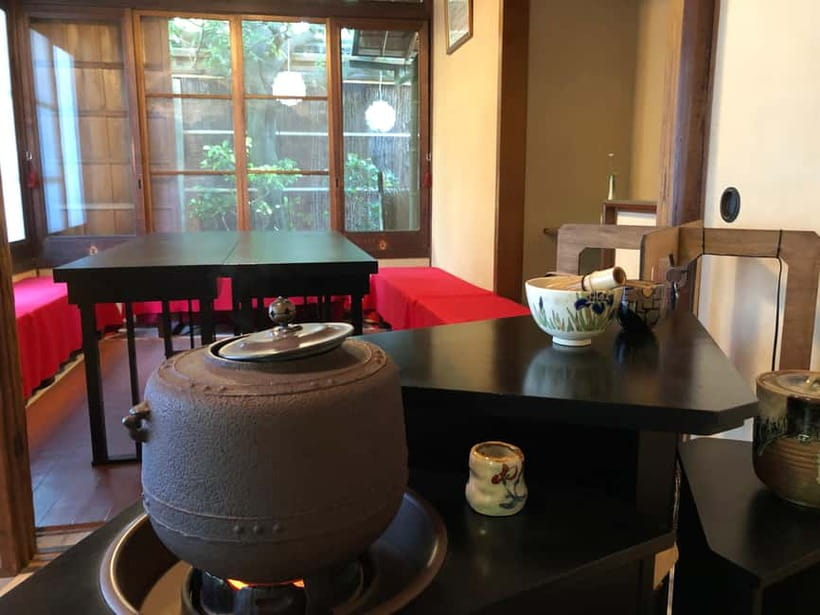
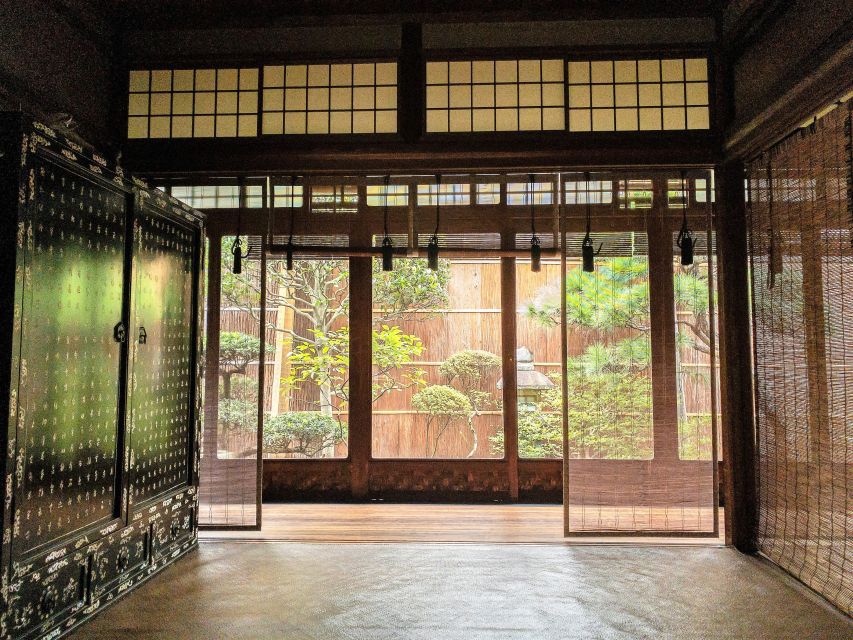
The meeting point is Tondaya, Nishijin Japanese Cultural Experience Museum, at 697 Ishiyakushicho in Kyoto’s Kamigyo Ward. The house itself is the first major part of the visit. You are not simply being dressed in a rented costume inside a plain commercial room. You are entering a traditional machiya with old woodwork, interior gardens, and objects connected to the building’s past.
That setting gives the activity its strongest sense of place. A kimono can be attractive anywhere, but it feels more convincing when you are standing on traditional floors, moving through rooms built in an older Kyoto style, and looking out toward a small garden. The house tour also gives the visit some substance beyond taking photographs.
Staff guide you through Tondaya and point out its cultural value. The amount of detail may vary, especially if your guide is not fluent in English. Some staff use a translation device when needed, and interpreters may be arranged, but you should not assume every explanation will be delivered in polished English.
That language issue is worth considering at this price. Several people found the staff warm, patient, and eager to explain, while others felt they received too little information about the house, kimono, and tea ceremony. If cultural background matters more to you than dressing up, consider choosing the private option and confirming your language needs in advance.
More Kimono Experiences in Kyoto
- Kimono Tea Ceremony at Kyoto Maikoya, NISHIKI
★ 5.0 · 911 reviews - Kyoto: Kimono Rental with Hairstyling and Accessories
★ 4.8 · 653 reviews - Kyoto: Kimono Tea Ceremony at Orizuruya Gion
★ 4.9 · 618 reviews
Choosing and Wearing a Silk Kimono
The kimono portion begins in a dedicated dressing room. Staff help you choose a garment and fit it to you. The supplied details describe the dressing as taking about five minutes, though the full visit includes the ceremony, house tour, photography, and undressing.
The clothing is made from high-quality silk, which gives this experience a different feel from a quick festival rental. You are wearing something connected to a longstanding Japanese art form, even though this is still a guided cultural activity rather than a full lesson in kimono construction.
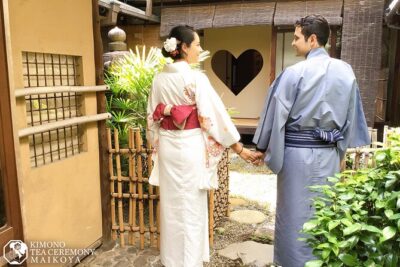
The staff are praised for being friendly and attentive. They help with the fitting and can also take photographs for you. You will have opportunities to pose in the house and garden, and you are given enough time to take your own pictures. That extra time matters. Many costume activities allow only a few rushed shots before moving on, while Tondaya gives you room to enjoy the setting.
Fit and choice are not perfect for everyone. Tall participants may be given larger kimonos with fewer printed designs and more solid colors. One person also found that the garment did not fit properly. If you are tall or have a body shape that often makes clothing fit difficult, keep your expectations practical. The goal is a traditional appearance and a memorable experience, not a custom-fitted garment.
Wear a loose-necked shirt so the kimono sits well. Do not arrive in a wet T-shirt, since staff cannot dress you over wet clothing. Bring a dry shirt if there is any chance you will need to change. Most important, bring socks. Bare feet are not permitted, and stockings are specifically discouraged.
Hair styling and makeup are not included. You should arrange those separately if they are important to your photographs. The kimono itself is the focus here, not a complete beauty makeover.
Photographing the Machiya Rooms and Gardens
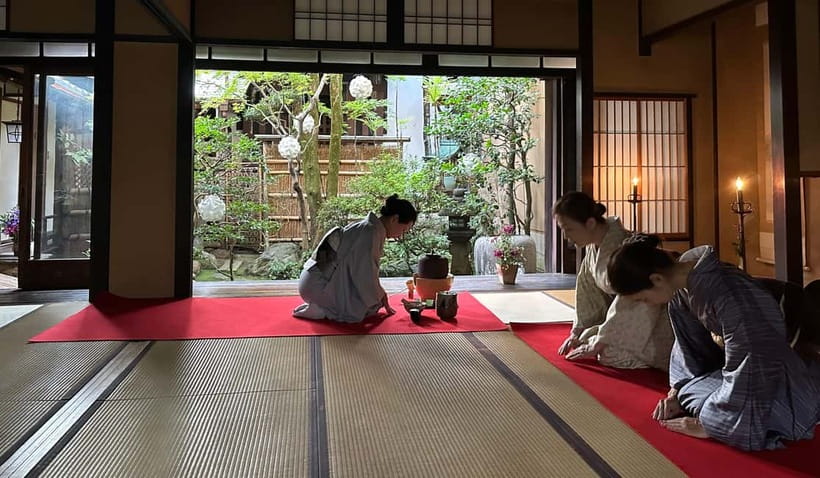
This is one of the easiest parts of the visit to enjoy. Tondaya offers the kind of background that makes even simple photographs feel tied to Kyoto. Traditional rooms, wood details, gardens, and old household objects provide variety without requiring elaborate staging.
The staff are helpful with pictures, and you can also take your own. One useful detail is that photographs are not allowed while you are being dressed or undressed. That protects a little privacy and keeps the dressing process orderly, but you should wait until you are fully dressed before reaching for your phone.
The house can become busy. Some sessions include many participants, and a crowded room can make personal photographs less peaceful than you might hope. Still, the images can look more intimate than the actual group experience because the house itself provides a strong frame.
I would treat photography as a pleasant part of the visit, not the sole reason to book it. If you want a quiet, carefully directed photo session with many kimono choices, the standard group experience may feel too loose or crowded. If you want photographs that include a genuine old Kyoto interior, Tondaya has a clear advantage over a plain rental shop.
Watching the Tea Ceremony
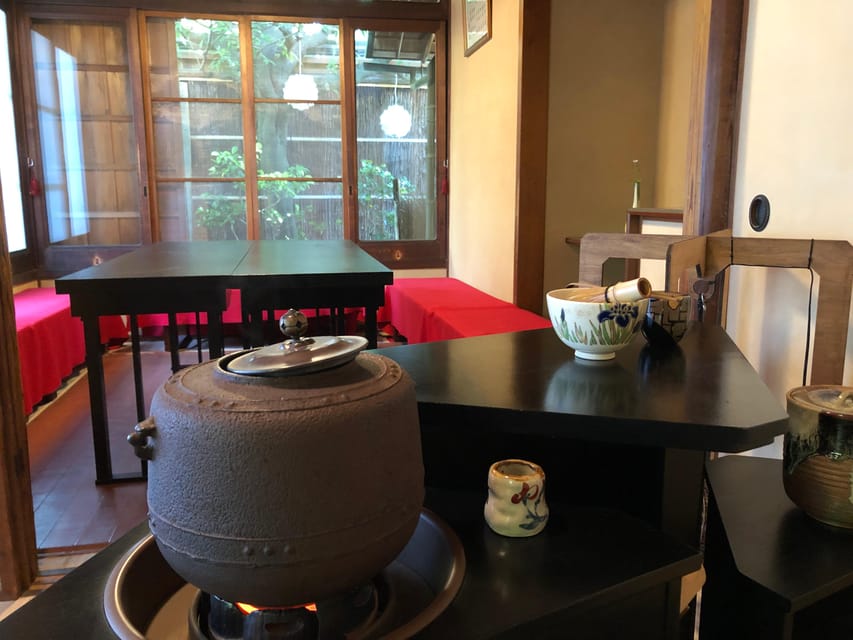
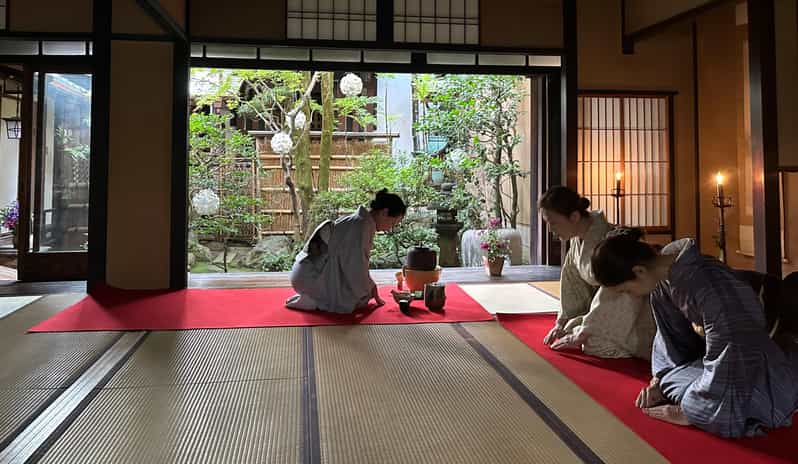
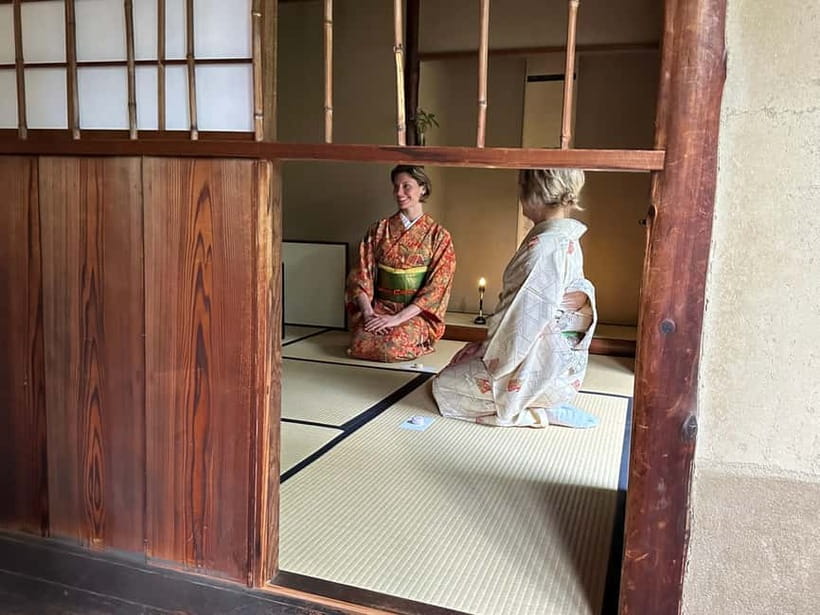
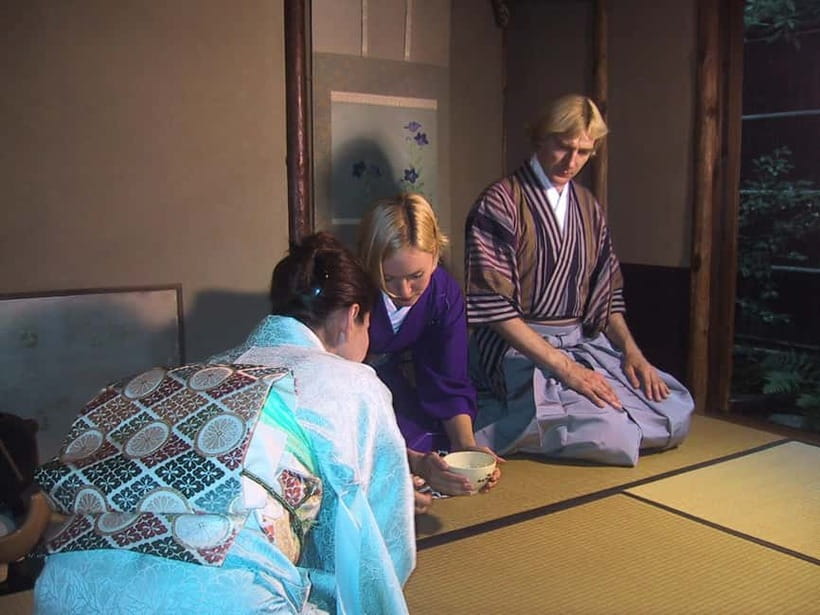
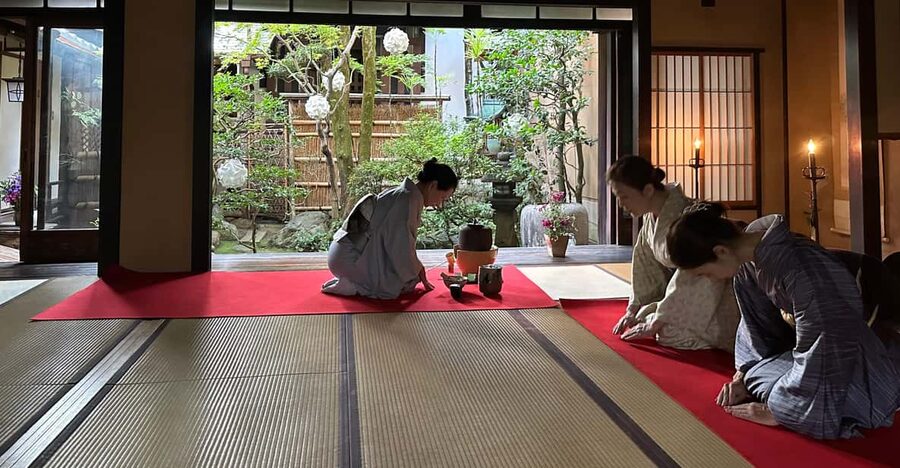
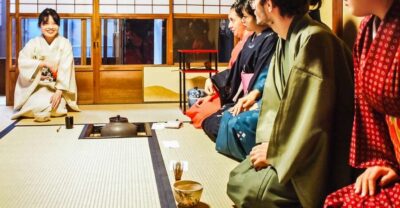
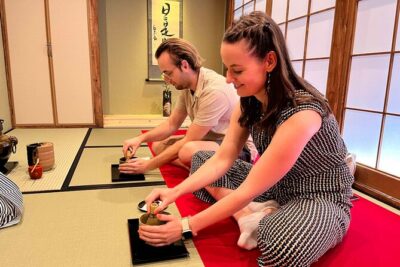
The tea ceremony usually takes place upstairs in the machiya. A tea master prepares and serves matcha while explaining the actions and their meaning. The demonstration is described as authentic and traditional, and several people found it especially informative.
The value here is in watching the care given to small movements. The placement of utensils, the preparation of the tea, the serving, and the bowing all follow a deliberate pattern. Even a short ceremony can show you that Japanese tea culture is not just about drinking matcha. It is also about attention, courtesy, order, and the relationship between host, guest, room, and season.
English quality can vary. Some sessions include clear explanations in English, while others rely on a translation app or device. One person felt the ceremony was not explained enough for the price. Another wished there had been a chance to whisk the tea personally. At Tondaya, you should expect a demonstration rather than a hands-on tea-making workshop.
Seating is another practical matter. The ceremony takes place on the floor, and one account noted that a few small chairs were available. If sitting on the floor is uncomfortable for you, ask about seating when you arrive. The ceremony is fairly short, which helps, but a crowded room or a late arrival can interrupt the quiet mood.
Please treat this portion as a formal cultural presentation. Silence, attentive listening, and putting your phone away make a real difference. The ceremony is designed to be peaceful, and careless filming or loud conversation can spoil the atmosphere for everyone, including the hosts.
More Tea Ceremonies in Kyoto
- Kyoto: Tea Ceremony in a Traditional Tea House in Kiyomizu
★ 4.9 · 3,519 reviews - Kyoto: Tea Ceremony Ju-An at Jotokuji Temple
★ 4.9 · 3,207 reviews - Kyoto: 45-Minute Tea Ceremony Lesson Experience
★ 4.3 · 2,378 reviews - Kyoto: Table-Style Tea Ceremony at a Kyo-Machiya
★ 4.9 · 1,211 reviews
Touring the House After Tea
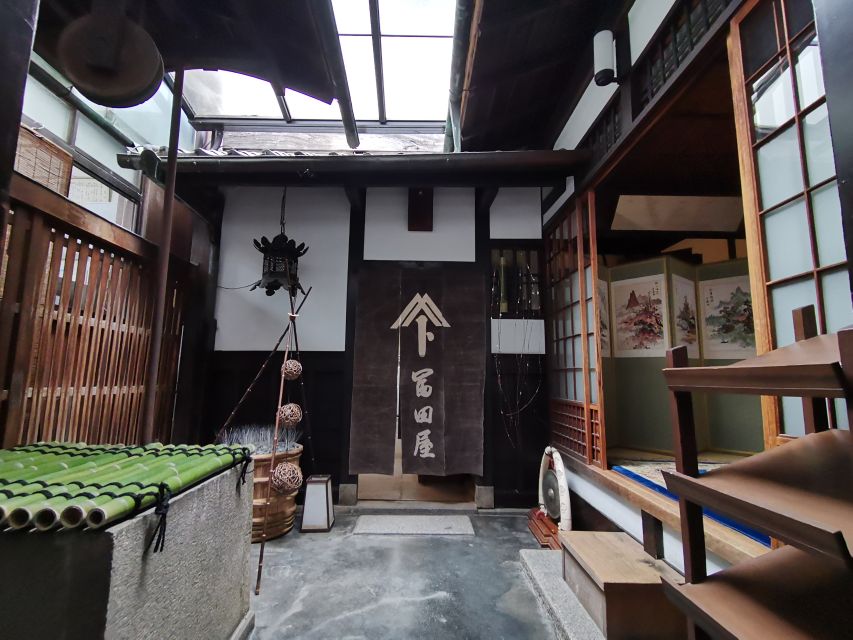
The house tour helps connect the clothing and ceremony to a broader picture of old Kyoto life. You see more of the building, its rooms, gardens, objects, and decorative details. The staff share stories about Tondaya and explain why the city recognizes it as culturally important.
This is where the experience can feel more meaningful than a simple kimono photo stop. You begin with clothing, move into tea, and then see the physical setting that has held these traditions for generations. The three parts reinforce one another.
The quality of the explanation depends on timing, group size, and language. In a small or private session, you may have more chances to ask questions. In a larger session, you may need to stay close to the guide and accept a shorter explanation.
Some people have enjoyed being able to linger for photographs after the formal activities. One especially positive account described being allowed to remain a few hours later, though you should not count on that happening. The normal experience lasts between 90 minutes and four hours, depending on the selected format and schedule.
Group Visit or Private Session?
This choice may shape your experience more than any other detail. Standard sessions are conducted with other participants, and waiting can occur when several people need dressing, photographs, or tea seating. A busy session may feel crowded, noisy, or less personal.
The private option is the better fit if you want quiet, detailed explanations, and more freedom to ask questions. A private ceremony has been described as feeling like being welcomed into a family home, with no rush and plenty of time for photographs. It is also the sensible choice for couples celebrating a special occasion or for anyone who dislikes group activities.
The group format can still work well. It may be more social, and the staff are used to helping several people move through the process. You also receive the same basic ingredients: entry to the cultural property, kimono dressing, the tea ceremony, and the house tour.
If you book a group session, arrive on time and be ready to wait briefly. Arriving early may help you get settled, but do not assume staff can begin your full experience before the scheduled start. Wear easy clothing, bring socks, and keep your phone tucked away during the ceremony.
What the $222 Price Includes
At $222 per person, this is not a budget activity. The fee includes entrance to Tondaya, kimono dressing, and the tea ceremony. You are also paying for access to a protected cultural setting, staff assistance, time for photographs, and a guided look at a historic Kyoto townhouse.
The price makes more sense if you value the building and the complete combination of activities. A basic kimono rental may cost less, but it may not include a tea ceremony inside a 140-year-old machiya. Tondaya offers a fuller package, with the house providing much of the atmosphere.
The value is less convincing if you mainly want to wear a kimono for ten minutes and take a few quick pictures. It is also harder to justify if you expect a long academic lecture, extensive English interpretation, professional hair and makeup, or a hands-on tea lesson. Those elements are not included or are not guaranteed.
The strongest value comes from choosing the format that matches your priorities. A private booking costs more, but it may solve the two biggest concerns: crowding and limited explanation. A standard booking keeps the price from rising further, but you need to accept that the room may be busy and the experience may feel more commercial.
Who Will Enjoy Tondaya Most?
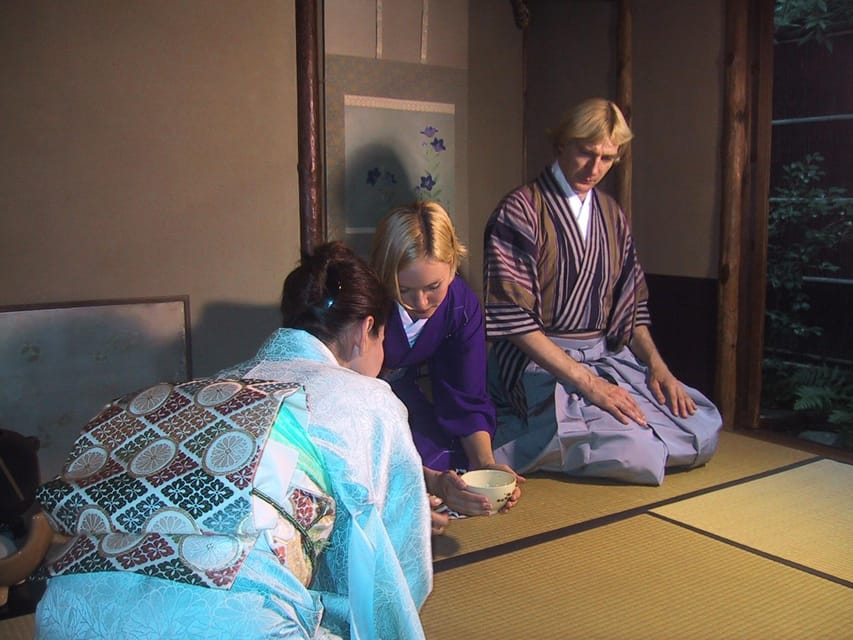
I would recommend this experience to you if you want several traditional activities in one visit. Couples, families, first-time visitors to Kyoto, and anyone who values photographs in a genuine old house should find plenty to enjoy.
It also suits people who prefer watching a skilled demonstration to taking a class. The tea ceremony is presented by an experienced tea master, but you are not promised the chance to prepare your own bowl. If hands-on participation is essential, ask before booking.
You should think twice if you dislike floor seating, crowded rooms, costume fittings, or uncertain language support. The staff are consistently described as kind and welcoming, but friendliness cannot always replace detailed English instruction.
Tall participants should also consider the kimono selection issue. Larger sizes may offer fewer patterns, and fit can vary. That does not ruin the experience, but it is better to know before paying a premium price.
Practical Tips for a Smooth Visit
- Bring clean socks, not stockings. Bare feet are not allowed.
- Wear a shirt with a loose neckline so the kimono looks its best.
- Bring a dry replacement shirt if you may arrive sweaty or wet.
- Do not plan on hair styling or makeup at Tondaya, since neither is included.
- Put your phone away during the tea ceremony.
- Choose a private session if quiet, personal attention matters to you.
- Arrive on time. Late arrivals can affect a ceremony built around calm, careful movements.
- If English instruction is important, request support in advance. A translation device may be used.
Cancellation is flexible: you can cancel up to 24 hours beforehand for a full refund, and the reserve-now, pay-later option lets you keep your plans open. Starting times vary, so check availability for the date you want.
Should You Book This Kyoto Experience?
Book it if you want more than a rental kimono and a staged photograph. Tondaya gives you a real old Kyoto setting, a traditional tea demonstration, a house tour, and staff who are generally warm and helpful. The best moments are the quiet ones: seeing the tea prepared, walking through the wooden rooms, and posing in a garden while dressed in silk.
Choose the private option if your budget allows and you care about calm surroundings or detailed explanations. Choose the group option if you are comfortable with some waiting and a livelier room. At $222, this is a special-occasion purchase rather than a casual add-on, but the cultural setting and combination of activities make it worthwhile for the right visitor.
FAQ
Where does the kimono and tea ceremony experience take place?
It takes place at Tondaya, Nishijin Japanese Cultural Experience Museum, at 697 Ishiyakushicho in Kyoto’s Kamigyo Ward, Japan.
How long does the experience last?
The listed duration is between 90 minutes and four hours. The exact length depends on the selected experience and schedule.
Is the tea ceremony private?
Standard sessions include other participants. A private experience option is available if you prefer a quieter setting.
What languages are available?
The experience is offered in English and Japanese. Not every staff member speaks English fluently, so a translation device may be used when necessary.
What should I bring?
Bring socks. Bare feet are not allowed, and stockings are not accepted. You should also consider bringing a dry T-shirt if you might arrive wearing a wet shirt.
Are hair styling and makeup included?
No. Hair styling and makeup are not included in the experience.
Just added around Kyoto
- Kyoto: Private Customizable Day Trip by Car★ 5.0 · 38 reviews
- Kyoto: Gion Night Walking Tour with Geisha Insight★ 5.0 · 39 reviews
- Kyoto: Full Day Bike Tour★ 4.9 · 39 reviews
- Private Japanese Calligraphy in Kyoto – Learn Shodō with a Master★ 5.0 · 39 reviews
- Experience a tea ceremony in an authentic tearoom, in Kyoto!★ 4.5 · 41 reviews
- Kyoto: Gion Evening Walk with Hidden Gems, Geisha & Sake★ 5.0 · 41 reviews
- Kyoto Private Photo Shoot & Tour by SnapKyoto★ 5.0 · 41 reviews
- The Way of Tea: Kyoto Crafts, Hidden Temples & Wabi-Sabi Walk★ 5.0 · 41 reviews
Tea Ceremony Experiences, compared.
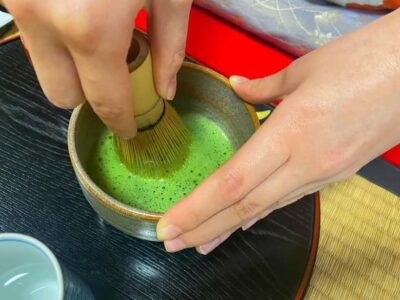
Tea Ceremony in a Traditional Tea House in Kiyomizu
Read our review →
Browse the lists this tour appears in