
Reviewed · SUMO EXPERIENCES
Osaka: Sumo Show & Experience w/ Optional Kimono & Hot Pot
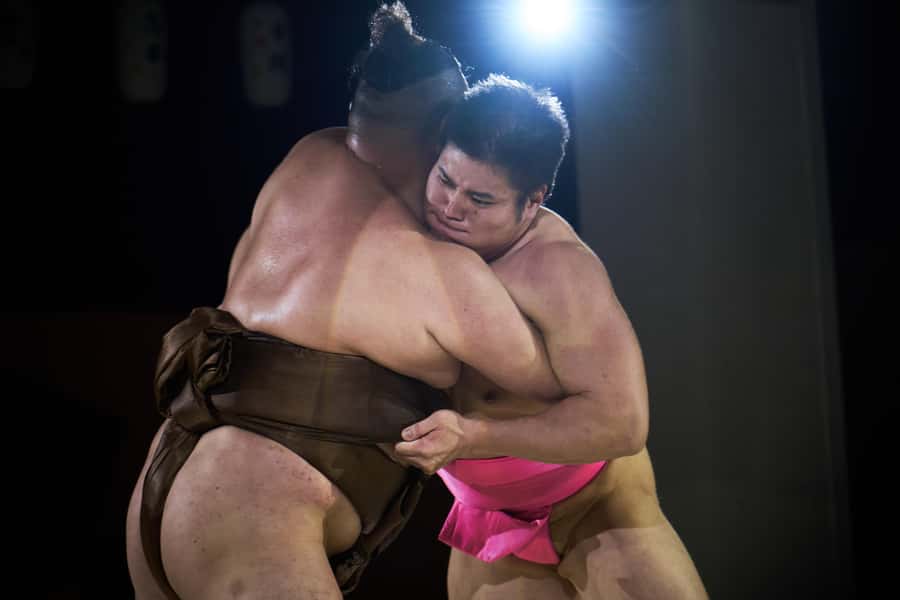
Sumo is serious sport with a playful side. This Osaka show gives you a close look at sumo rules, training moves, and short bouts, then lets audience members try a friendly contest with a wrestler. I especially like the warm, funny hosts and the photo session with the rikishi, plus the chance to wear a formal kimono haori without committing to a full kimono rental.
The main trade-off is location and format. The venue is at Rinku Town, near Kansai International Airport, not central Osaka, and the event is a staged cultural show rather than a full professional tournament. At about $77 per person, it offers good value if you want interaction, but the hot pot, drinks, and food-truck items cost extra unless you choose a meal plan.
In This Review
- Key points to know before booking
- What this Osaka sumo experience really is
- Arriving at the Rinku Town venue
- The 35-minute show: rules, training, and short bouts
- The audience sumo experience
- Photos with the rikishi
- Wearing a kimono haori
- Chanko nabe and the food choices
- Is the $77 price good value?
- Who will enjoy this most?
- Booking and timing advice
- Should you book the Osaka sumo show?
- FAQ
- How long does the Osaka sumo experience last?
- What time does the sumo show begin?
- When do the doors open?
- Is the sumo wrestling experience guaranteed?
- Is food included in the ticket?
- What food is available at the venue?
- Can I request vegetarian or gluten-free food?
- Can I wear a kimono?
- Is the activity wheelchair accessible?
Key points to know before booking
- A 35-minute sumo show explains the rules, training, and legal moves before the bouts begin.
- Audience participation is the star of the second half, though places for the 10 to 15-minute sumo experience are not guaranteed.
- The wrestlers are available for photographs, making this more personal than simply watching a performance.
- Kimono haori try-ons are included, while full kimono experiences and professional dressing require an upgrade.
- Chanko nabe is optional, and you need a food plan or separate food purchase to eat it.
- Rinku Town is roughly an hour from central Osaka, but the location works well if you are staying near the airport or shopping at the outlet mall.
What this Osaka sumo experience really is
This is best understood as a lively introduction to sumo, not a replacement for attending a tournament at Osaka Prefectural Gymnasium. You sit close to the action, hear a clear explanation of the sport, watch former or current wrestlers perform short bouts, and may get the chance to step onto the wrestling area yourself.
The event lasts around one to one and a half hours. The sumo show itself runs about 35 minutes, followed by a 10 to 15-minute audience sumo experience and a photo session. The exact flow can vary by session and crowd size.
I like this format because sumo can seem mysterious if you only see a few seconds of it on television. Here, the host explains the purpose of the stomp, the opening charge, and the difference between legal and illegal techniques. Humor keeps the lesson moving, so you do not need any prior knowledge of the sport.
The short bouts also make sense for this kind of event. You get several bursts of action instead of sitting through long pauses. The downside is that anyone expecting a full tournament atmosphere may find the fights too brief. One account also felt that some of the showmanship looked planned, which is a fair way to view the experience: this is entertainment and cultural education, not a sanctioned championship match.
More sumo experiences:
- Osaka: Sumo Stage Show with Bento or Snack + Fight & Photo
★ 4.3 · 364 reviews - Osaka Sumo Experience with Live Show and Audience Challenge
★ 5.0 · 162 reviews - Tokyo: Sumo Show Experience with Chicken Hot Pot and a Photo
★ 4.8 · 6,678 reviews
Arriving at the Rinku Town venue
The location is the biggest practical issue. From JR Osaka Station, the Kanku Rapid takes about 1 hour and 1 minute to Rinku Town. From Shin-Osaka, you can take the Midosuji Line toward Namba, then continue by Nankai train, with the listed route taking about an hour overall.
From Kansai International Airport, Rinku Town is only one stop and about five minutes on the JR or Nankai Airport Line. That makes this experience particularly useful on an arrival day, departure day, or overnight near the airport. It is also in a large outlet complex, so you can combine the show with bargain shopping.
The precise meeting point can vary with the option you book. Check your confirmation carefully, and allow enough time for the train and a walk from the station. The doors open from noon to 12:45 p.m. for the 1 p.m. lunch show, and from 5 to 5:45 p.m. for the 6 p.m. dinner show.
Late arrival is a serious problem here. No refund is offered for arriving late or cancelling on the day, and the doors have a defined entry window. I would treat the opening time as a firm deadline, not a suggestion.
The 35-minute show: rules, training, and short bouts
The show begins with an introduction to sumo culture and technique. You learn enough about the rules to understand what you are seeing, including examples of moves that are allowed and those that bring a wrestler out of the ring or break the rules.
This explanation is one of the strongest parts for first-time audiences. It turns what could be a confusing collision into a contest with clear purpose. The demonstrations also offer a glimpse of training methods and techniques used by wrestlers.
The announcer helps set the mood. The presentation uses light humor and audience participation, and several people particularly enjoyed the energetic delivery. The tone is friendly rather than formal, which makes it easier for families and people who have never watched sumo before.
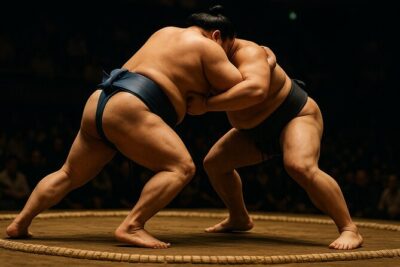
The actual bouts are short and theatrical. You may see a best-of-three challenge between two wrestlers, along with other casual tachiai, the explosive opening charge. The action is close enough to feel immediate, and the crowd is encouraged to cheer.
I would not book this expecting a long series of fights. A few people wished there had been more bouts, and that criticism is understandable. The appeal is the full package: explanation, demonstrations, comedy, wrestling, and participation. The wrestling alone would not fill a long afternoon.
The audience sumo experience
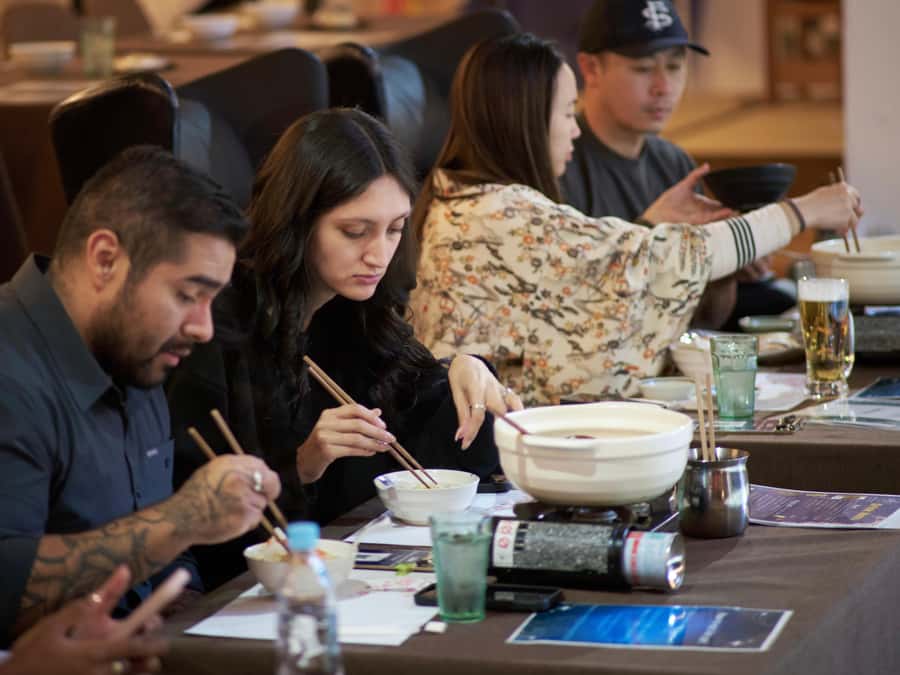
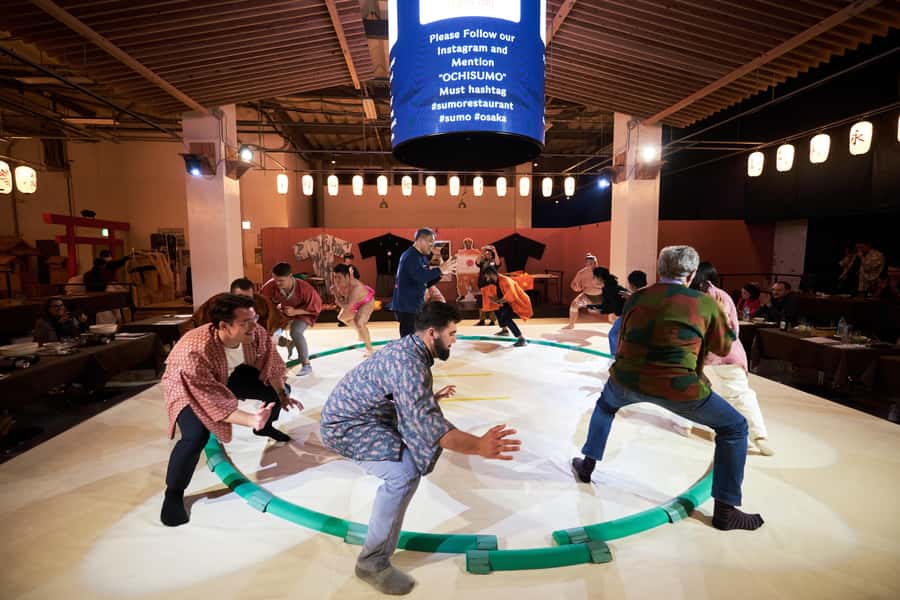
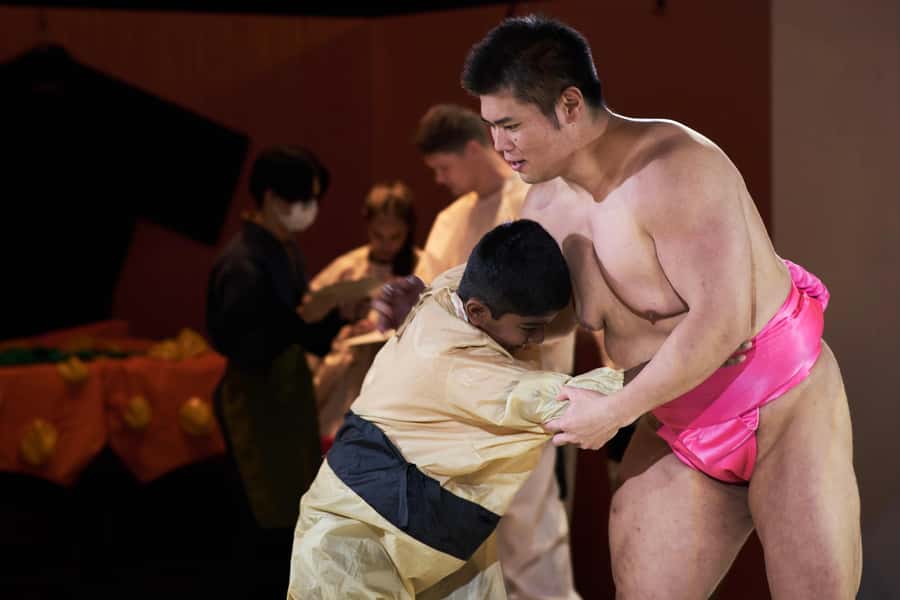
After the show, audience members can try sumo techniques and face one of the wrestlers in a friendly bout. This is where the experience becomes memorable, especially for children and adults who enjoy a bit of harmless embarrassment.
Participation is not guaranteed. If too many people want a turn, the organizers may hold a lottery. That means you should not pay for the ticket solely because you expect to wrestle. Think of the audience bout as a possible bonus, while the show, photos, and haori experience form the dependable core.
The physical nature of the activity matters. Even though the organizers take care with safety, there is a possibility of injury during the wrestling experience. If you participate, listen closely to the instructions and be realistic about your own comfort and mobility.
The atmosphere is deliberately good-natured. The wrestlers play along, the announcer keeps the room laughing, and the crowd gets involved. Several families found this part especially funny, and it is likely to be the highlight for children.
I also like that the experience is connected with former sumo wrestlers earning a living after retirement. That gives the event a human angle. You are not only watching a polished stage act. You are meeting people whose working lives were tied to the sport and who now share it with an international audience.
More kimono experiences:
- Learning Zen of Japanese Calligraphy in kimono near Osaka Castle
★ 4.5 · 53 reviews - Kimono Tea Ceremony at Kyoto Maikoya, NISHIKI
★ 5.0 · 911 reviews - Kyoto: Kimono Rental with Hairstyling and Accessories
★ 4.8 · 653 reviews - Kyoto: Kimono Tea Ceremony at Orizuruya Gion
★ 4.9 · 618 reviews
Photos with the rikishi
The photo session follows the show and gives you a chance to stand with the wrestlers. This is more than a quick view from a distant seat. You can take home a personal souvenir of the event, and the wrestlers are described as friendly and approachable.
If you are travelling with family or a partner, plan your group photo in advance so the process stays quick. The session is part of the included experience, but the available time and order can depend on the crowd.
The close setting is a real advantage. You see the scale of the wrestlers at close range, which adds something a screen cannot provide. It also helps explain why the opening charge and pushing techniques require such control.
Wearing a kimono haori
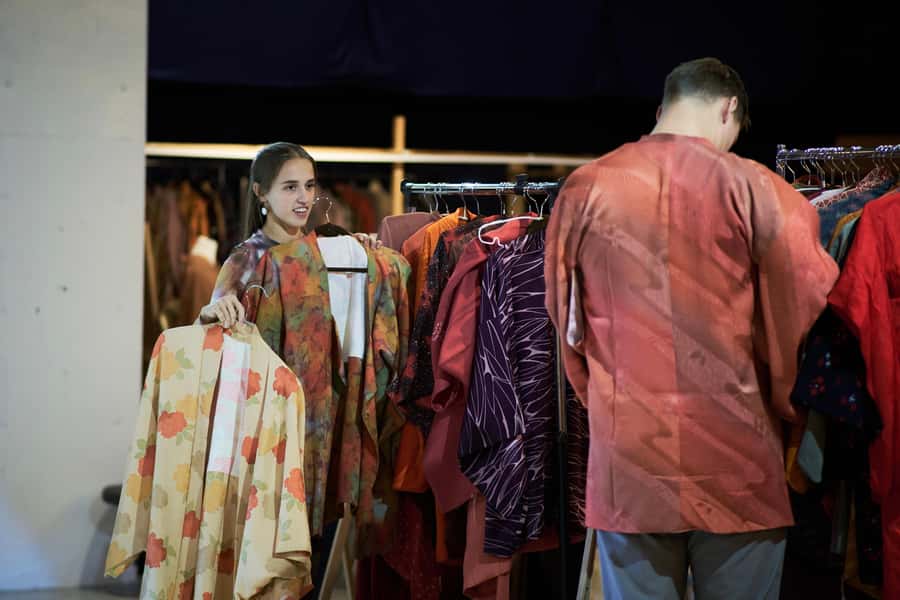
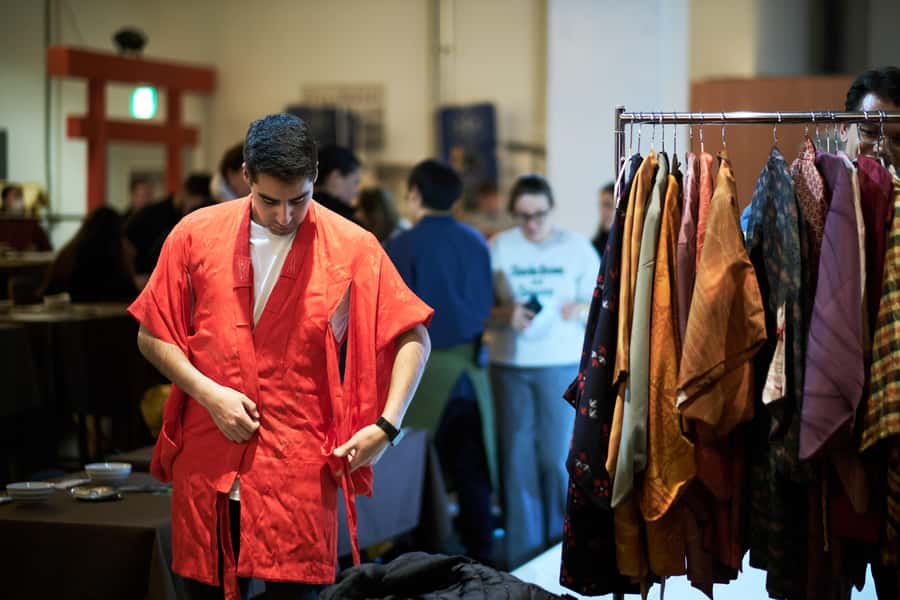
A kimono area lets you try on a haori, the formal Japanese coat worn over traditional clothing. This is a simple but worthwhile addition, especially if you want a Japanese cultural photo without booking a full dressing appointment elsewhere.
The standard haori experience is included. If you want professional kimono dressing, you can select the premium Kimono Experience option. Full kimonos are also available for purchase on site.
Keep your expectations clear. The included haori try-on is not the same as a complete kimono dressing session with elaborate preparation. It is a quick cultural activity that fits neatly around the sumo show.
I see this as a good value feature for families, couples, and anyone building a photo album of Japan. It gives non-wrestling companions something to enjoy while keeping the event from feeling like a single-topic performance.
Chanko nabe and the food choices
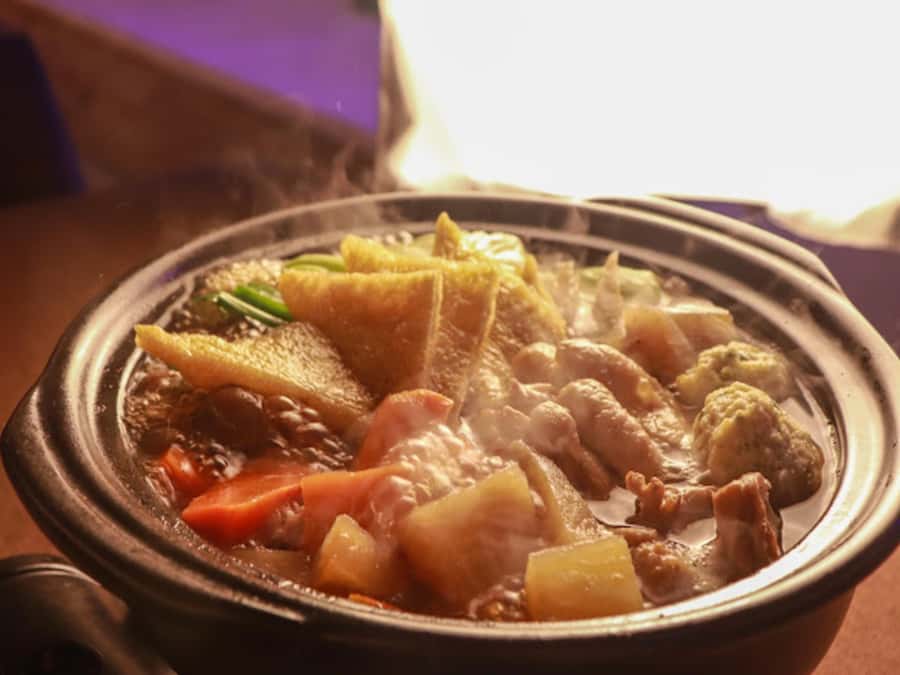
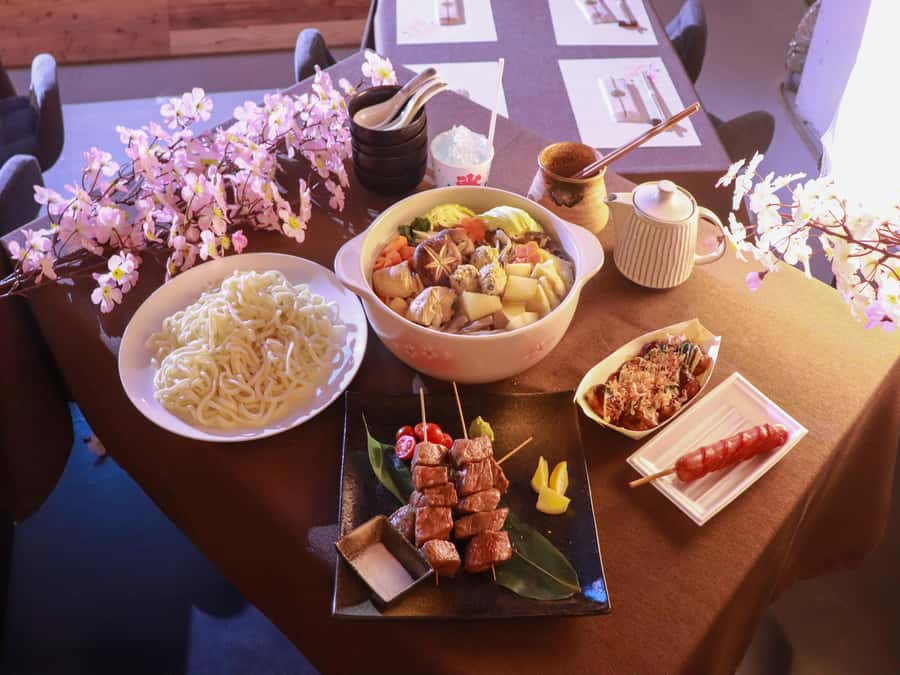
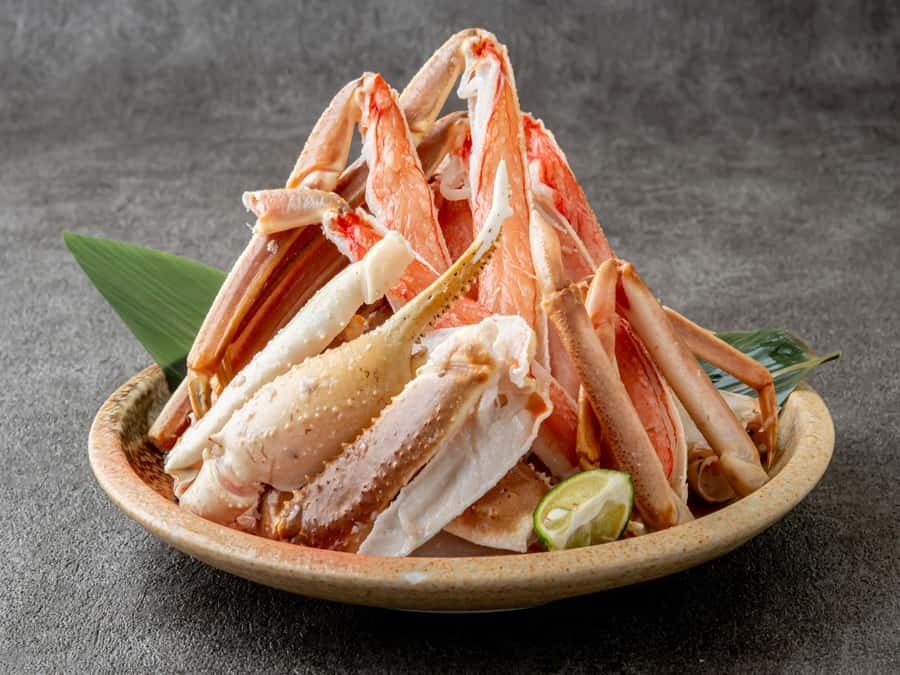
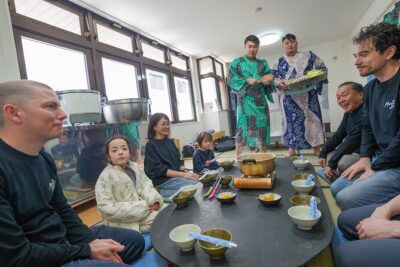
Chanko nabe is the traditional hot pot associated with sumo wrestlers. The version served here follows the Takasagobeya style and is described as simple, warm, and home-like.
The important detail is that the basic show ticket does not include chanko nabe. If you want to eat it, choose a food plan or add it according to the available options. A group show with food is recommended if everyone in your party wants to dine together.
The hot pot received generally positive comments, though one person found it only okay. That is a useful warning: the meal adds atmosphere and convenience, but you should not book the event as a gourmet dinner. The food plan makes more sense if you want the complete sumo setting and do not want to arrange a separate meal.
The venue also has a food truck selling takoyaki, okonomiyaki, and wagyu beef, plus drinks at an indoor bar counter. These purchases are not included. Food and drinks can be more expensive than a basic local meal, so check the plan carefully before assuming the $77 ticket covers dinner.
Alcoholic drinks are available. Vegetarian and gluten-free requests can be addressed through the additional options, but the listed gluten-free and vegetarian selection is marked as a zero-yen add-on that does not include a meal. On the day, staff suggest a menu based on your information, and meat options are limited to chicken or beef.
For a group with mixed diets, this flexibility helps, but I would provide your dietary information when booking and confirm exactly what meal, if any, is included.
Is the $77 price good value?
At $77, the price is fair for a one to one and a half-hour event if you value interaction. You receive the show, the sumo explanation, a possible audience bout, photos with wrestlers, and a haori experience. That is more personal than a standard performance ticket.
The value improves if you win a place in the sumo experience, take photos, and use the kimono area. It also improves if you are already visiting Rinku Town for shopping or staying near Kansai International Airport, since the venue then fits naturally into your plans.
The value is weaker if you want only a serious sporting contest. The bouts are short, the event includes comedy and staging, and participation depends on demand. Add the cost of chanko nabe, drinks, or food-truck purchases before comparing it with other Osaka activities.
VIP or premium options may appeal to people who want a more involved evening or professional kimono dressing. Some people found the VIP package worth the extra cost, particularly when it included food and offered a fuller night out. Still, the standard ticket should be enough for most first-time visitors.
Who will enjoy this most?
I would recommend this for:
- Families with children who enjoy audience participation
- First-time sumo viewers who want the rules explained
- Couples looking for photos and a lighthearted activity
- People staying near Kansai International Airport
- Anyone combining the show with Rinku Town outlet shopping
- Visitors who prefer an interactive cultural event to a formal lecture
It is less suitable if you need a full professional match, dislike staged entertainment, or have a tight Osaka sightseeing schedule. The travel time from central Osaka is significant for a short show.
The venue is wheelchair accessible, which makes the activity easier to consider for many people. The wrestling portion involves physical activity, however, so you can watch rather than participate if you prefer.
Booking and timing advice
Choose the lunch session at 1 p.m. or the dinner session at 6 p.m. Doors open before each show, from noon to 12:45 p.m. and from 5 to 5:45 p.m. respectively.
I would arrive near the start of the door period. You need time to find the venue, settle in, and handle any food or seating details. The meeting point may vary by booking option, so do not rely on a general map pin alone.
Cancellation is free up to 24 hours before the activity, and reserve-now, pay-later booking is available. Those policies help if your Japan itinerary is still changing, but they do not protect you from a same-day cancellation or late arrival.
Should you book the Osaka sumo show?
Book it if you want friendly, hands-on sumo rather than a formal tournament. The clear rules lesson, funny announcer, close bouts, wrestler photos, and chance to challenge a rikishi create a memorable hour. The haori try-on adds a useful cultural extra, and the airport-area location can work well on either end of a Japan trip.
Think twice if you are based in central Osaka and have only a few hours. The journey to Rinku Town is long compared with the event itself. Also choose your meal plan carefully, since chanko nabe and other food are not automatically included.
For most families, first-time sumo fans, and people who like a little audience participation, I consider the $77 standard ticket a good buy. Just treat the wrestling bout as a lucky extra, not a promise, and arrive early.
FAQ
How long does the Osaka sumo experience last?
The activity lasts about 1 to 1.5 hours. The sumo show runs about 35 minutes, followed by a 10 to 15-minute sumo experience and a photo session.
What time does the sumo show begin?
The lunch show begins at 1 p.m., and the dinner show begins at 6 p.m. Check availability for the starting time offered on your date.
When do the doors open?
For the lunch show, doors open from noon to 12:45 p.m. For the dinner show, doors open from 5 to 5:45 p.m.
Is the sumo wrestling experience guaranteed?
No. If too many people want to participate, the organizers may hold a lottery. Places are not guaranteed.
Is food included in the ticket?
Food is not included unless you select a meal plan. Chanko nabe, food-truck items, and drinks are available for purchase or through selected options.
What food is available at the venue?
The venue can serve chanko nabe through the appropriate meal plan. A food truck also sells takoyaki, okonomiyaki, and wagyu beef, and drinks are sold at a bar counter.
Can I request vegetarian or gluten-free food?
You can select the vegetarian or gluten-free additional option. The listed zero-yen option does not include a meal, and staff suggest a suitable menu based on your information.
Can I wear a kimono?
A kimono haori try-on is included. A professional kimono dressing experience requires the premium Kimono Experience option, and kimonos are available for purchase on site.
Is the activity wheelchair accessible?
Yes, the activity is listed as wheelchair accessible. The sumo participation itself is physical, and the organizers warn that injuries are possible during that activity.
Just added around Osaka
- Osaka Food Tour with 10 Classic Japanese Tastings & Drinks★ 5.0 · 38 reviews
- Osaka: Highlights & Hidden Gems Private Walking Tour★ 4.7 · 38 reviews
- Kyoto private tour (Shore excursion available from Osaka or Kobe port)★ 5.0 · 39 reviews
- Osaka Private Day Trip – Enjoy Your First-Time Visit to Osaka!★ 5.0 · 39 reviews
- Kyoto & Nara & Uji: Full Day Sightseeing Tour from Osaka or Kyoto★ 4.5 · 39 reviews
- Authentic SUSHI Course Cooking Class★ 5.0 · 39 reviews
- Osaka: Mind & Spirit Balance Temple Reiki Healing★ 5.0 · 41 reviews
- Osaka Afternoon Walking Tour with Osaka River Cruise★ 3.5 · 42 reviews
Sumo Experiences, compared.
Tokyo Shinjuku Sumo Show & Experience with Photo
Read our review →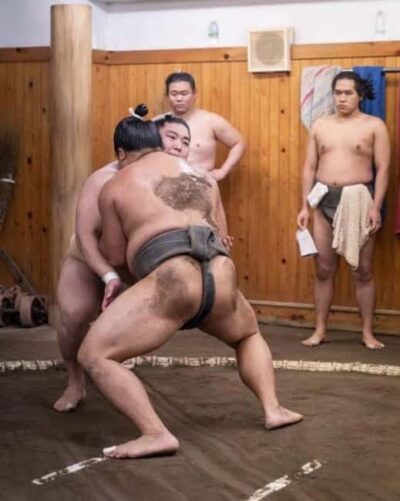
Authentic Sumo Experience in Tokyo: Enter the Sanctuary
Read our review →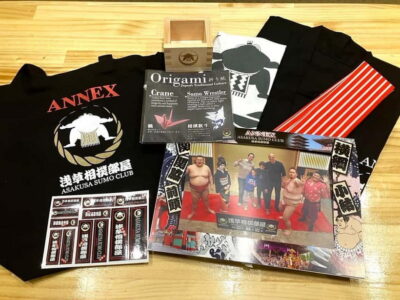
Luxury Sumo Show Experience & Japanese cuisine & Drink
Read our review →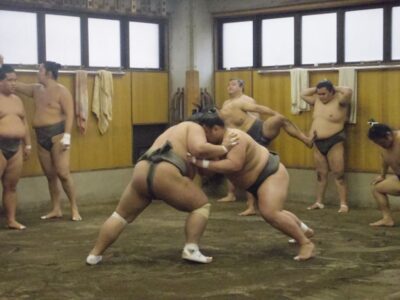
Browse the lists this tour appears in